"That was fun too, because the most active students on the strike committee took the Civic Forum as a group of losers who don't understand what the students want and who always want to compromise instead of going revolutionary and escalating their demands. So there was a certain rivalry there, at least in those early days. Brno really behaved in various ways. There was Mayor Pernica for the Communist Party, Jaroslav Šabata was always trying to lead it to reconciliation with the Communists. And that wasn't a good strategy, it backfired on him too. So the students were right in principle - I was always on their side."
"I made a mistake once, and when I was chatting with my friend Růžena Ostrá on the phone, I told her that Nora was great yesterday. That's when I managed to invite Nora Obrtelová to interpret the lecture for us. And I didn't realize that not many people have the name Nora. And the cops followed Nora, who lived alone in a rented apartment in Lerchov. And I was there, and State Security men also followed her, and they tried very, very hard to intimidate her into doing something. So I never dared to mention anything on the phone after that."
"We started off relatively well in Prague, except that when the working class took over the government in 1948, the way things were done at the Ministry [of Agriculture] was that they liquidated my father's entire workplace, the Directorate of State Forests. The director was arrested, perhaps even threatened with execution at the time, but in the end he was just imprisoned. For example, there was also a communist from the First Republic, Mr. Mahler, who printed the illegal Red Law during the war and was arrested in 1949, then returned from prison completely crippled. That's how they treated these people. My father escaped it probably because he had a partisan past. He had been in a unit with paratroopers from the USSR. Then he was offered to help build a new forestry department at the forestry faculty in Brno. So we gladly, reluctantly, moved from Prague to Brno. My father moved in 1951, the family moved in 1953, and I graduated in Prague and started university in Brno in 1954."
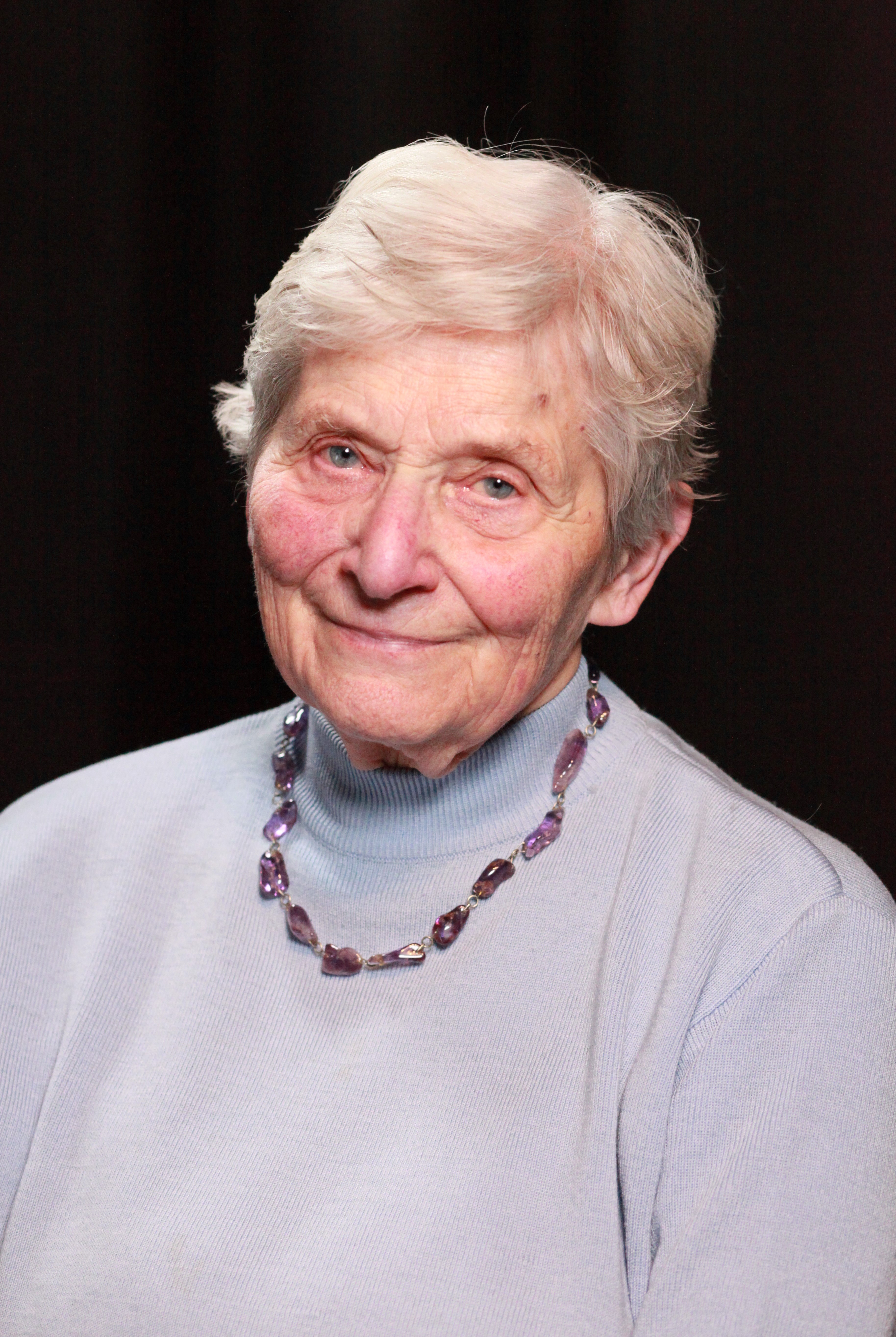
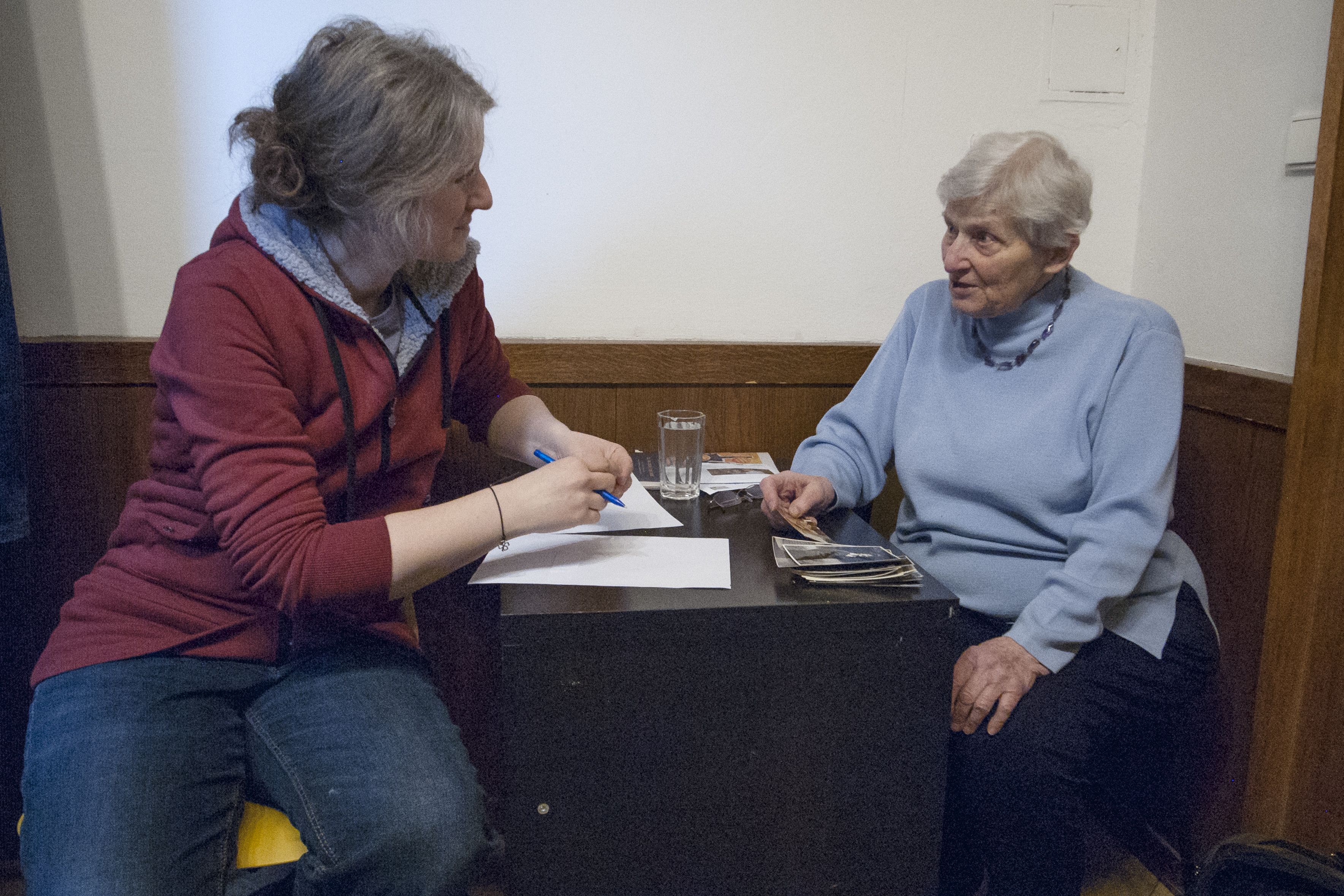
Jana Jelínková was born on 18 April 1936 into the family of Otakar Polák and Jana Poláková (née Boková). After her birth, the family lived in Slovakia, but after the occupation of the borderlands, they were expelled and settled in Písek. They lived in a street with German barracks, she experienced the end of the war and the liberation of the town, Otakar Polák was a partisan. After the war, Otakar Polák took a job at the Forest Directorate in Prague and the family moved with him. Jana Jelínková graduated from grammar school (1954) and university majoring in comparative literature, Russian and Bulgarian. Eventually she earned her doctorate and began teaching at Masaryk University in Brno, where she had to stay permanently after the purges of 1969 and 1970. She and her husband Milan Jelinek founded an underground university where French professors came to hold seminars. The state security kept the various logistical parts under surveillance, but never put the whole picture together. In 1989, the witness was nominated by the students to join the strike committee, which she gratefully accepted, participating in the demonstrations on Liberty Square. After the Velvet Revolution, the underground university actually disappeared; the Czech part continued to organize meetings with French scholars, which she attended. At the time of the interview, Jana Jelínková was living in Brno-Líšeň.