Mojmír Jauernig

* 1964

  • "[My grandmother was also about to move out, she was even already with her relatives on a wagon in Hanušovice.] However, the commissar came and started calling people who had to return, because it was found that if everyone left, there would be no one to train the new settlers here. And she had been working in Moravolen in Hanušovice since she was thirteen, so she was very established there, and then she really had to train the people who started to settle here, especially the women. And also, apart from the fact that she was a social democrat, they didn't have any farm, just one or two goats, so she stayed here."

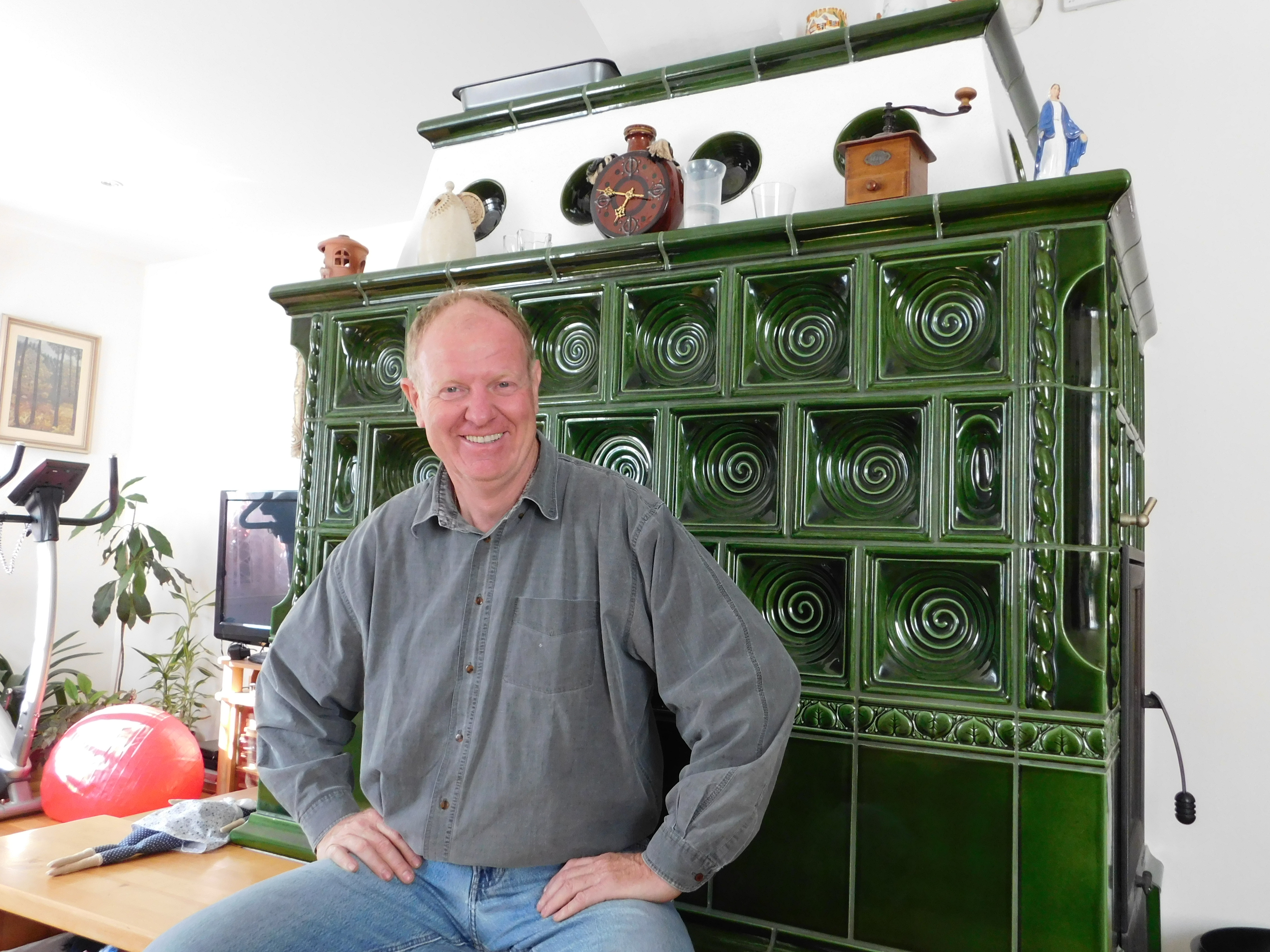
  • "And I paid for two press adverts for that run. There were no stove makers at all, the trade just didn't exist, but I didn't know that. I put an ad in the Šumperk Věstník and in Moravský sever. The were newspapers. I put there two ads for 20 crowns each, I didn't even highlight them, because I was saving money. We didn't have a telephone. My wife was working in a kindergarten at that time, because we already had two children, so she couldn't work on the railway. So she worked as a school caretaker. In the advert, the phone number for the kindergarten was listed, but only in the evening. The director and I agreed that I would always go there in the evening and take my calls. So I took orders there. It was nice that the phone only kept me busy for one hour a day. Thanks those two adverts made me a two-year job at the time. I was even afraid of it. I finally quit my job at the railways, and everyone was surprised because the railways had already started making people redundant after the coup and the situation there was tense."

  • "Also because she was a social democrat and had worked in Moravolen all her life, she had to stay here after the war. It was also because her husband had not returned from the war - he was missing. He survived the whole war and its end. At the end of the war, when [Germany] was divided into the Russian and Anglo-American zones, he wanted to cross the Elbe from the Russian zone to the Western zone, and allegedly the Soviets shot him in the Elbe. So he survived the war, but then he was unlucky - he either drowned or was shot in the water, allegedly."

  • Celé nahrávky
  • 1

    Hanušovice, 25.08.2025

    (audio)
    délka: 01:21:34
    nahrávka pořízena v rámci projektu Stories of 20th Century
Celé nahrávky jsou k dispozici pouze pro přihlášené uživatele.

You only have what you have given

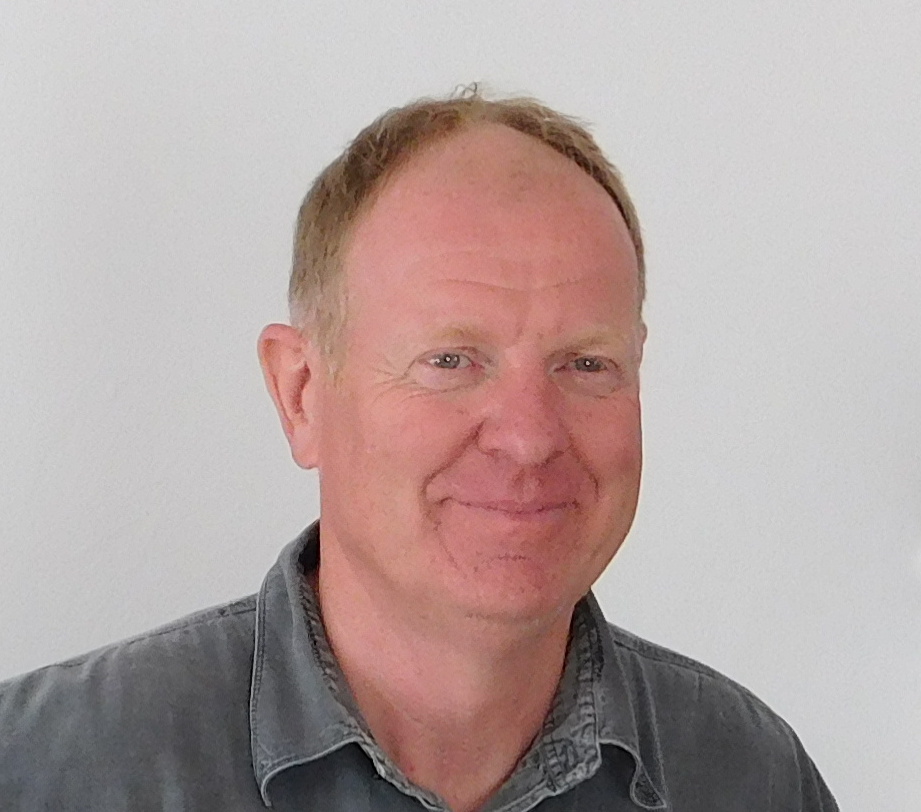
Mojmír Jauernig in 2025
zdroj: Vít Lucuk

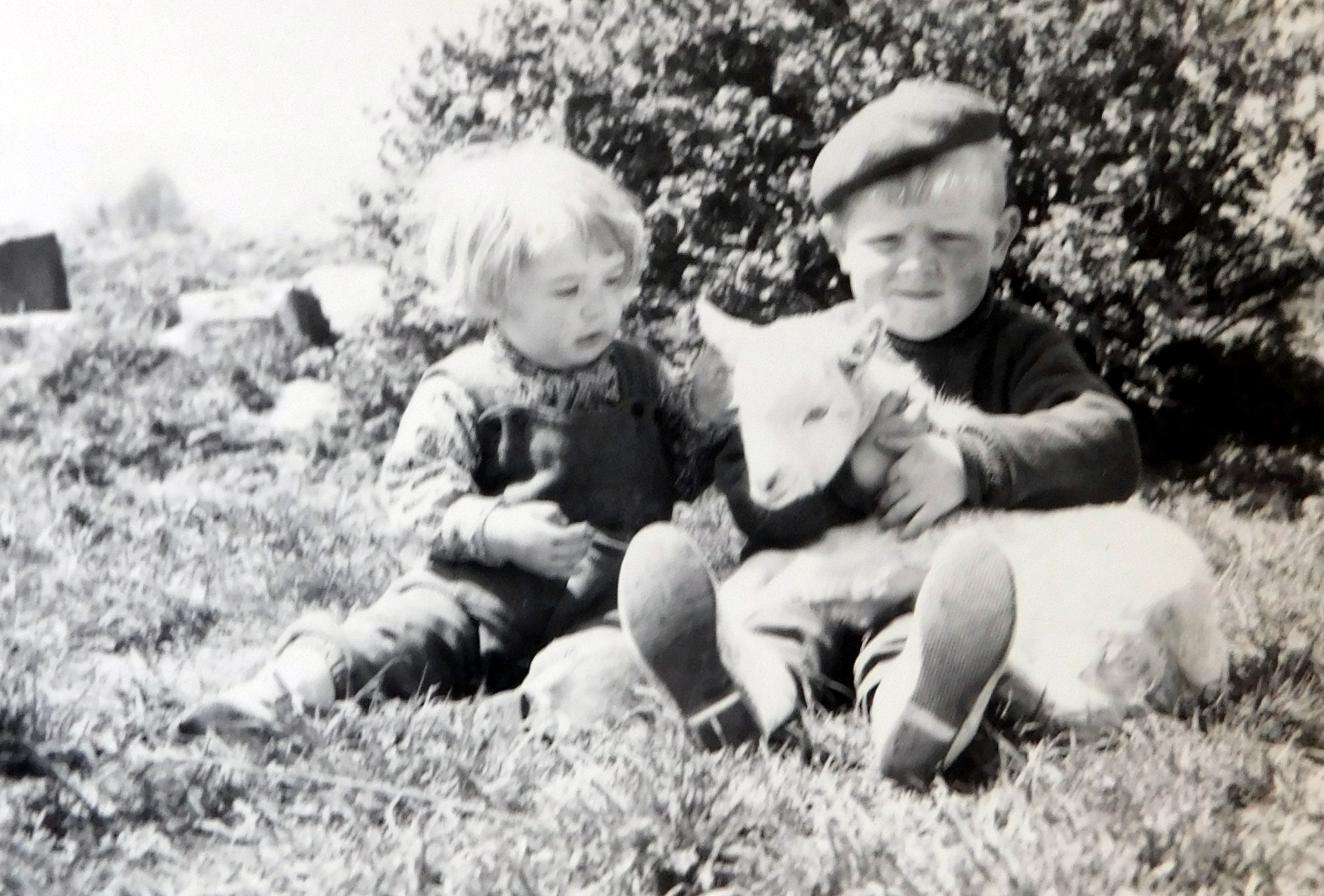
Mojmír Jauernig was born on 22 February 1964 in Šumperk. He spent the first two years of his life in the village of Habartice in the Hanušovice region with his parents and grandmother Alberta Jauernigová, who despite her German nationality was not included in the expulsion of Germans. Grandfather Adolf Jauernig enlisted in the Wehrmacht and died shortly after the war while trying to cross the Elbe River. The family moved to Hanušovice in 1966. Shortly after 1968, father Adolf Jauernig applied to the authorities for the family to leave for the Federal Republic of Germany. However, Mojmír, who was five years old at the time, suffered a serious injury while sledging and due to the lengthy treatment the family could not go to Germany and later it was no longer possible. In 1972, the father of the witness was murdered. However, the criminal police eventually classified the case as unsolved and even the witness never found out what actually happened. Mojmír Jauernig graduated from secondary technical school in Šumperk. He welcomed the fall of communism, but did not get involved politically. In the 1990s, he learned the stove-making trade and started his own business. At the time of recording in 2025, he was teaching stove-making and reconstructing tiled stoves all over the country.