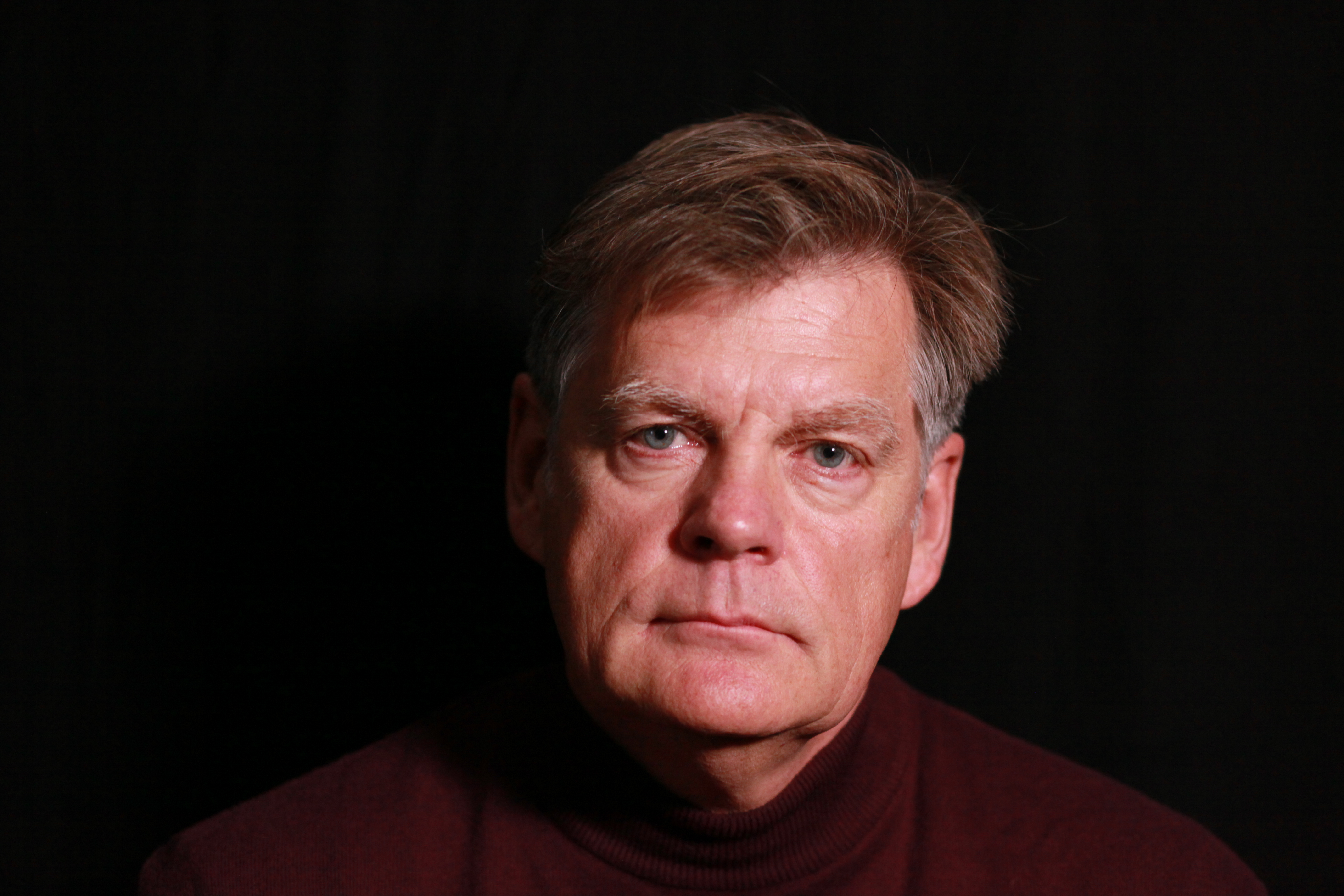
Jiří Janů

* 1966

  • "We were there for a fortnight. We went all the way to France, so we had transit through Germany. And on the way back, because it was 1978, the tenth anniversary of 1968, we were treated thoroughly by German customs, I should point out. It was a surprise even for our customs officers, because we spent three hours unpacking our tents, our backpacks, dismantling the car, and then Ludvík Noll had to come to the border, and he paid a fine for us at that time, about a hundred marks. The reason was the persecution of our customs officers against German tourists. So at that moment we, a family with two small children, were the ones who paid for it."

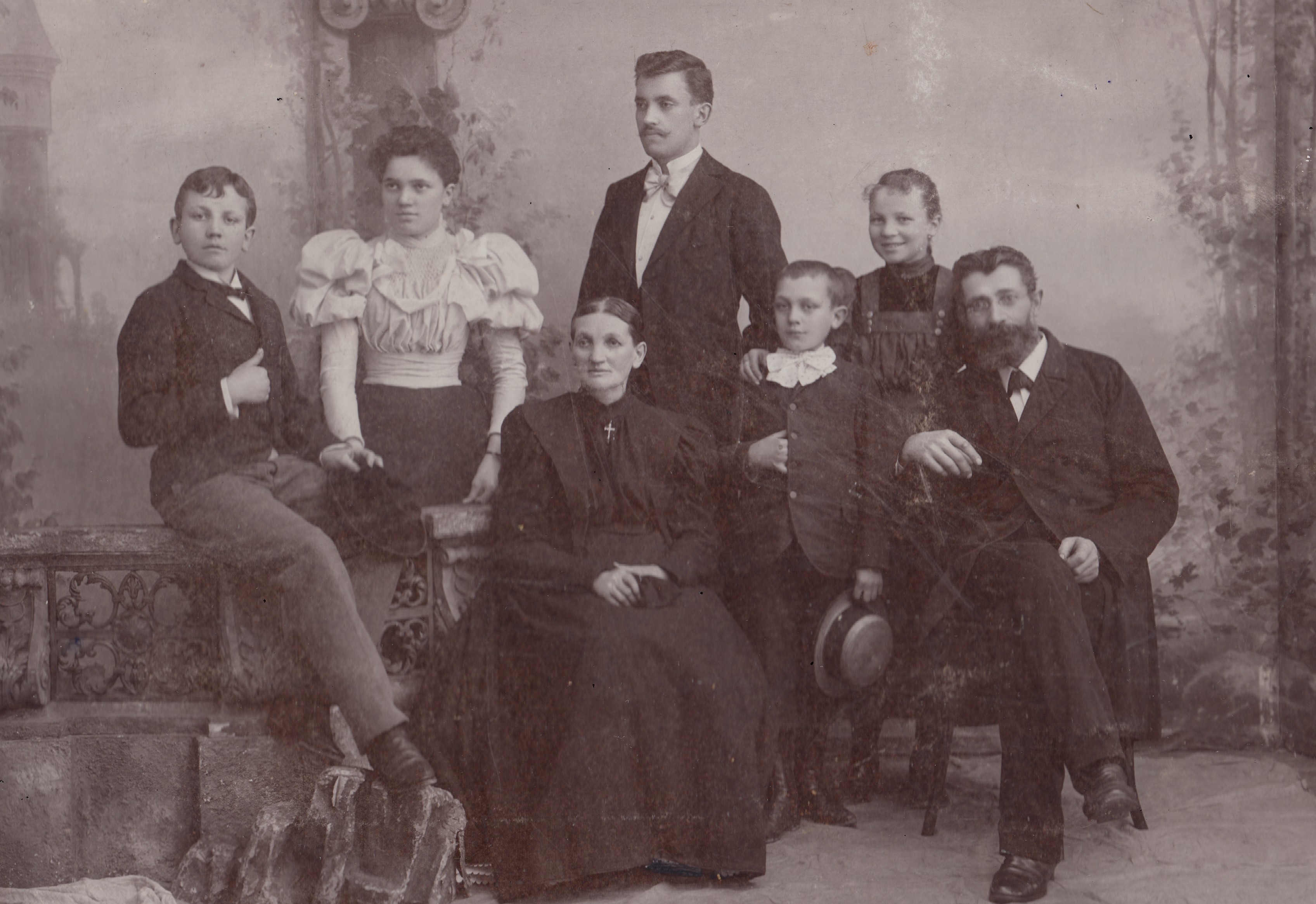
  • "What caught my eye there, when I was going back through the documents afterwards, was Ludwig Noll's school report card. And I have a report card of all these Noll's, that the family tradition is that we are close to the German temperament, but we're failing German. Completely. Now I find out that my grandmother Noll, who taught me German from a young age and learned it so she could get along with her brother and his family in Germany, had failed German. Ludwig Noll failed German. Jiří Janů, unfortunately, failed German at secondary school. Ludvík Noll came to Germany, was totally deployed there during World War II and stayed there. He found a girlfriend there, they had two children. And she didn't want to let him go back, she was afraid to let him go to Czechoslovakia."

  • "Ludvík Noll, my great-great-grandfather, pulled my great-grandmother out of the internment camp. My great-grandmother Julie was a beautiful woman, really beautiful, I have pictures of her. And of course, it didn't escape the local businessmen attention, like Mr. Palán, who was a coal miner in Nemecký Brod, but also the German officers. So you'll find photos of German soldiers here. Ironically, Ludvík Noll, her brother, was totally deployed in Germany during the Second World War. And Julie was branded a collaborator when the Red Army arrived. She was placed in an internment camp in the Sokol Hall, not far from where she lived, and her father could see her from the window. And her father, my great-great-grandfather, managed to get her and Mr. Palán out of the internment camp within two days and they left the city." [Actually it was great-grandfather and grandmother, not great-great-grandfather and great-grandmother]

  • Celé nahrávky
  • 1

    Jihlava, 14.09.2025

    (audio)
    délka: 57:21
    nahrávka pořízena v rámci projektu Příběhy regionu - Vysočina
Celé nahrávky jsou k dispozici pouze pro přihlášené uživatele.

A relative actor was the black sheep of the family
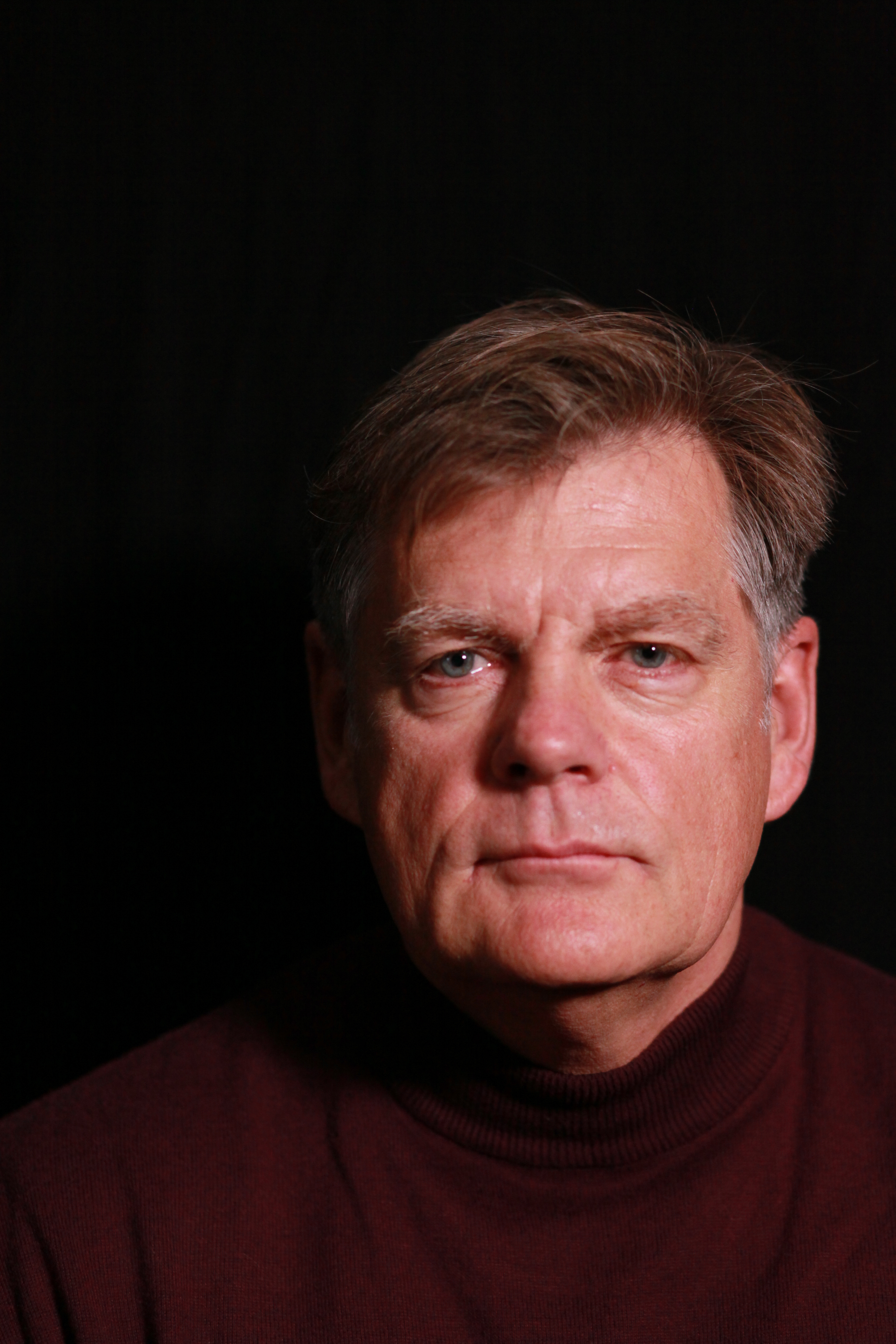
Jiří Janů in 2025
Jiří Janů in 2025
zdroj: Memory of Nations

Jiří Janů was born on 6 January 1966 in Havlíčkův Brod. He belonged to the descendants of the respected Noll family, which had lived in Havlíčkův Brod since the 1880s. Among his ancestors was the First Republic actor Karel Noll. Part of the family ran a bakery in Havlíčkův Brod, part of the family was involved in brewing. After the Second World War some relatives left for West Germany. Jiří Janů and his sister Stanislava were brought up mainly by their great-aunt Božena Nollová. He completed primary school in Havlíčkův Brod, then transferred to a sports grammar school in Pardubice. He wanted to play basketball professionally, but right after secondary school he got married and had to start working. After the Velvet Revolution, he started a business in gastronomy, and fifteen years ago he opened a café in Havlíčkův Brod, which bears the name of his ancestors. In 2025 he lived in Pardubice.