Jaroslava Jandová

* 1933

  • "He worked for the Mr. Mašek who was hiding the groceries. Well, then when he saw that he just didn't like it, didn't want to be with him, as soon as he got his teaching certificate, he left him and gave him back, gave him back, it's in the papers too, what he brought to his parents to store. But Mr Mašek didn't give up anyway and came to his parents' house and recruited them to at least leave some coffee and some alcohol, because there was about five thousand worth of it. And for that he served ten months. Three days before the trial, they picked up all these employees. The trial lasted two months in Pankrác in the main courtroom, and then he was in Jáchymov for ten months. He came from Jáchymov and went into production. He went to work as a worker in the ČKD, and then he wanted to go to his trade, so he had to go to the army for a year, yeah, then he went to the army, what am I saying, there was an army for two years, and after the army he was in the ČKD and he wanted to go to his trade, he wanted to go back to selling, so he had to go to the construction industry for a year. So he worked on a construction site here in Branik somewhere, how they were building these houses around the pool nearby. And then he got into his trade, so he started with the company Zoufalý on Jungmann Square."

  • "The Germans, it was like that, I watched it all as a girl, because I was always running in the street, right, there wasn't even a school then. And so I was always watching how they were walking. There were an awful lot of German families in Prague One and probably in Prague in general, Germans. So they used to bring them, huge parades, around the Vltava River, like the Intercontinental Hotel now. So there I was always standing by the hospital Na Františku or on the embankment. And they were walking, it was like ten steps, well, all along that street and sidewalk, these women, grandmothers and children were walking. It was just women and grandmothers and children walking out of those houses. And now there was the so-called RG, Revolutionary Guard, they had red, what I would call, bands on their shoulder, on their left arm. And they were called the Looting Guard, the Revolutionary Guard. Because as these poor women, children and some old people marched through here, there was always some grandmother at the end who had a buggy. And the baby was pulling on her skirt. I see it all the time. And she had a knot on her pram where she probably had her most important things packed. And the loot guard was watching them. And as they walked up the few steps, they saw the pram and the parcel like that, and they poked it with the flint until it fell on the ground. And now it just unfolded. They were waiting to see if there was any gold or anything. And they were just the bare necessities for a little kid. That's what I see today. And that's really how they marched all the time along that waterfront towards Holešovice from the law school."

  • "On Letná Plain, opposite ours, on the edge, there were cannons set up - and we were terribly afraid, because it was directly aimed at us. So we were scared and had to stay in that cellar for four whole days - until the ninth. And then we came out on the ninth, but we had to be very careful. It was beautiful weather for those May days back then. And I know that when we came out of the cellar the day before, for example, into the yard, a bullet whistled right there next to my mother, so we went back into the shelter, because there were some Germans living in those apartments in every house in the Old Town then. So it wasn't fun, so we were really in the cellar until the end, until the ninth. Then we came out and carefully, my mother and I went to see the Old Town Square, and there they were taking Germans out of the town hall, the part that was burning, the part that was all on fire, and they were taking Germans out of the burning town hall. They were different, even higher functions, even ordinary ones, and they loaded them outside on a wagon, I mean a lorry, and then they probably took them. That was terrible, too, when they took them to the hospital at František. People stood there and threatened the wounded Germans with their hands and cursed them. Then they started beating them, and then they were beating them up, it was the time after the war just after the war, when actually the end was still announced for the eighth, but by the ninth we were very hot there."

  • Celé nahrávky
  • 1

    Praha, 02.10.2025

    (audio)
    délka: 01:19:08
    nahrávka pořízena v rámci projektu Stories of the 20th Century TV
Celé nahrávky jsou k dispozici pouze pro přihlášené uživatele.

Czechs were beating wounded Germans head to head
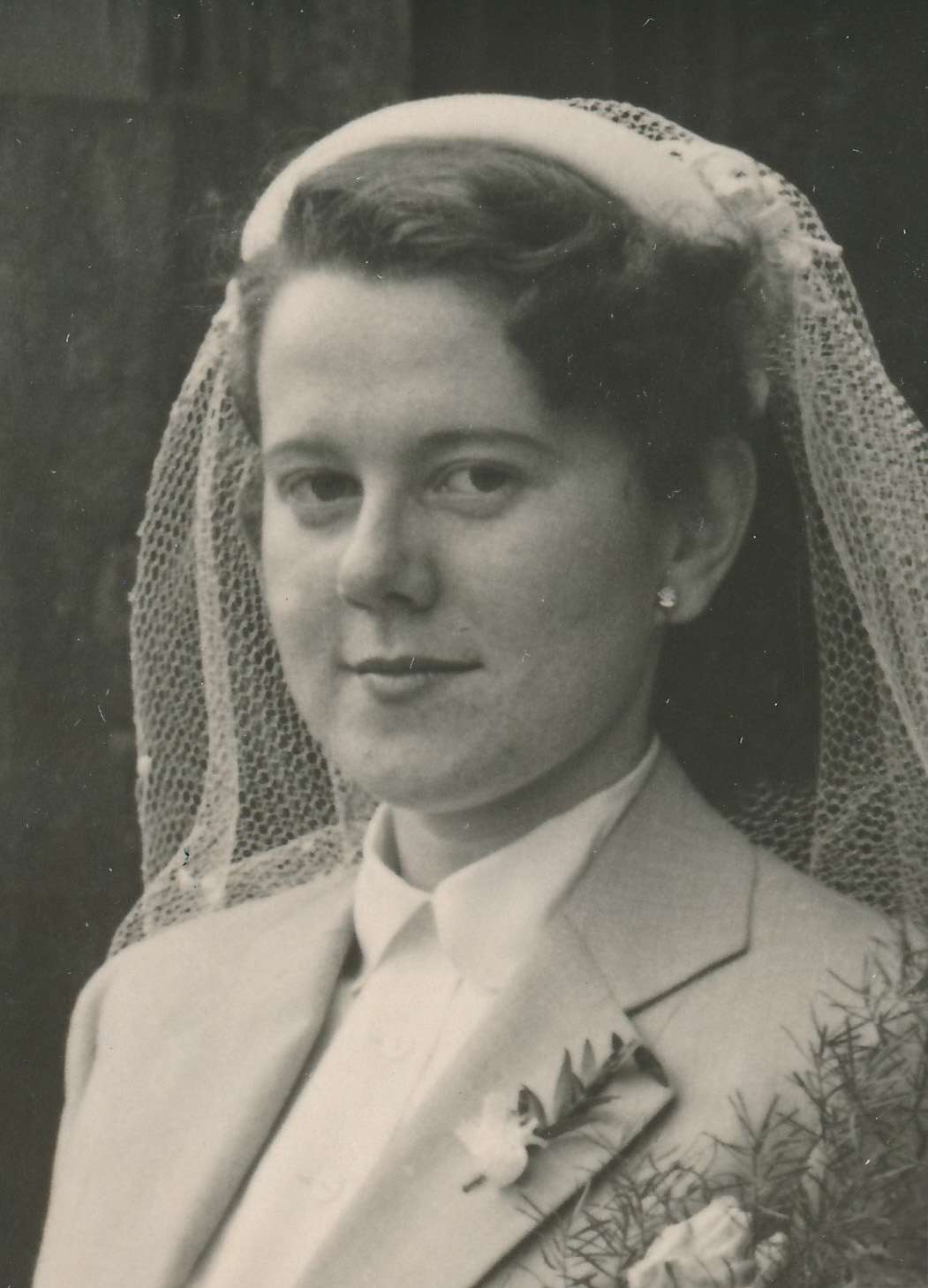
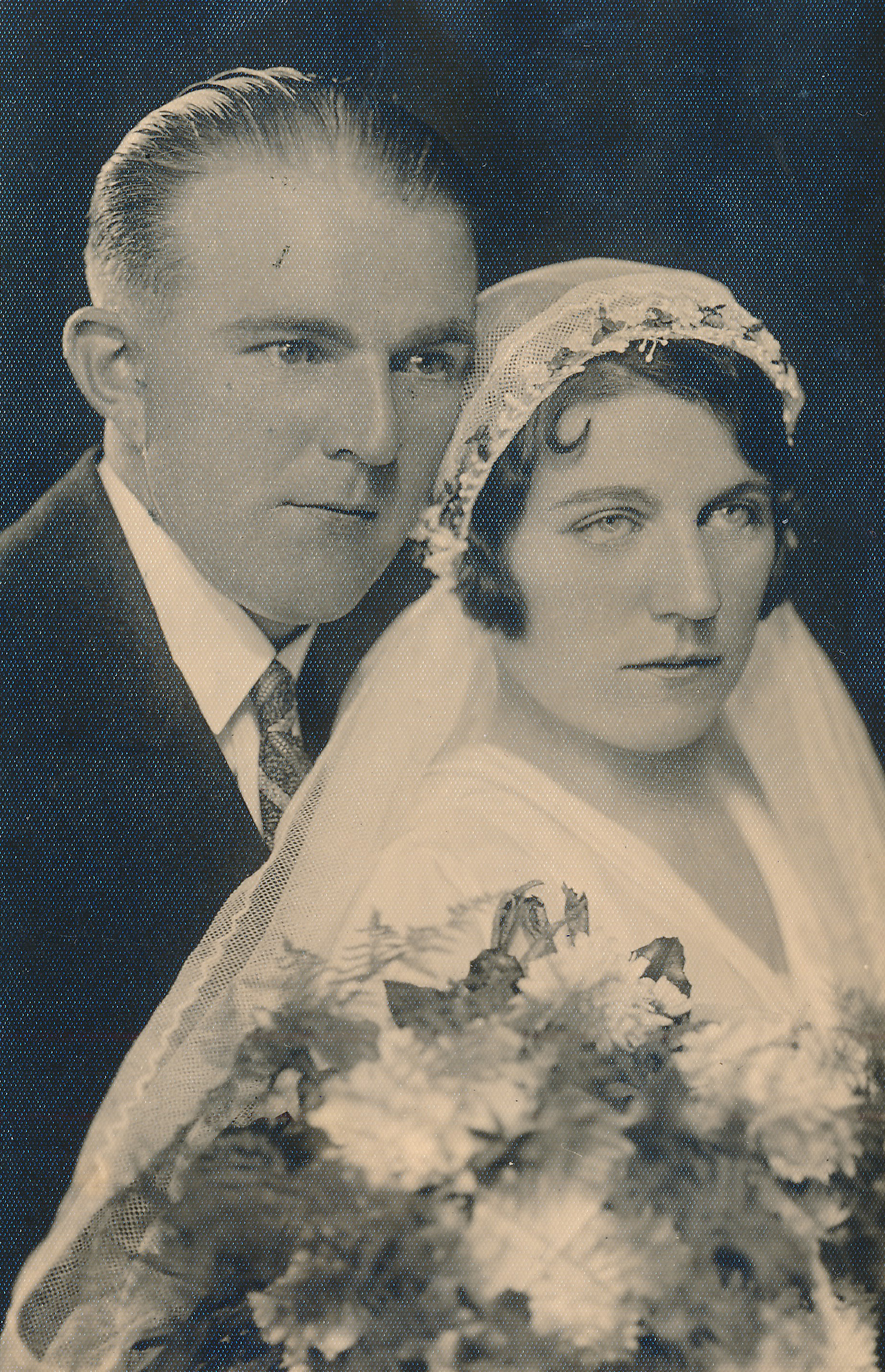
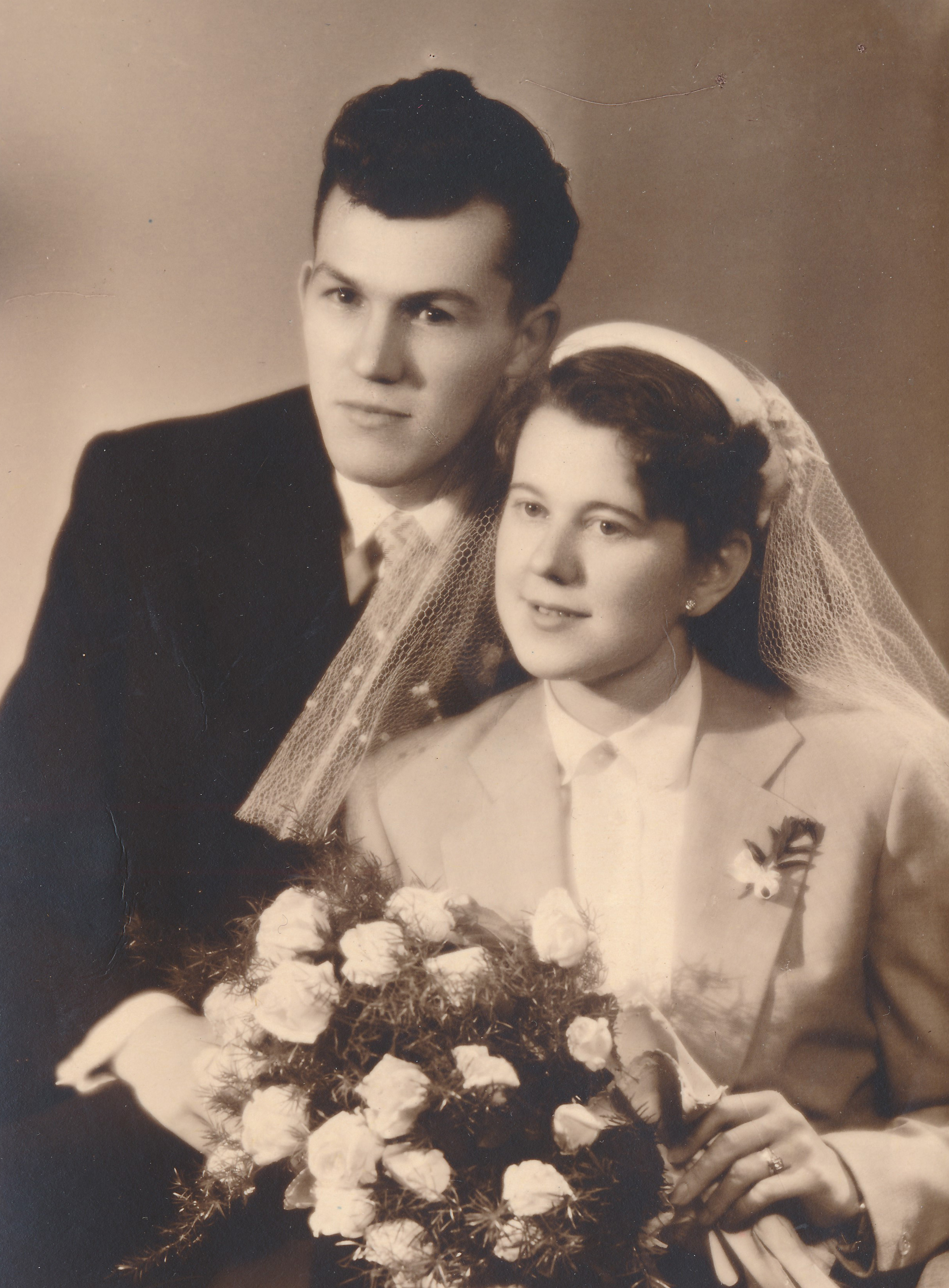
Jaroslava Jandova, 1954
zdroj: archive of a witness

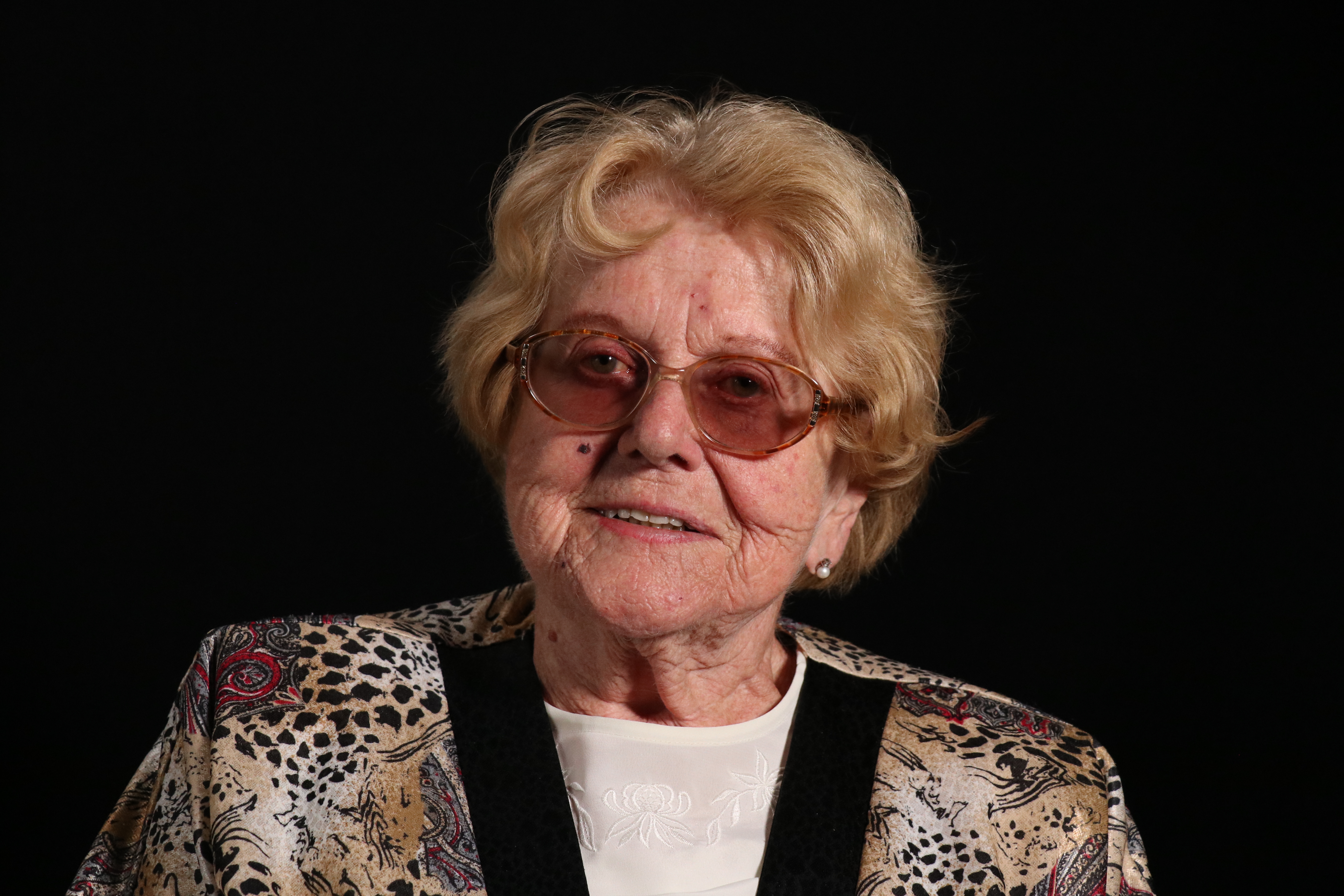
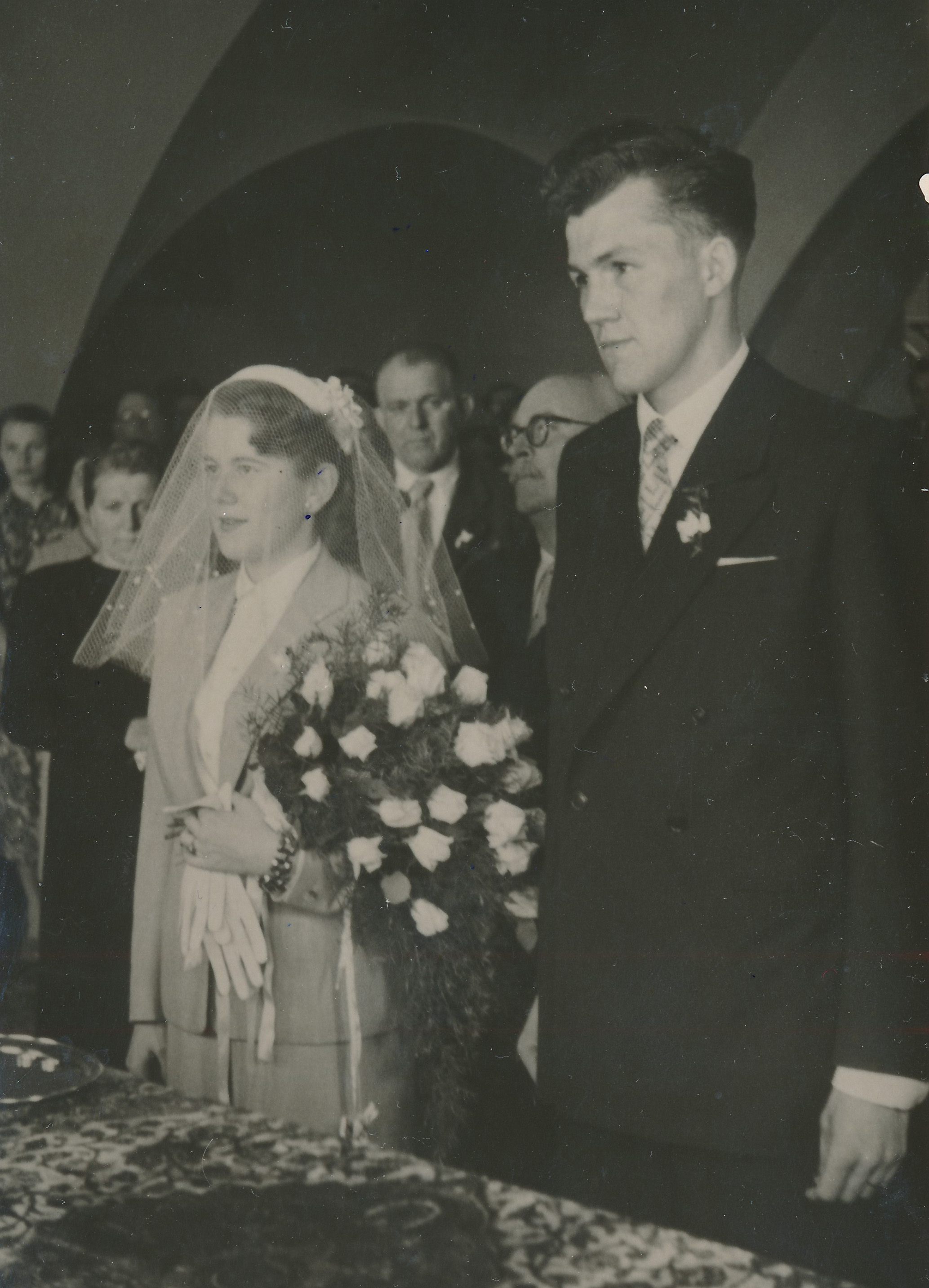
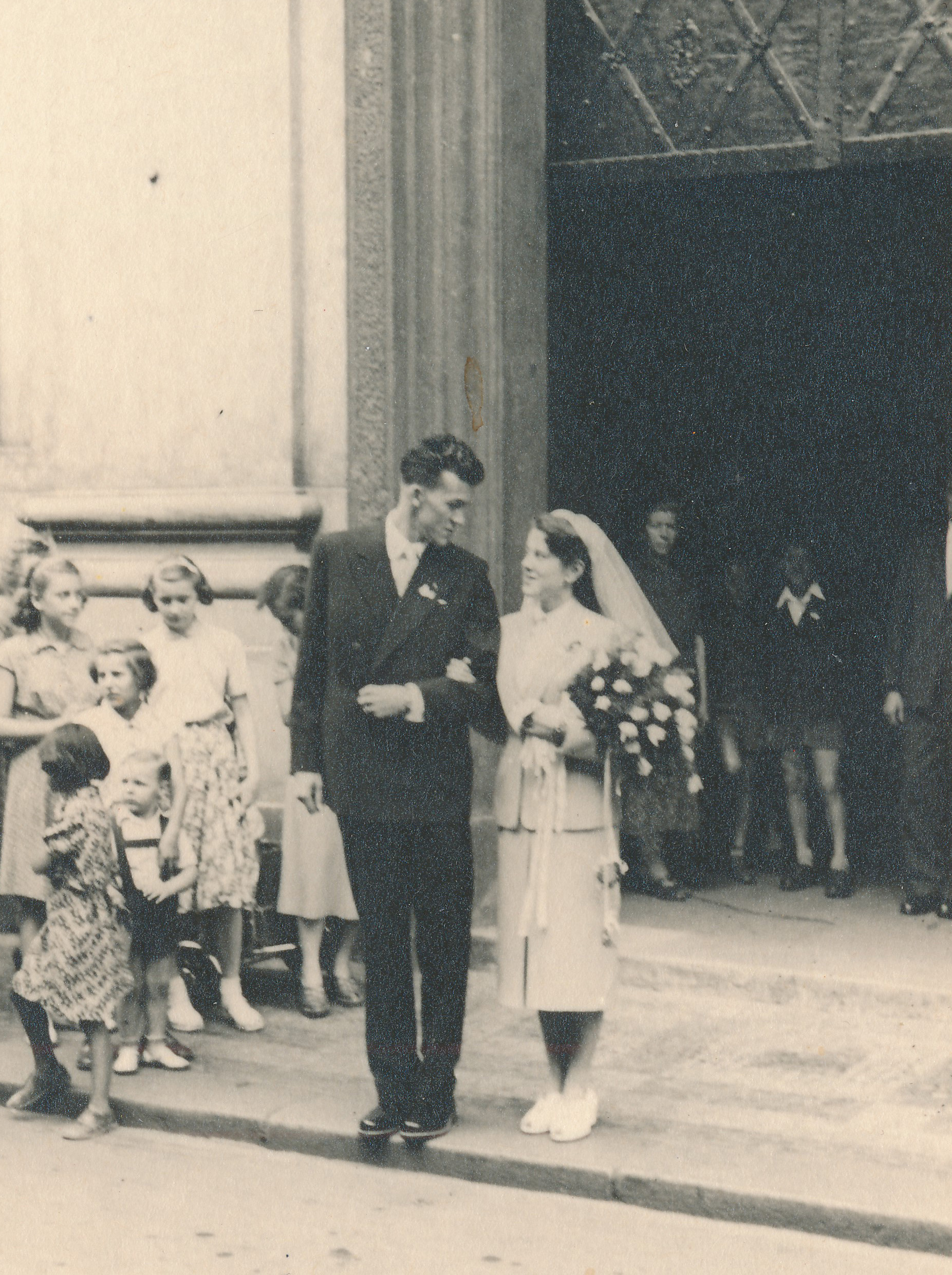
Jaroslava Jandová, née Mizerová, was born on April 8, 1933 in Zbiroh. Her parents moved to Prague in 1935, first to Maiselova Street to the synagogue, from where they moved to the vicinity of the Na Františku Hospital in 1939. During her childhood she attended Sokol, and remembers the funeral of T. G. Masaryk and the mobilisation in 1938. She survived the Prague Uprising in May 1945 with her parents in the cellar. When they came out, they saw with their own eyes the burning Old Town Hall and the subsequent brutality of the Revolutionary Guards against the defeated Germans. After graduating from the business academy, she worked in the secret department of the Trade Bank, later transferring to the Commercial Bank thanks to her knowledge of English. She met her future husband Jiří Janda in 1949, a year later he was unjustly convicted of possessing goods from the shop of his former employer Rudolf Mašek. He spent nine months in Jáchymov, then had to serve in the army and do compulsory construction work, so they were not able to marry until 1954. After the invasion of Warsaw Pact troops, they managed to travel to London for three days before the cage fell and normalisation began. During the Velvet Revolution, the witness took part in a demonstration in Wenceslas Square. In 2025 she lived in Prague.