"It's also a piece of local history. The Euroregion Nysa was founded in 1991, first in May in Zittau - Zittau there was, let's say, an inaugural conference, because at that time the borders, which were still relatively impenetrable, suddenly fell. The whole boundary of friendship and peace, everything seemed to work well in the times of the People's Republic of Poland, the GDR and the Czechoslovak Republic... Politically it looked very nice, but the contacts were scarce. When the historical transformation took place and suddenly the democratically elected people actually came to power in the individual municipalities and districts, they took on the role of hosts, and real hosts of the territory. Various contacts began to develop, the borders ceased to be as impenetrable as before, and from these contacts it emerged that, dear friends, we are Czechs, Poles and Germans here, and we have many common problems and certainly common opportunities, because we are in a very attractive region. We have a very beautiful history, but on the other hand, there is the problem of the black triangle, schwarzes Dreieck, black triangle, which is destroying and devastating this whole region, also called the sulphur triangle.
"It is perhaps a question of a certain philosophy. For me, the environment and ecology is not just a conservation issue, it's not a nature issue. It's also the environment, the landscape, the cultural environment, that is monuments, also social, so these three issues, this whole triad of nature-culture-human must live in harmony."
"The first problem that had to be solved was the now almost forgotten chemical plant in Jelenia Gora - the so-called Celwiskoza, located at the bottom of the Jelenohorské basin. On the one hand, it was important for the region - it employed three thousand people, brought new inventions, provided exports and generally supported the economy. However, from an environmental point of view, it was an unmitigated disaster. It covered an area of 80 hectares, in close proximity to the spa town of Cieplice. The site leaked extremely toxic sulphur dioxide, carbon dioxide and other sulphur compounds. Among the most dangerous was hydrogen sulphide (H₂S), a highly poisonous yet [undetectable] gas. The consequences were felt especially in the health of the inhabitants of the entire Jelenía Gora basin, because the plant stood right at the bottom of the basin, where the pollutants accumulated. The consequences were so serious that - as few people remember today - a psychiatric ward had to be set up in Boleslav. The plant literally "produced" people with neurological disorders, in the vernacular - madmen. In the fifties there was a period when ambulances took patients there every day."
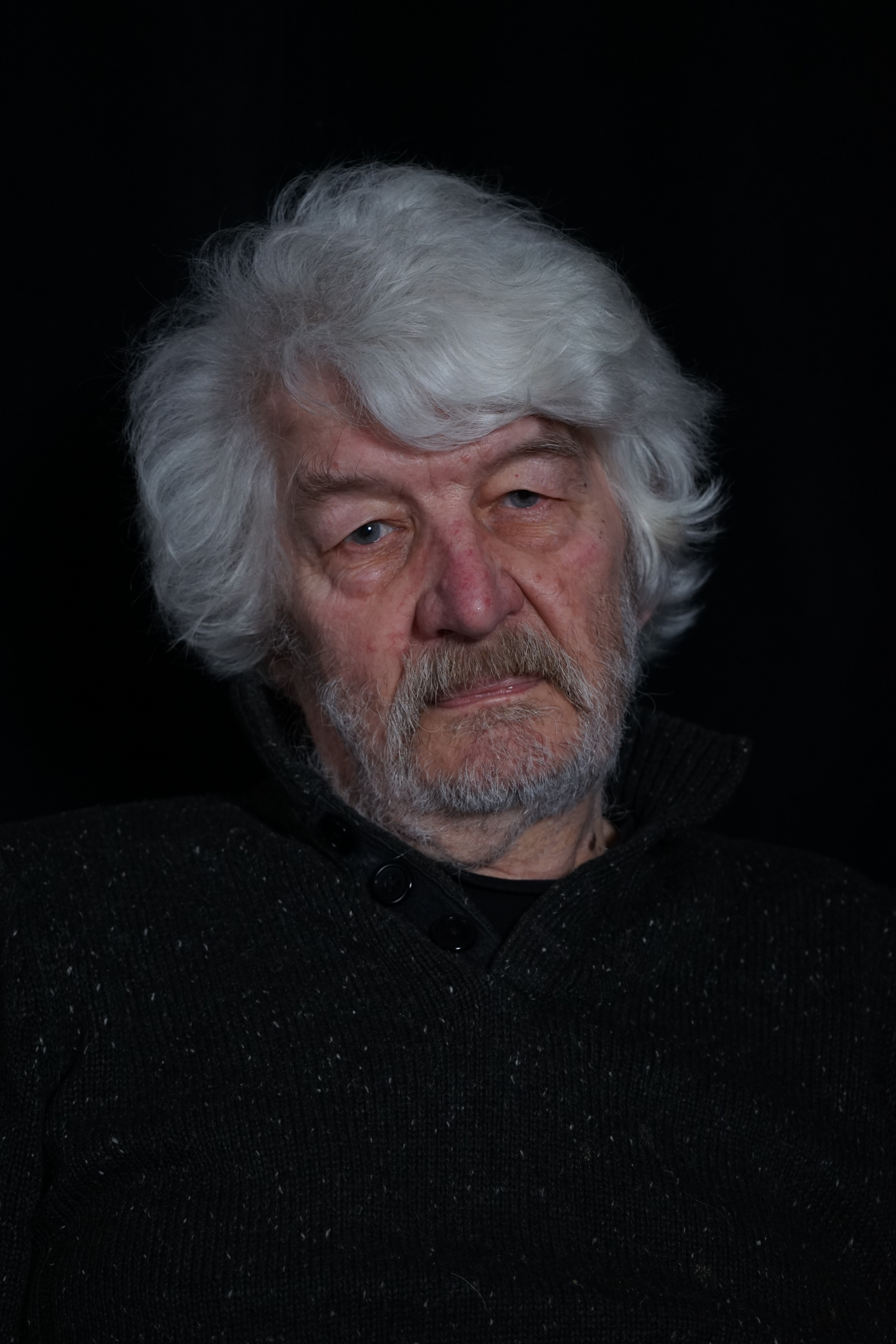
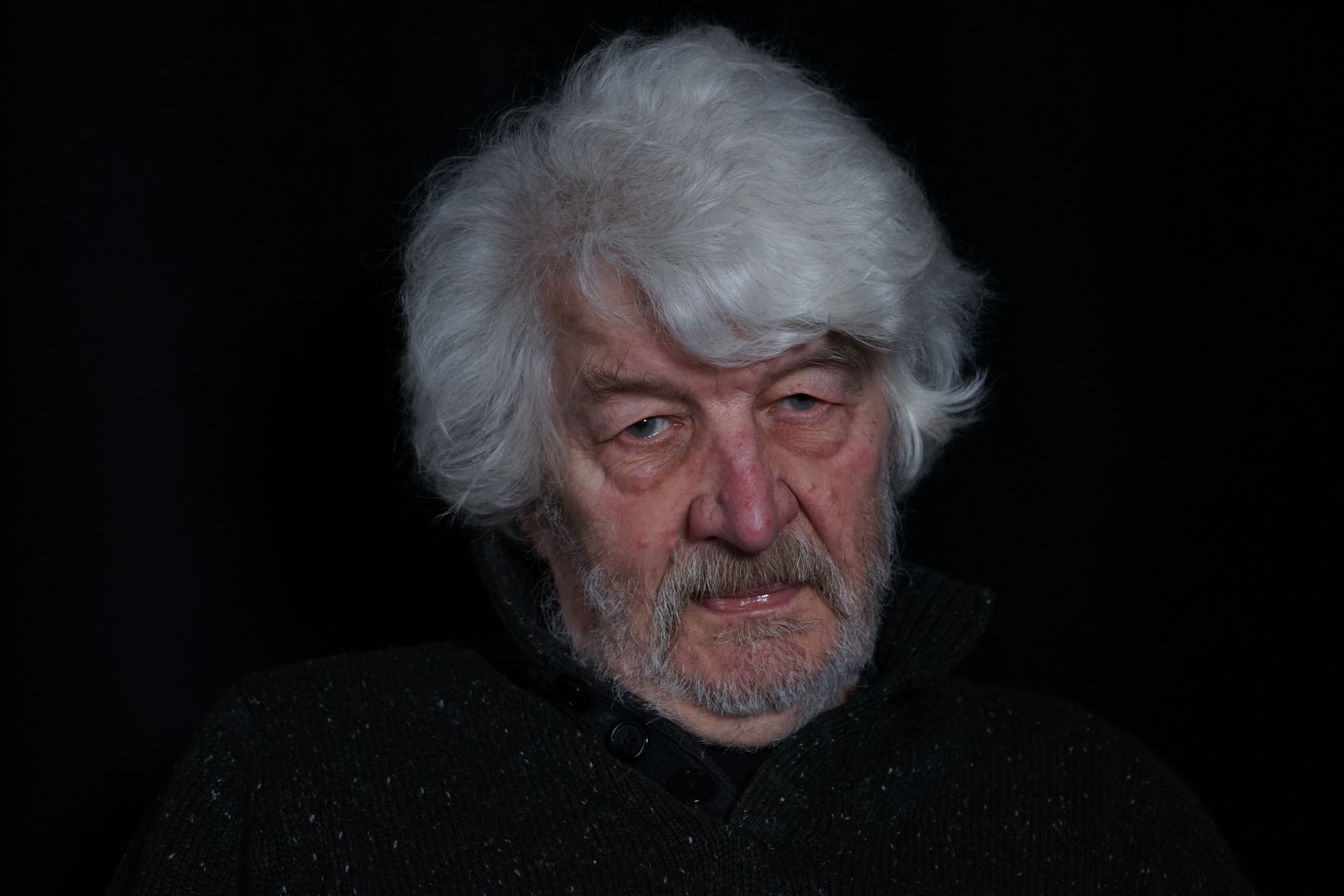
Jacek Jakubiec was born on March 26, 1943 in Krościenko nad Dunajcem. In 1967 he graduated in architecture from the polytechnic in Wrocław. Life decisions and political events brought him to Jelenia Góra in 1971. There he joined as the chief designer of the town‘s master plan. In 1974, he went to Hanover for an internship in urban planning, and he also completed an educational stay in Mexico. The ecological degradation of his own surroundings at that time was the impetus for him to join the environmental movement. For a number of years he was actively involved in the closure of the harmful chemical production of ZWCH Chemitex-Celwiskoza. In 1981 he co-founded a section of the Polish Ecological Club in Jelenia Góra. In 1983-1988 he was the initiator, organizer and main designer of the renovation of the historic Dwor Czarne in Jelenia Góra. From 1988 to 1990, he was the chairman and director of the Ośrodek Kultury Ekologicznej EKO (Centre for Ecological Culture EKO) in Jelenia Góra and the chairman and founder of the Foundation for Ecological Culture (Fundacja Kultury Ekologicznej). In 1991, as a coordinator for the Polish side, he participated in the creation of the Euroregion Nisa. In 2025 he lived in Jelenia Góra and devoted himself to writing his blog.