Emilie Hukaufová

* 1924

  • "I have one more experience. In seventy-six or seven there was an election and my son came back from his military service. And my son and I decided not to vote. Because at that time Obzina, who was at the Ministry of Interior, was the candidate for our district, and he was promising us blue skies before the election. But my husband, he went to vote on Friday, and he said on Saturday, 'When are you going to vote?' And I said, 'I don't know,' and he said, 'If you don't want to vote, go tell them, but I don't want them ringing my doorbell and coming in here with the ballot box.' So me and Tomáš got together, we went to... That was at school at the time, there was an election at La Guardia Grammar School. We got there and there was almost half the people from the bank sitting on that committee and they were all smiling. Tomášek goes to the polls first, he gets a red carnation, he gets a commemorative certificate. And Tomáš rudely said, 'What am I going to do with these ballots if I don't want to vote?' All the people's chins dropped and they took his carnation, they took his commemorative certificate away and Tomáš said, 'Goodbye,' and he walked out and left me there. And they said, 'And, Mrs Hukaufová, are you going to vote?' And I said, 'I don't think so.' - 'Can you tell us the reason?' I said, 'I can, because there's Mr. Obzina again, who always promises us blue skies, but after the election it will stay the same. And now the wife of the cadre clerk said to me: 'But you have a beautiful flat.' And I said: 'The communists didn't build it, the Rašín Fund did.' And because I had written a list of what wasn't available then, a few days before, I started a litany from matches to napkins, meat, fruit, I put everything together, and I left. And we came home and my husband says, 'Well, so it didn't even hurt.' I said, 'No.' And it wasn't until after we ate that I told him we didn't vote. My husband nearly had a stroke because he was trying to be as inconspicuous as possible, saying, 'I've had enough of your escapades!'"

  • "At that time the Helsinki Accords were in force, but the passport office was up on Letná Street, and when I went there there was a clerk named Holoubek who made me wait for twenty minutes, whether he was drinking coffee or what, I don't know. When I came out, all the people said, 'Please, what were you doing there?' I said, 'Ask Mr. Holoubek.' Once, I got an offer—a colleague of mine had a son in the Netherlands, and they were traveling there by car. And I said, 'I'll have the travel permit ready,' so I went there, I begged him very hard to give me the travel permit sooner than in thirty days, that I could go there by car, to Holland. And he went in there, and he pulled it out in front of me, and I saw that he was holding the pemit in his hand, then he put it back in and said, 'We have thirty days to process it,' and he didn't give it to me. Or he made me wait there, and when I complained that he was being so hostile to me, he said, 'You don't have to go anywhere either,' and I said, 'What about the Helsinki Accords?' He says, 'Go to hell with them.'"

  • "And I also experienced a raid on Vysočany. At that time, my uncle from Budějovice was visiting us and brought us a piece of meat. And my cousin cooked the meat and I was playing the piano. We were just waiting for my cousin to call and tell us that everything was on the table. And all of a sudden it was going, ooh, ooh, and we didn't pay attention, and boom, a huge bang. It started falling on Vysočany. So we grabbed, there were stockings, my cousin had washed them, so we grabbed the stockings and ran to the cellar. And there I was really praying, because one minute the house next to us got full hit and it blew all through the foundation towards us. We couldn't breathe at all, it was completely dark in that basement. And it was lucky that we had the stockings and there was water, so we put the stockings on faces and we breathed through that. And when we came out, it was a picture of destruction, because there was a distillery across the street. We lived near Palmovka and there was a distillery opposite, it was bombed out. Vysočany. The house next to us, only the front façade was left standing, as we sometimes see it in the film, so you could see it. And I was affected by waking up at night with horror. Or I didn't wake up, I went to the window, I opened the window and I wanted to jump out because I thought I was in this house that was going to collapse. Next to us."

  • Celé nahrávky
  • 1

    Praha , 02.12.2025

    (audio)
    délka: 02:04:11
    nahrávka pořízena v rámci projektu Stories of 20th Century
  • 2

    Praha , 30.01.2026

    (audio)
    délka: 30:17
    nahrávka pořízena v rámci projektu Stories of 20th Century
Celé nahrávky jsou k dispozici pouze pro přihlášené uživatele.

When I do something, I do it properly.
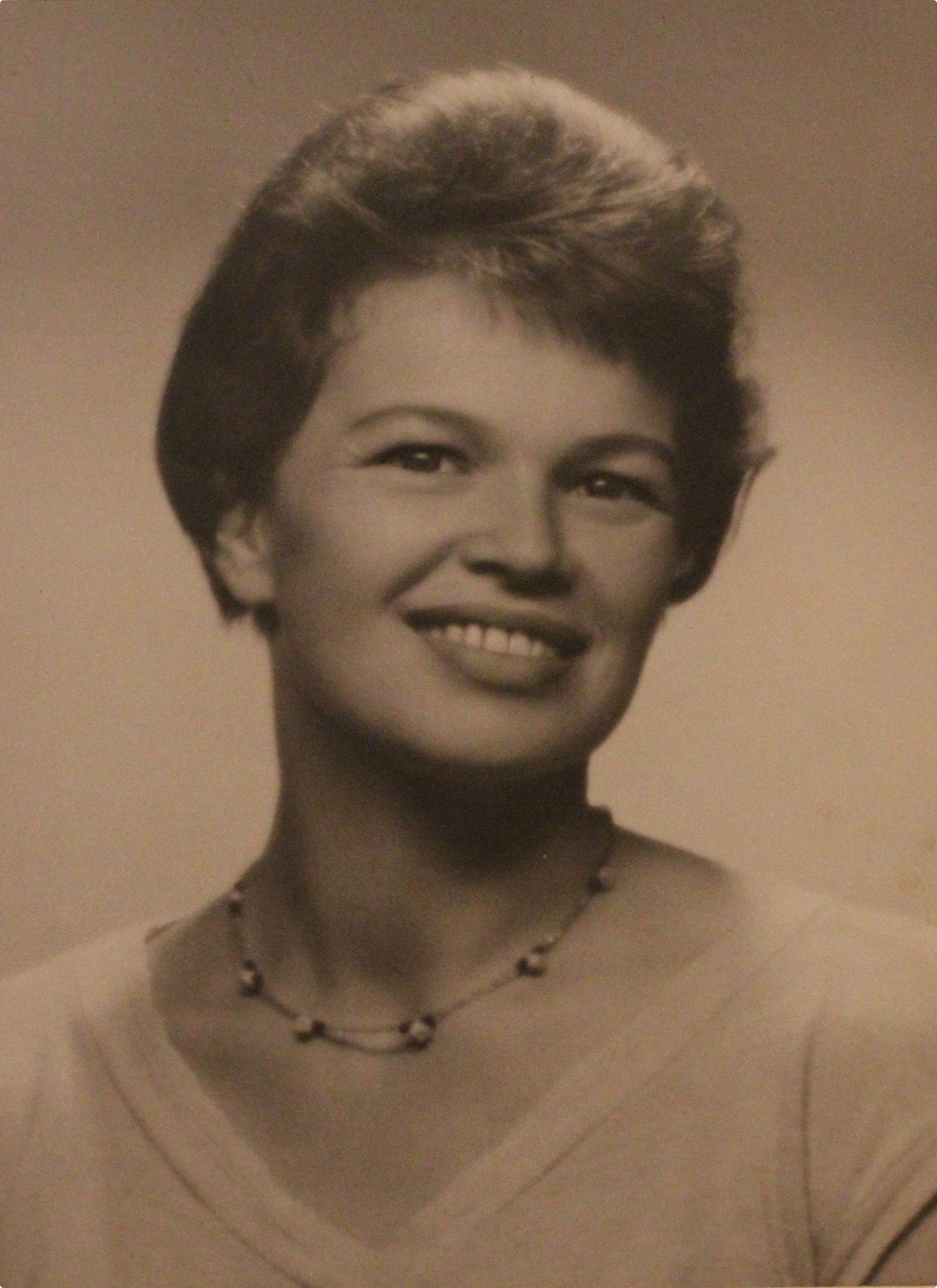
Emilie Hukaufová in 1964
zdroj: Witness´s archive

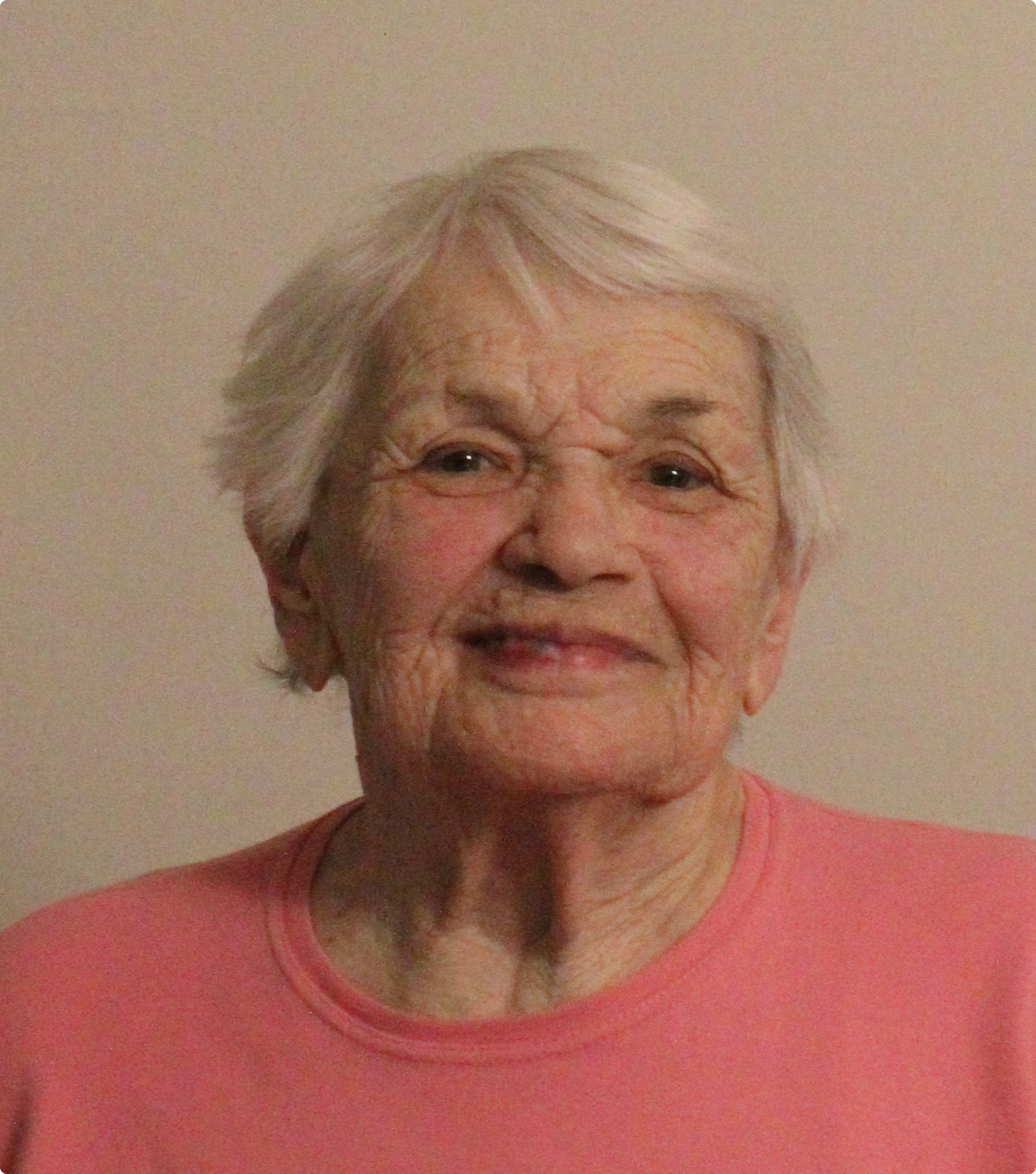
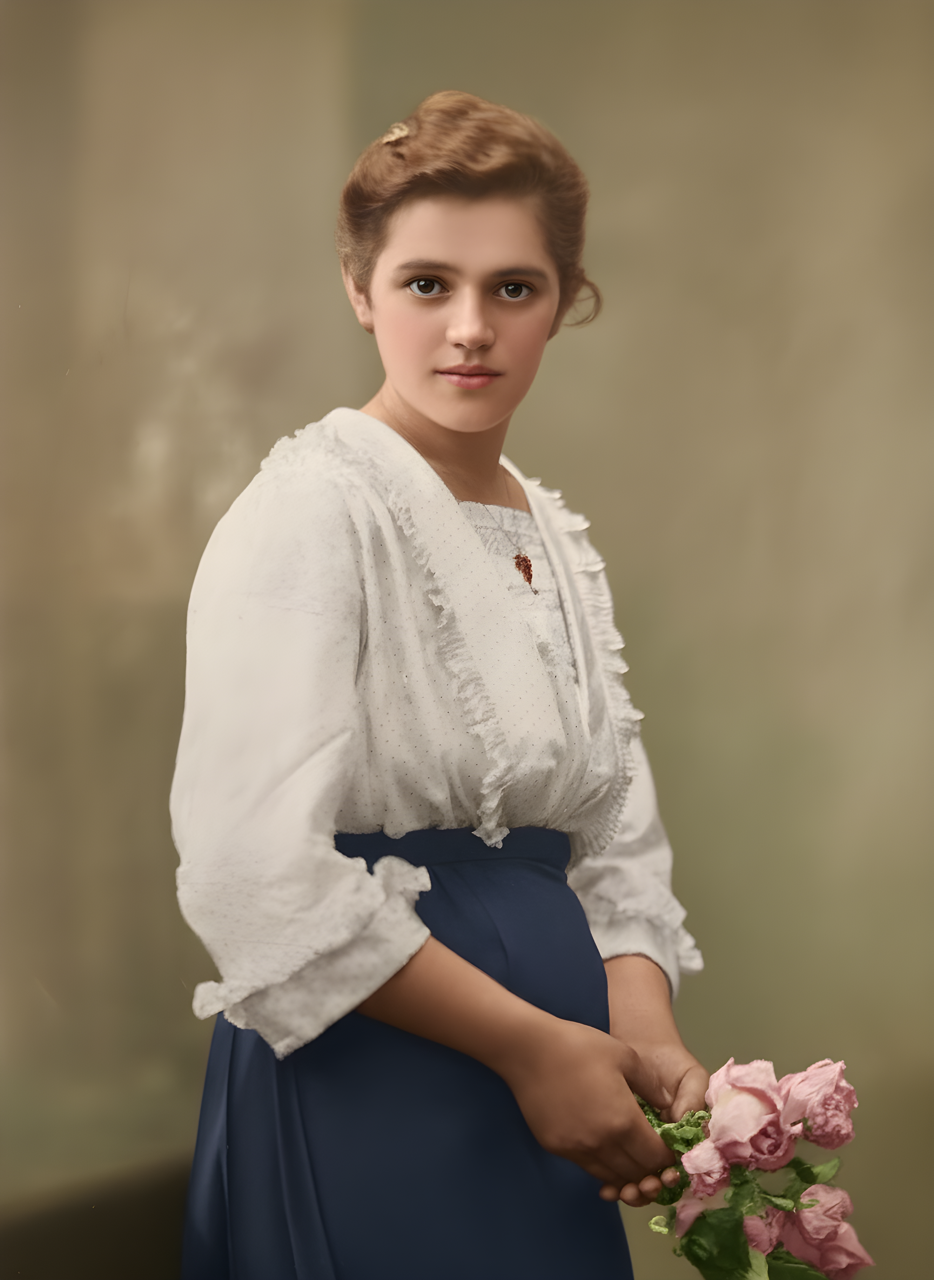
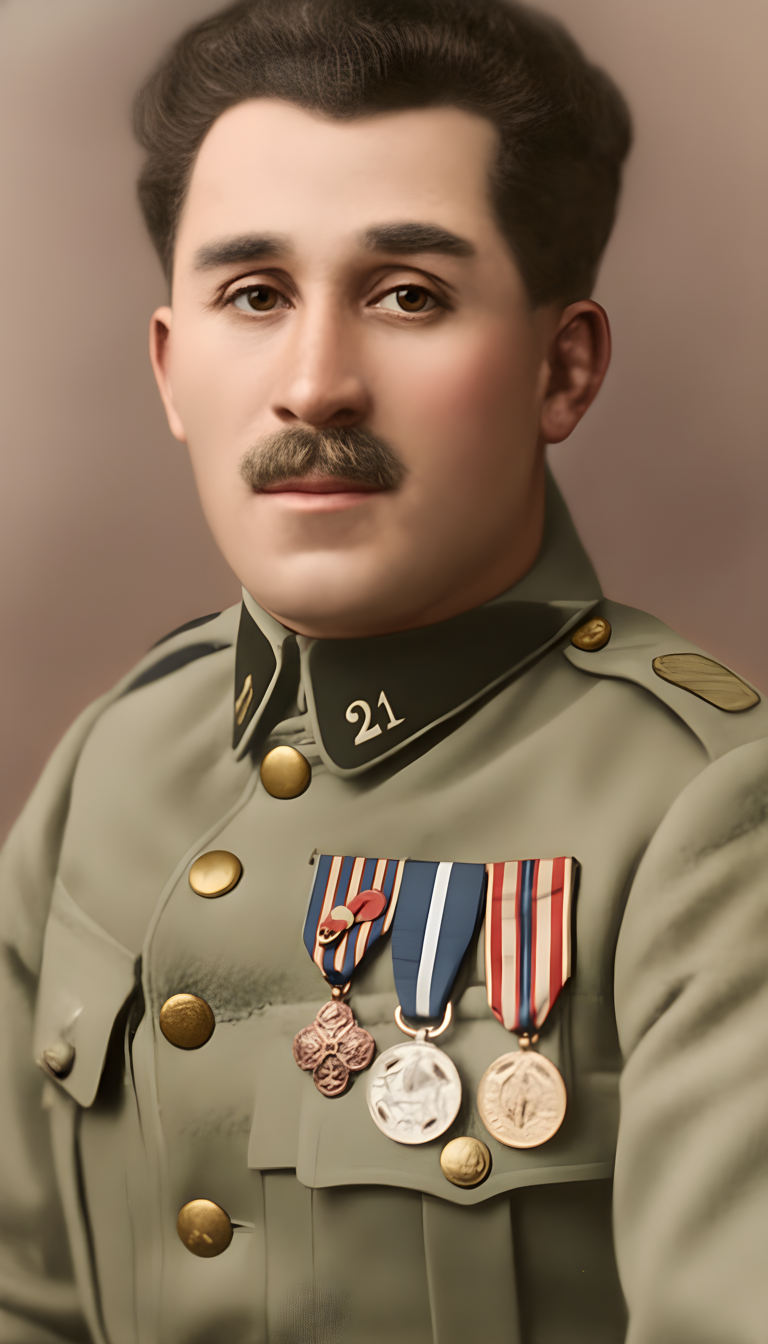
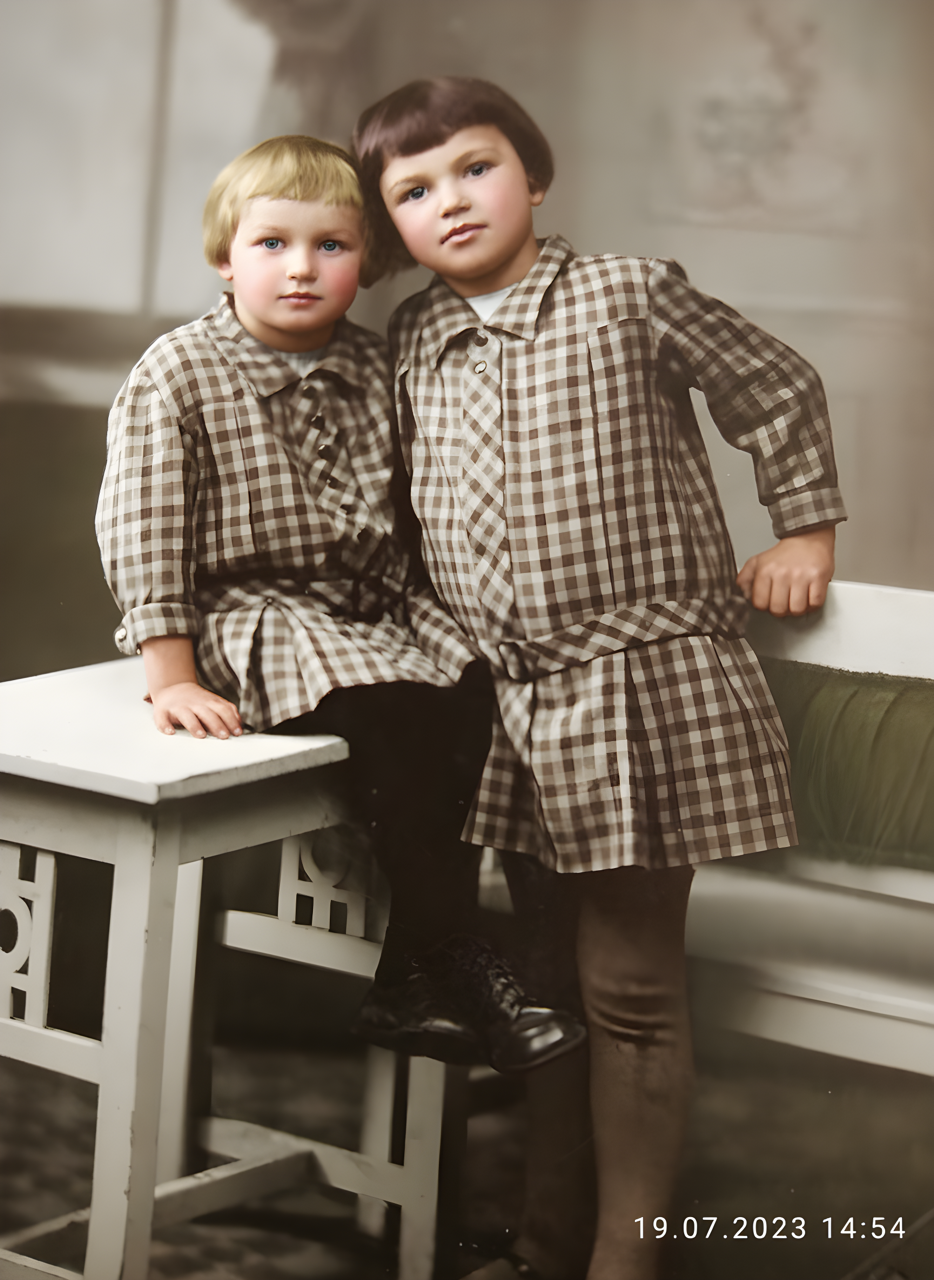
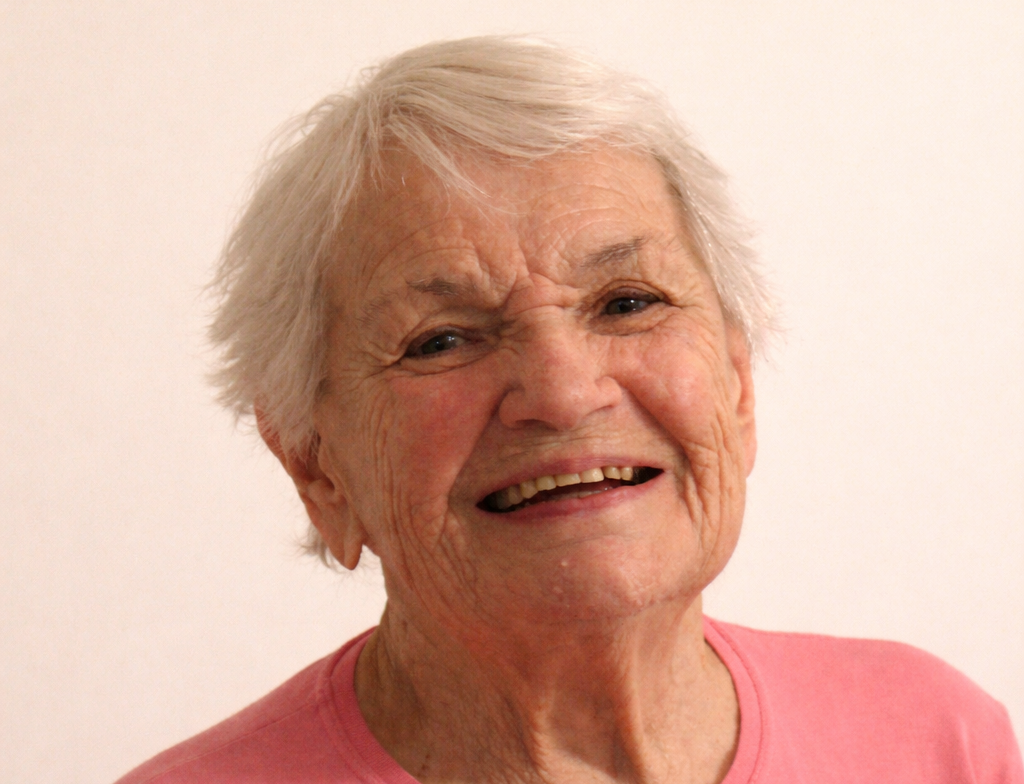
Emilie Hukaufová (née Šimková) was born on 12 November 1924 in Vadín near Havlíčkův Brod to František Šimek, a train dispatcher, and Anna, née Hyršová. She spent her childhood in Okrouhlice, from where the family moved to Mostek near Nová Paka at the age of twelve. After the occupation of the Sudetenland in October 1938, they had to leave their home within eight hours. They survived in a railway carriage for two weeks before settling in Leština near Světlá nad Sázavou. In 1943 she graduated from the business academy in Kolín, where she gained a good knowledge of English and German. After graduation, she was called to work as a secretary in the Prague office of the Curatorium for the Education of Youth in Bohemia and Moravia. In March 1945, she experienced the air raid on Vysočany and suffered traumatic consequences. On her birthday in 1947, she married Josef Hukauf, who worked at the State Bank of Czechoslovakia (SBČS). From 1948 they lived in what were originally company flats in Heřmanova Street in Prague Letná. Although they were evicted for four years in favour of a relative of the then Minister of the Interior, they returned to the house. Later, through her persistence, she won a larger flat for the family in the same house. She and her husband raised three children, daughters Iva and Renée and son Tomáš. After the war, the witness worked for the international organization UNRRA, Chemapol and from 1962 until her retirement at the State Bank of Czechoslovakia. She never joined the Communist Party, refused to march in May Day parades and refused to fly the obligatory flag on national holidays, which earned her a consistently poor cadre assessment and zero financial bonuses. In 1976, she and her son publicly refused to vote in the unfree elections. Daughter Renée married in Holland in 1972, where the witness went to visit her despite harassment from the passport department. She was a lifelong member and long-time trainer of Sokol. Emilie Hukauf turned 101 years old in November 2025 in excellent mental condition and was still living in Heřmanova Street.