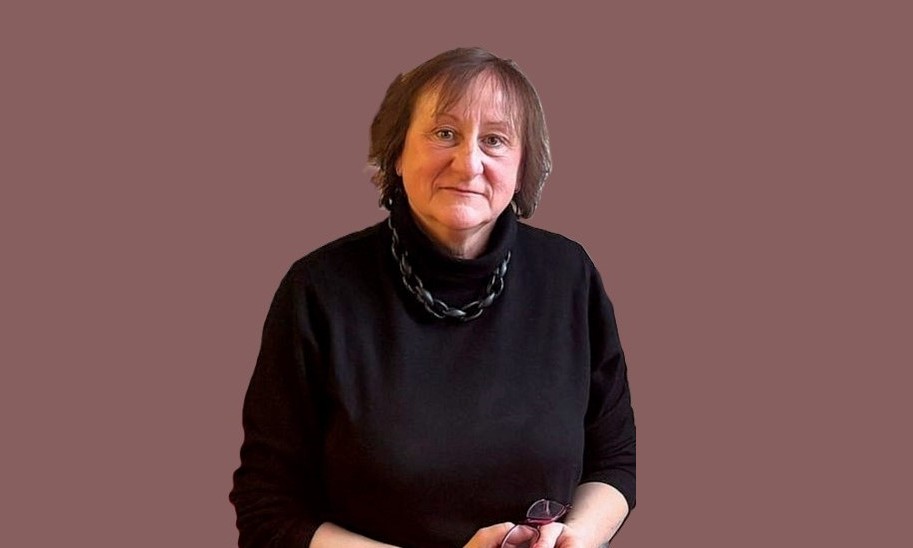
Zuzana Hudečková

* 1962

  • "Traveling abroad still required that you had to obtain a permit, a so-called exit visa. But these permits were not given to everyone who applied for them. They were really only given in exceptional cases and very rarely. I didn't have one at the time, nor did I think about applying for one, because I didn't have any connections, I had no chance of getting there. The second option was to buy a trip from an official travel agency. At that time, there was the so-called CKM, the Youth Travel Agency, where you didn't need an exit visa if you bought a trip there. But again, getting a trip wasn't that easy, and when my colleague and I finished law school, we said we wanted to go somewhere, but of course, Yugoslavia was enough for us. So we decided to stand in line. They opened at eight in the morning, but we went there at around eleven in the evening to get in line. It was on Vodičkova Street, where CKM had been located for a long time. We were standing all the way back on Růžová Street, even though we had arrived at eleven in the evening. We stood there all night and the line behind us kept growing. We got one of the last trips, after that, people didn't have a chance. We stood it out and I got to go for the first time – it wasn't really capitalism, but we got to go to Yugoslavia for two weeks. We were thrilled. The fact is that the shortest route would have been through Austria, but they didn't want to go through Austria because they were afraid that the people would escape there. So we went through Hungary, which was a longer route, but they were sure that no one would escape there."

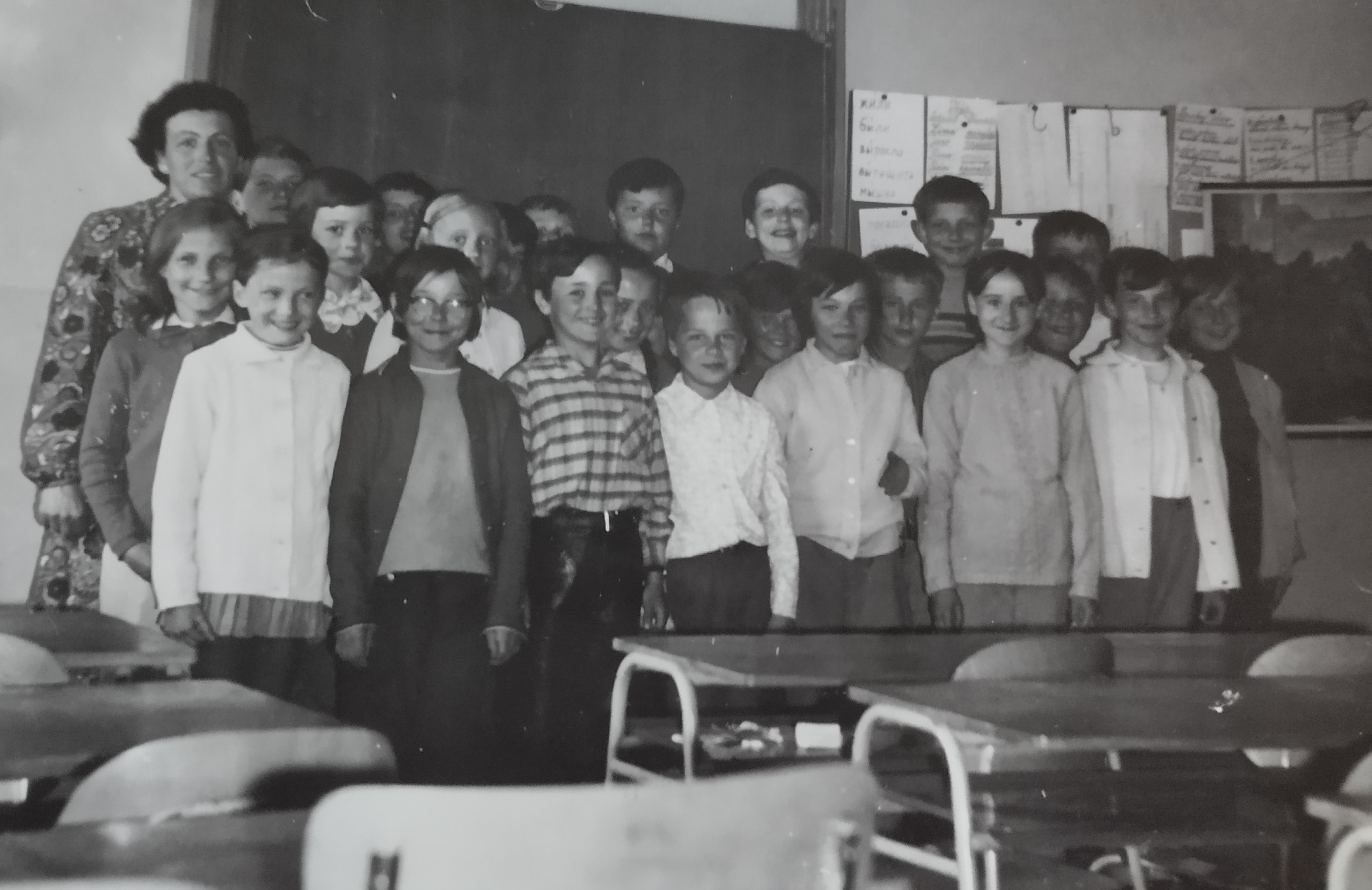
  • "And we had this teacher there, who I think was some kind of workman who had only had some kind of crash course, they only gave them... Because when they fired the original teachers, they didn't have anyone to teach. So they gave the workers' cadres, but again only those selected who thought properly politically, a one-year course, for example. And of course, the classic professors who were still there from the previous era looked down on these teachers a bit; it was really just a political game. I remember once in that group, which was basically a class, we were discussing something and got into an argument. It was about Christianity and the Bible. He took out his communist book, banged it on the desk, which I still remember to this day, and shouted, 'This is my Bible!' So we just stared at him, no one dared to argue with him too much, but we said to ourselves, 'Oh, that's awful...'"

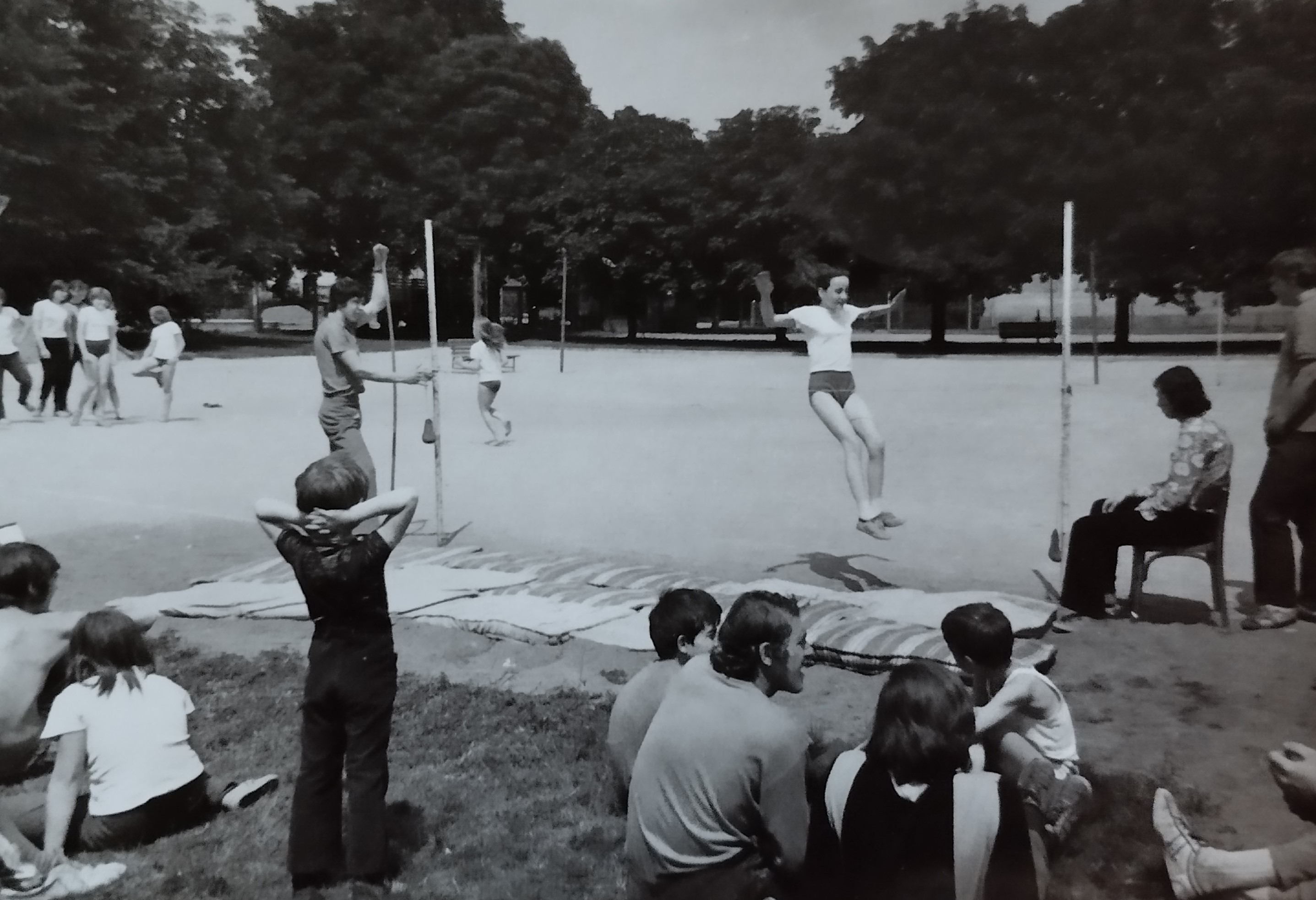
  • "So I managed to get there on my first try. The points I earned for the things around me probably helped too. And back then, of course, it was done by writing it down on paper and posting it on the gate of the law school. At that time, because it was always done at the end of the year, I was working as a leader at a pioneer camp, so I was away. One of our friends went there to find out if I had gotten in or not. And back then, there were no cell phones, so we had to make complicated phone calls to find out if I had gotten in or not. Among other things, he told me who else had gotten in, who was ahead of me, for example. And among other things, there was the name Urválek. I don't know if that means anything to you, but Urválek was a notorious prosecutor who prosecuted... He was really, I can honestly say, a monster, he prosecuted death penalty cases. I don't know if he was directly involved with Horáková, but he prosecuted such serious cases. So he was a truly horrible creature. And among other things, some Urválek also got in with me, so we always wondered if he was related to this prosecutor, but it's quite possible."

  • Celé nahrávky
  • 1

    Beroun, 12.12.2024

    (audio)
    délka: 51:51
    nahrávka pořízena v rámci projektu The Stories of Our Neigbours
Celé nahrávky jsou k dispozici pouze pro přihlášené uživatele.

My mother joined the Communist Party because of my education
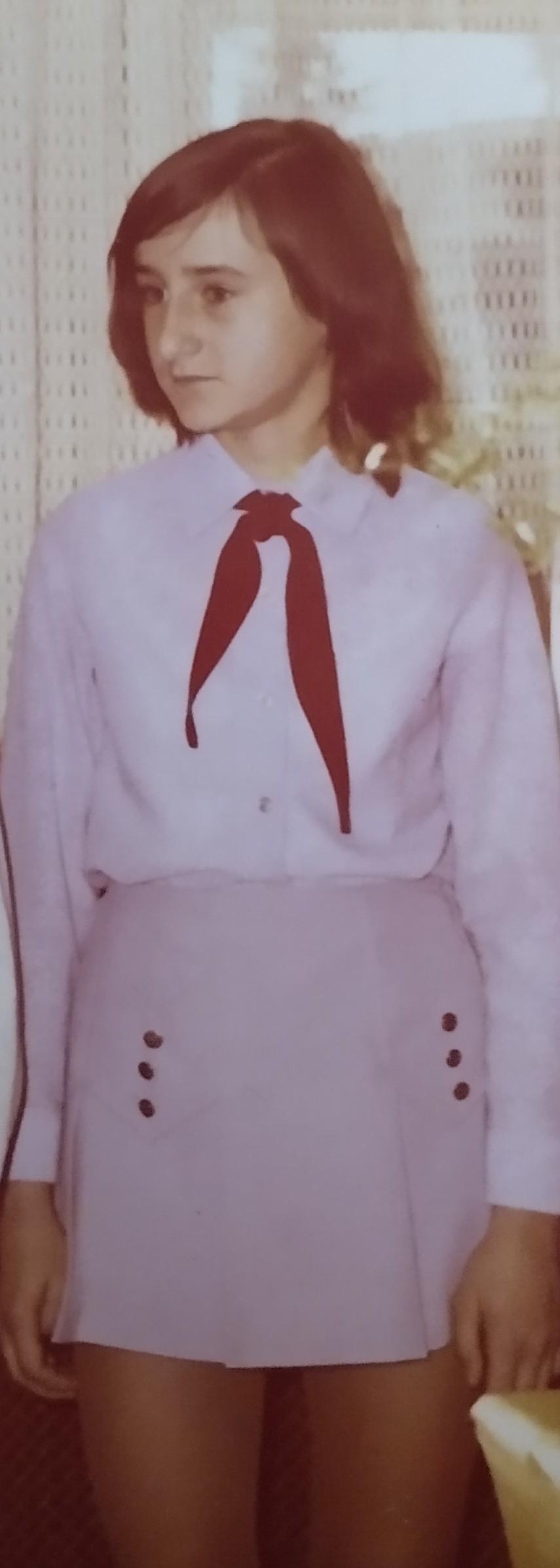
Zuzana Hudečková as a pioneer (early 1970s)
zdroj: Witness archive

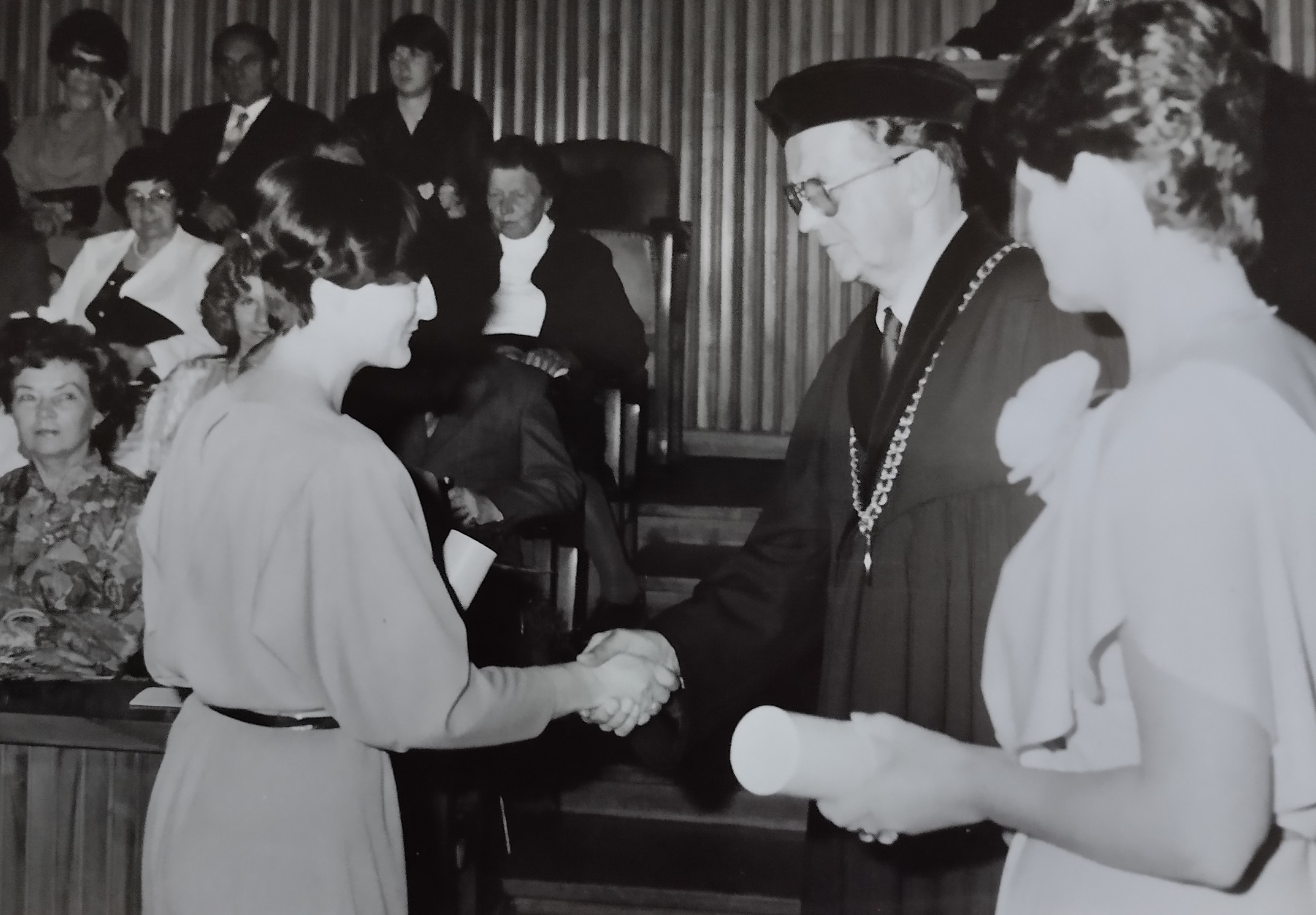
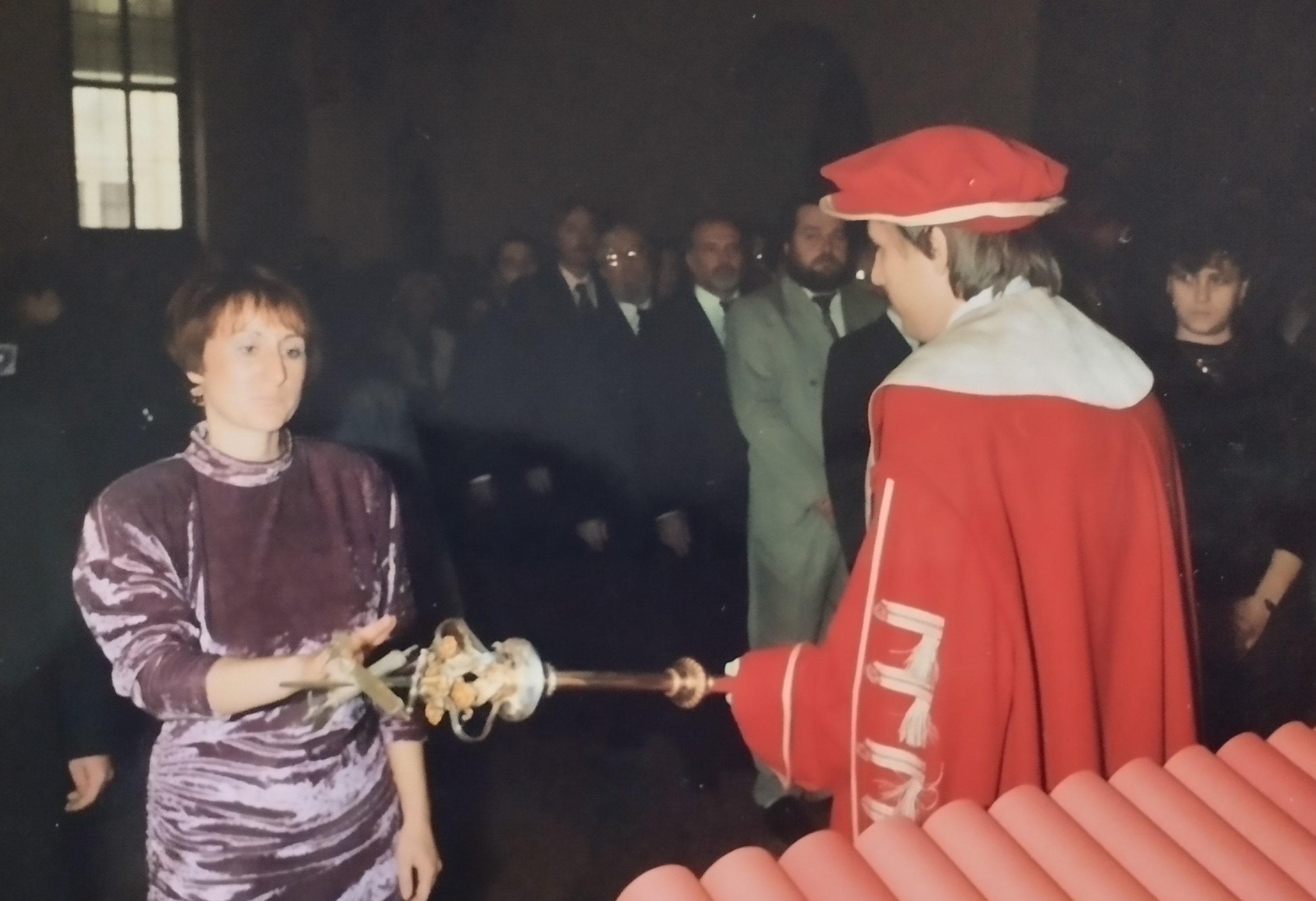
Zuzana Hudečková was born on November 14, 1962, into a working-class family. Her father worked as a foreman in a pressing plant and her mother as a punch press operator for Czechoslovak Railways. Due to her working-class background, she was never able to study, which is why she placed great emphasis on her children‘s education. She even joined the Communist Party of Czechoslovakia so that her children could study. Zuzana Hudečková graduated from the Faculty of Law at Charles University and, after graduating in 1985, began working for the Municipal Association of Lawyers in Prague thanks to an acquaintance. She worked as a trainee lawyer for the first three years and became a lawyer in 1989. During the revolutionary year, she represented several young people accused of rioting because they had participated in demonstrations during Palach Week. She managed to get them acquitted. In the 1990s, she also worked on rehabilitation cases, later focusing on civil, housing, commercial, and administrative law. In 2024, she lived in Lety u Dobřichovic.