After Milada Horáková‘s arrest, she spent days writing letters to world figures to intervene for her release
Stáhnout obrázek
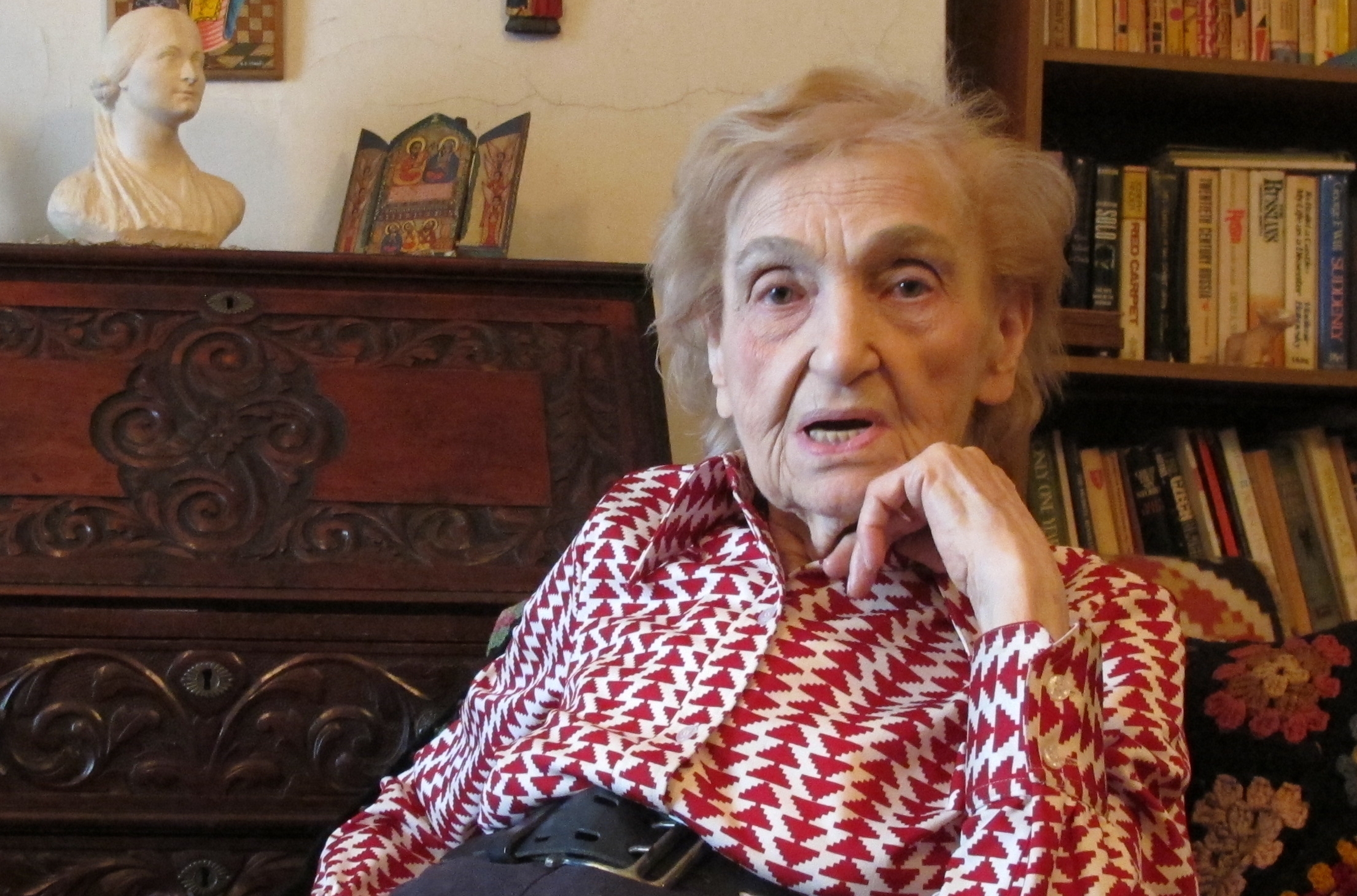
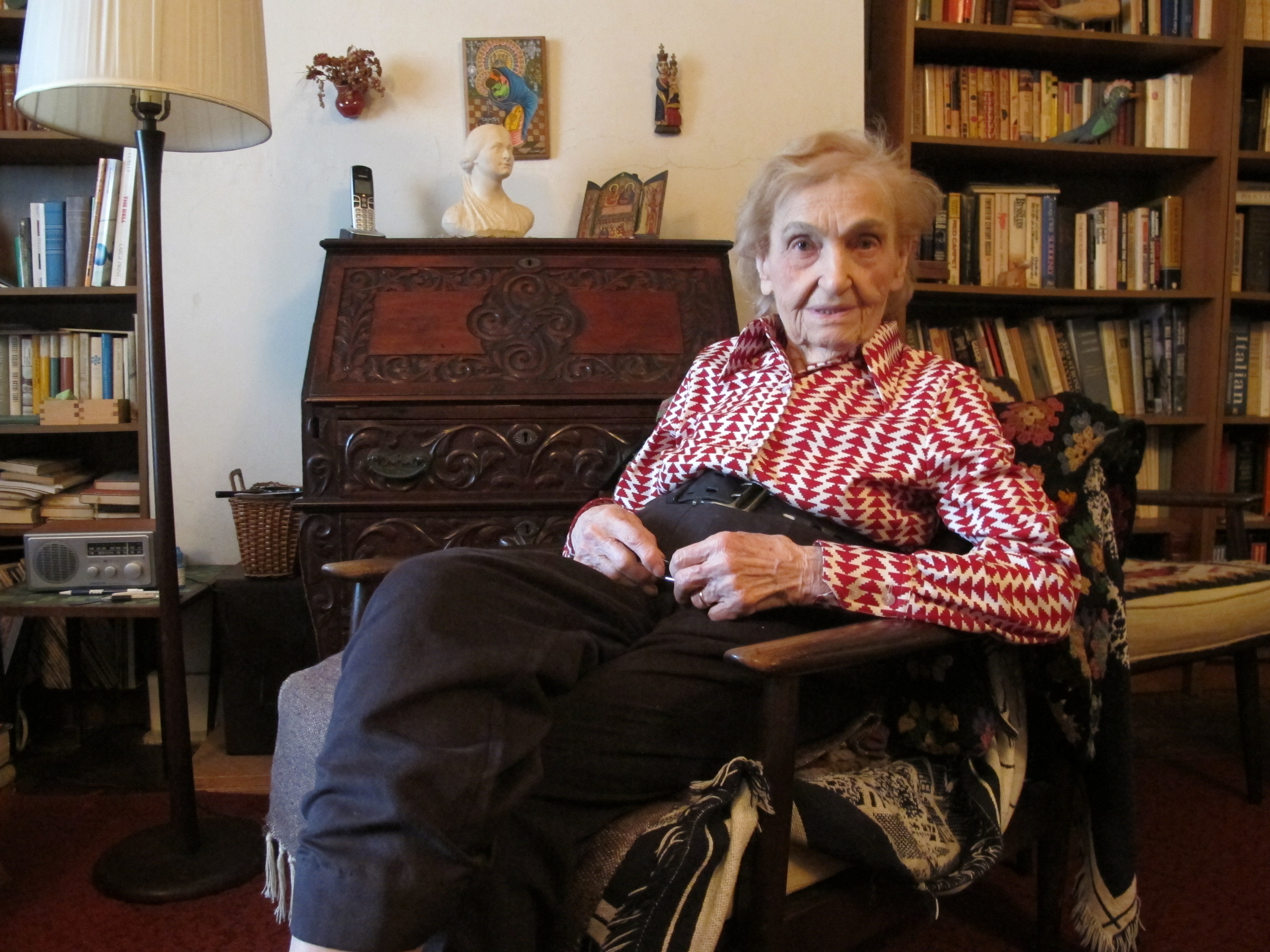
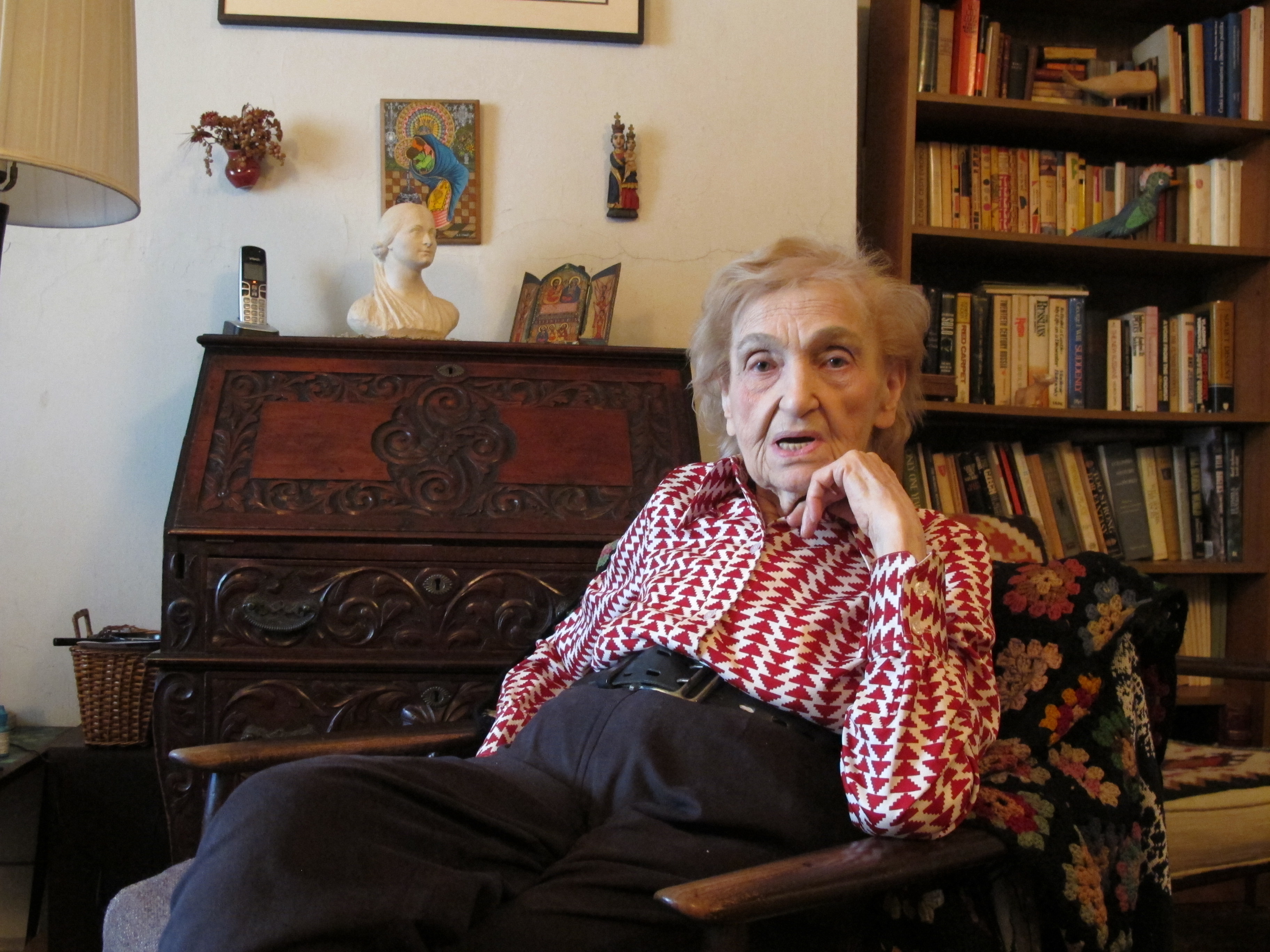
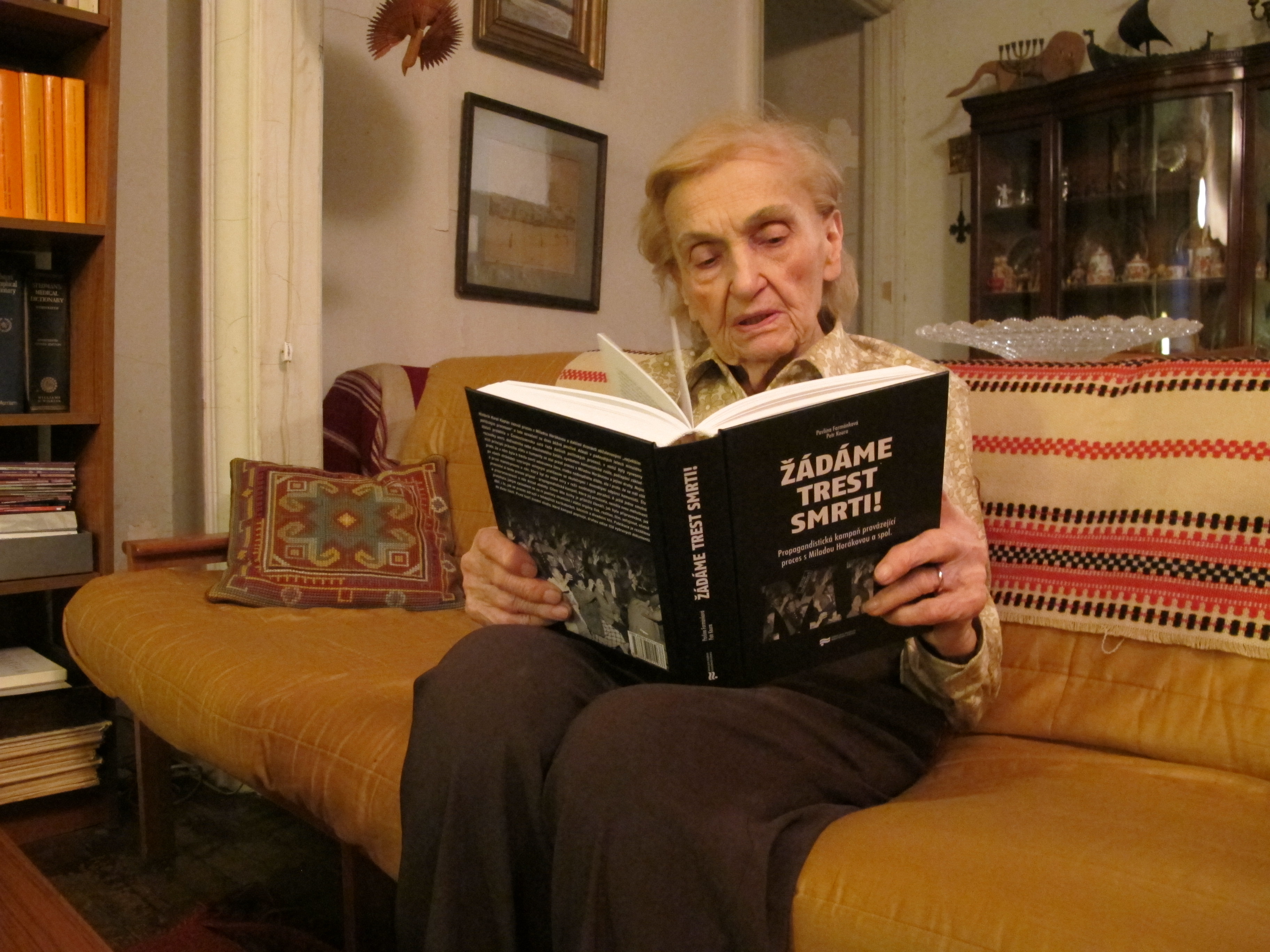
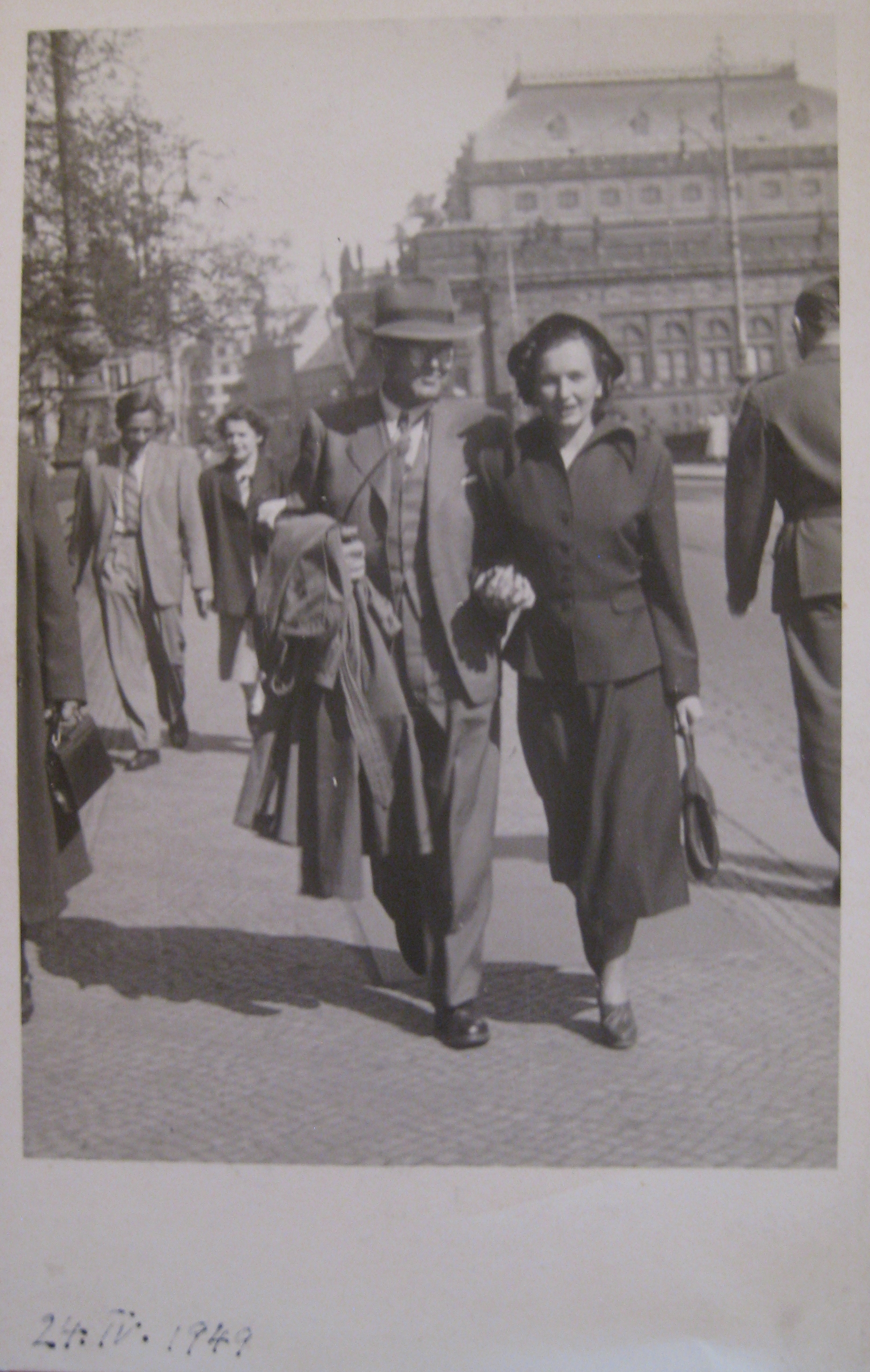
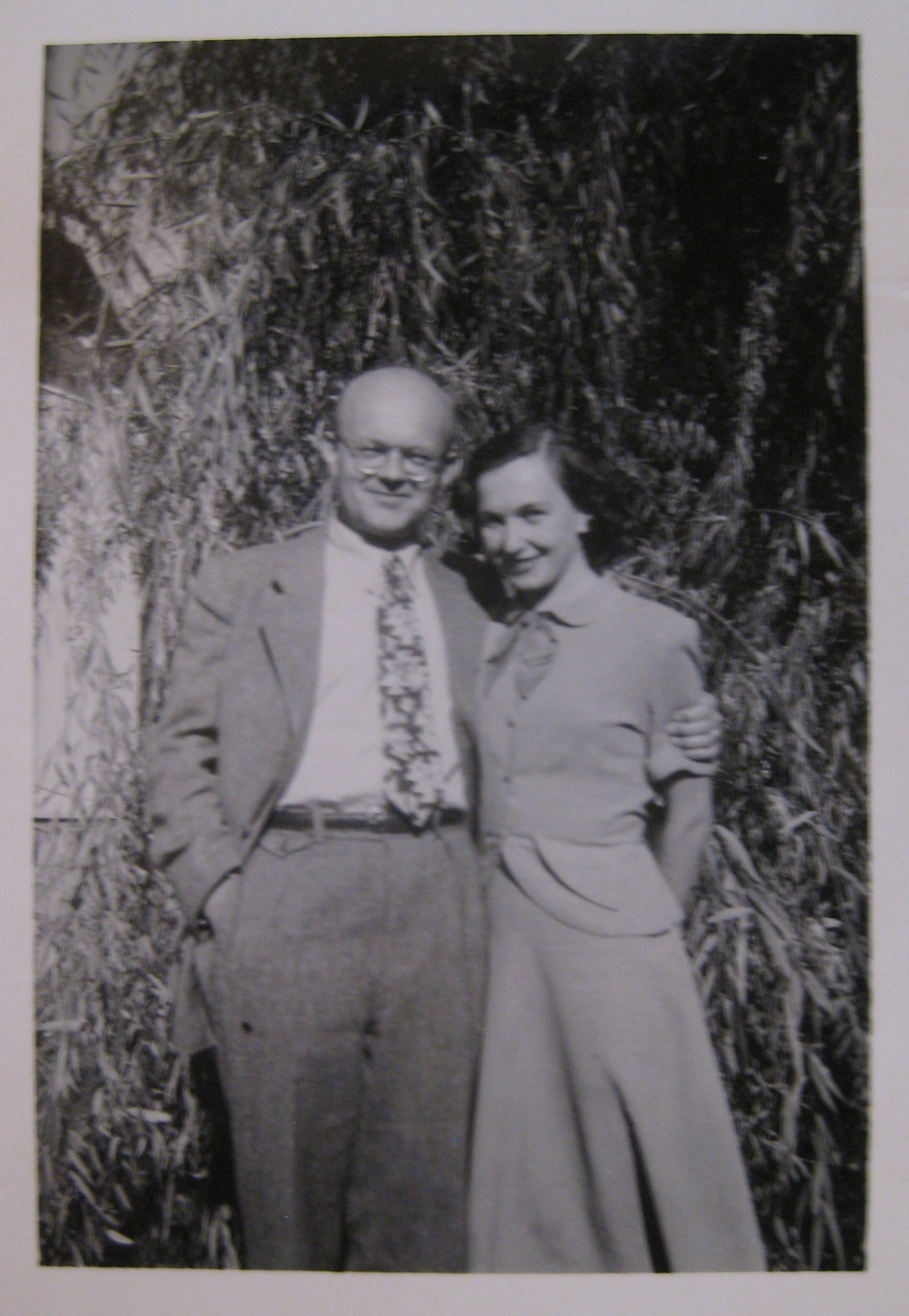
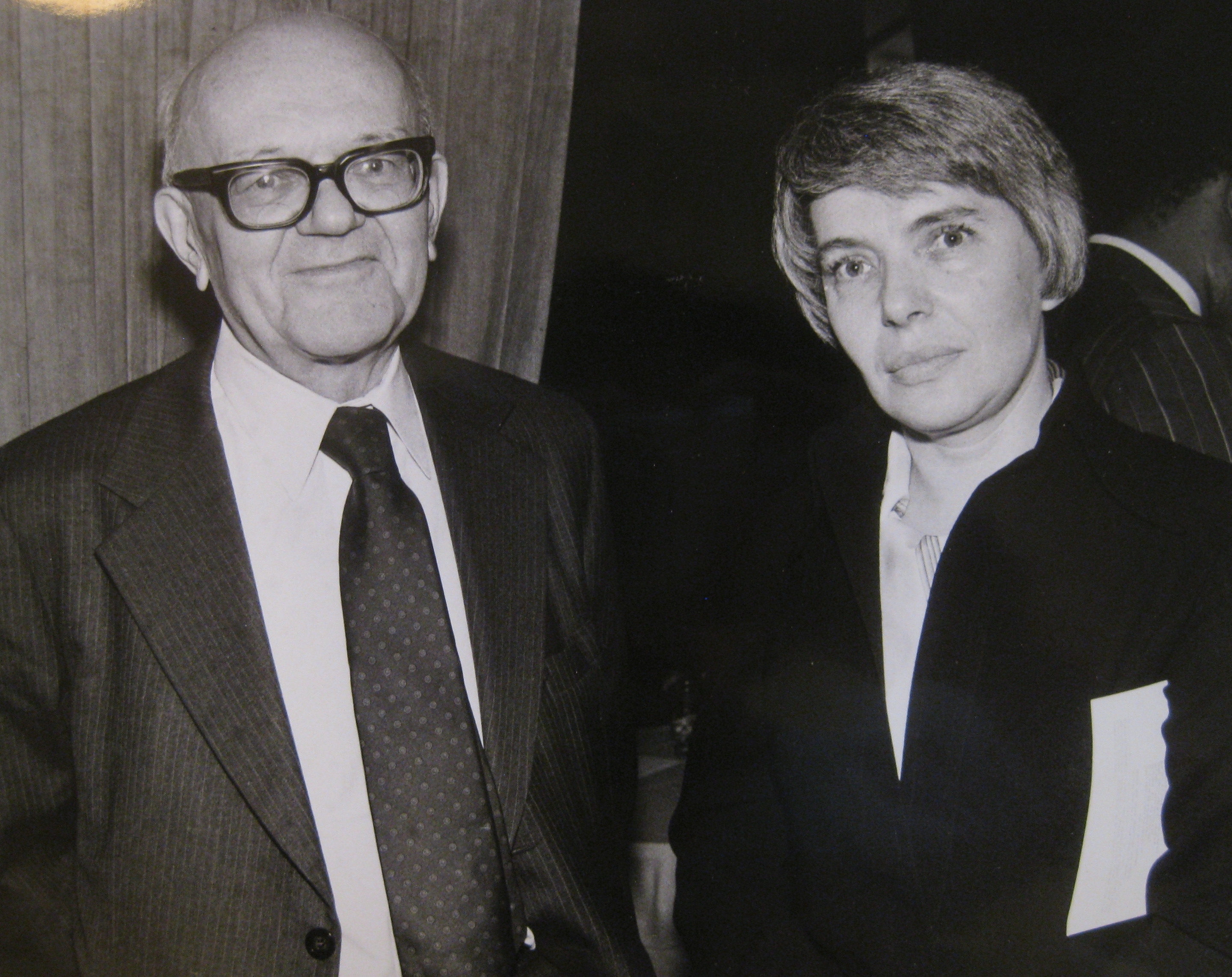
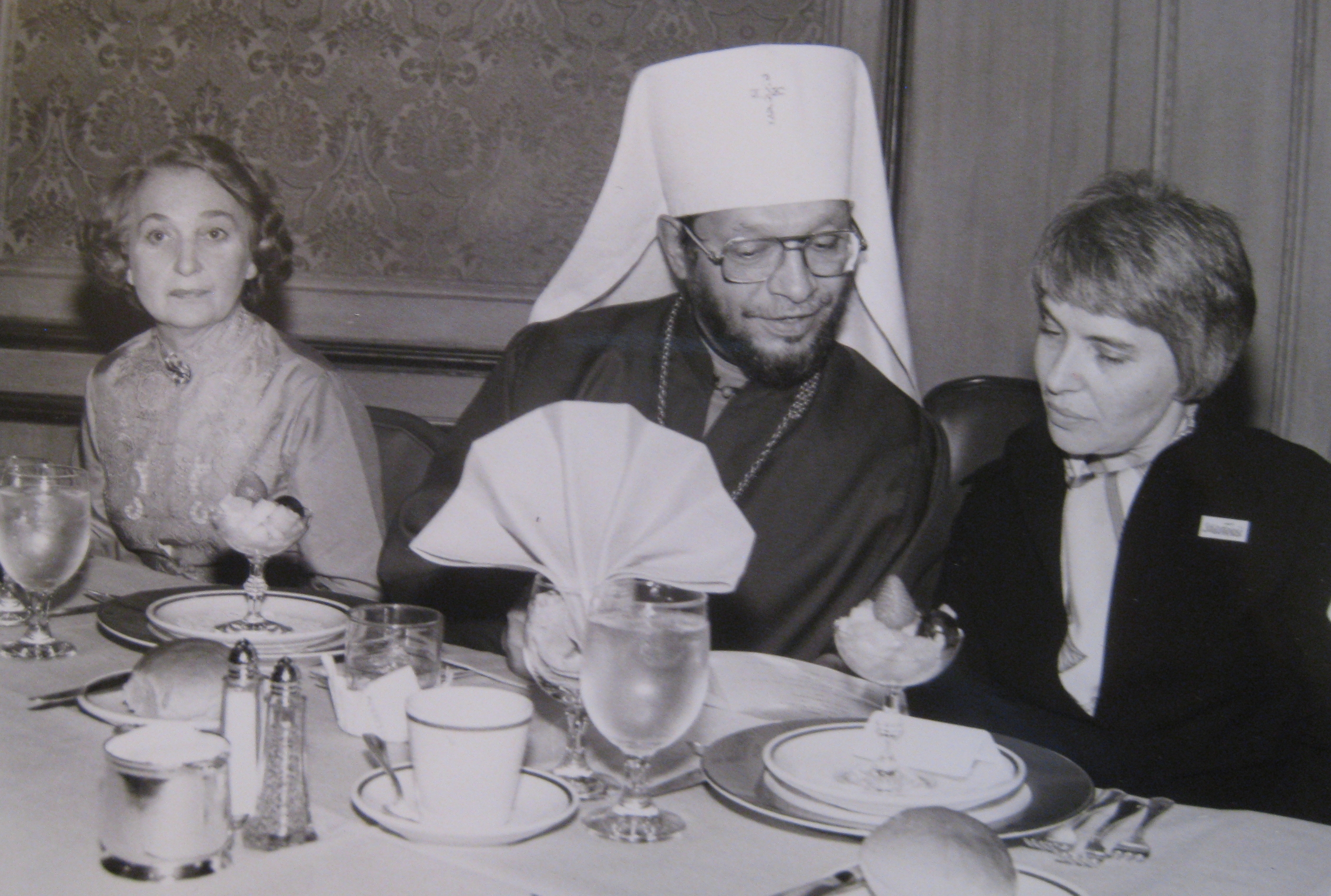
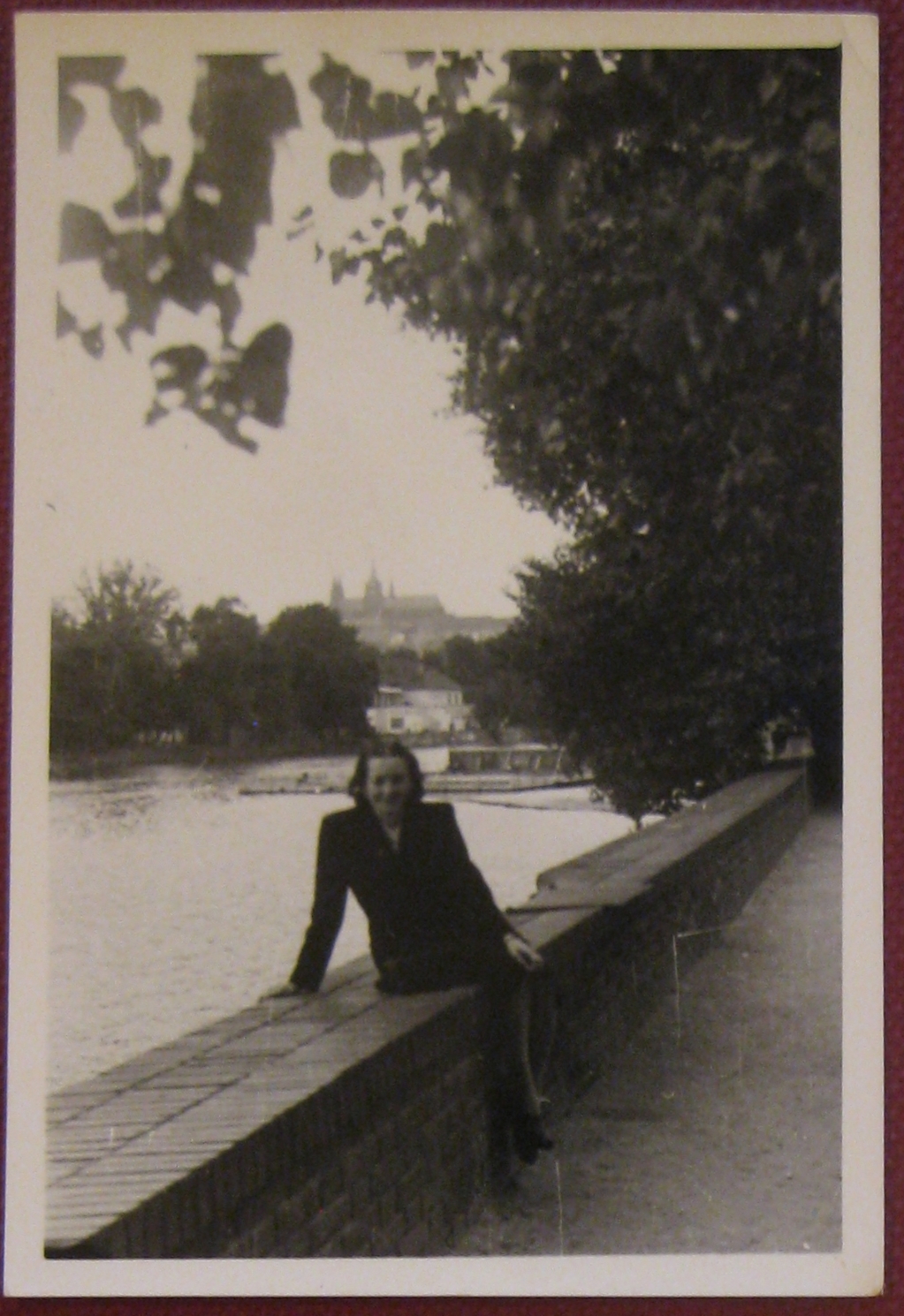
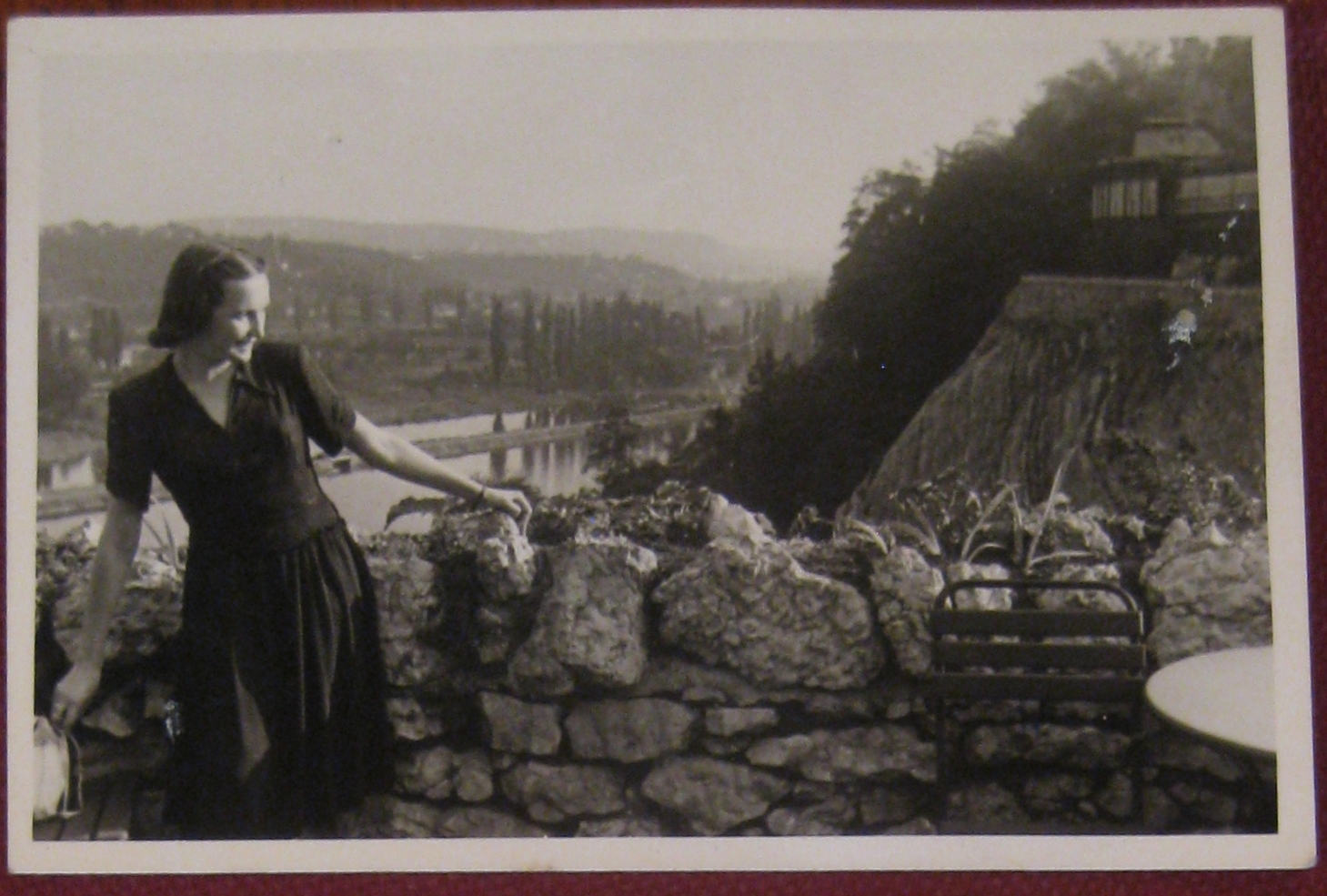
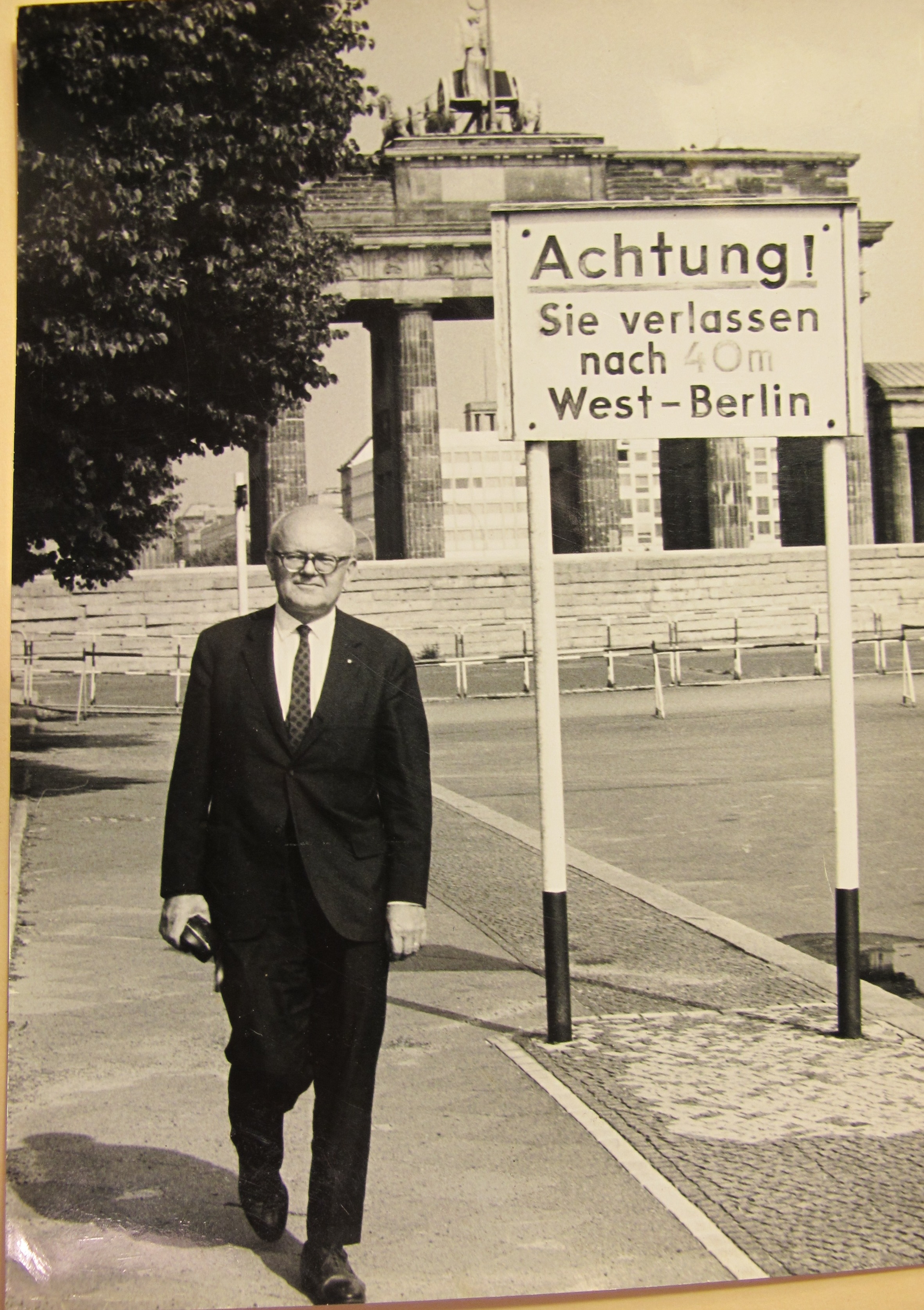
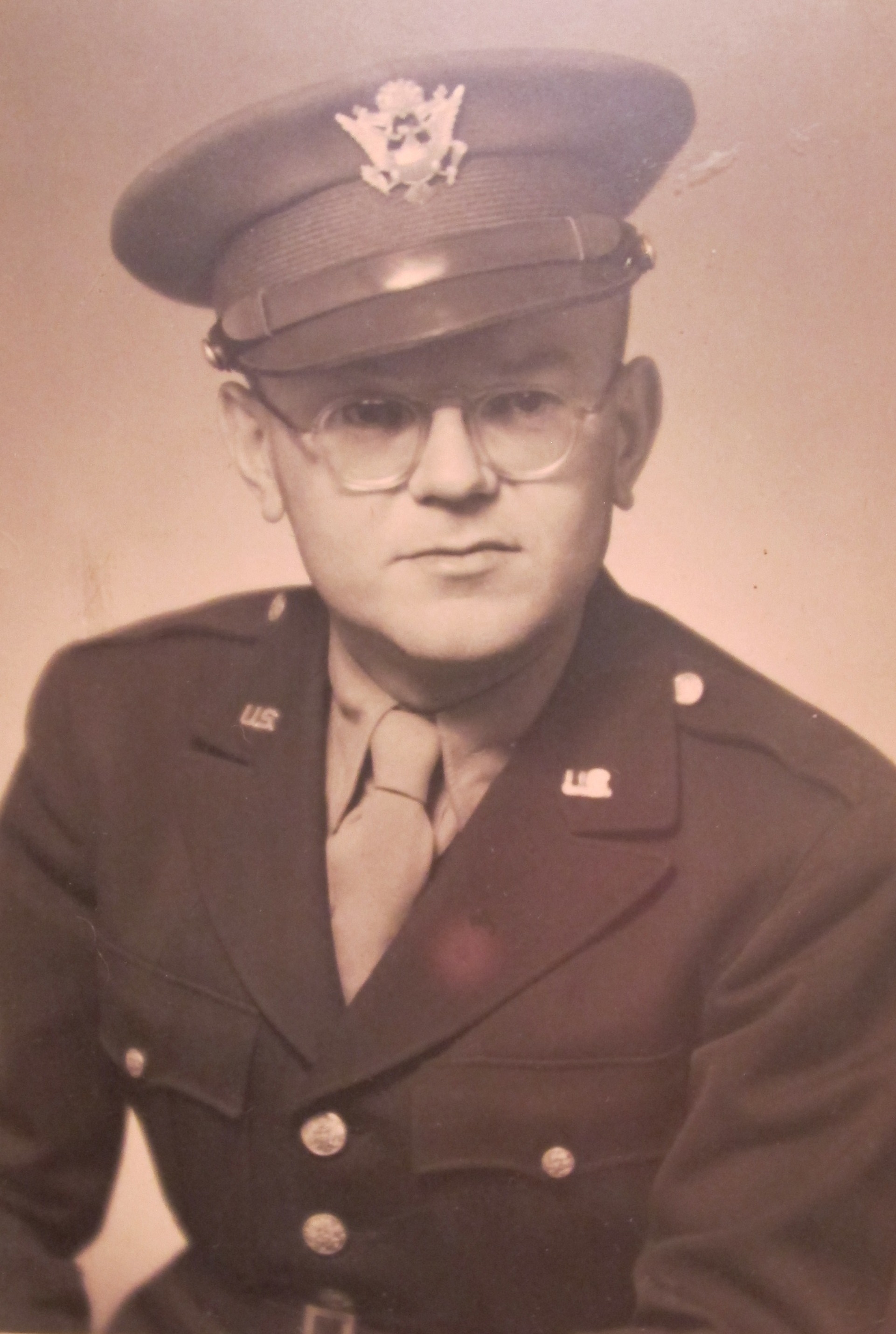
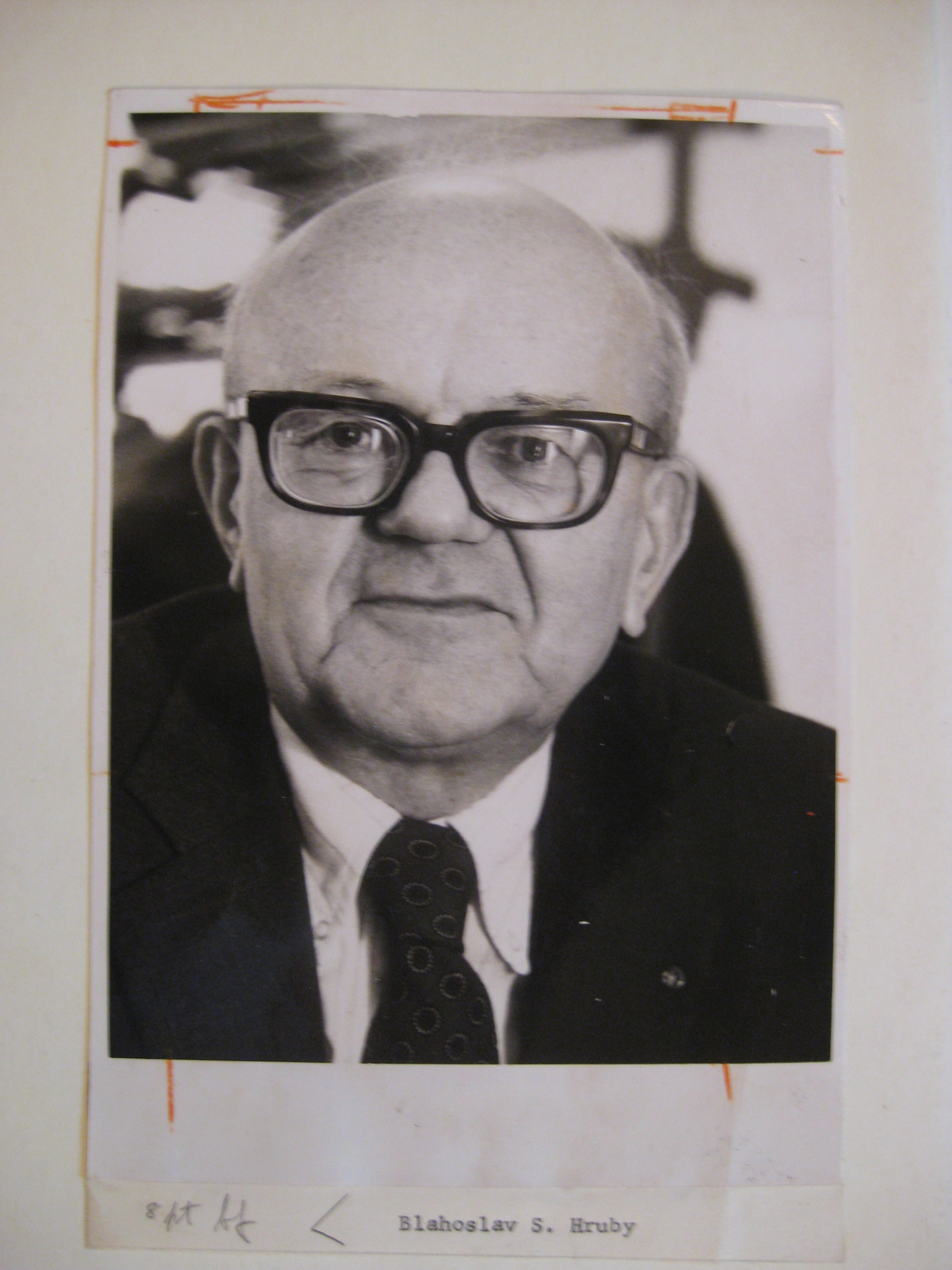
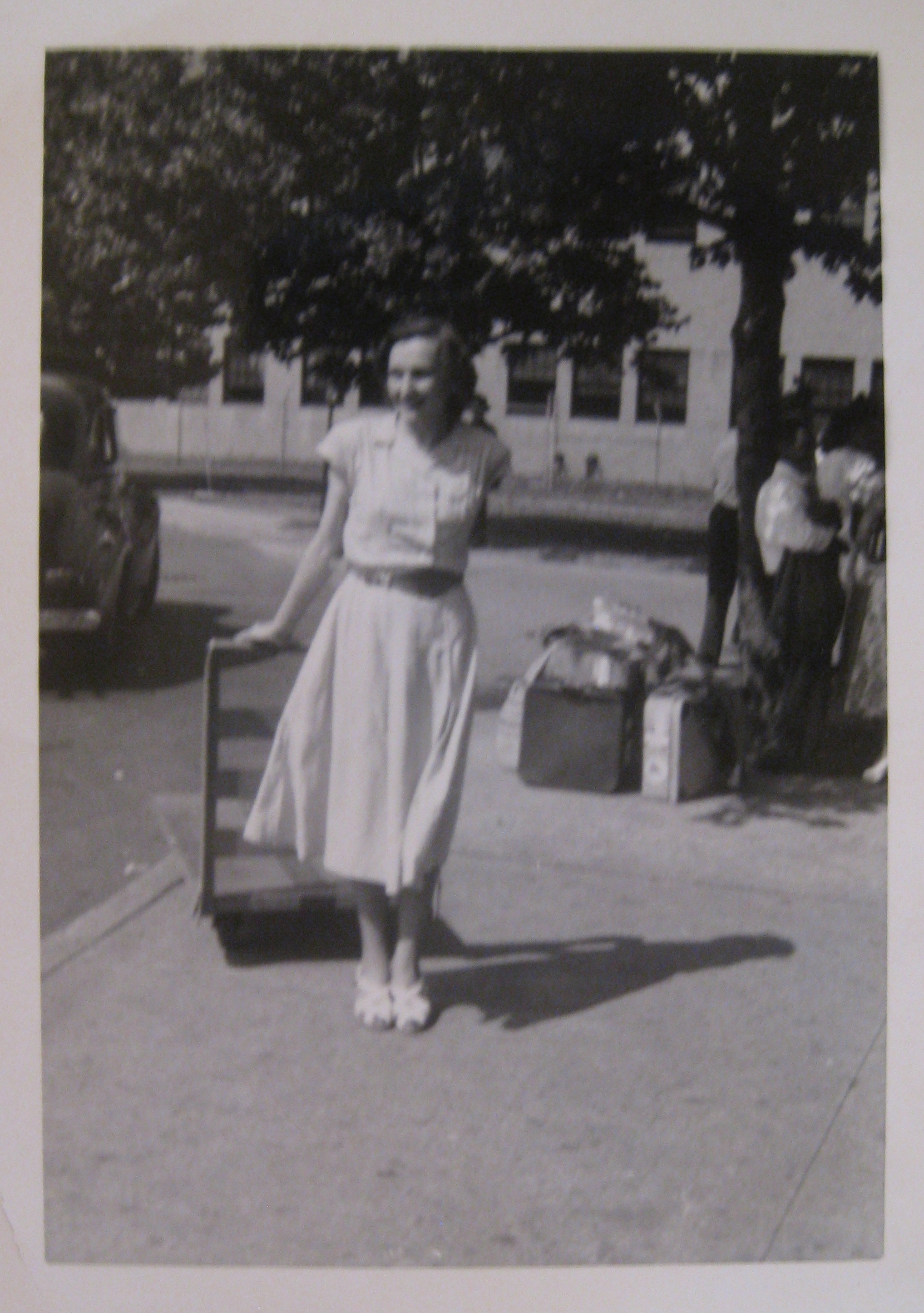
Olga Hrubá, née Sedláčková, was born in 1927 in Rimavská Sobota, her father was Czech, her mother Slovak. She started school in Slovakia, but after the collapse of the Czechoslovak Socialist Republic in April 1939, the family was expelled by members of the Hlinka Slovak People‘s Party to the Protectorate, where she graduated from the gymnasium in Náchod during the war. Both her father and mother were imprisoned by the Gestapo. After graduating in 1946, she studied philosophy and Slavic studies at Charles University, where she experienced the February 1948. She took part in the anti-communist student march to the Castle, which was dispersed by the armed forces in Nerudova Street. As an active member of the Czech National Social Party, she also witnessed the invasion of the party secretariat by the People‘s Militia and the first arrests. During the raid, one of the militiamen wounded her with the butt of a rifle, yet she managed to take away and hide the registration files of party members, which later saved many people from interrogation or arrest. She also met and cooperated with Milada Horáková, for whom she and her husband were preparing to leave for the West. For days after her arrest, she wrote letters to well-known world figures to intervene for her release. After February 1948, she refused to join the Communist Party of Czechoslovakia and her case was taken up several times by the Faculty Action Committee, led by the young Stalinist Pavel Kohout. Before she was finally expelled from her studies in 1949, the faculty also witnessed the mysterious disappearance of Arnošt Kolman, a popular Marxist philosopher and professor, later imprisoned in Moscow for his criticism of Gottwald‘s party leadership. In 1949, she married Blahoslav Hrubý (born 1911 in Josefov, died 1990 in New York), a Czech-American and evangelical minister and an intelligence officer in the U.S. Army‘s Third Corps. The newlyweds were under constant State Security scrutiny in Prague. As soon as Olga Hrubá obtained a passport, they left Czechoslovakia for Munich, where her husband managed the American Fund for Czechoslovak Refugees. They then lived in the United States, where they first lectured to their compatriots about the situation in Czechoslovakia, and then managed and published a magazine reporting on the problems of the churches and the state of human rights in communist countries. Olga Hrubá used her former studies in Slavic studies to translate literary works of banned, mostly Russian writers and publicists (A. Solzhenitsyn, J. Ginzburg, V. Bukovsky), as well as official communist documents. She was honored for her work by President Ronald Reagan in 1986. Blahoslav Hrubý was honoured in memoriam by President Václav Havel (1996). After the revolution, Olga Hrubá received the Václav Benda Award (2009).