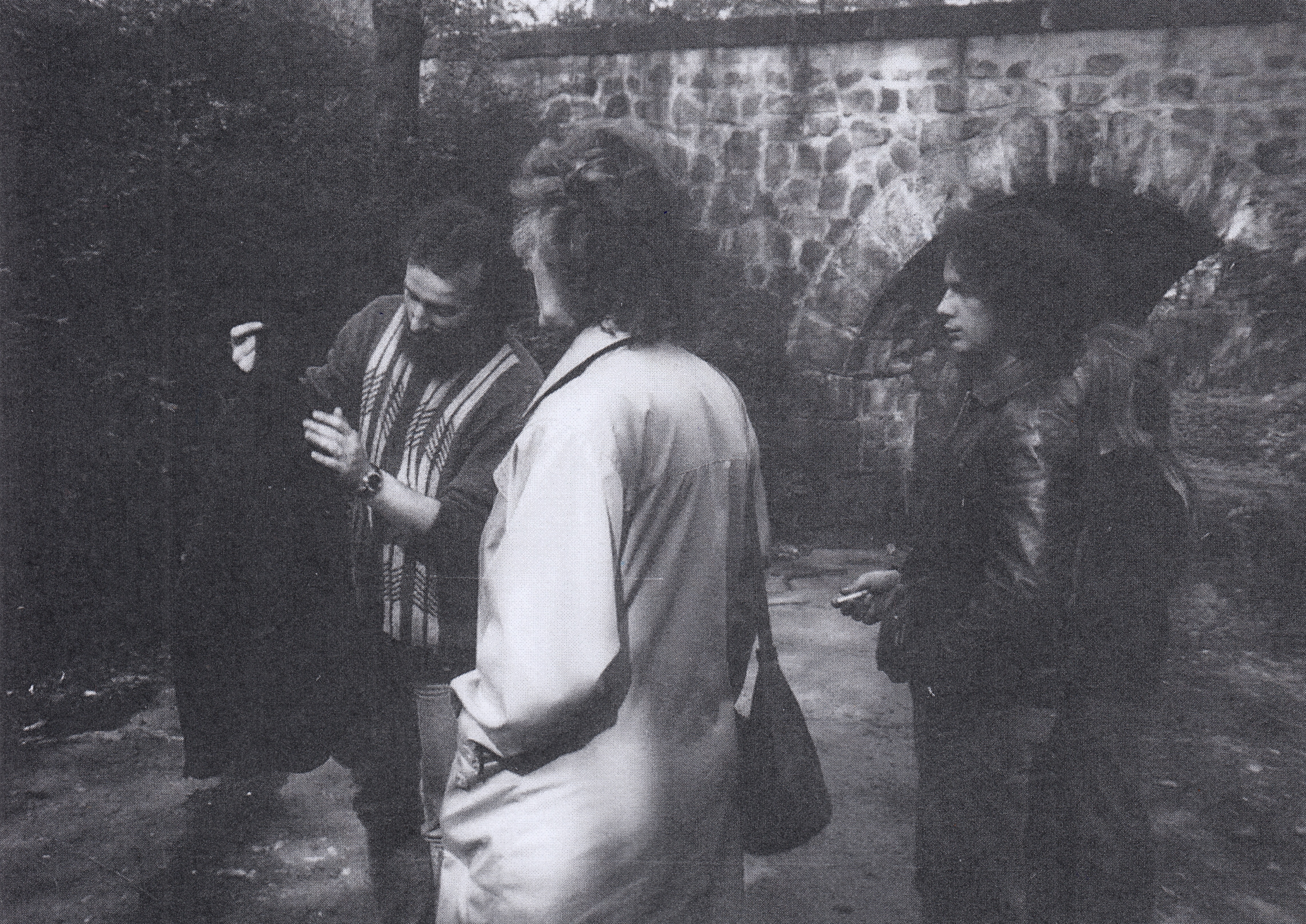
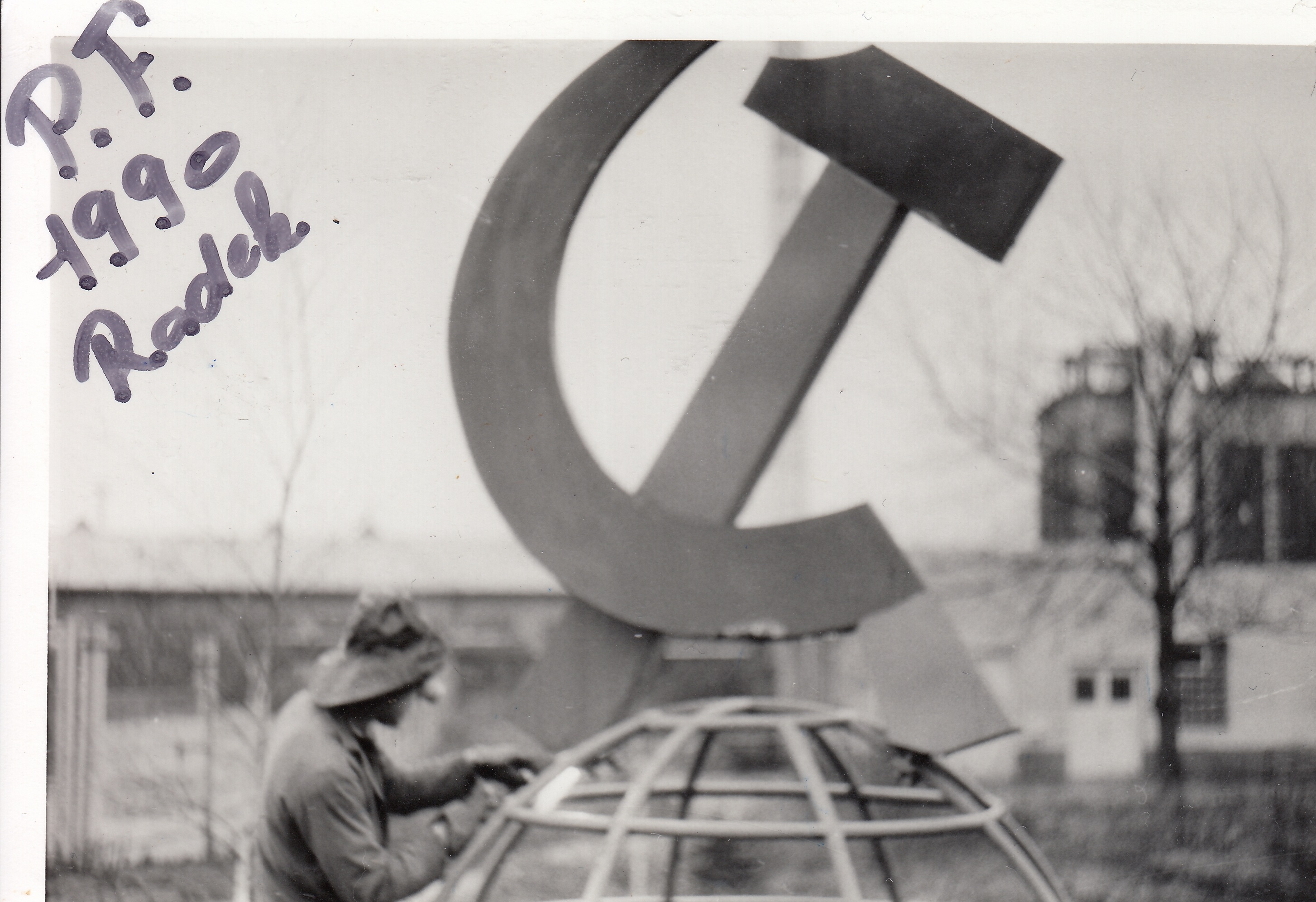
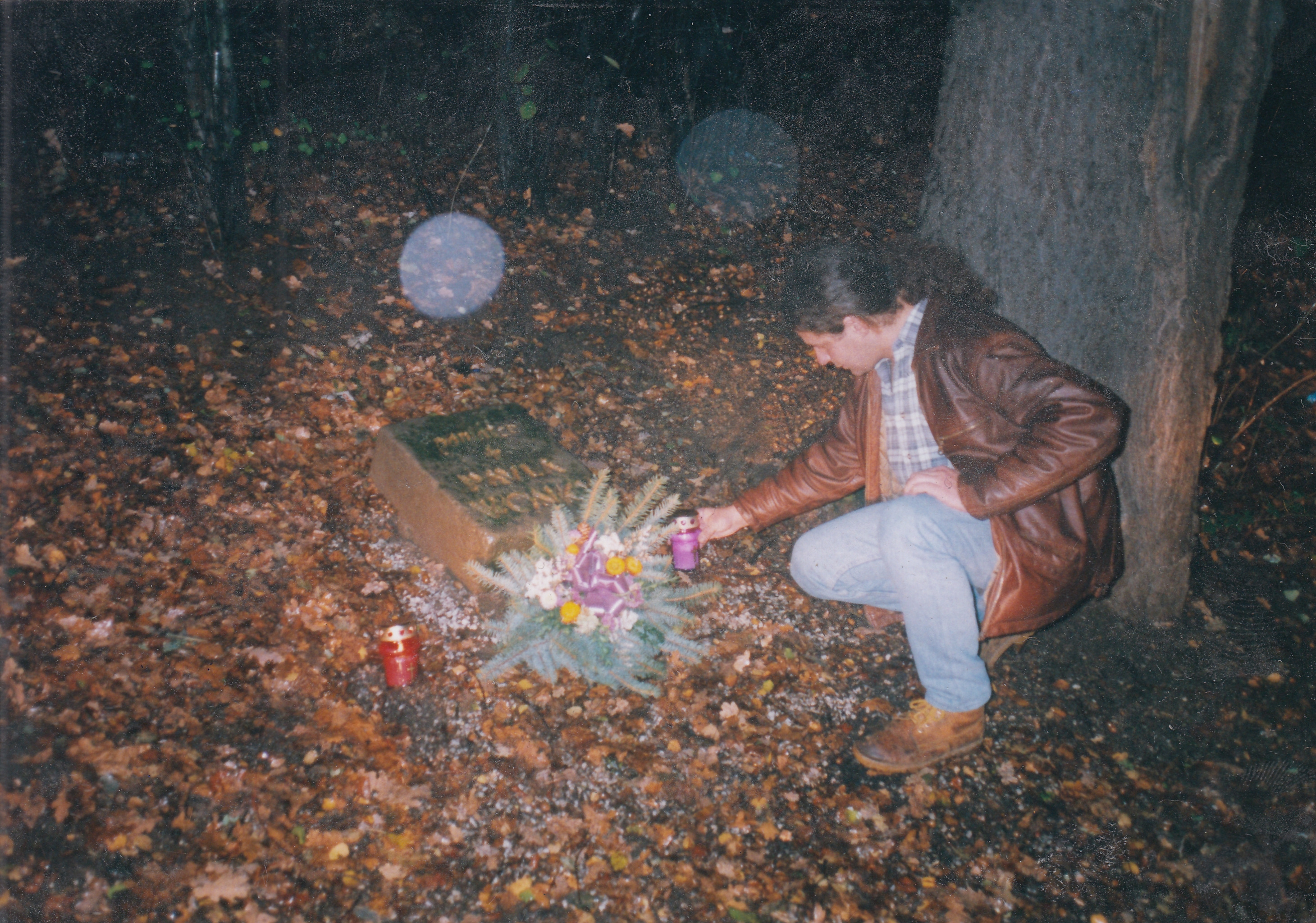
"Actually, we agreed and chose a place that is hidden, but a lot of people go there because there was a zoo nearby, or still is. It was by students halls of residence in a little grove or whatever I want to call it. Hidden place, but people were walking past. So we made a deal. I was still working at the depot at the time, so I... That was funny as well, I kept it all, as everything was all under socialism, so I got all that material on the job, and I'd already had my welding exams by then, so I welded up this tall steel cross out of 'U' shapes. Mr. Nachtigal, he was an old gentleman who was a painter in the depot - he did some painting, I could talk to him about everything, he was very anti-communist - so I told him everything. He was the only one who knew the truth. So he painted it beautifully for me. The plumber made me a tin box. The one I enjoyed the most - we had a carpenter and a glazier in one person at the same time, and he cut the glass for me to graze the tin box, and he was a militia man, so I totally enjoyed that, that he cut the glass for Wonka. That was then screwed onto the cross. It said 'Pavel Wonka,' date of birth, date of death. Petr Ďurica was in charge of getting cement. I don't know if he was working in the Staviva company at that time or not, but he just got cement, sand, wheelbarrow, shovel. And we agreed and we set off. I had it hidden at my mum's, but I didn't live there anymore because she didn't live far from this place, so I had it hidden in her basement."
"In 1989 it was already common to find Gazeta Wyborcza, which was actually Solidarność's newspaper, in Poland. Now I don't know if I bought it or if I got it somewhere. So I opened it, after all, you could understand a bit of Polish, and there was a headline: 'Václav Havel arrested again'. I didn't know that yet—that they hadn't arrested him. They just picked him up and then let him go right away. But the headline was just there. In fact, I looked it up when I asked about the resistance, and I found the article in some archive that it was really there. I was so pissed. I was just in Poland with Petr Ďurica and some other people, we were staying in a campsite, and I was like, 'Hey, I just have to say this on stage. There are a lot of Czechs here and I just have to tell them that Havel was arrested.' We found some organizers there, we showed them the article and we wanted to tell people. And they said, 'No problem, just wait until the band finishes playing, and then you can go.' So we went on stage, Petr Ďurica was a bit drunk, as I would say politely, so he didn't speak, and I started my speech by saying, 'I would like to greet all Czechoslovakians.' It was actually the first time I'd ever spoken to that many people. I knew that there were Czechs there, but I really didn't know that there were so many. So I told them there - I was holding the newspaper - that I had read that they had arrested Havel again and that this was another reason for them to sign the petition Several Sentences, which Havel had written in May of that year, or was one of the authors, I don't know exactly. And that we had the petition in the camp and that they could sign it. And that was the end of it. Then I was coming down from the stage, I was like a rock star, because there were cameras and cameras pointed at me, probably State Security."
"With Vladimír Lichtenberk, [who] you said had been here too, we said one day we would make banners for May Day. We agreed, and he decided to write: 'Let's open the borders to knowledge.' And I was inspired, and now I don't know if I'm going to say this correctly, but if it was Jindřich Tomášek or someone else, but I didn't participate in those May Day celebrations. But I learned, and I'll say Jindra Tomášek now, I don't know, that he went in the parade and he had a black scarf over his mouth. And I liked that very much, as a simple protest. I'm going to this parade where everybody's got waving signs and saying how we're going to meet the five-year plan and all this stuff, and he had a black scraf over his mouth. He didn't get very far, of course, because they arrested him right away. I liked that so much that I thought I'd put a black exclamation point on the banner. So I just had a black exclamation point on it. That's how me and this Ladík made it. There's a nice picture of it that I haven't been able to find. I'm sorry, but I don't know who has it or where it is. We had our picture taken beforehand, with the understanding that we would make it happen. So we made it at Ladík's house, we slept there with some other people, some other people slept there, and that we would then go en masse in the parade. In the morning we woke up and somebody was looking out the kitchen window and saw a Skoda car with some strange guys standing there. He said, 'Hey, those are some strange people. They're sitting there all the time, and that's weird.' So we looked and we thought, 'They're probably Estebians.' So we agreed to come out without the banners. They would see that we weren't carrying anything, and then we'd go back and get them, and maybe go another way and get there. So we split up into groups, I don't really know now, maybe eight people. The Skoda, of course, started and drove slowly alongside us and then they stopped and got out and picked up Ladík. They didn't pick me up, oddly enough. So then I learned from Ladík that he had called Karl Mrázek the day before to have it announced on Free Europe."
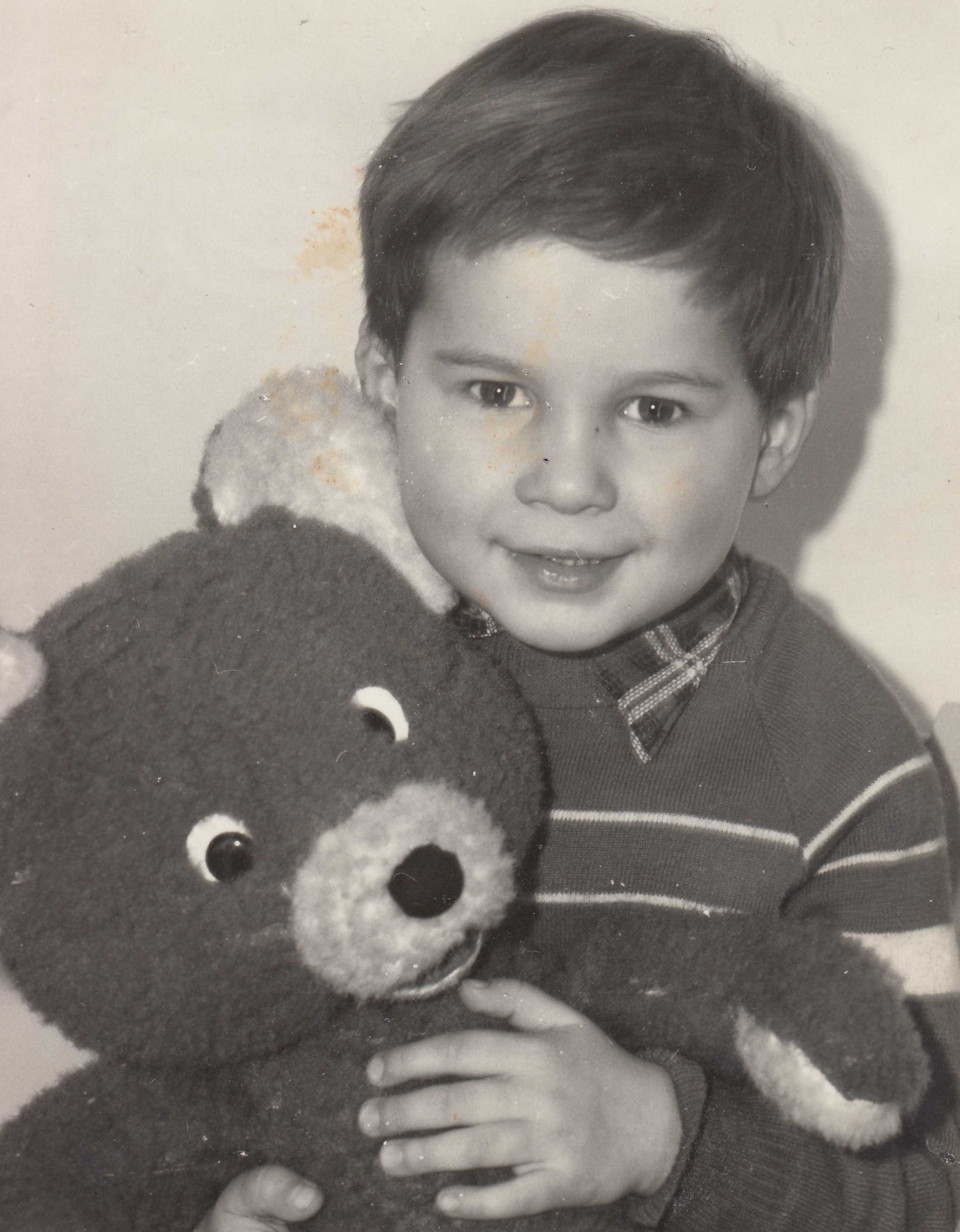
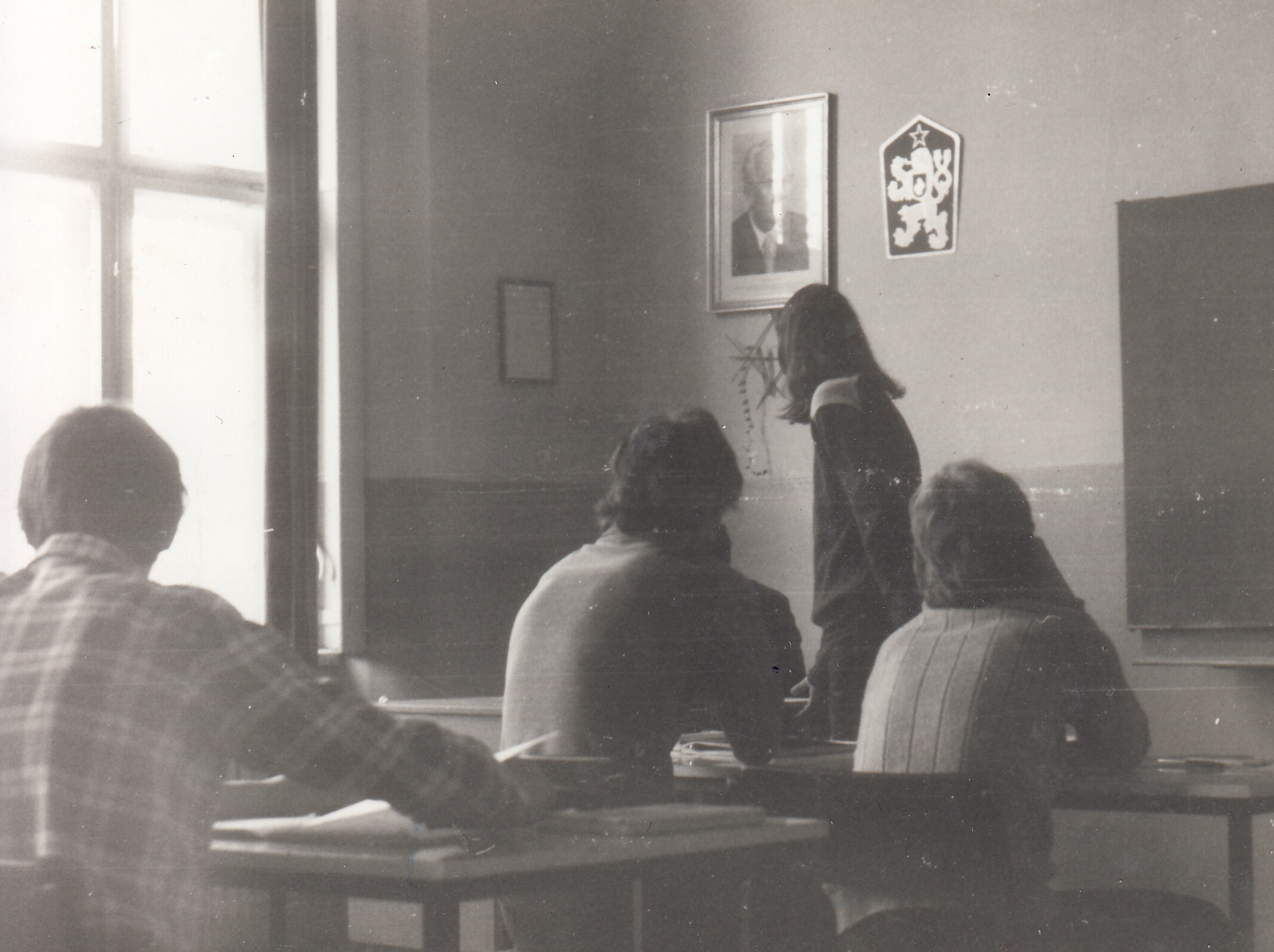
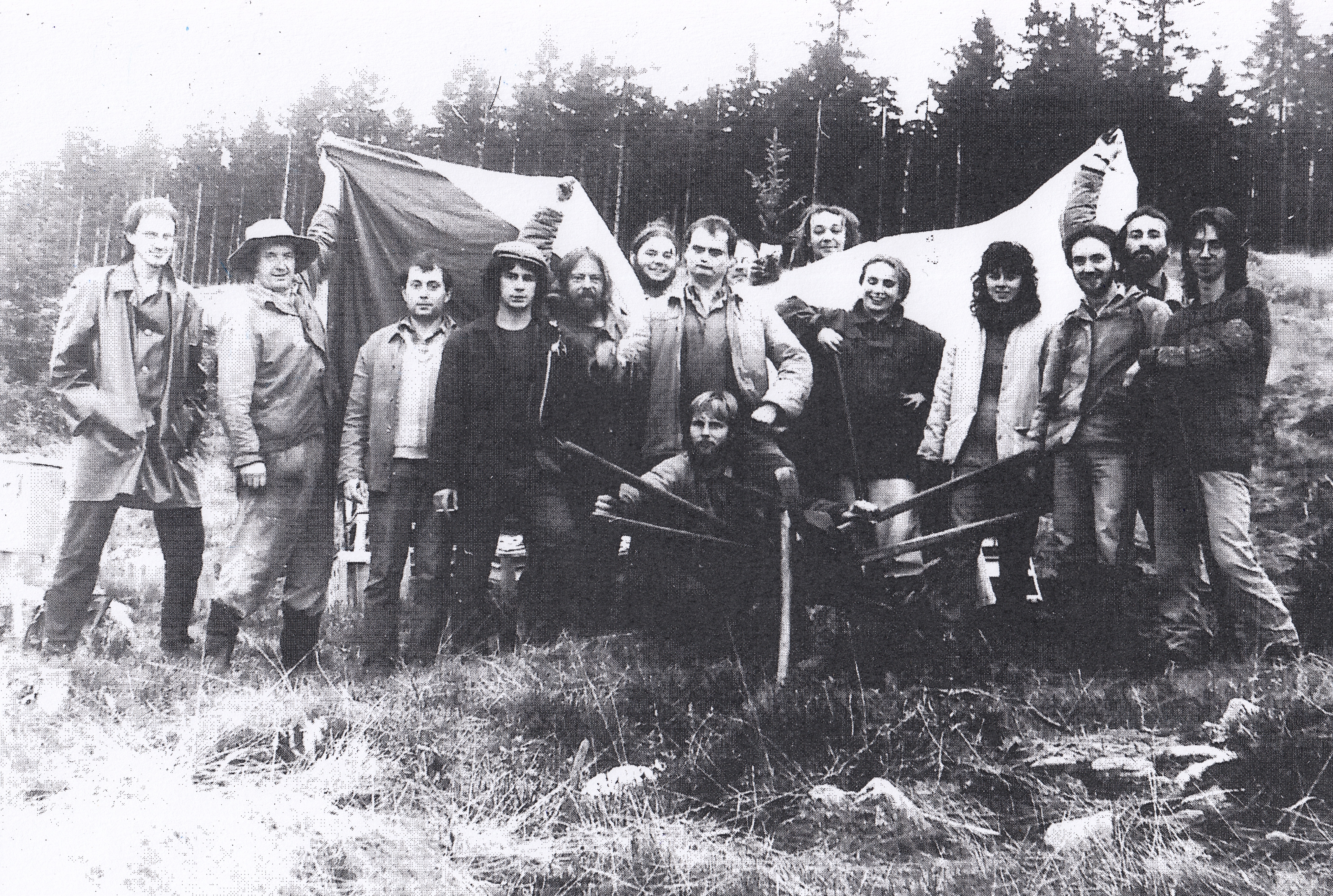
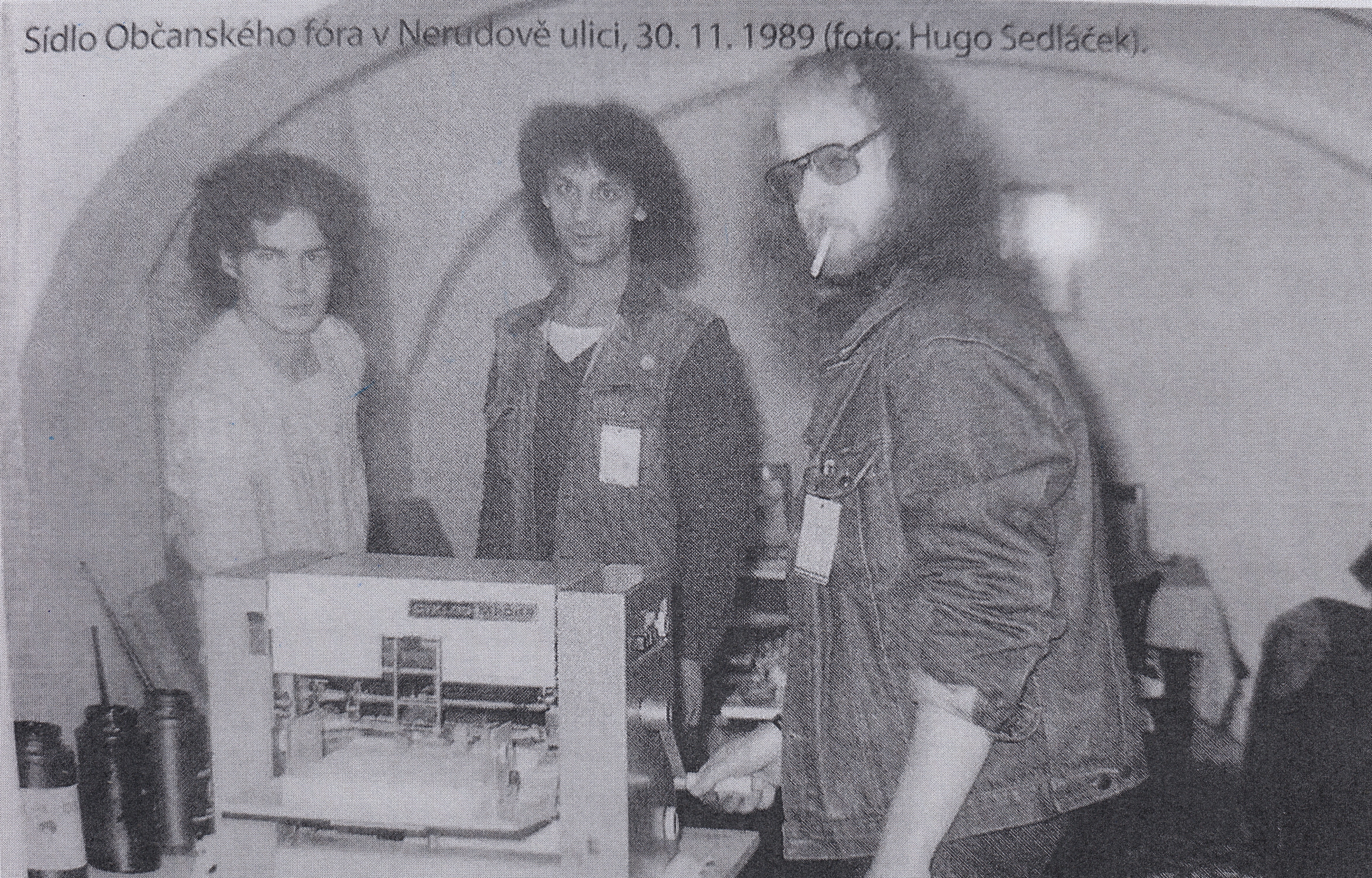
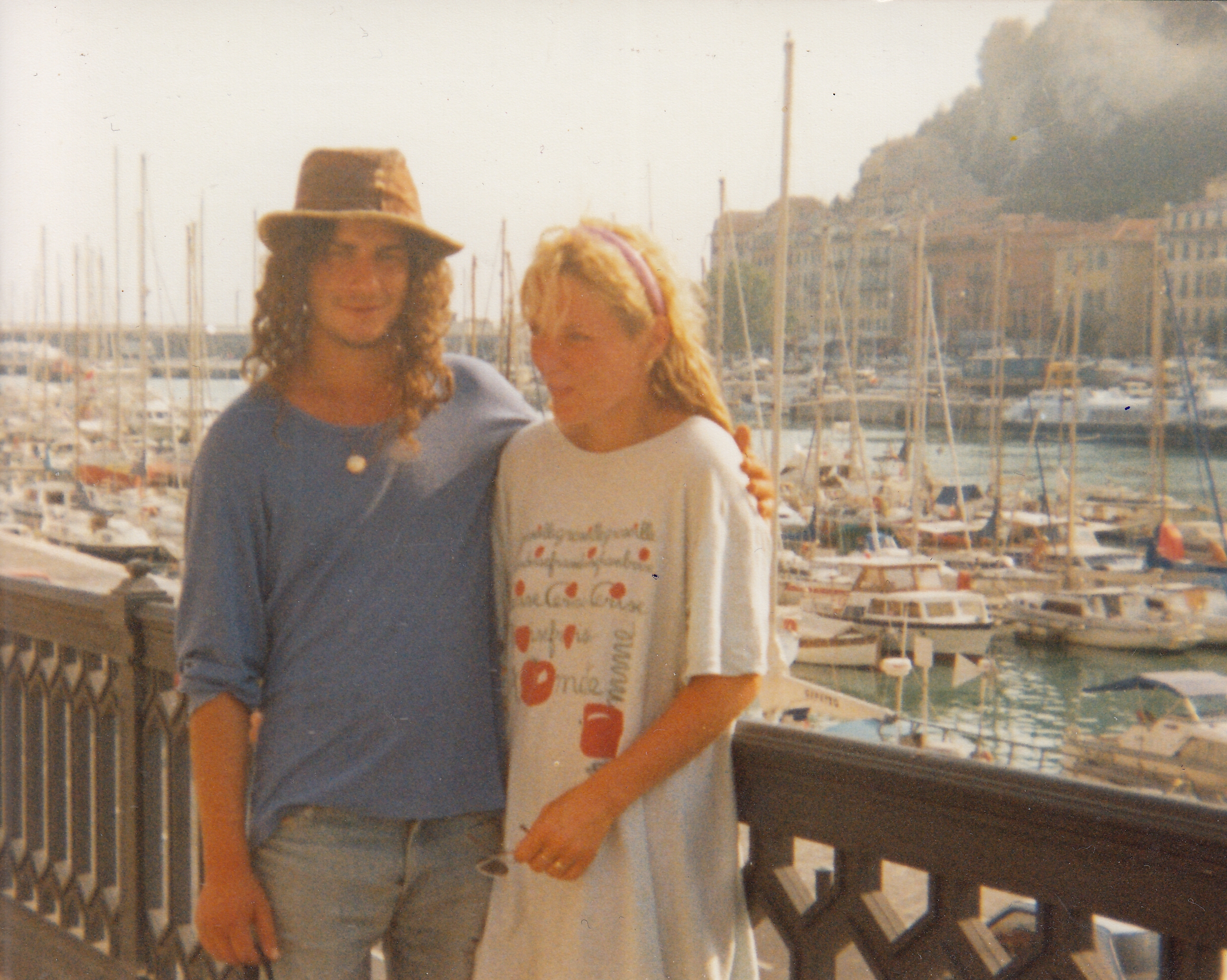
Radek Hrdlička was born on 15 June 1967 in Chomutov. As a young boy he liked to read and in his home library he got to authors who could not publish publicly, and their works influenced him greatly. During his studies at secondary school he grew his hair long, which brought with it some problems. A year before graduation, he was expelled from school. He began working on the railroad and was about to enlist. Thanks to a medical report, he received a blue book and didn´t have to join the military servvice. Gradually he got acquainted with the Chomutov Charter signatories, who brought him into the dissident environment. Radek Hrdlička gradually began to participate in the production and distribution of samizdat texts, such as Infoch or NOS. Thanks to this activity, he came into the crosshairs of State Security (StB), which began to interrogate him regularly. With other dissidents, for example, he went to a festival in Jarocin, Poland, where he publicly appeared on stage to declare that Václav Havel had been arrested again and urged Czechoslovak festival-goers to sign a petition entitled Several Sentences. In Chomutov, he also participated in the illegal construction of a monument commemorating the death of political prisoner Pavel Wonka. He was involved in „dissident summer jobs“ - the proceeds of which supported the families of political prisoners. He actively participated in demonstrations against the communist regime. He lived through the Velvet Revolution in Prague and Chomutov. For his activities he was awarded a Certificate of Participation in the Resistance and Resistance against Communism. At the time of recording in 2025, he lived in Svojšín, West Bohemia.