Mgr. Václav Houf

* 1949

  • "Then it turned out that everybody really liked it because it was something so special, like a friendly event, and you had these people at home, here in this little place. But the list got into the wrong hands, State Security guys got it. I guess they were probably guessing. And I was like, 'Who is this? We know all these people and we have some records on them,' and I was in the Art House making a poster, and I had the door open and I was kneeling on the floor. And I had a Finnish poster on the floor, an exhibition. I was cutting it out and editing it and all of a sudden two feet stopped there. I look up, and there was this older gentleman and this younger gentleman, in balaclavas, the way they walked. 'Are you Mr. Houf?' I said, 'Well, what do you need? Are you going to see Jiří Valoch?' 'No, we're going to see you.' I didn't say anything, I didn't know them. 'Well, would you have time to go for a coffee?' I said, 'What for?' 'No, you know, we have a proposition for you. I'll tell you straight. We've been watching this place, the art life, and we think you're really good. You're good, and I think you could run this place sooner or later.'"

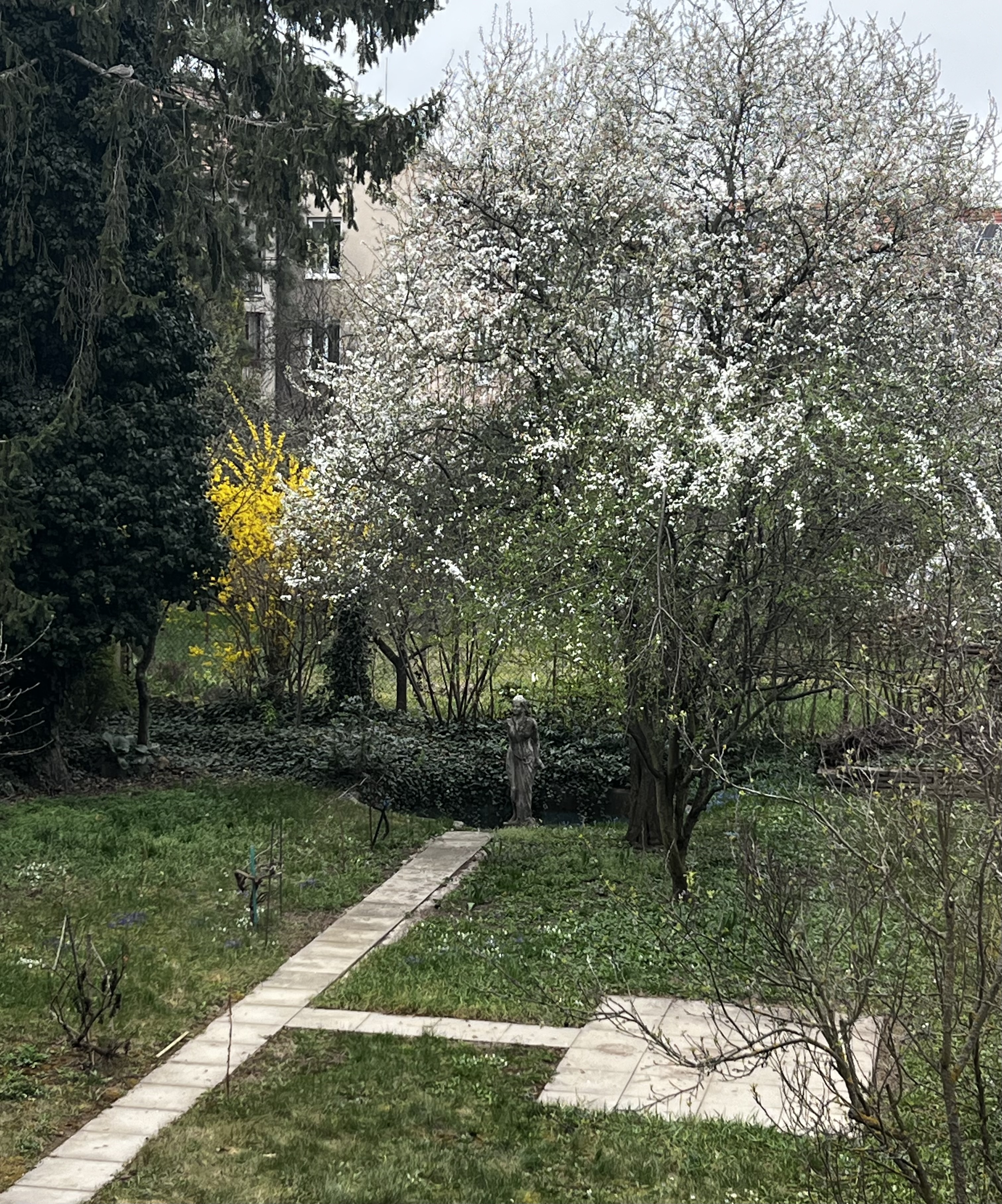
  • "Then the garden got a bit of a beating when Brno was liberated. The back fence that was there, there was a huge open square behind it and circuses used to go there. And when it was liberated, the Soviet army parked there, or part of it, and they cooked for the army there, and they slaughtered cows there, and they cooked goulash in huge cauldrons. And because the wooden fence that was there bothered them, so they drove a tank into it, they put it down, and now they found this pool with this water, so they put the statue there, and they sat on it, and they went there to wash. It was like a bathroom. And then unfortunately the gazebo had a worse fate because they beat the stained glass windows out of it with their arms, put a board and a step in there, and then Grandpa was taking it out for about a month when they left."

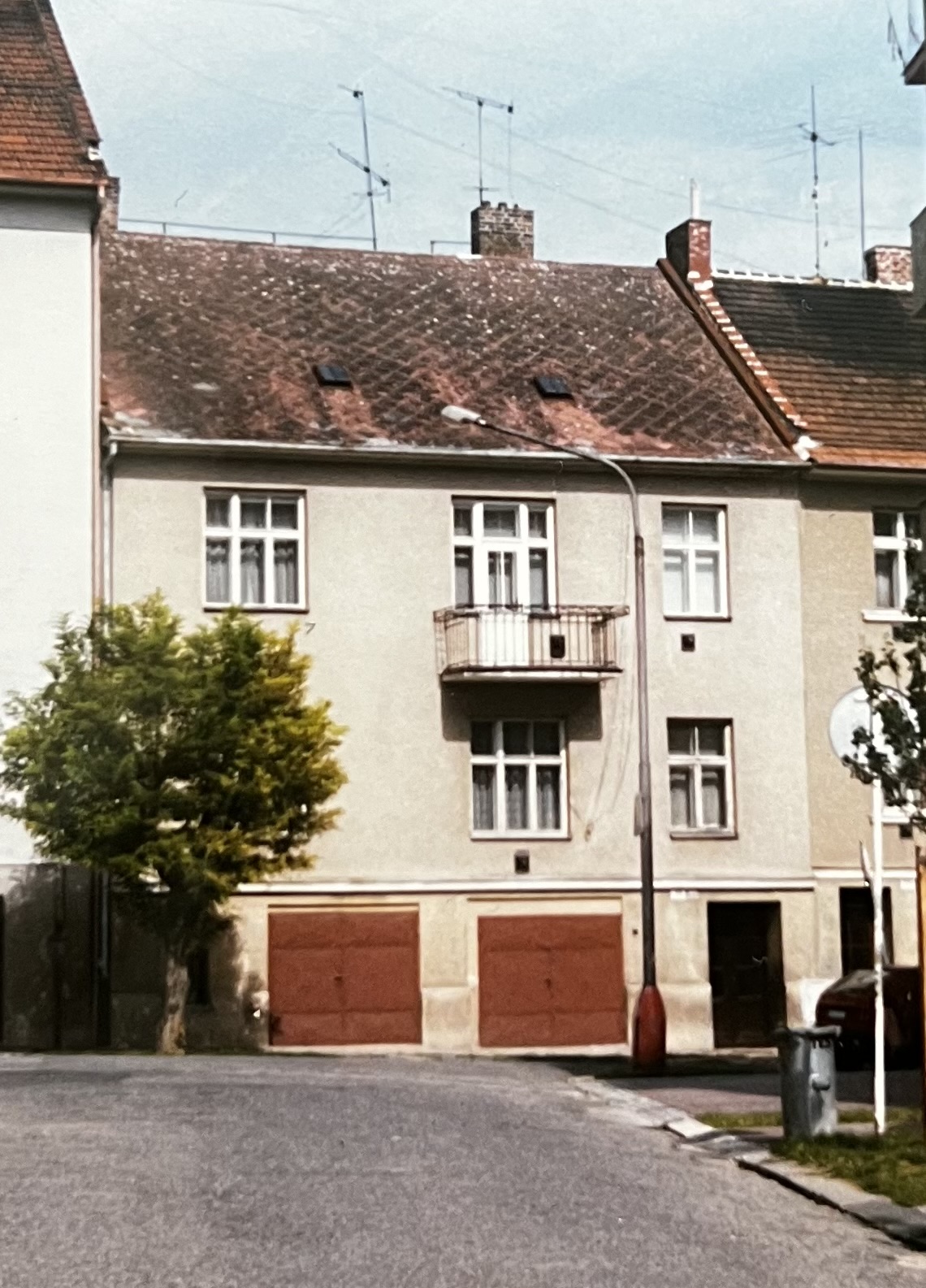
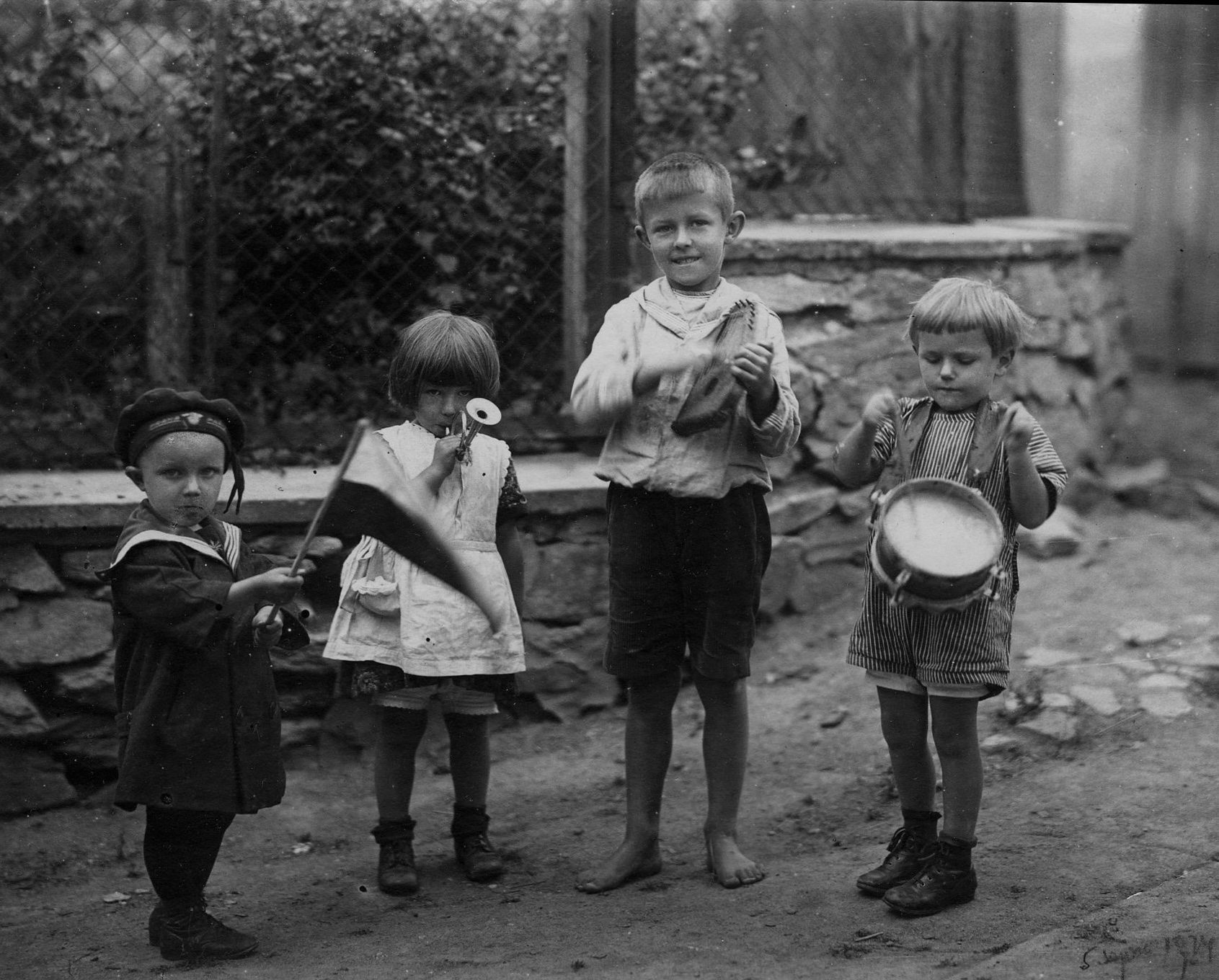
  • "I had a wonderful childhood here because it was a dream house. If you look at the garden, the circular pool, the statue, the water was splashing out of it. There was a kind of summer house, a little house that had a stained glass door. It was basically a kind of townhouse, a nice residential house. And the life was very pleasant too, although of course it was a large family, so there were little frictions, but it was never that dramatic, we always ended up all sitting in the backyard. I can't say they feasted because we were pretty poor, the whole family too. Because my grandfather was quite a prominent figure in Žďár, where he was the court auditor. So for that he got his revenge from the new regime."

  • Celé nahrávky
  • 1

    Brno , 02.04.2025

    (audio)
    délka: 02:24:09
    nahrávka pořízena v rámci projektu Stories of 20th Century
Celé nahrávky jsou k dispozici pouze pro přihlášené uživatele.

I‘ve been really lucky that I‘ve always been in a good group, and I think that‘s the most important thing in life
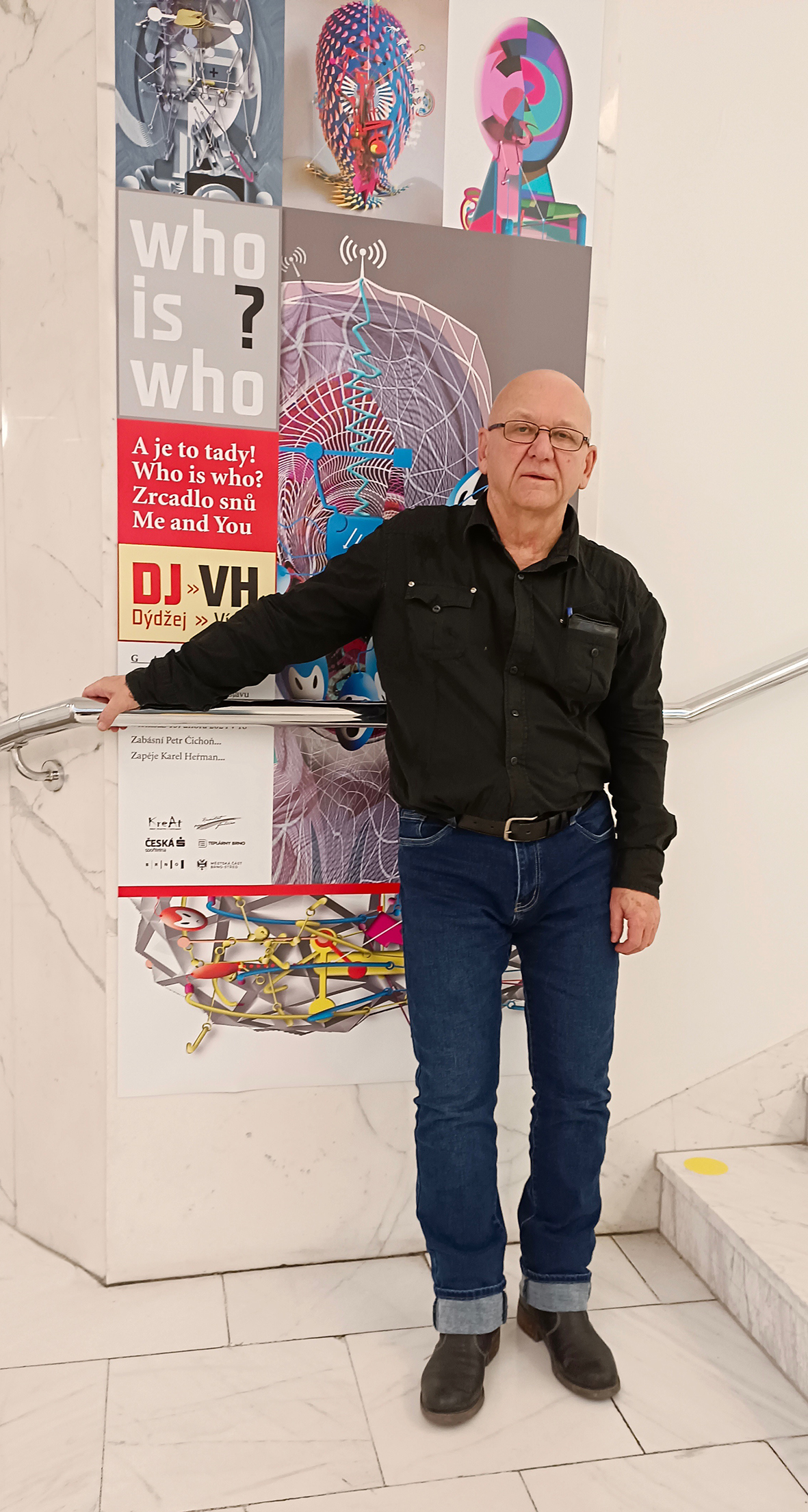
Václav Houf
Václav Houf
zdroj: archive of a witness

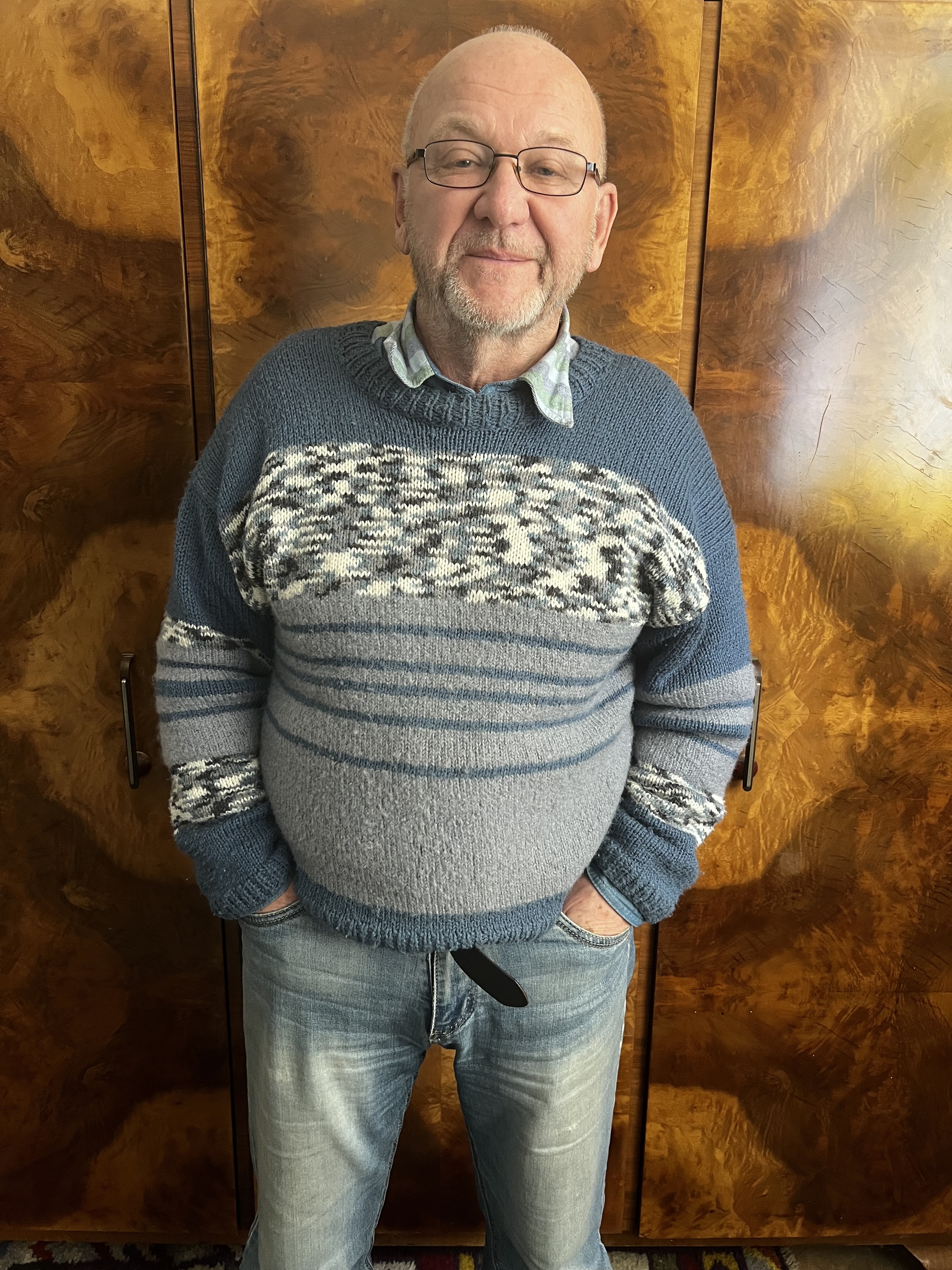
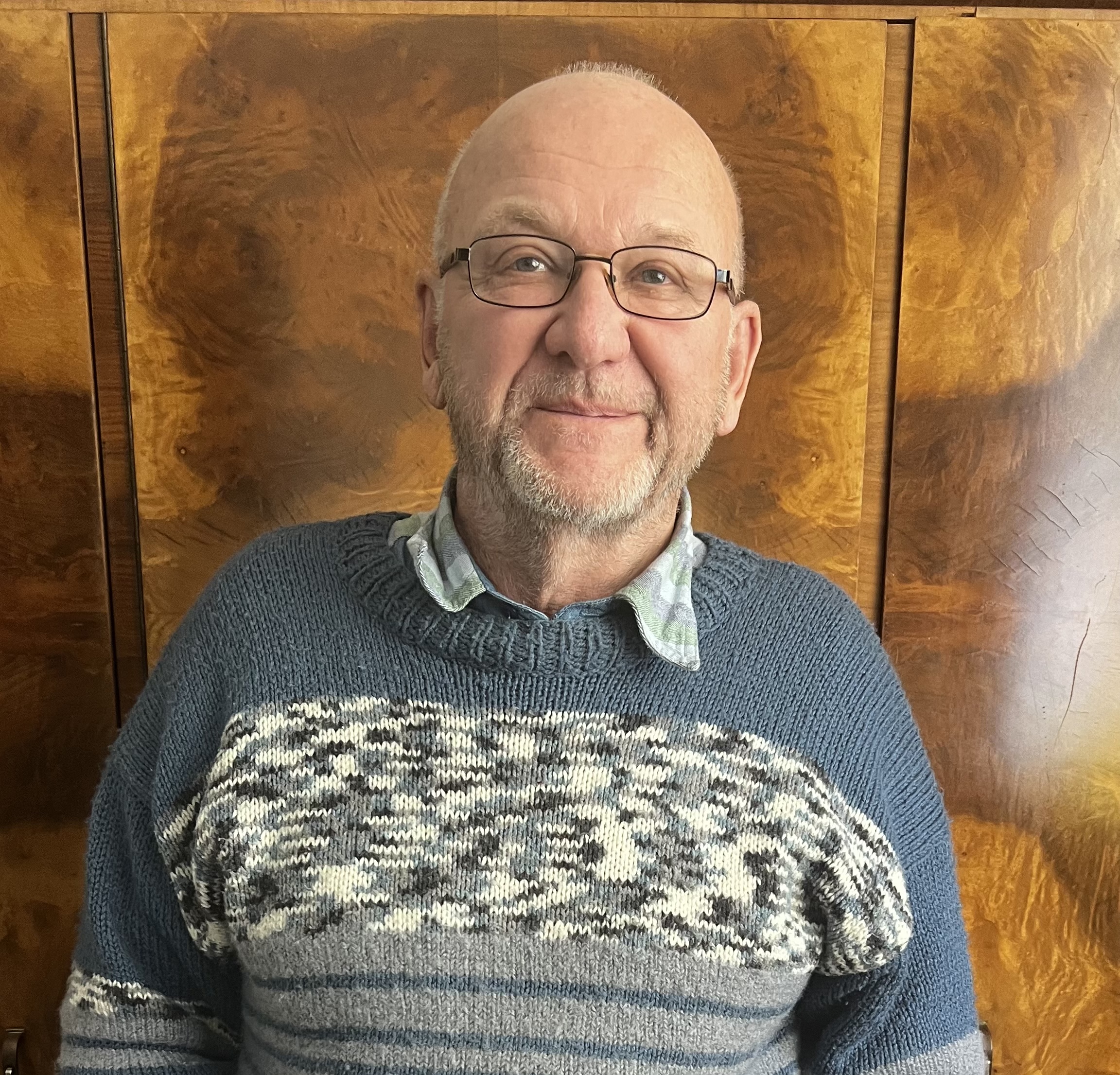
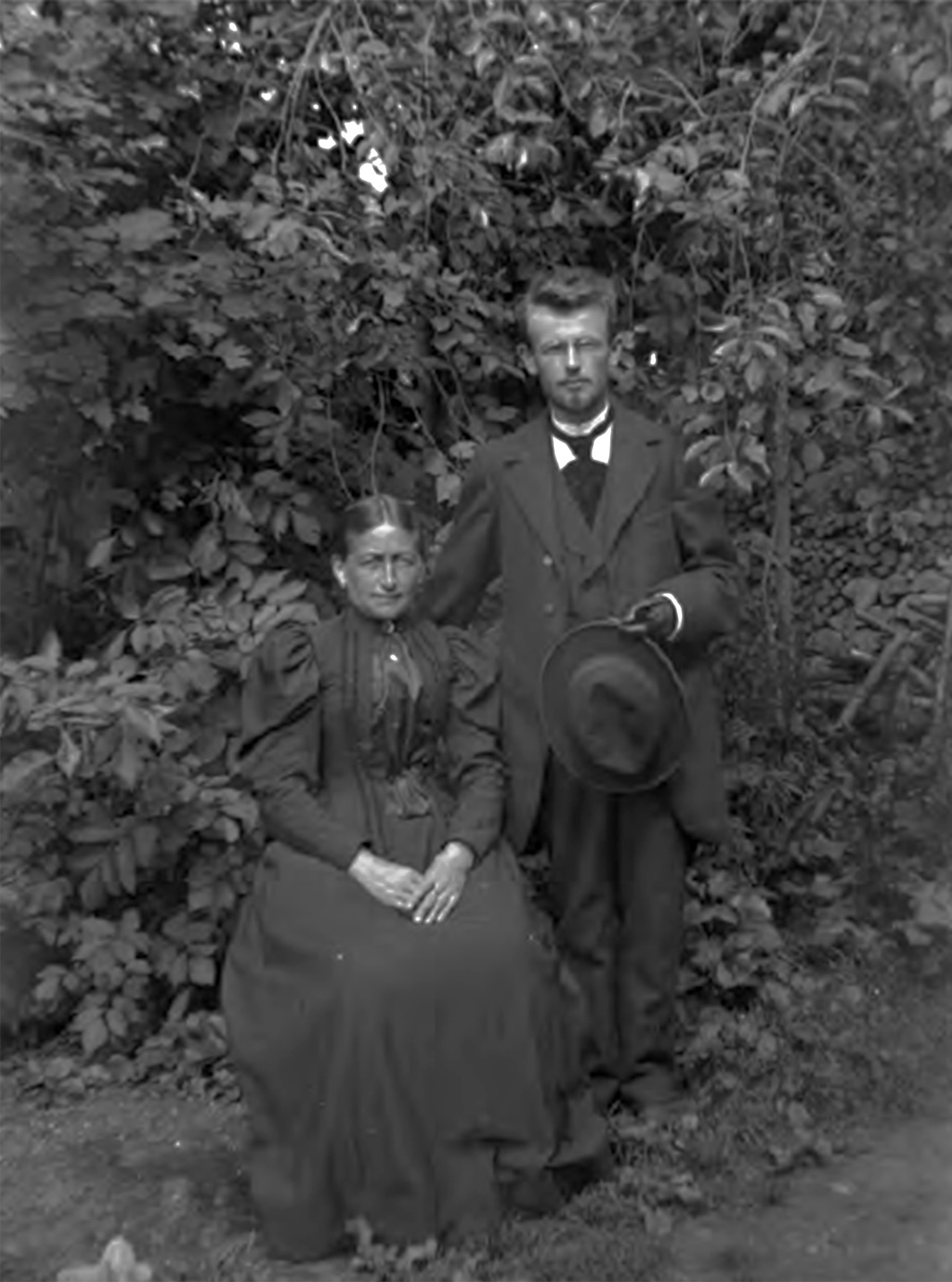
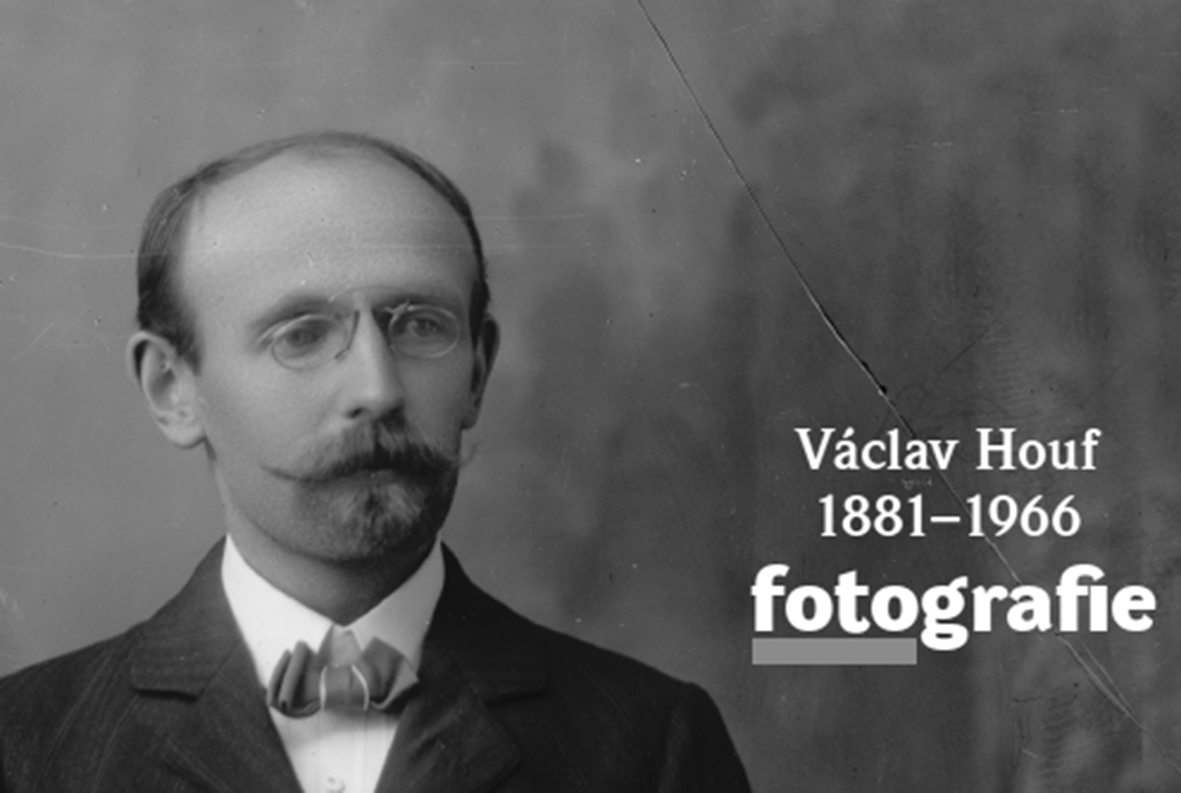
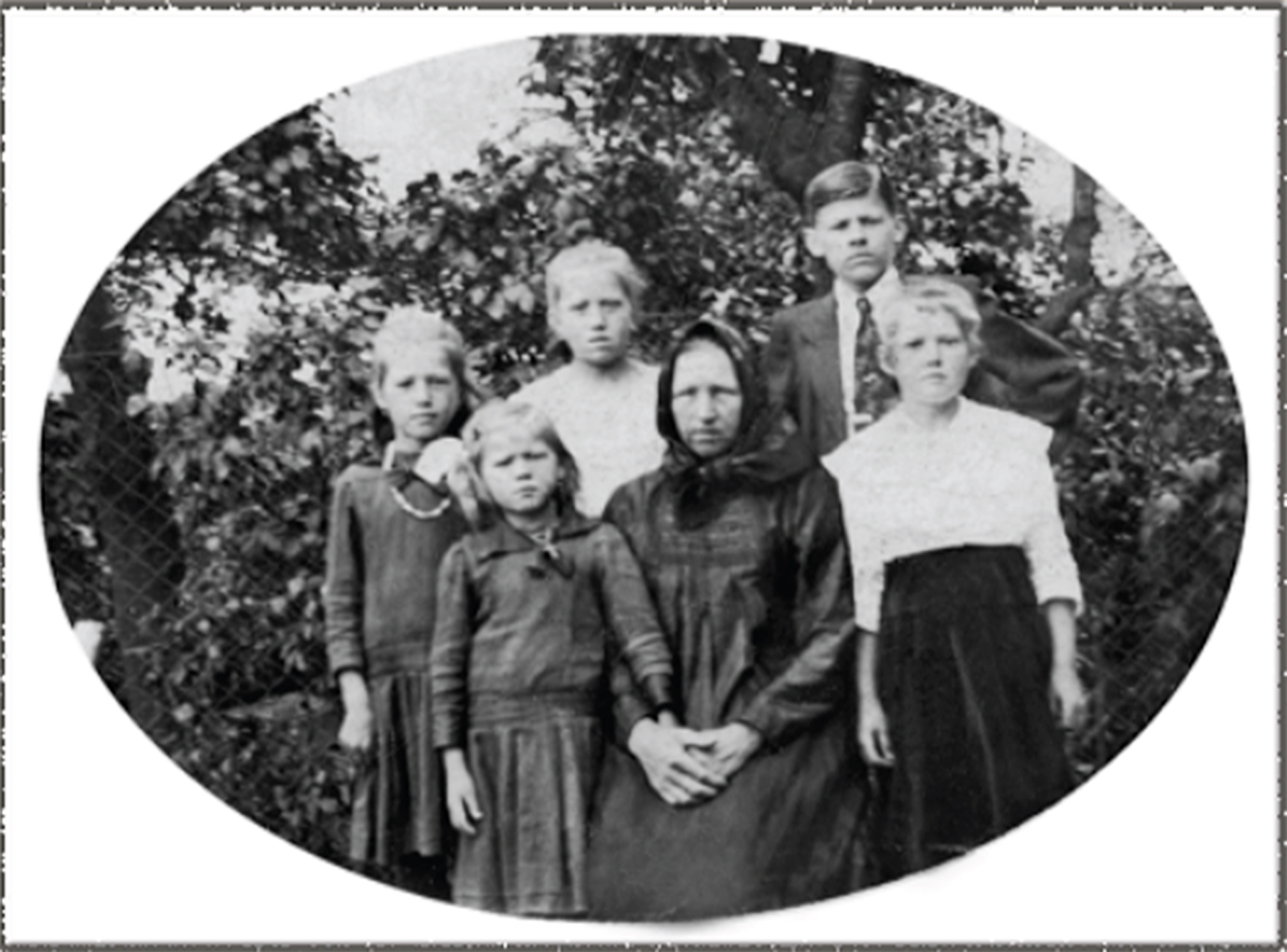
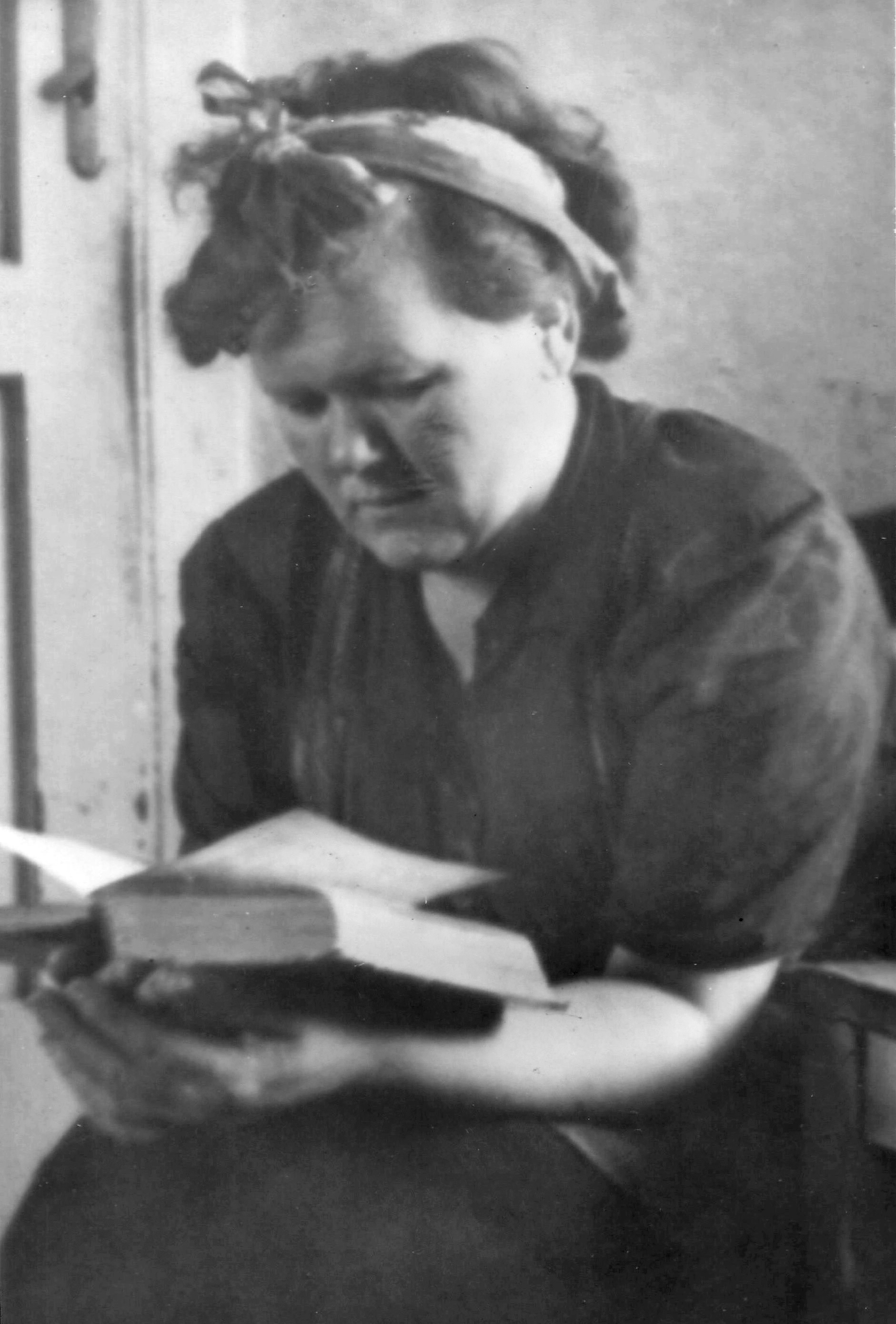
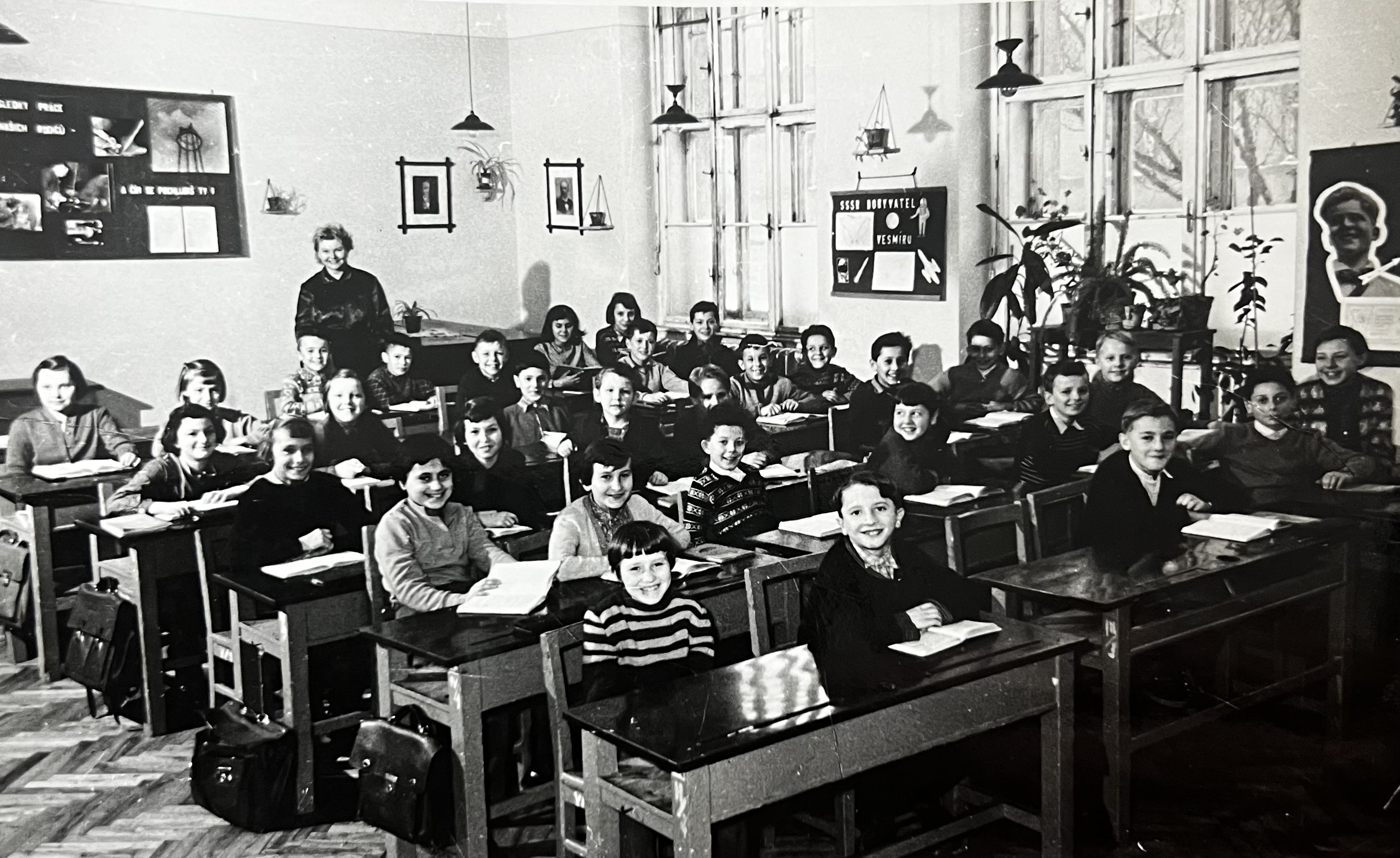
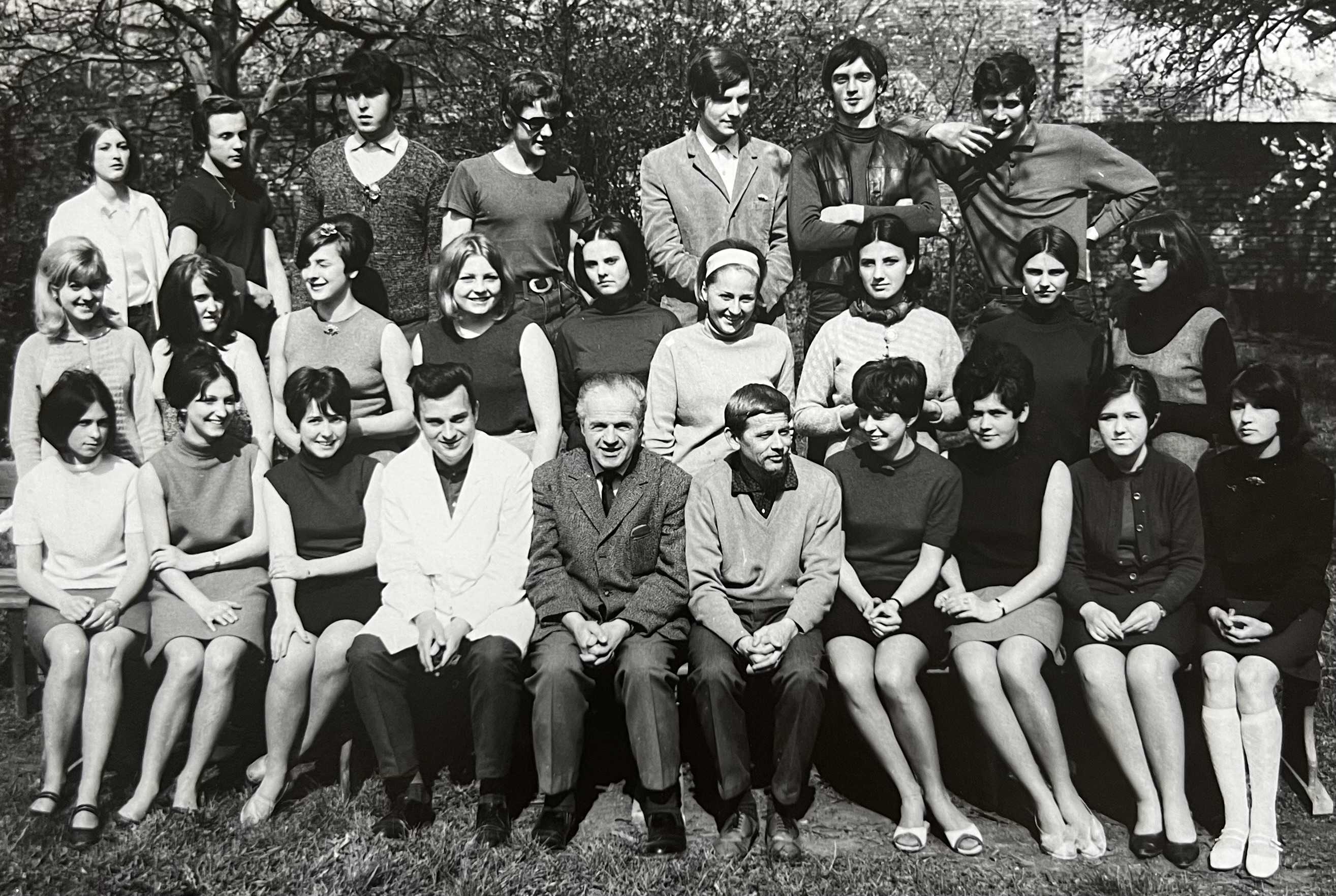
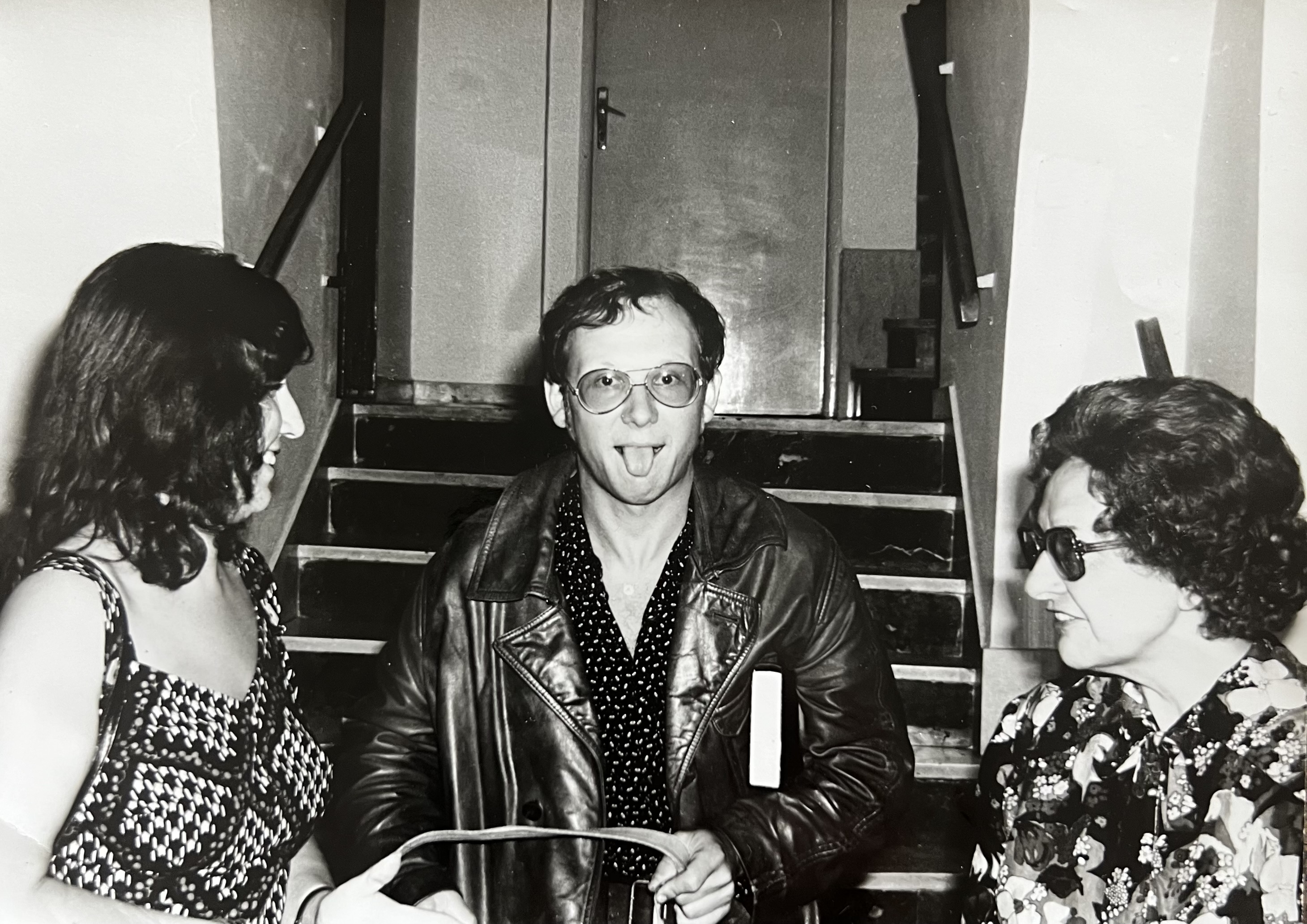
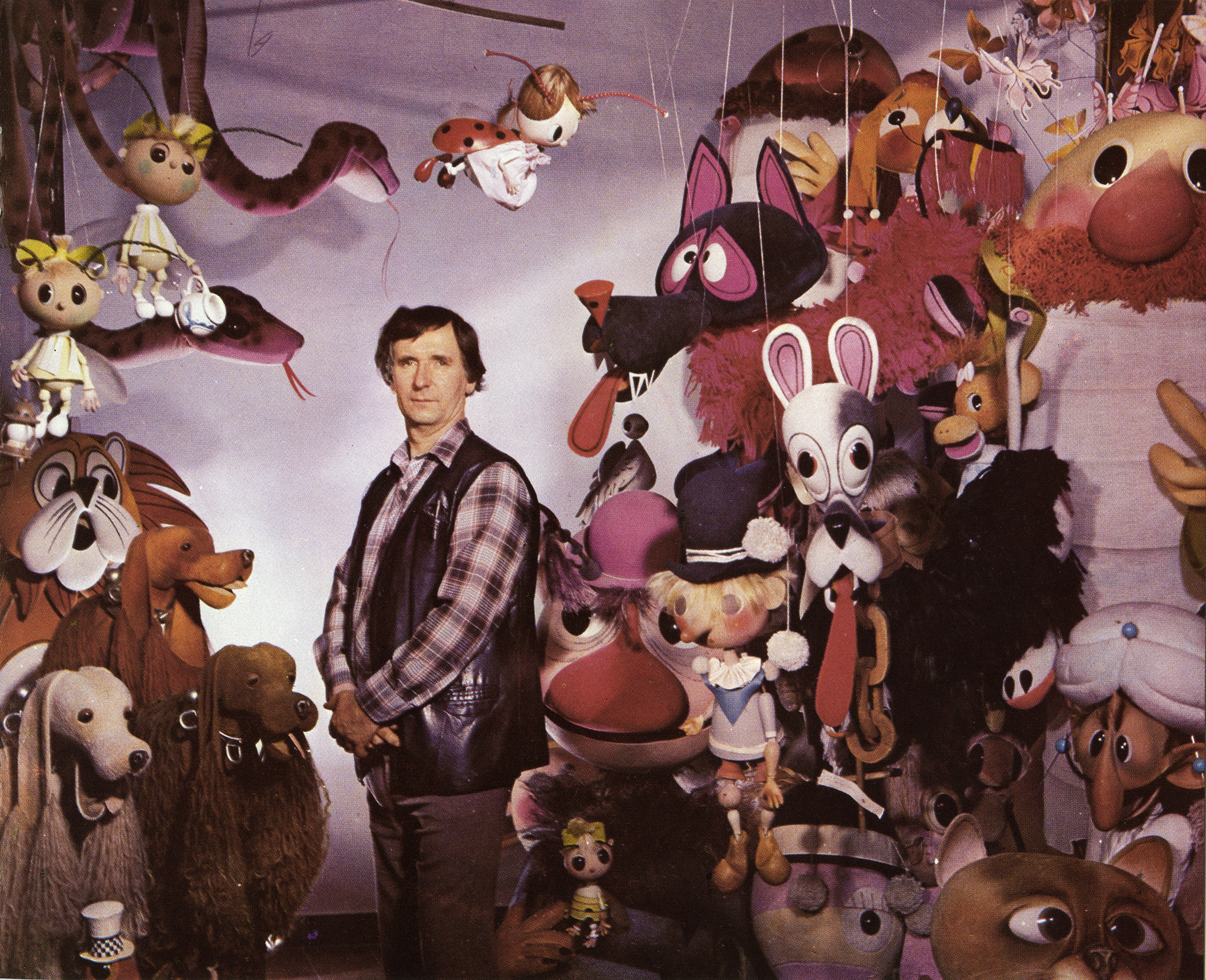
Václav Houf was born on March 30, 1949 in Brno-Královo Pole in a house built by his grandfather Václav Houf for his large family. After not being admitted to the Secondary School of Arts and Crafts, he studied textile design at the Secondary Industrial School of Textiles and the Faculty of Education at Masaryk University in Brno. He started working as a graphic designer at the House of Art. He prepared materials for exhibitions with the prominent non-conformist curator and theorist Jiří Valoch. There, he was contacted by the State Security Service (StB) and unsuccessfully persuaded to cooperate when they discovered that he was working with Ludvík Kundera on publishing Samizdat. After five years out of employment, he went freelance in 1978. As an acclaimed graphic designer, illustrator and set designer, he created countless film and theatre posters, collaborated with theatres, companies and many publishing houses and institutions. He participated in exhibitions and events of the Brno unofficial scene in the 1980s and 1990s. After 1989 he taught externally at the Secondary School of Arts and Crafts in Brno and at the Department of Art Education at the Faculty of Education of Masaryk University. For ten years he taught and headed the Graphic Design Studio at the Faculty of Fine Arts of the Brno University of Technology. His works are represented in many Czech and foreign galleries. At the time of the filming, in April 2025, he was living and continuing to create passionately in his apartment in Brno-Královo Pole and exhibited in many solo and joint exhibitions in the country.