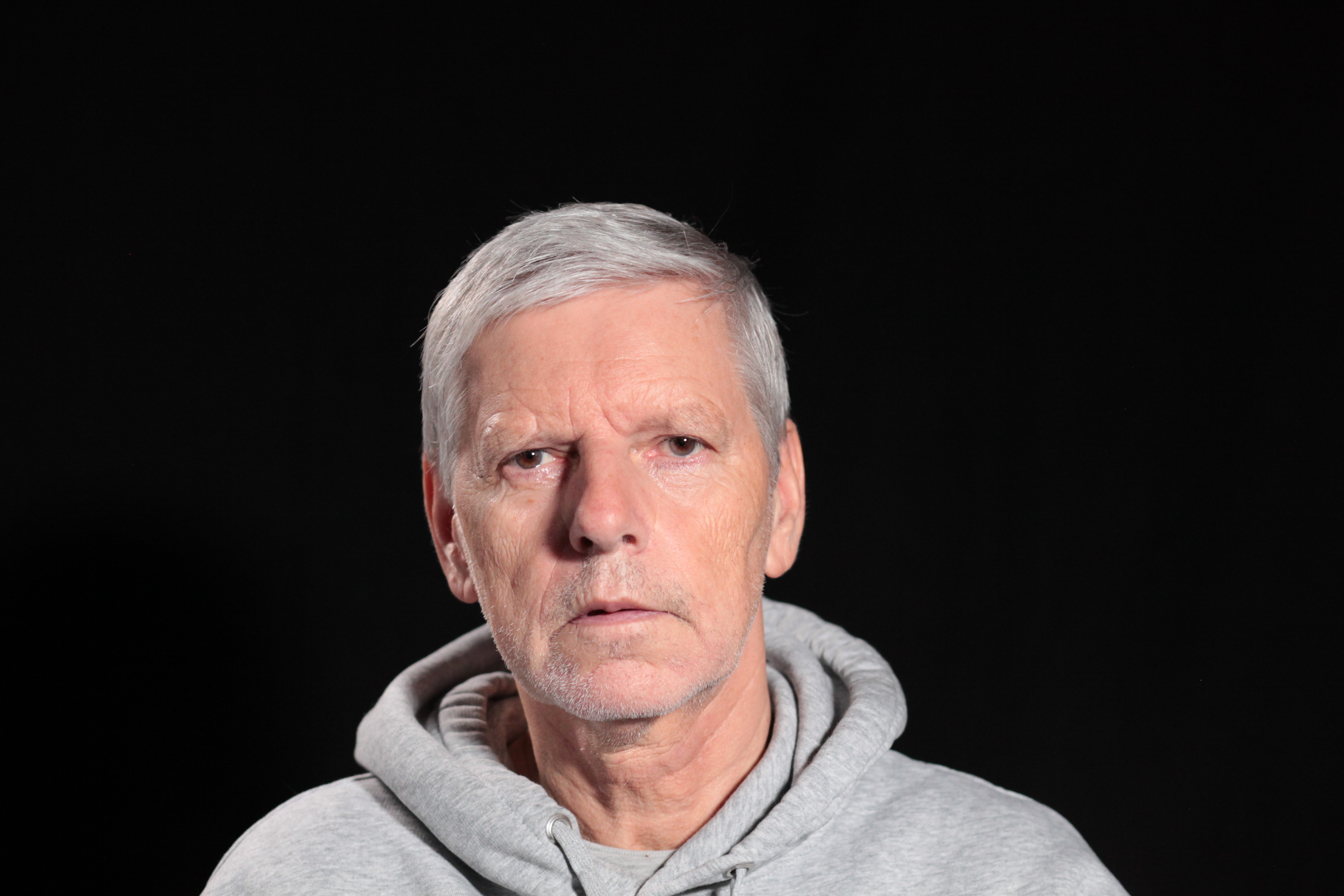
Ing. Jan Horník

* 1954

  • "So there was a crowd of first fifty, then maybe a hundred people. There were normal citizens walking around, looking at what was going on, but they preferred not to pay much attention to us. A cordon of policemen formed around us. A little further on, there was a military car. We were signing the declaration, the ten principles. We made various speeches. So it was disorganized, but it worked. In the meantime, the secondary school kids from the boarding schools showed up from Horní Drahovice. And Jirka Kotek caught some of them and said that tomorrow we'll meet again at five o'clock, to bring their friends. And they promised him that they would definitely bring friends. And because they were young people who didn't really perceive the danger as much as the normal public, they actually came the next day, there were a lot more people there. So on that Monday there were about a hundred of us. We were about to end it, but the cops were standing around, so it was clear that they were after Jirko Kotek. Jirka Kotek was wearing this red sweatshirt. So he was visible in the grey crowd between us. So I don't know who thought of that. He took his jacket off. He gave it to somebody. He crumpled it up somewhere. And then we set off, the whole circle, with the circle of policemen around, up Masarykova Street. And when we were about somewhere near the Food House, Jirka managed, as we were going up, there was an open entrance to the house. He got in there and we went on. And the cops came with us. And we reached the Communist Party headquarters. But then, maybe a little bit earlier, we started to disperse. And they didn't have Kotek there. It was clear that they were after Kotek."

  • "Jirka Frankovič had the signature sheet posted on a bulletin board in the waterworks in Myslivny and I had it on a bulletin board in my office in Neklid. To keep it handy so we wouldn't forget when someone suitable came to sign. Jirka Frankovič at the waterworks was exposed because at that time the Border Guard also had Border Guard assistants, which were mostly citizens of the village, who were pushed to do this, and then they had to go to the buses and report if anyone suspicious had gotten off or gotten on, and so on. And those two units, those helpers, were also supposed to take notice and were supposed to report suspicious things. And those border guards had us divided into these groups at Boží Dar, and they would come to us and to work and play this game with us, that they were friends, asking what was going on and what was new, get a shot, and things like that. They would come to our workplace and they would go to the waterworks, among other things. That's where they found the sheet. They took it, it was a big embarrassment at the headquarters in Karlovy Vary, what kind of employees they had there. Frankovič was threatened with being fired, but in any case, it turned out well in the end, because even the management of the waterworks didn't see it as such a misdemeanor that he had to leave the waterworks, so he got three pay cuts. Well, they started to go around and take a lot of notice of these operations, which were mostly vacation cottages, hotels, and these various company shacks. They started asking around for that paper, Several Sentences. That was copied just on that ormig machine. And I had it on the bulletin board, but I didn't know they'd caught it. Well, the cop who was in charge of me was a silly one, from Jáchymov. He came to see me one day, said he was coming to see me, that we'd have a drink together, what's new, and all that kind of talk. He sat down at the table with me on one side and him on the other. And there was a bulletin board, and there were a Several Sentences on it. Already signed, but it wasn't full. And he says, we were chatting, 'Hey, Honza, we have a little trouble here, somebody's spreading Several Sentences.' And I said, 'What's that?' And he said, 'Well, it's kind of anti-state, and there's a guy named Havel on it. And I said, 'You don´t say.' I found that the best thing to do with the cops was to play it down to a friendly level, but not say anything and made fun of them a bit. So we drank two shots, he stuck around for an hour and a half, and he kept coming back to it. And he said, 'Hey, Honza, if by any chance...' And I said, 'Sure, don't worry, whatever.' Then I was relieved when he took his hat, put it on his head, we said goodbye and left. The paper went right off the bulletin board. And I had the opportunity to hand it over, and he was collecting it, Jirka Kotek, and taking it to Prague."

  • "It started with... Actually, it started with the waiters from Karlovy Vary. The waiters had the advantage that western tourists also came to Pupp Hotel or other spa houses for treatment. And they were in close contact with them. Of course, they traded illegally with them them. They were waiters and baggage porters. These were the best places because they had money from the tips, they exchanged currency with them, which they then sold to the Czechs. They didn't care much about the salary. So they were kind of the carriers of the new things. And of course, skateboards started to appear on TV, the German one, and in magazines, so the first skateboards here were the waiters. I rode the first skateboard, it was borrowed from a waiter... We thought it must be a very steep hill. And there were two of them [in Karlovy Vary]. One was up above the Plague Column and the other was in Ondřejská Street. But there were cobblestones everywhere. So to ride on that, it was terrible. Ondřejská was worse. So we tried it right by the Promenade Hotel today. I have one picture of me, where I'm literally like a spa guy, where I'm wearing white jeans, white paper jacket, and I'm standing on it, going down the hill. But we soon found out that you can move around on that skateboard and that you can ride on flat ground. And we didn't have the good skateboards for that. As hard as our boards were, we didn't know how to turn it properly. So then we started making our own boards. The waiters were the first ones to bring it here, and that's basically how skateboarding started in Karlovy Vary."

  • Celé nahrávky
  • 1

    Karlovy Vary, 17.02.2026

    (audio)
    délka: 02:11:00
    nahrávka pořízena v rámci projektu Příběhy regionu - Karlovarský kraj
  • 2

    Karlovy Vary, 27.02.2026

    (audio)
    délka: 01:29:24
    nahrávka pořízena v rámci projektu Příběhy regionu - Karlovarský kraj
Celé nahrávky jsou k dispozici pouze pro přihlášené uživatele.

After Prague, Karlovy Vary was the first
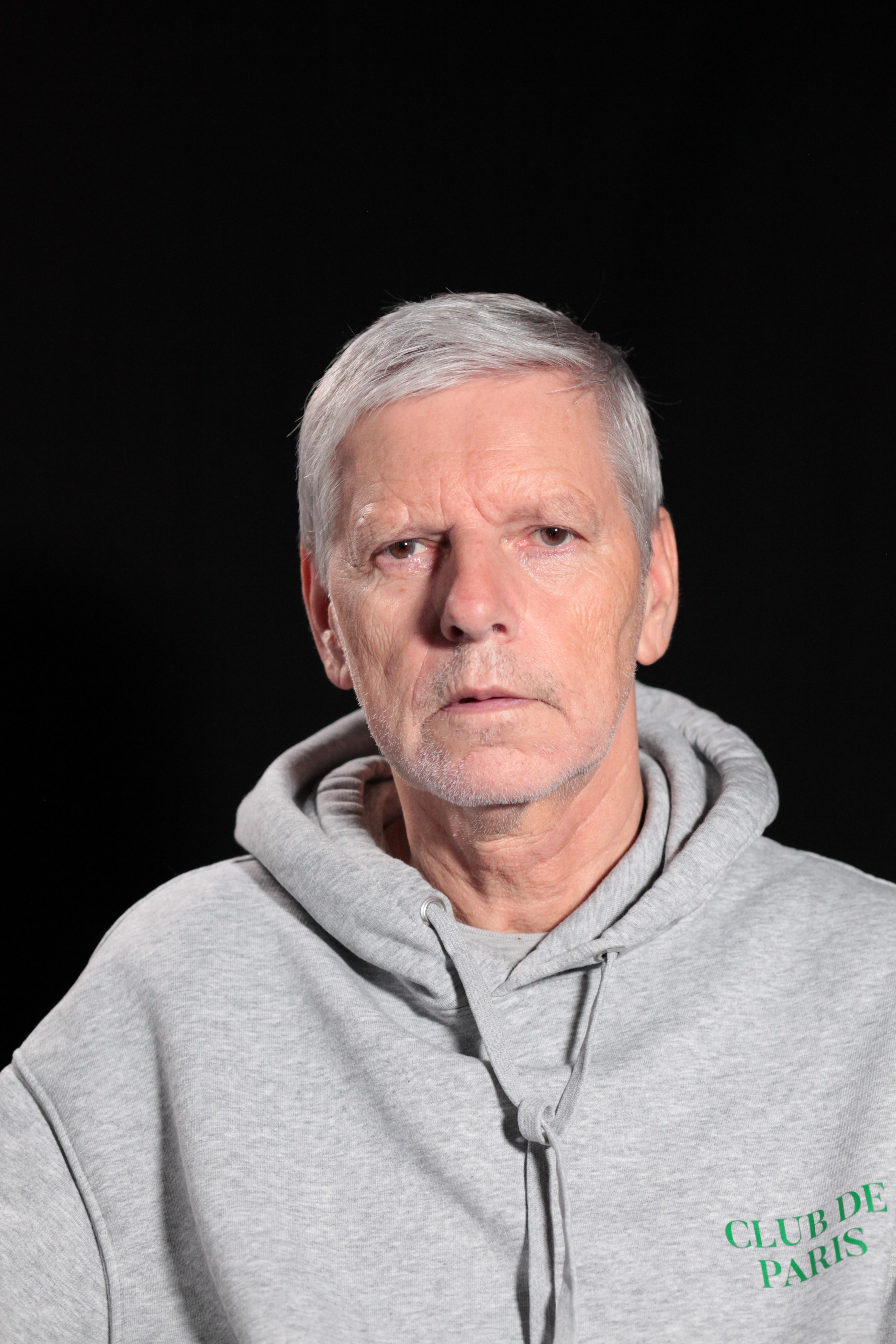
Jan Horník during recording
zdroj: Post Bellum

Jan Horník was born on 19 March 1954 in Mariánské Lázně. His father Jan Horník Sr. worked as a construction manager, his mother Elisabeth, née Forst, was a German originally from Slovakia. He spent his childhood in Karlovy Vary. From a young age he was influenced by his parents‘ critical attitude towards the communist regime and their emphasis on honest work. During his adolescence, he experienced the invasion of the Warsaw Pact troops in 1968; his father, who was in charge of the construction of the foundations of the Thermal Hotel at the time, personally prevented Soviet tanks from entering the freshly concreted foundation slab. Jan Horník graduated from the Grammar School in Karlovy Vary and the University of Agriculture in the field of land reclamation, agricultural construction and environmental protection. In addition to his studies, he actively participated in the development of skateboarding in Czechoslovakia, was at the origin of its organized form and helped organize the first competitions. He worked professionally as a planner, later due to health problems he moved to the mountain environment of Boží Dar, where he settled permanently. In 1989 he became involved in opposition activities, participated in the dissemination of the petition Several Sentences and took part in demonstrations during the Velvet Revolution in Prague and Karlovy Vary. After the fall of the regime, he was instrumental in restoring the independence of Boží Dar and in 1990 was elected mayor, a position he held for more than three decades. He contributed significantly to the development of the village and the region and later served as a senator and regional councillor.