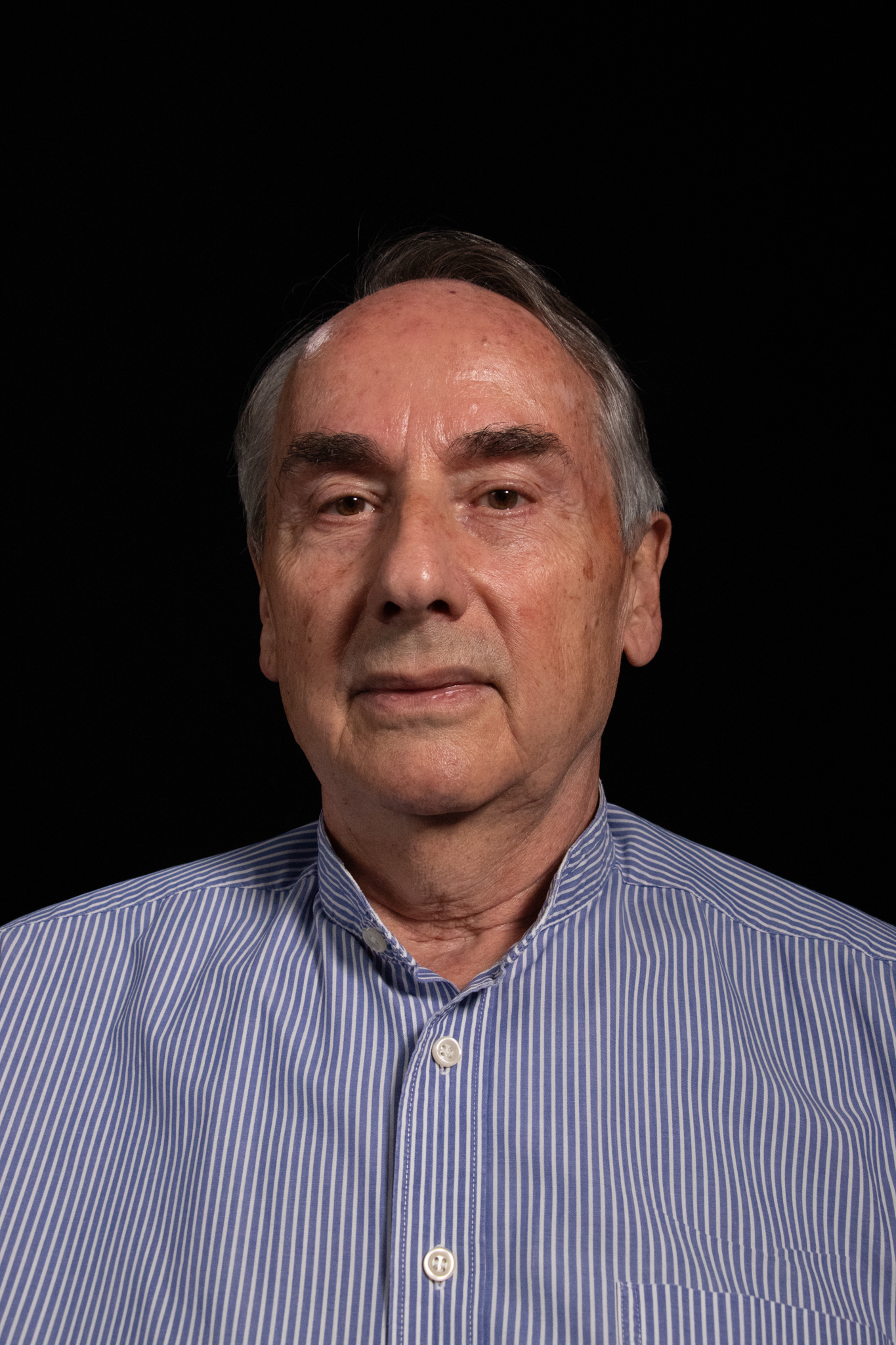
Ing. Pavel Hořák

* 1950

  • „Za pár dnů mně volala jedna pracovnice z kádrového oddělení toho Motokovu a řekla mi: ,Hele, my jsme si nikdo neuvědomil, že nejsi ve straně.‘ Protože to bylo neobvyklé, že někdo vycestuje do zahraničí, a není ve straně, a my jsme patřili jako Motokov pod Prahu 4 a tam byl nějaký místní výbor komunistické strany. Tehdy už ta pozice toho obchodního ředitele, tomu se říkalo nomenklatura, že to byla nomenklaturní funkce a musel to schválit ten místní výbor komunistické strany. On jim to neschválil, protože jsem nebyl ve straně. Vzápětí tam přijel na služební cestu náměstek generálního ředitele a přivezl mi přihlášku do strany, zavolal si tam místního vedoucího stranické organizace, seřval ho, že špatně kádrově pracujou, že tady mají nadějného soudruha a vůbec mu nenabídli, aby se stal členem strany. V podstatě jsem jaksi neměl moc šanci to odmítnout, ale on to i pochopil, že jsem váhal, že jsem se snažil nějak získat čas, takže mně domlouval jako v tom smyslu: ,Hele, jestli chceš v tom podniku něčeho docílit a něco udělat rozumného, tak se bez toho neobejdeš.‘ Ostatně, pardon, už to byl rok 1987, to už byly dva roky Gorbačova v Rusku. Takže jsme si tehdy dělali naději, že se ten život bude trochu měnit a že se budeme reformovat a podobně. Takže jsem nakonec tu žádost podepsal, na nějaké schůzi mě schválili a stal jsem se tedy kandidátem. To asi znáte, že člověk nemohl vstoupit hned do komunistické strany, že tam byla jakási dvouletá lhůta pro testování. To když jsem byl kandidát strany, už tomu místnímu výboru komunistické strany vyhovovalo, takže mě schválili, že můžu nastoupit v Motokovu jako obchodní ředitel. Taky jsem ty dva roky zhruba pracoval, nebylo to jednoduché, potýkali jsme se se všemi možnými problémy. A po těch dvou letech tedy jaksi přišli ti představitelé toho výboru komunistické strany: ,Teď tedy můžeš být přijatý doopravdy za plnohodnotného člena, se všemi právy člena komunistické strany.‘ Zároveň ale přišli s tím, že mi dají stranický úkol, abych vstoupil do Lidových milicí, a to už na mě bylo moc.“

  • „Mámu vlastně táta zachránil tím, že ji v listopadu 1941 požádal o ruku a vzali se, přestože tehdy podle těch norimberských zákonů, které už platily tehdy v Protektorátu, to nesměl. Ale našel se na Vinohradech na úřadě odvážný pracovník, který řekl: ,Já vás klidně oddám.‘ A oddal je. Tím pádem to bylo smíšené manželství. A podle německých pravidel na ni tedy platily trochu jiné podmínky než na zbytek její rodiny. Ta její rodina – matka, otec, její babička, sestra a její muž – šli někdy v červnu 1942 do Terezína a vzápětí během týdne byli odeslaní směrem někam do Polska. Ani nevíme s jistotou, jestli to bylo do Osvětimi, nebo někam jinam. Ti všichni zahynuli. Moje matka šla do Terezína až začátkem února 1945, protože byla v tom smíšeném manželství, a tyhlety tři měsíce do osvobození přežila. Trochu paradoxně otec šel do koncentráku dřív než máma, už na podzim 1944 – proto, že si vzal Židovku. Byl v Německu, ale na konci války byl vyslaný do Drážďan, aby tam pomáhali uklízet sutiny po bombardování. Z vypravování znám, že se mu podařilo utéct. Někde tam ukradl motorku a tou motorkou se jaksi probojovával zpátky do Prahy a toho 9. května 1945 se mu podařilo, že se vrátil do Prahy. Máma se vlastně vrátila stejný den, ale o trochu dřív než otec. Sice v Terezíně byla karanténa, protože tam byl tyfus, ale nicméně ještě s jednou svojí kamarádkou usoudily, že už si toho prožily dost, tak se sebraly a odešly. Český policajt, který jim říkal: ,Já bych vás neměl pustit, slečny, ale já se teď zrovna otočím a nevidím vás,‘ je nechal odejít. Takže se taky dostaly různým stopem a pomocí nějakého náklaďáku až ku Praze.“

  • „A s námi tehdy ještě žila Marcela. To je trochu komplikovanější to vysvětlit. Říkali jsme jí sestra, ale ona vlastně nebyla naše sestra. To bylo židovské dítě, které máma potkala za války, než sama šla do Terezína. Pracovala v jedné židovské instituci, jako v sirotčinci, tak když se ten sirotčinec rozpouštěl a většina těch dětí šla taky do Terezína, tak máma si Marcelu vzala k sobě, přesněji řečeno, k mojí babičce z otcovy strany. Ta Marcela tam vlastně přežila válku, po válce se o ni nikdo nepřihlásil. Nenašel se nikdo z příbuzných, takže už s námi zůstala. Takže jsme jí říkali ségra, ale ve skutečnosti ségra nebyla, ani snad ji moji rodiče nikdy neadoptovali, ale prostě byla s námi až do dospělosti.“

  • "At that time, the staff asked me if I would agree to go to France instead of Africa, which I initially thought was just a prank on me, but they actually meant it. They were in a hurry, so I didn't even take all the compulsory courses that existed at the time. Actually, I was just taking a French exam, which fortunately didn't bother me, and an interview, completely formal, and I quickly went there. The arrival there was quite interesting in the sales department, then the sales department was separate from the political part of the Czechoslovak embassy, so I was welcomed by the business council as my boss. I was there as a delegate. At that time, we did not yet have diplomatic status, that was the status of a sales man. And he greeted me with the words, 'You're not in the party, I don't know that you have an uncle pushing you through. Otherwise, all the young people go to Asia first, to Africa, and you're here as a young man in France, and you're probably going to work for another ministry.' By that he meant that I was a secret police officer being sent out that way, because it was weird that I did not meet all the conditions. Of course, it offended me a little, but on the other hand, the idea or the information spread quickly, so it helped me a little. The others were a little afraid of me, so I used it a little."

  • "My mother also went through the period when there was a typhus epidemic in Terezín, where all the death marches returned or took place, where the Germans drove everyone from the east from Poland to the West and they came all miserable to Terezín and brought with them typhus too. The mother cared for them, she was intended to treat these people, but when Terezín was liberated and the Red Army came there, quarantine was announced, but the mother and one of her friends got together and fled. As they were leaving Terezín, a Czech policeman was standing there, supposedly to tell them, 'Miss, I must not let you go.' And then he said, 'But you know what, I have to look that way right now.' So he let them pass. So they gradually arrived in Prague and their parents met there. So I would say mathematically nine months after that meeting, my older brother was born."

  • "Every day early in the morning around four o´clock, there was a so-called briefing, when the organizers went again through the route of the stage of the day, and pointed out all possible tricks, traps that are there, and changes compared to the itinerary. Because in Africa, when the wind was blowing, where there was a big dune, it was somewhere else the next week, so some roads didn't go very well. When we were there for the first time, of course it was in the open air, so it wasn't very easy to understand and hear, so we always only gathered half of what they told us. So then I had the idea that functioned terribly well, then everyone used it. Fortunately, I don't know how we figured it out, I had a small dictaphone with me, so I always went to the oven or the amplifier, I put the dictaphone there and recorded everything they said about the day. I didn't wake the navigators at all in the morning to be there with me, and then we locked ourselves in the cabin and I played it and dictated to them the details they wrote down in the itinerary so they knew. And of course, when I didn't understand, the dictaphone allowed me to re-play it, maybe two or three times, to could really understand."

  • Celé nahrávky
  • 1

    Písek , 14.02.2020

    (audio)
    délka: 01:45:23
    nahrávka pořízena v rámci projektu The Stories of Our Neigbours
  • 2

    Praha, 01.06.2022

    (audio)
    délka: 02:04:28
    nahrávka pořízena v rámci projektu Stories of the 20th Century TV
Celé nahrávky jsou k dispozici pouze pro přihlášené uživatele.

Everything ought to be doubted

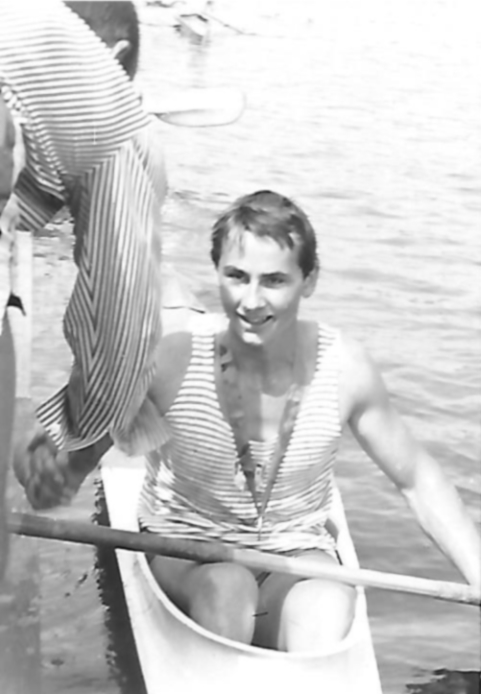
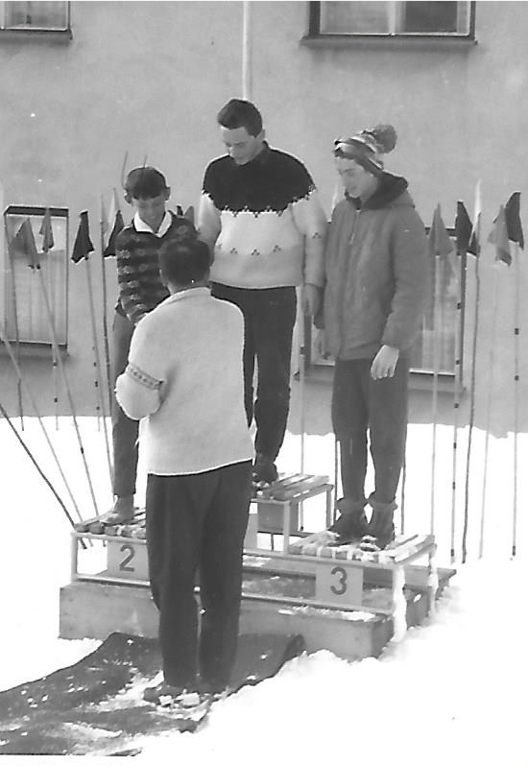
Victory in kayak races
zdroj: archiv pamětníka

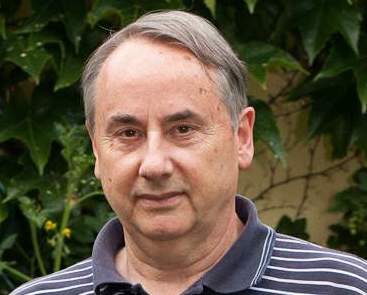
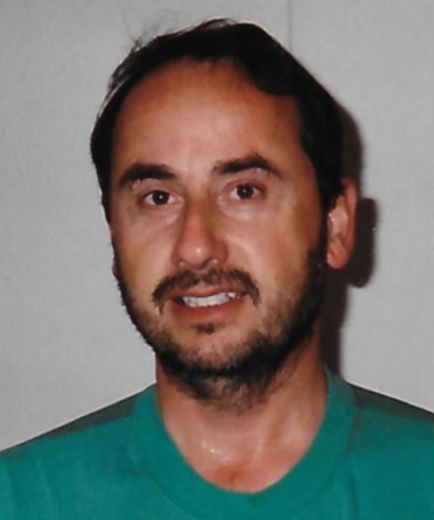
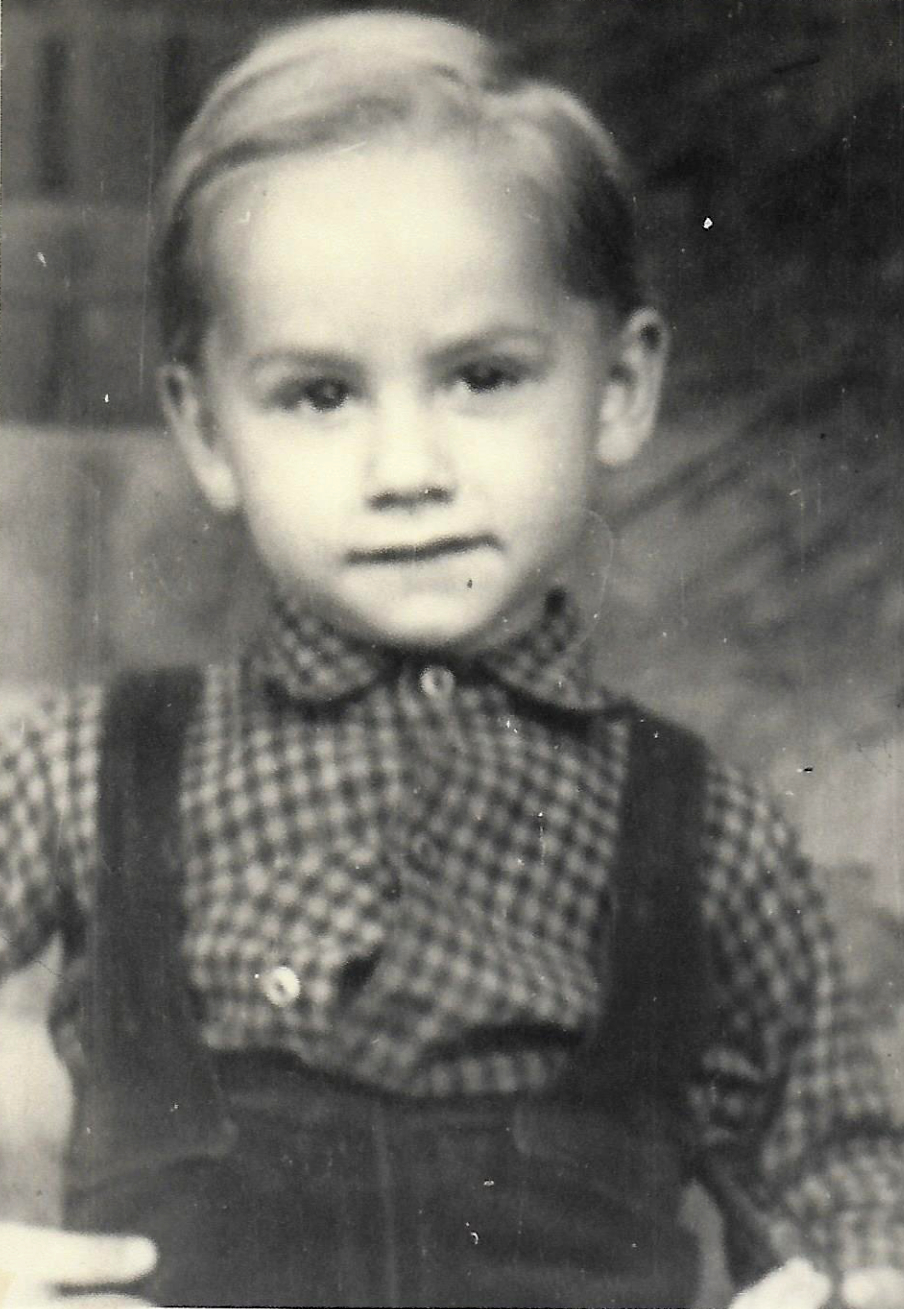
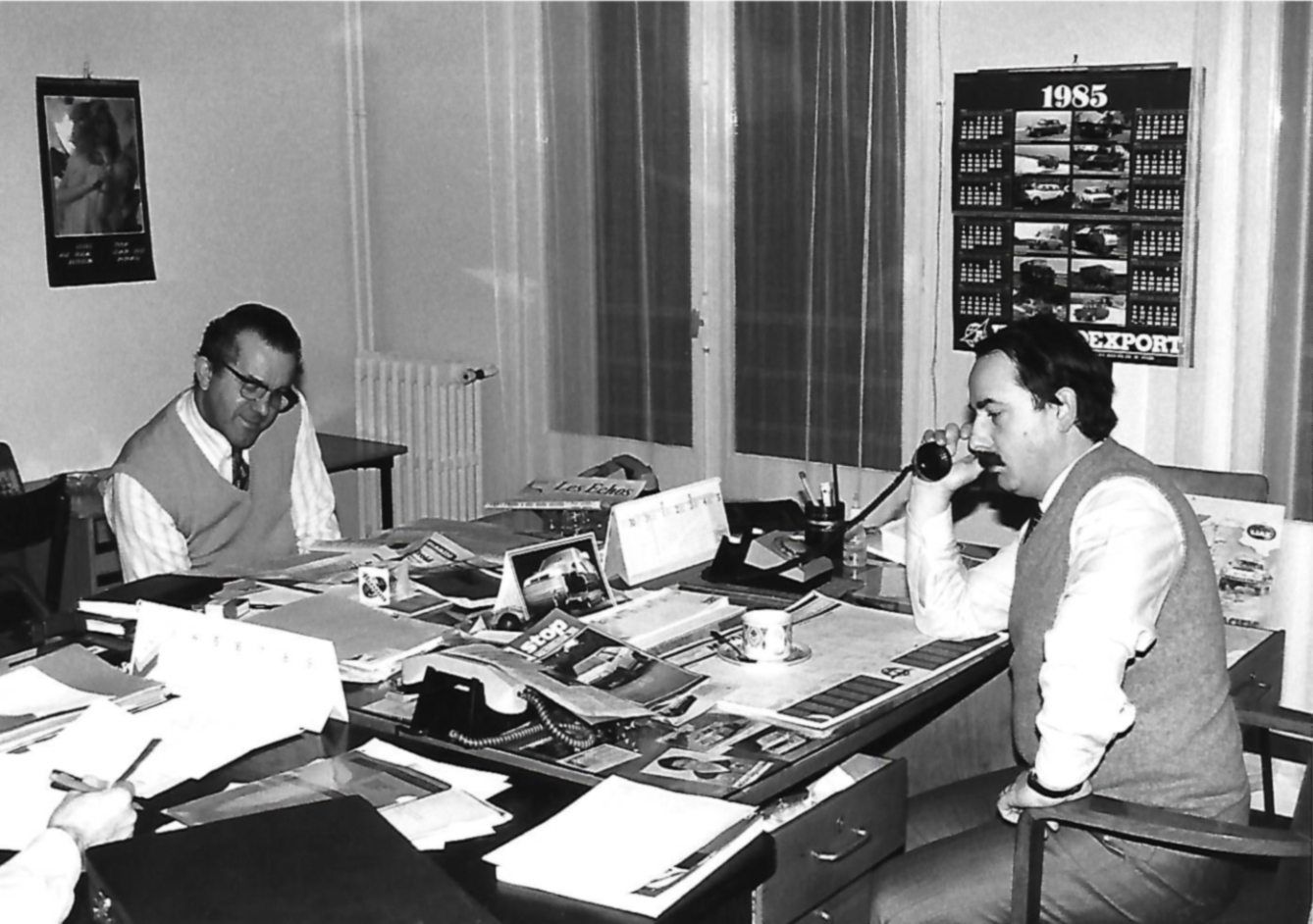
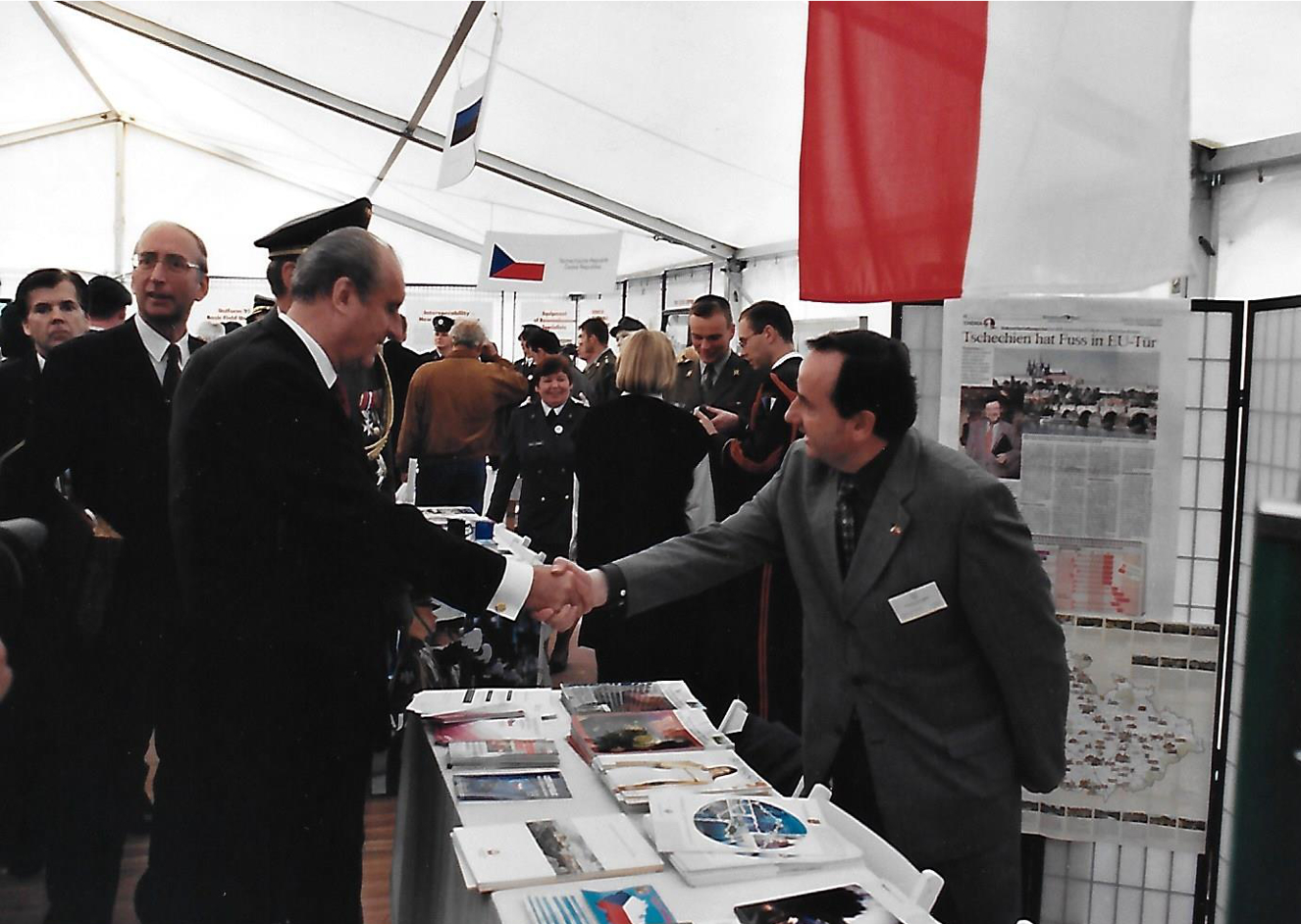
Pavel Hořák was born on January 16, 1950 in Prague, but has lived in Písek since the age of three years. His mother was Jewish and survived his stay in Terezín, and his father was deported as a husband from a „mixed“ marriage to the Klettendorf labor camp in what is now Poland. After graduating in 1968, Pavel went to France for a few months, where he learned about the occupation of Czechoslovakia and then went through a complicated return to his homeland. He graduated from the University of Economics and joined the company Motokovo. In 1982, he traveled to Paris representing the sales department of Motokovo for five years. During his stay, he advocated for the participation of Czechoslovakia in the Paris-Dakar race, which he also participated in twice. After the Velvet Revolution, he went to Paris again as a diplomat. Subsequently, he also worked as a diplomat in Vienna. Today (in 2020) he lives in Písek.