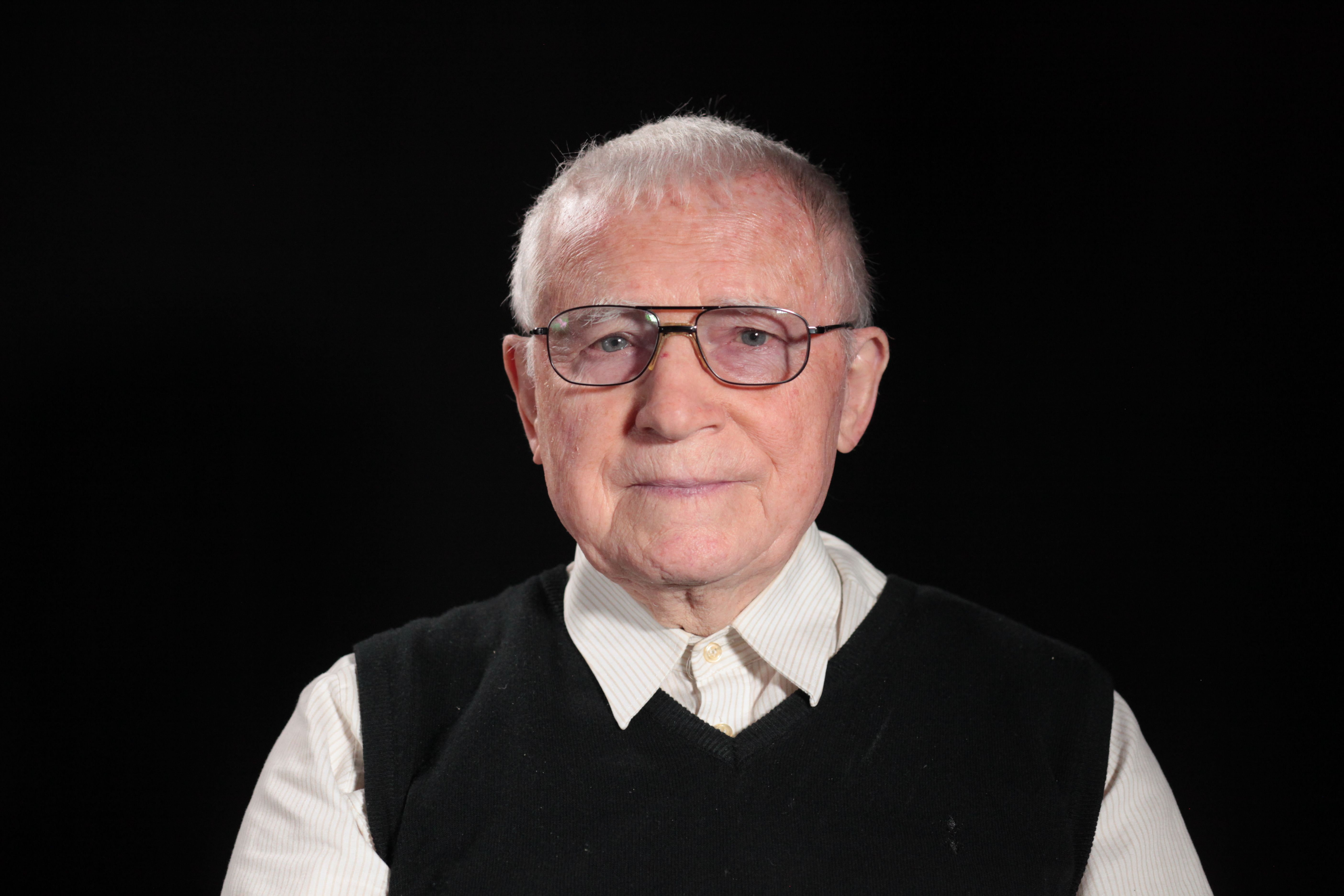
"My father had prepared these wooden boxes for the journey and my aunt baked us some pastries to take with us. Because otherwise during that week we didn't get any from the Ukrainians, but then on the Czechoslovak side in Košice, they welcomed us with music and flags. And the soldiers in Czechoslovak uniforms were distributing food from those typical field kitchens and they were distributing sweets to us children. The sweets I first knew, I still remember to this day."
"They traveled in those rough cattle cars, four families in one car. And my recollection, and it was not only my recollection, but also the recollection of others, was how those Ukrainian railwaymen took advantage of it, maybe even the Russian. They stopped suddenly somewhere, and that they couldn't go any further, that they had a breakdown on the carriage, for example. Well, my father worked there for a few years on those... he repaired those trains on those tracks and especially on the actual wheels of those cars, so he goes to look at it and he says, 'There's nothing wrong with those.' And they say no, that they have a fault, and that until they fix it, they're not going. So there was nothing to do but bribe them. And they bribed, it is stated in other memories of those Volhynian Bohemians, with vodka, with home-made liquor, and then with salted and prepared bacon for the journey, which they took for a longer journey. So that's what the railwaymen got, and suddenly the glitch was over and they kept going."
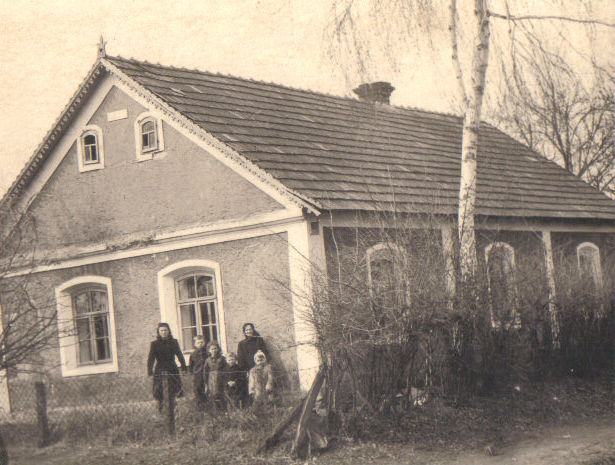
"Because that's where I first met an SS man. Although the apartment we were living in was a big one, so they officially put a young Ukrainian couple there. And one afternoon my father and I were alone at home and a neighbour came running: 'Mr. Holeček, the Germans are coming!' So he quickly went to hide and said: 'Mireček, say that your dad's not home in case they ask.' I was sitting there, scared. He walked upright, he didn't pay any attention to me. I was just scared, and I blurted out, 'Dad's not home.' That's the experience. Well, then they took the Ukrainian couple away, I think. I think it was a couple who were fighting some kind of underground struggle against the Germans."
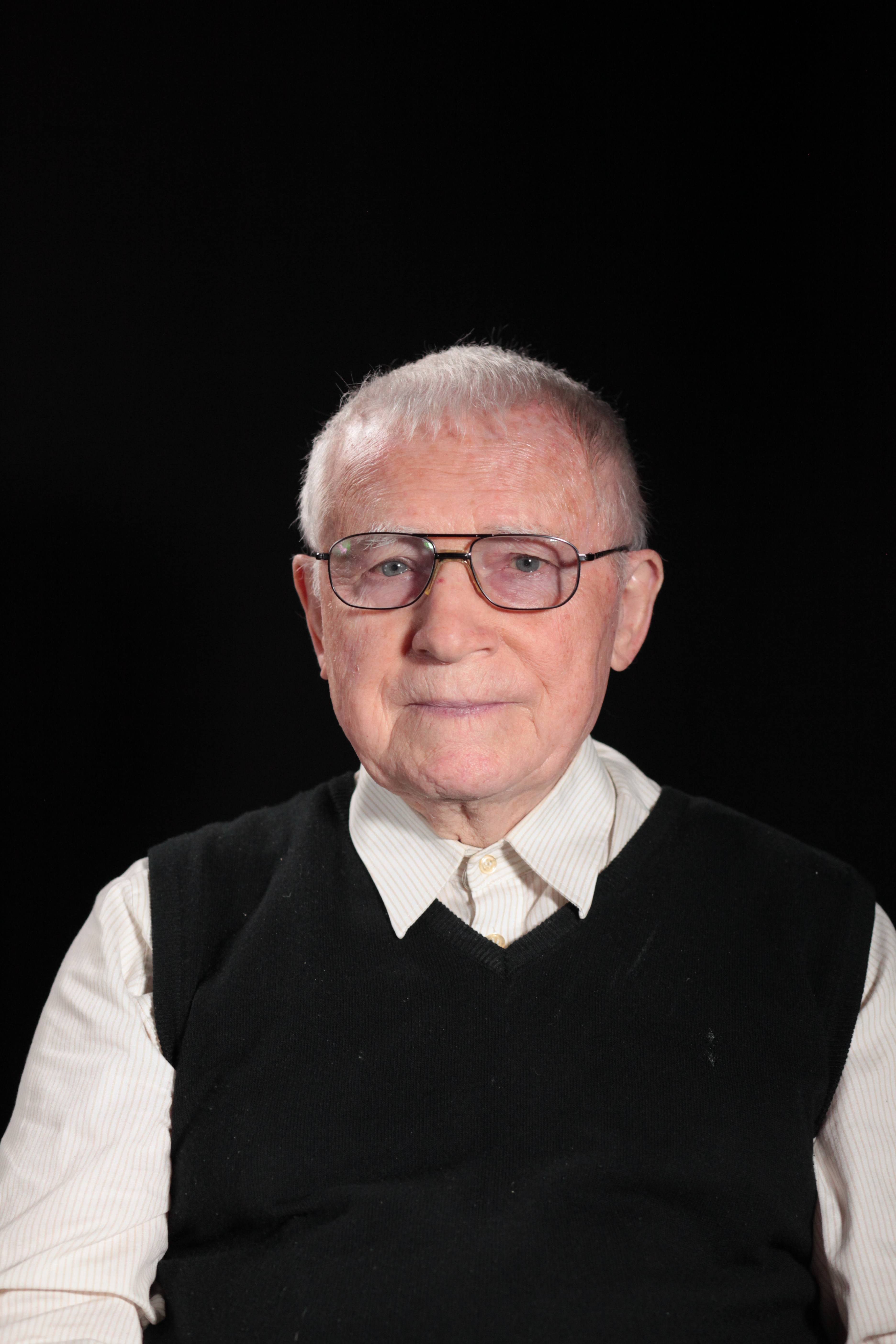
Miroslav Holeček was born on February 16, 1940 in Zdolbunov in western Ukraine. His ancestors were from Czechoslovakia and came to western Ukraine around 1870. In Zdolbuniv, the witness lived through the Second World War. He remembers the bombing of the town in 1944 and the presence of Banderites. In 1947, the family responded to the call for the re-emigration of Volhynian Czechs and left on the second transport to Czechoslovakia. Miroslav’s mother died just a few days before their departure, so he traveled to Czechoslovakia only with his father and brother. On the Ukrainian side, the journey took a week, and they had to bribe railway workers to even reach the Czechoslovak border. In Košice, they were ceremonially welcomed by soldiers.
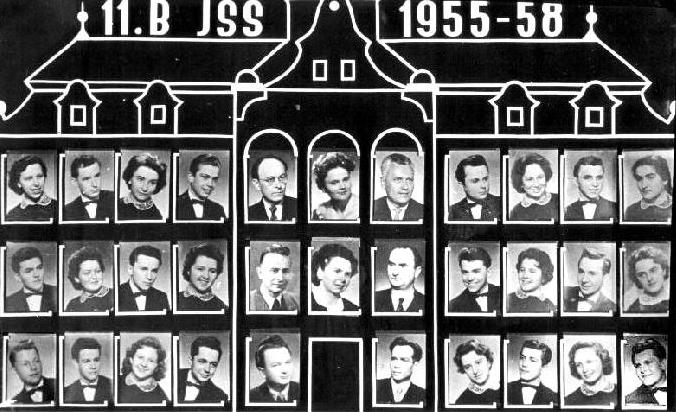
The family first settled with an uncle in Dobříčany, who had already arrived in 1945 with Ludvík Svoboda’s army. Eventually, they moved to Žatec, where Miroslav enrolled in elementary school and later in grammar school. His father and stepmother left to join the collective farm (JZD) in Aš. Miroslav studied at the university in Plzeň and worked his entire life at the power plant in Vřesová, where he was also employed during the invasion of the Warsaw Pact armies in August 1968. As of 2025, Miroslav Holeček was living in Karlovy Vary.