Michal Holeček

* 1956

  • "How can I describe ten years of permanent fear? Hardly. For Aly these bad experiences faded away. They were overwhelmed by all the positive things I'm telling you. It's gotten to me. The positive aspects, the feeling of inner freedom, like when they played songs for my christening on Free Europe... In the sense that I, the small one, not the powerful one, I, one small person, was able to stand more or less straight against that stupid regime. That was more than the broken facades on the houses. The bleakness of normalisation. And most importantly, you could feel it moving. That I introduced myself and my wife to some excellent people because of what I was doing. Jiřina Šiklová, Věra Roubalová, the Palouš family, and I could talk about others... It wasn't something for something, but in a way it wasn't as bad as it seemed from the outside. But the fact is that if I had lived in Chrudim or Ostrava, it would have been much worse. In Brno or Olomouc, even though they were big cities, the opposition had it much harder than in Prague."

  • "I knew I was doing a legal thing, but bolsheviks saw it as illegal. We disagreed on that. That's why I tried to conspire, but I knew that the cage would close and there would be a penalty for it. The cases that were dealt with by the Charter or the Committee for the Protection of the Unjustly Prosecuted (VONS) were one hundred percent related to people doing things that they had a right to do. But the state power forbade them to do so by some lower legal standards. If a priest celebrated mass elsewhere than in his church, he was obstructing the state's supervision of the churches. If he taught religion in homes, the same section 178. So the discrepancy between injustice and a formally correct law was so great that I knew the cage would close. Some chatter somewhere in clubs or at home about bolsheviks being assholes, you got away with it quite routinely. But printed materials? The Bolshevik was really allergic to those. Whether it was home-made samizdat or smuggled exile literature."

  • "I knew the cage would close. My wife knew it too, and I must confirm that she showed extraordinary courage. A mother of children is more afraid and different than a father who is nursing his free-spirited ego - to put it badly. I tried to make a kind of resistance, but my wife took it up with me and was worried about our children. Not so much for me. I knew what I was doing. She was worried about me. She showed extraordinary bravery all those years, all those ten years. I was aware of that then and later... Women in the church, women in dissent, that's a chapter in itself..."

  • Celé nahrávky
  • 1

    Zlín, 17.02.2025

    (audio)
    délka: 02:27:41
    nahrávka pořízena v rámci projektu Stories of the region - Central Moravia
  • 2

    Zlín, 18.02.2025

    (audio)
    délka: 03:54:41
    nahrávka pořízena v rámci projektu Stories of the region - Central Moravia
  • 3

    Ostrava, 21.03.2025

    (audio)
    délka: 01:39:23
    nahrávka pořízena v rámci projektu Stories of the region - Central Moravia
Celé nahrávky jsou k dispozici pouze pro přihlášené uživatele.

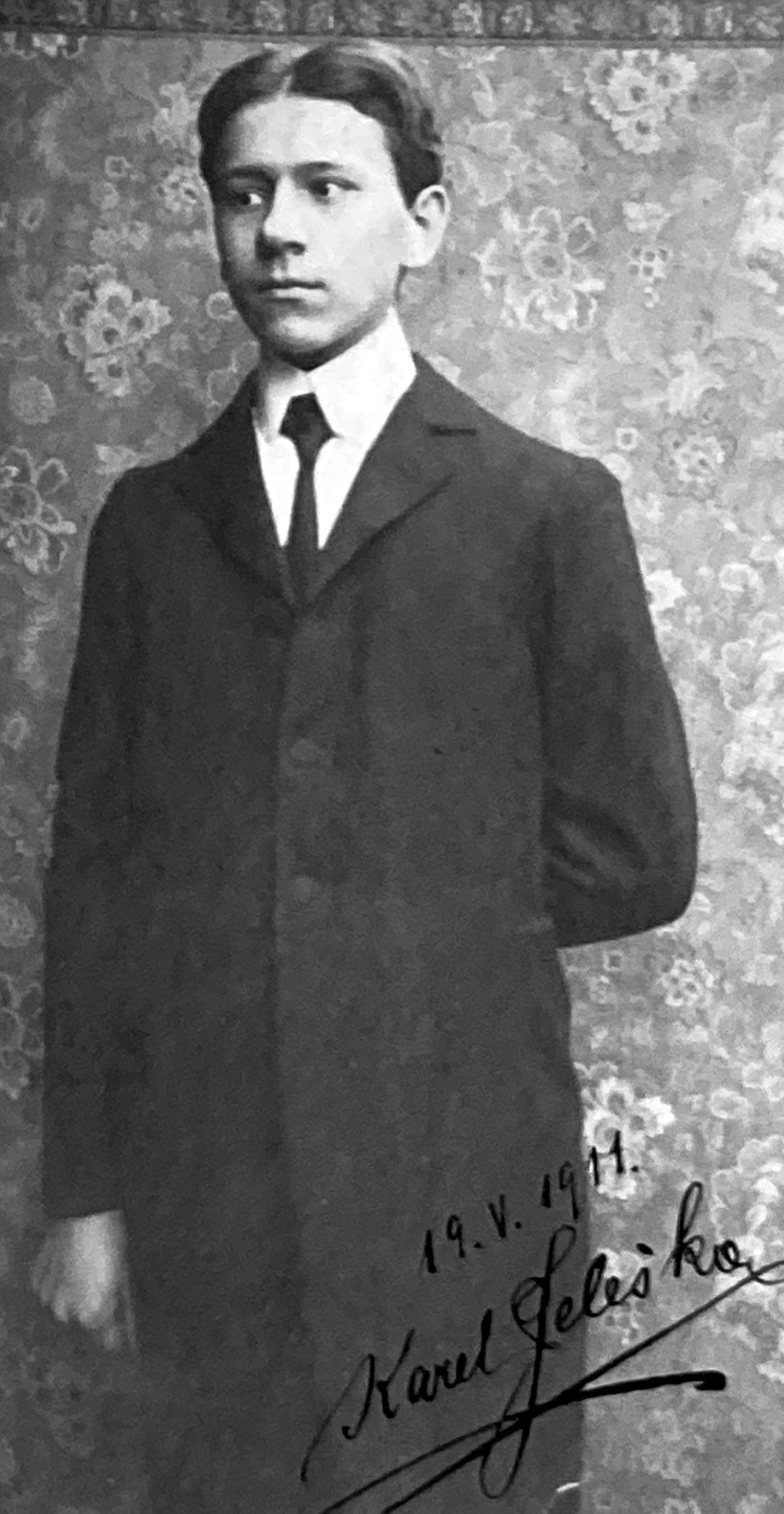
He came into the church and said he was a baby. It was reported on Free Europe
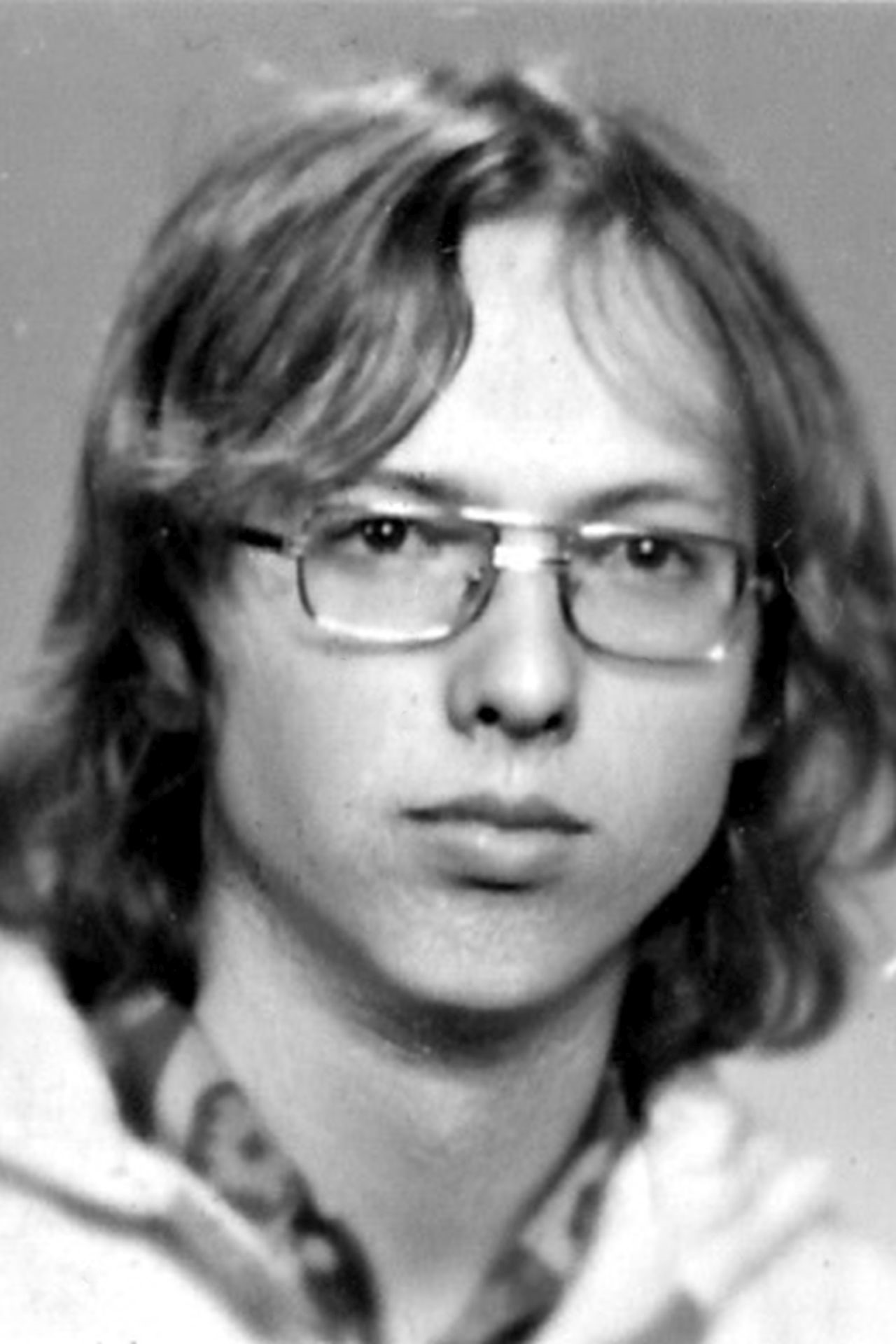
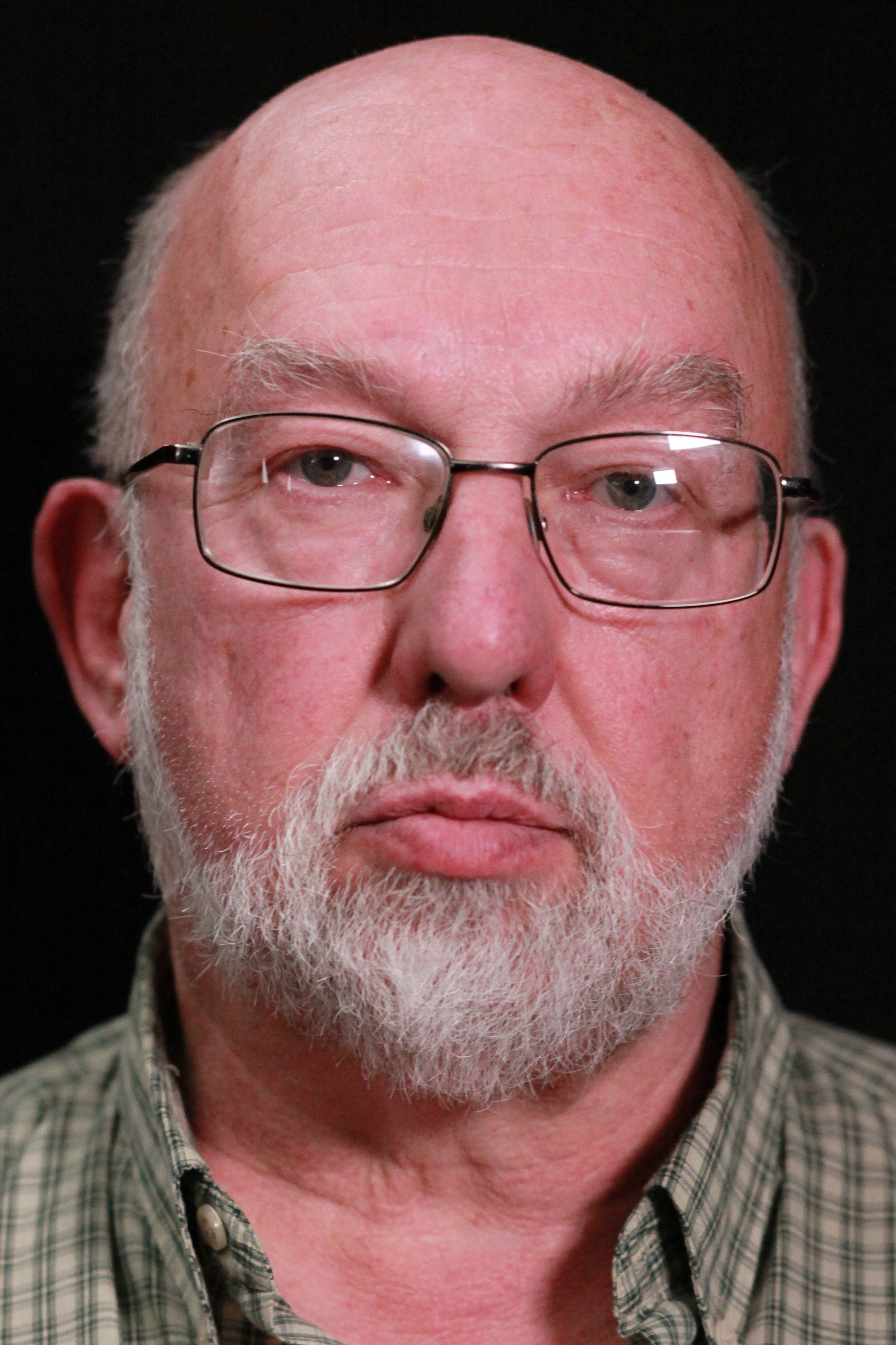
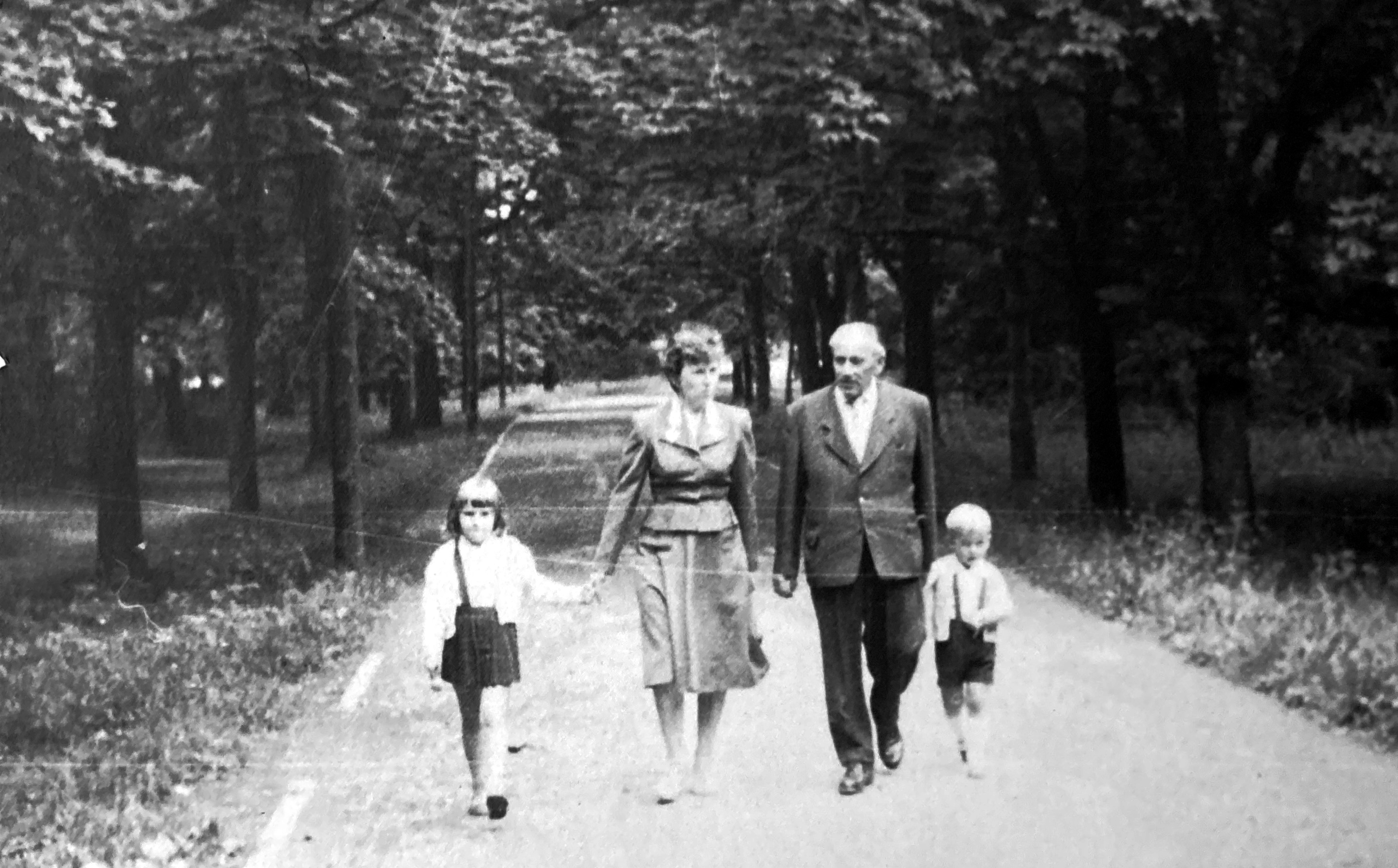
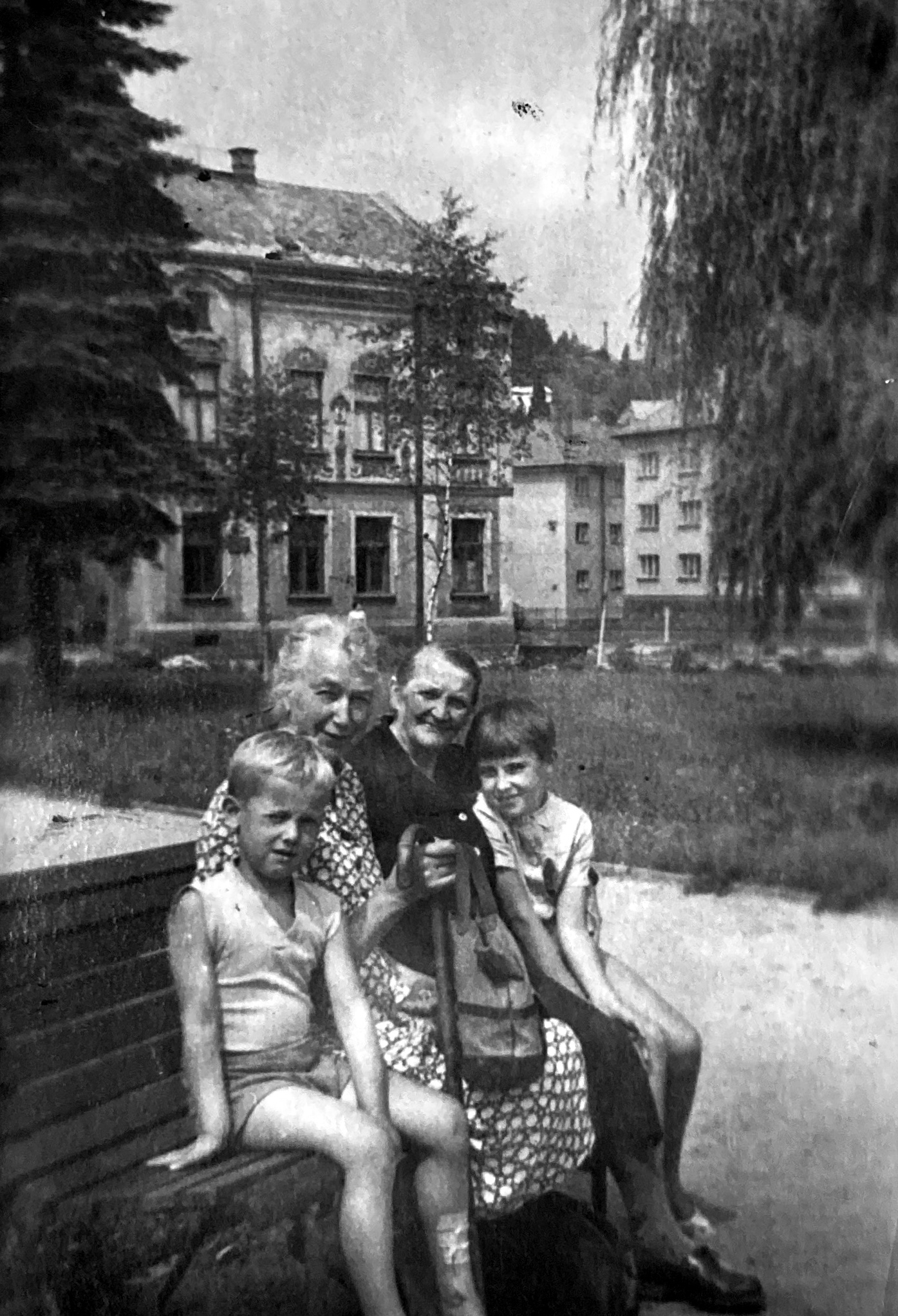
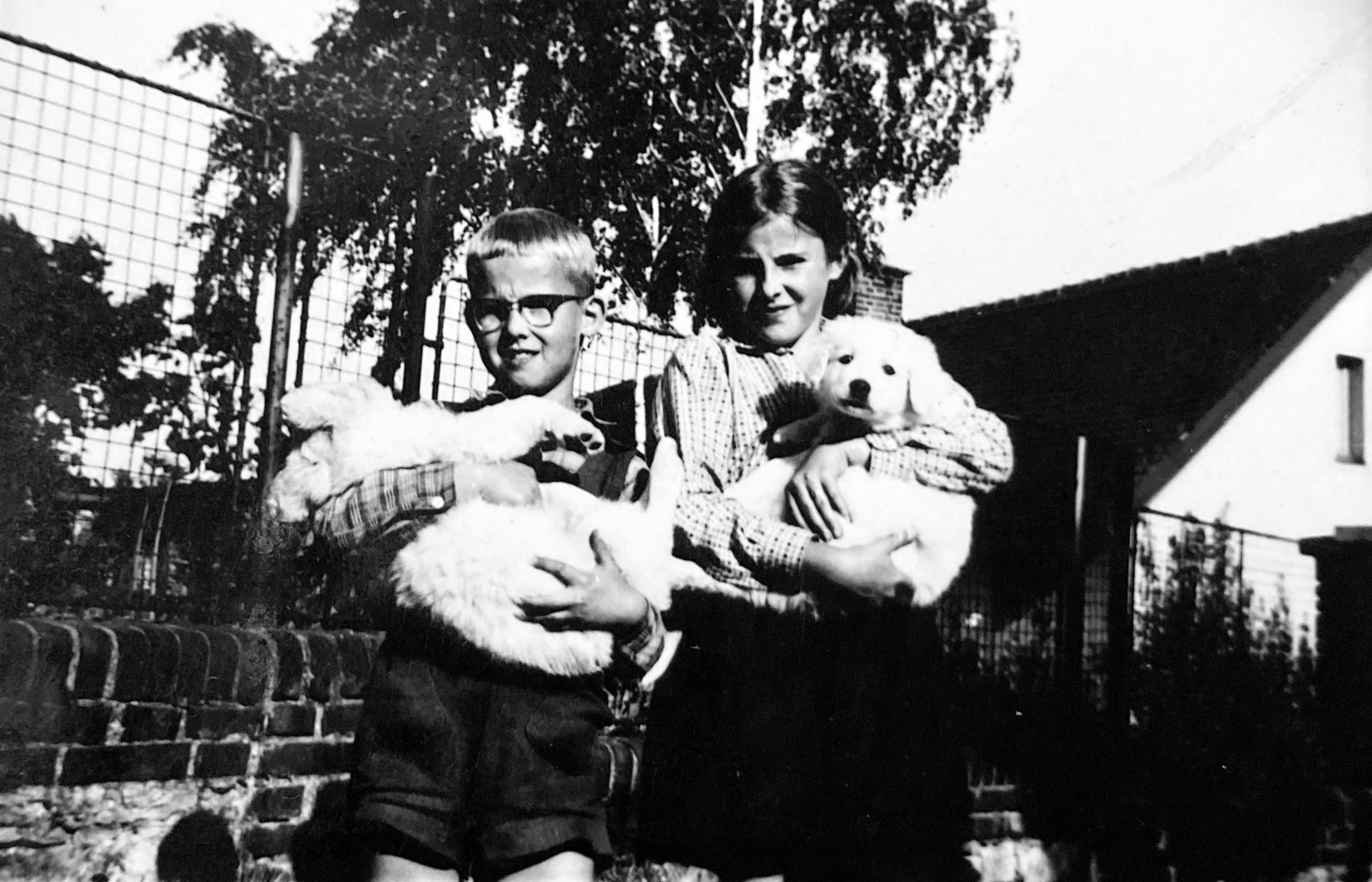
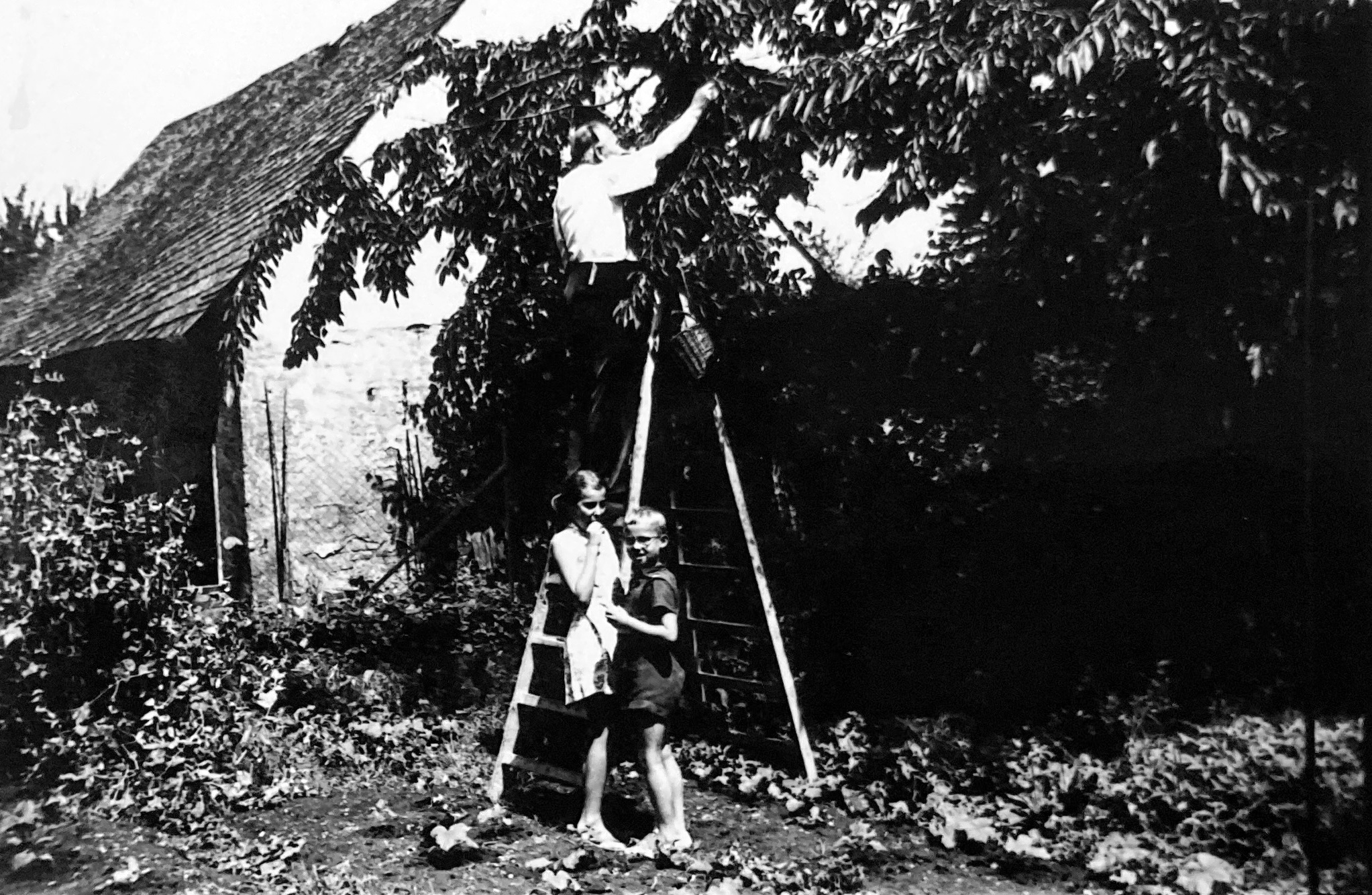
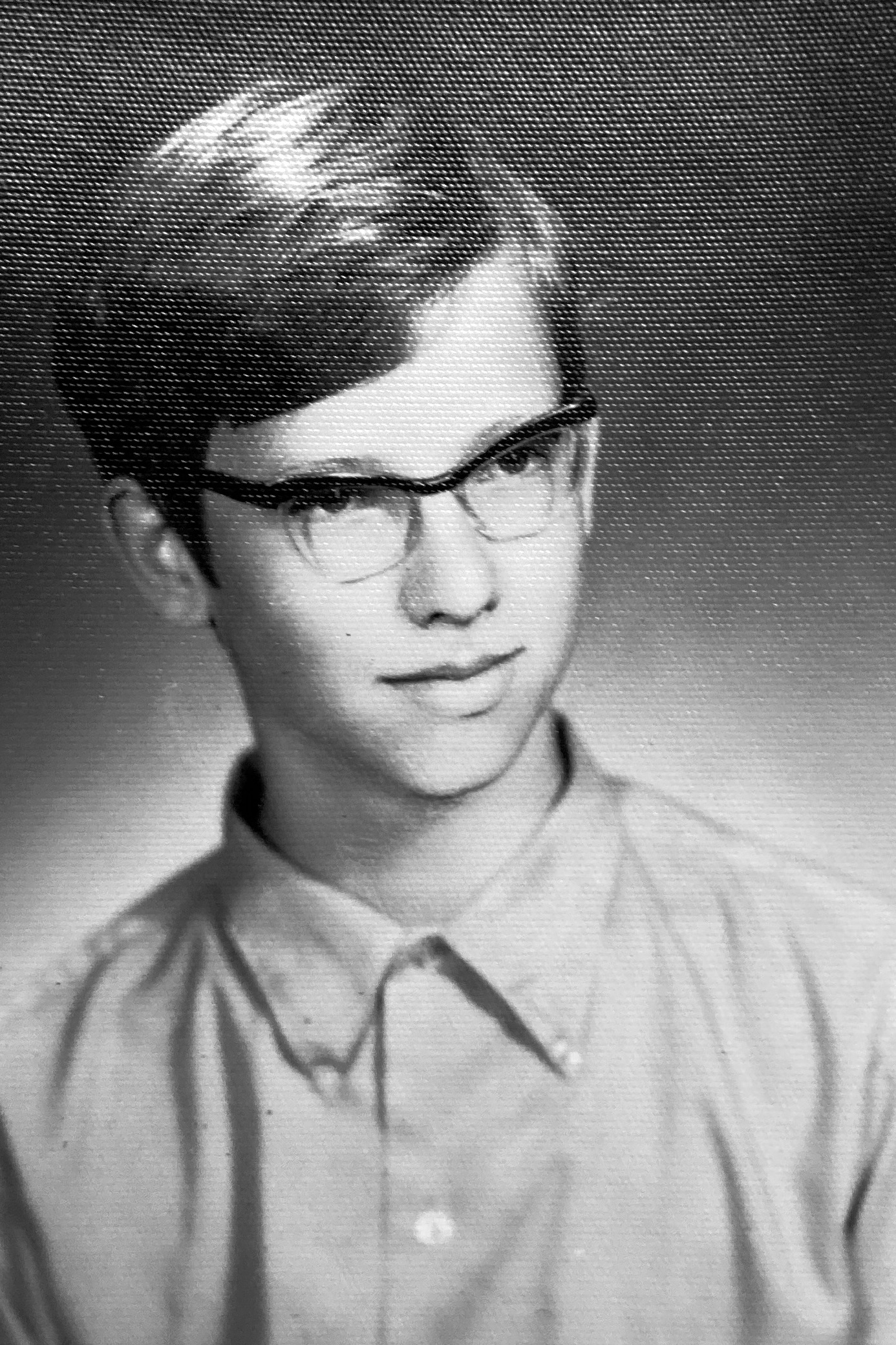
Michal Holeček, 1975
zdroj: Witness´s archive

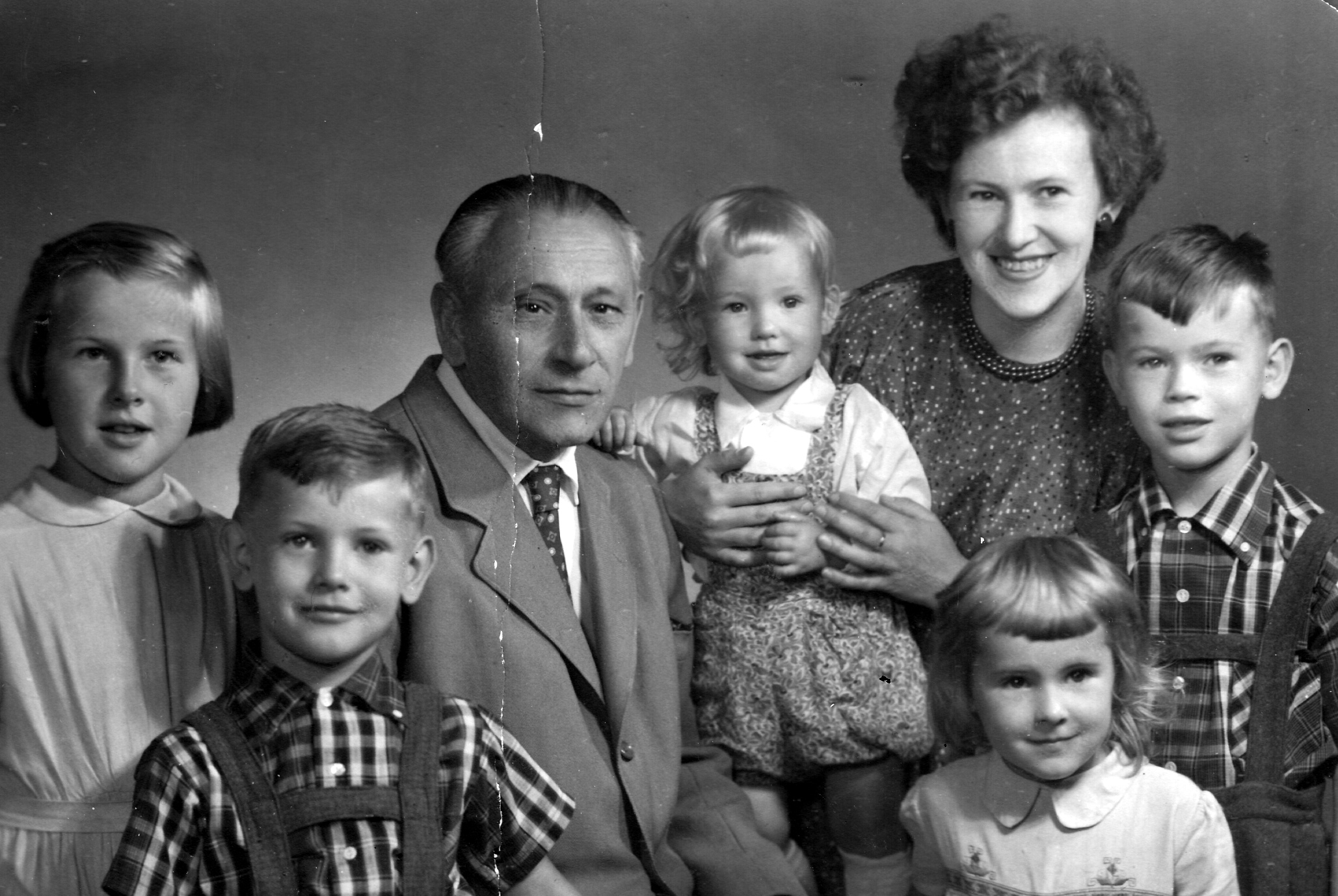
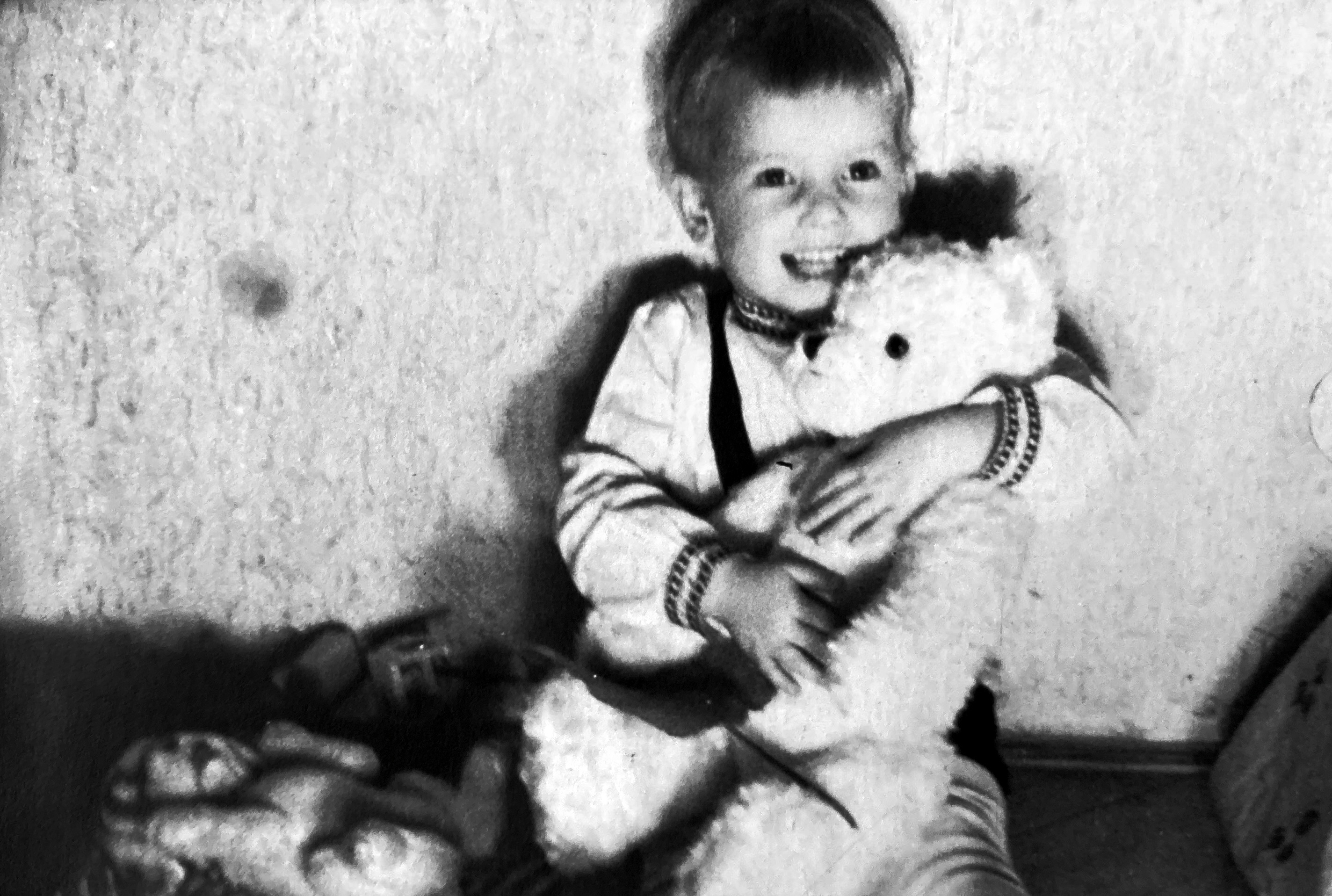
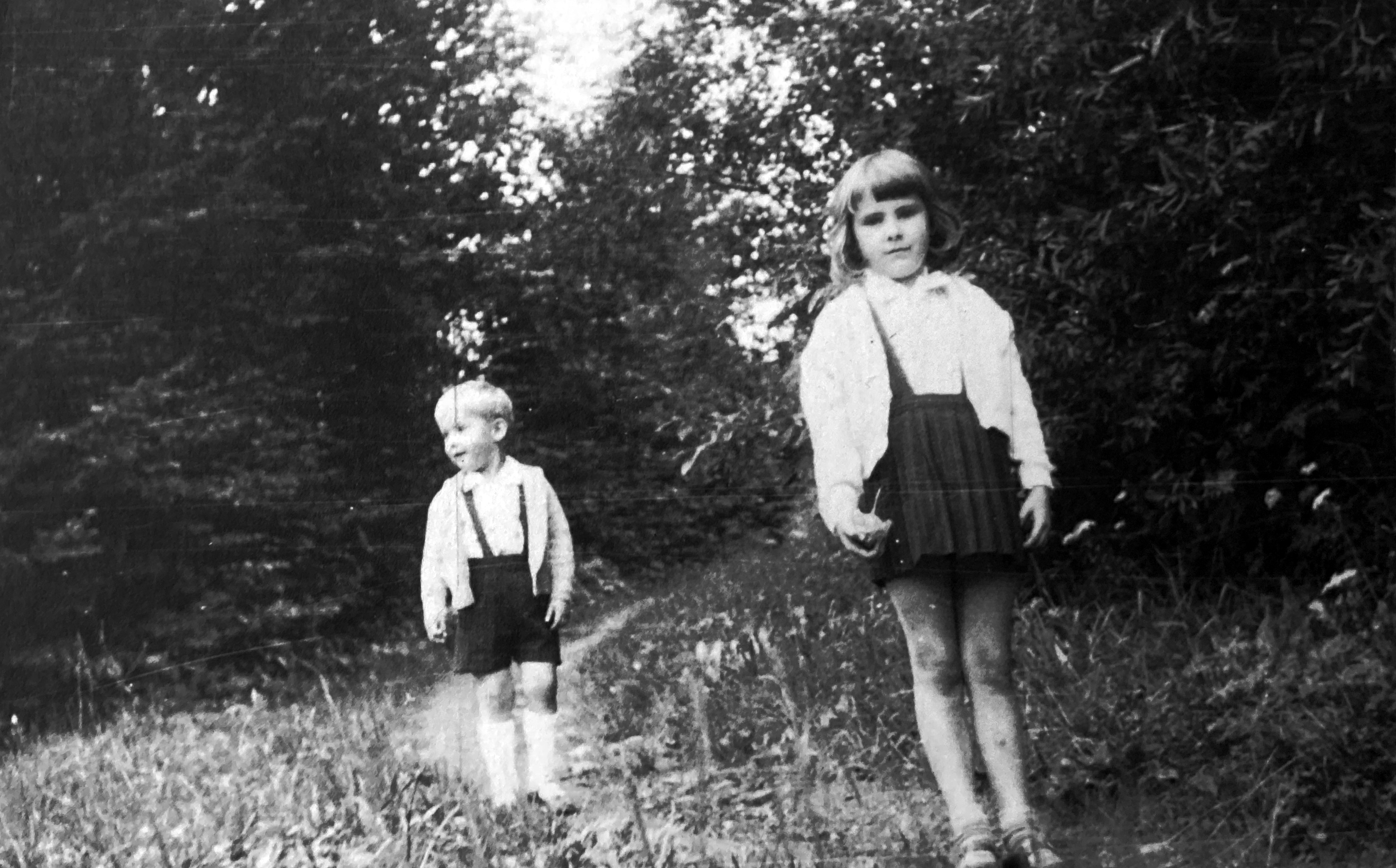
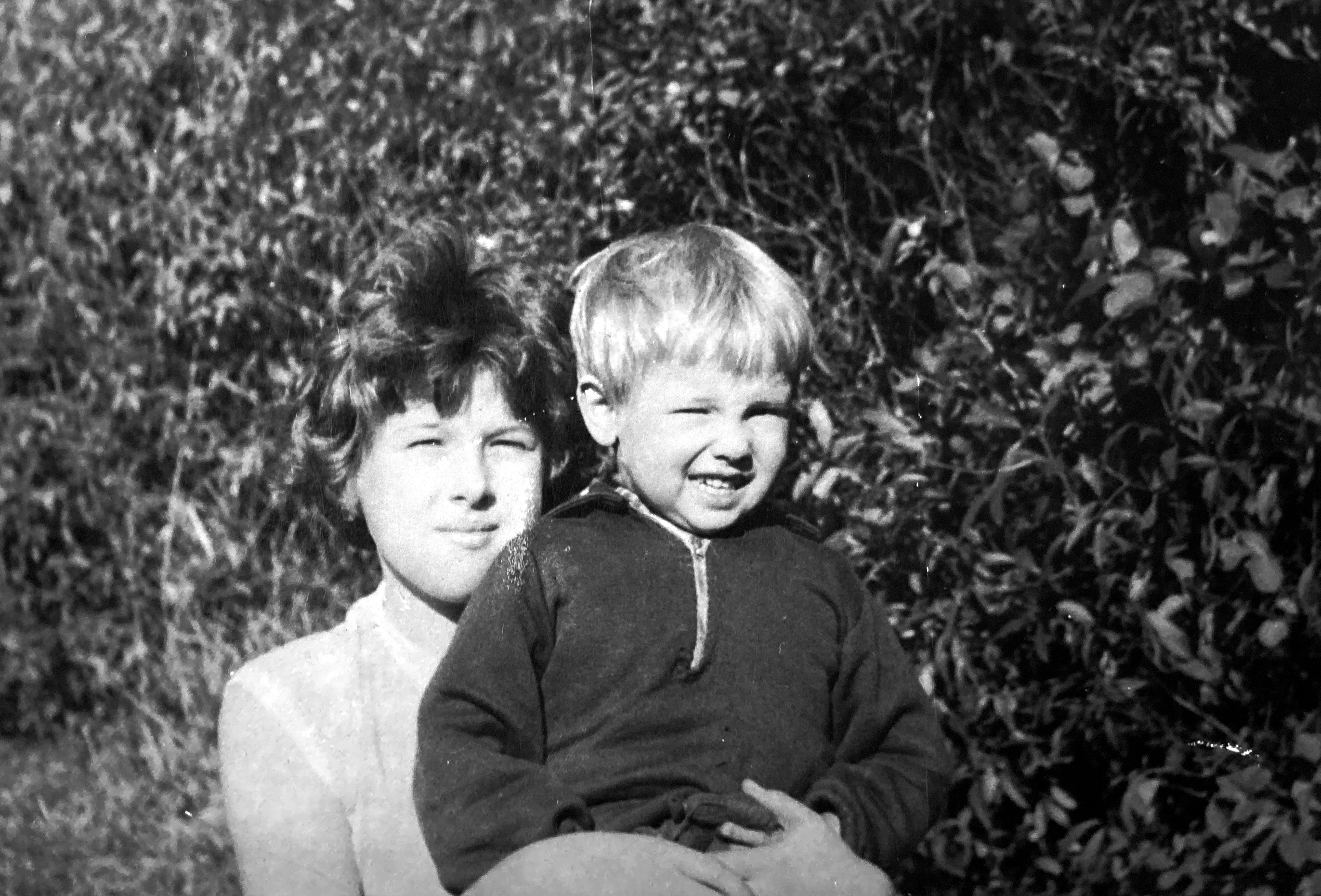
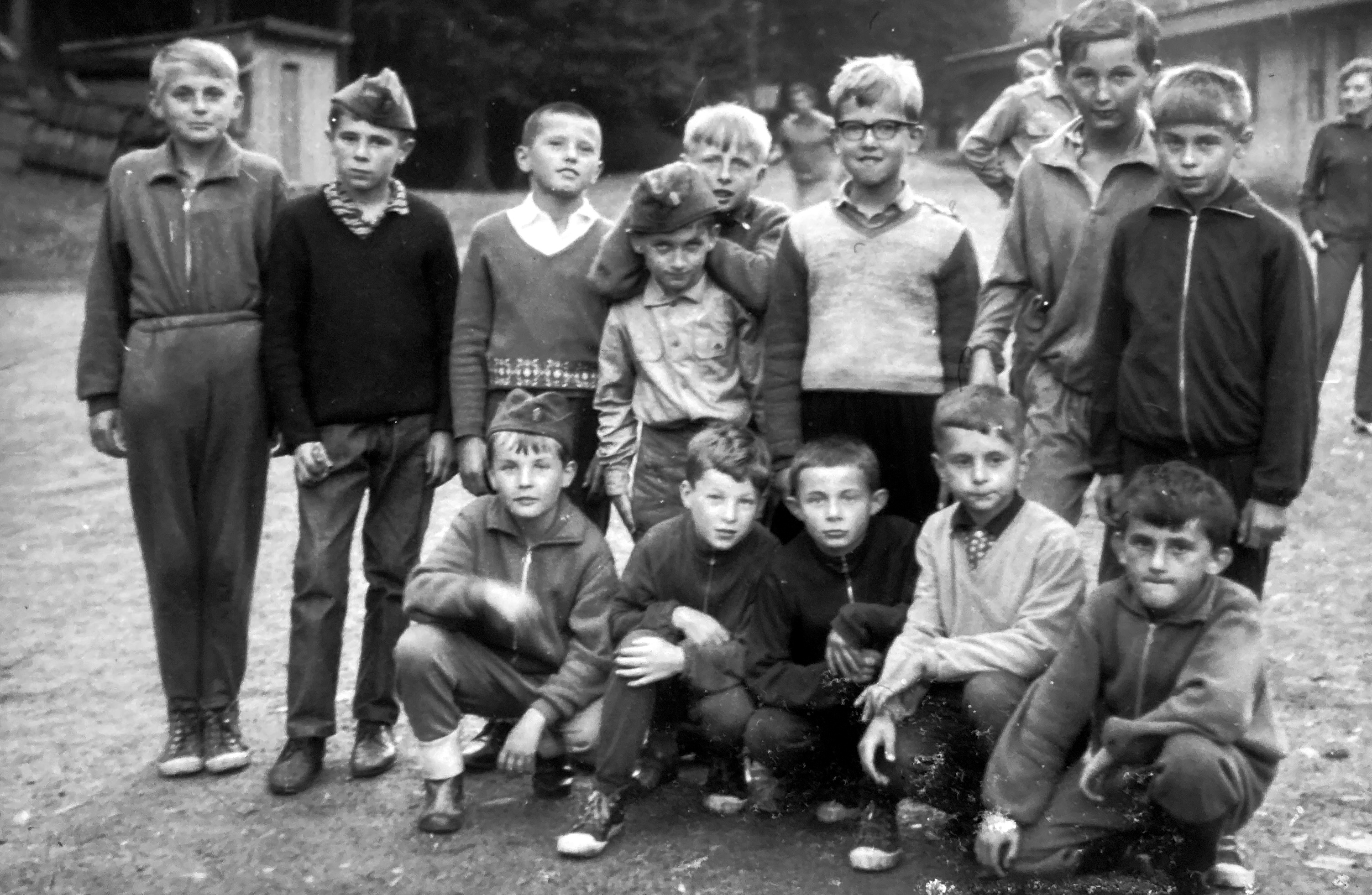
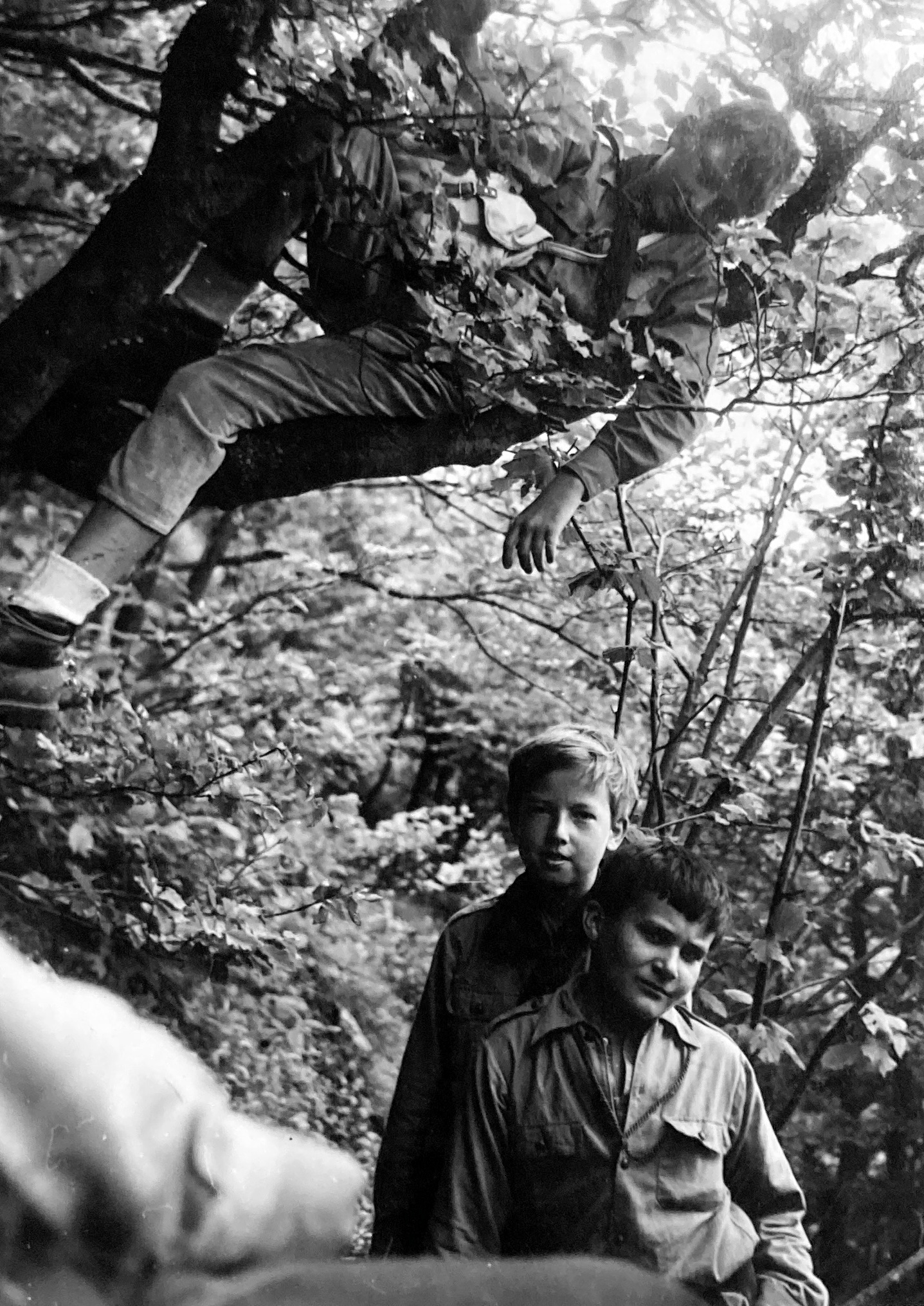
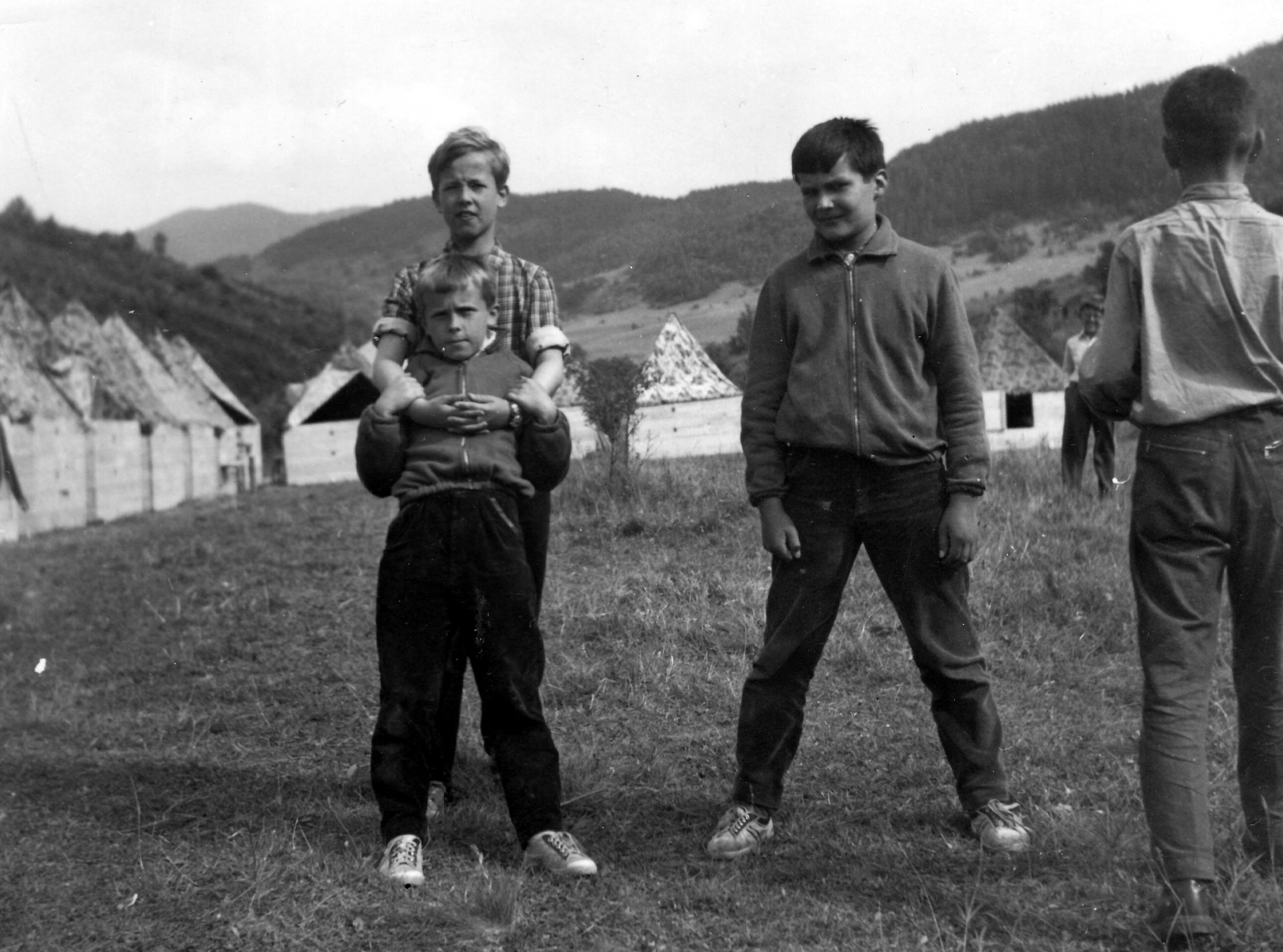
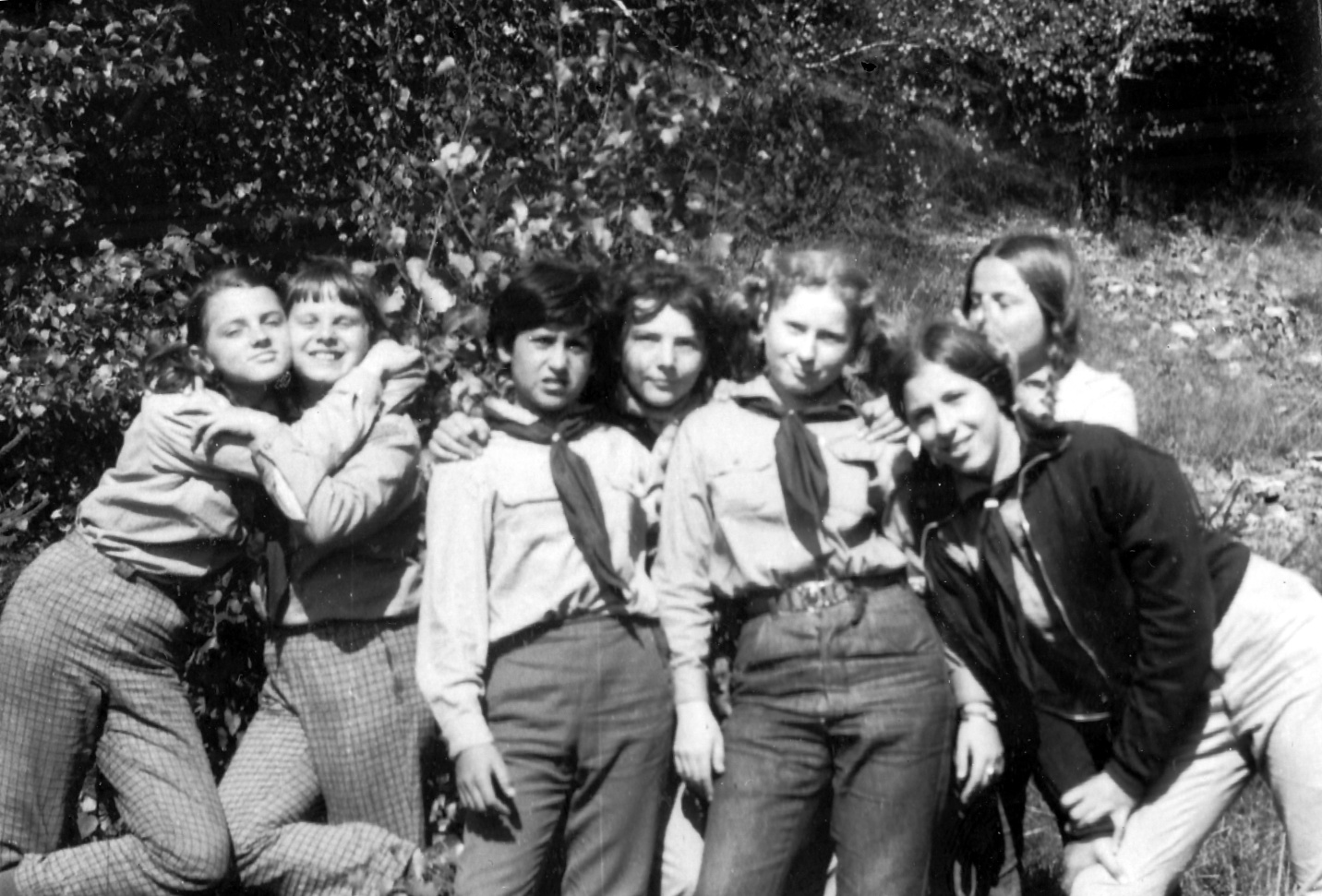
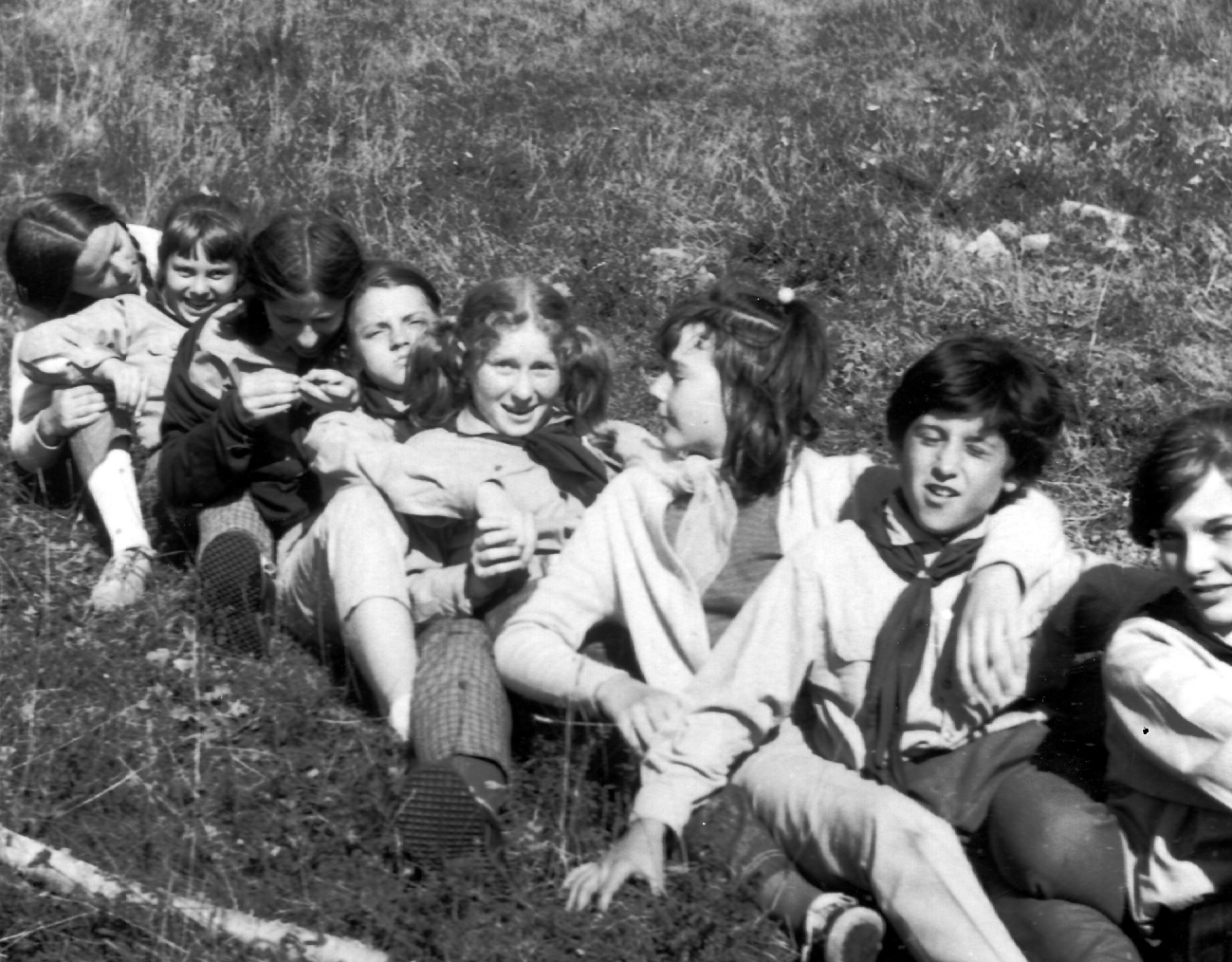
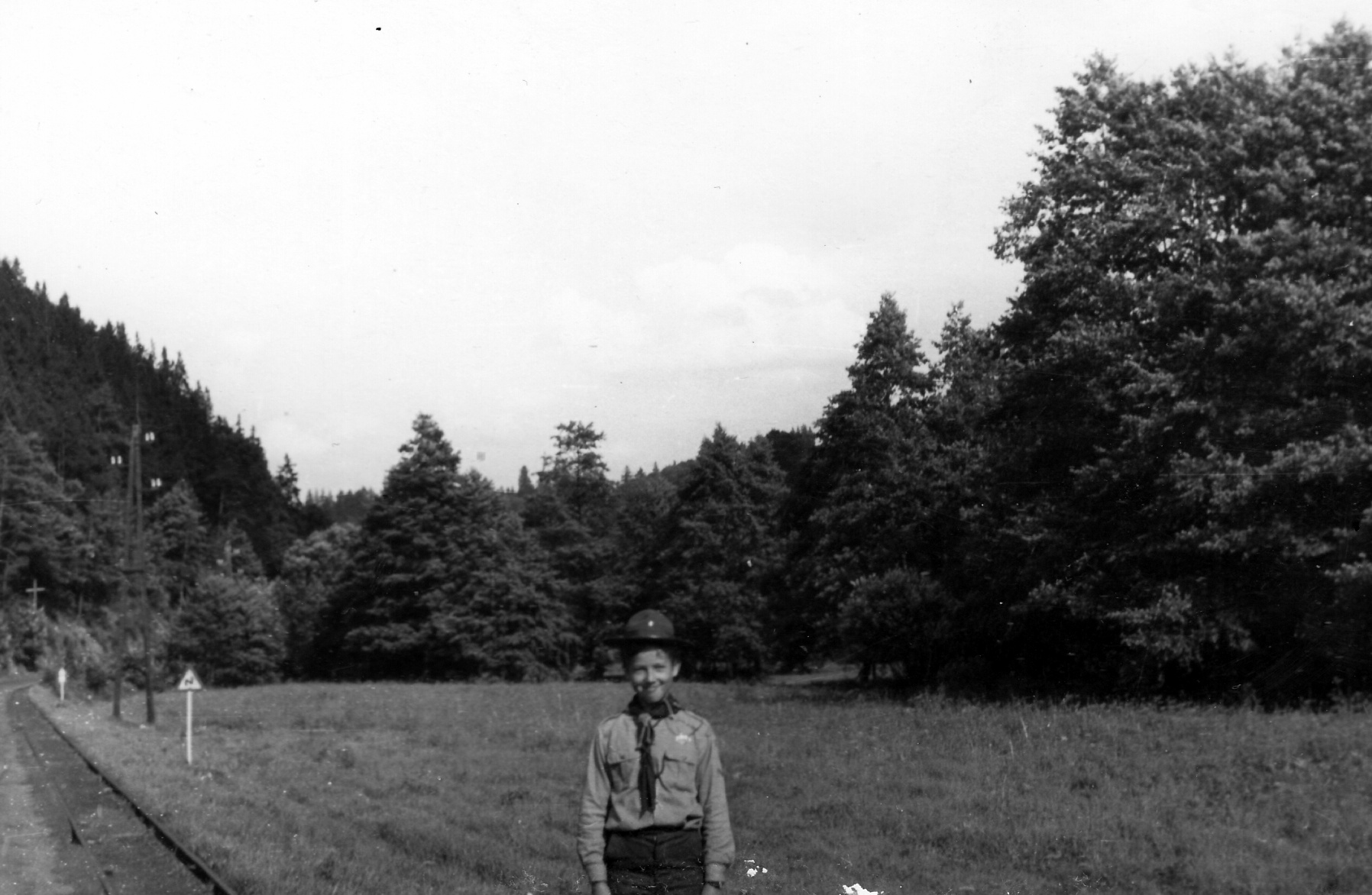
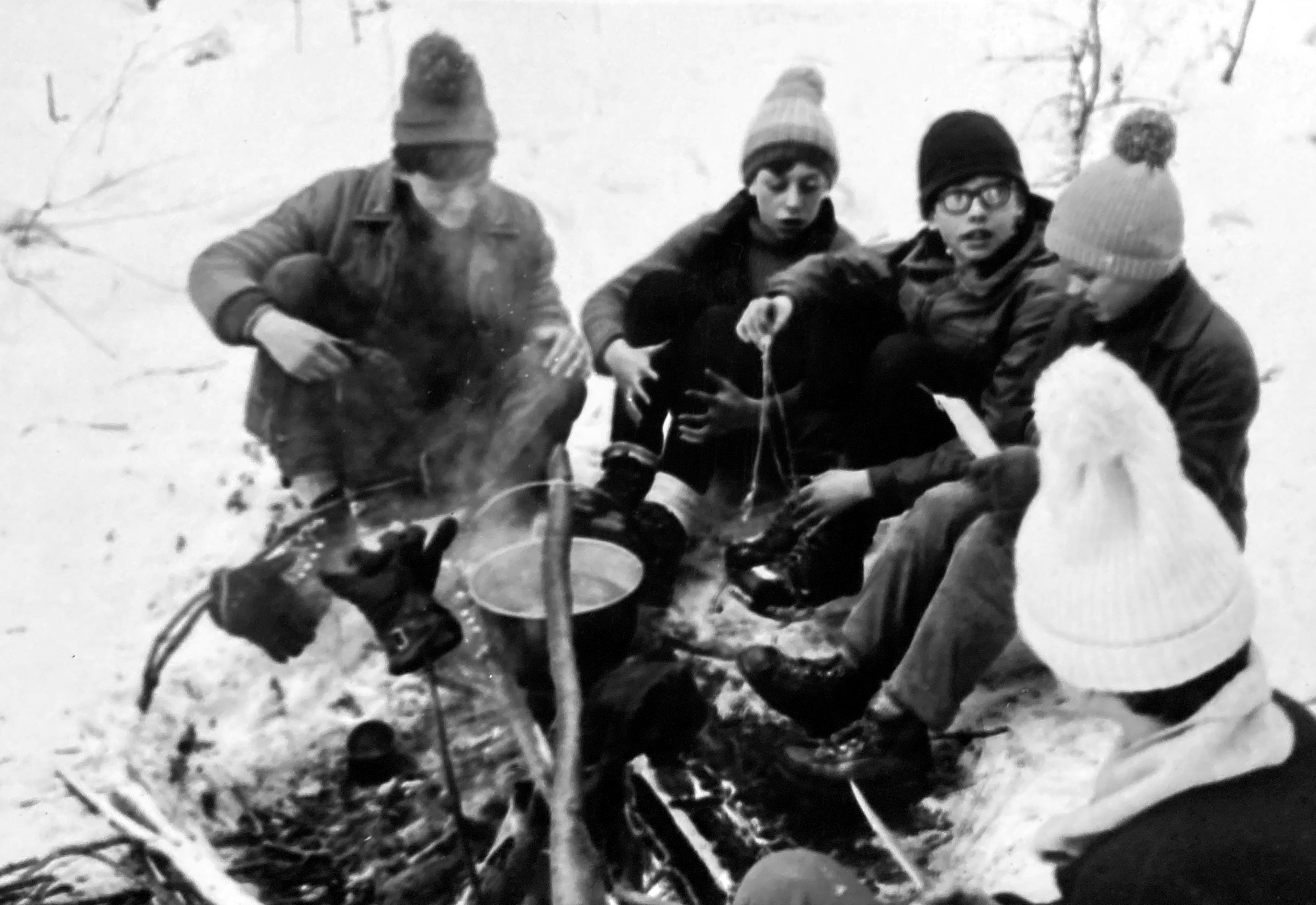
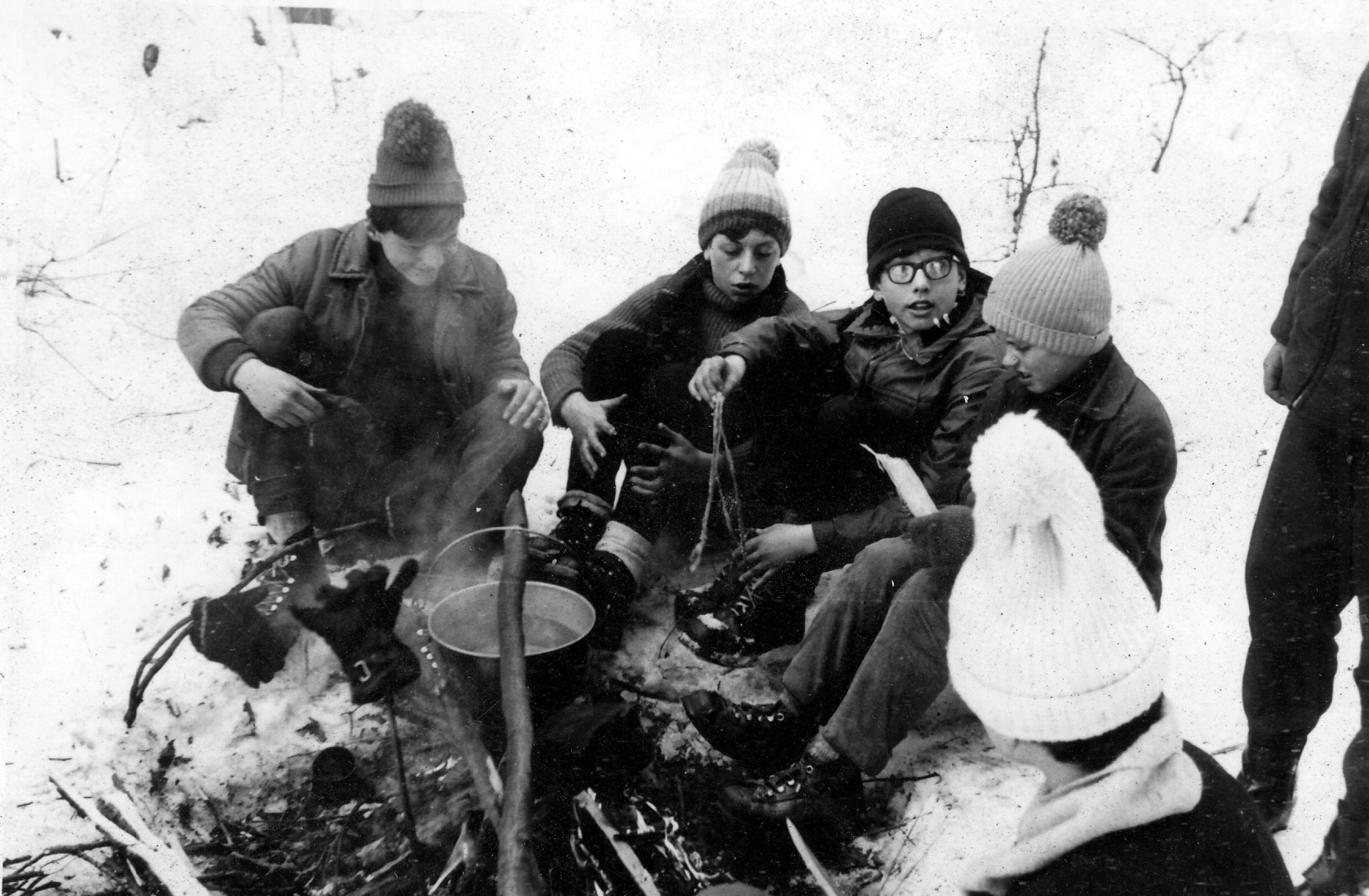
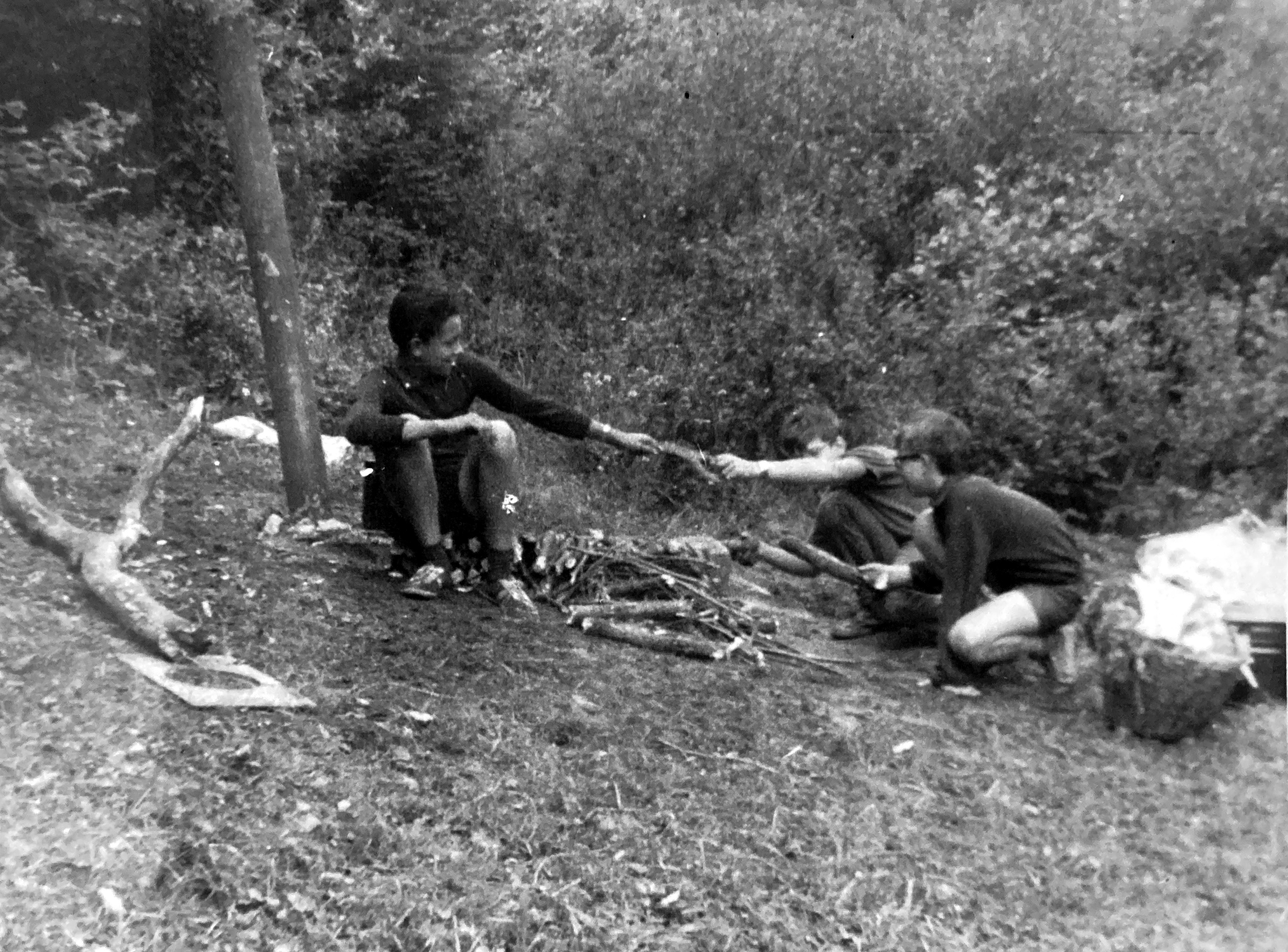
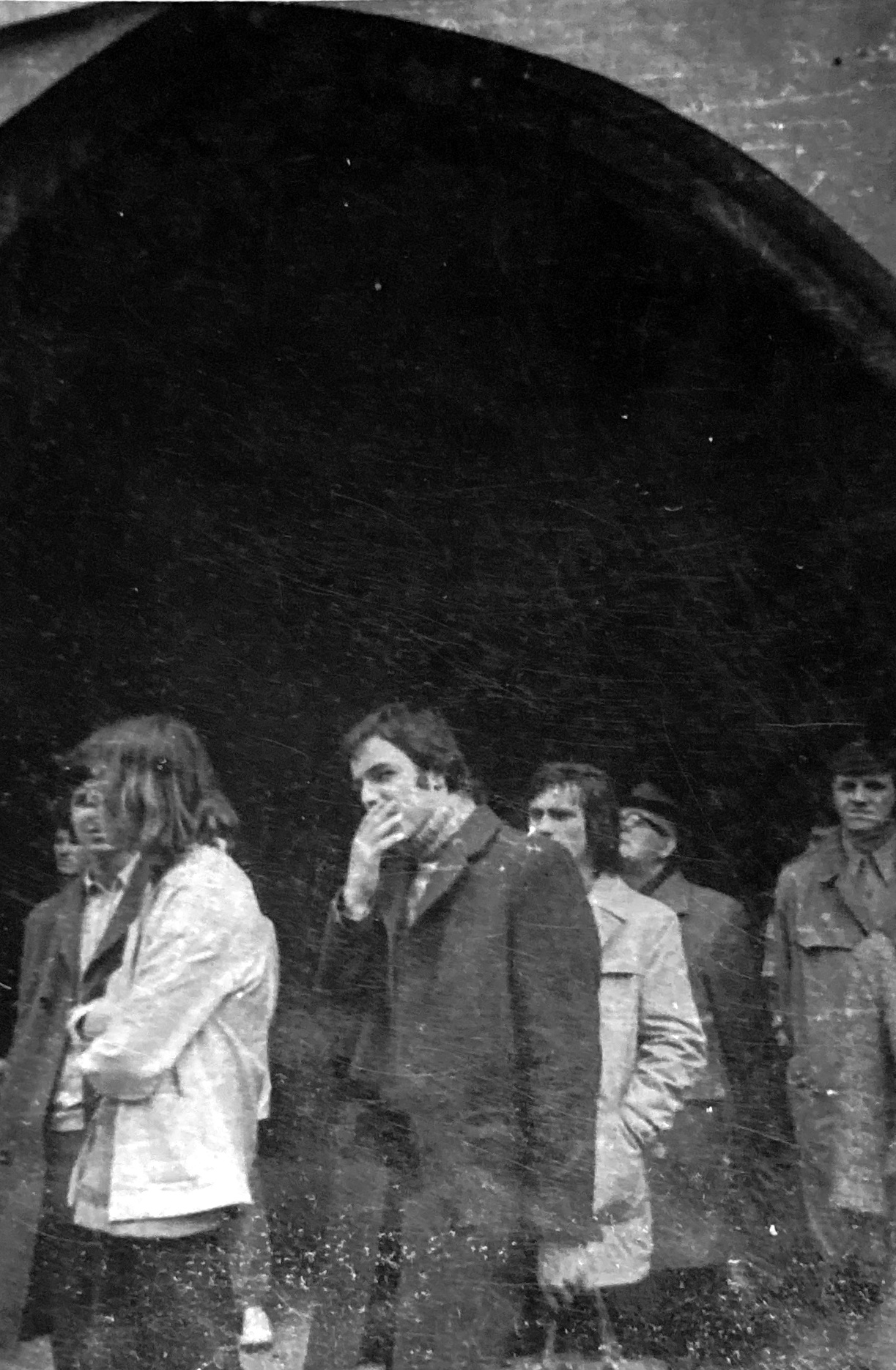
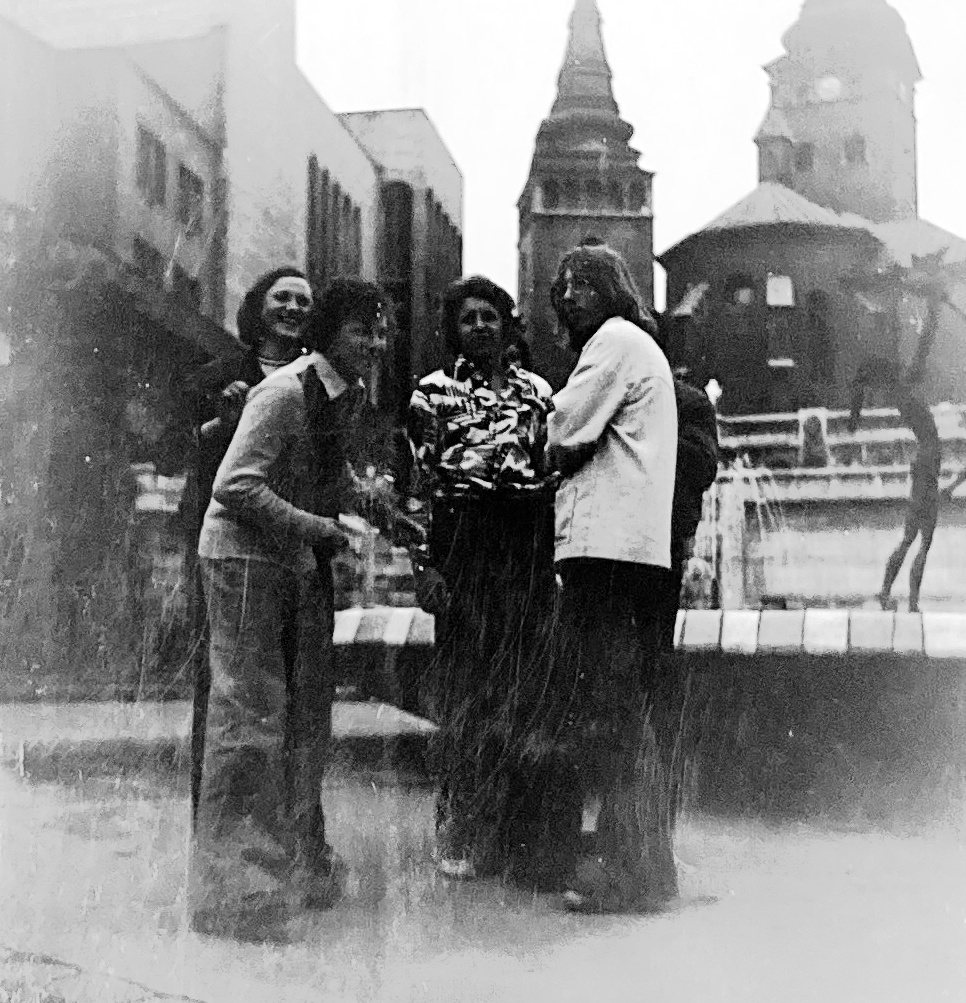
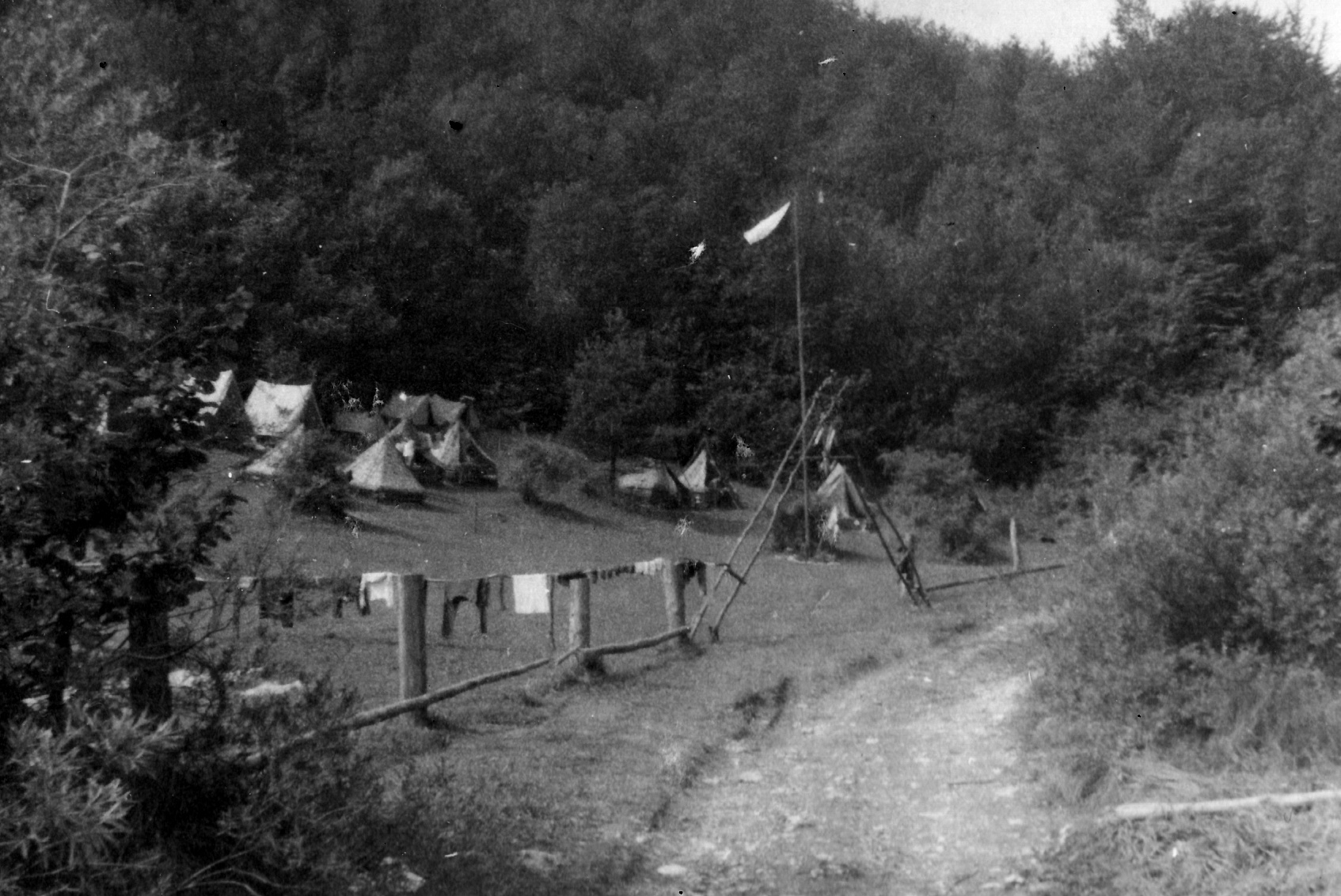
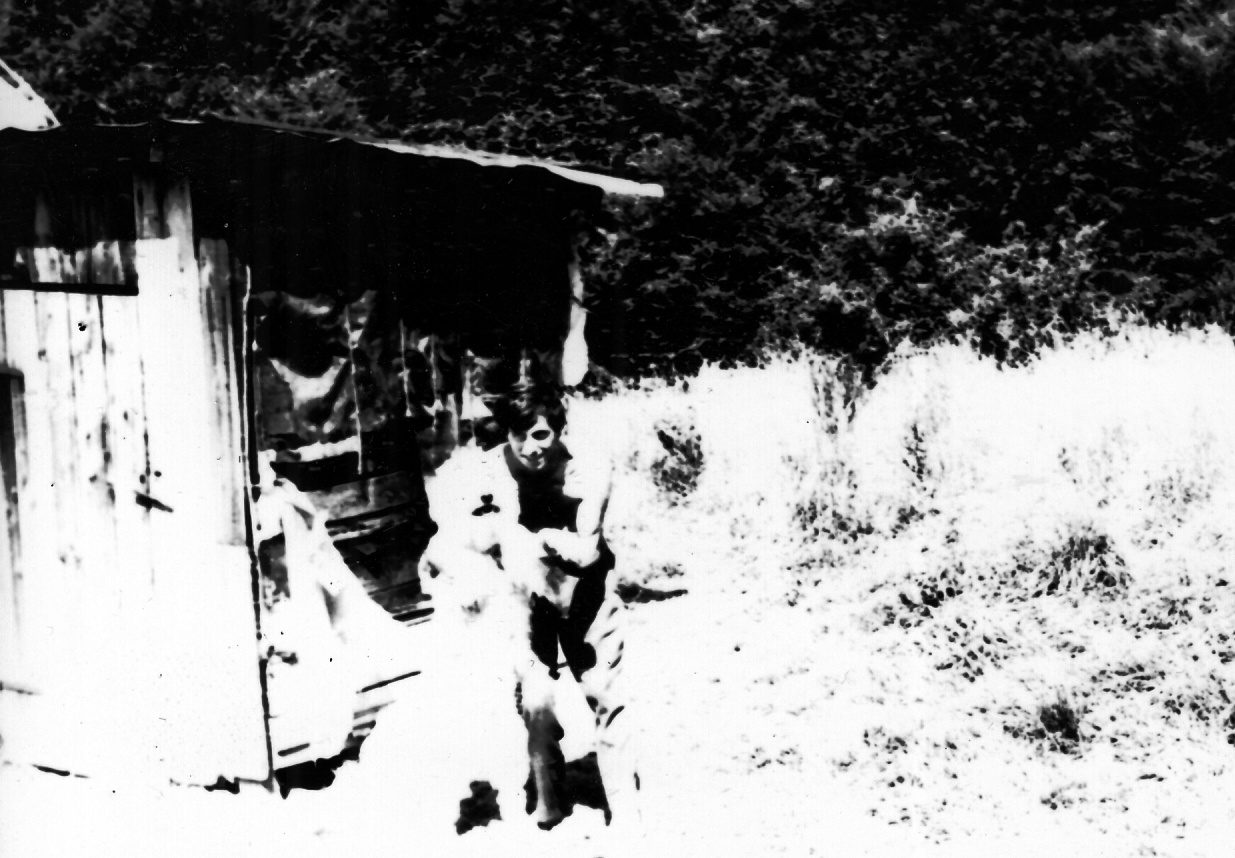
Michal Holeček was born on 26 October 1956 in Brandýs nad Labem. His father Jiří was an officer of the Czechoslovak People‘s Army. Both parents joined the Communist Party of Czechoslovakia (KSČ). Michal Holeček spent his first two years in Stará Boleslav, then his father was transferred to Hranice, from there to Martin, where he attended primary school and from 1968 was a member of the Boy Scouts. At the time of the Prague Spring, his father left the party and was discharged from the army after the Soviet invasion. Michal Holeček graduated from grammar school in Žilina, where he was baptized in the Catholic Church in 1974. After returning to Bohemia, he married and settled in Prague, where the family became close to the Catholic community and dissent. The witness copied and spread Christian samizdat. In 1985 he was arrested, tried and acquitted by the court during State Security Service (StB) action called „Saturn“. He holds a certificate of participation in the anti-communist resistance. In 2025 he lived in Traplice, Zlín region.