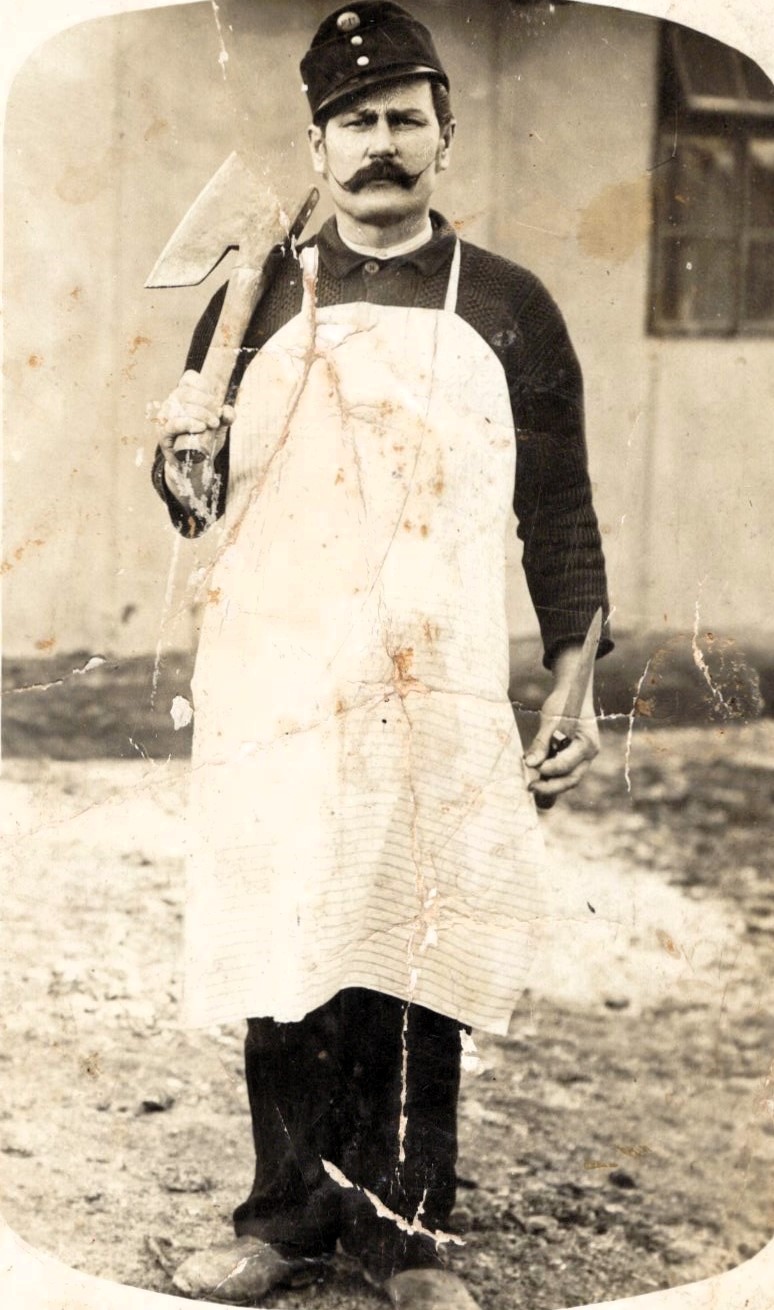
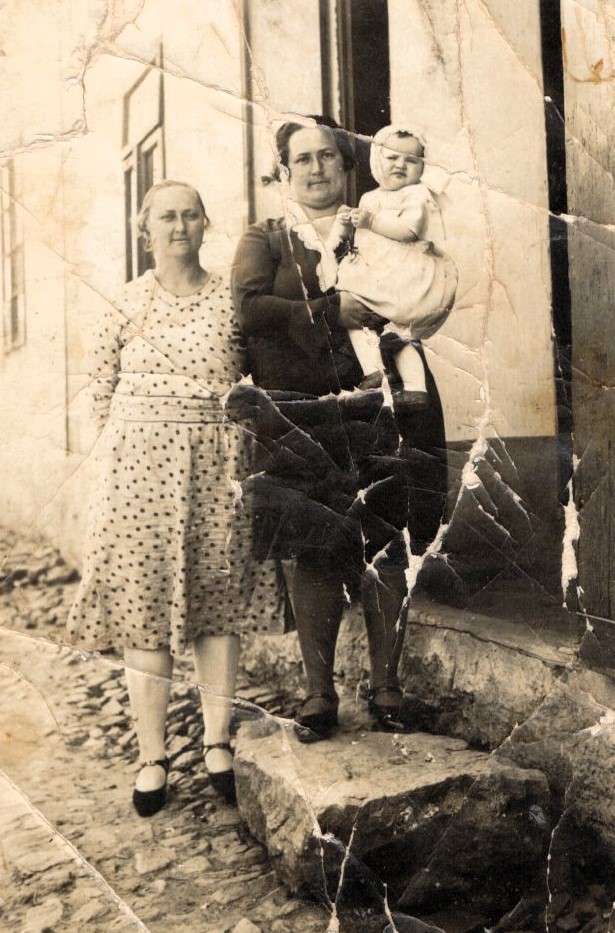
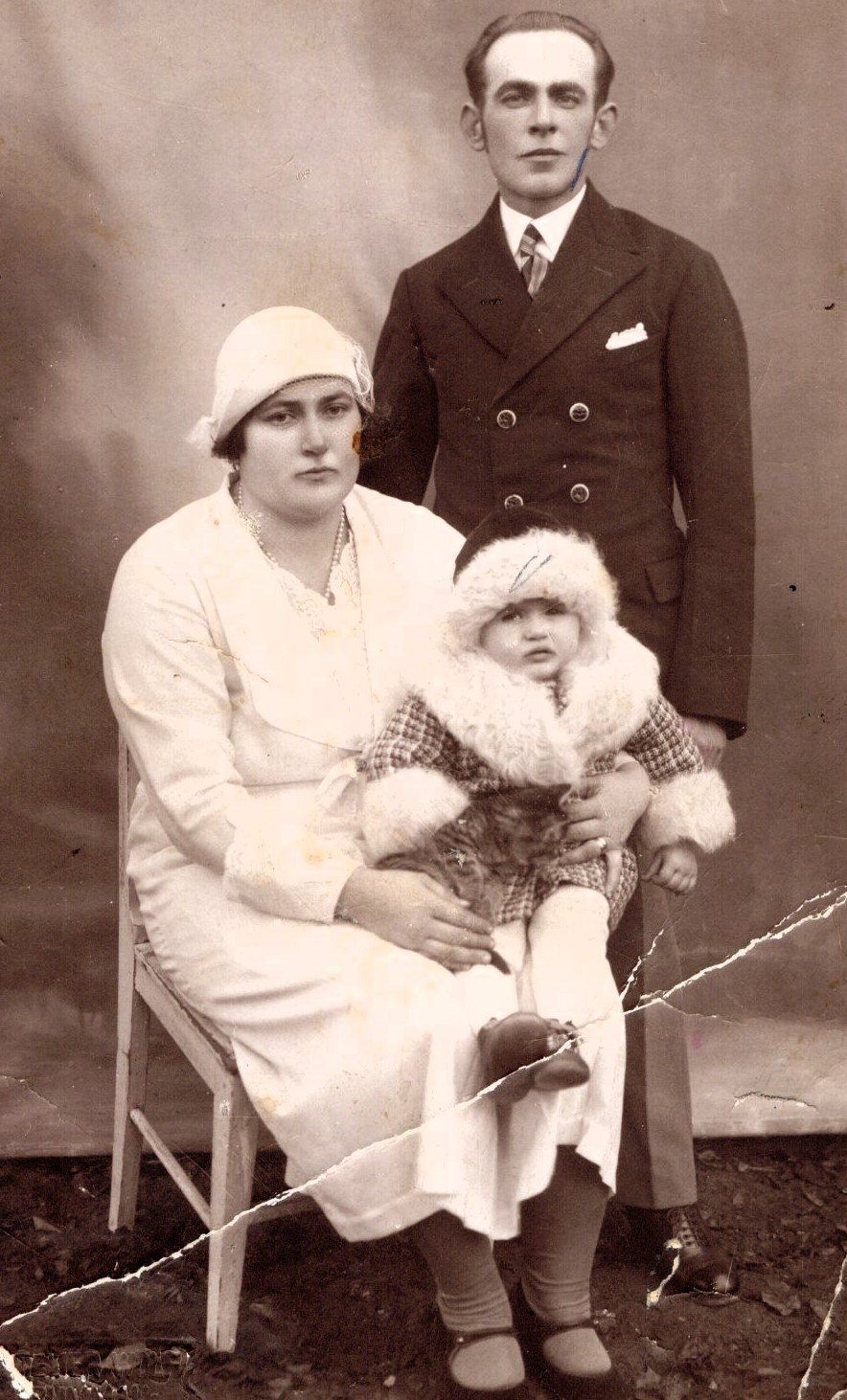
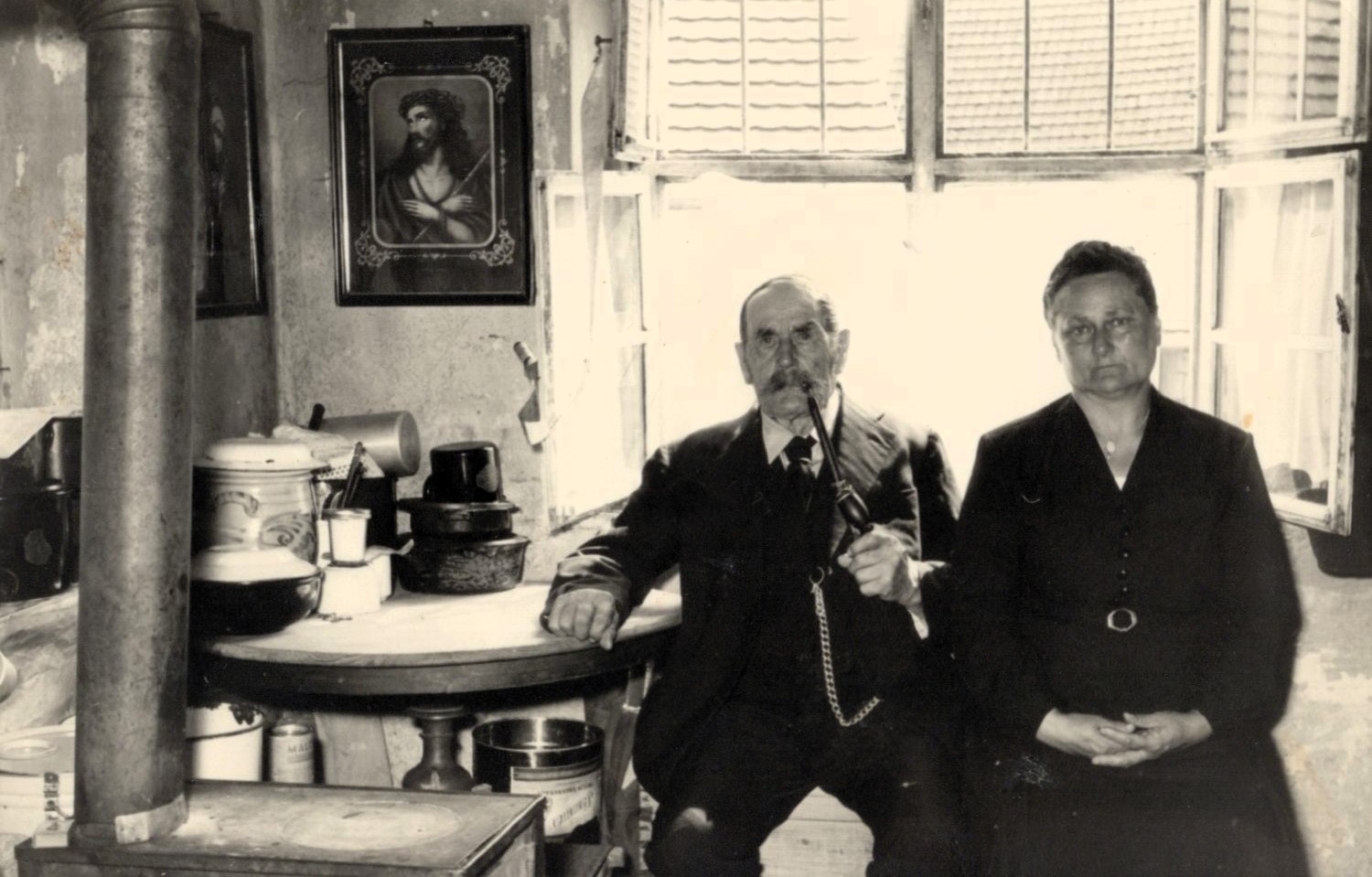
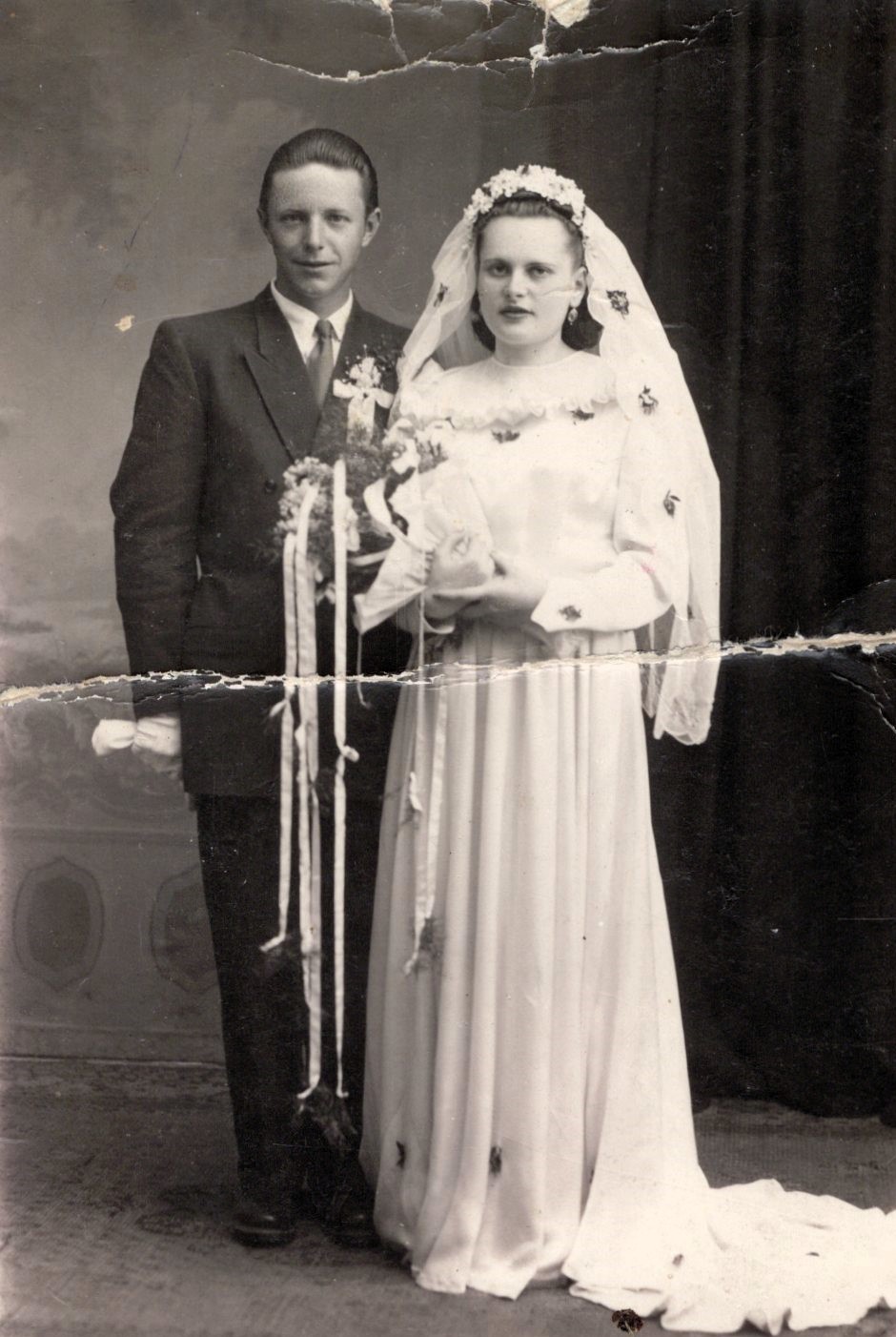
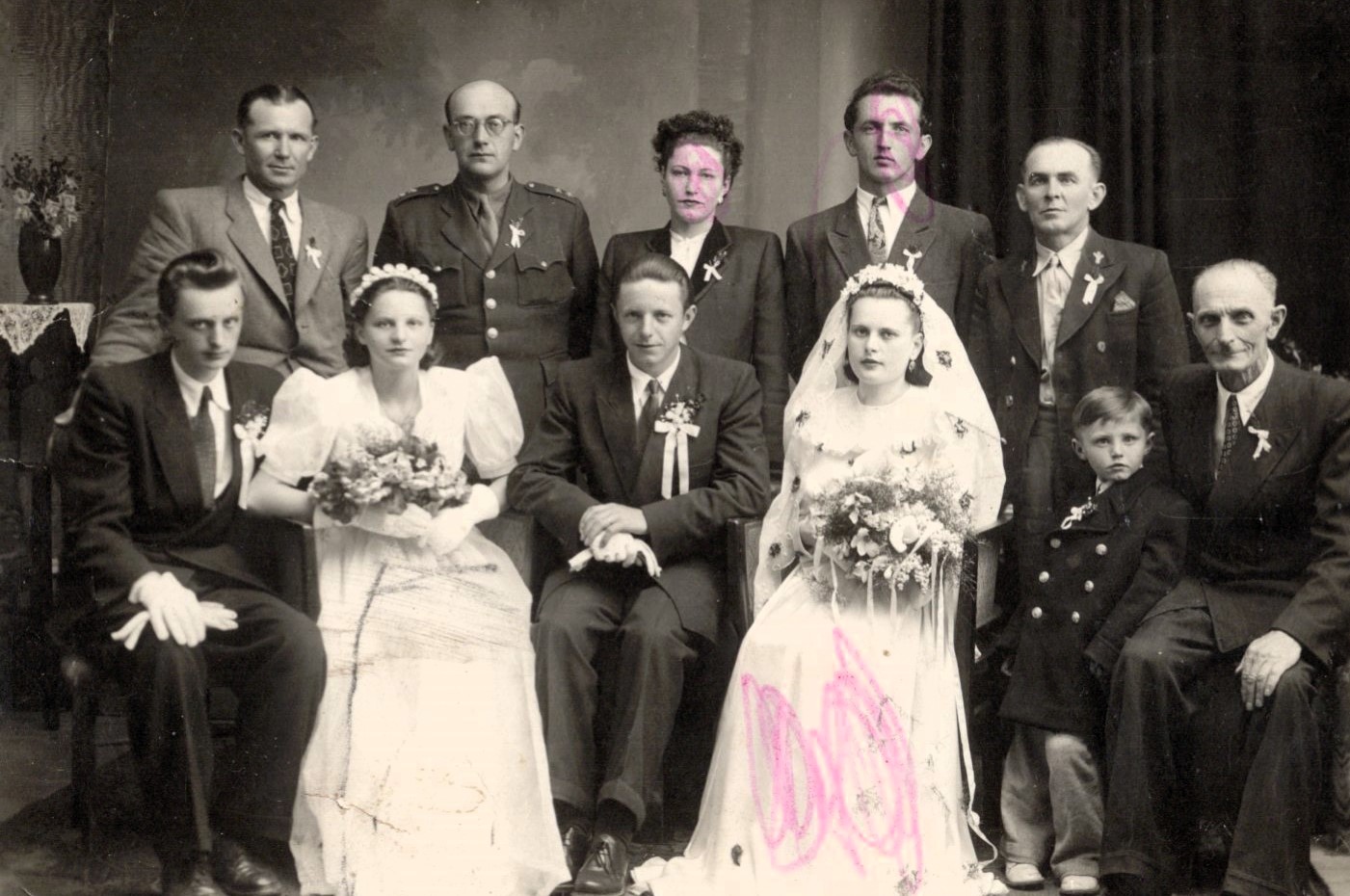
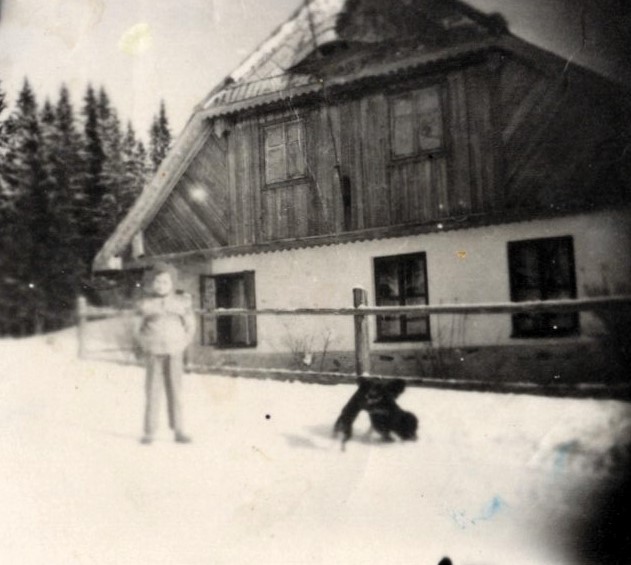
"They [the Germans] just did not accept them. They were poor, old, incapable people, and grandmother had had a mental breakdown. She pulled her hair out when they were driven out of their home. They were somewhere past Mičovice on a hill, and when Grandpa came back, she was ripping her hair out. They left with barely a backpack. He came home to get some money and gold. They were rich; Grandpa was a butcher, he made money, he knew cattle. He only bought premium quality, Grandma always said; his was good quality meat. He buried something, whether gold or money, in the orchard, but nobody looked for it."
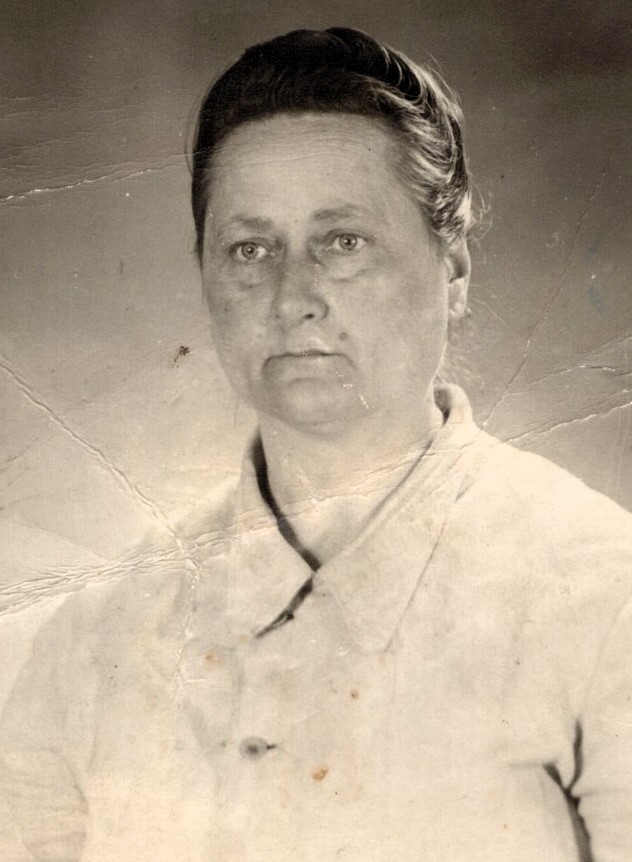
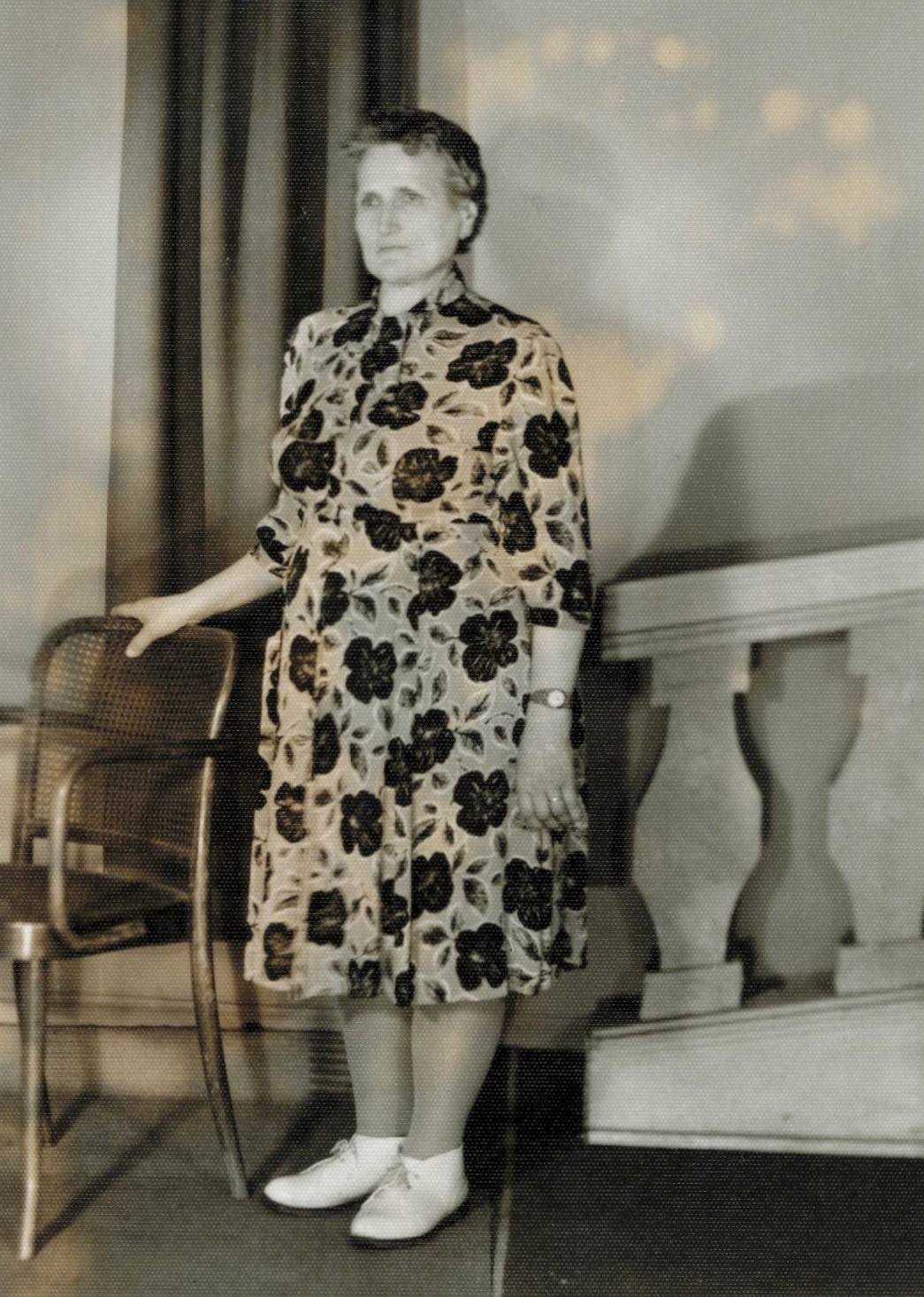
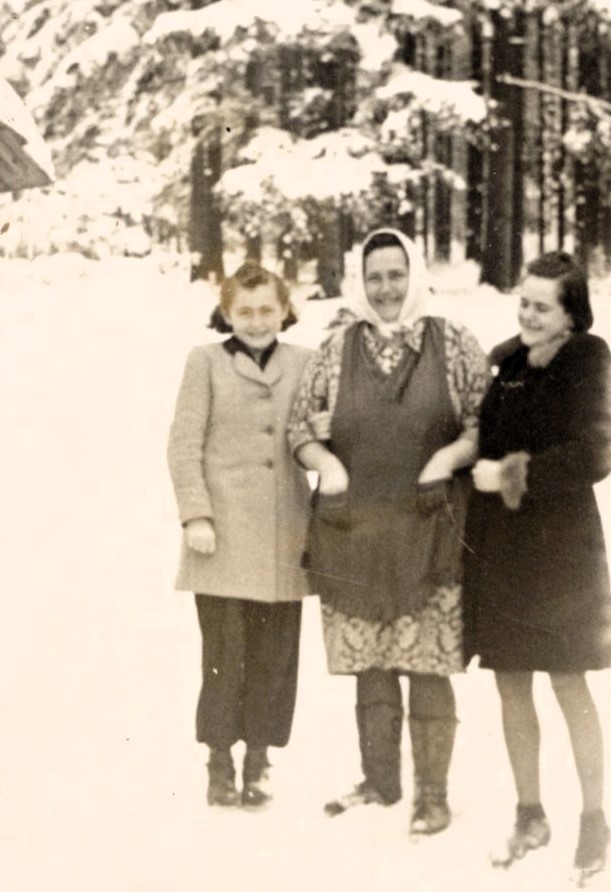
"When it all turned round, she [Grandma Marešová] was persecuted and sentenced to ten years in prison. She served only a short time because it was all out of hatred against the Germans. She had said something, I don't remember what, against the new government and all, and they locked her up. That period was not nice; they were living here in Vrbice again. My grandfather was a gamekeeper, and Schwarzenberg recalled him and sent him to work here. That's how we got from Lhenice area to the upper part of Šumava. Then they came for my grandmother and she was lynched with a sign saying that she was a fascist and a collaborator. Twere staying in a house in Vacov, and people were secretly bringing them water and bread. Then there was a trial in Budějovice, I think, and she was convicted. But she wasn't there long because my grandfather knew a friend who had the power to review the case. The case was reviewed and she had good witnesses. They had accused her of the fact that a man in Vrbice lost his life because she had denounced him. But his wife told the court that Marešová would never do that. She was such an important witness, and the case was reviewed; she was innocent and it was all just revenge, sheer hatred of the Germans."
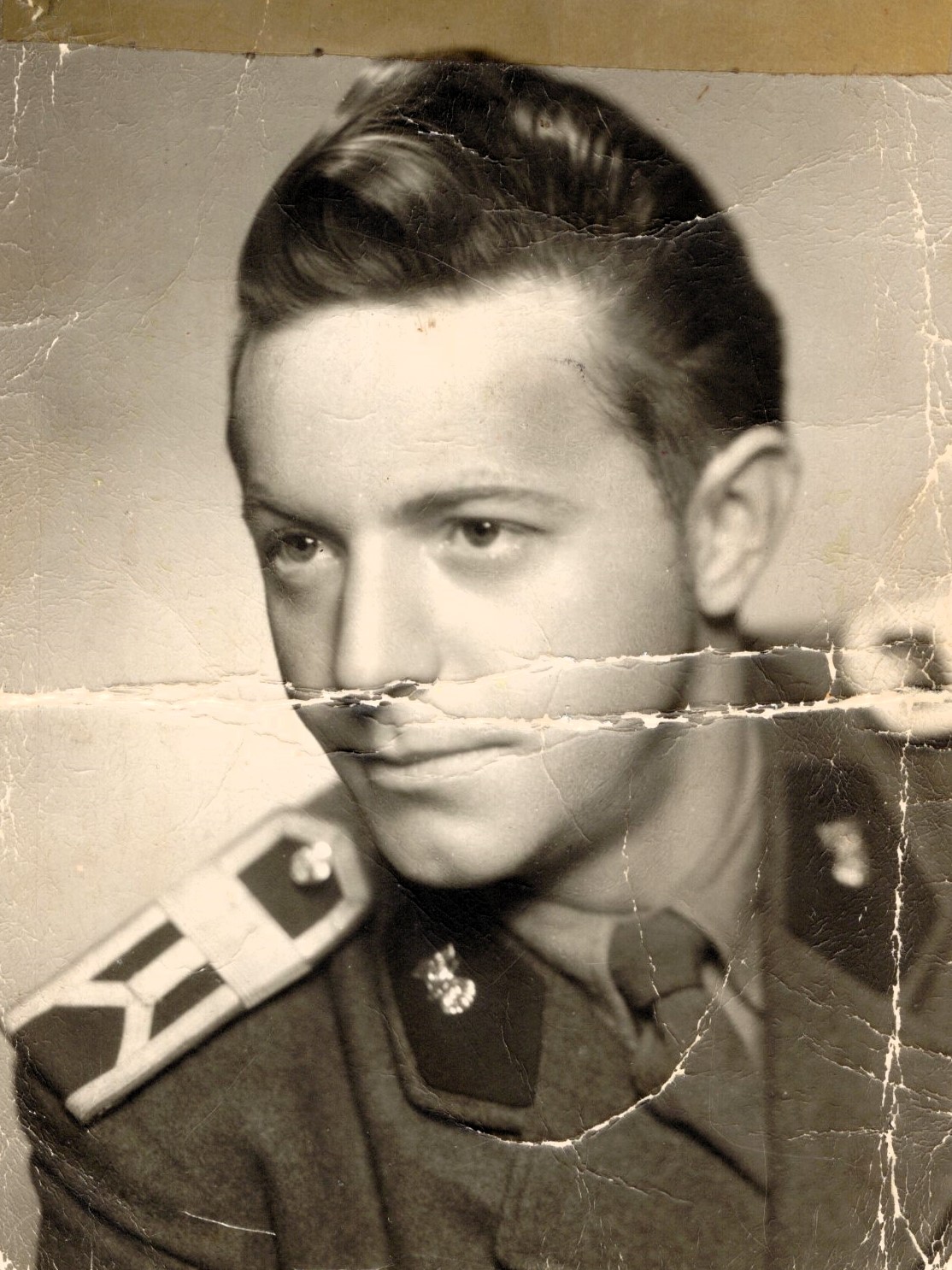
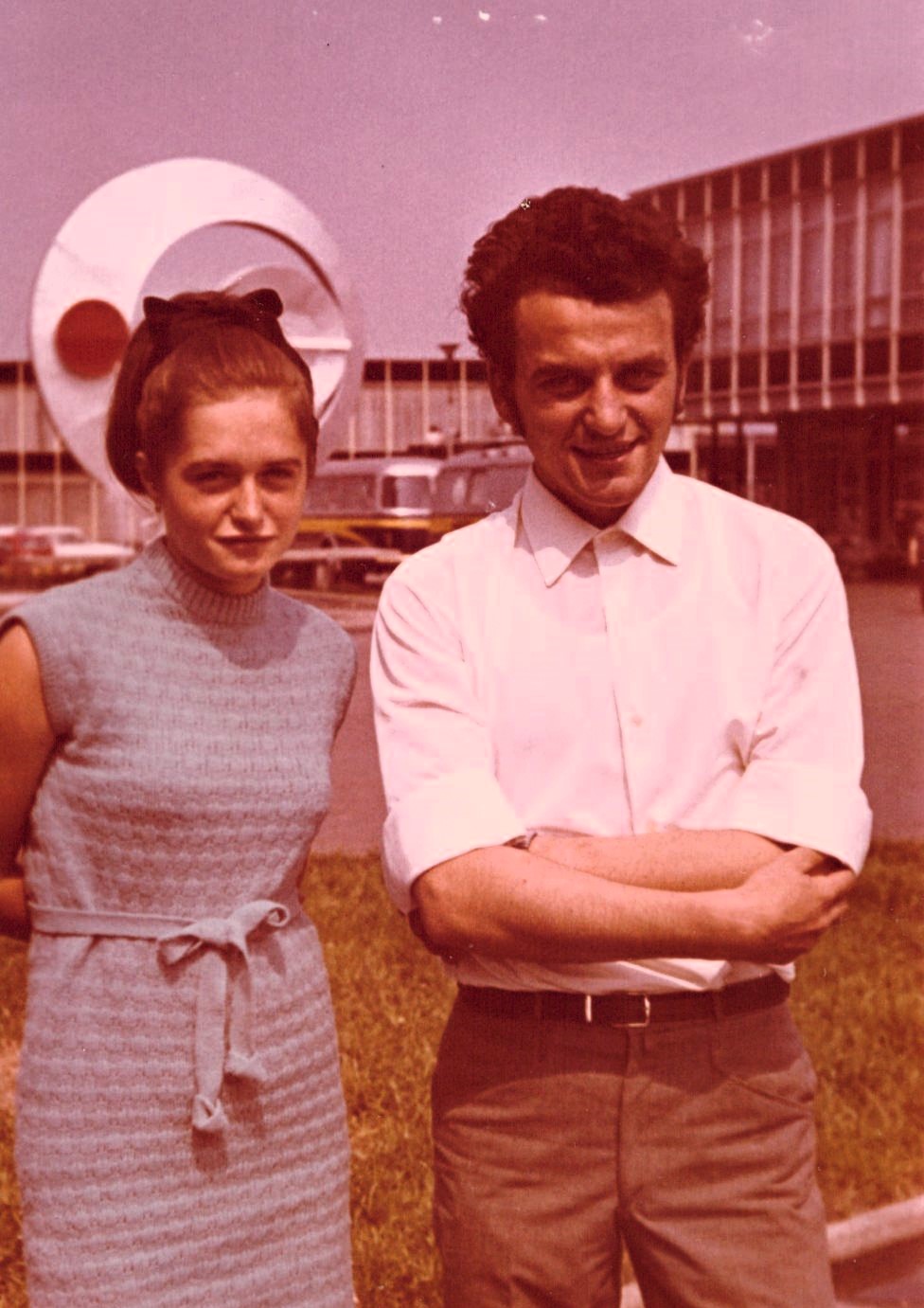
"I had problems at work after 1989. I worked at the Cooperative Project Organization in Prachatice. See, I never followed political events, I wasn't interested in them, but people came from Prague, gathered for a meeting but they didn't invite me, and that felt a bit strange. Then the architect came and she said - this right was before the revolution - there must be something going on; they don't want you because your husband was a communist. He was a rank-and-file member, but they feared I might divulge something. So we don't remember that year fondly. When the revolution broke out, the worst thing for the family was that a lot of people came in front of our house and started shouting, 'Do you know you're finished?' ... and so on."
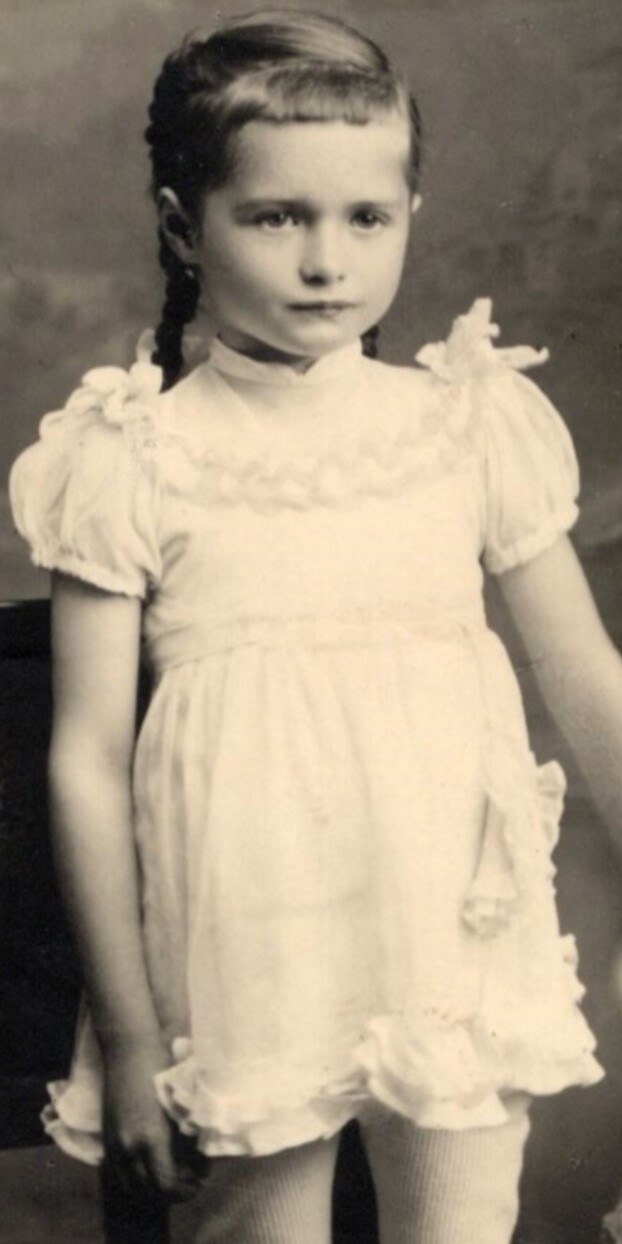
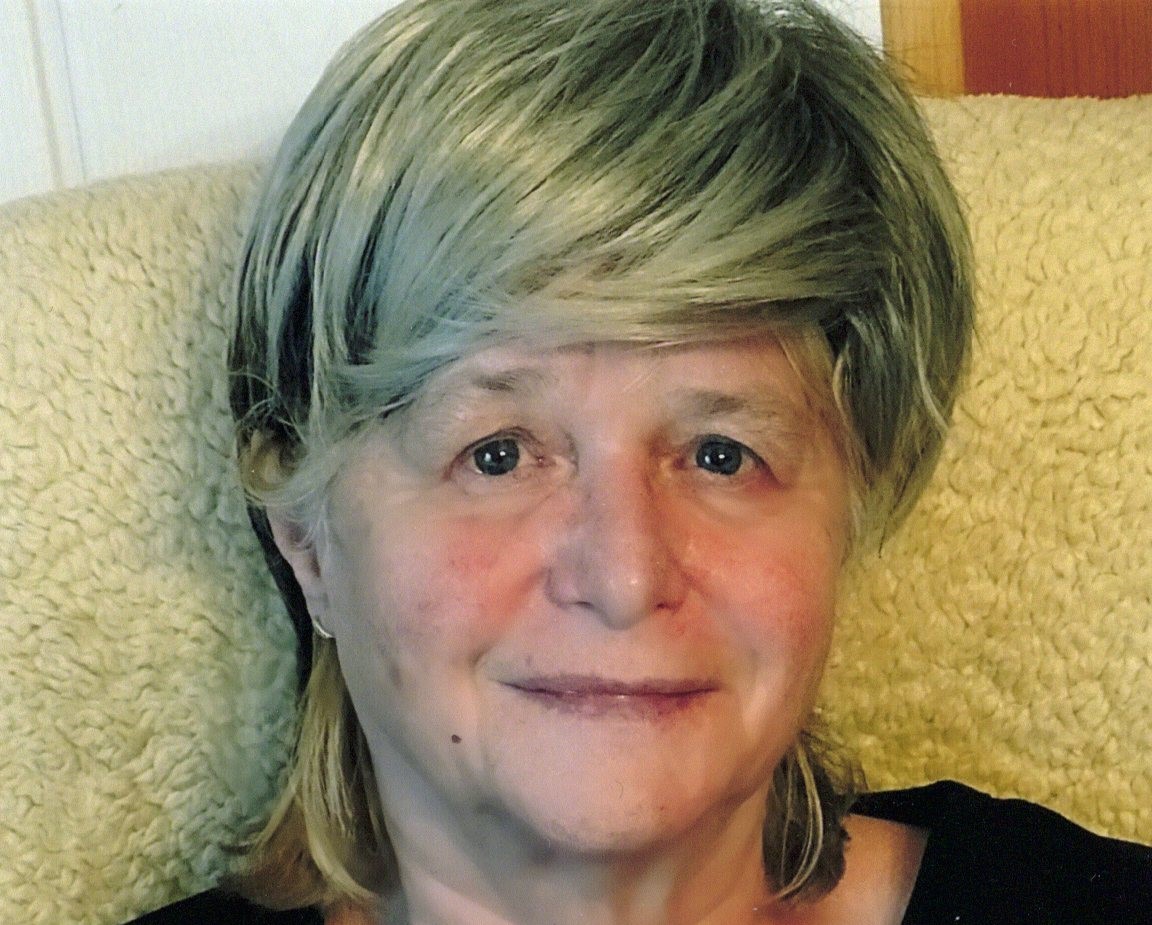
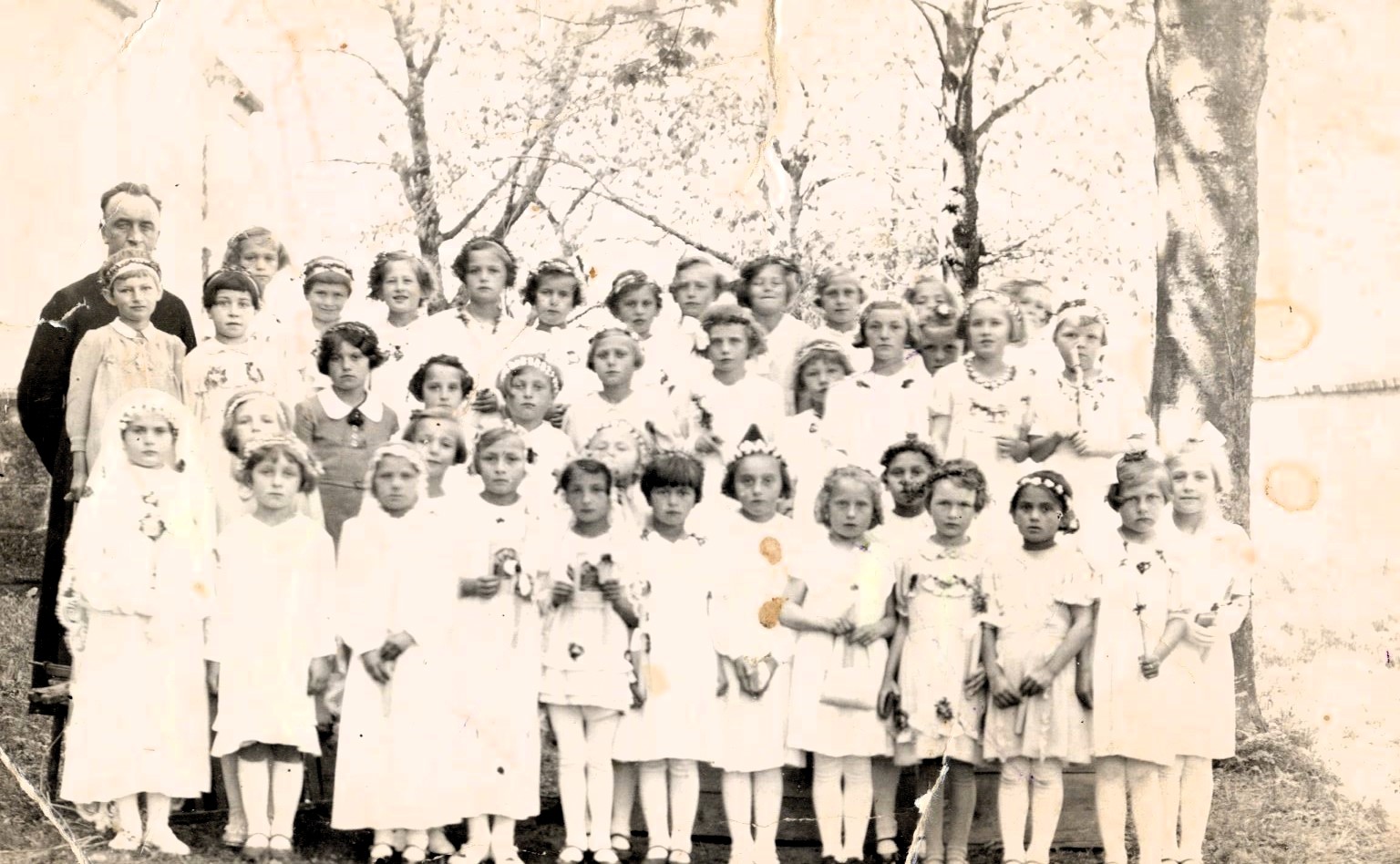
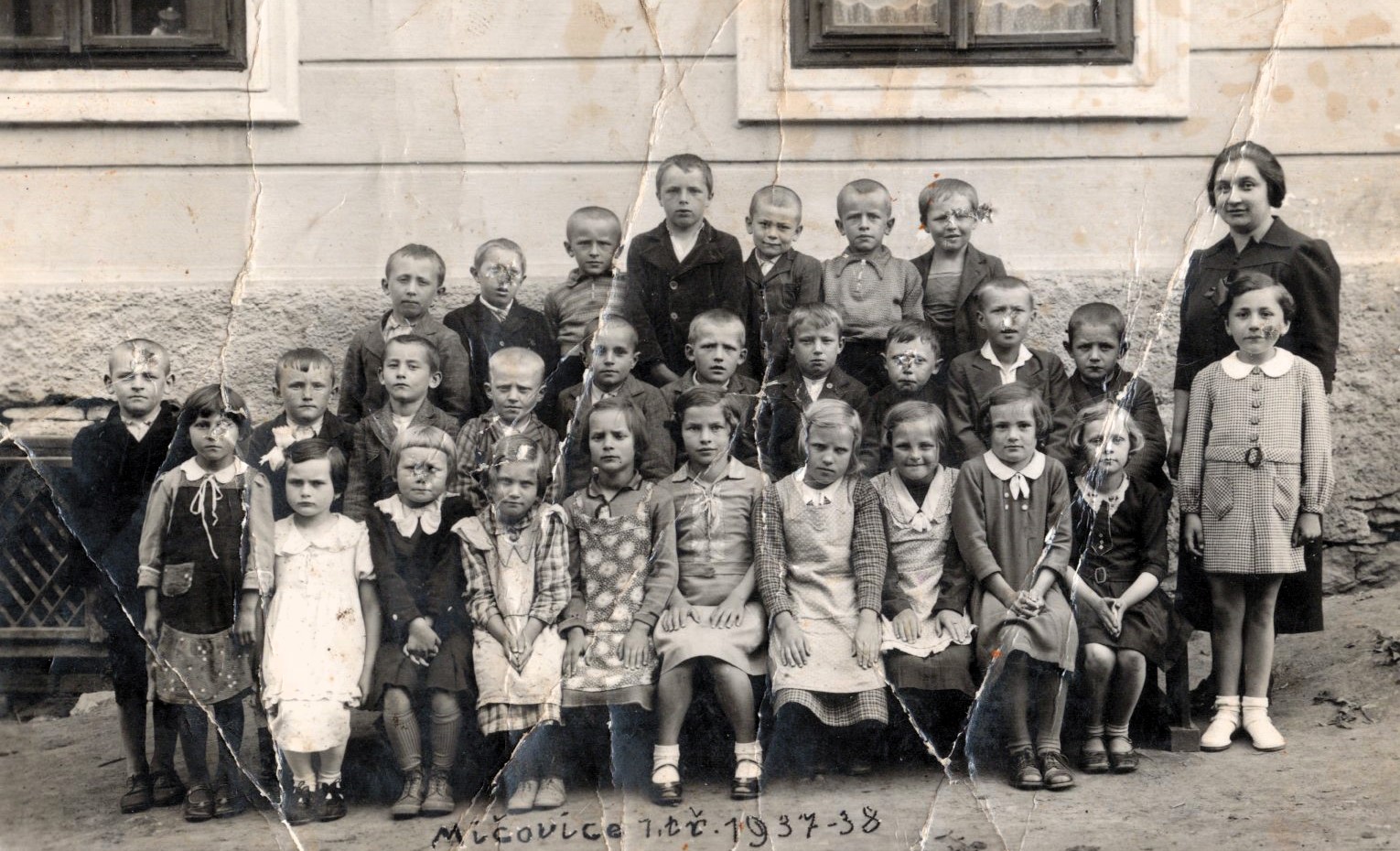
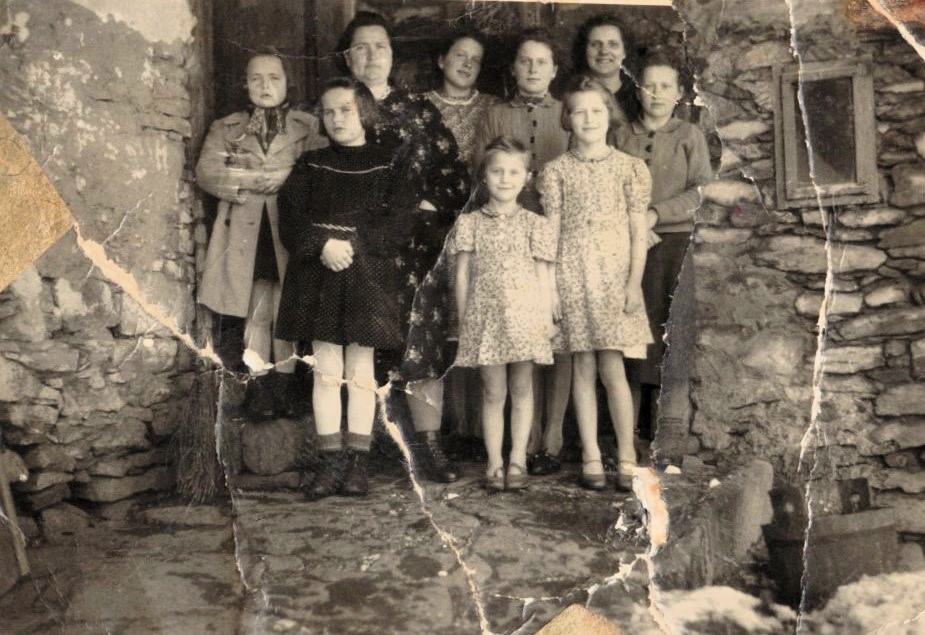
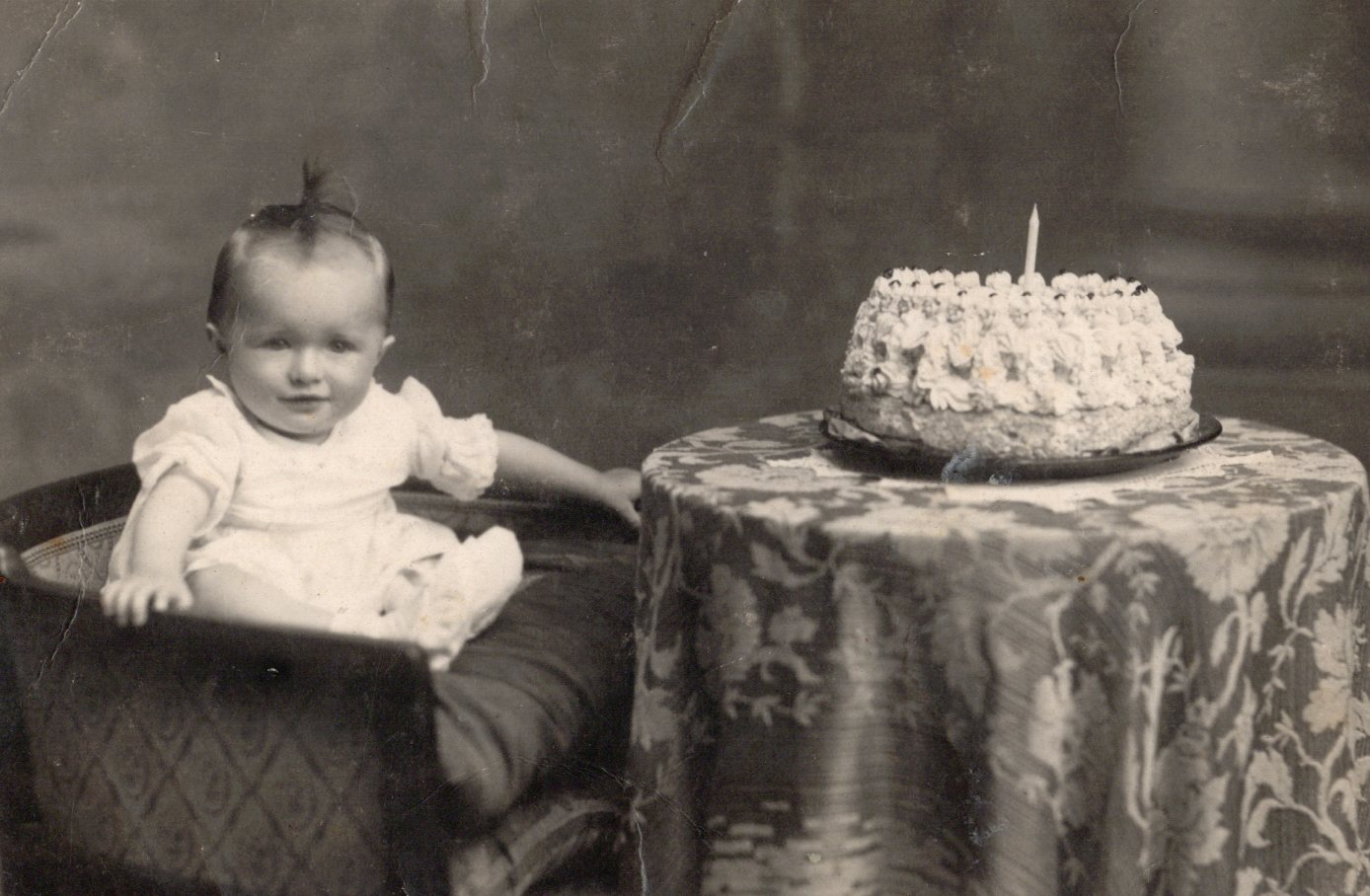
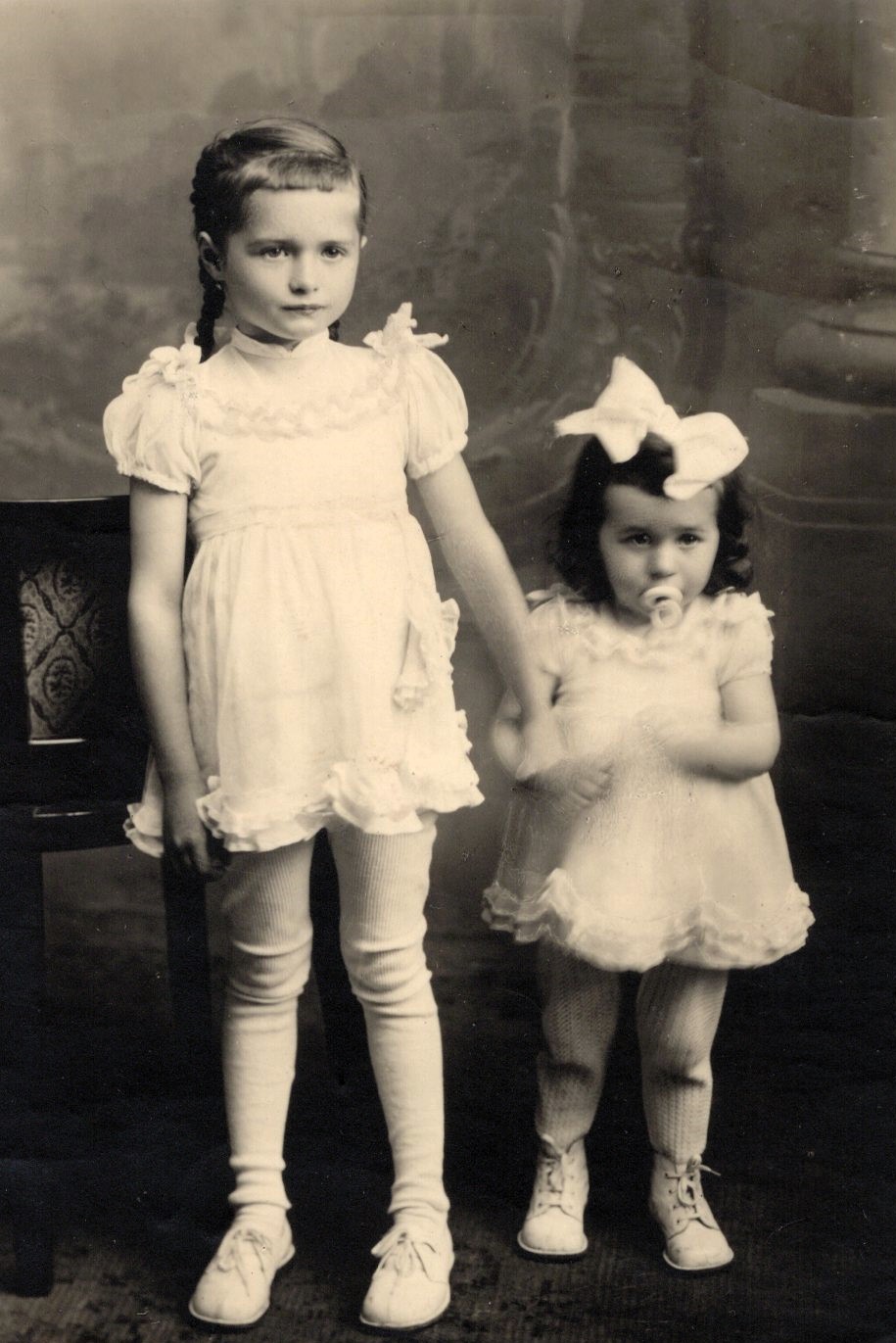
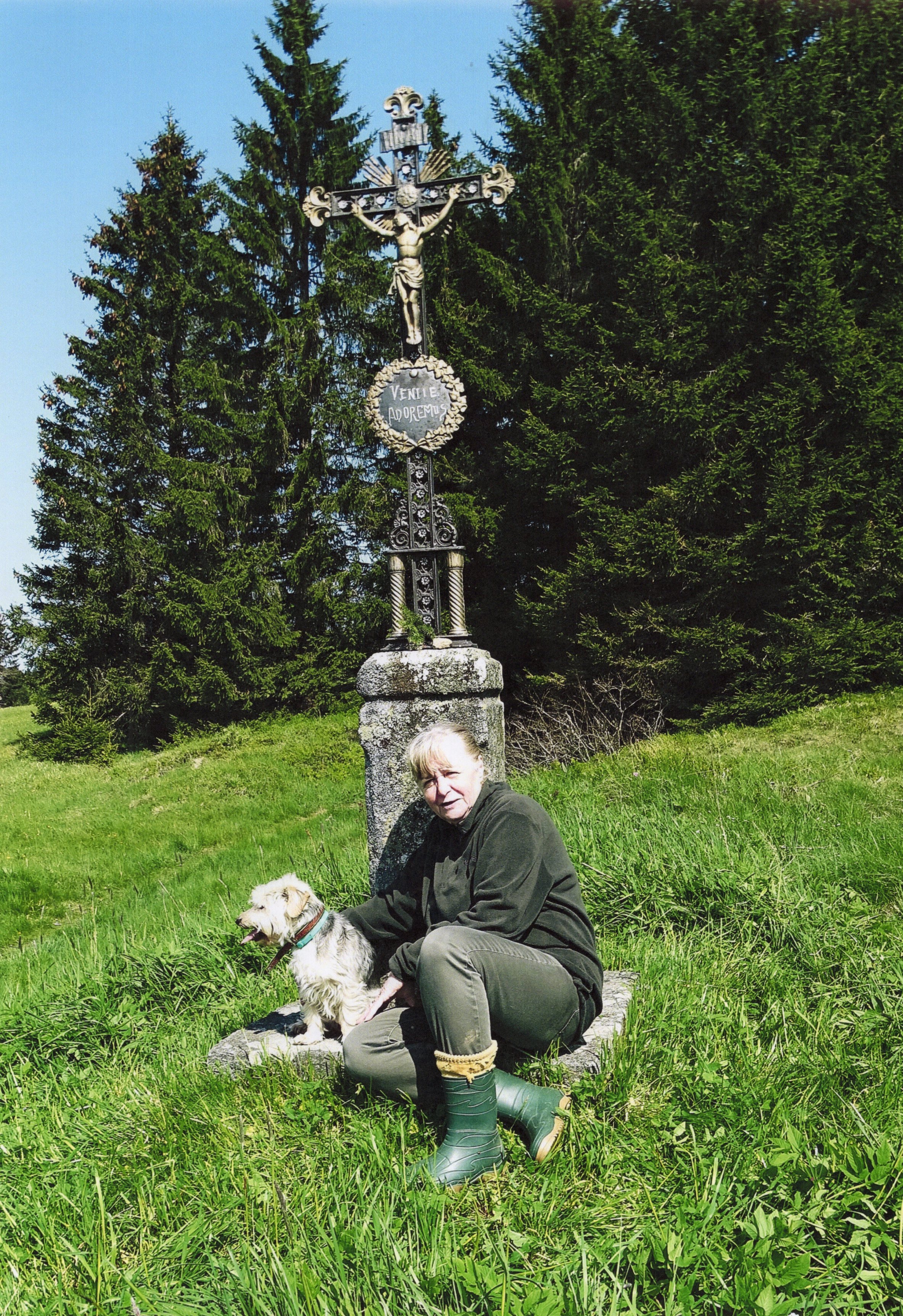
Miloslava Hojdekrová, née Bubrlová, was born in Městská Lada in Šumava on 9 September 1950. She lived with her grandparents as she had a closer relationship with them. Her Sudeten German grandmother Albína Marešová was imprisoned in 1945. Her great-grandparents the Cais family were deported to Augsburg, FRG. From 1964, she attended a high school of farming and technology in Dub u Prachatic. In August 1968, she lived near a Soviet garrison and helped the soldiers with food and drinks. Following graduation in 1969, she married Jaroslav Hojdekr who was employed with the District Committee of the Communist Party of Czechoslovakia in Prachatice. Both had very good jobs, which they lost after the Velvet Revolution of 1989 and felt socially excluded. She worked in lower-paying positions until retirement in 2009. For eight years, she earned extra income as a funeral orator as well as contributing articles to the vicarage magazine and the Zdíkovsko periodical. In 2024 she lived with her husband in Zdíkov near Vimperk.