Mikuláš Havrlík

* 1934

  • "There were so-called workers' courses. I'll speak for engineering. They simply selected a certain number of... They either signed up or they were selected. Those workers or those workers were trained in the holidays and they did high school in two months. They had their high school diploma replaced and they were called the working class. And they went to college. And I can say that in the first year about eighty of them entered - and the fact is that they lasted effectively only the first and second semesters. The first semester - if you don't pass the exams, you have a second semester to finish. These graduates of the workers' course had to leave. But it was interesting, because these 'ádékárs' were getting a scholarship of one thousand eight hundred crowns, and I, as an undergraduate, was getting three hundred a month from my parents. I gave a hundred for an apartment and two hundred to live on."

  • "In total, we went to socialist youth construction. That was compulsory. Anyone who didn't go to youth construction... attending youth construction was part of the college application. In September I was in Ostrava in Kunčice at the youth construction of the Klement Gottwald Steelworks. That was a month, it was hard work. I still remember that we had to unload in two - by hand with shovels - a wagon with twenty-five tons of gravel. That was really quite a job."

  • "Some people from the ceramics school got in and they obviously didn't know the material, they were afraid of graduation. So they made a revolution there - they started looking for spies, enemies of the Soviet Union, etc. So they started to investigate - my class professor, who was a Sokol, was sentenced to six years. The headmaster of the grammar school was locked up in a concentration camp, and he was again accused of... I don't know what. A terrible experience for me was that we had a graduation ball - the SS came there at eleven o'clock in the evening and checked the IDs of the students and everyone who was there. Of course, very few people took their IDs to the prom. The prom was completely killed by that."

  • Celé nahrávky
  • 1

    Chomutov, 15.09.2025

    (audio)
    délka: 01:00:32
    nahrávka pořízena v rámci projektu Příběhy regionu - Ústecký kraj
Celé nahrávky jsou k dispozici pouze pro přihlášené uživatele.

The communist regime managed to intimidate people
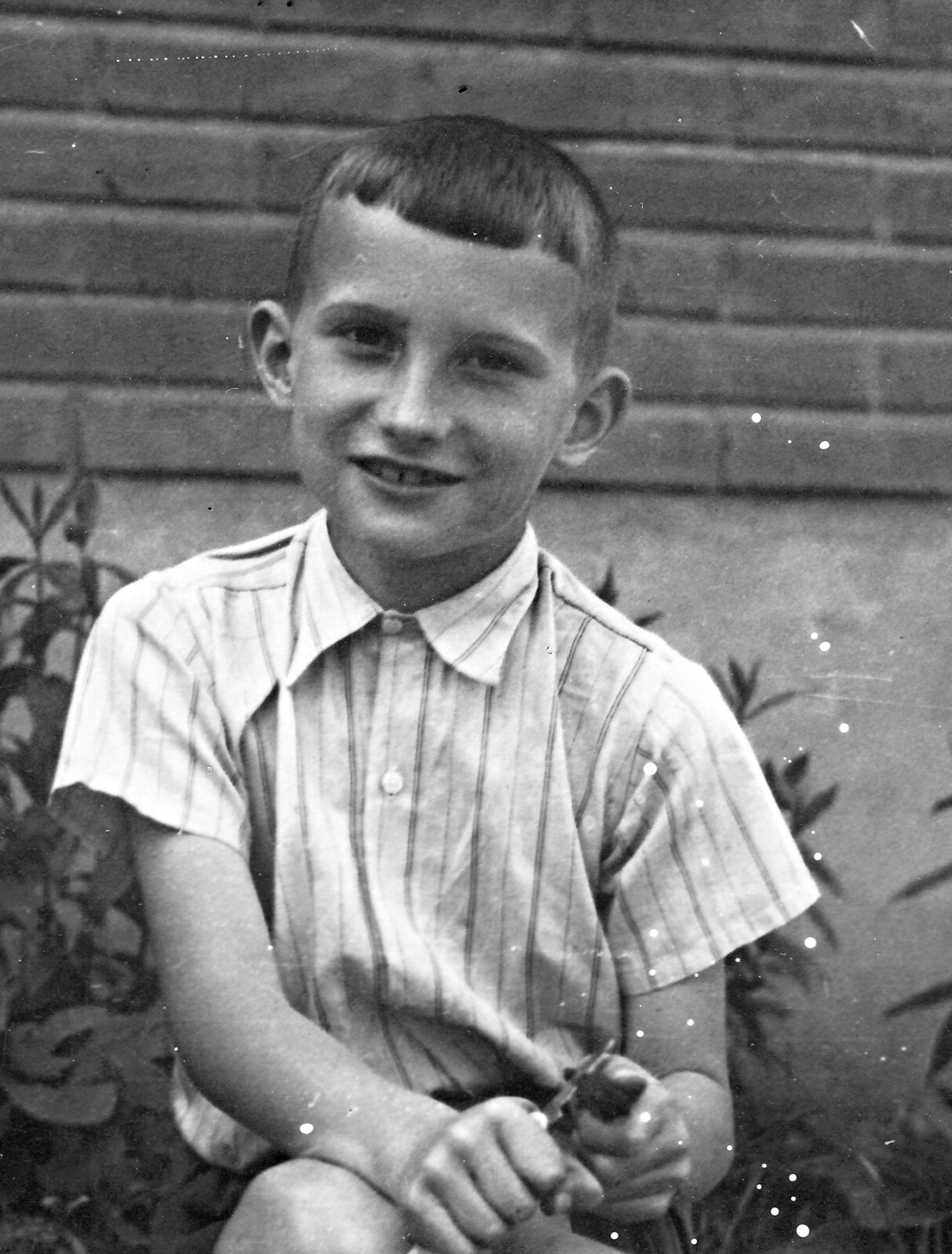
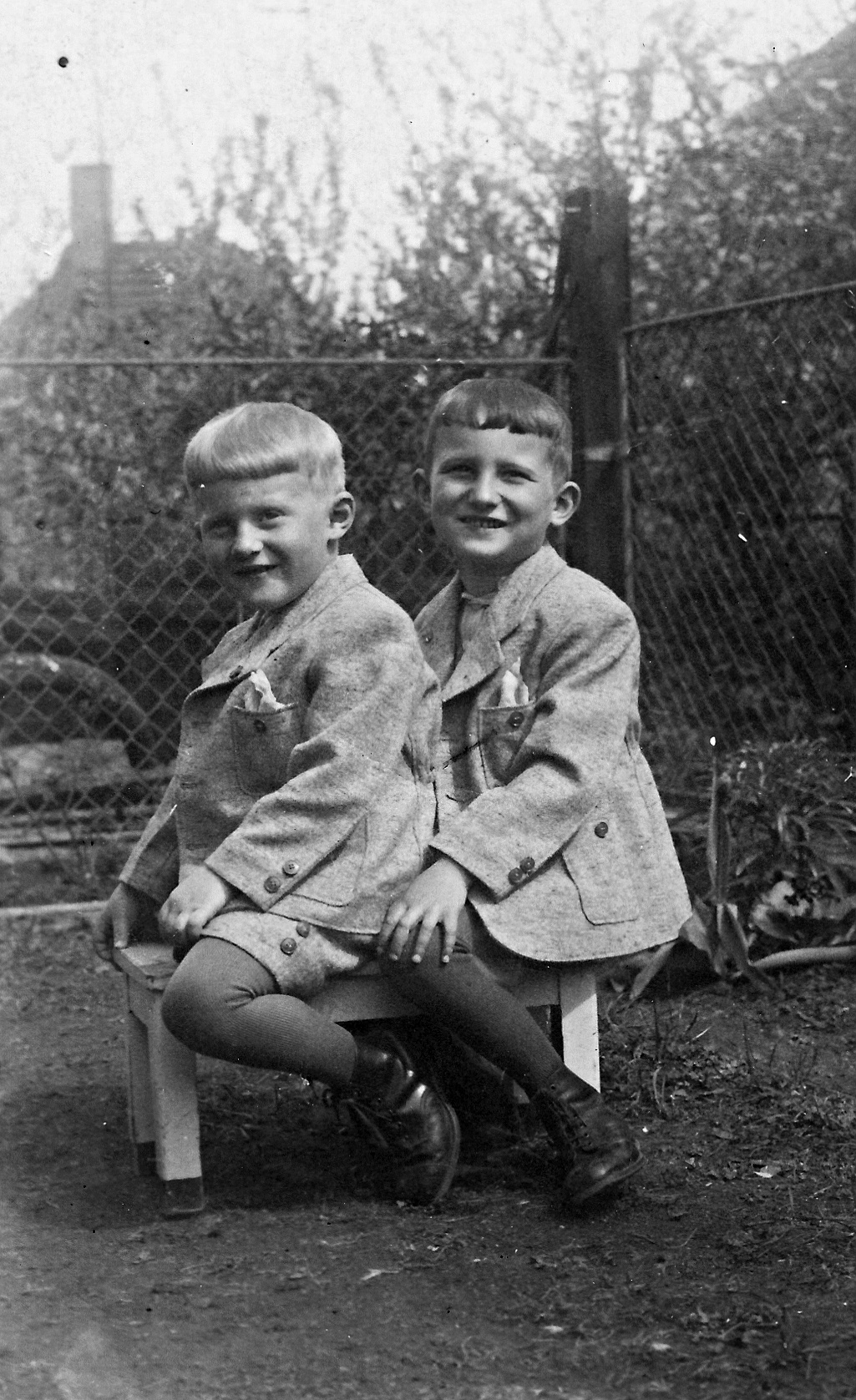
Mikuláš Havrlík, 1942
zdroj: witness

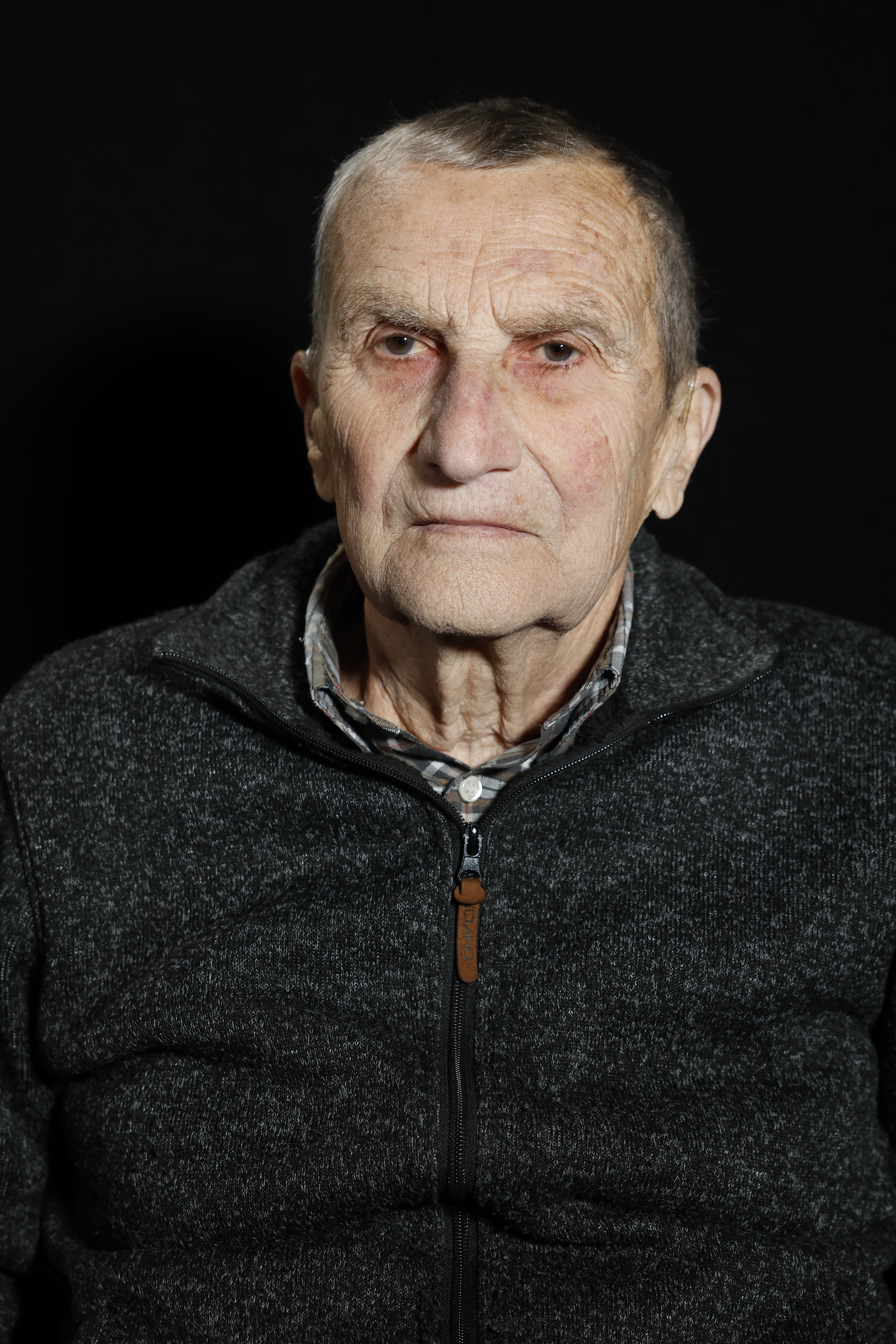
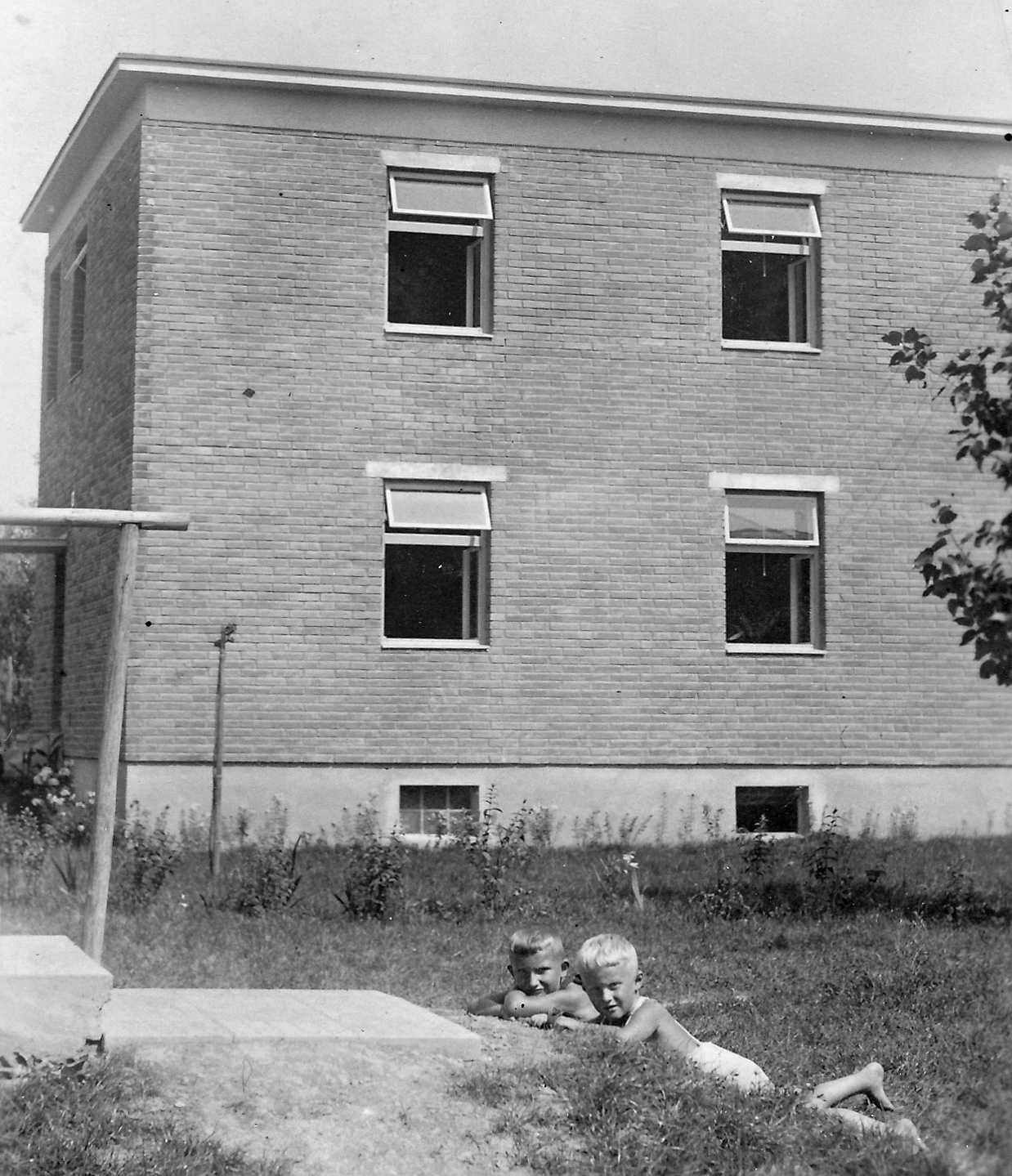
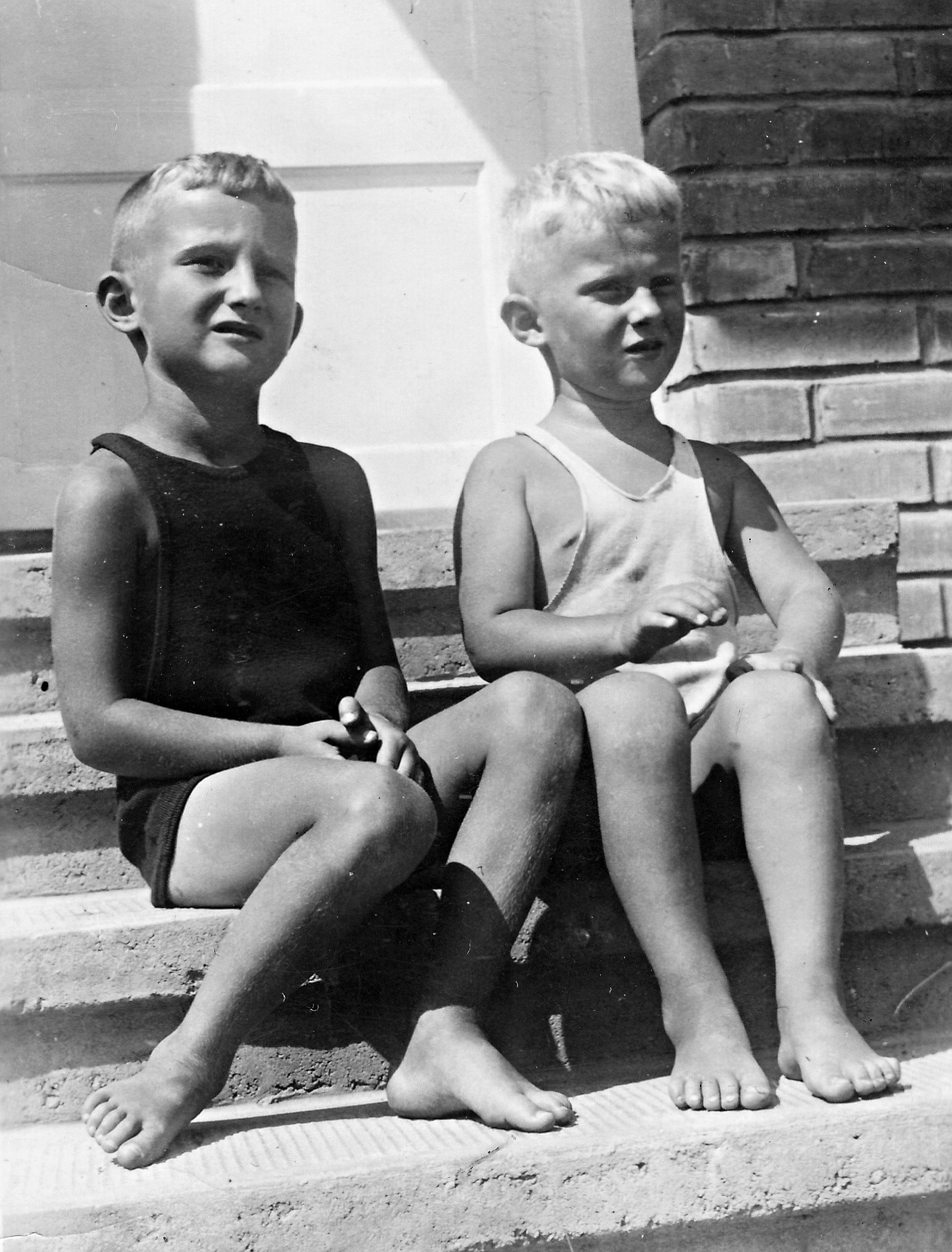
Mikuláš Havrlík was born on April 23, 1934 in Kocourkov, Teplice region. His father Mikuláš Havrlík was a renowned expert in deep coal mining. In 1938, after the occupation of the Sudetenland, he, his younger brother Svatopluk and his parents moved to Louny to live with his mother Marie Havrlíková‘s parents. His father was offered a job in the Bata mines in Ratiškovice near Zlín. The family therefore moved to Zlín, where they lived until the summer of 1945. After the war, the Havrlík family returned to Kocourkov. He studied at the grammar school in Teplice. There he experienced the efforts of some students to intimidate teachers. After graduation, he continued his studies at the Faculty of Mechanical Engineering of the Czech Technical University. In 1957, after graduation, he worked as an employee of the Organisation for the Rationalisation of Power Equipment. Three years later he returned to Teplice, where he worked at the Ignis company. From 1967 until the mid-1990s he worked at the Sklo Union glassworks in Teplice. In 2025 he lived in Teplice.