Josef Havrda

* 1940

  • "And we kept getting in their way and bothering them, until finally it came to the point where they made a criminal case and arrested my brother and me on August 4, in our fifty-ninth year, for not fulfilling our economic tasks. It was originally supposed to be a political trial - as sabotage, but we had a good lawyer, Dr. Štěpán here from Hradec Kralove, and he was able to reclassify it [with the court] as damage to operations."

  • "They were stationed there and they were liquidating things in kind from the Sudetenland, because the war booty of the Germans from the borderlands was being transported to the centre of the republic. For example, I remember huge herds of cattle grazing in the meadows between Nahořany and Černčice, and from there the cattle were wagoned in Nové Město on the railroad and sent to Russia as war booty."

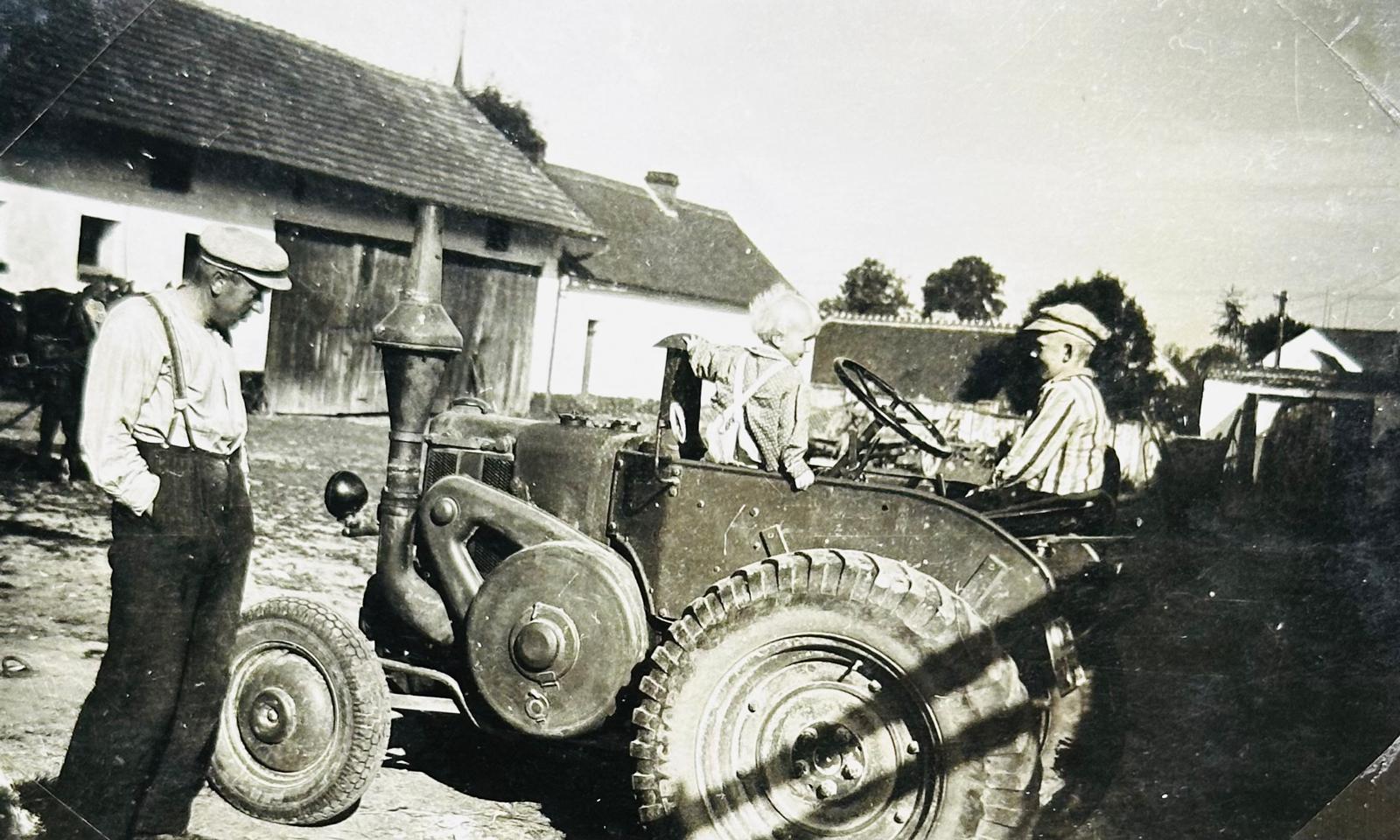
  • "I remember quite well, when the Russians came in '45, there was a staff in Nahořany. It was stationed at our farmhouse - there were armed wagons and there was cooking in the village square. There were field kitchens, so they cooked there. And normally our parents let us go among the soldiers. And quite like the soldiers, they were young men, so they took care of us and we were around them from the time we were five or six years old."

  • Celé nahrávky
  • 1

    Hradec Králové, 13.10.2025

    (audio)
    délka: 01:49:41
    nahrávka pořízena v rámci projektu Příběhy regionu - HRK REG ED
Celé nahrávky jsou k dispozici pouze pro přihlášené uživatele.

I was born free and I should end free
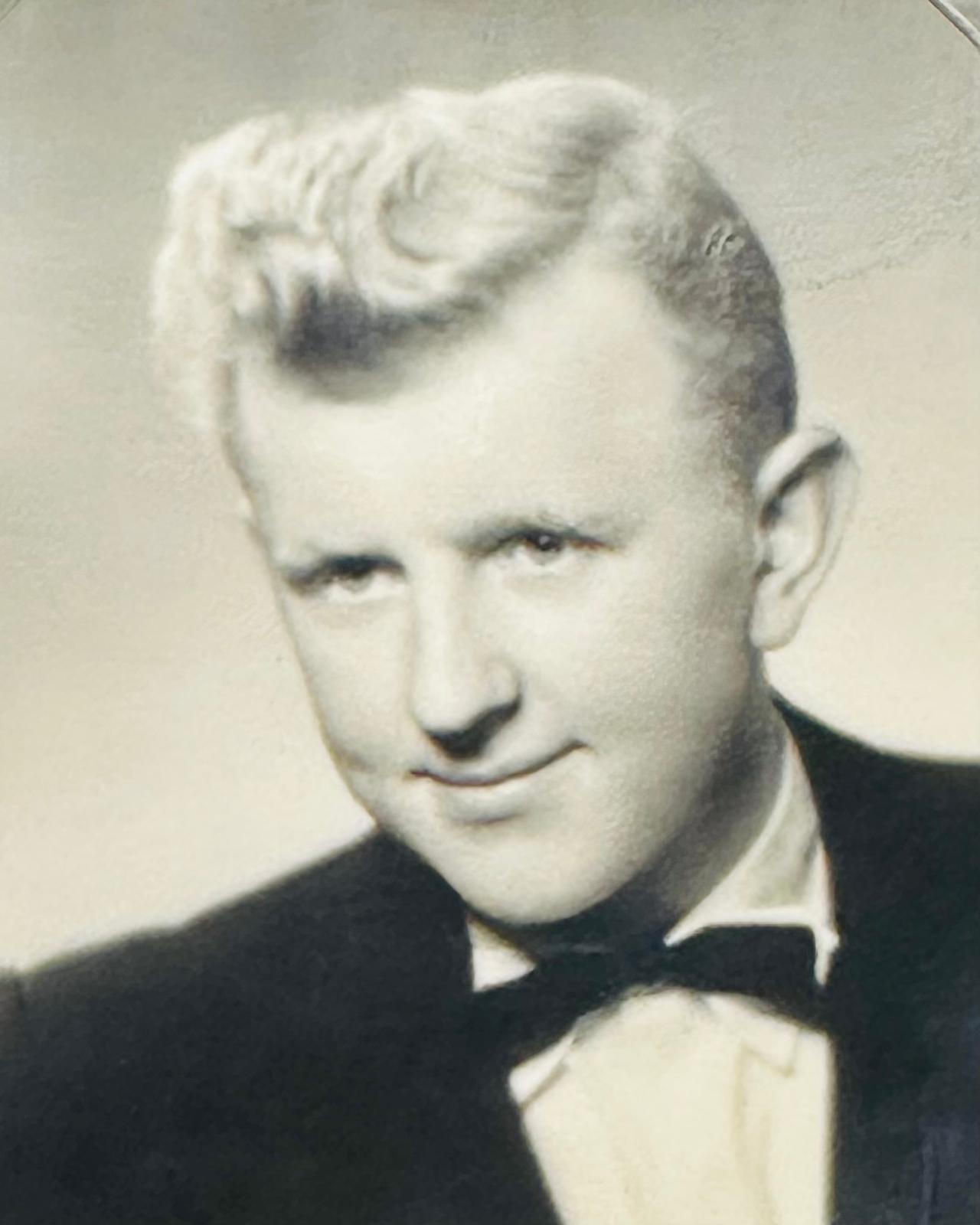
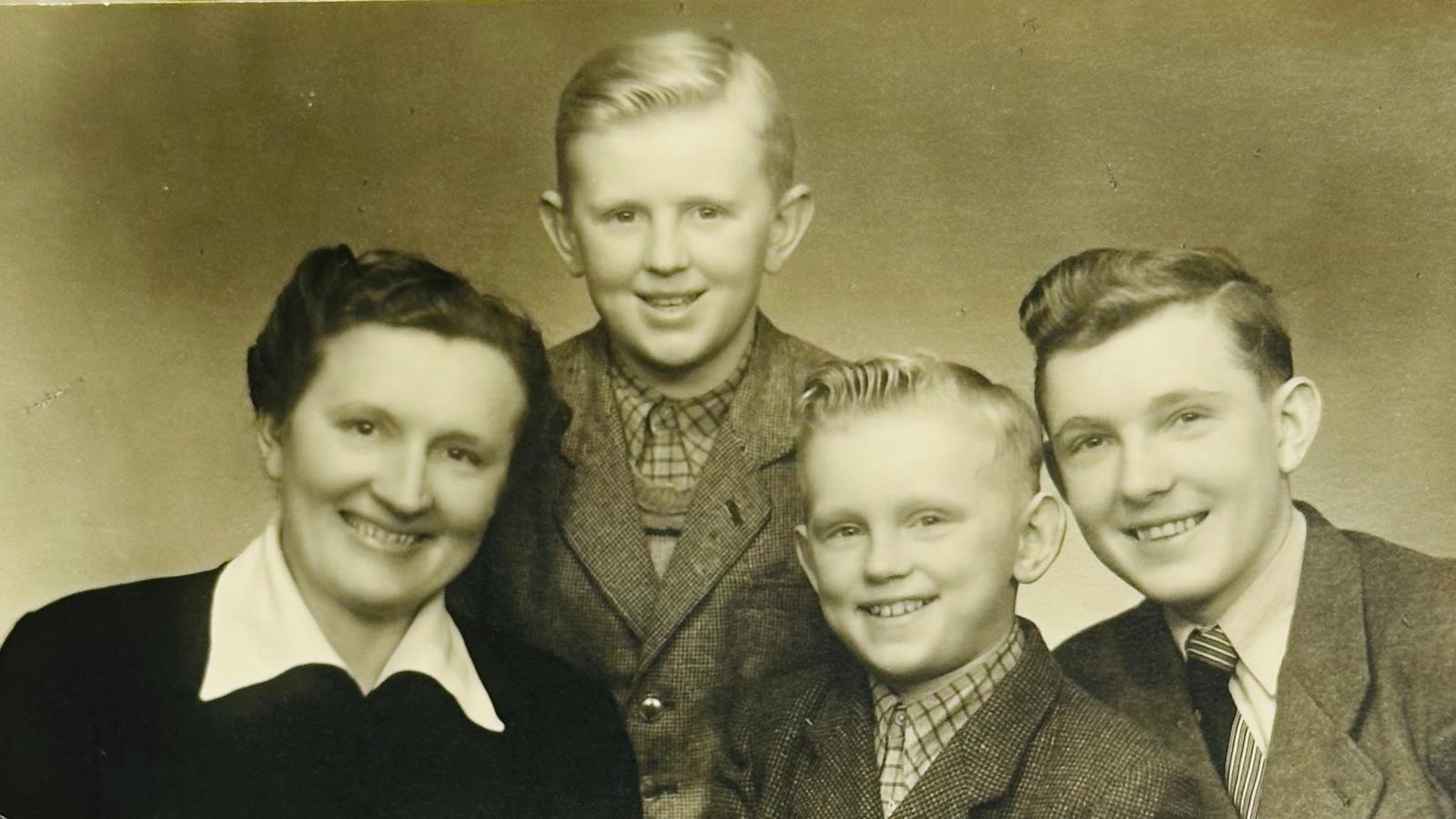
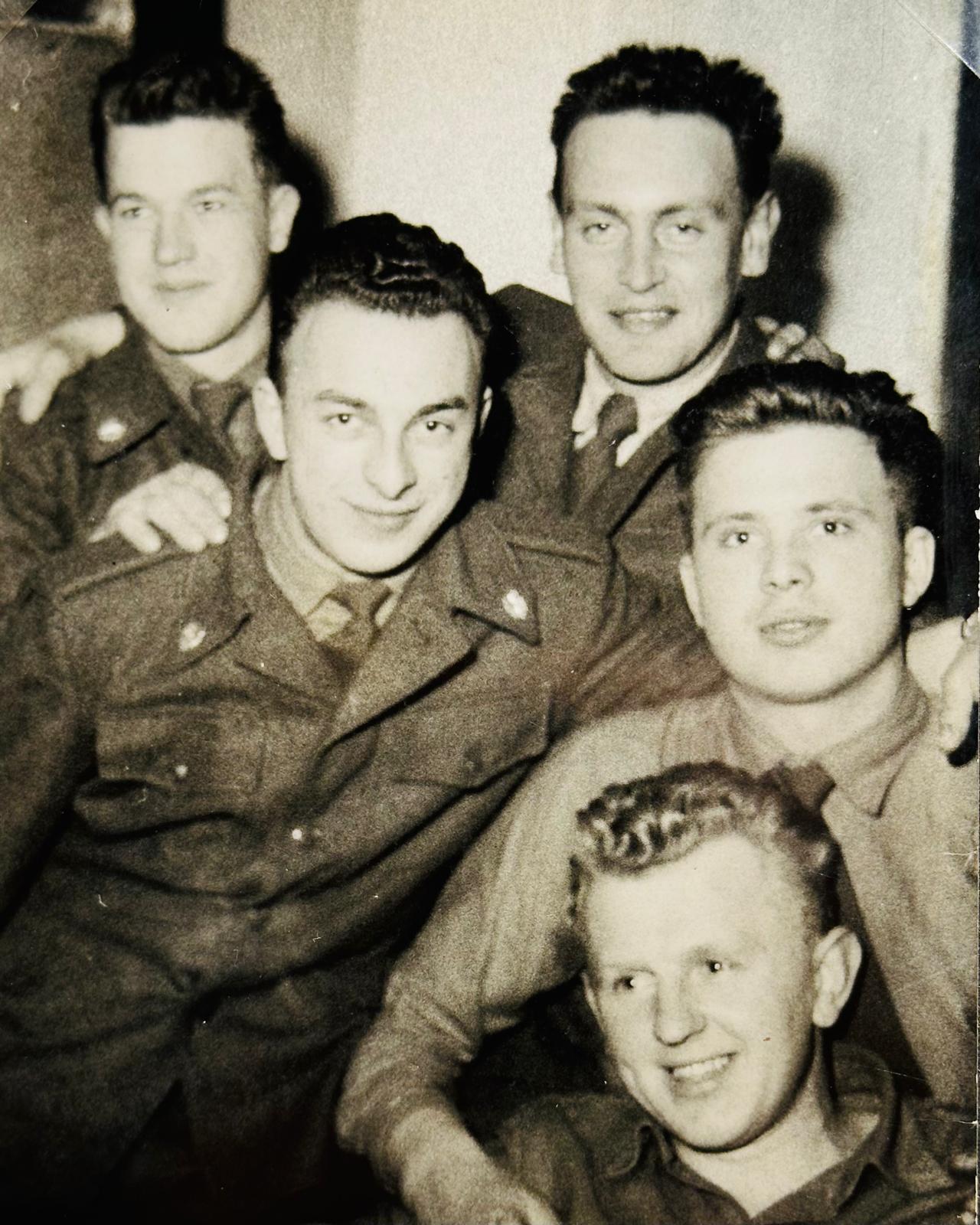
Josef Havrda in 1959
zdroj: archive of a witness

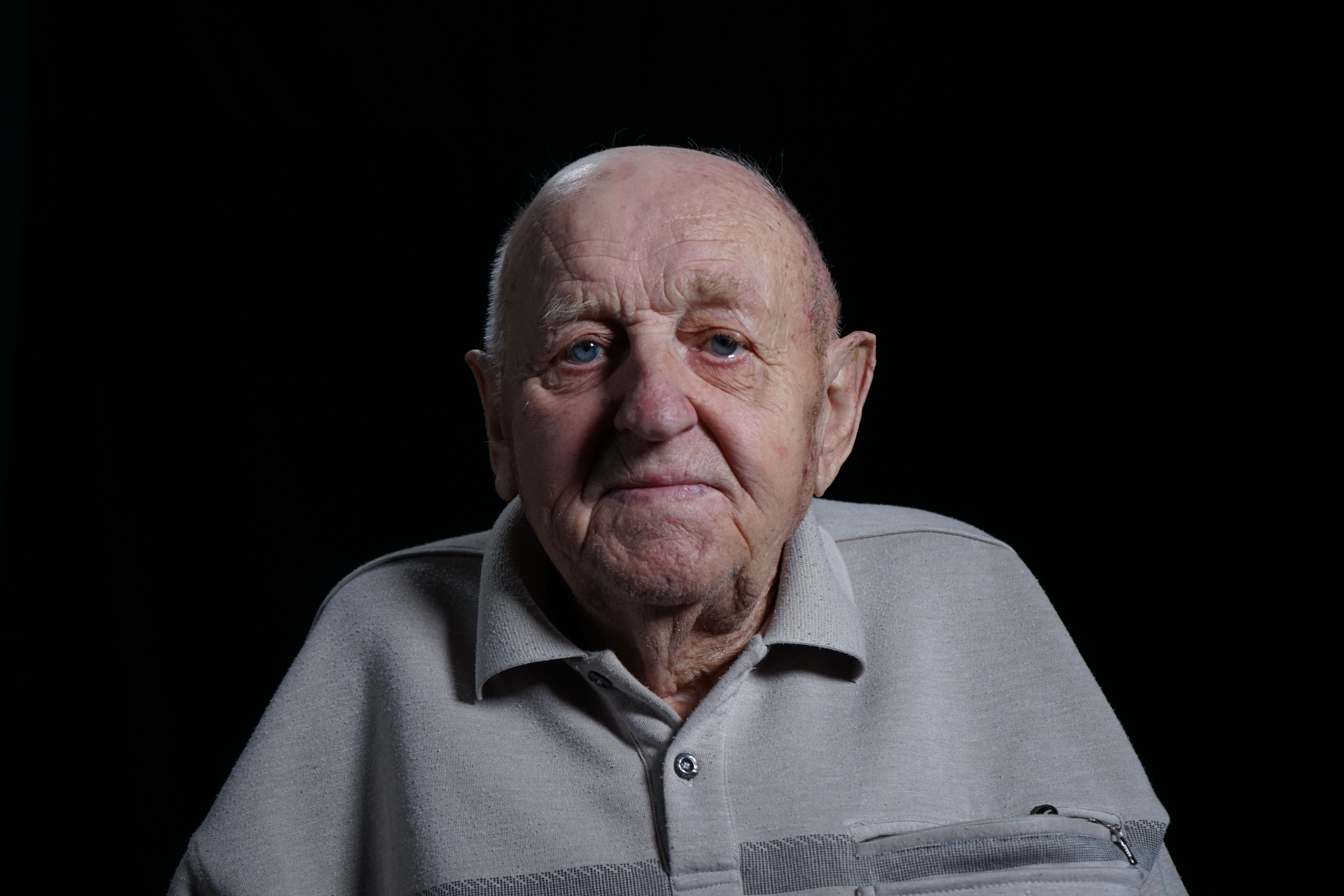
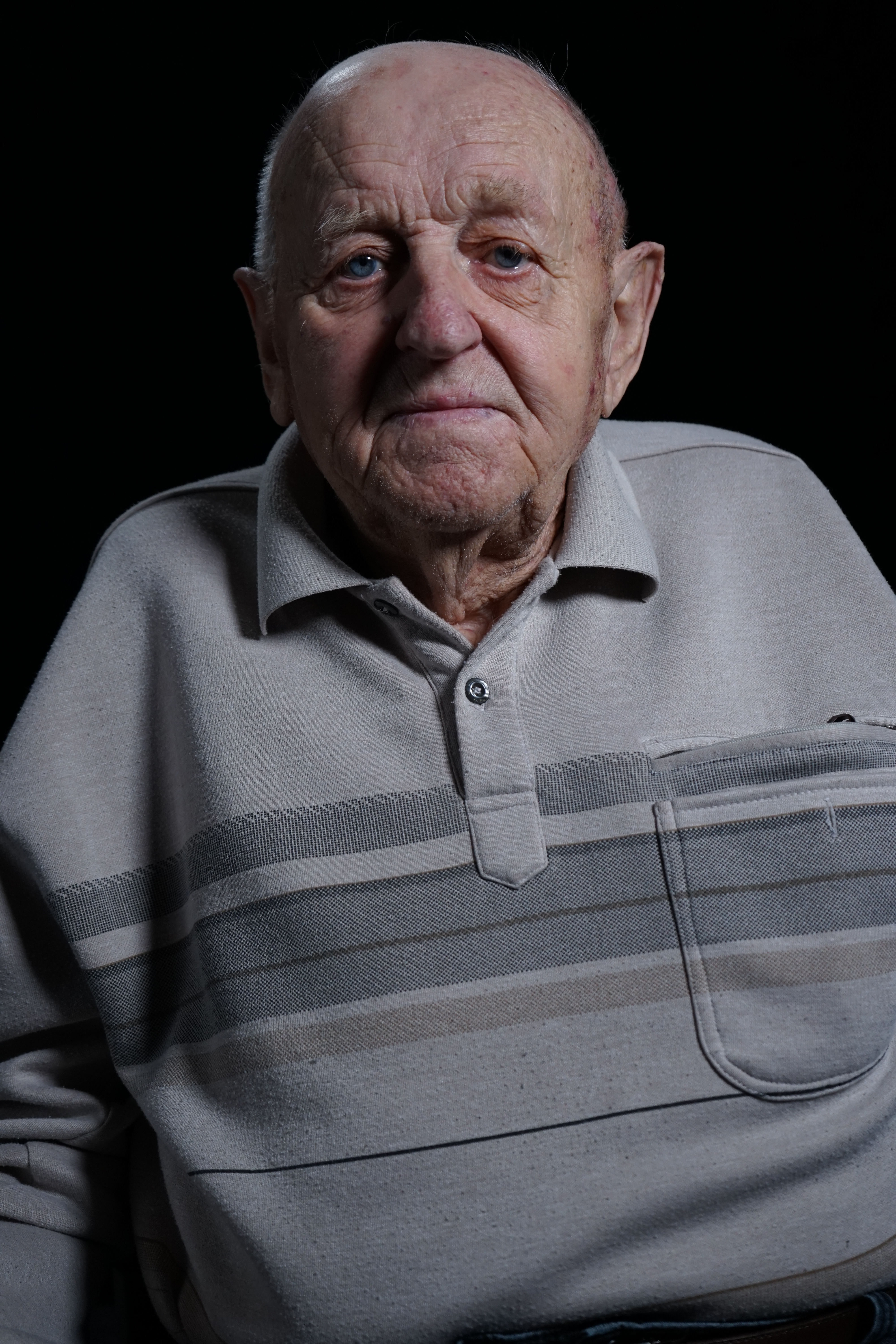
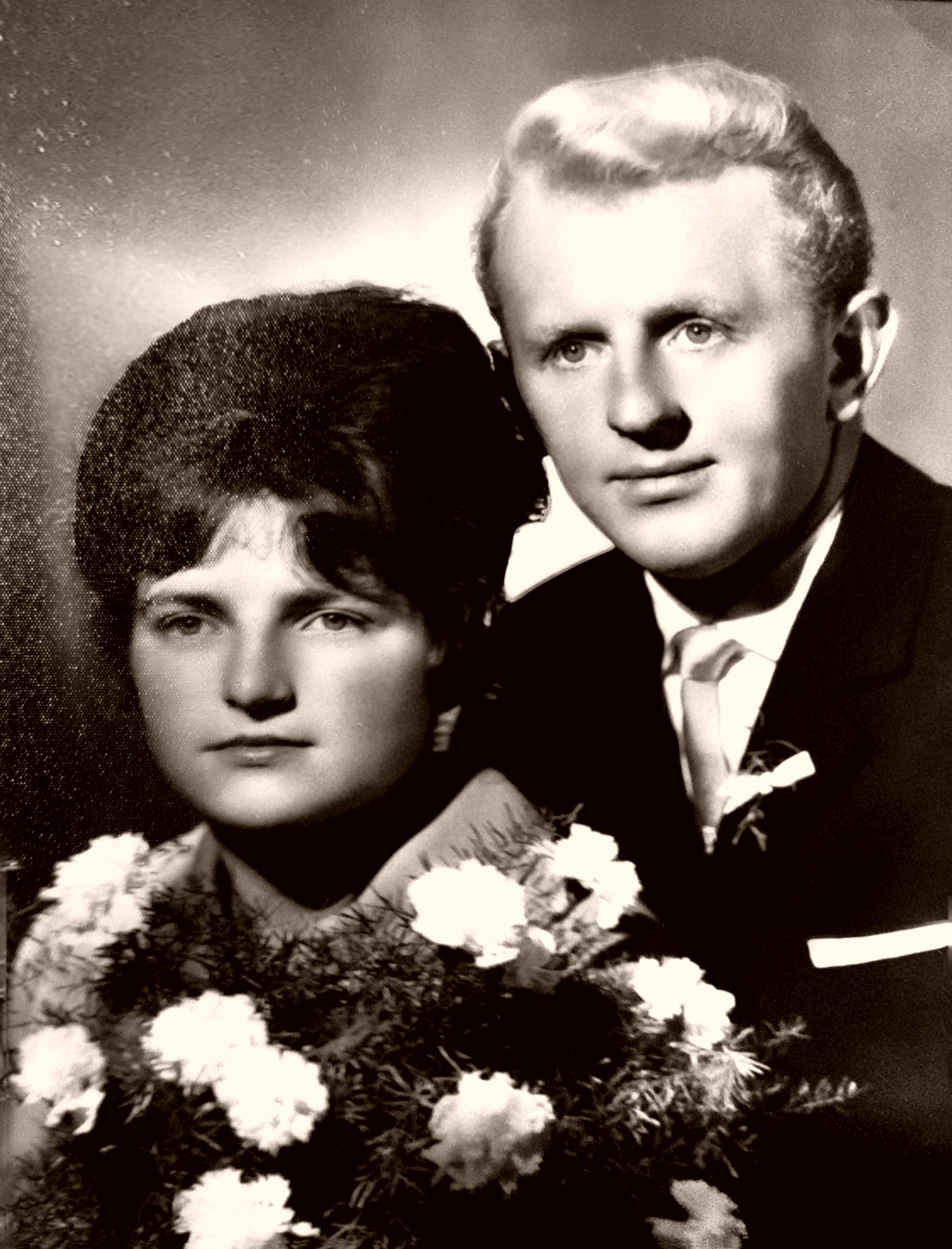
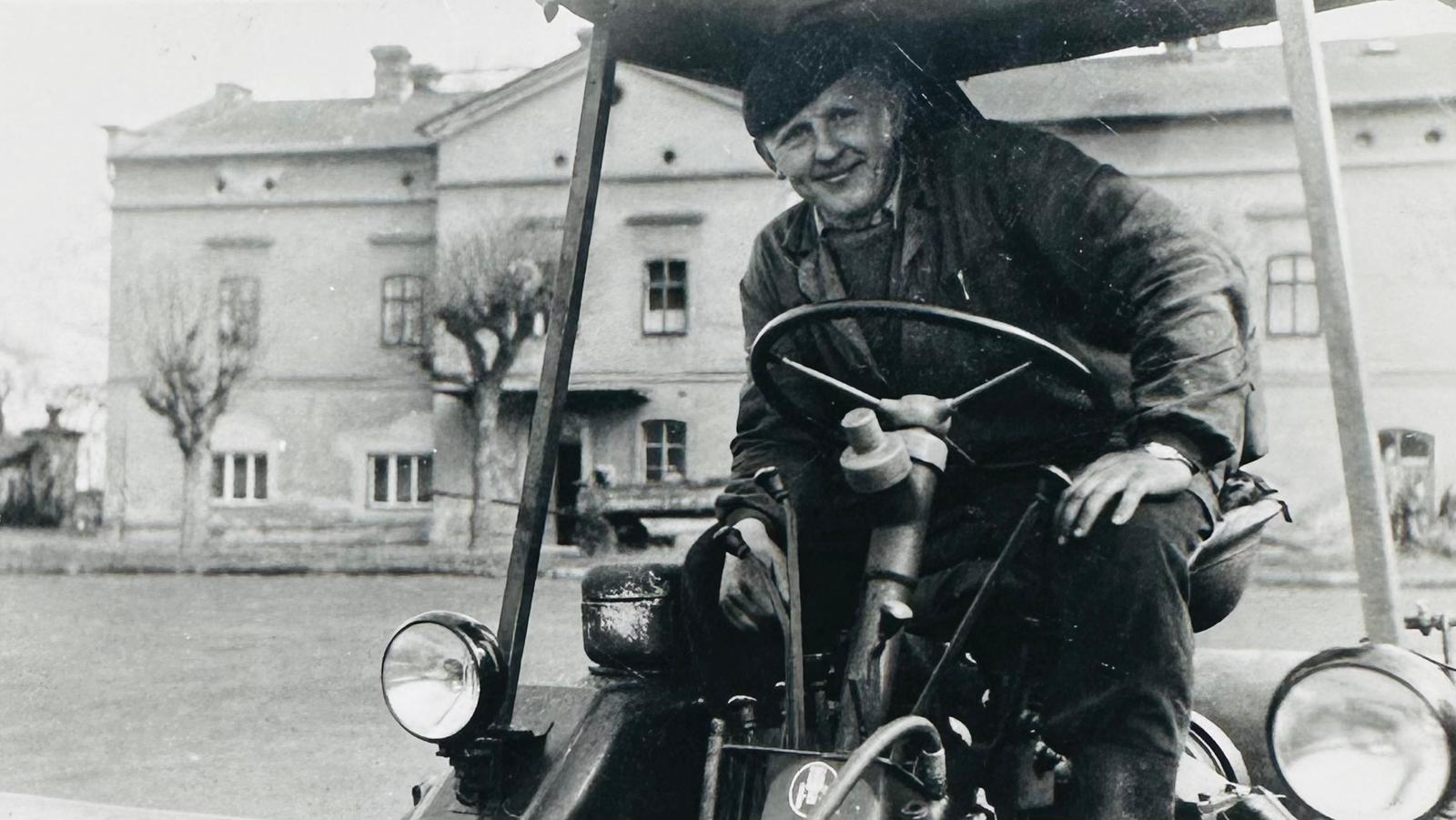
Josef Havrda was born on March24, 1940 in Nahořany into a landowning family whose economic tradition dates back to the 19th century. He spent his childhood on the family farm during the Second World War, when the Soviet headquarters was stationed there for more than a year. He also witnessed the post-war removal of Germans from the former Sudetenland. After 1948, his family faced the pressure of collectivisation. In 1957 they had to leave the farm and two years later the Havrd brothers were sentenced. Josef spent nine months in harsh conditions in the correctional labour camps of Polák and Nové Sedlo. After his return, he worked on the state farm. He married in 1965 and in 1972 he and his wife settled in Probluz, where his wife‘s family had lived before they were evicted by the communist regime. After the Velvet Revolution he regained his property in restitution proceedings and set up his own business. At the time of filming (2025), Josef Havrda lived in Probluz.