“I worked for a farmer here in Bocanovice, we rode to the forest for wood – where the tall railroad bridge, to Lomná we went, and a bit further, above the bridge, there was blood on the road and next to it was a grave, later we learned that they had to dig them out and the Germans buried them there, three men – father, brother-in-law, and son.”
“I was also supposed to enter the military but it was already… the 3rd of January [1945] so I said that the front is near and I didn’t enter, while my uncle here had two sons in the military service so it was safe to hide there because they weren’t searching there since they were in the military, none of them came back. So I hid there and survived but it was risky, twice the SS were here, asking where I was. And mama says: “What? He fell? He already fell?” They were saying that I’d been drafted and I’d already fallen when the soldiers came. So they asked whether we had any eggs to spare… so they gave them eggs and they left. Ten days later they were back…”
My uncle had two sons in the Wehrmacht, neither came back
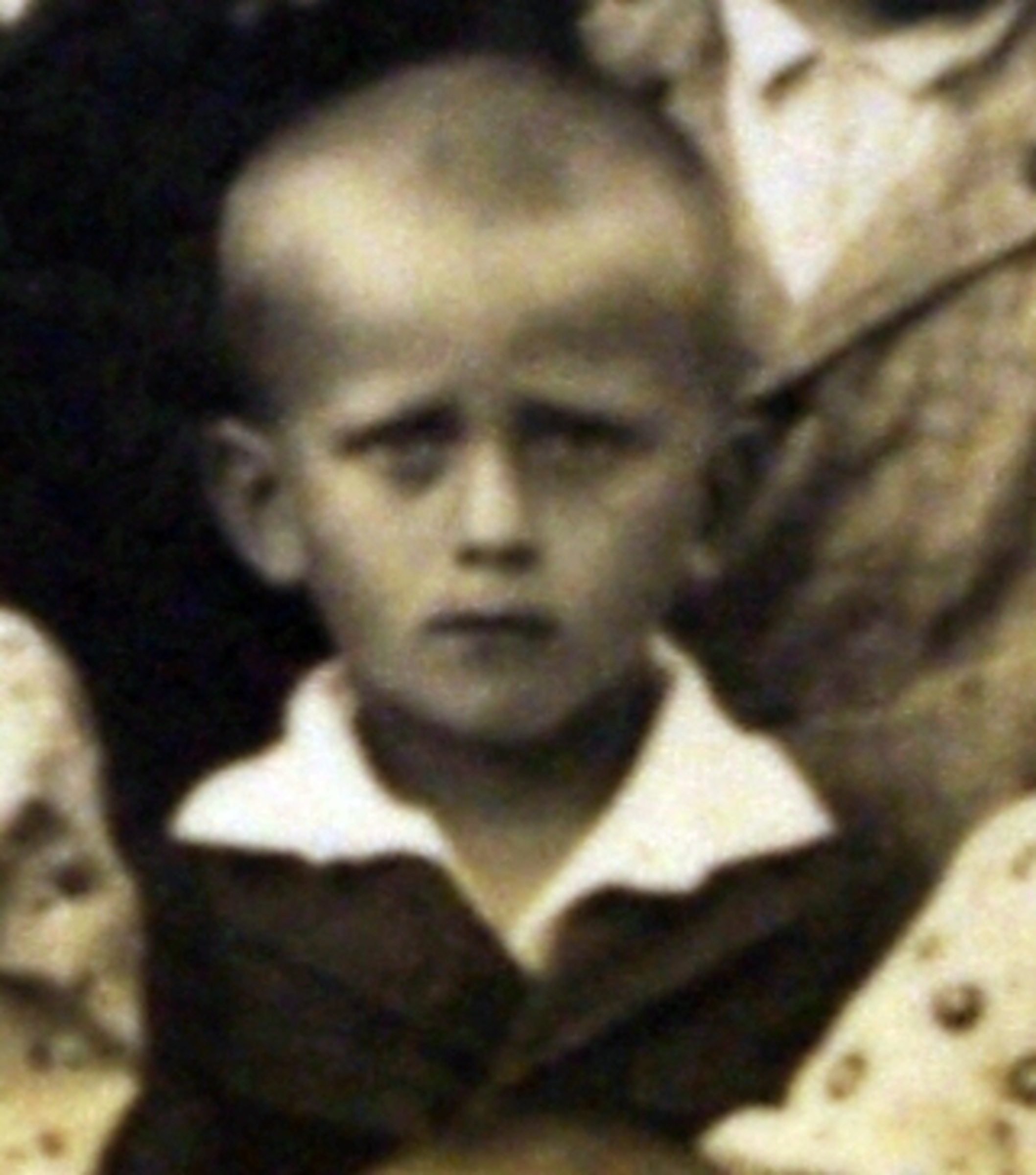
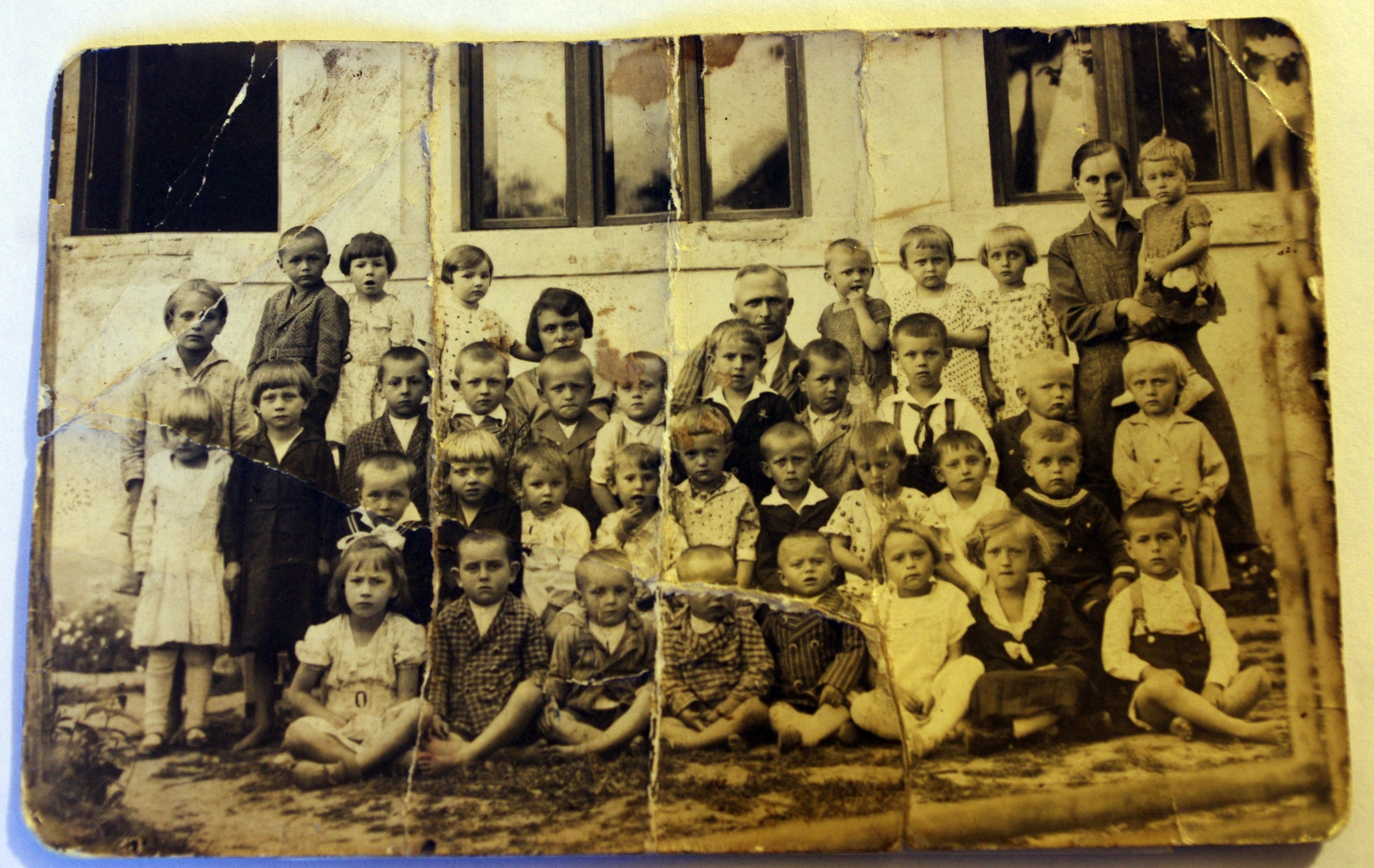
Pamětníkova školní fotografie: výřez portrétu pamětníka
zdroj: ofoceno při návštěvě u pamětníka 15. května 2014
zdroj: ofoceno při návštěvě u pamětníka 15. května 2014
Stáhnout obrázek
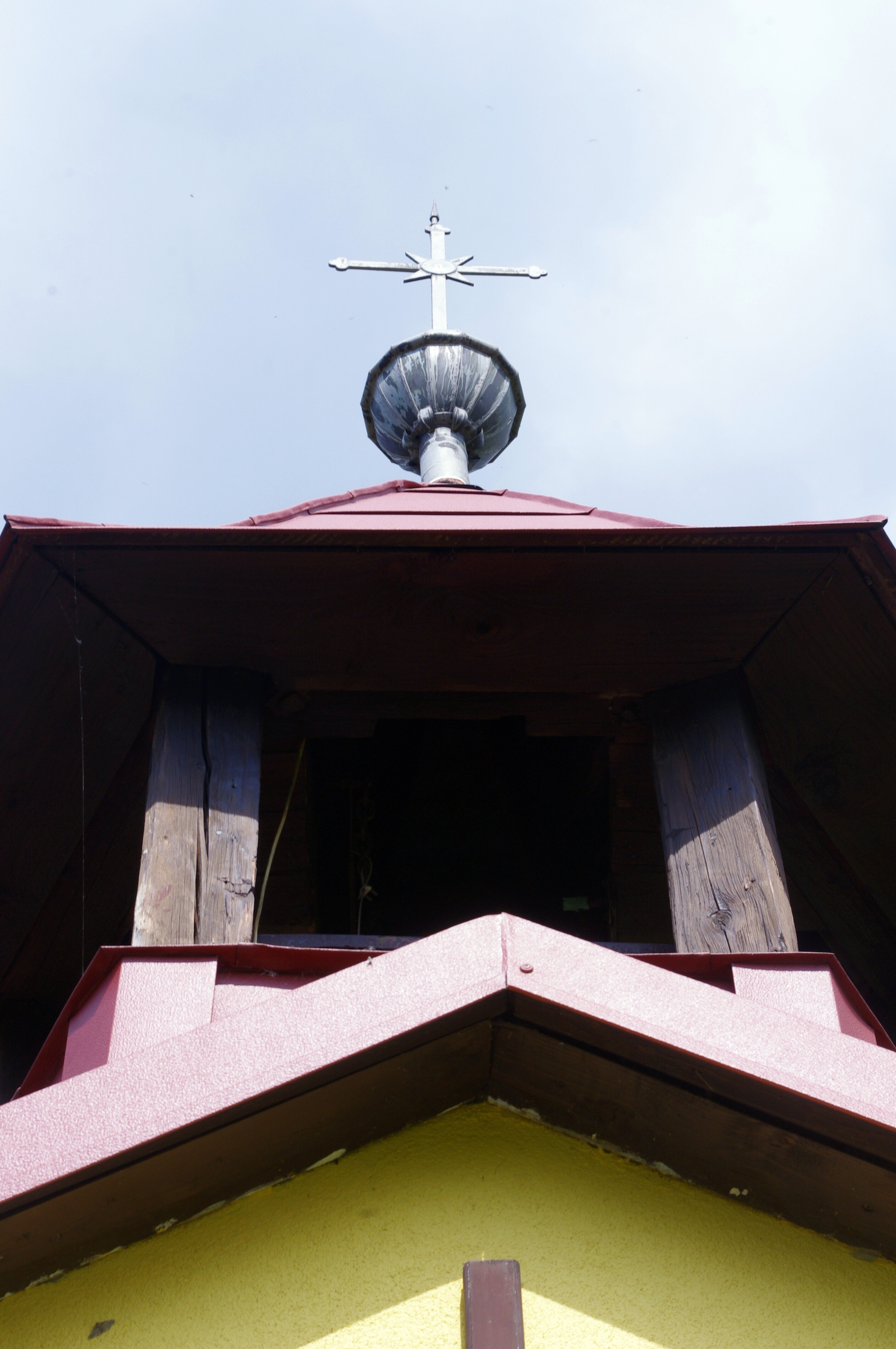
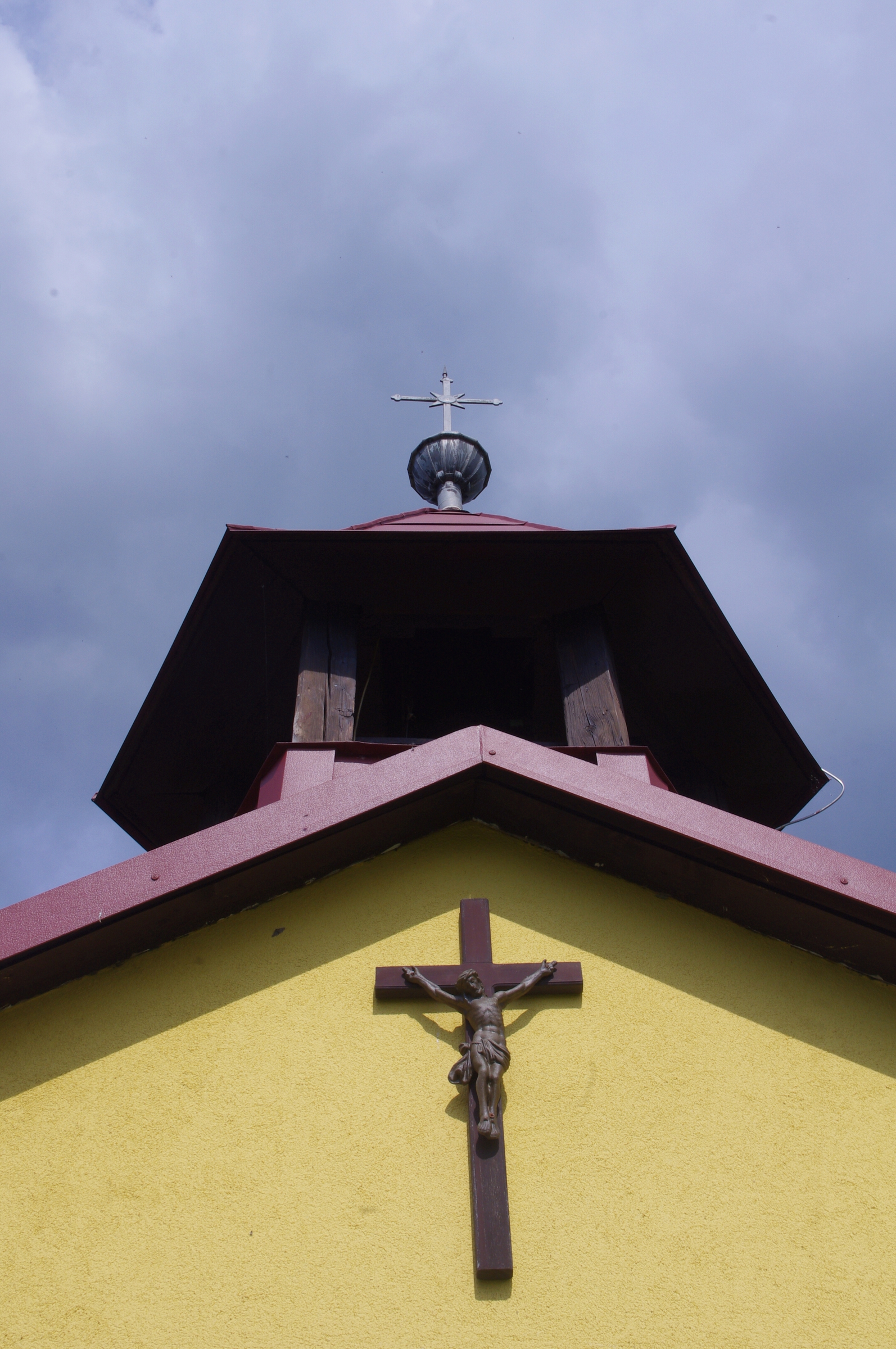
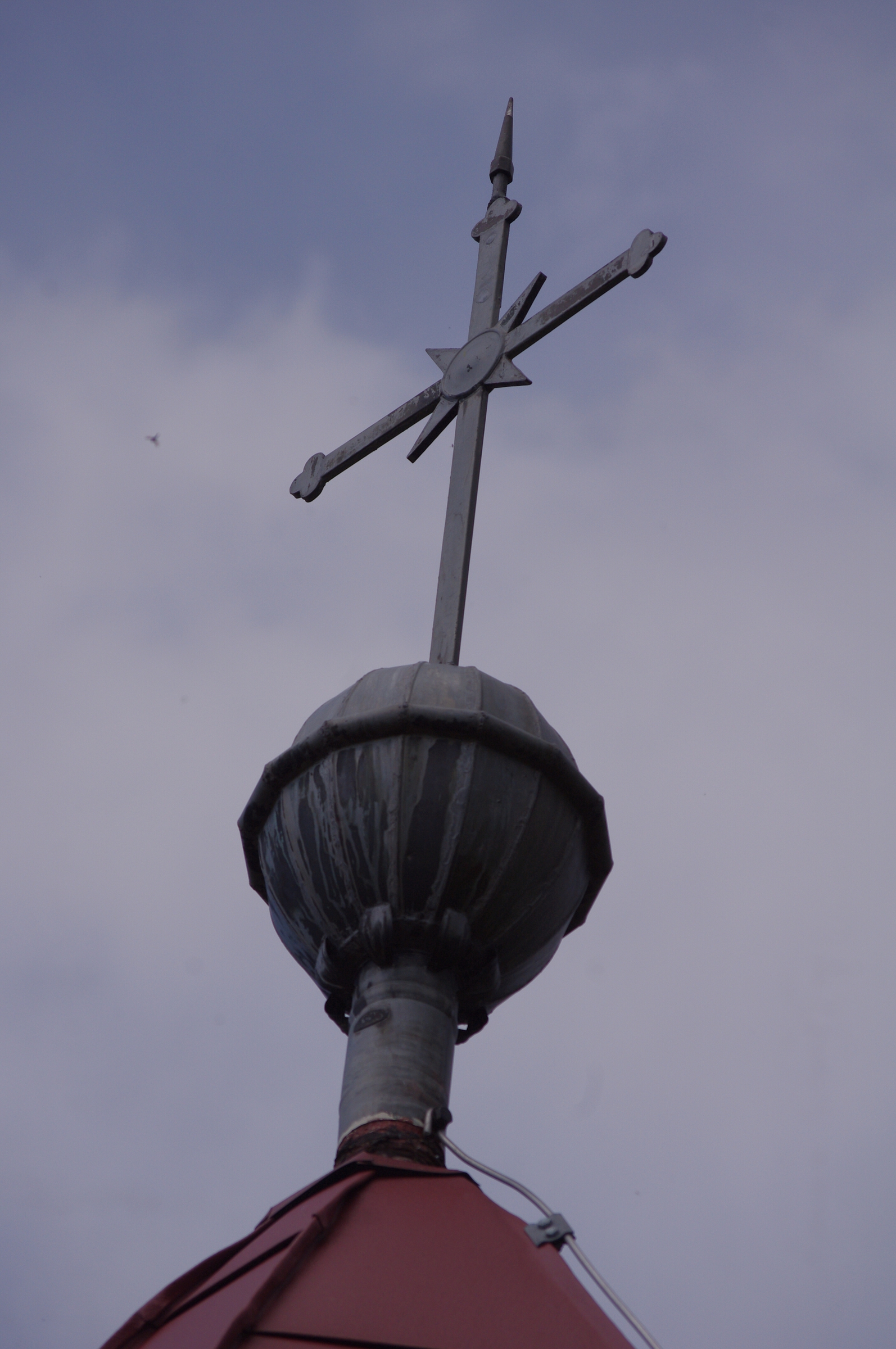
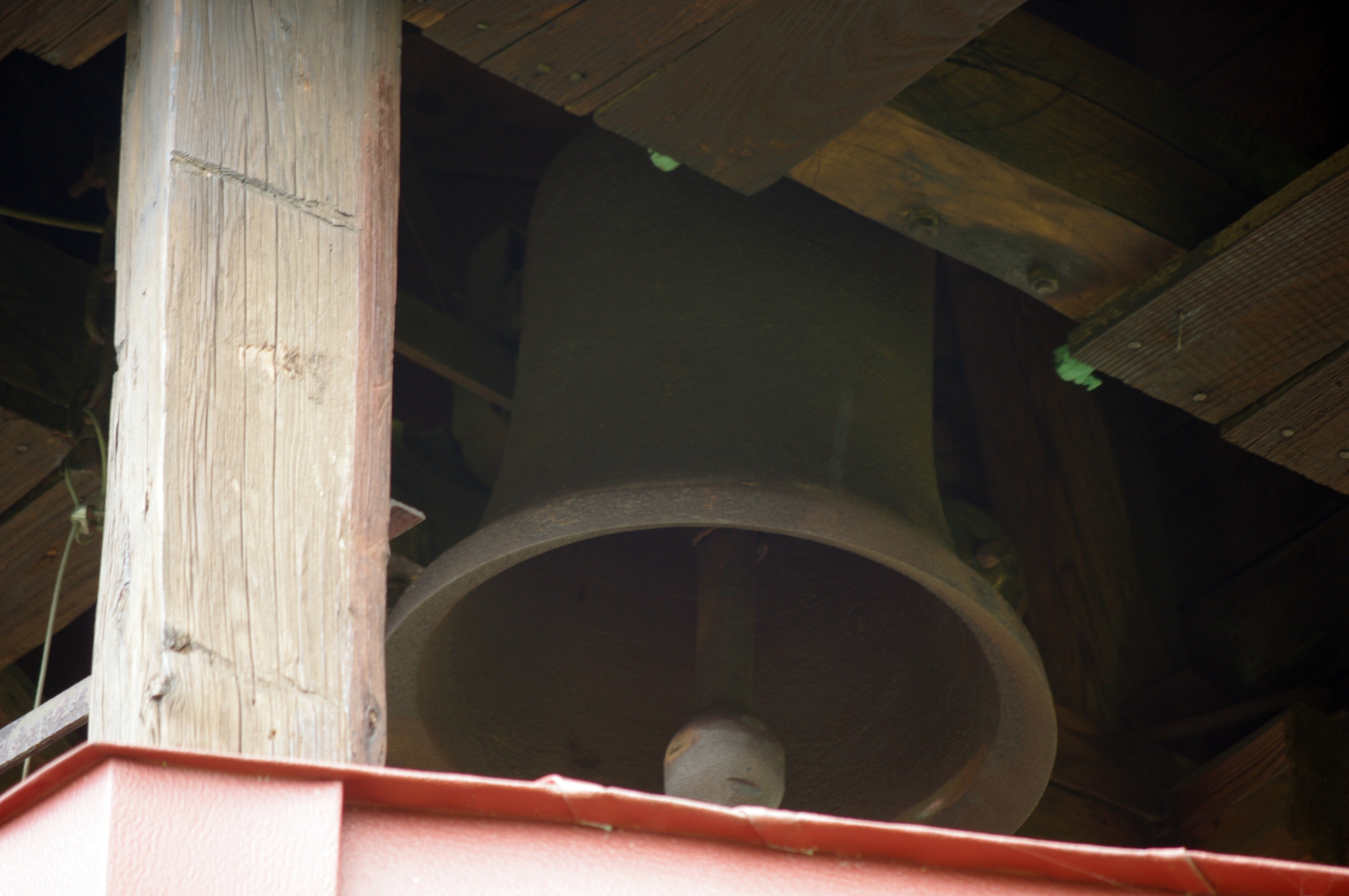
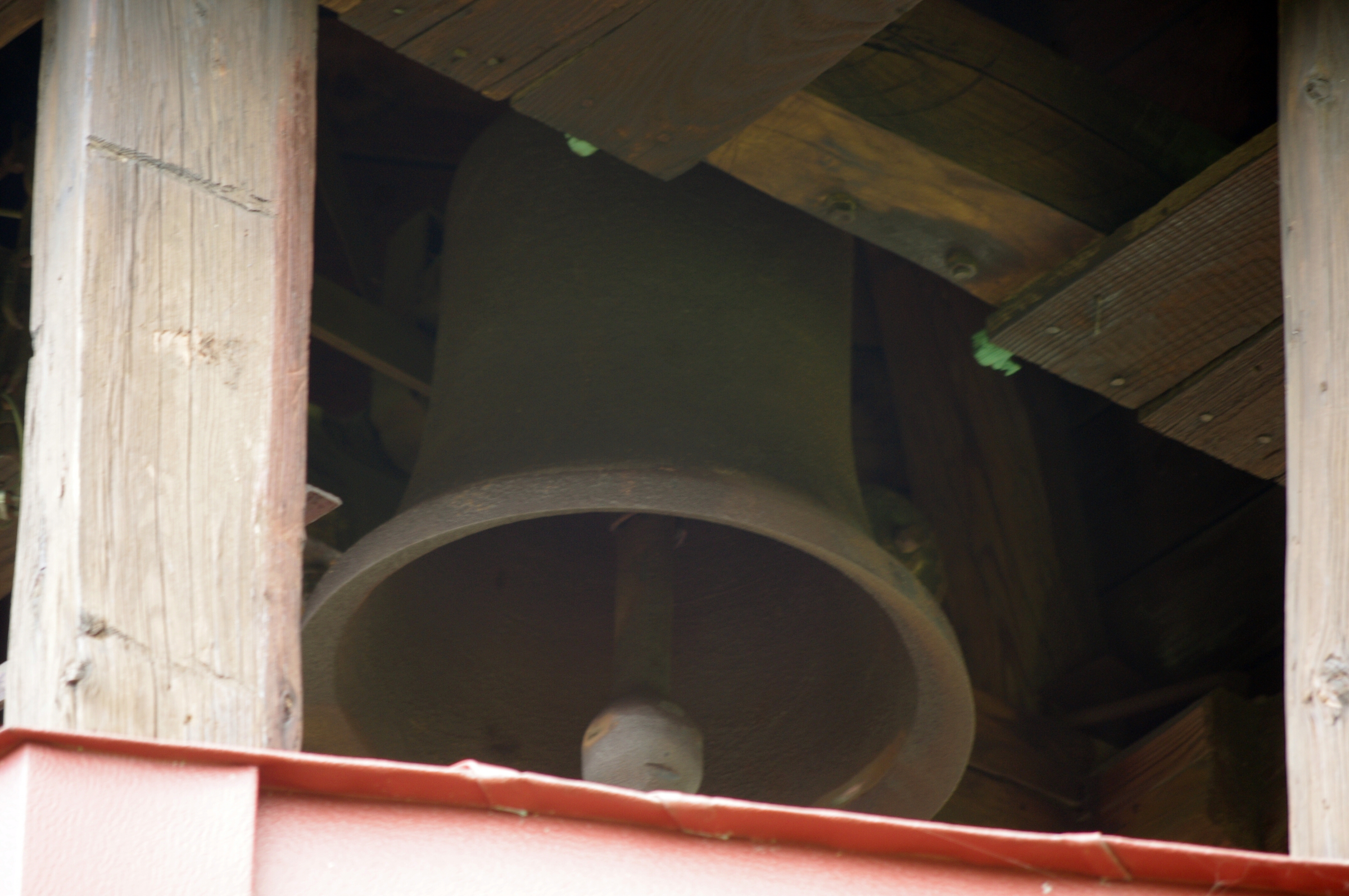
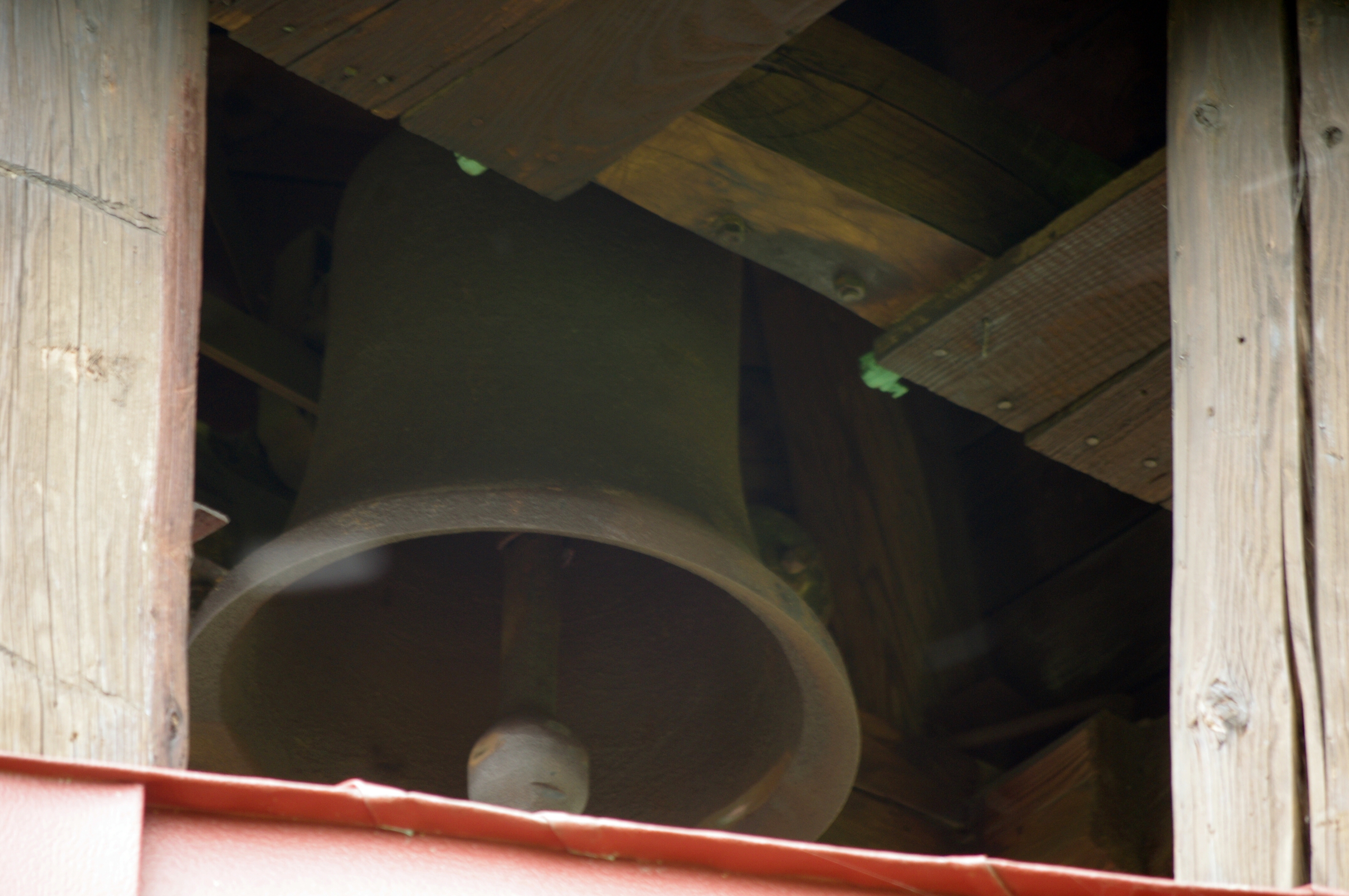
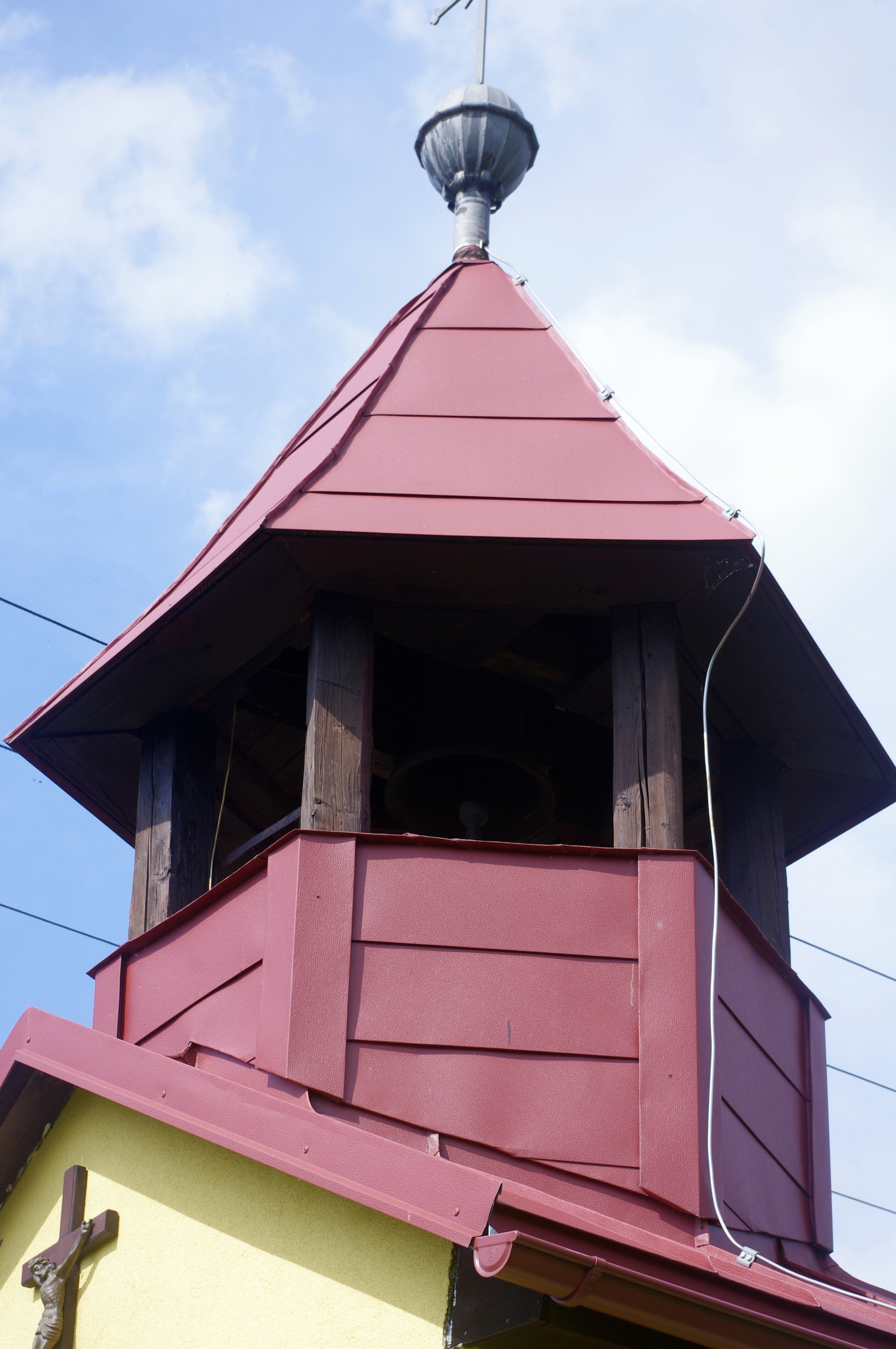
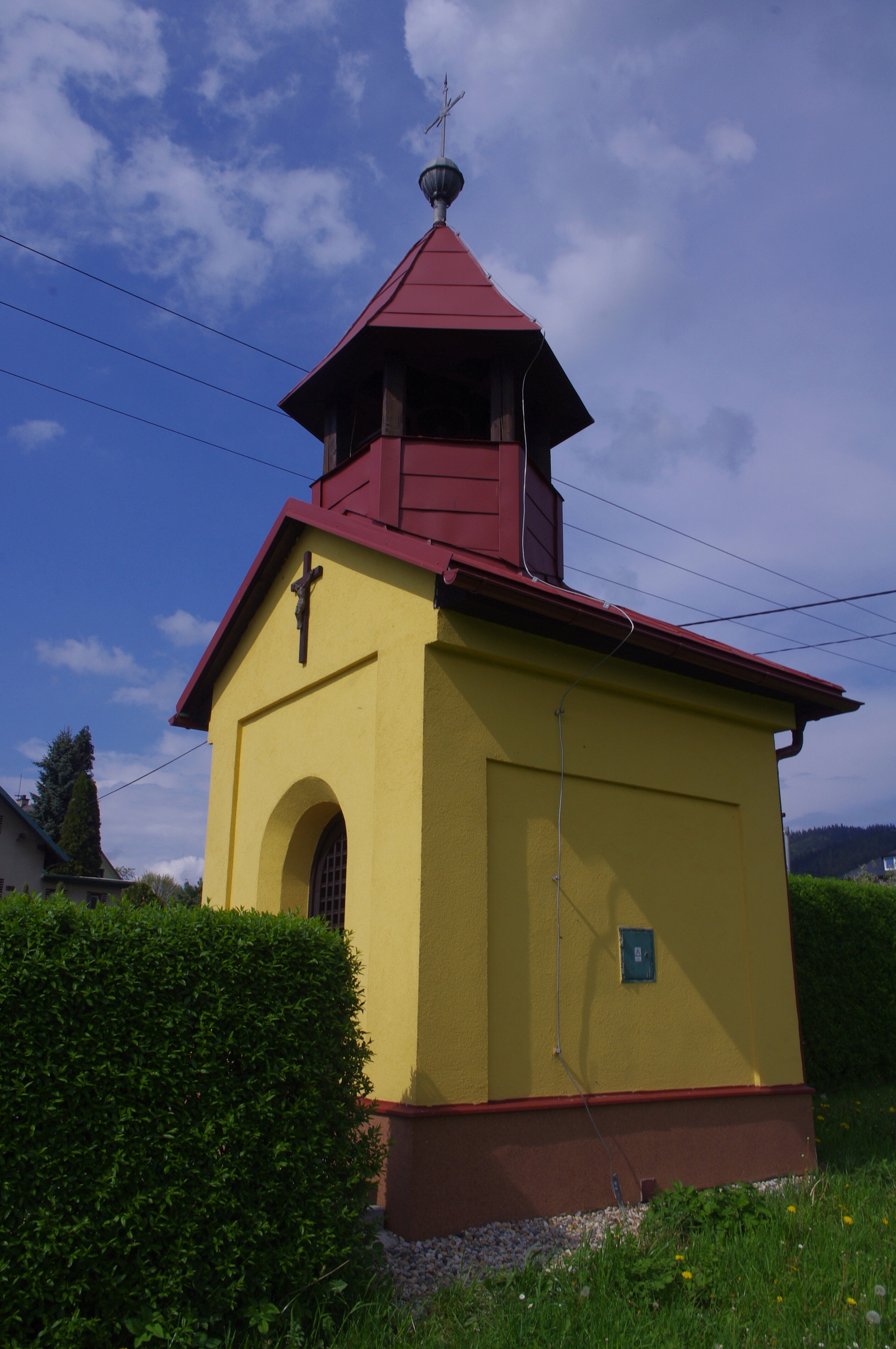
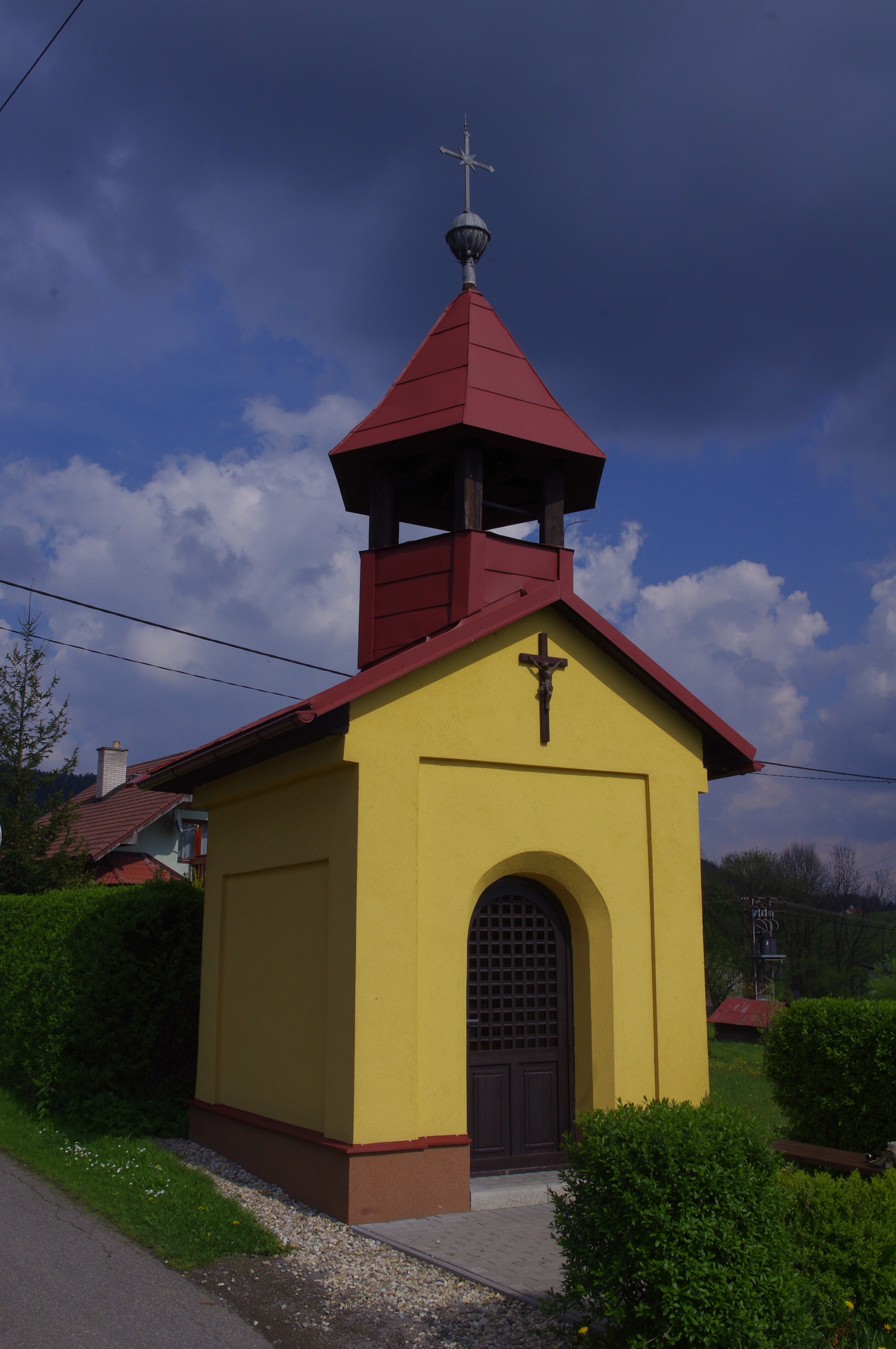
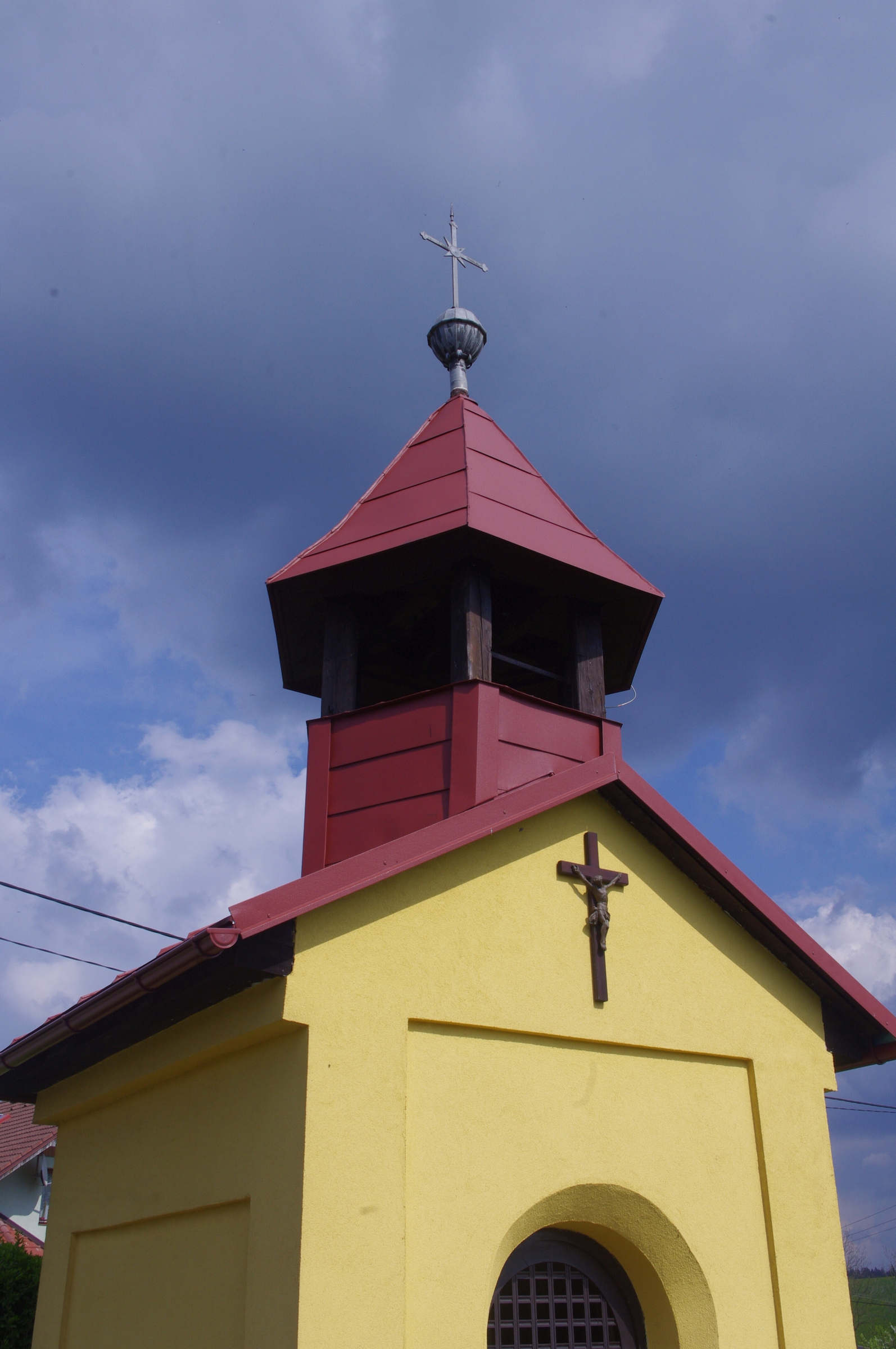
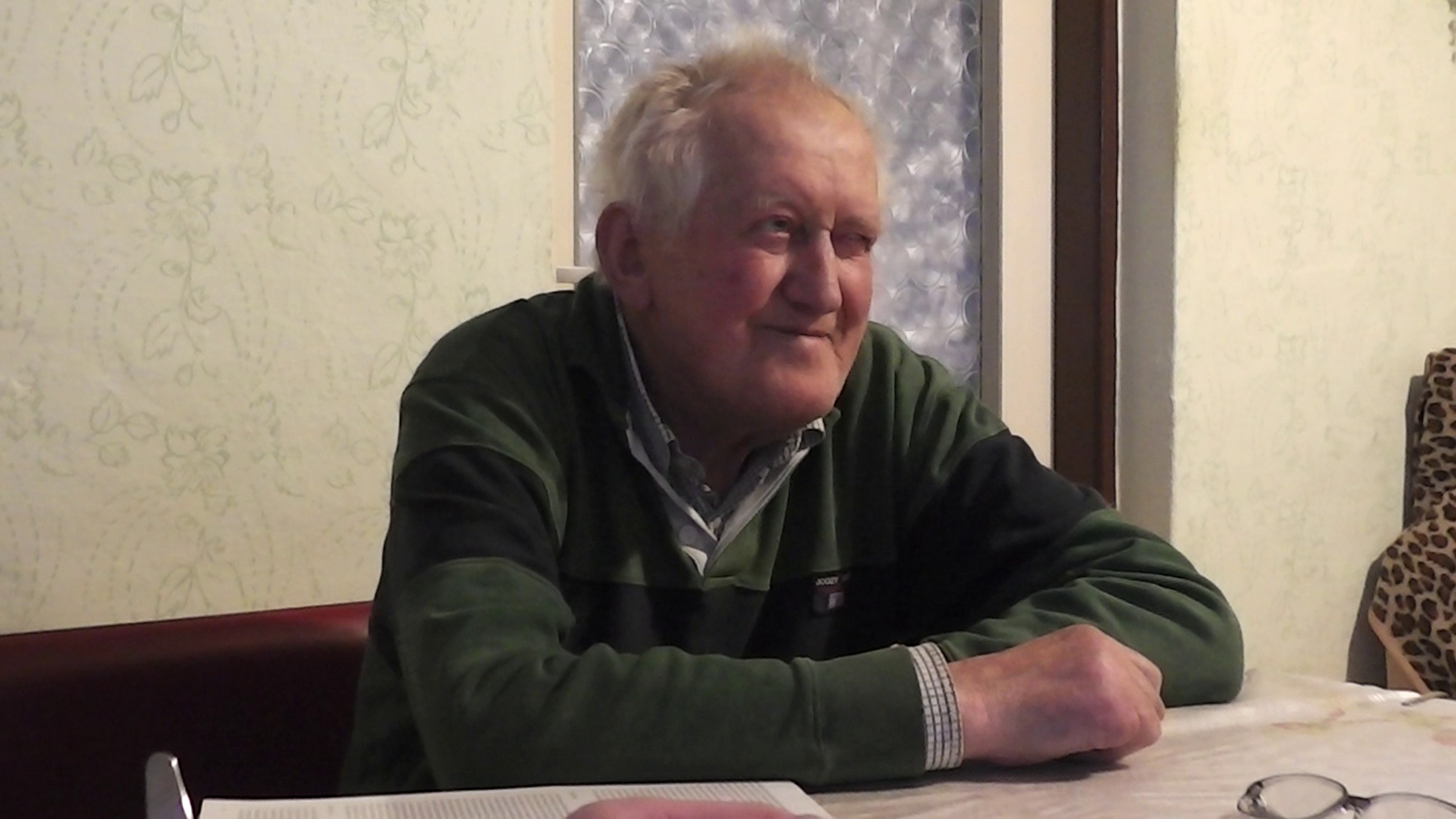
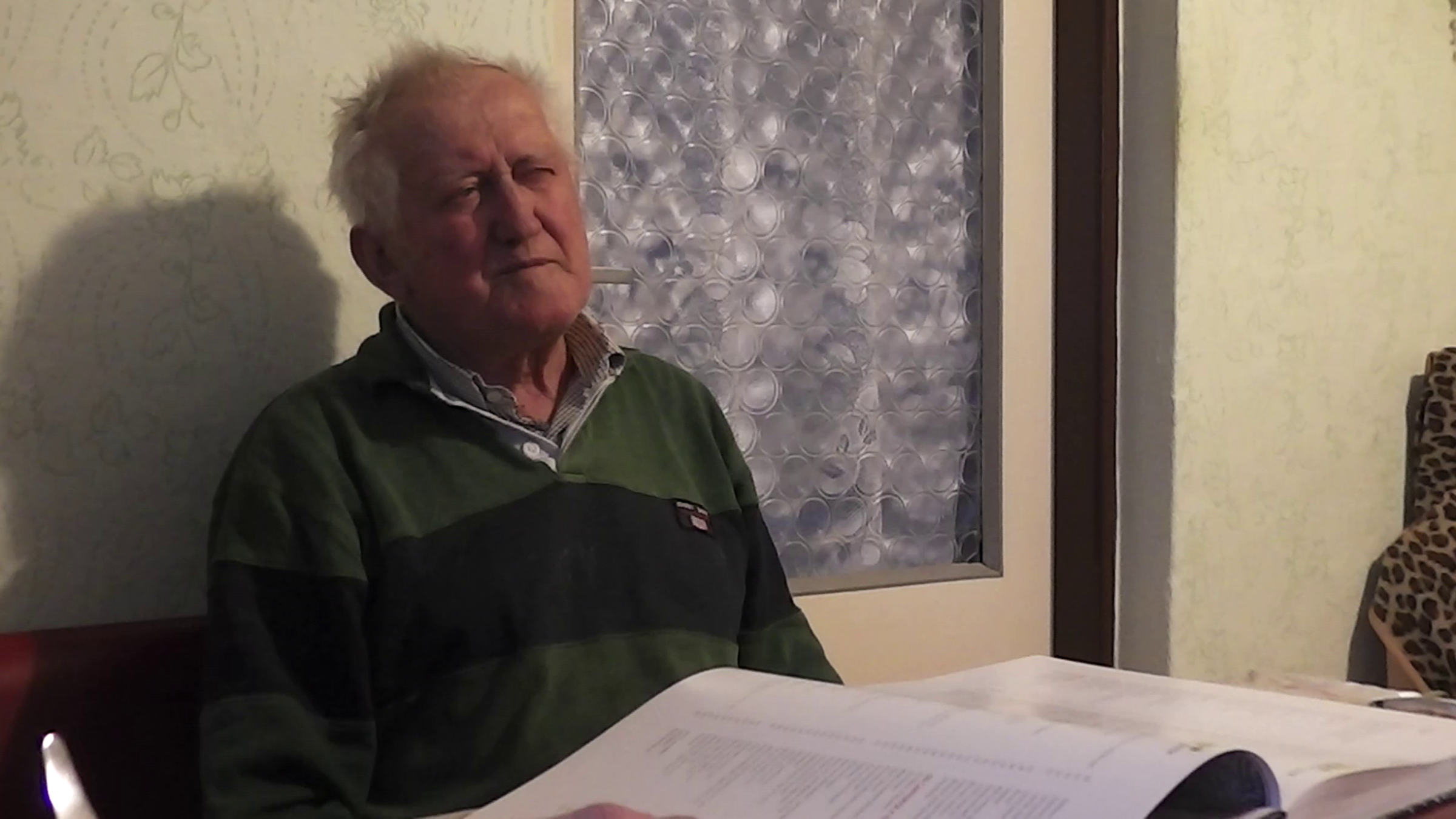
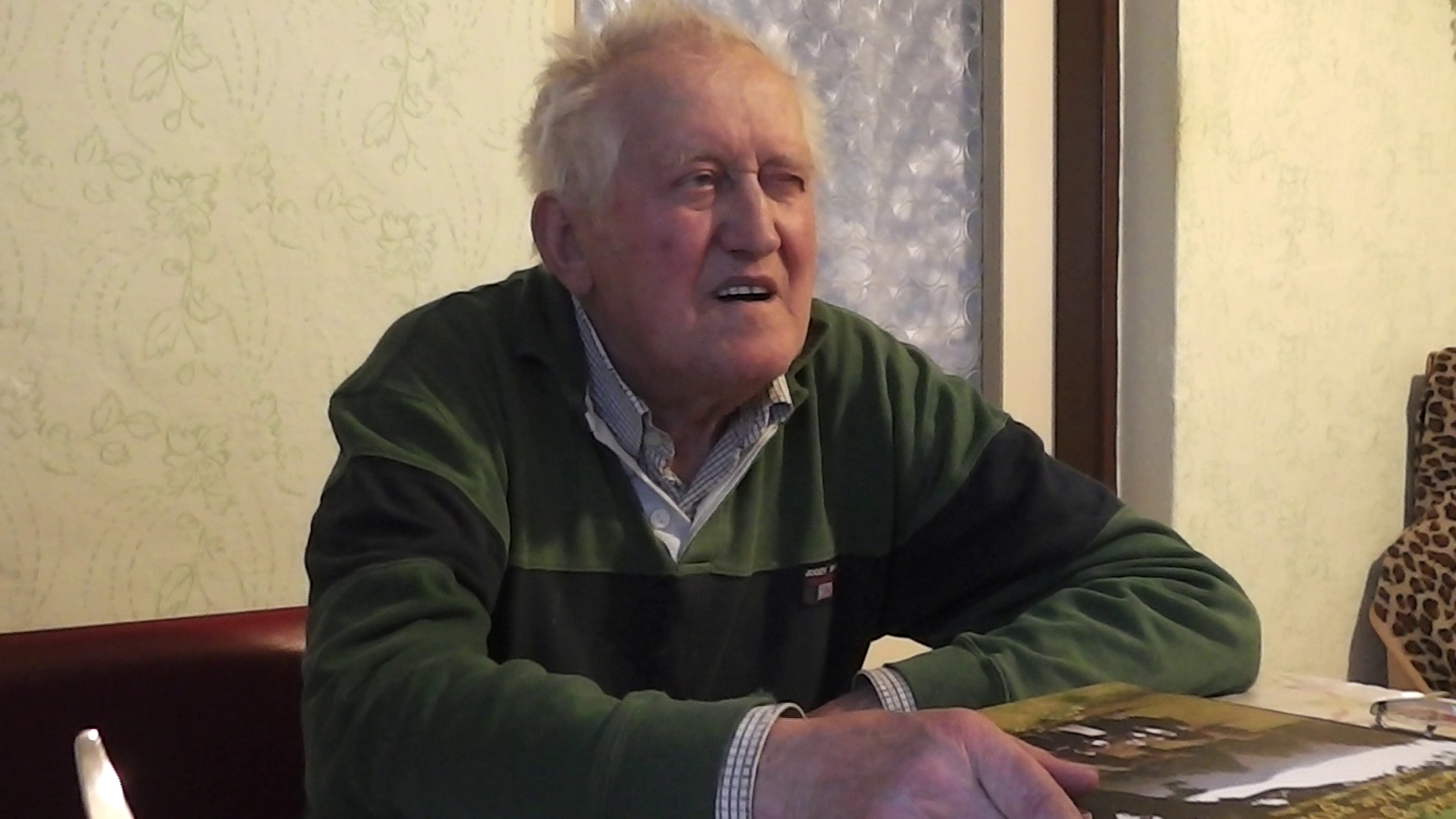
Josef Hamrozi was born on the 29th of January, 1929, into a Polish family in Písečná, a village located in the Czech-Polish border region. In the early 1930s, his family registered as Czech nationals for economic reasons, and Josef Hamrozi went to a Czech school. During the War, he worked for a farmer in Bocanovice. He was soon drafted into the Wehrmacht with the intent to start on the 3rd of January 1945. By then, the front was getting closer, however, so he decided to hide at his uncle’s until the end of the War. Afterwards, he worked in Třinec and helped repair the local chapel. Josef Hamrozi served as a bell ringer there after retiring and contributed to automation of bell ringing in the chapel. He died in 2021.