Inge Hájková

* 1943

  • "Yes, I was in the Tatras on holiday over the Christmas holidays and there I met a lady who had a cousin in Holland and knew the director of the Comenius Museum. Like, she was going to send me his address. And then I wrote a letter and I wrote to the director of the Comenius Museum, I wrote what and how. Then he wrote me back and promised me that he would do everything he could to find my mother. But, because I knew what her name was, what her parents' names were, even knew what her name was when she married the Dutch man. The director sat down at the phone, only it was a name, like Novak in our country. So there was a lot of them. So he sat down on the phone and made phone calls and always asked questions. Then he finally found her. And I even have the impression that my mother told me at the time that my brother was at home at the time when my mother was on the phone. So that's when it was revealed that they had a little sister living in the Czech Republic. I kind of got the impression that that was the case."

  • "And there, when I went to that sixth grade at another school, the teacher gave me a paper where my mother had to write down when I walked, when I talked and many other things. And she left half of it blank. I complained to the girl next door and I said, 'Slavka, look, she has one only daughter and she doesn't know when she went, when she spoke.' She said, 'Well, I heard her and my mom talking together.' And that she wasn't my own, that she was like my aunt.' I don't remember her giving me any hugs. I don't remember, for example, on my birthday, interestingly enough, there wasn't a moment when I got something from her. On my birthday, on a holiday. That was when I was called Vlasta, when they changed my name to Vlasta, it was on the twenty-third of December, so they always said, you get it on the twenty-fourth all together and it was. But alas, if I had forgotten to wish her, like for the holiday, she would have complained somehow."

  • "My name is Inge Hájková, I was born in The Hague, Holland, on August 17, 1943. My mother was Dutch, my father German. My father was a sailor during the war and he found my mother there in Holland in Scheveningen. When I was born, he took my mother and me and took us to Brno, where only my grandfather lived, my grandmother had died shortly before. Then my mother lived there until she was forty-five. She spoke German to me, because when my father arrived I had to understand him. She didn't speak to me in Dutch, but in German. Well, after that, when the war ended and the Germans lost, my father was missing because they were supposedly captured by the English. My grandfather was actually German, so he had to leave, so my mother went with me to Holland. But on the way in Prague she had to put me in hospital because I had otitis media. The doctor told her I wouldn't survive the last transport. And they said that if she hadn't left on that last transport, she might not have made it there. So she went to her sister-in-law in Brno. That was my own father's sister. I don't really know how they arranged it. Well, she just wanted to take me there for a while, I guess, that she had to go to Holland. Well, when she came back to the hospital, she - that was actually my aunt, my own father's sister - she was already talking to the doctor there. So my mother had to leave, and after a while I went with my aunt to Brno."

  • Celé nahrávky
  • 1

    Mikulov, 30.08.2025

    (audio)
    délka: 01:23:53
    nahrávka pořízena v rámci projektu Living Memory of the Borderlands
Celé nahrávky jsou k dispozici pouze pro přihlášené uživatele.

I searched for my parents and found myself
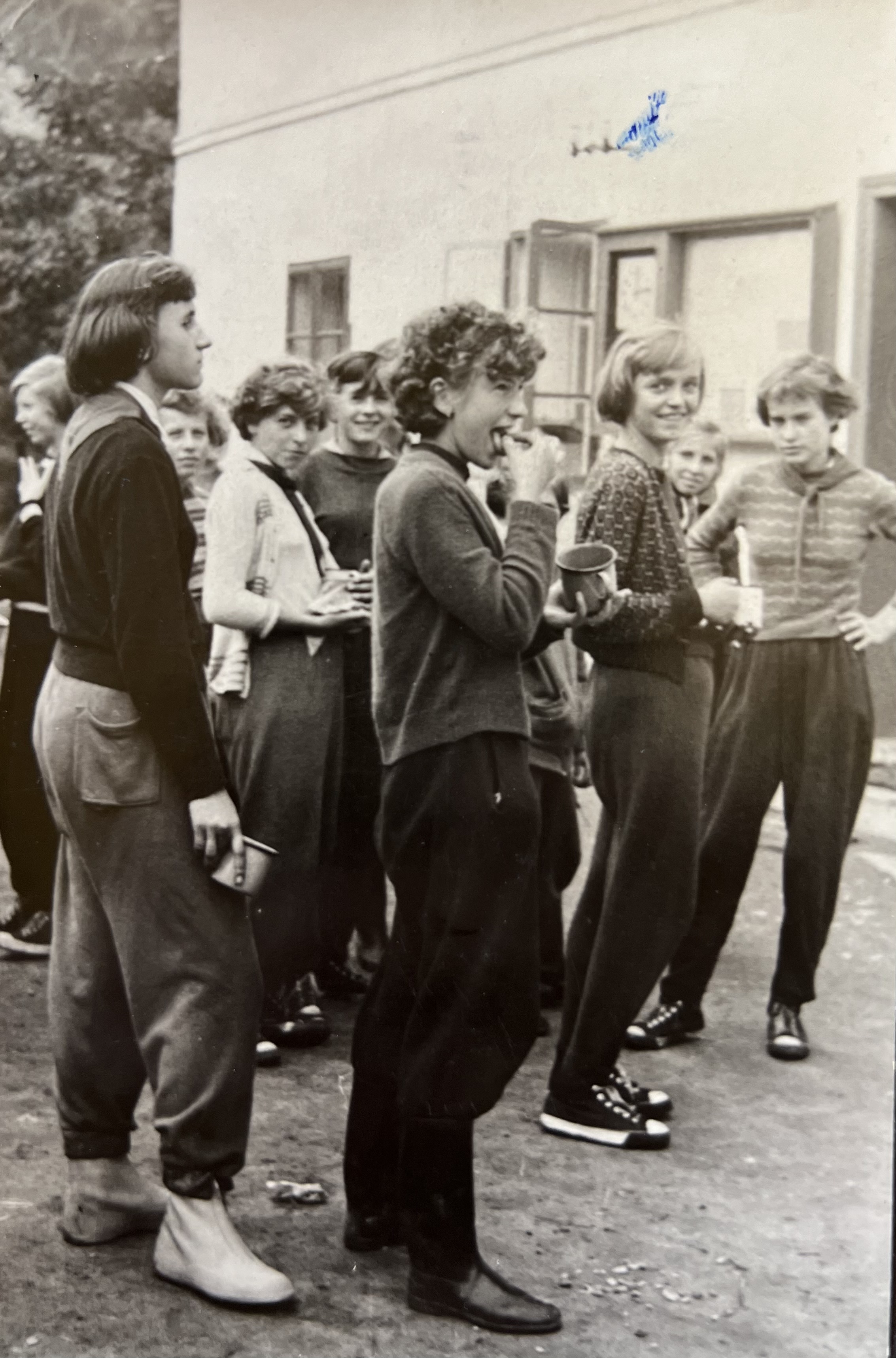
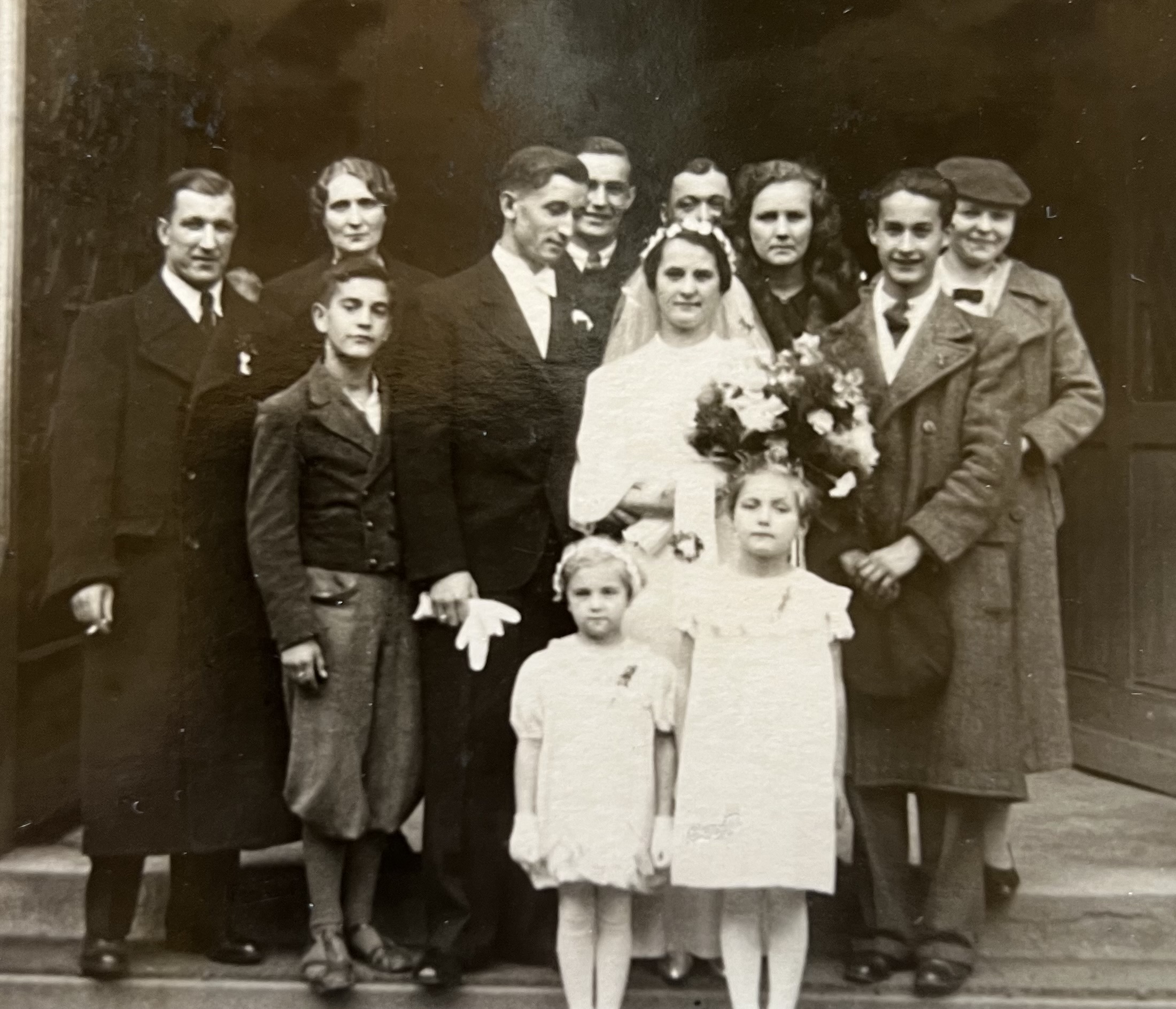
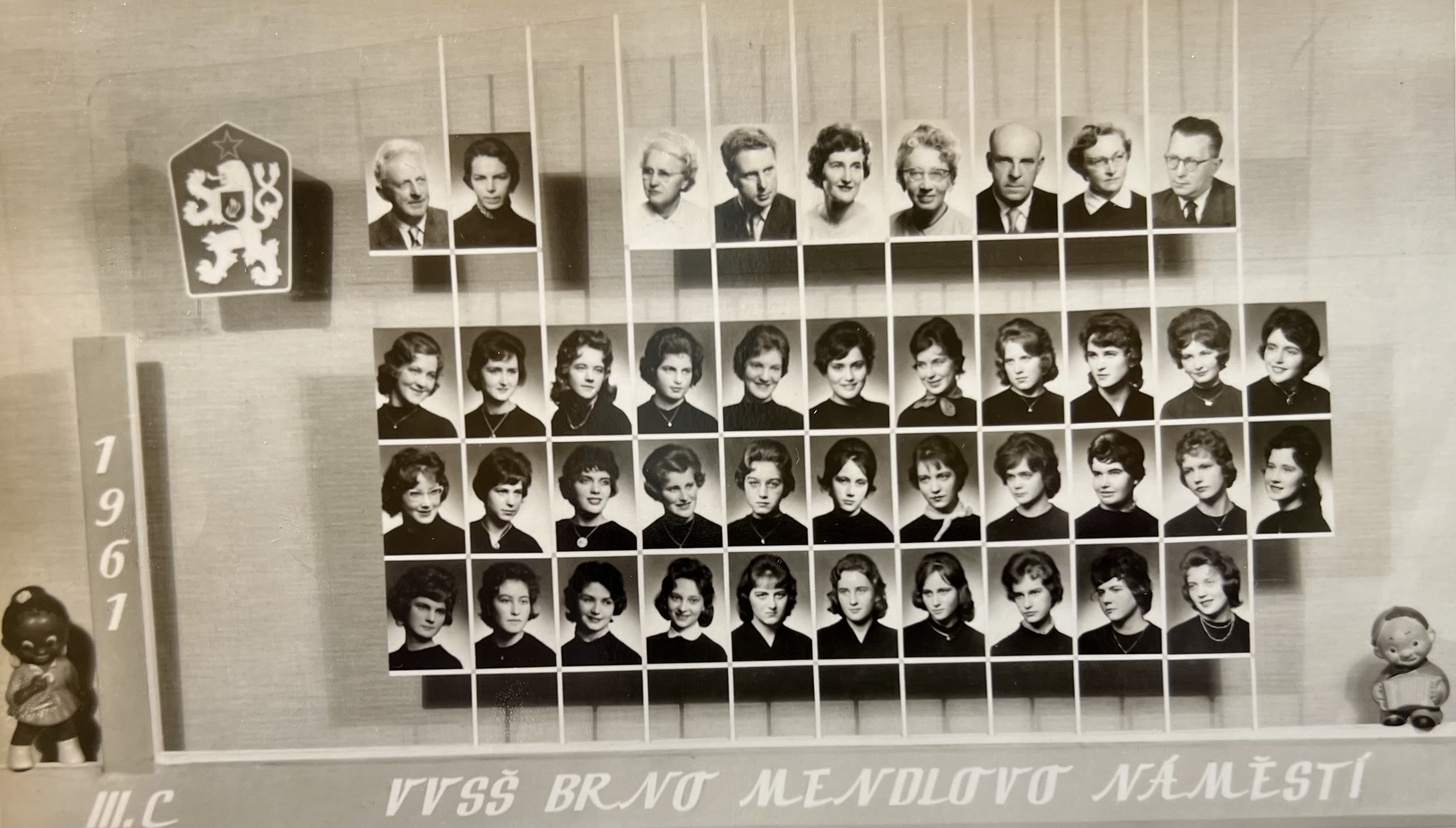
At school. Inge first from the right
zdroj: archive of the witness

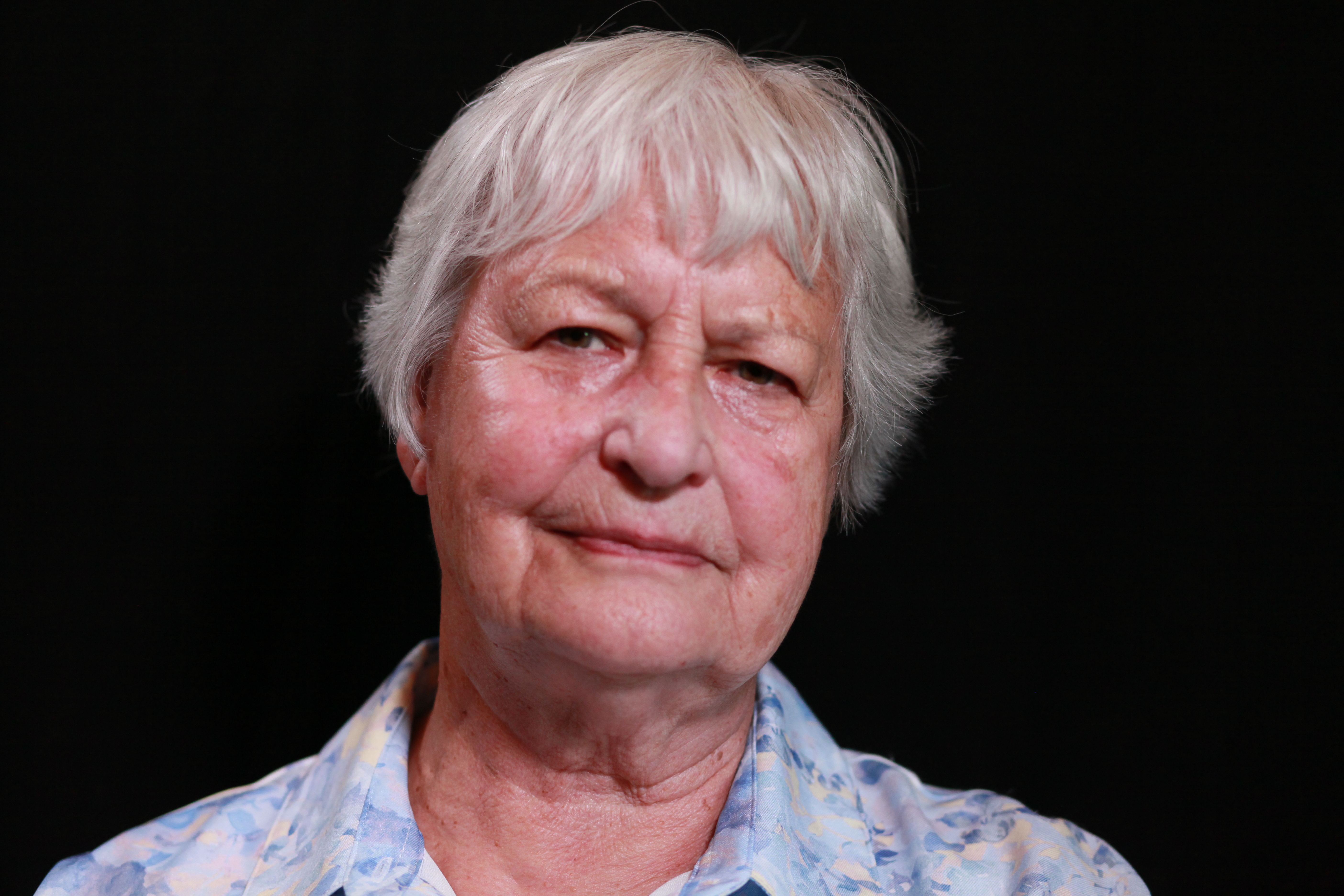
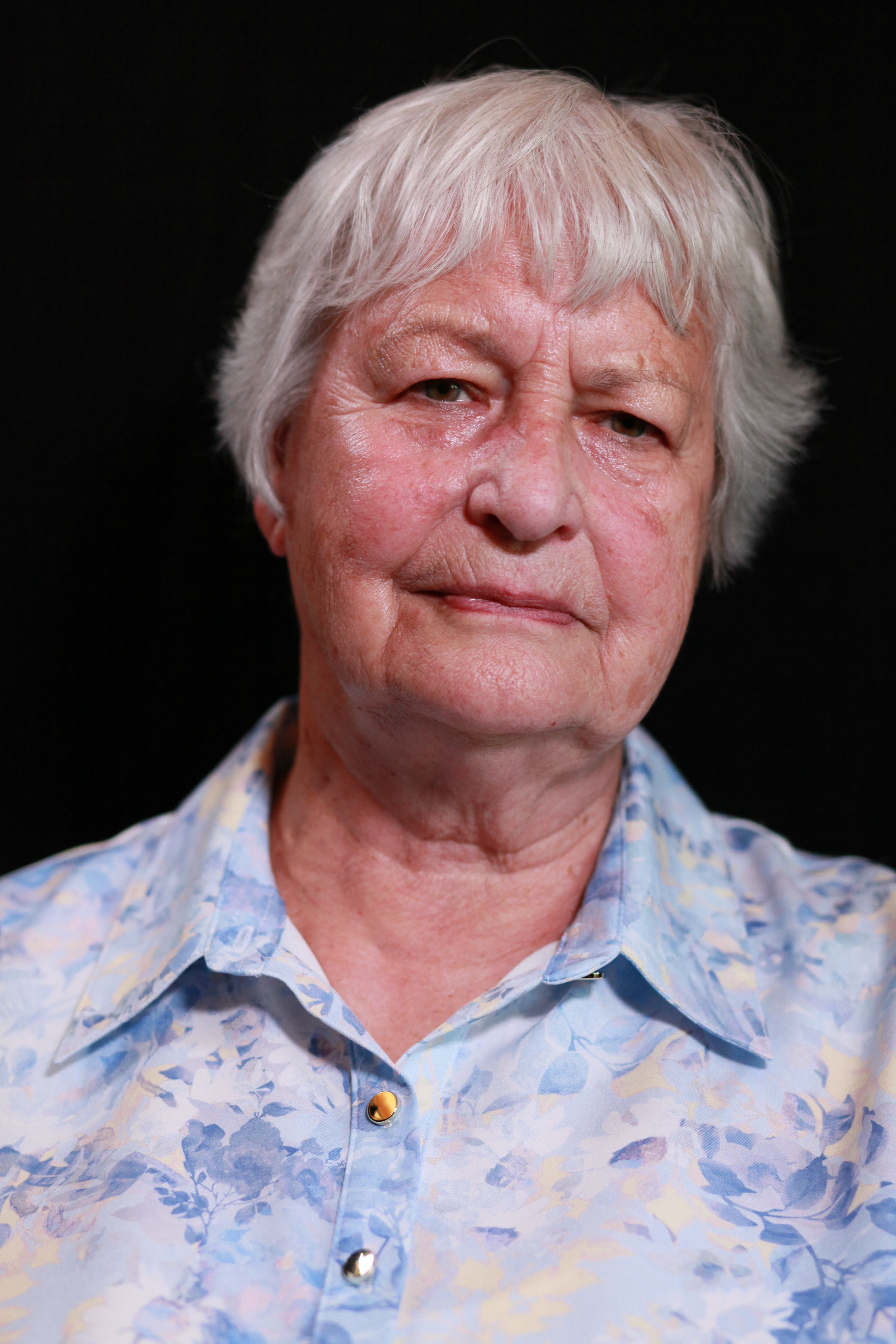
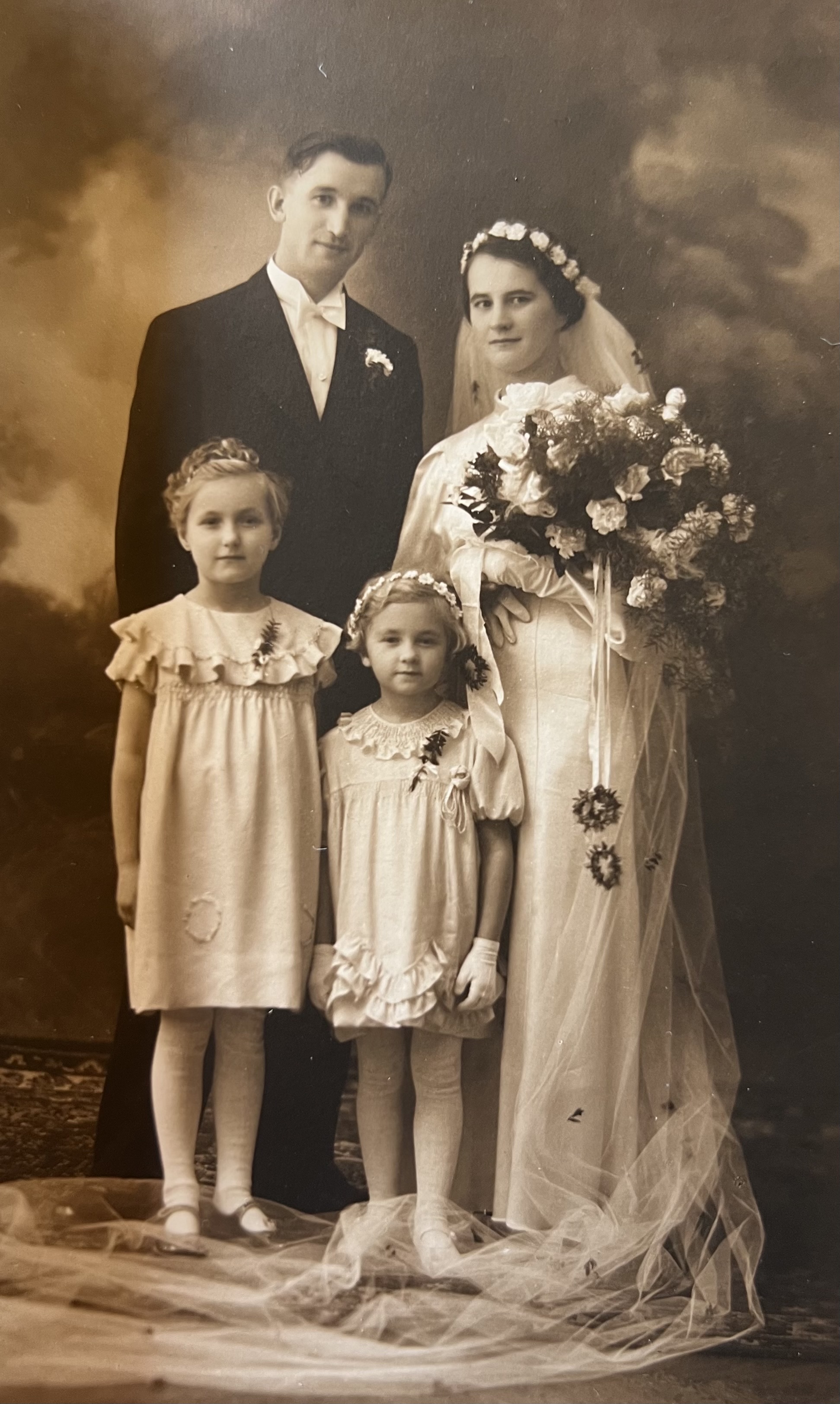
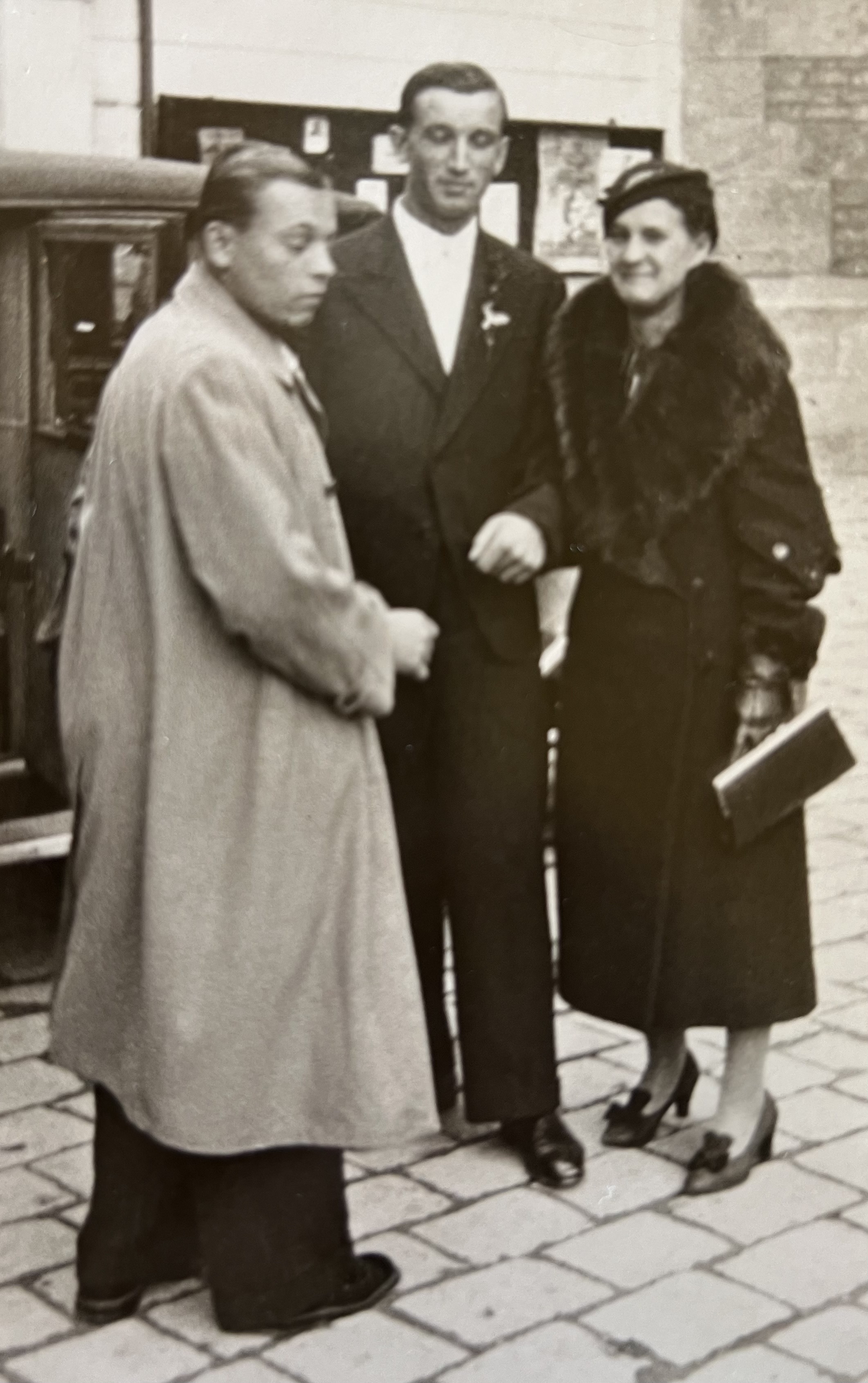
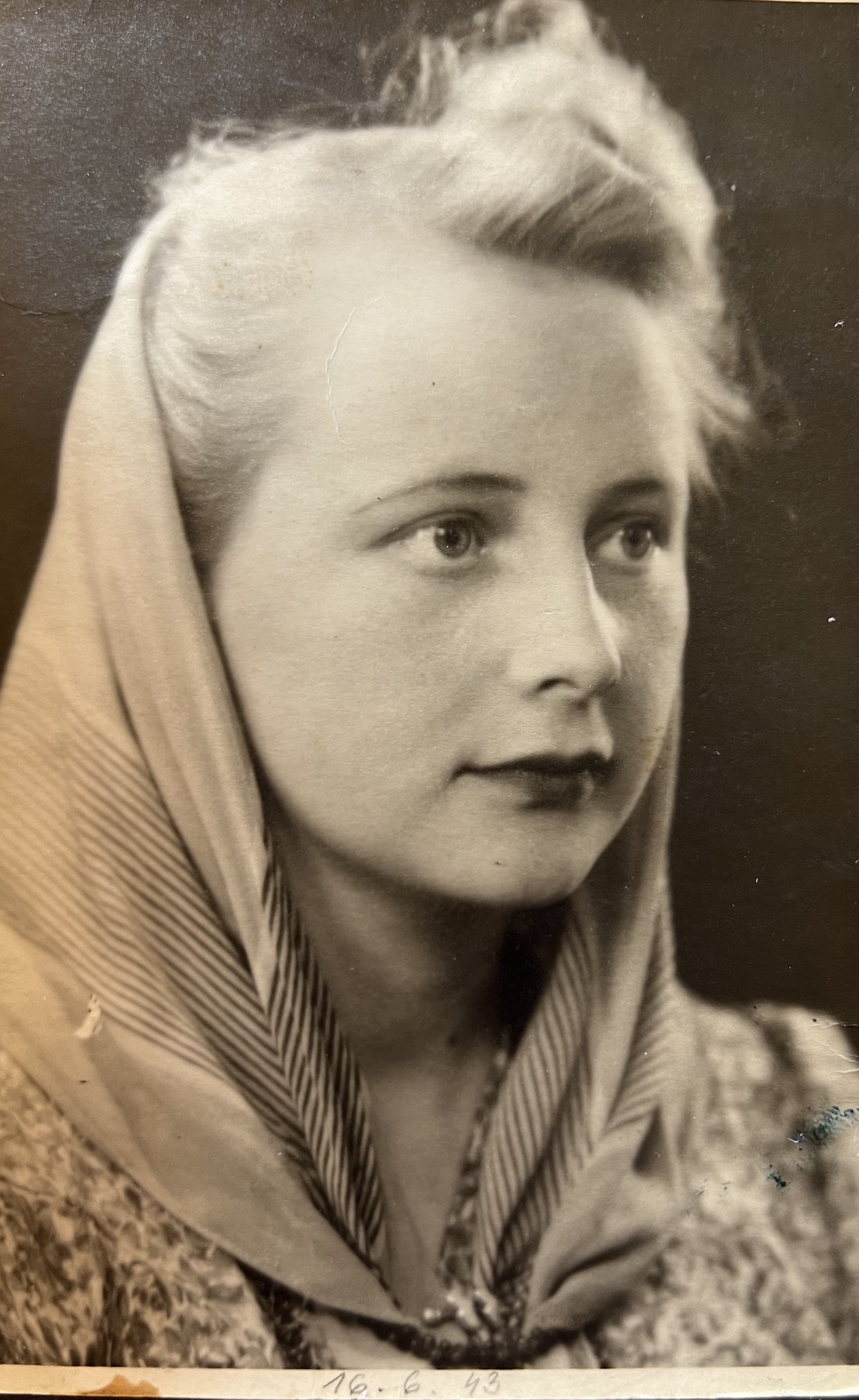
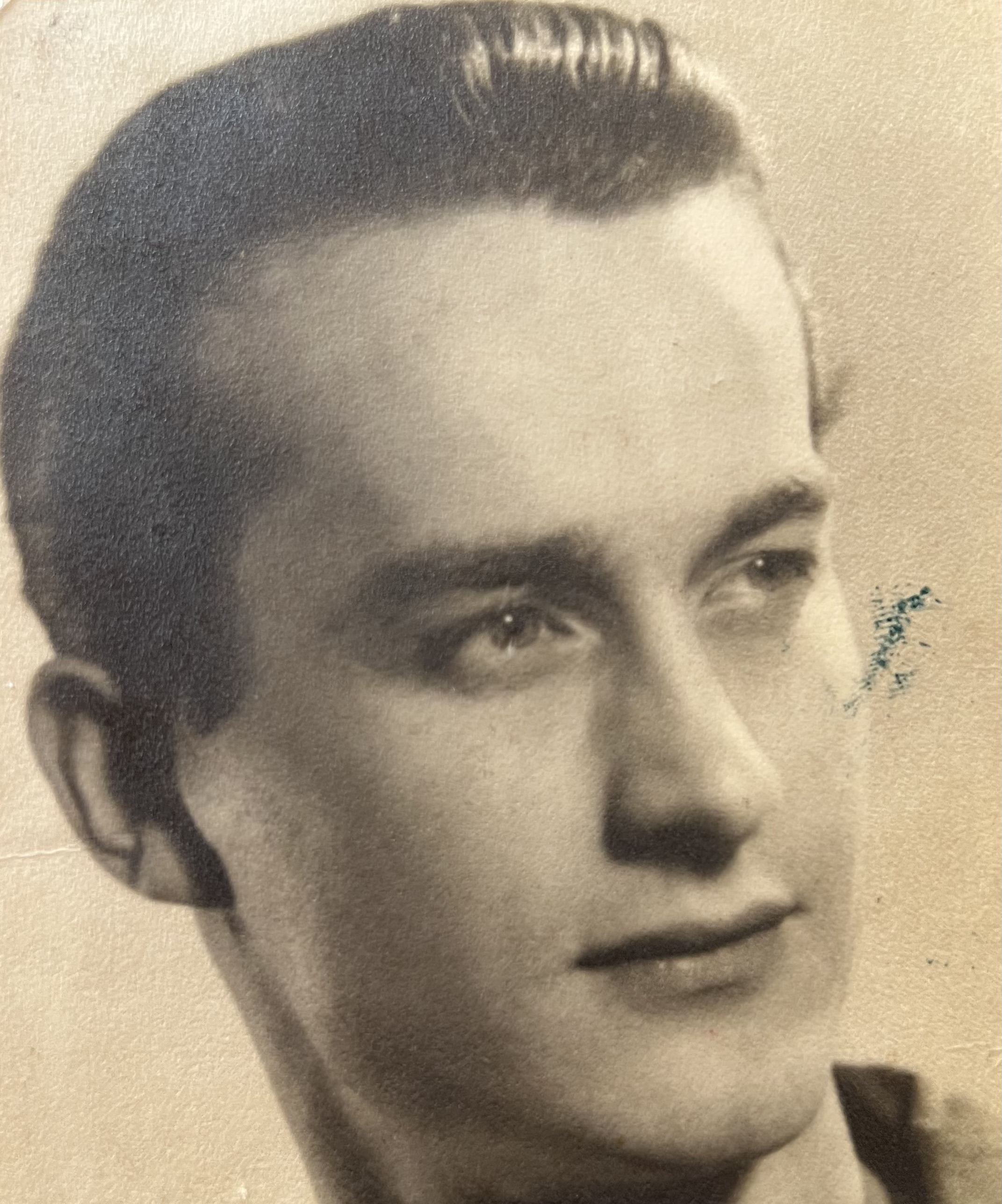
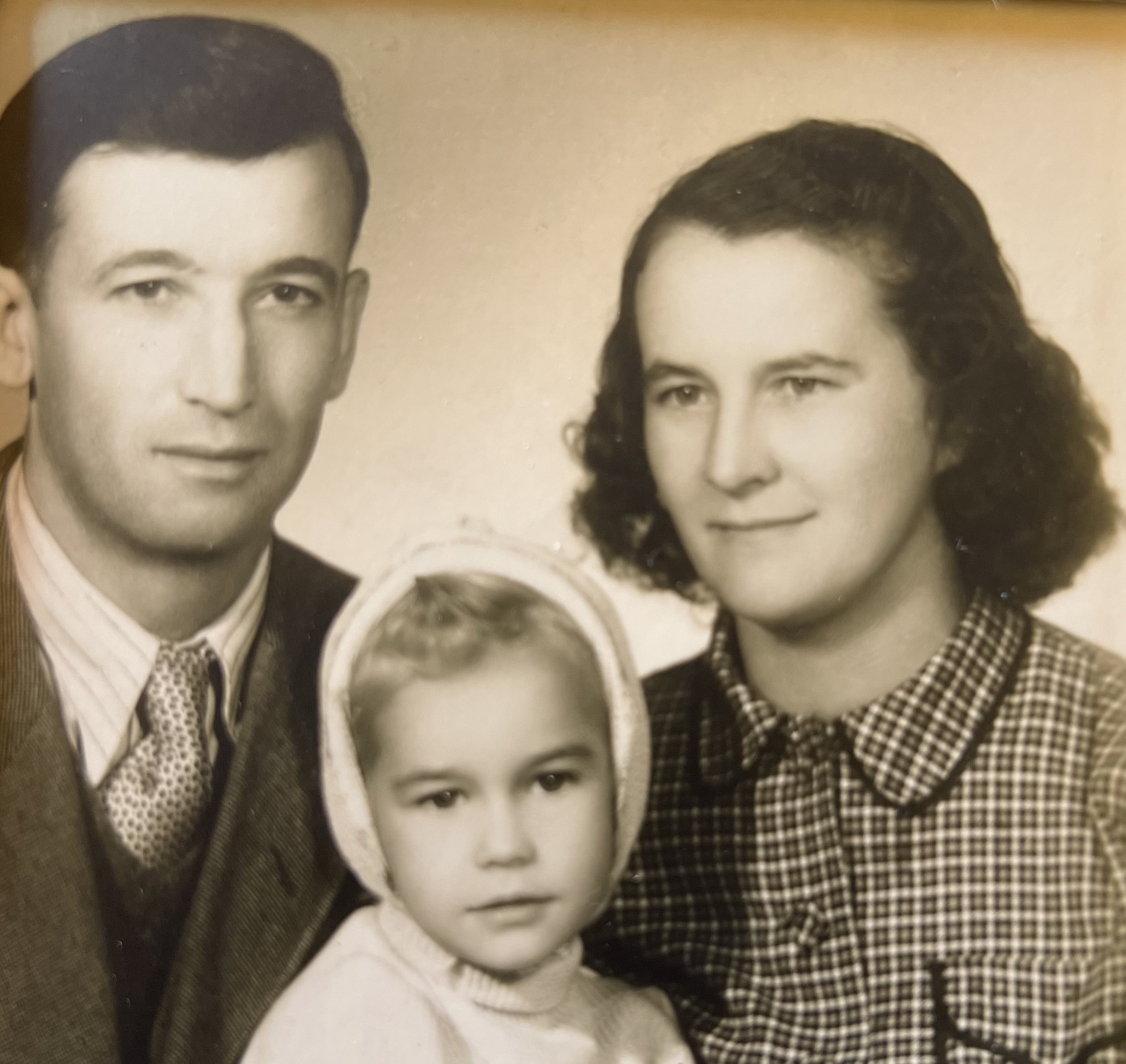
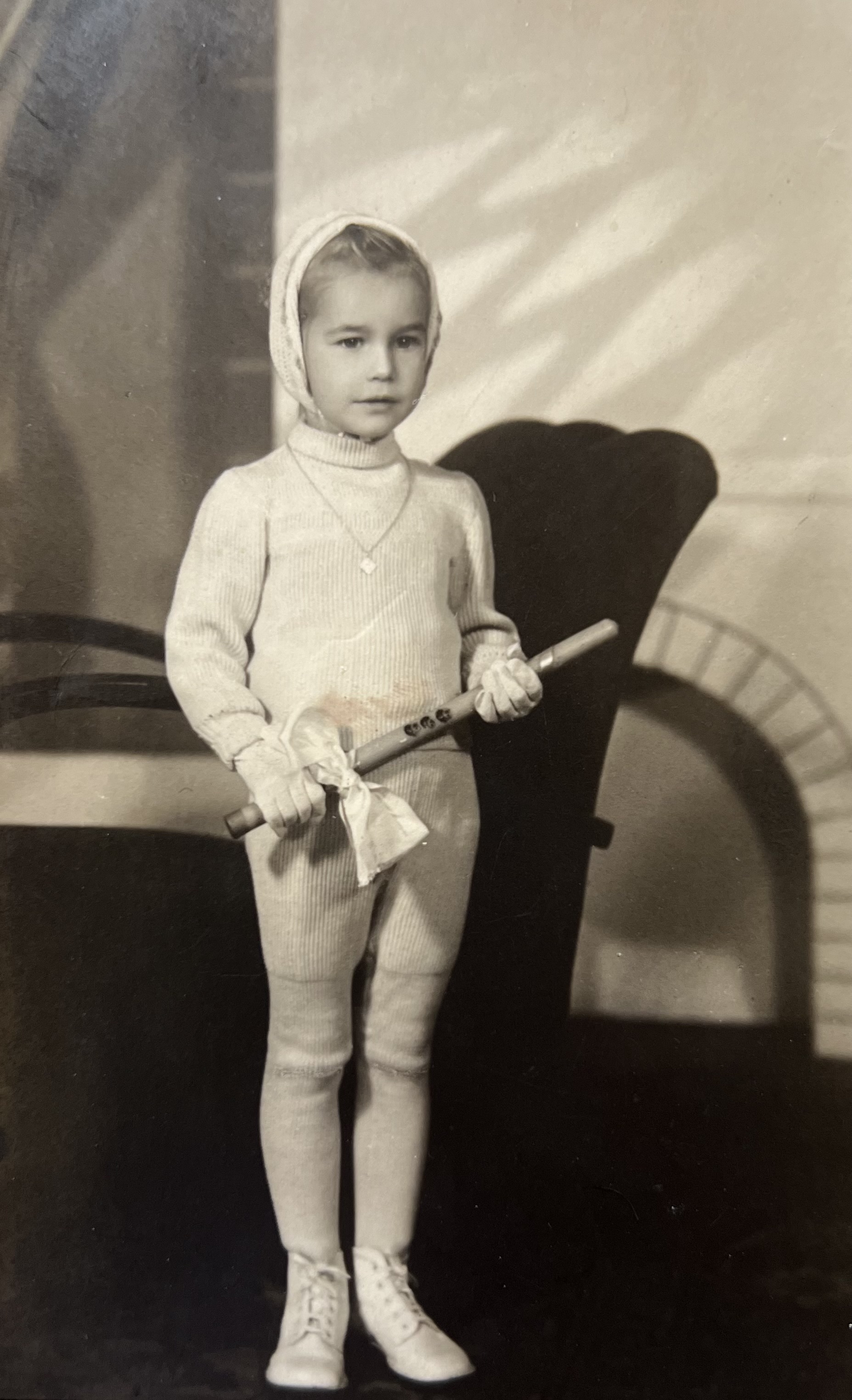
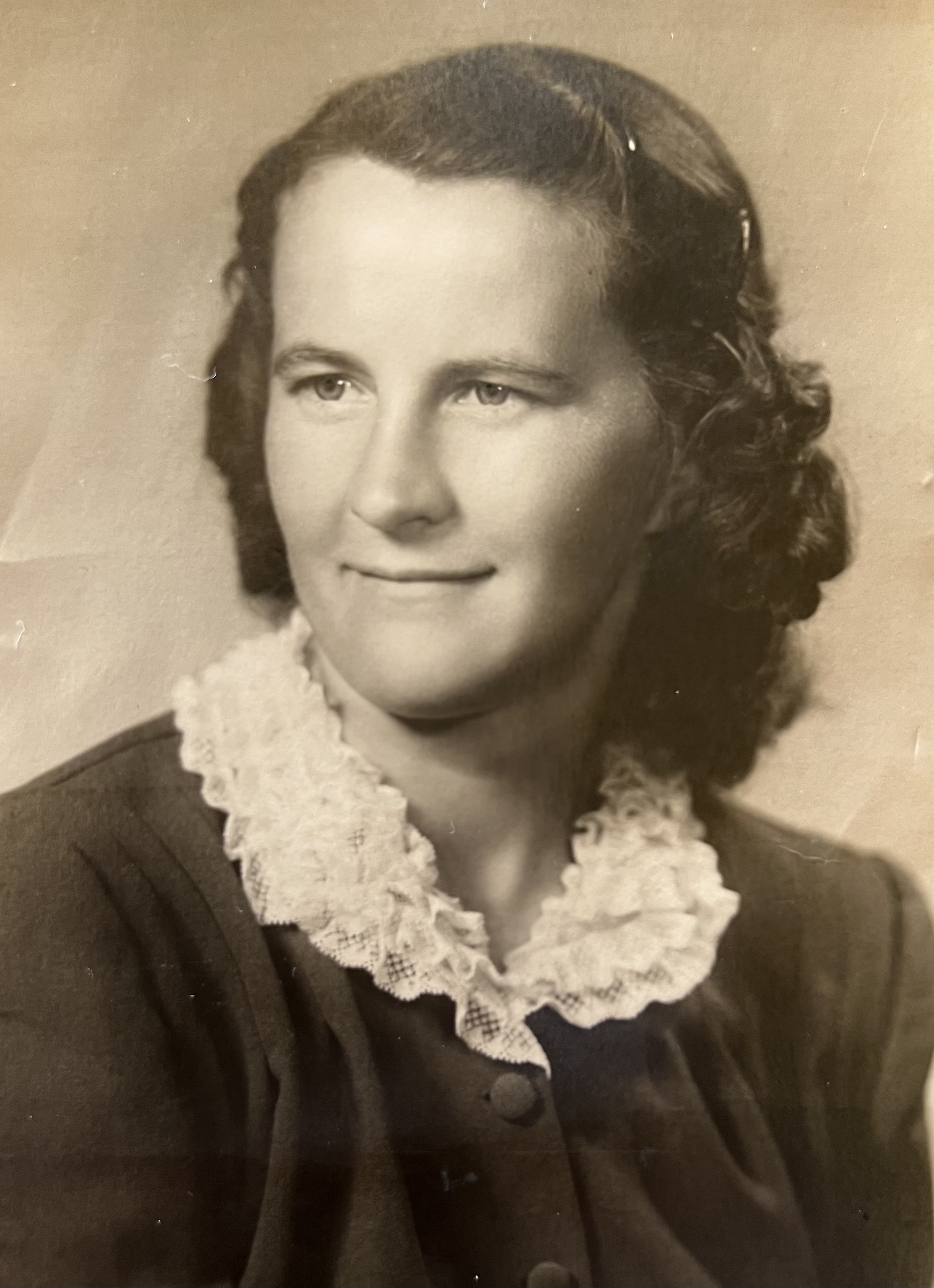
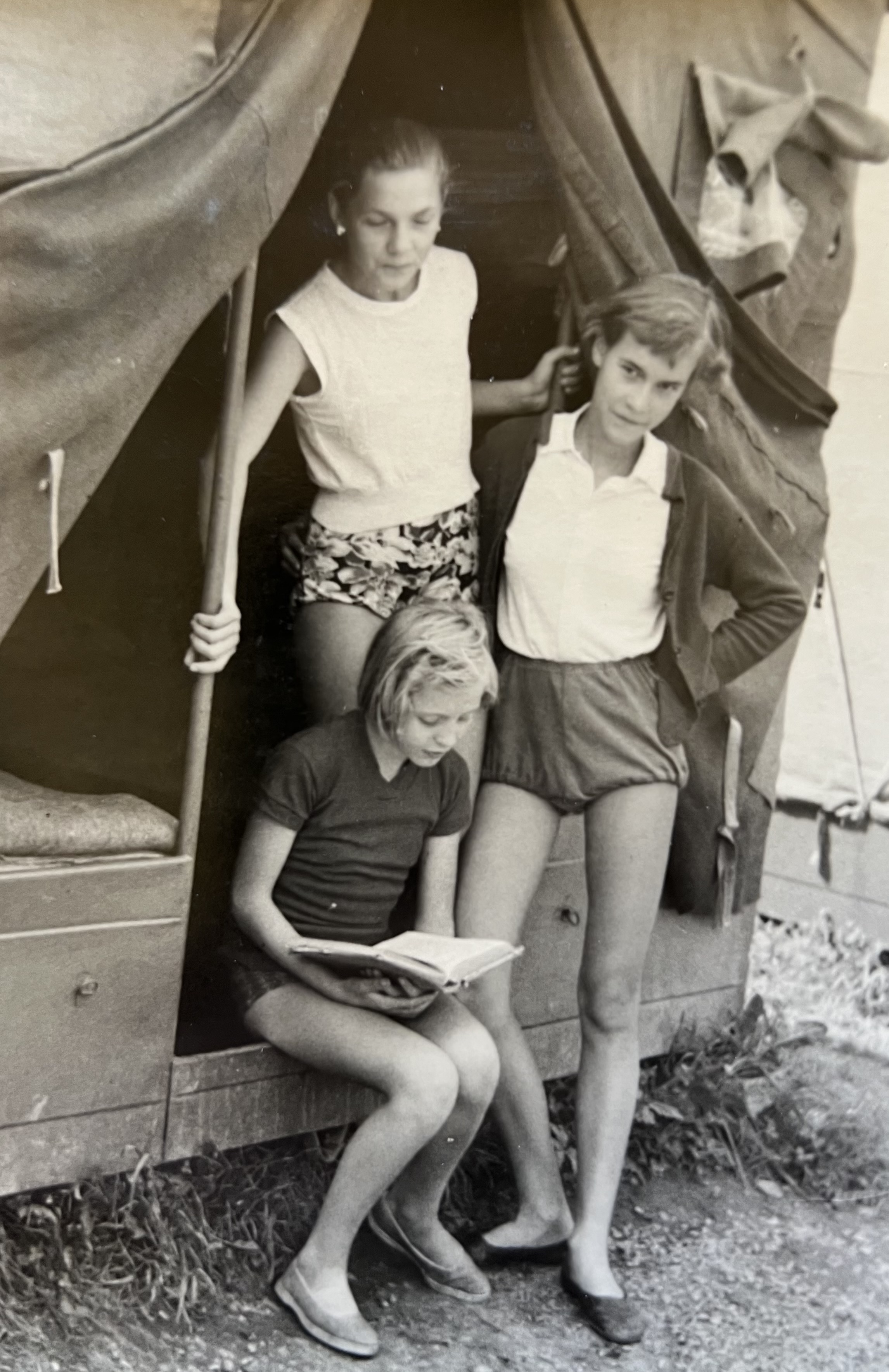
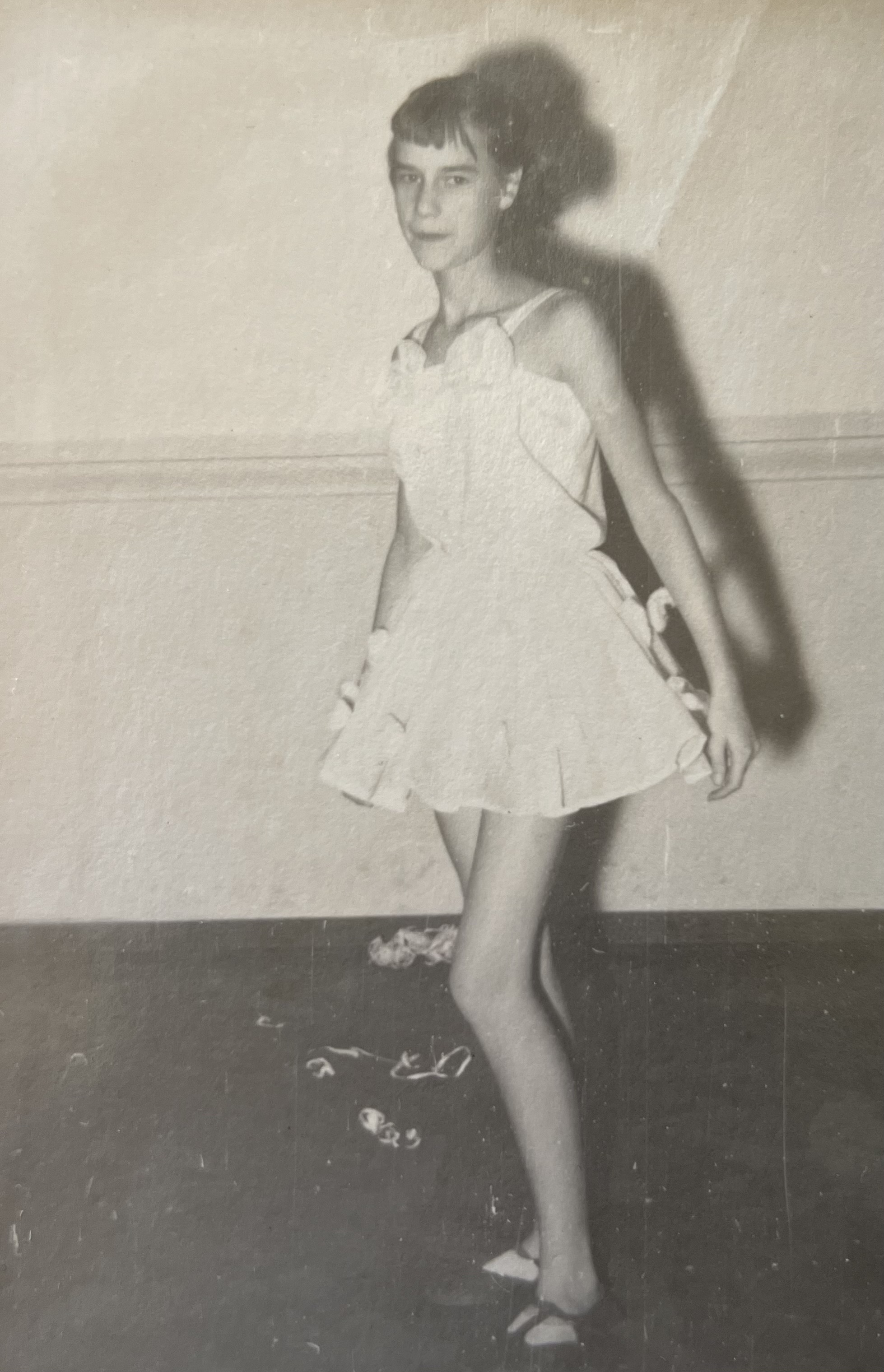
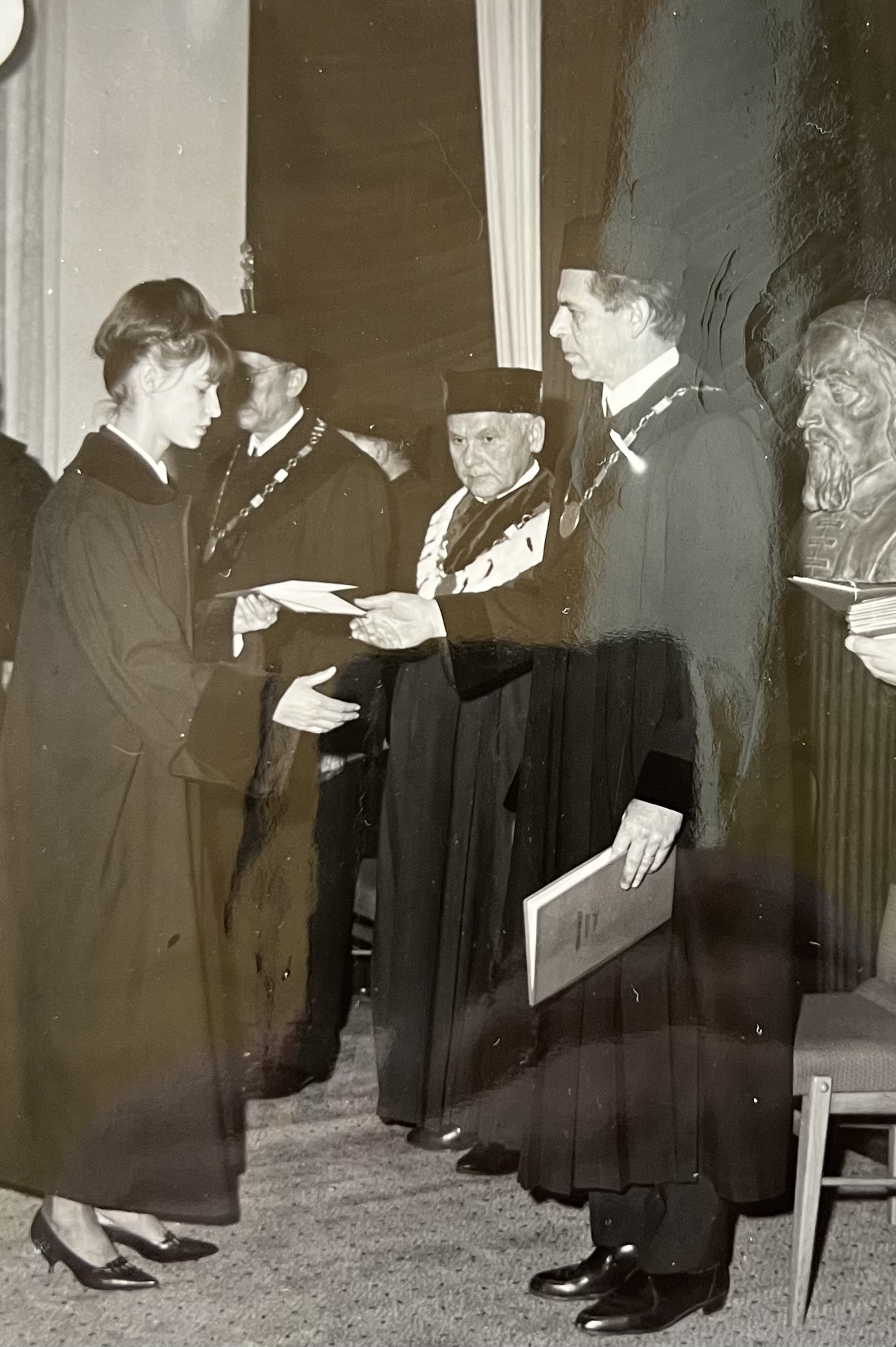
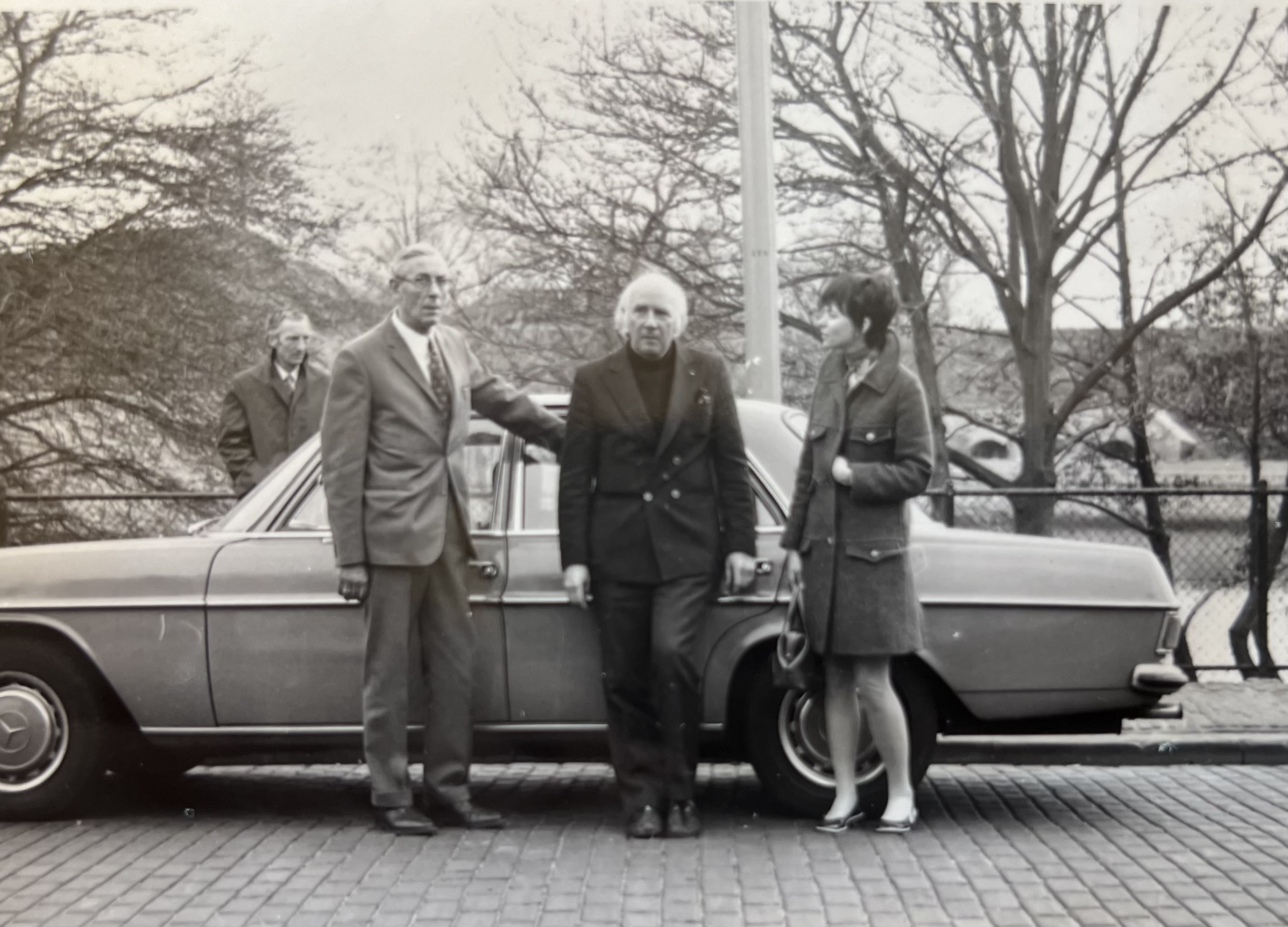
Inge Hájková (August 17, 1943, Den Haag, The Netherlands) was born to a Dutch mother, Greetje Pluggé, and a German from Brno, Johan Svoboda, who served in the German army as a sailor during the war. They met in the Dutch port of Scheveningen, where the German army was anchored during the war. Inge‘s parents were not married and after her birth her father Johan took the family to Brno. However, he was soon called back into service and ended up in British captivity. After the war, their paths diverged. The mother returned to Holland, but on the way home she had to leave her daughter in the care of her father‘s older sister Eleonora in Prague because of her serious illness. She did not return to her herself. In the Netherlands, she felt hatred towards women who had relationships with Germans, and although Johan sought her out after his release, she refused to meet him. She later started a new family. Her father settled in Germany after the war and did not reunite with his daughter until the 1970s. Inge‘s childhood took place in Brno under the strict upbringing of her aunt and uncle Hájek. She recalled that she never experienced a mother‘s caress and always had to be a „model child“. She learned about her origins only gradually, officially only at grammar school. The breakthrough came when she discovered an envelope with the address of her relatives - she wrote to her uncle in Germany at that time, and that is how she got in touch with her father, whom she visited in Germany in 1966. The search for her mother took longer; it was only with the help of the director of the J. A. Comenius Museum in Naarden that she found her in Den Haag in 1973. After high school, she graduated from the Faculty of Education in Brno, majoring in physical education and science. In 1964, she started as a teacher in Mikulov, where she worked intermittently throughout her professional life. She taught mainly physical education, but also science, and prepared pupils for spartakiads and sports competitions. She spent a total of 38 years in the education sector, six of which as headmistress of the primary school in Březí after 1989. Inge Hájková lived in Mikulov at the time of the filming in August 2025.