Stáhnout obrázek
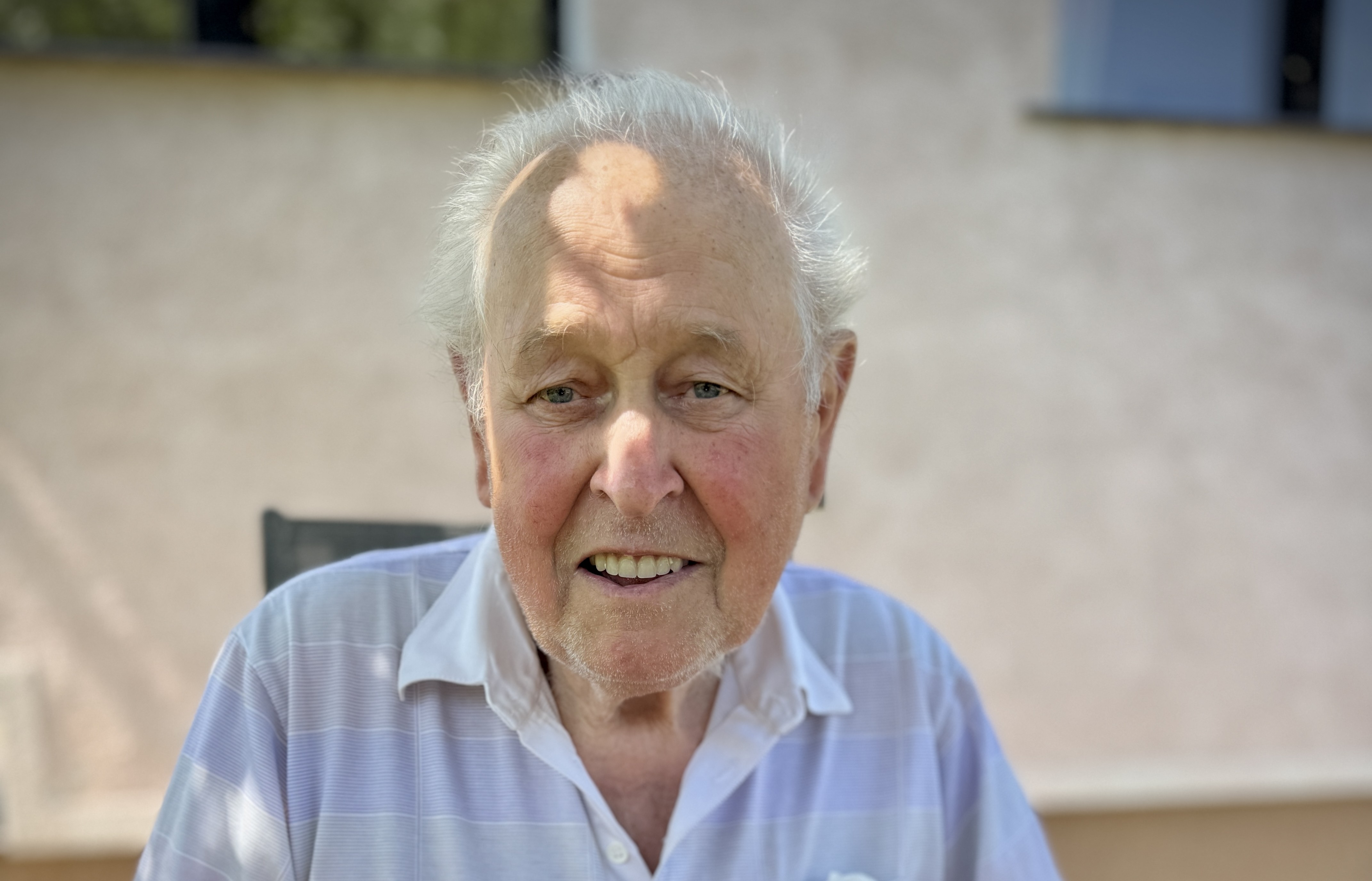
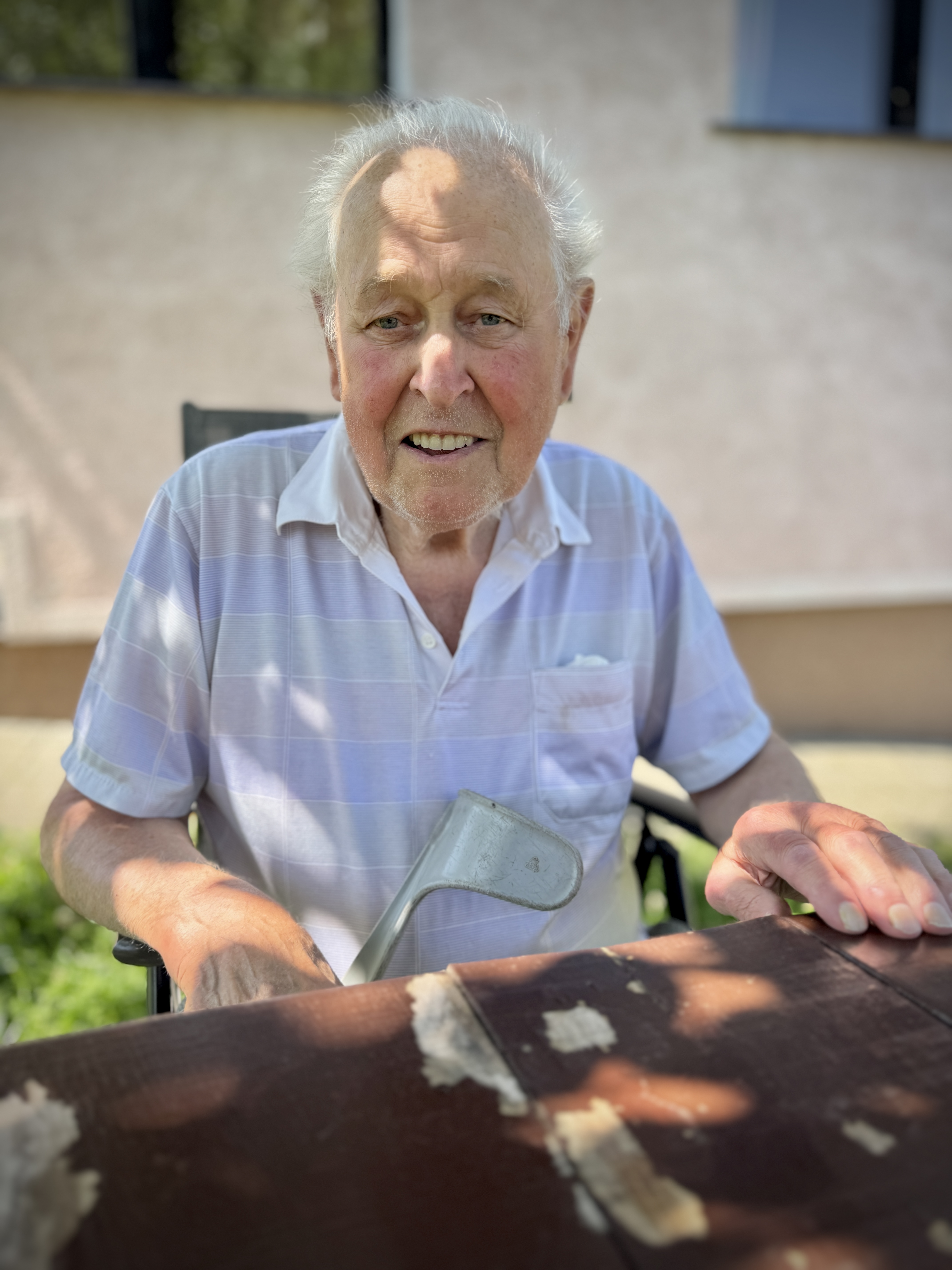
Arnošt Götz was born on 7 August 1939 in the village of Giesshübel (today‘s Stružná), where his parents also came from. His father was an expert in cobalt firing, worked in a local porcelain factory and thanks to his profession the family was not expulsed after the Second World War. Until 1949, the local porcelain factory was called Kysibl (German: Giesshübel) and employed the inhabitants of the adjacent villages. Almost the entire Götz family worked there, including the teenage Arnošt. At the age of nineteen, he enlisted in the army, where he obtained his driving licence thanks to Svazarm. After his military service he did not return to the porcelain factory and worked as a driver in Karlovy Vary. Here he met his wife and together they moved to a family house in Stružná. In later years, already retired, he worked as a guard of the former barracks located in the grounds of the chateau in Stružná. After 1968 these premises were used by the Soviet army. After their departure, the barracks remained abandoned and dilapidated, and only recently has their gradual reconstruction begun. Arnošt Götz also recalled a powerful story that he knew from his father‘s narration. Shortly after the war, several German men were shot at Kaunzner‘s Cross, in the nearby village of Neudölf (today Nová Víska). According to the story, they were not quite dead when they were buried immediately after the act. The alleged shooters were four Czechs. The iron cross on a stone pedestal from the first half of the 19th century became a silent witness to the tragic event and a place of remembrance where locals brought flowers. On the date of the filming, 22 June 2025, Arnošt Götz lived in Stružná.