"I say that the biggest blow to the Krkonoše Mountains after 2000 is the way it is being built up by apartments. And these people have no relation to it. They take it to mean that they go to the Krkonoše Mountains to live and it doesn't mean anything to them. They don't bring anything new and they don't appreciate anything. They think of it as a consumer society that has property here. I'm a little bit sorry about that, because if I say it in quotes and from the heart, this is probably the biggest 'fart' for the Krkonoše, because it's changing the face of the Krkonoše tremendously."
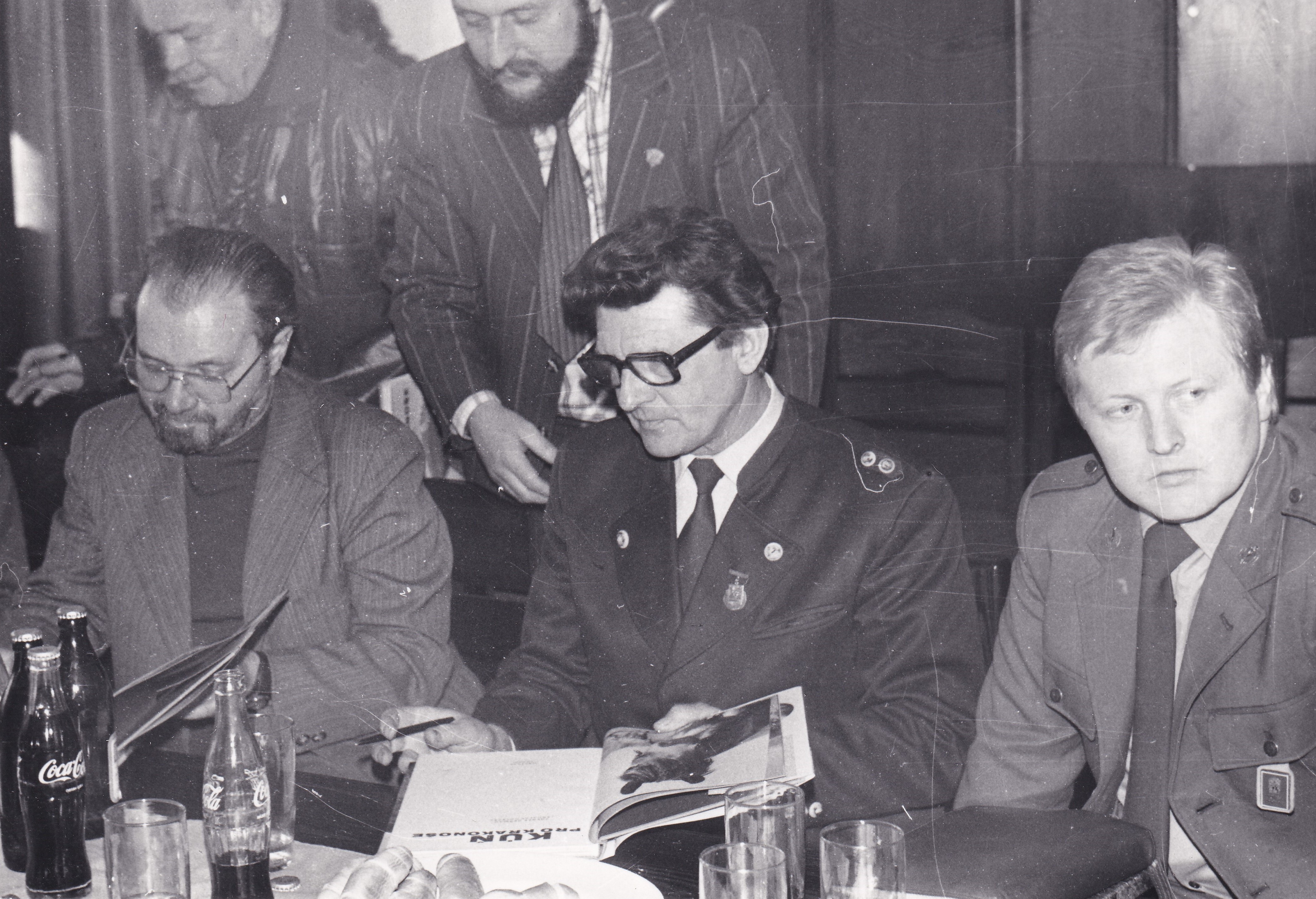
"I had a friend who dropped out of [high] school and even went to Sweden and then to America, where he also did conservation work in parks. His mail was not collected by the censors at the time and I got his notes about how and what they were doing there. So you could say that he sometimes motivated me to try to bring the more modern ways of being able to influence and interact with visitors here at that time. For example, we started doing lectures around the campfire - outside with a slide, where we could get the electricity going. Or I came up with the idea that we would start doing guard duty on horseback, taking guests on rides. Like you see today in Špindl [Špindlerův Mlýn] or in Pec [pod Sněžkou], which was my idea in 1977-1979. I will tell you exactly, because I was given permission by Mr. Ing. Svoboda to work on it. My friend and I designed a stable with ten horses, which would serve as under saddle, i.e. people would be led under saddle, as it is in American and Canadian parks, or they would be driven in carriage sledges around Špindl. They would also be used by under saddle rangers for guard duty. It didn't work out at all, even though the project was painted... Not only did nobody want to give us money for it, but they told us what a load of crap we were making up. But I can tell you that there was a week-long ride that I took part in, because at that time Ing. Svoboda told me to try it out. Well, it was tried. There were about seven of us from different professions. We took notes during the ride, which were later used to write the book Horse for Krakonoš, published by Albatros."
"There was great fear of the arrival of [Warsaw Pact troops]. At that time we lived in Zlatá Olešnice, which is below Bernartice and a short distance to Královec. There was a big military exercise there and we knew that when the Warsaw Pact troops were coming back, they were just lining up and turning across the border. They didn't go any further. It was the Poles... in short, the whole Warsaw Pact troops that were training there. They went over the border, and at 12:30 on August 20 to August 21 [1968] we had them in the yard in Zlatá Olešnice."
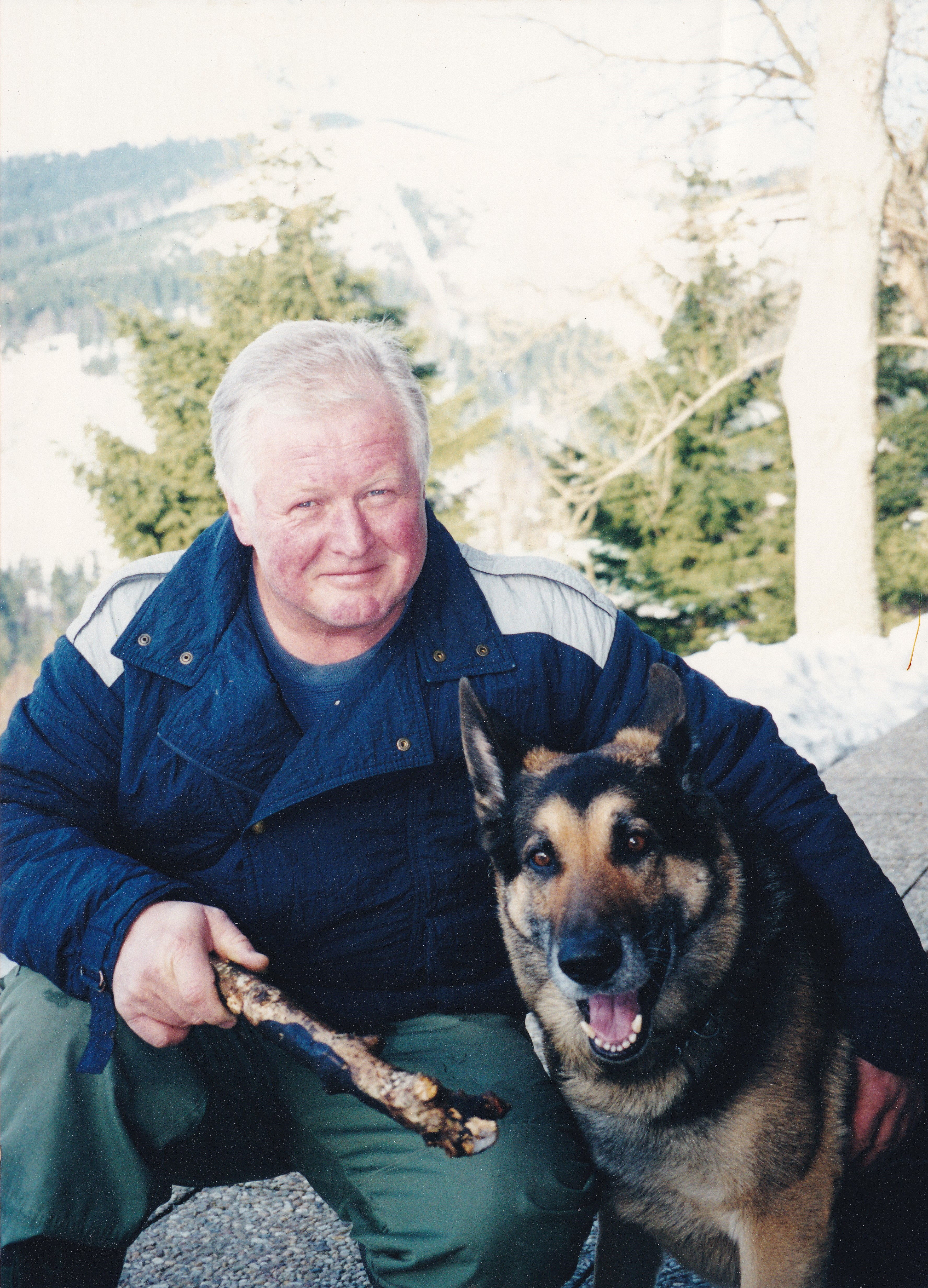
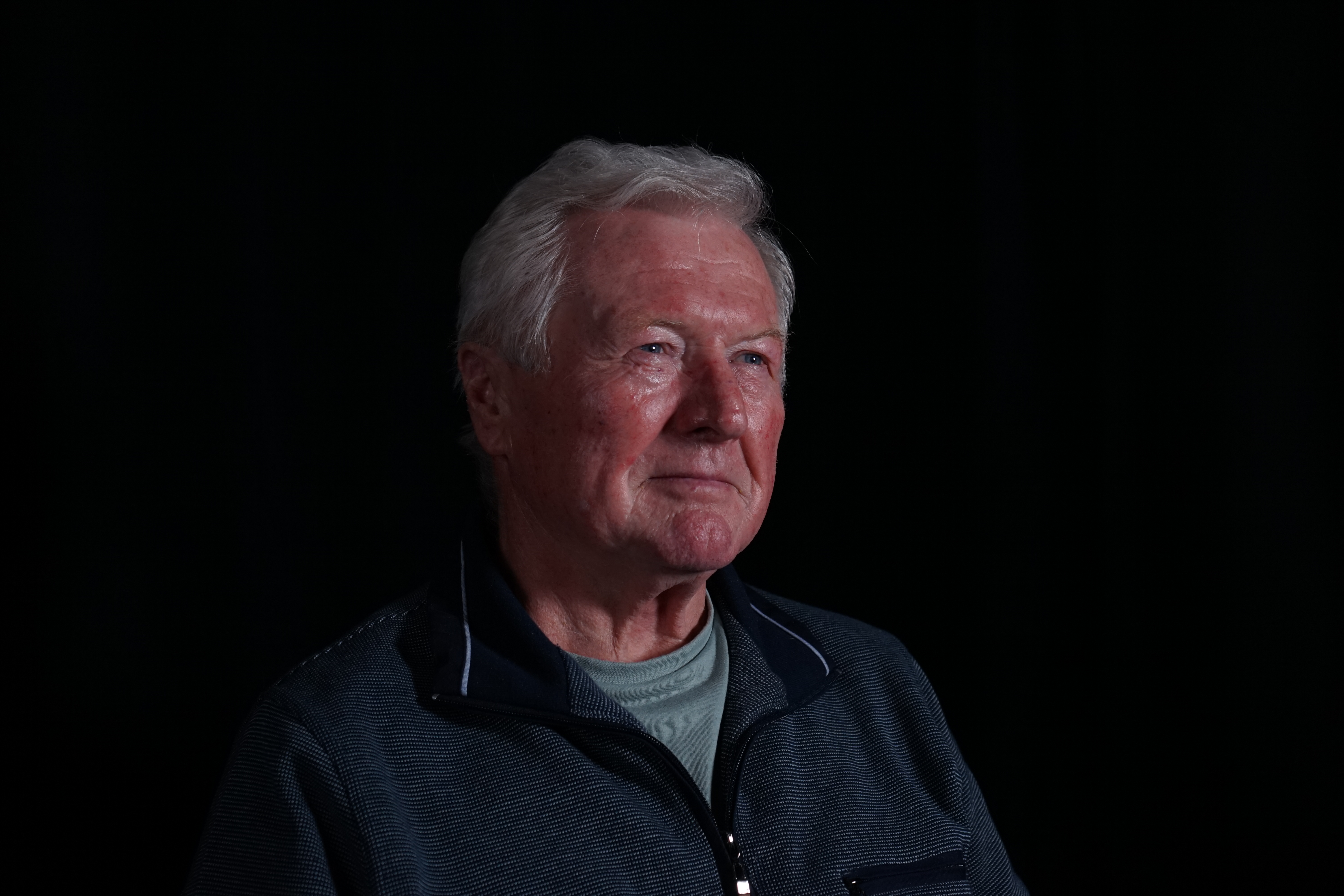
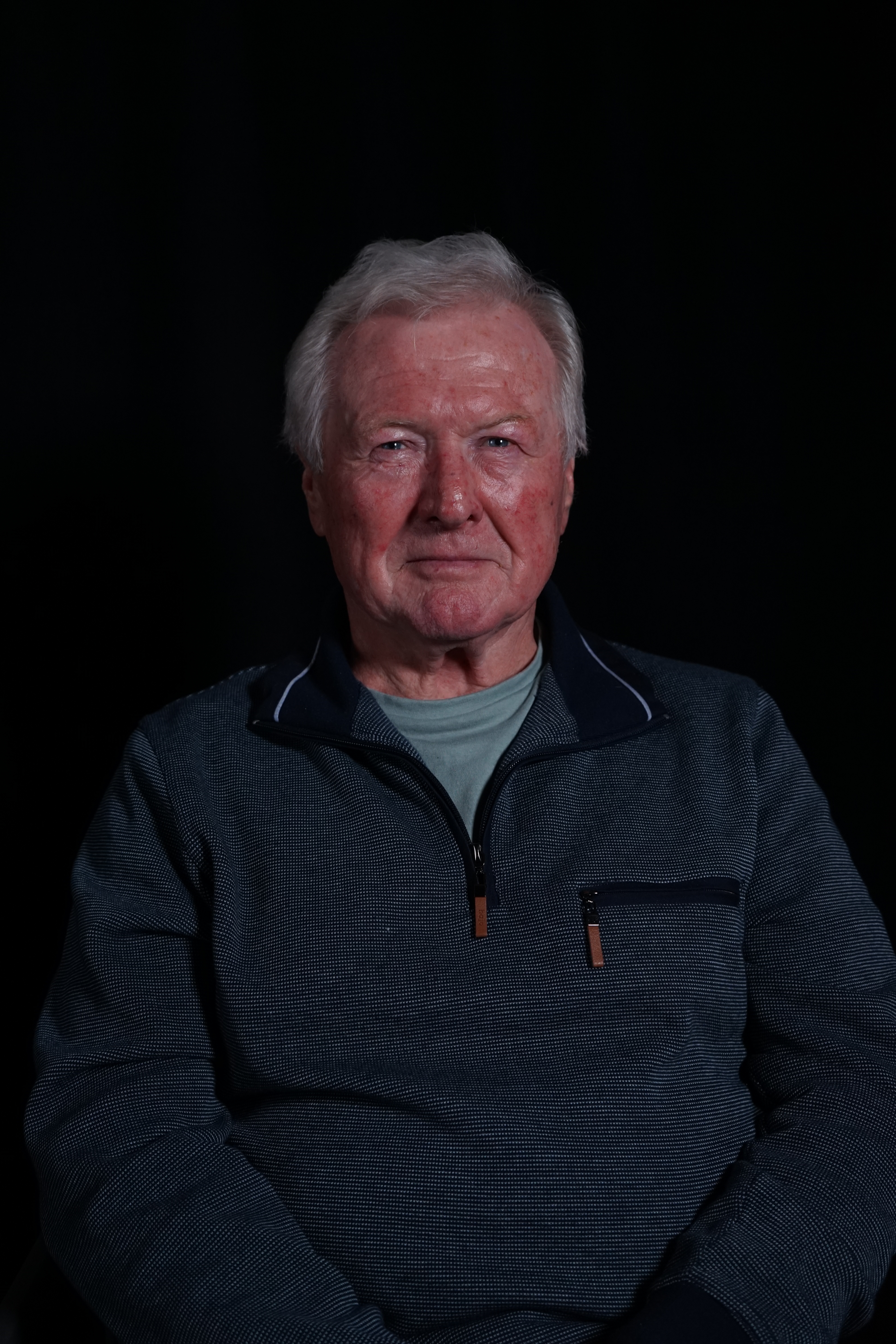
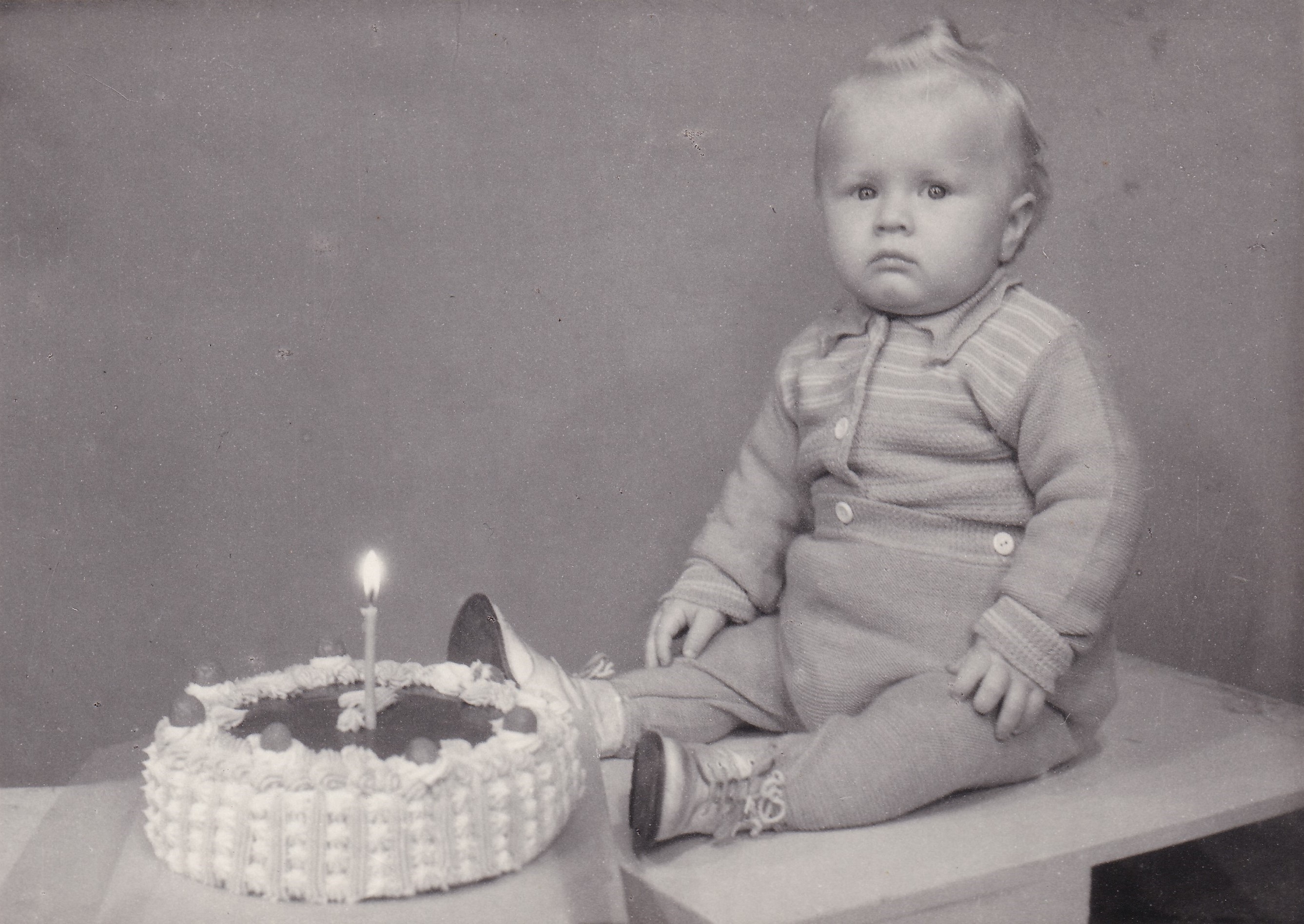
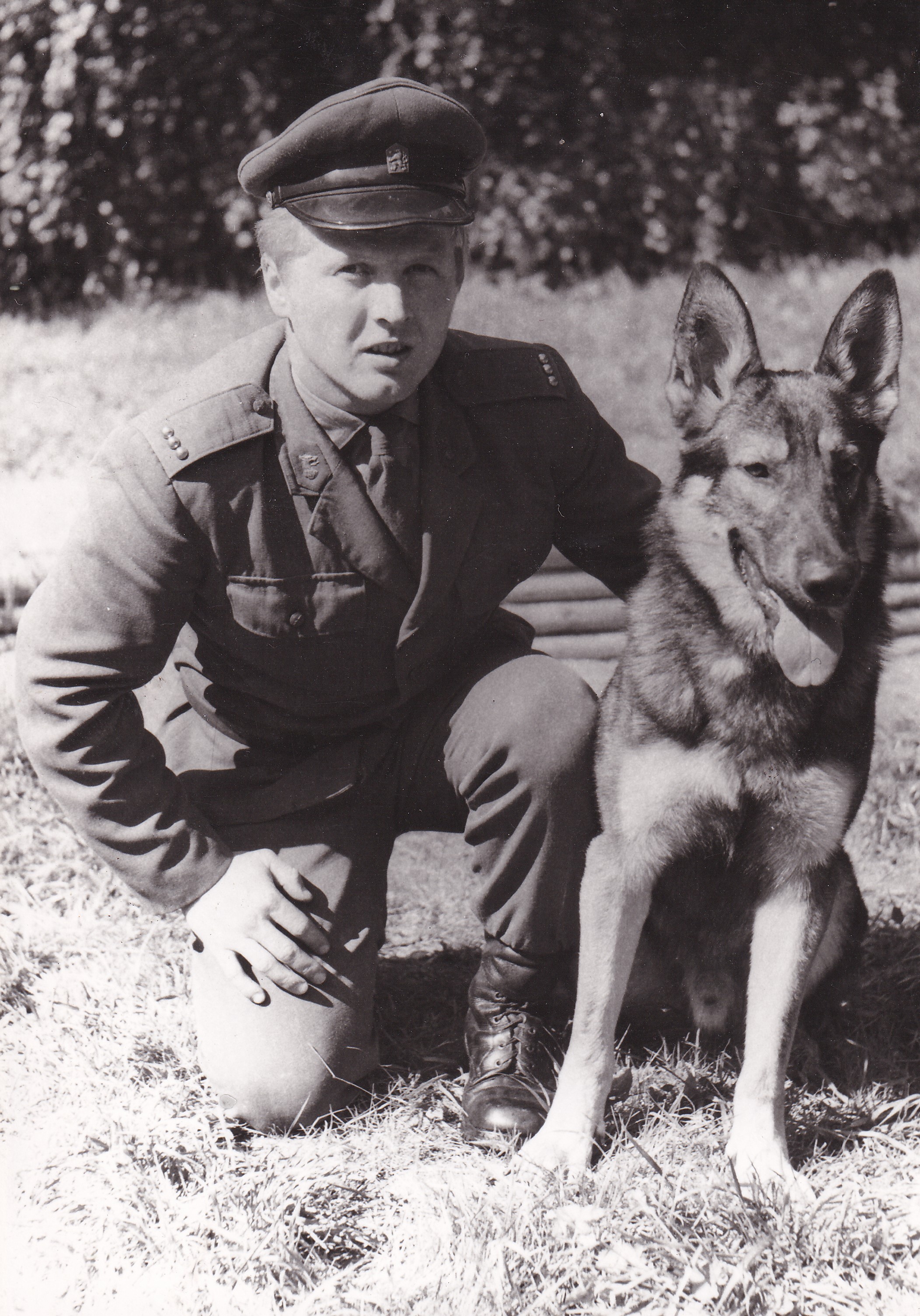
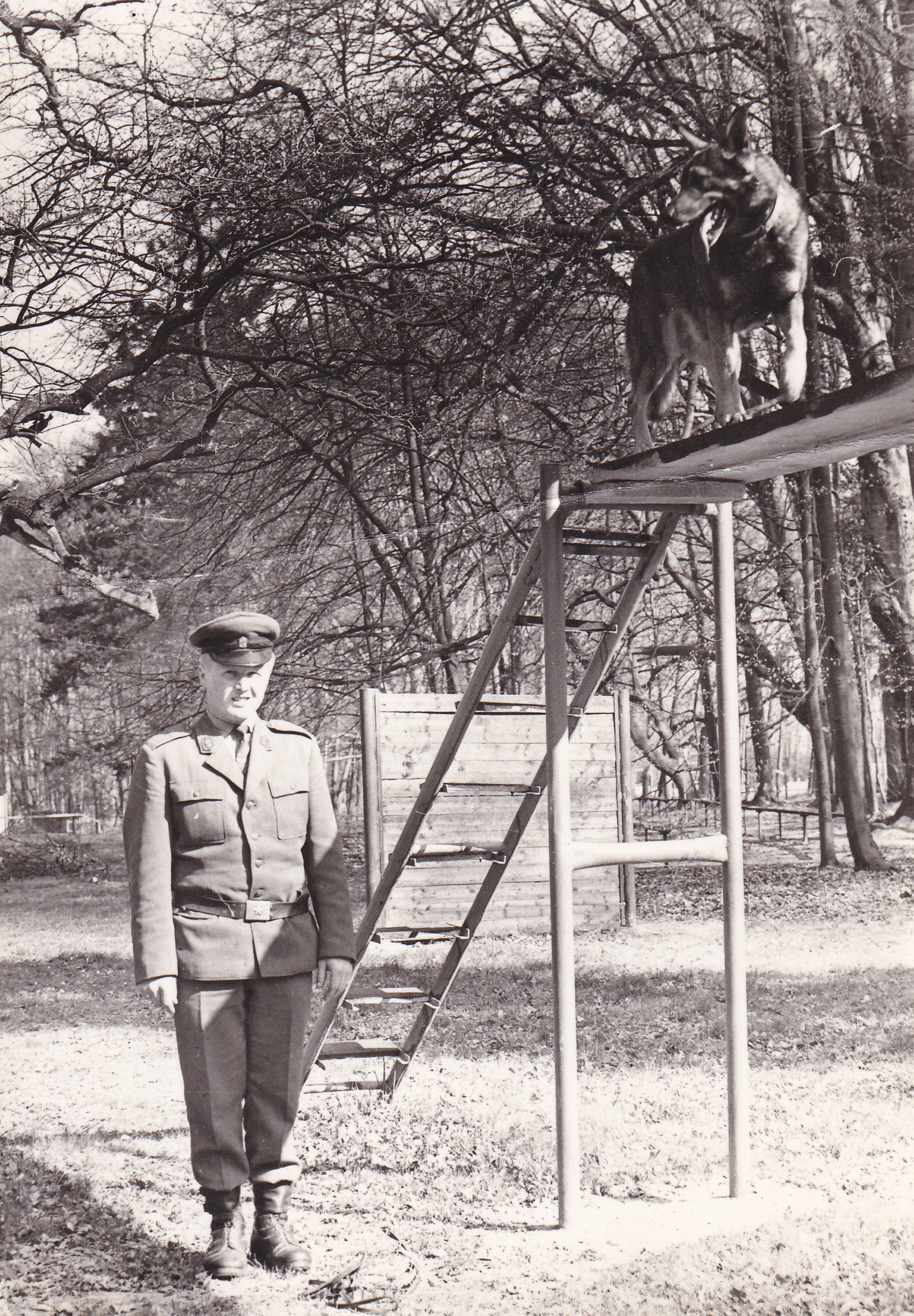
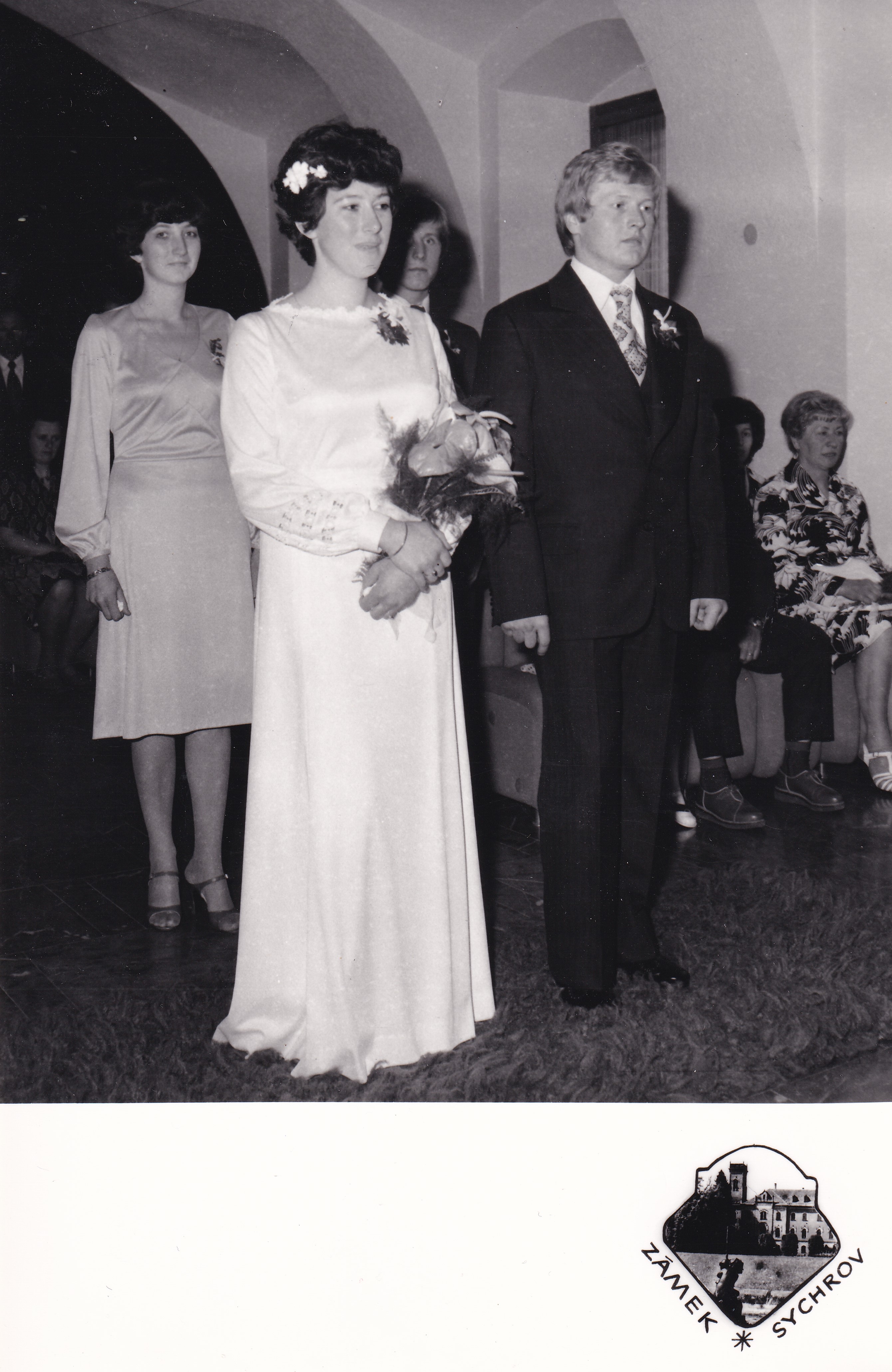
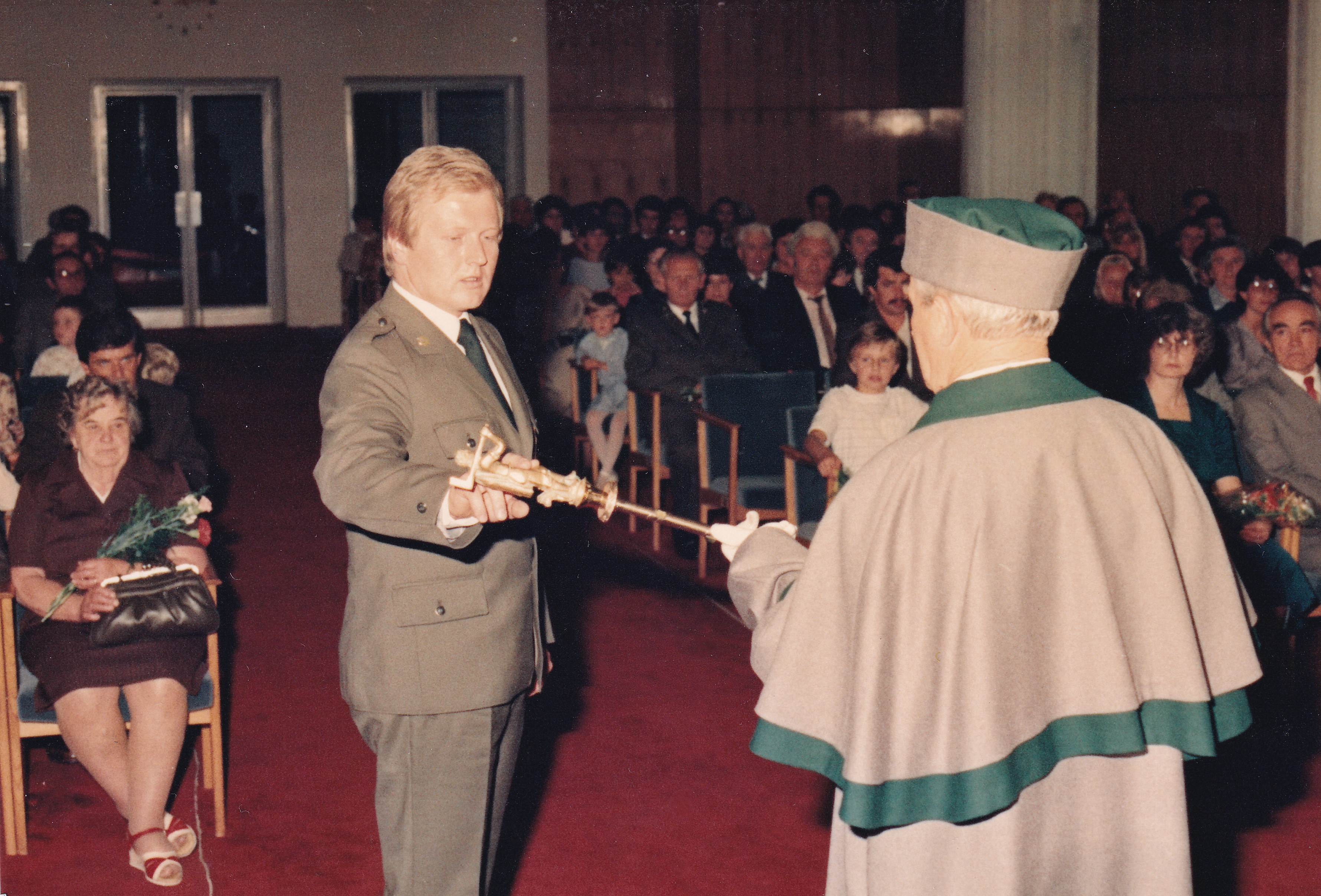
Jaromír Gebas was born on May 11, 1953 in Trutnov. His father Jaromír Gebas Sr. was a veterinarian and his mother Lenka Gebasová (née Vlachová) worked as a court reporter. The happy childhood was interrupted in 1956 by the nationalization of the farm, which belonged to his father‘s relatives. He graduated from the Secondary School of Forestry in Trutnov in 1973. Just a few months later, on 1 July 1973, he joined the KRNAP Administration. The same year he enlisted in the Border Guard in Ašský výběžek, where he also graduated from the non-commissioned officer school in Libějovice. Witness´s name was wrongly entered in the registration protocol under the category of confidant, later under the category of agent. From 1977 he worked as head of the field service centre in Špindlerův Mlýn. In the second half of the 1970s he became a member of the Communist Party of Czechoslovakia. He graduated from the Faculty of Forestry at the University of Agriculture in Brno in 1985. He actively participated in the revolutionary events during the Velvet Revolution. The revolution launched the political career of Jaromír Gebas, who served as a member of the Federal Assembly for the Communist Party of Czechoslovakia (later for the Communist Party of the Czechoslovak Republic). He did not defend his mandate again and left politics and the party. He worked at the KRNAP Administration for more than 40 years. He was one of the initiators of the establishment of the Association of Nature Guardians, which still operates today. At the time of filming, in 2025, he lived in Vrchlabí.
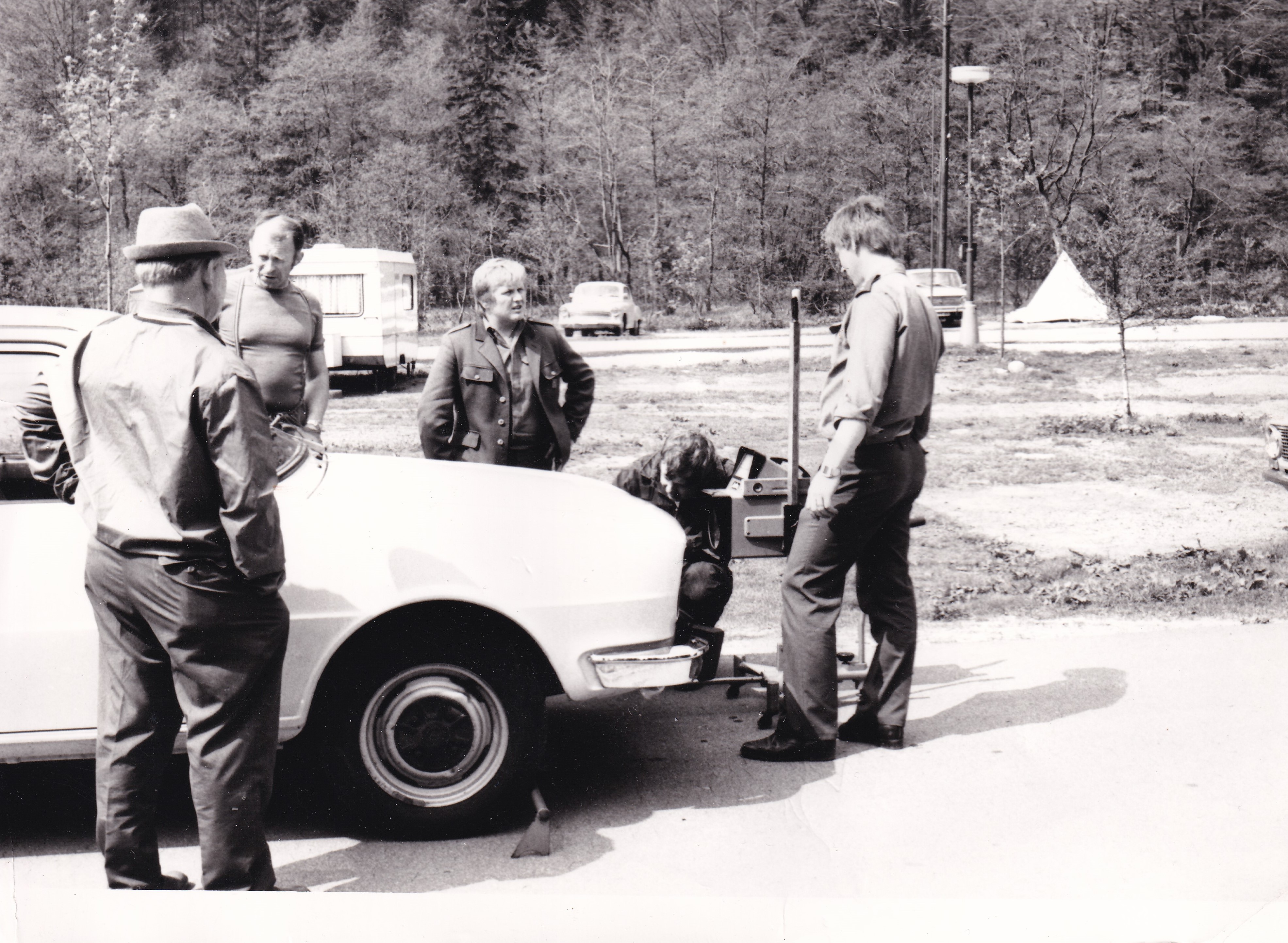
Jaromír Gebas, in cooperation with the police, carries out a free emission check of local residents' cars, on the basis of which permits were subsequently issued, Špindlerův Mlýn, 1978
Jaromír Gebas, in cooperation with the police, carries out a free emission check of local residents' cars, on the basis of which permits were subsequently issued, Špindlerův Mlýn, 1978
The launch of the book Kůň pro Krakonoše, pictured here are its authors and actors, from left: Zdeněk Heřman, Jaroslav Holeček and Jaromír Gebas, in Vrchlabí in 1984
The launch of the book Kůň pro Krakonoše, pictured here are its authors and actors, from left: Zdeněk Heřman, Jaroslav Holeček and Jaromír Gebas, in Vrchlabí in 1984
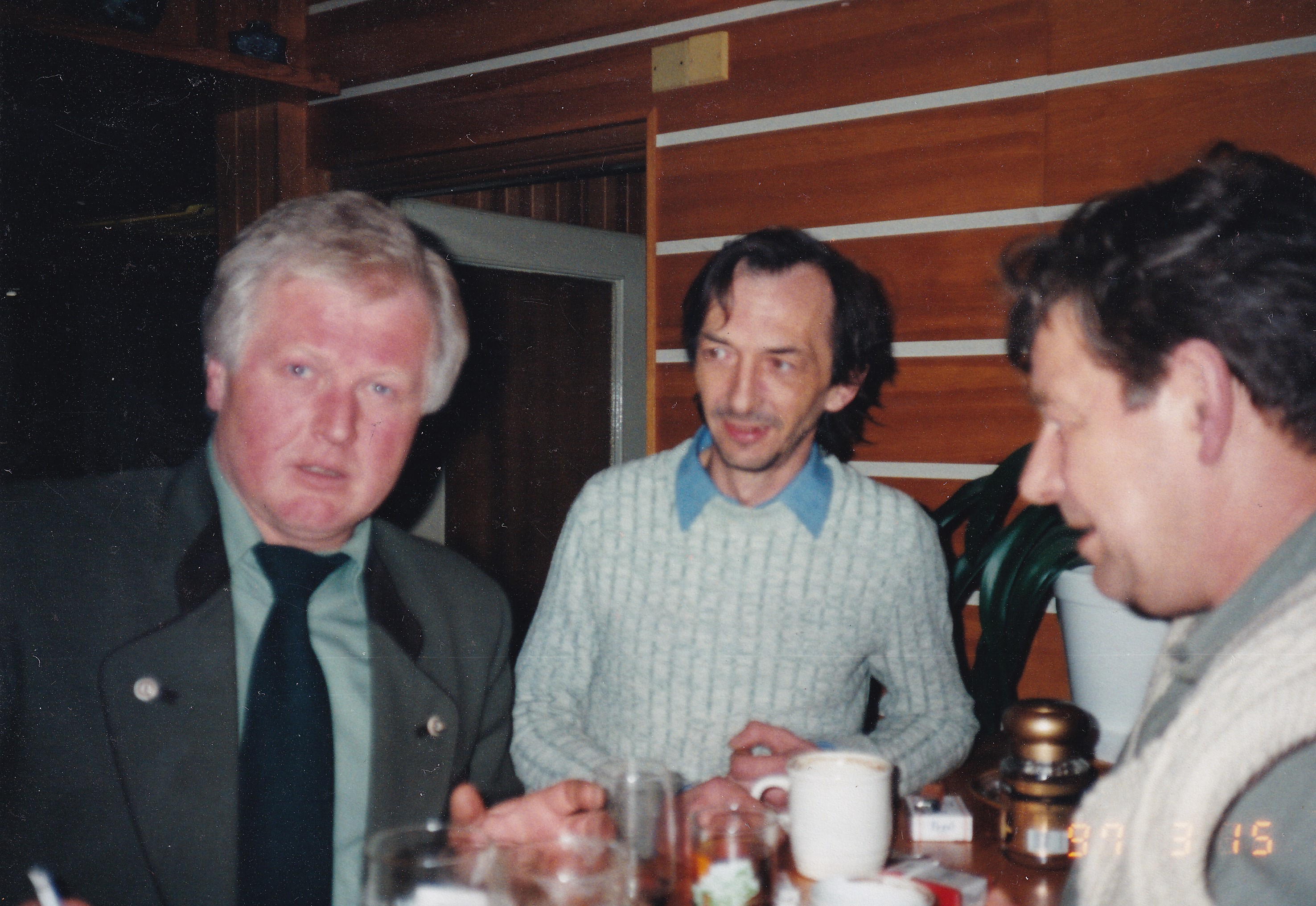
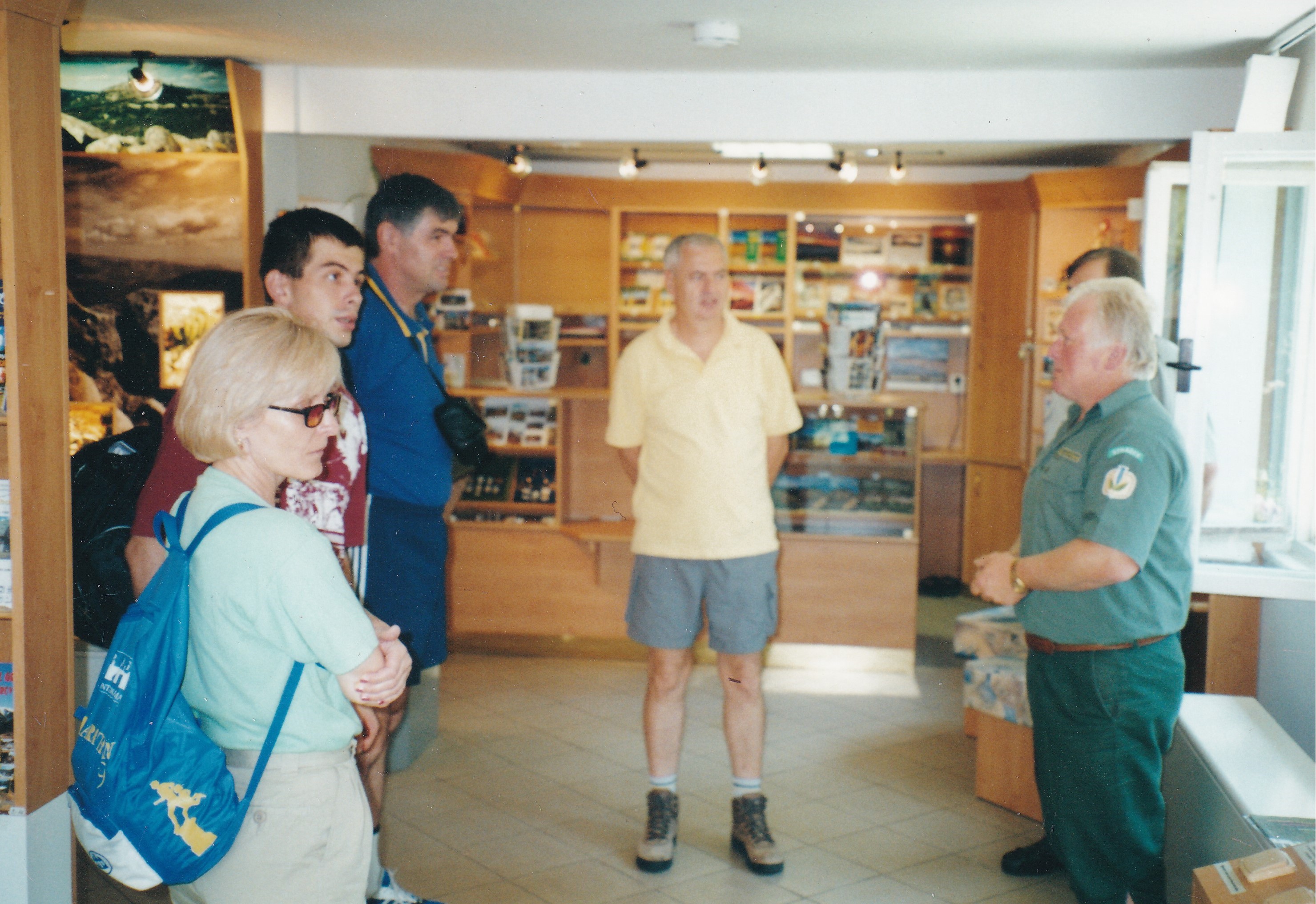
Accompanying the professional excursion, Jaromír Gebas first from the left, next to him stands Ing. Zdeno Pochop from Slovenský ráj, Zlaté návrší - Labský důl, 1998
Accompanying the professional excursion, Jaromír Gebas first from the left, next to him stands Ing. Zdeno Pochop from Slovenský ráj, Zlaté návrší - Labský důl, 1998