Martin Fryč

* 1970

  • "Nowadays when I tell someone that, they find it strange that you couldn't buy a map of New York in a bookshop here. The only one that sold it was the State Publishing House of Technical Literature in Spálená Street. You had to go there, I used to go there all the time to see what they had new, and sometimes they got some, so I bought some for my collection, and of course I flipped through it and thought how great it would be to go there. I'll never go to New York again, I hate flying, so New York is de facto out of reach for me, but I don't regret it that much. It's probably going to be a very interesting living city, but Europe is enough for me. We've seen things like that, like West Berlin inaccessible. I used to go then, it was 1988, to buy topographical maps in the regional centres, I deliberately wanted the ones near the border. And there it ended with the border and there was nothing beyond the border, there was white. And I knew, because I was collecting those special maps from the Austro-Hungarian Empire, that there was no white there, that there were villages and towns. These were the little things that you could perceive that something was wrong, that something was strange. The same thing is said, that actually the only coverage of the Czech Republic was the basic tourist map 1:100,000, which is not a very good scale, it's quite difficult to navigate the terrain by that, the towns - there are not individual buildings directly, but just such strange clusters of buildings. The map is not even pretty, it's really ugly. And we've learned that the layout of the sheets is deliberately made so that there are no military areas."

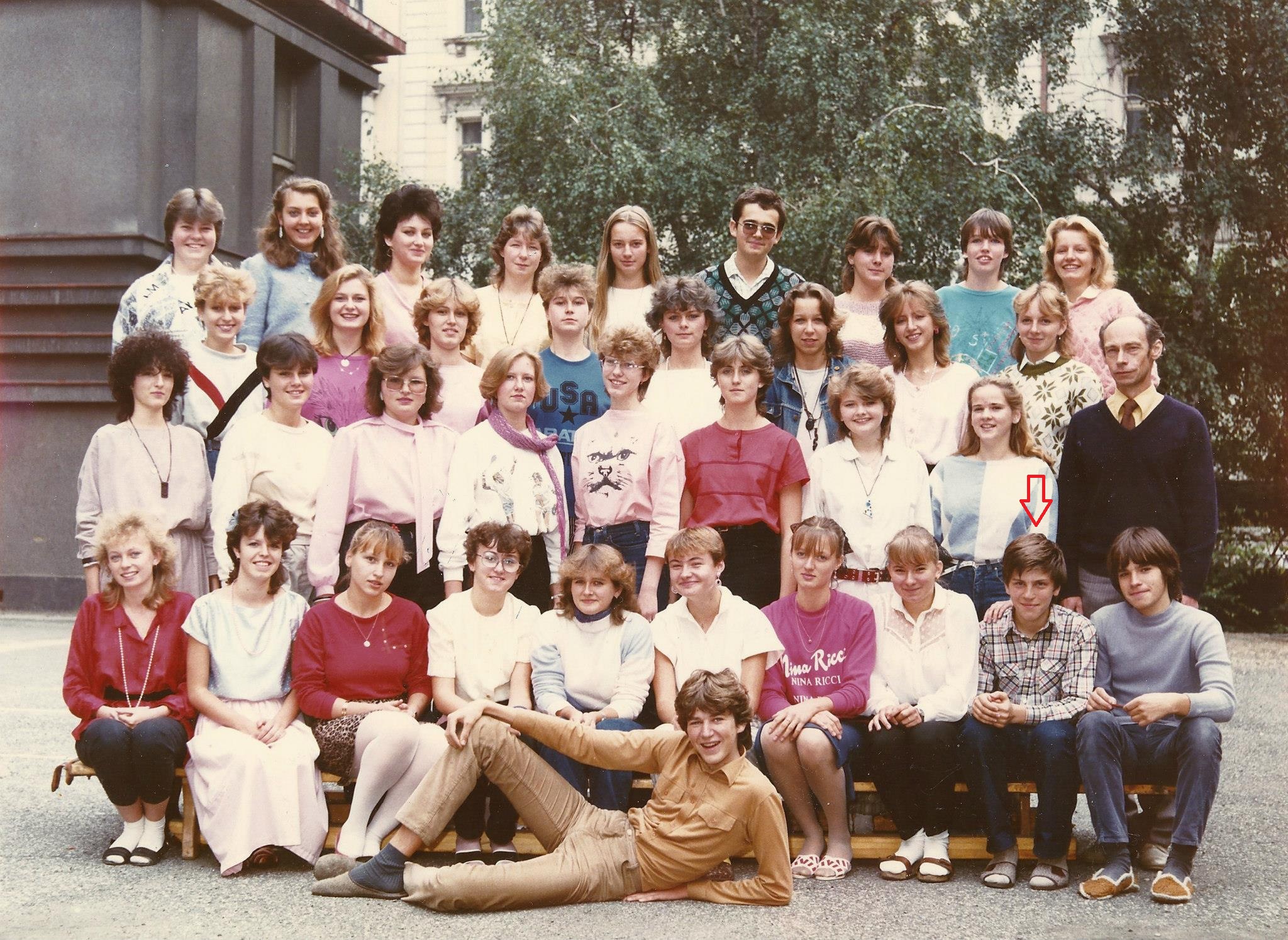
  • "But we saw Mňága a Žďorp, Jiří Dědeček, we saw Václav Havel, who climbed up on stage, and Jiří Podzimek - we were sitting on that rock - his eyes almost fell out of their sockets, that someone like that, who is always being bullied and in prison, could suddenly be on stage and talk to Honza Rejžek. And this actually illustrates that time, we didn't really know who Václav Havel was. We kept hearing his name from Free Europe or the Voice of America, but it didn't dawn on us that this is the writer, this is the playwright, this is the person who is being bullied by the regime. So we were looking, we were saying, 'Hey, who is this?' And he says, 'Václav Havel, don't you know?' He kept pulling us into this sphere. It was as formative for me as it was for my parents. He was a person who showed me a lot. For example, in 1986, the whole class of us signed a congratulatory letter to Seifert on the Nobel Prize. So we normally sent him a letter in the mail."

  • "An interesting phenomenon of Košíře, when I was still at primary school, was that we came into contact with the West in a strange way, by collecting beverage cans, beer cans and soda cans, and that was the Stop Motel, which is down the street in Motol. It's only about four stops from that Košíře, and we walked there many times, and in fact most of those Košíře classmates had whole walls stacked with cans. And because they were export versions, so a lot of times we'd have series or Tucher would do German cities and stuff. And I also had some interesting moments there where we would fight over the cans, and the absolute highlight was, it really happened in my class, there was an official letter from the Stop Motel telling us not to go there anymore, that it was a disgrace. And there was a specific reason for that letter because one of the photographers who came from West Germany with the buses took a picture of my classmate begging for a can. Actually, the first German phrase we learned was 'Haben Sie leere Dosen?' - 'Do you have empty cans?' and of course I still remember that to this day. They took a picture of him at the bus begging, and it was published on the cover of either Stern or Spiegel with the headline, 'Begging Socialist Child in Czechoslovakia.'"

  • Celé nahrávky
  • 1

    Praha, 25.08.2025

    (audio)
    délka: 01:53:40
    nahrávka pořízena v rámci projektu Stories of 20th Century
Celé nahrávky jsou k dispozici pouze pro přihlášené uživatele.

Fourteen thousand exhibition openings in seventeen years of life
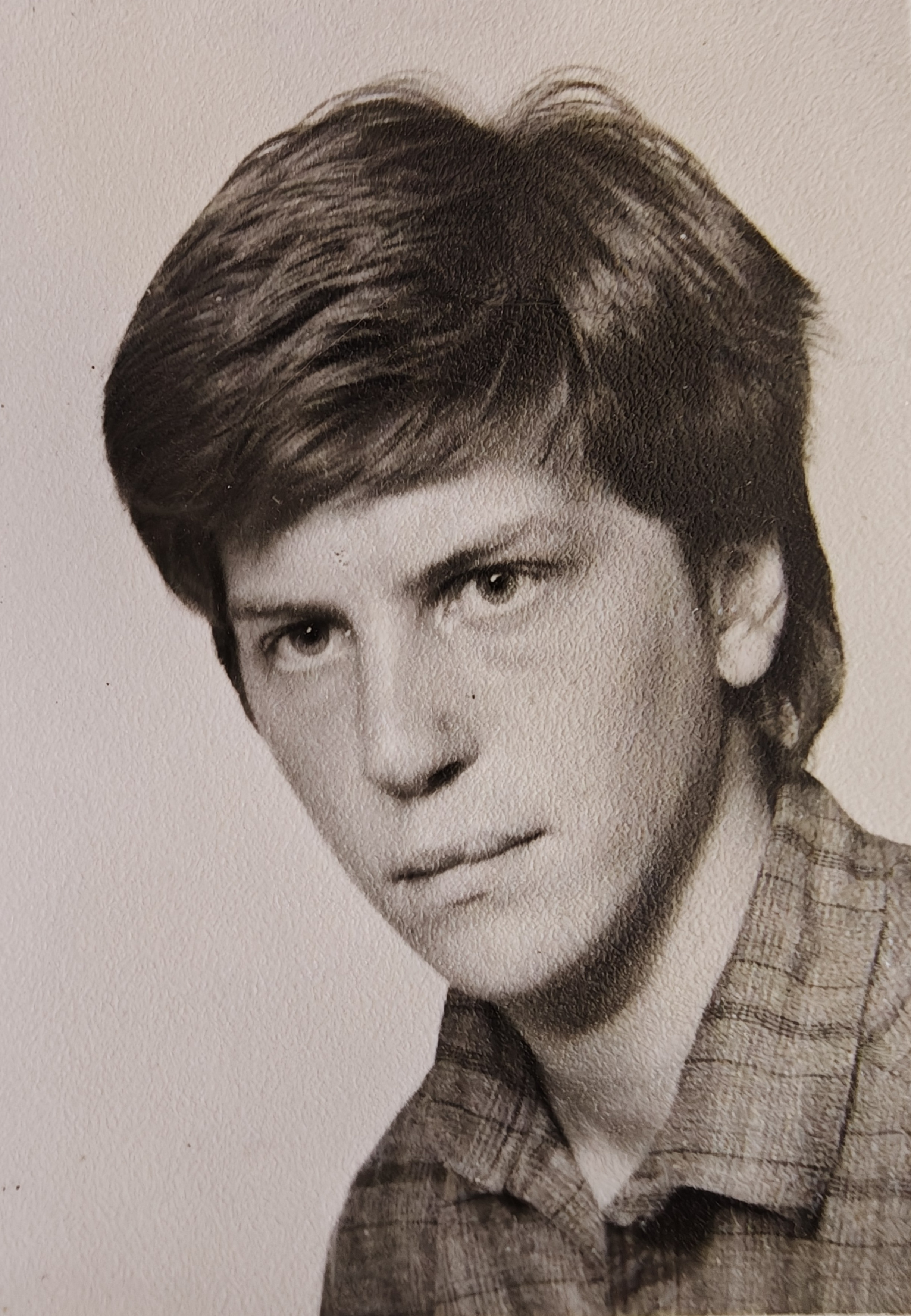
Martin Fryč, 20 years old
zdroj: Witness´s archive

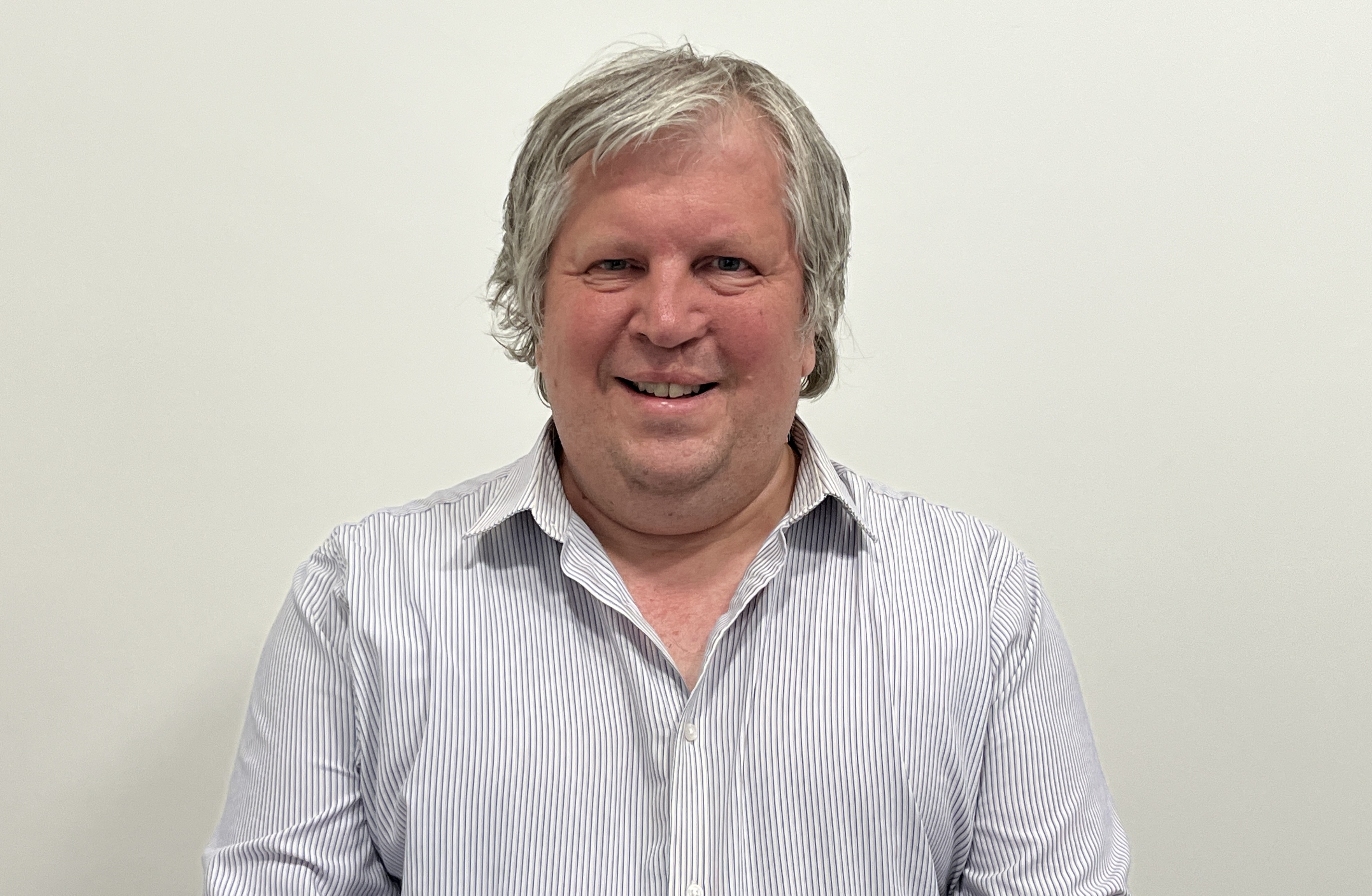
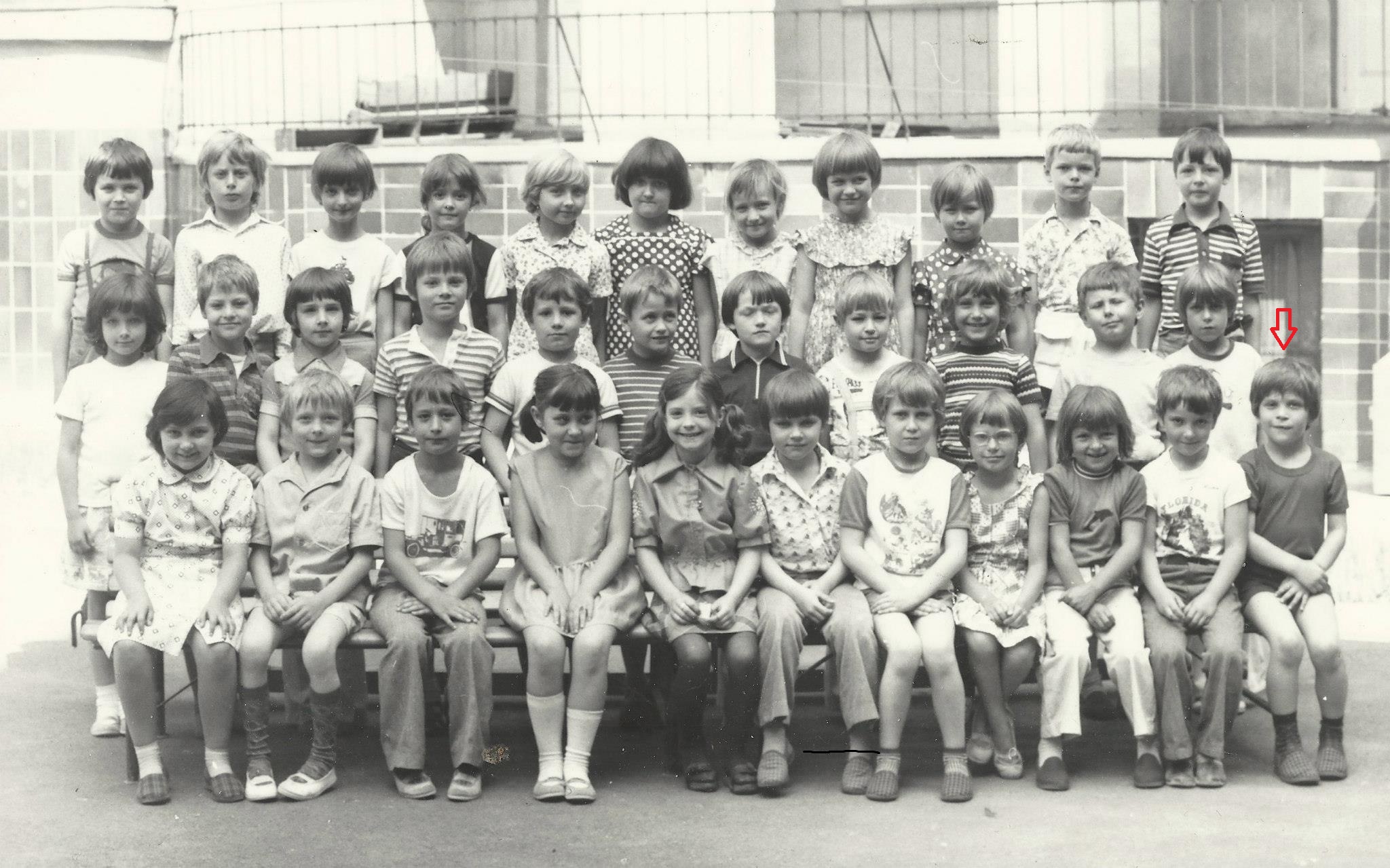
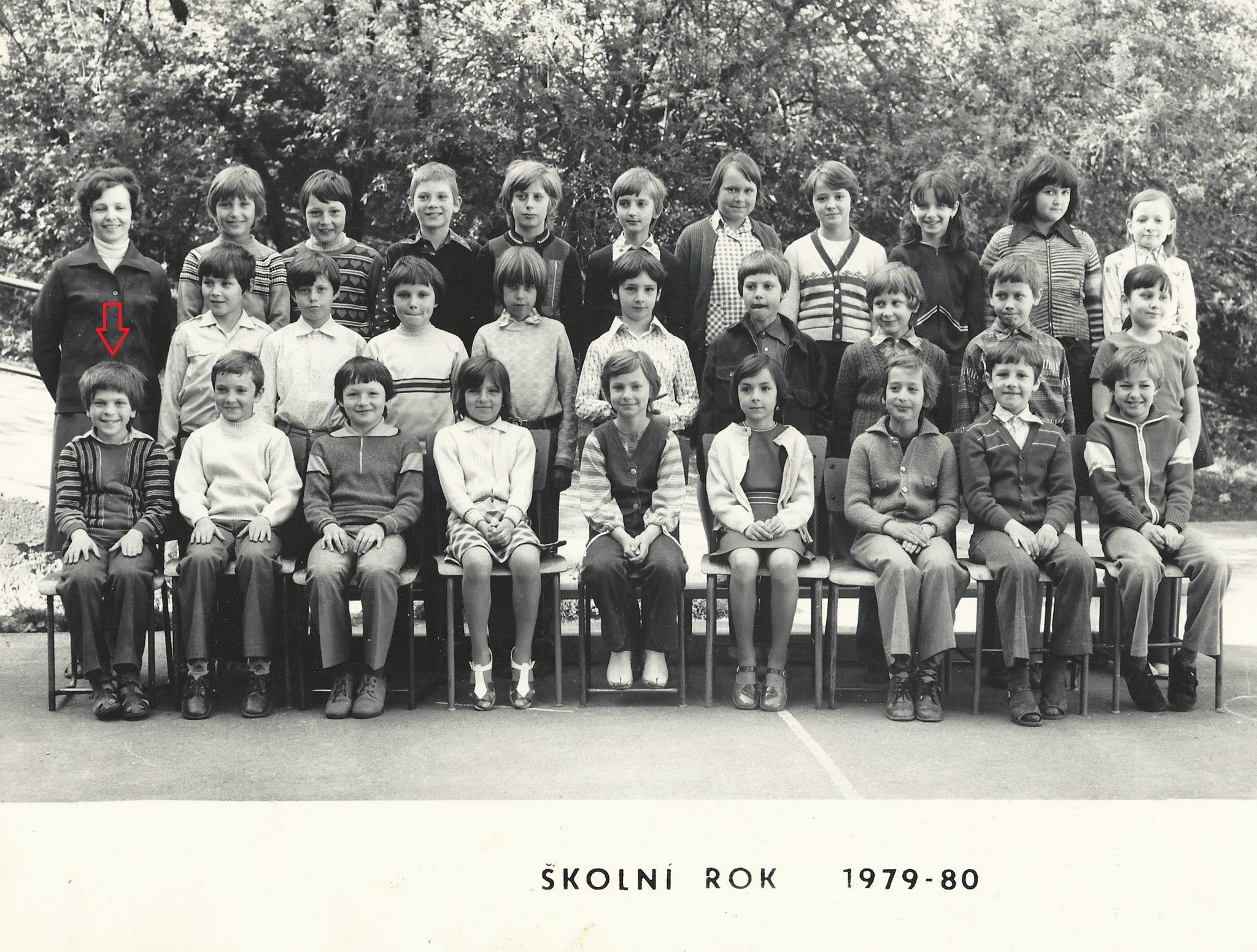
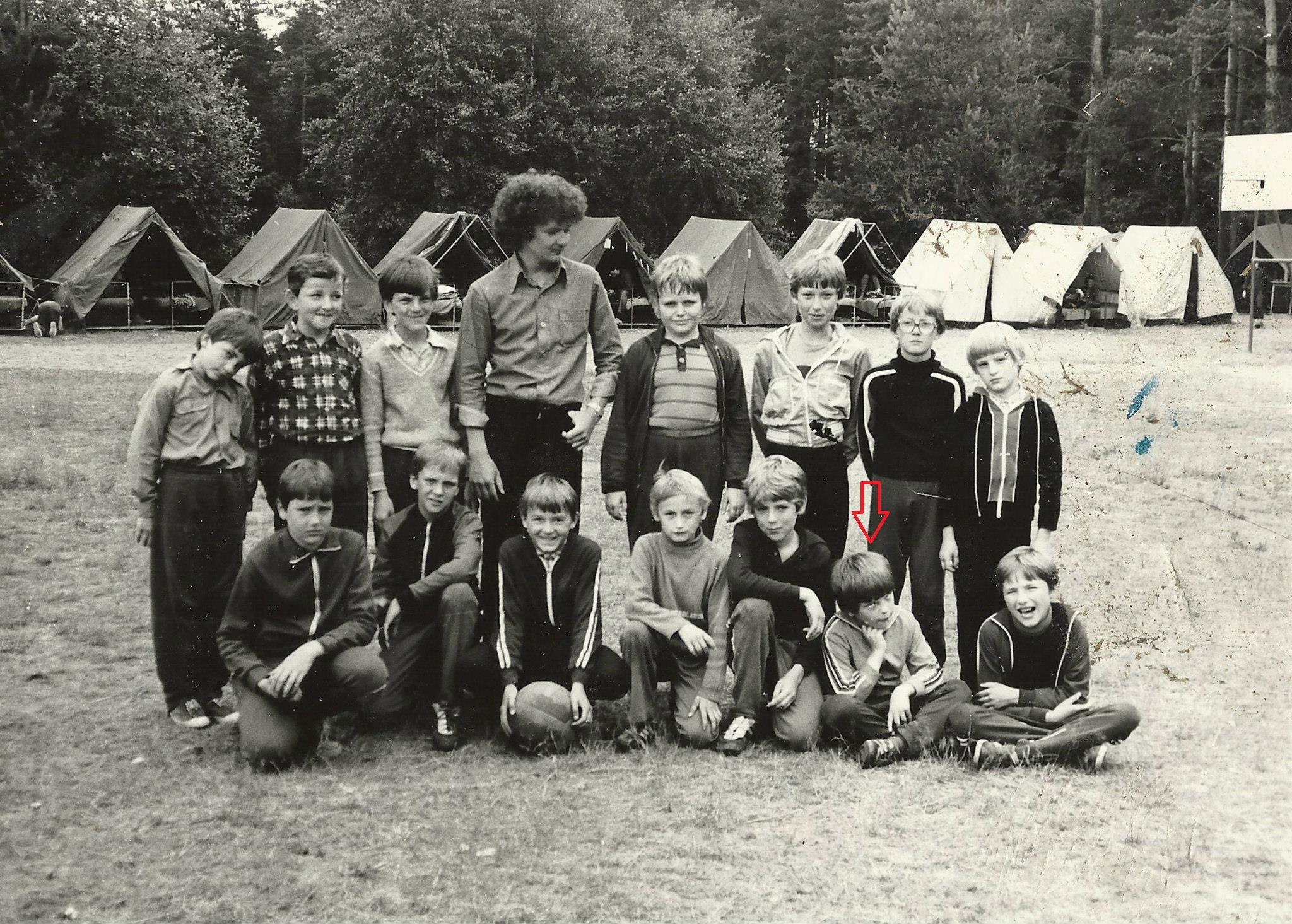
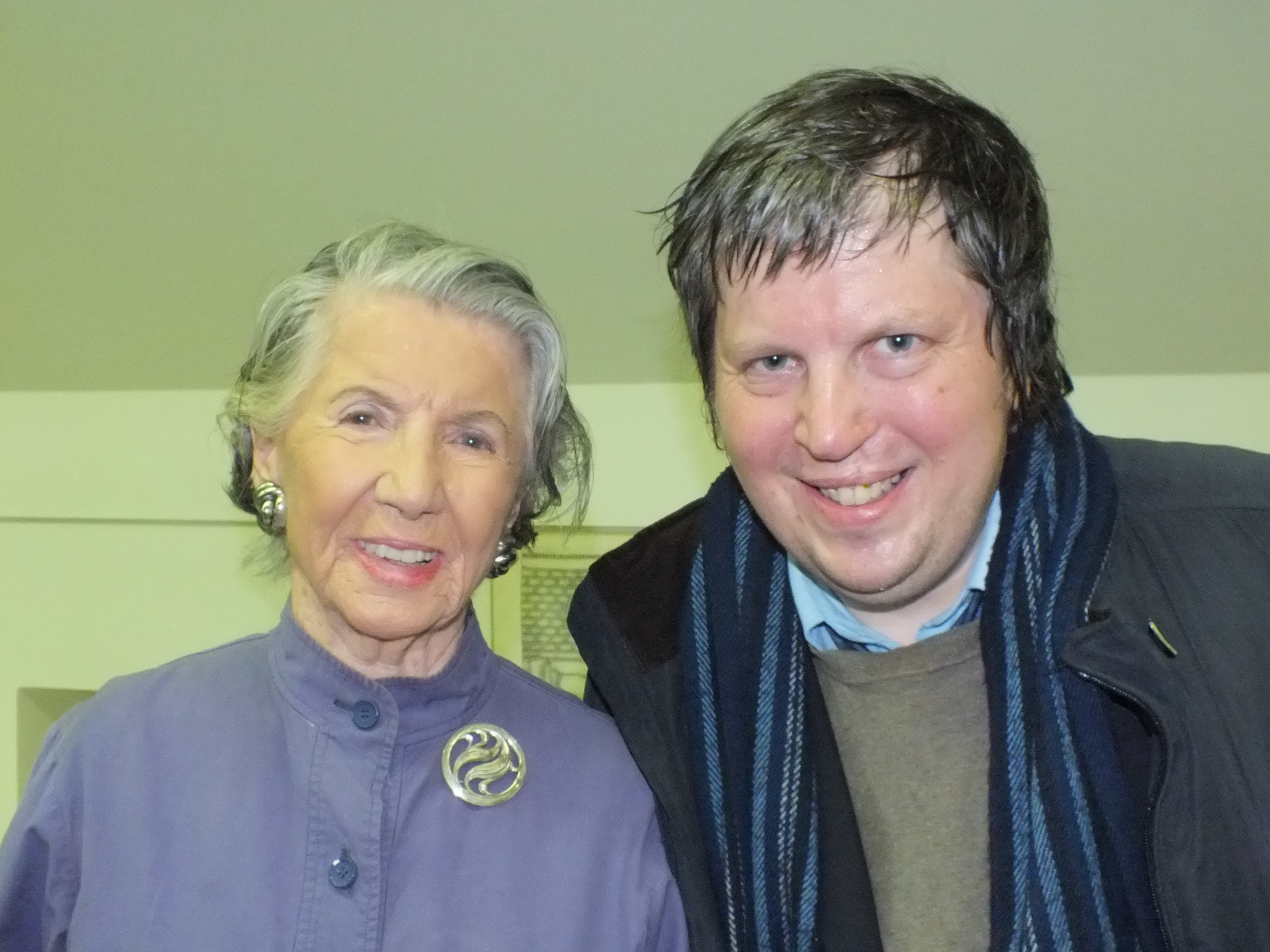
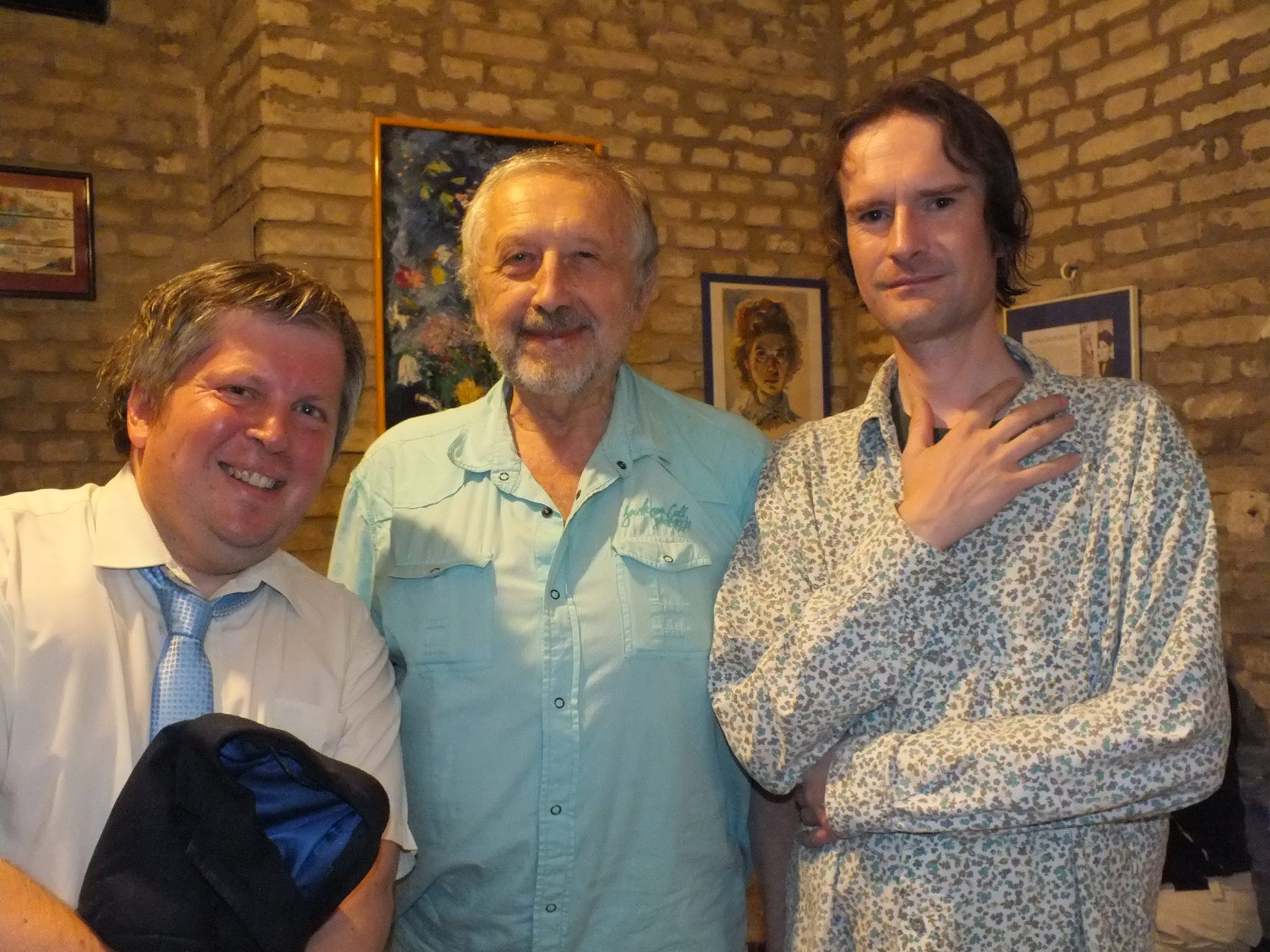
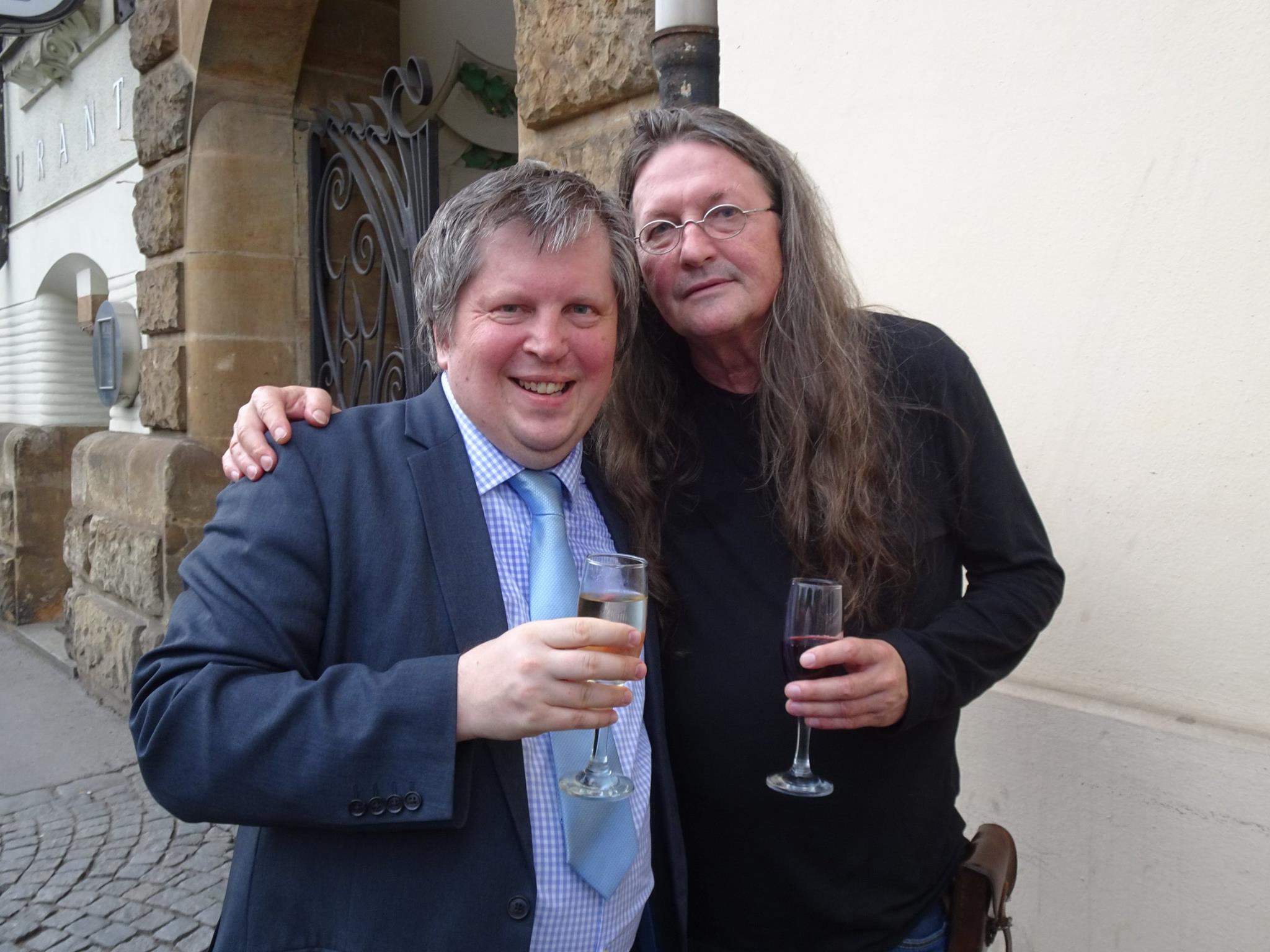
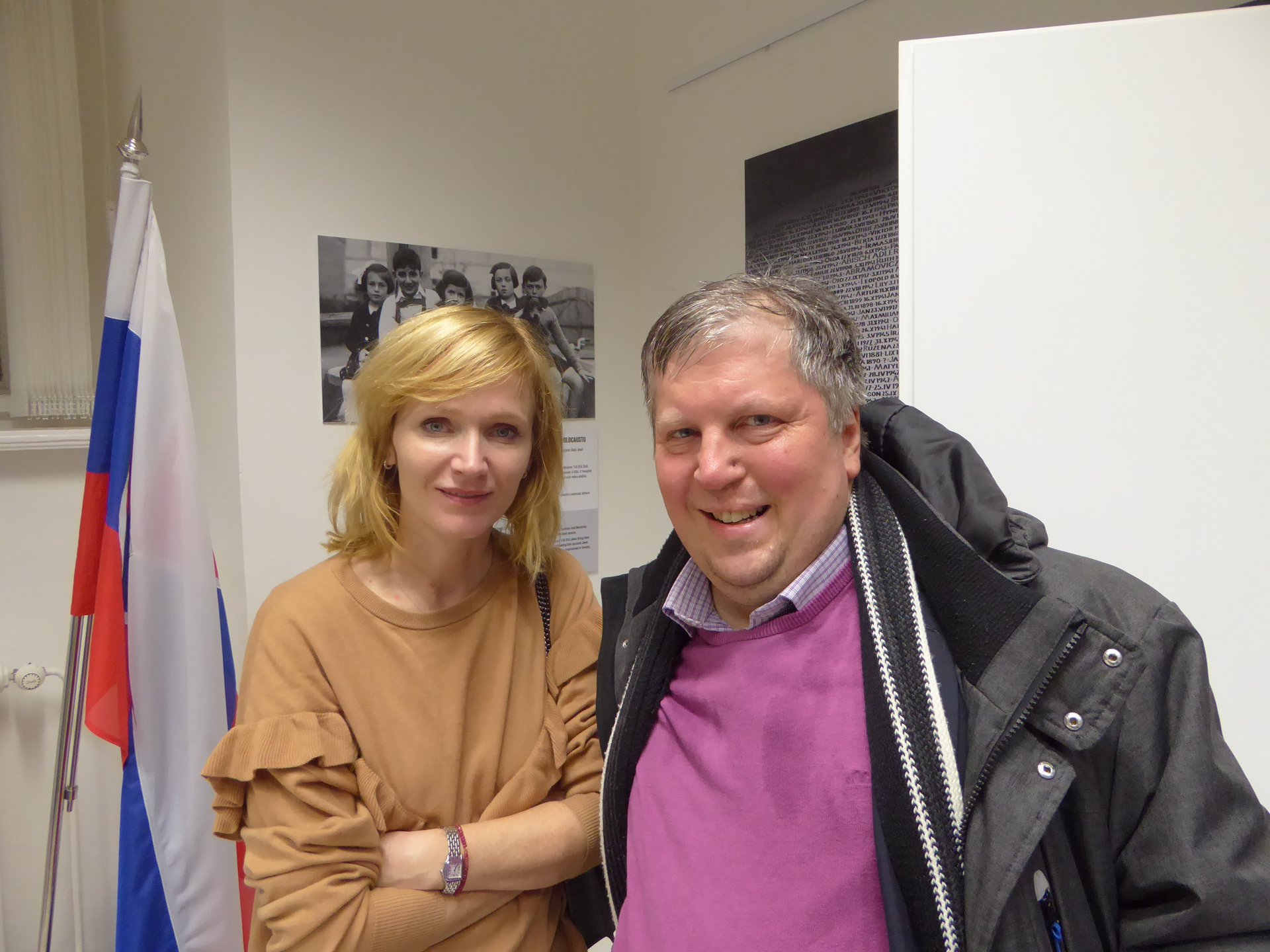
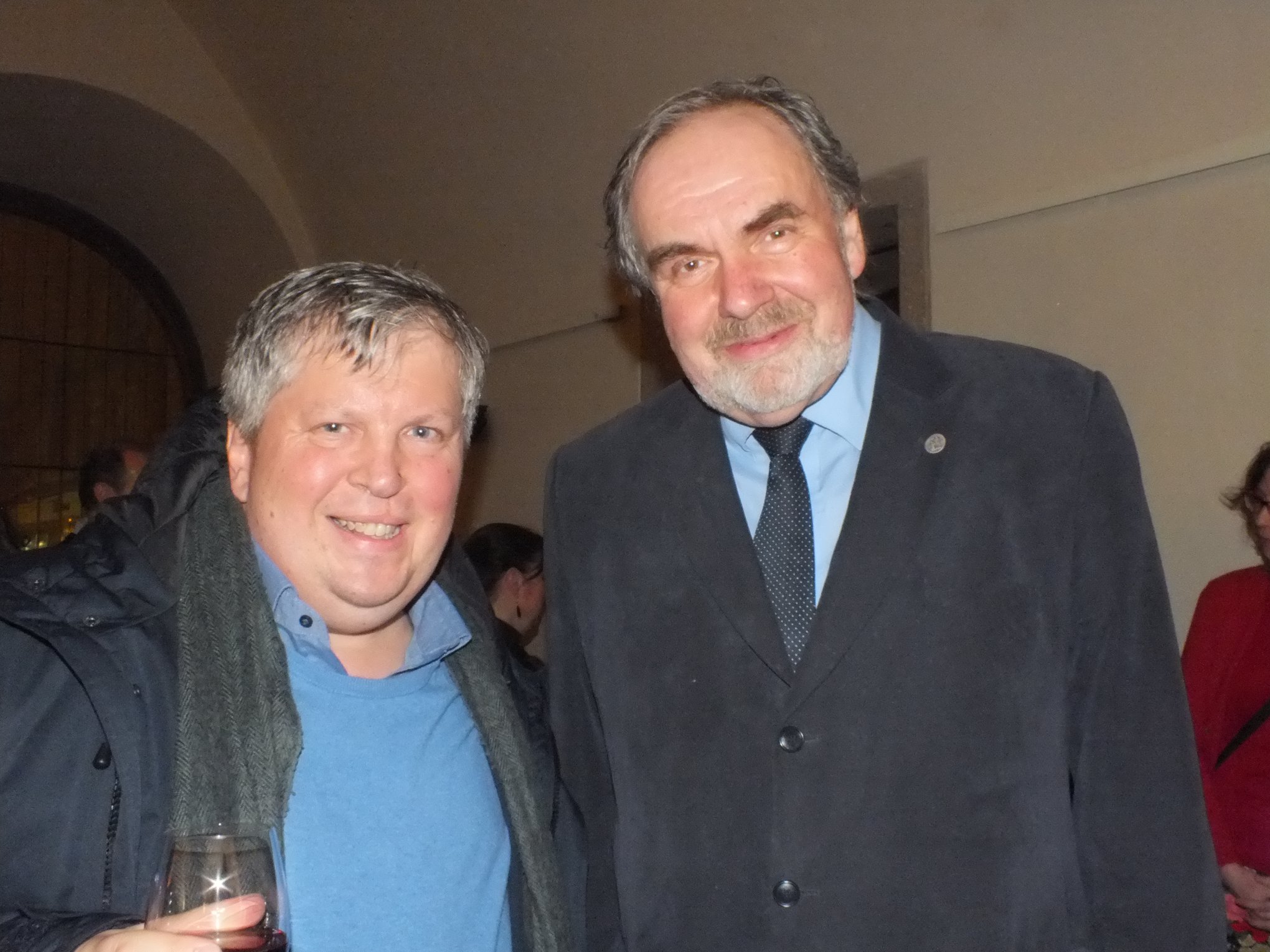
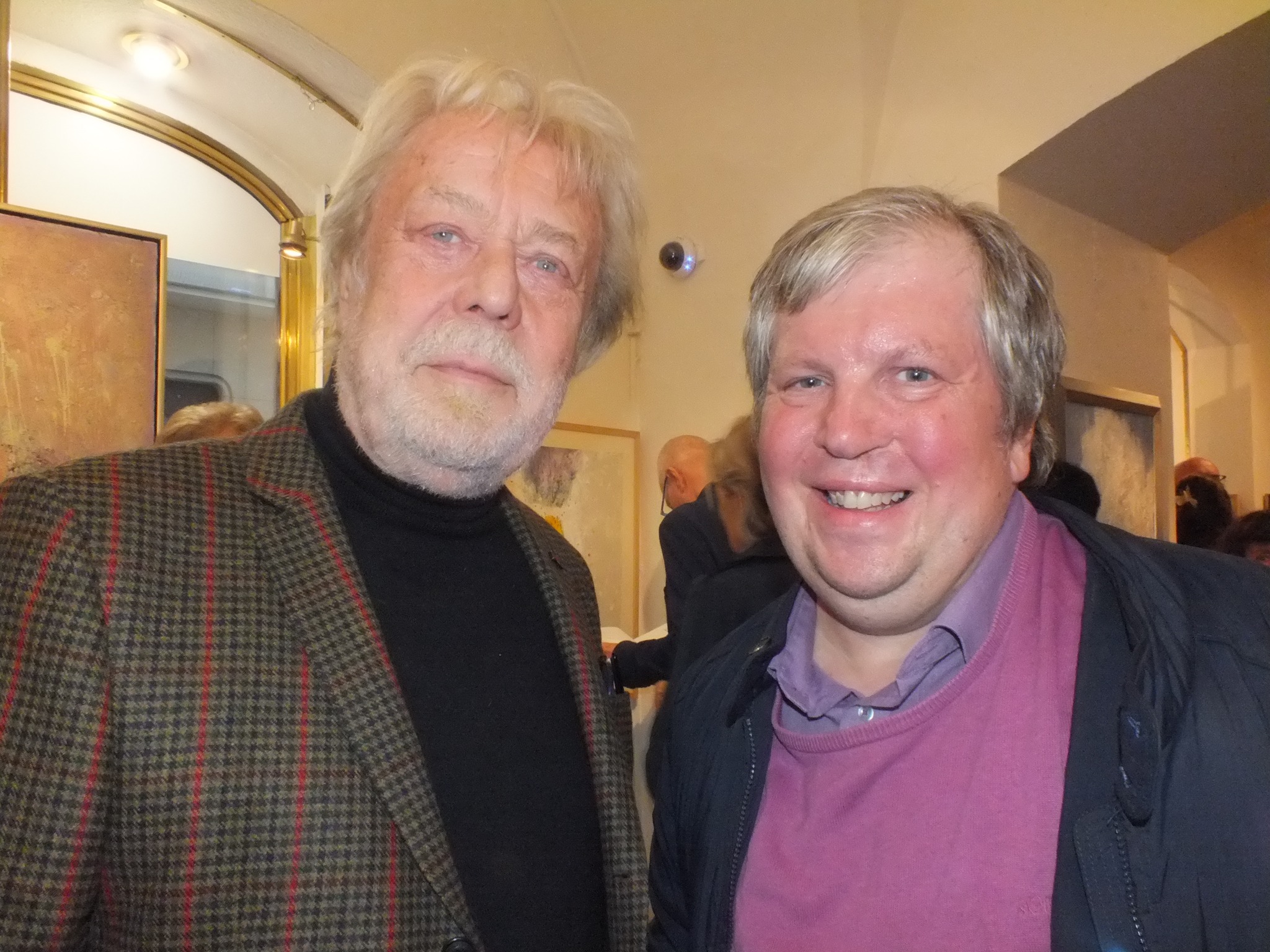
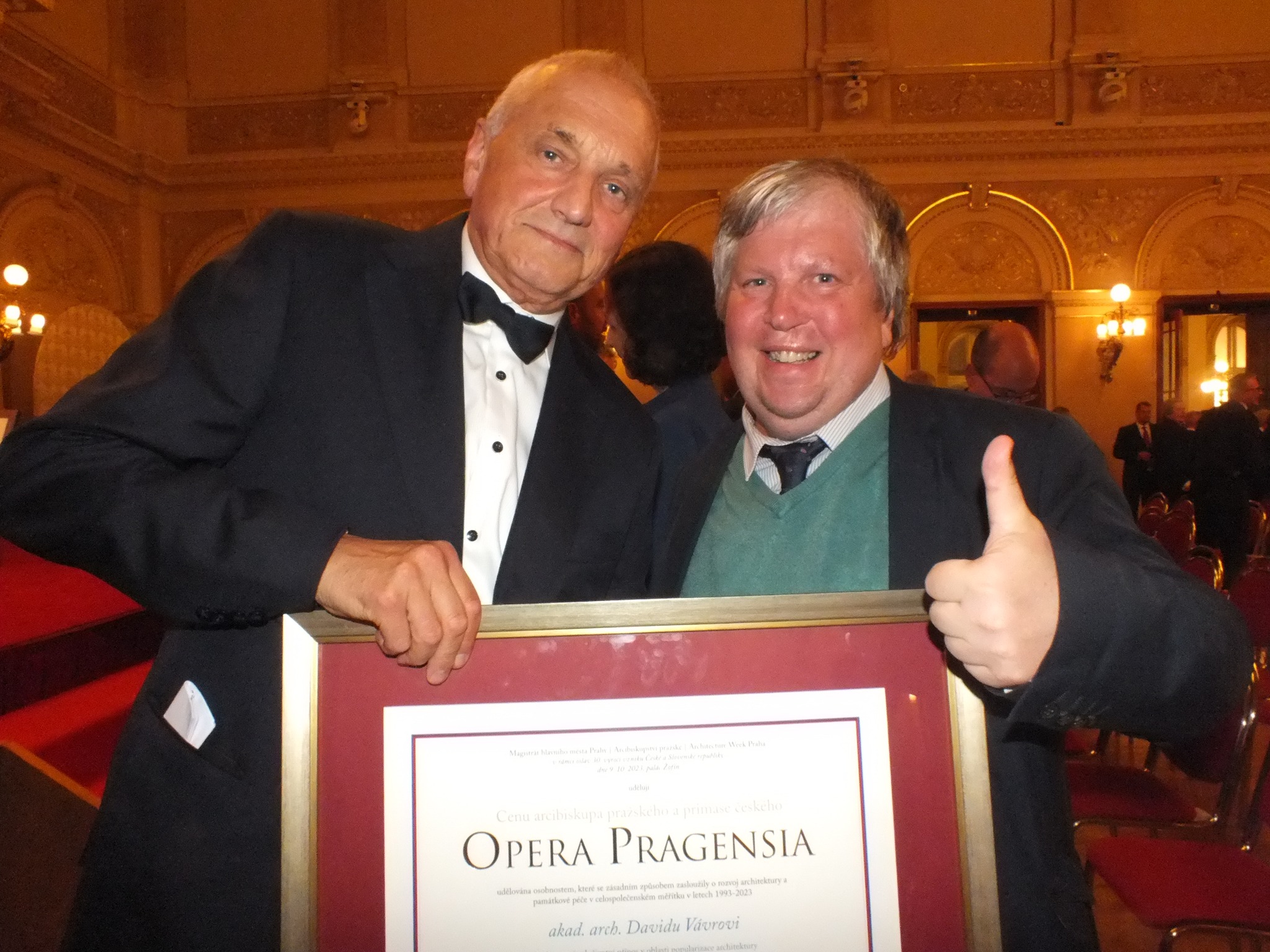
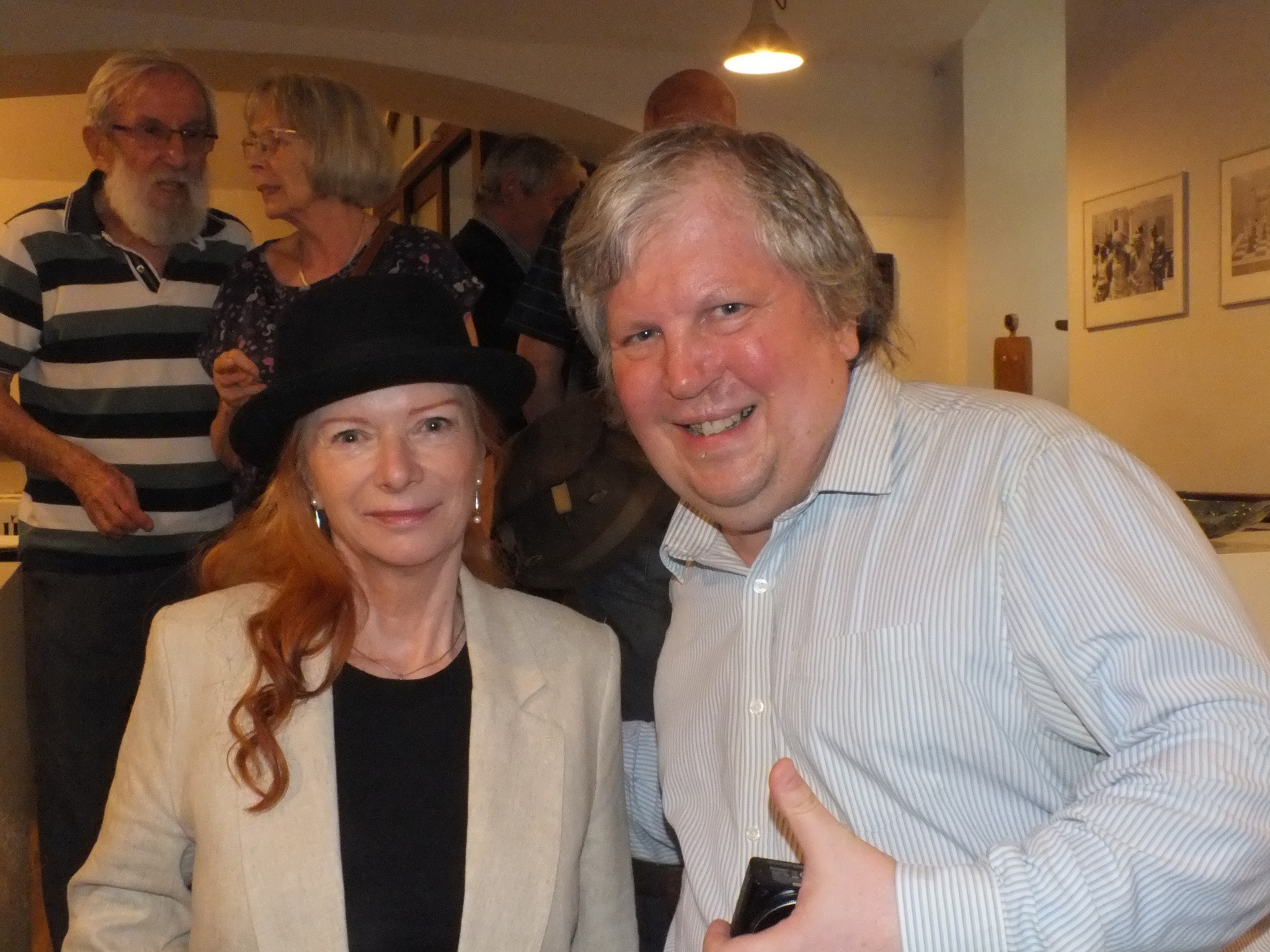
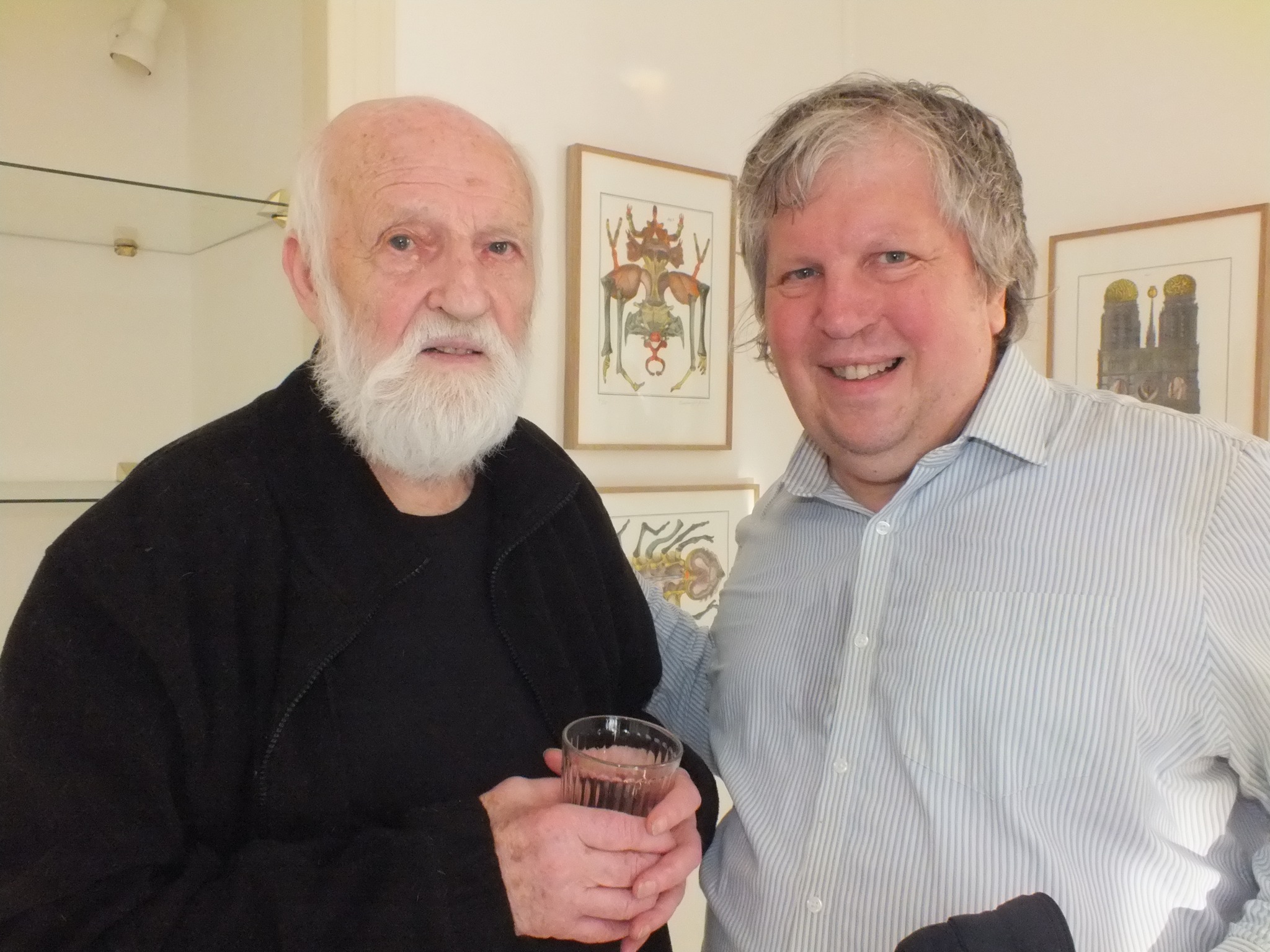
Martin Fryč was born on 2 August 1970 in Prague into a family with a brewery tradition, his father Rudolf Fryč worked as a brewery laboratory technician, his mother Alena Fryčová as a rehabilitation nurse. He spent his childhood in Louny, later the family moved to Prague, where his father ran a malting plant in Nusle. He grew up in the time of normalization, at home listening to the Voice of America, while at school he was a Pioneer member and later a Socialist Youth Union member. From a young age he was interested in Western culture and cartography. In the mid-1980s, he entered secondary brewery school, where he was greatly influenced by his teacher Jiří Podzimek, who introduced him to the world of the underground. In 1989, he joined the Society for a Cheerful Present, a recessionist initiative, and took a course in music journalism, which functioned as a samizdat workshop. After unsuccessful attempts to gain admission to university, he worked at the Research Institute of Plant Production and as an assistant at the University of Chemical Technology (VŠCHT). In 1990, he took up a combined history-geography course at the Faculty of Arts of Charles University (FF UK) and the Faculty of Science (PřF UK), graduating in 1997. After that he worked in OD Máj, Makro, Hilton Hotel and for 20 years in Hill International recruitment agency. In 2008 he started photographing openings and his pictures have become a chronicle of Prague‘s cultural life. He published the book Contemporary Art through the Eyes of Martin Fryč and documented almost 14,000 exhibition openings until 2025. In 2025 he lived in Prague, worked as an assistant to the managing director at EKP Advisory and continued to document cultural life.