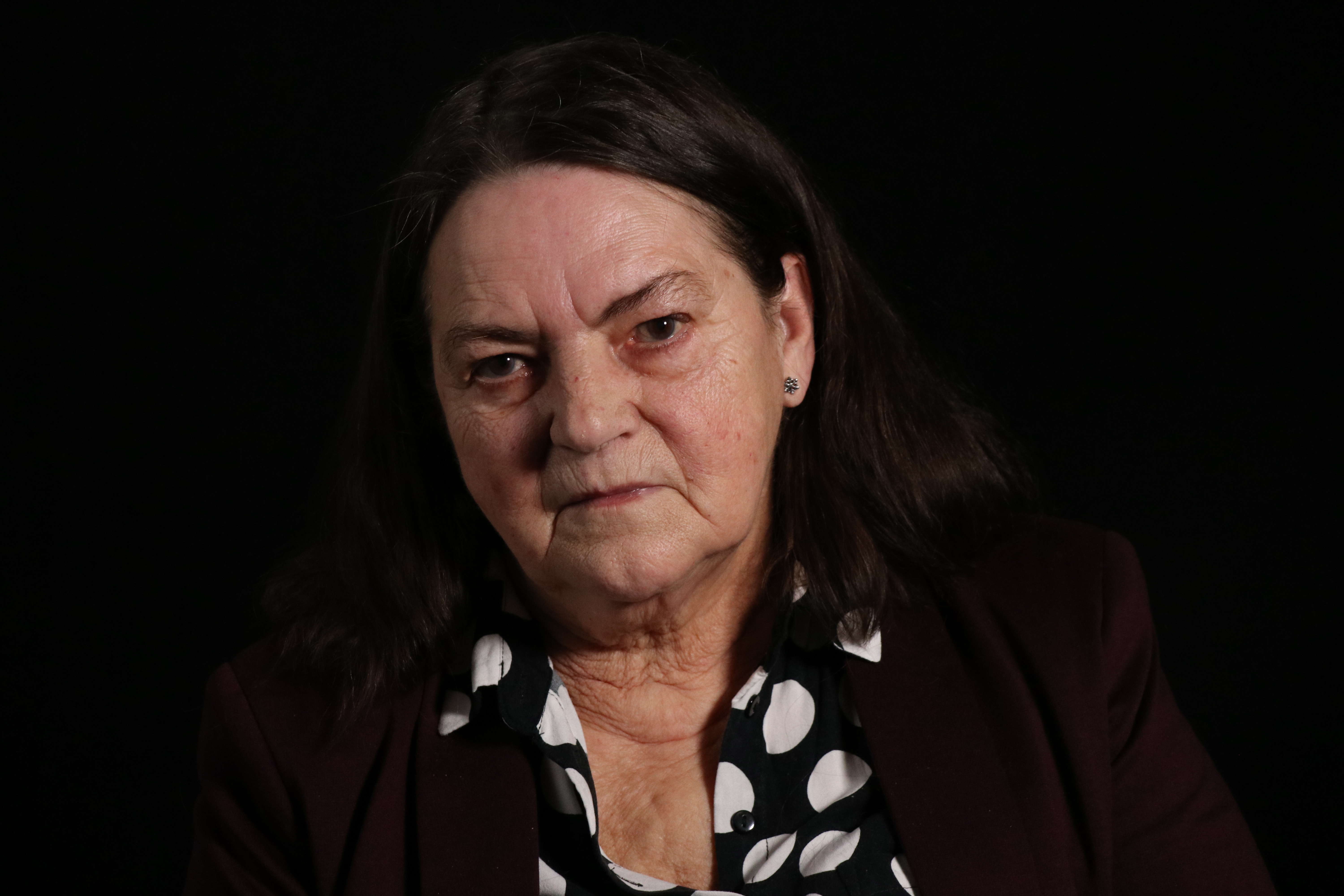
"So I didn't get support because we had a Škoda Octavia estate. But why did we want it... because at that time they were sort of raising the rent a bit and we were really... Not that it was noticeable, but it was really on the edge. But we got material support, I guess, so we wouldn't just abuse the money or something. And we got vouchers. And to this day the boys and girls remember it, they say, 'Mum, that was great then, that was really comedy.' And we got vouchers just for textiles, but not for clothes, but for bed linen. Just bed linen. I was like, what am I gonna do with this? So I come home with the vouchers and I say, 'Well, let's buy bed linen,' and Lada, my husband, says, 'You're mad, what are we going to do with it?' I say, 'Well, I don't know...'"
"I went to the school on Jiřího Square and that was a school that was just before the reconstruction, and from September we were supposed to move to Chelčického, which was a new school, newly opened. And we went there, only behind the school there was... I don't know if it was an orchard or there was a hill or what... and the Russians had nested there. They had a whole garrison there. And there was a road leading to the school from the tram, and there was a pond on the right, and the school on the left, and a road in the middle. And that's what I told the children, that's what I was afraid of, and not only me. And when we went to school, there were these Russians with these machine guns and we walked among them and they told us that we mustn't run, we mustn't trip, we mustn't laugh out loud and we had better be quiet before we got to school. And that was really... that was what I was afraid of, and not only me, we were really afraid."
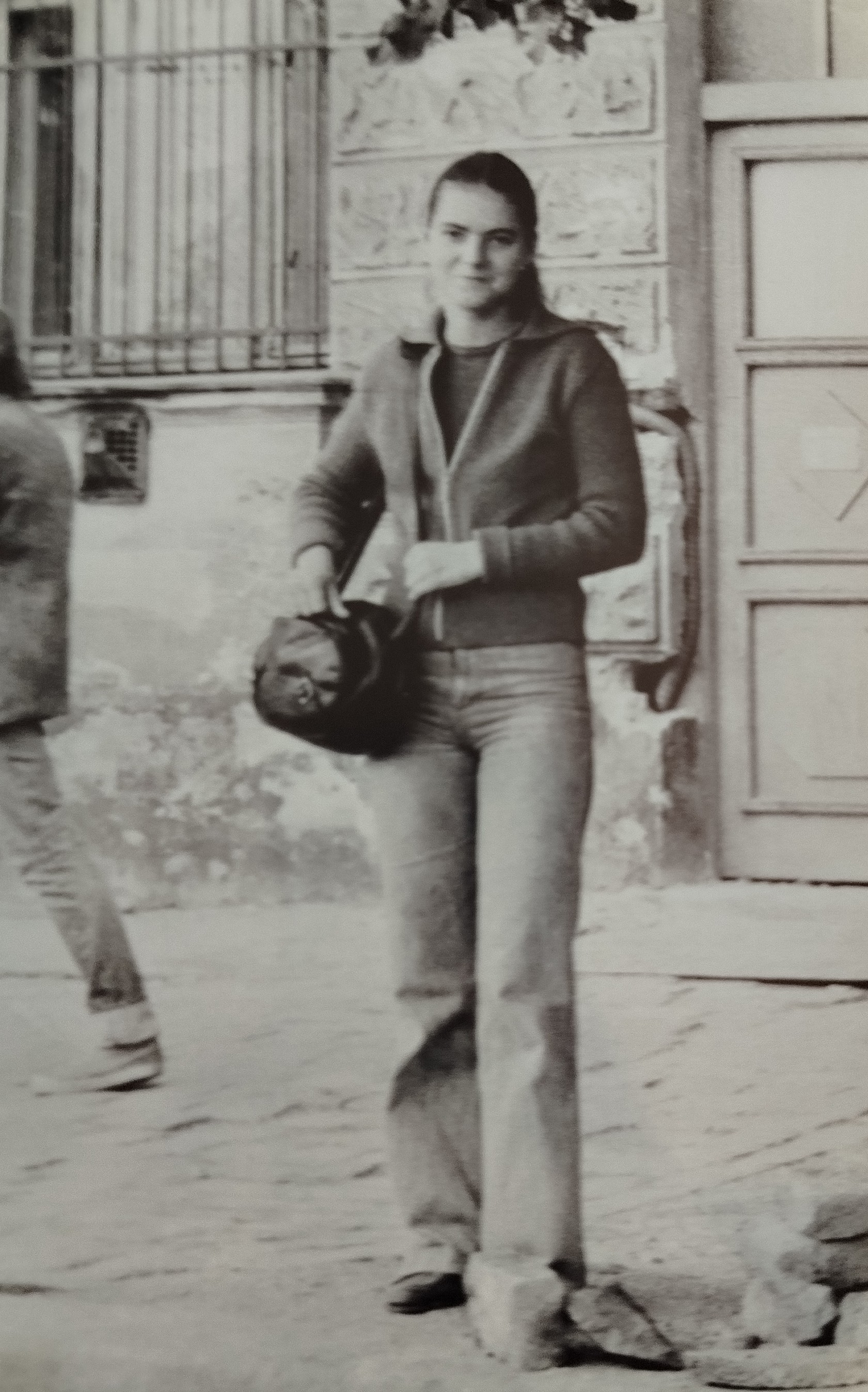
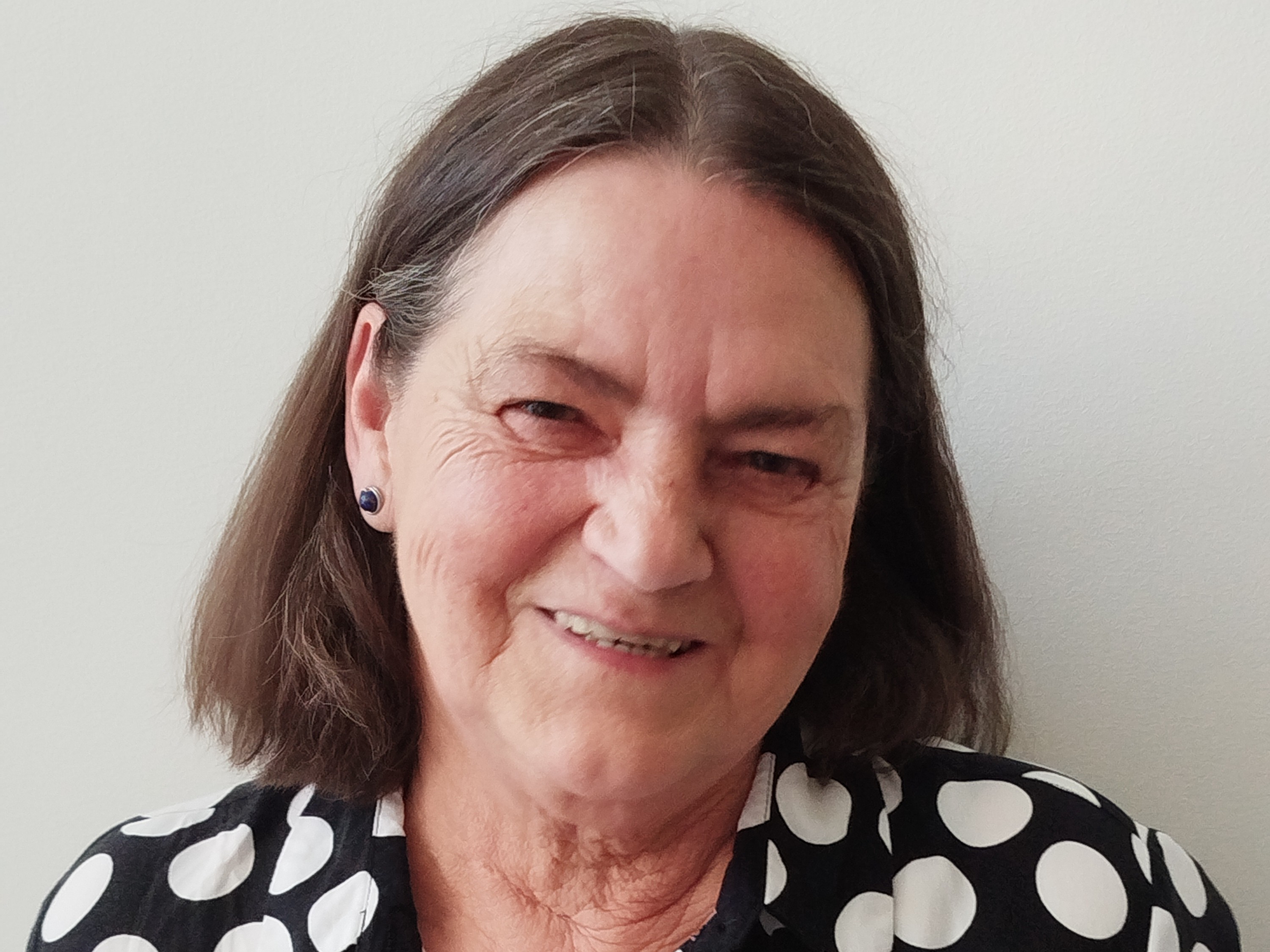
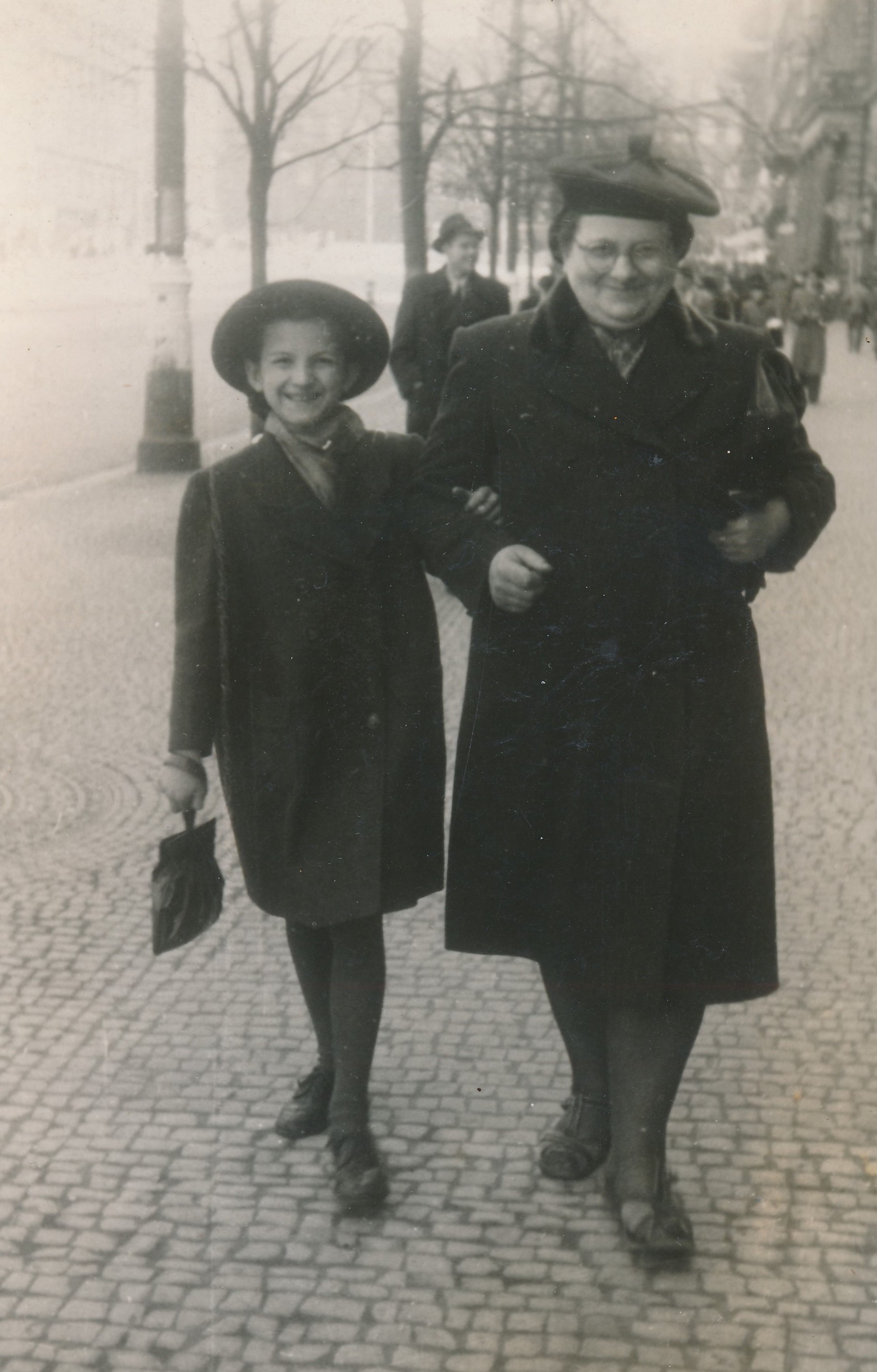
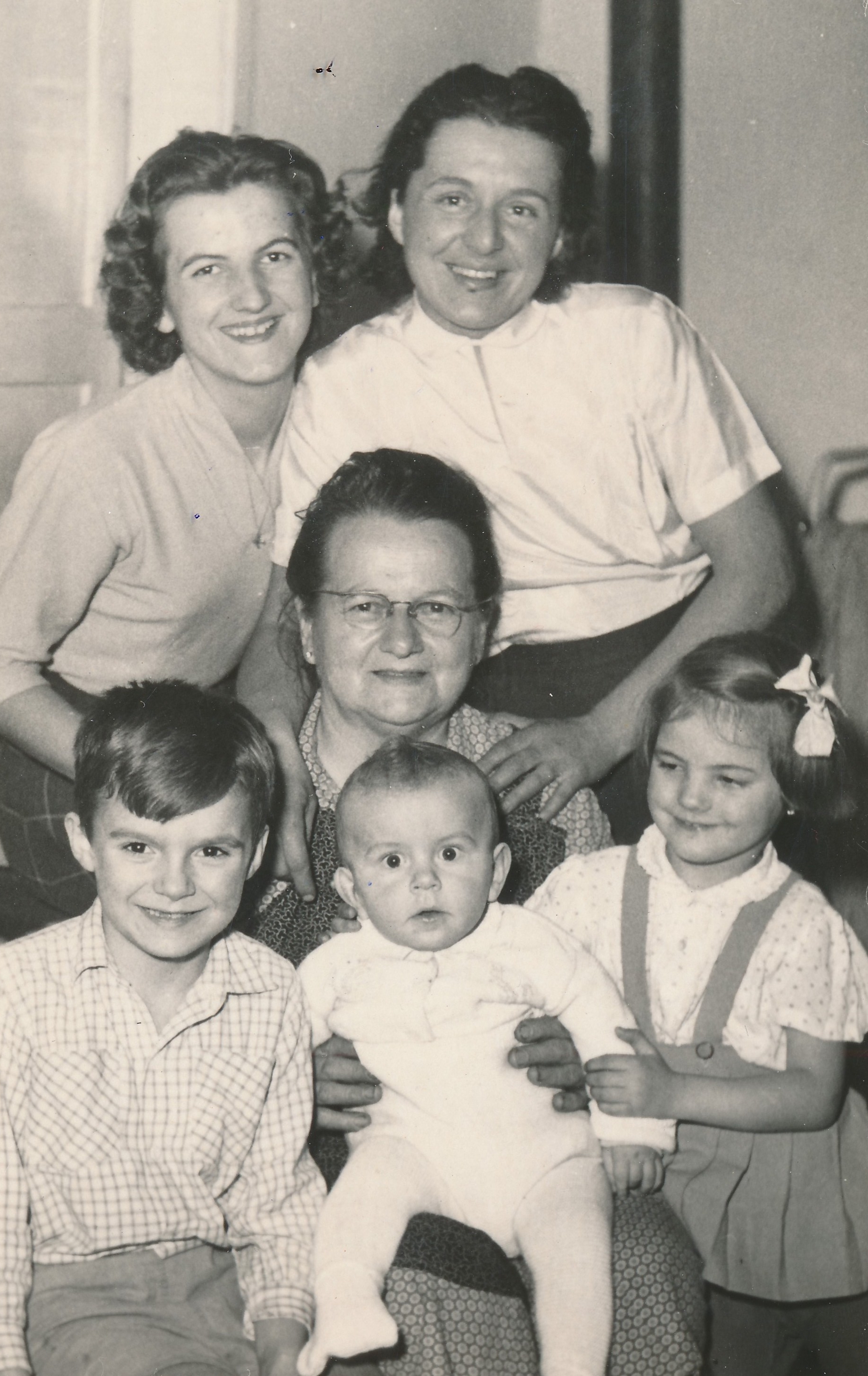
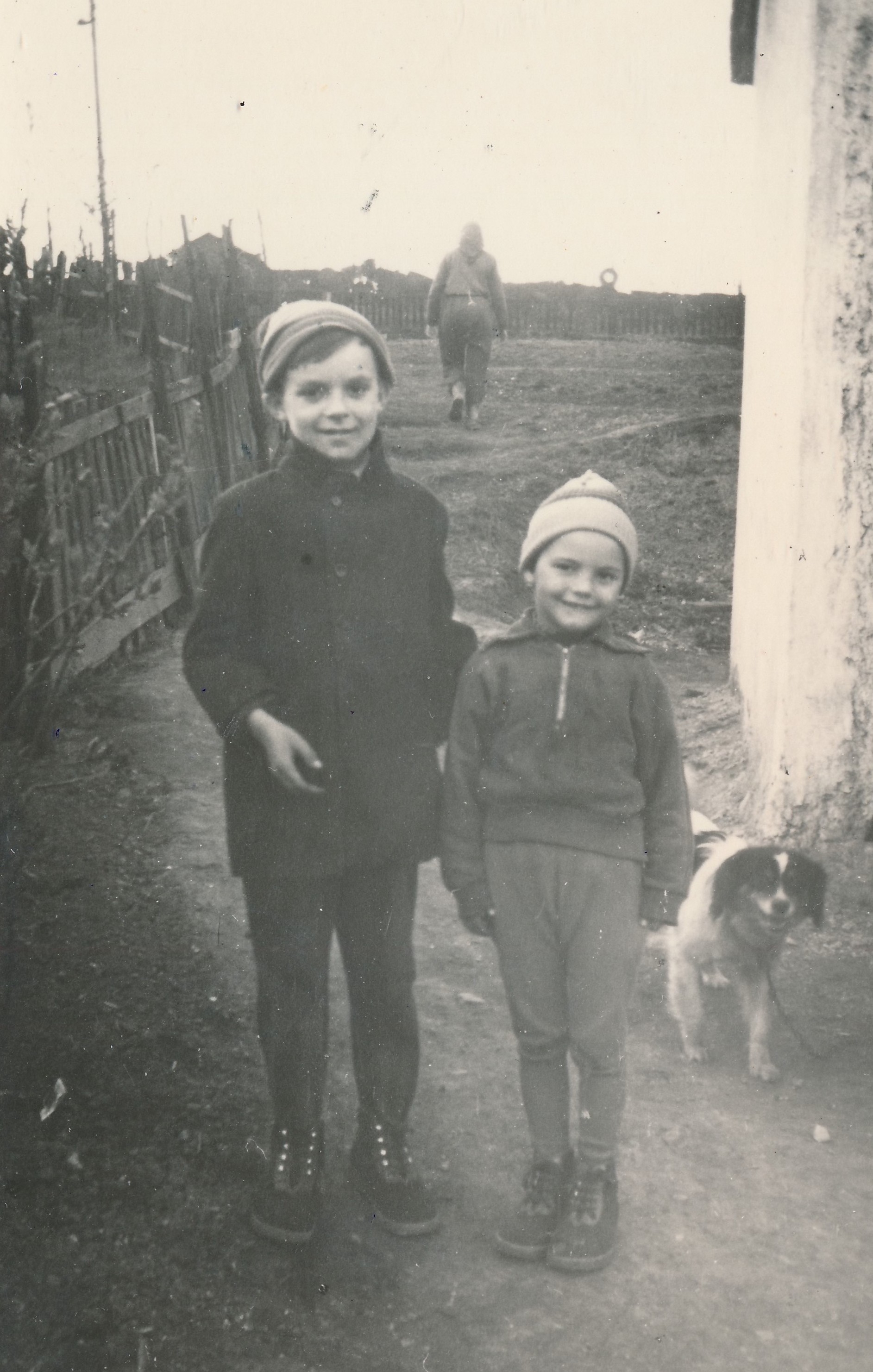
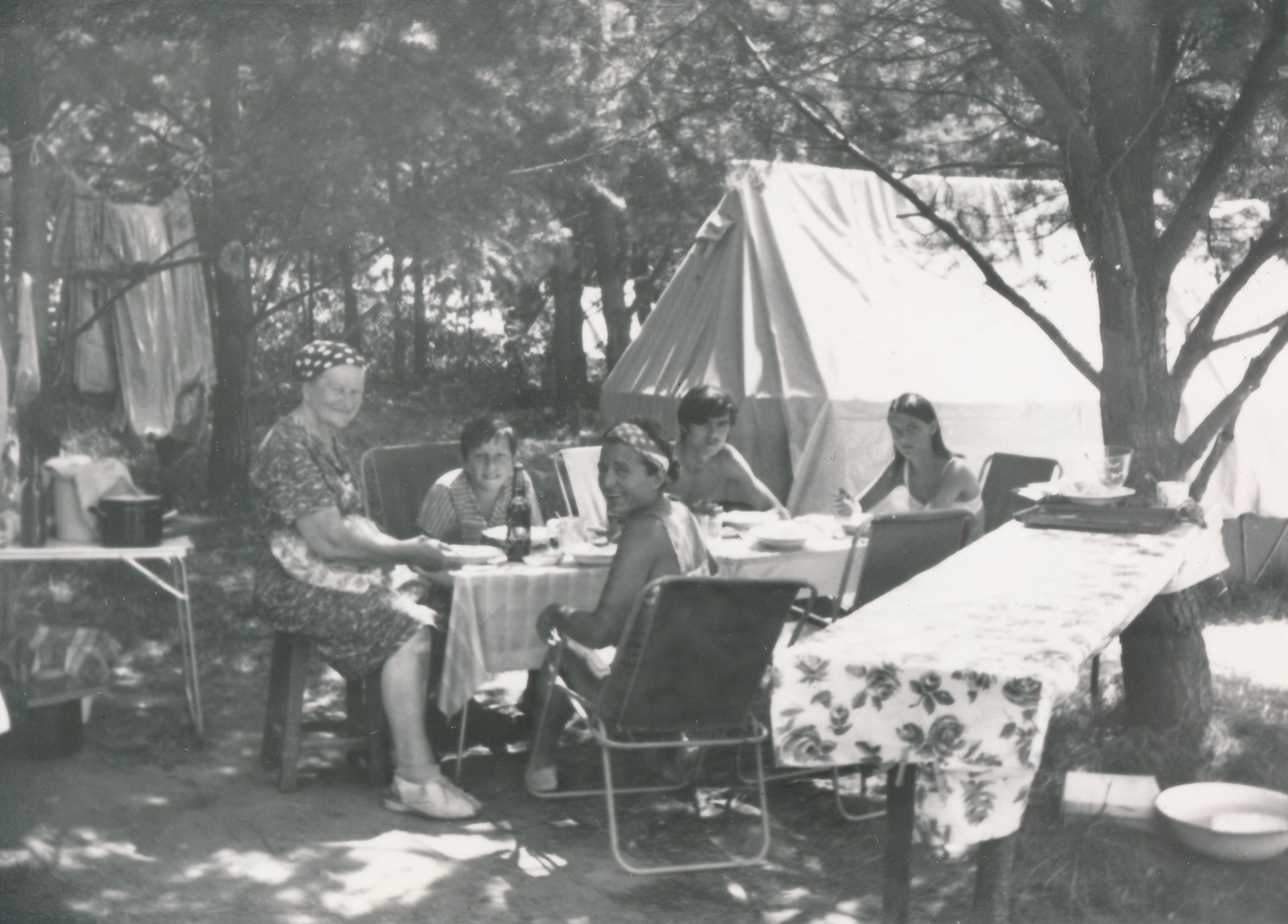
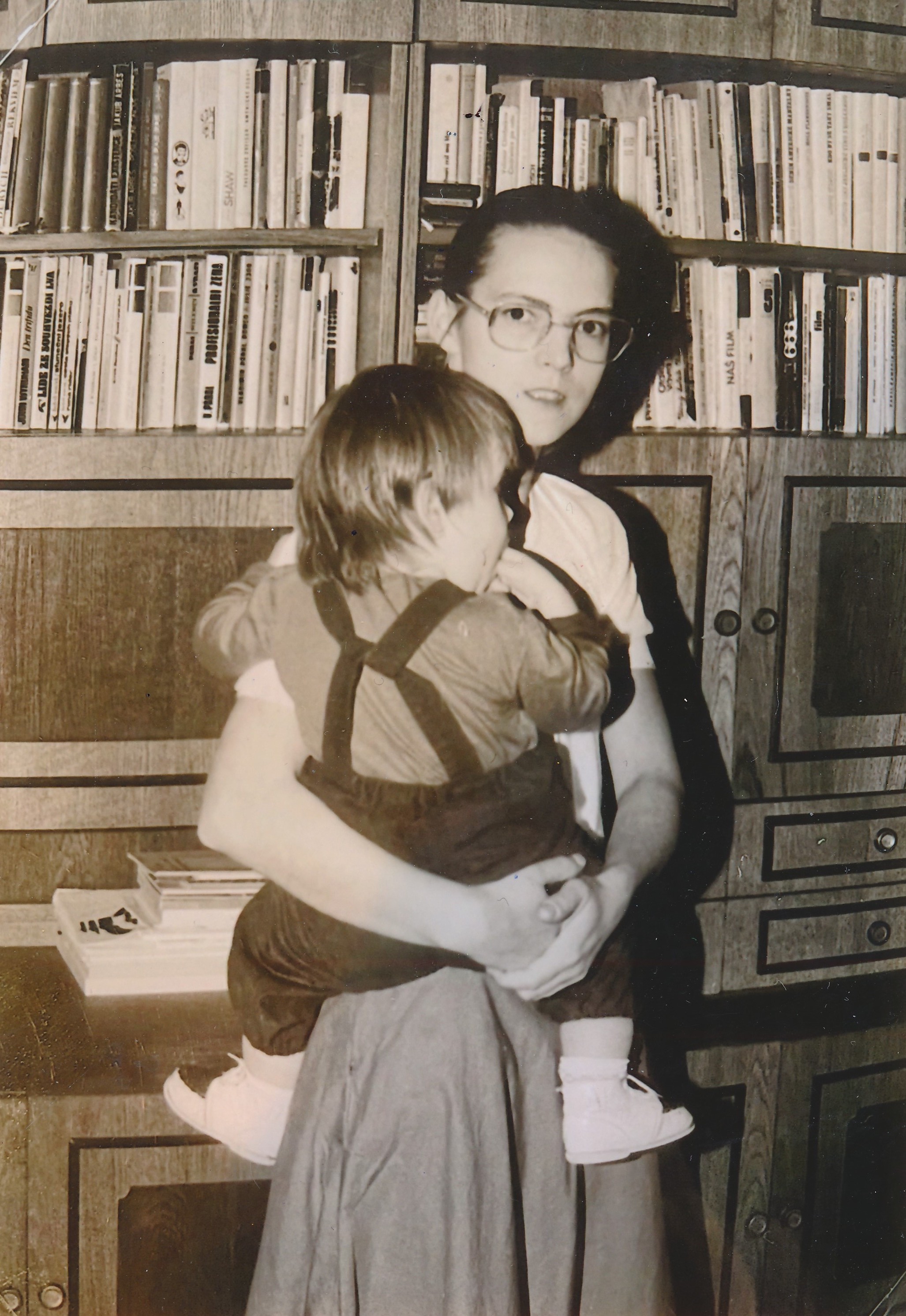
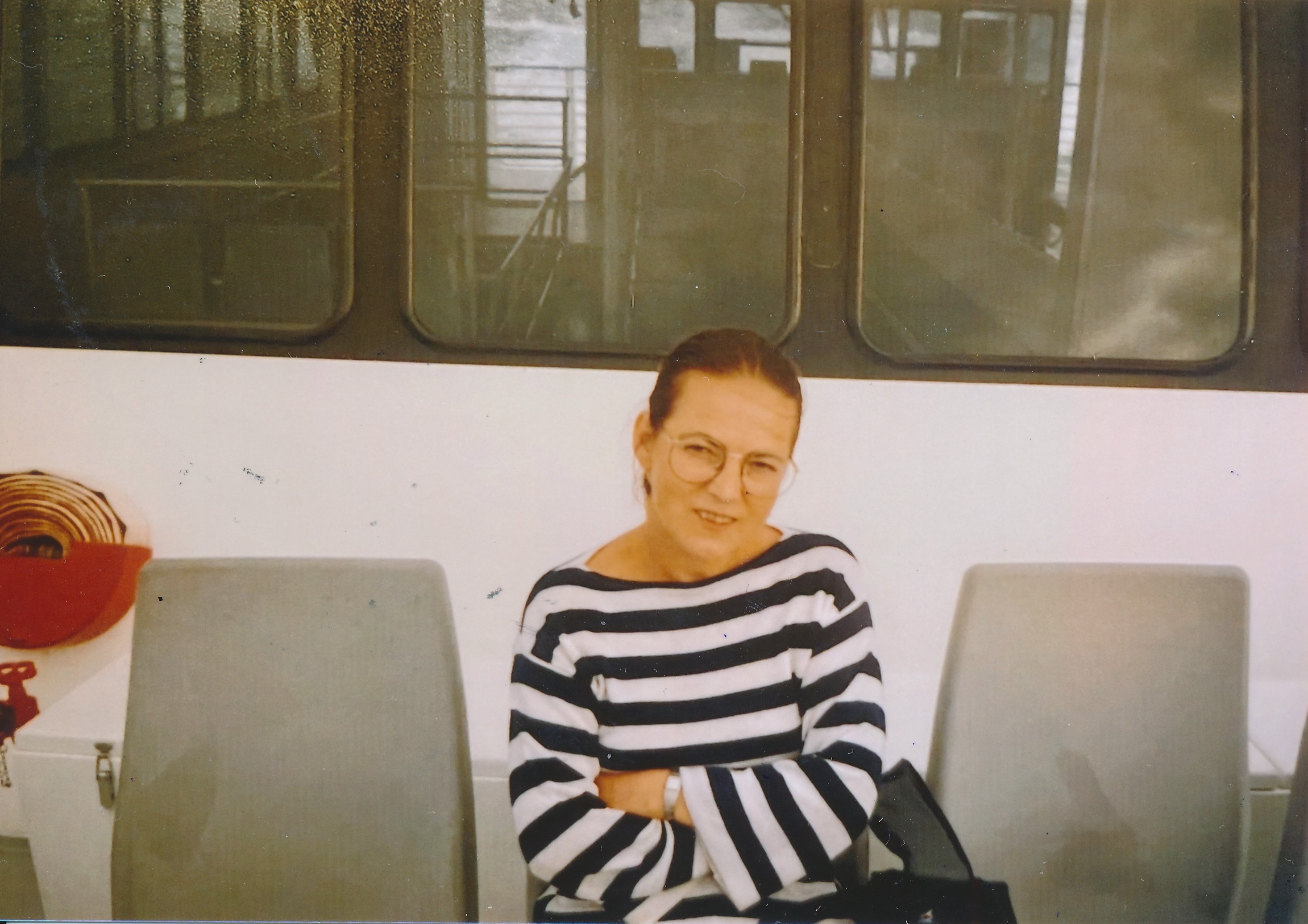
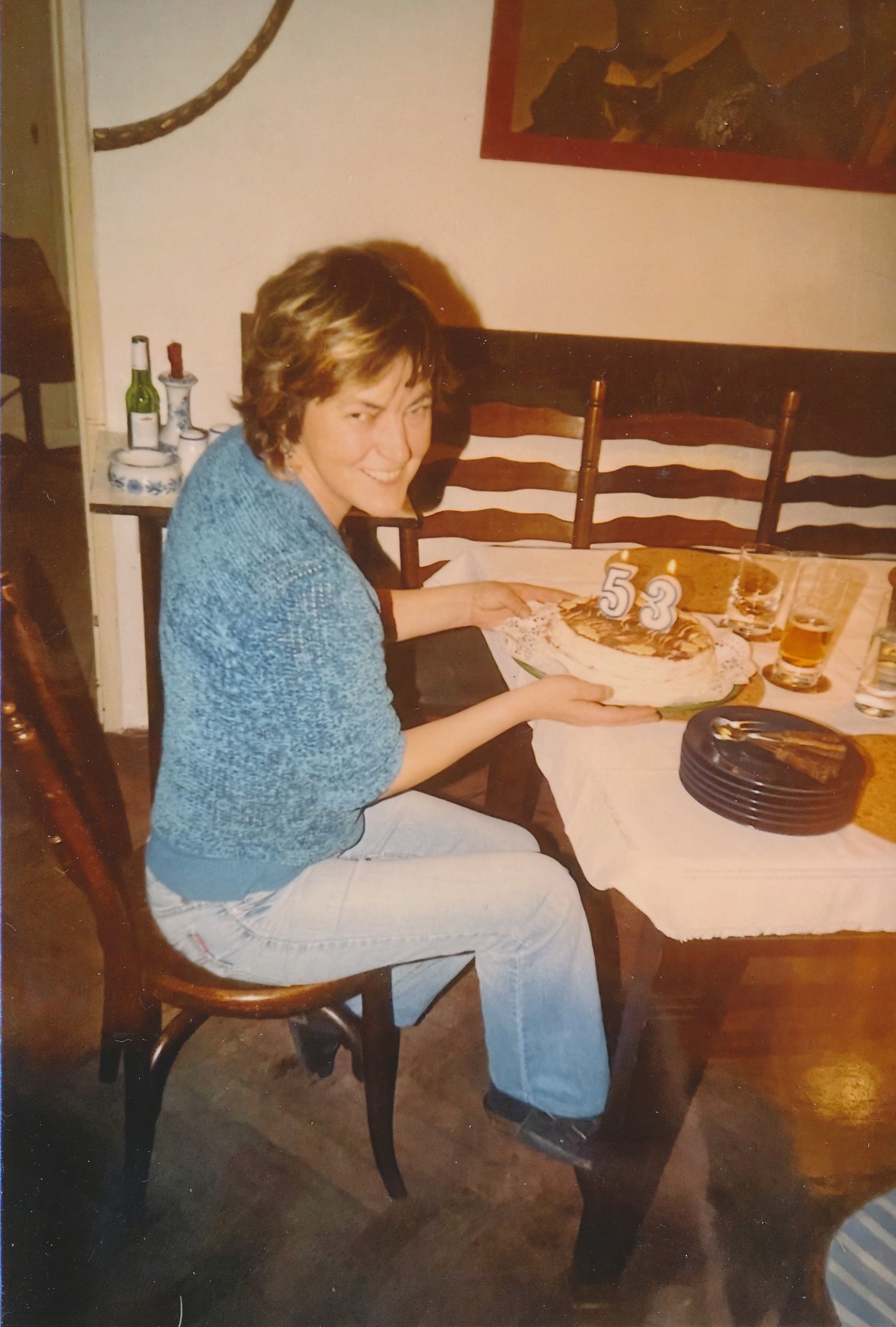
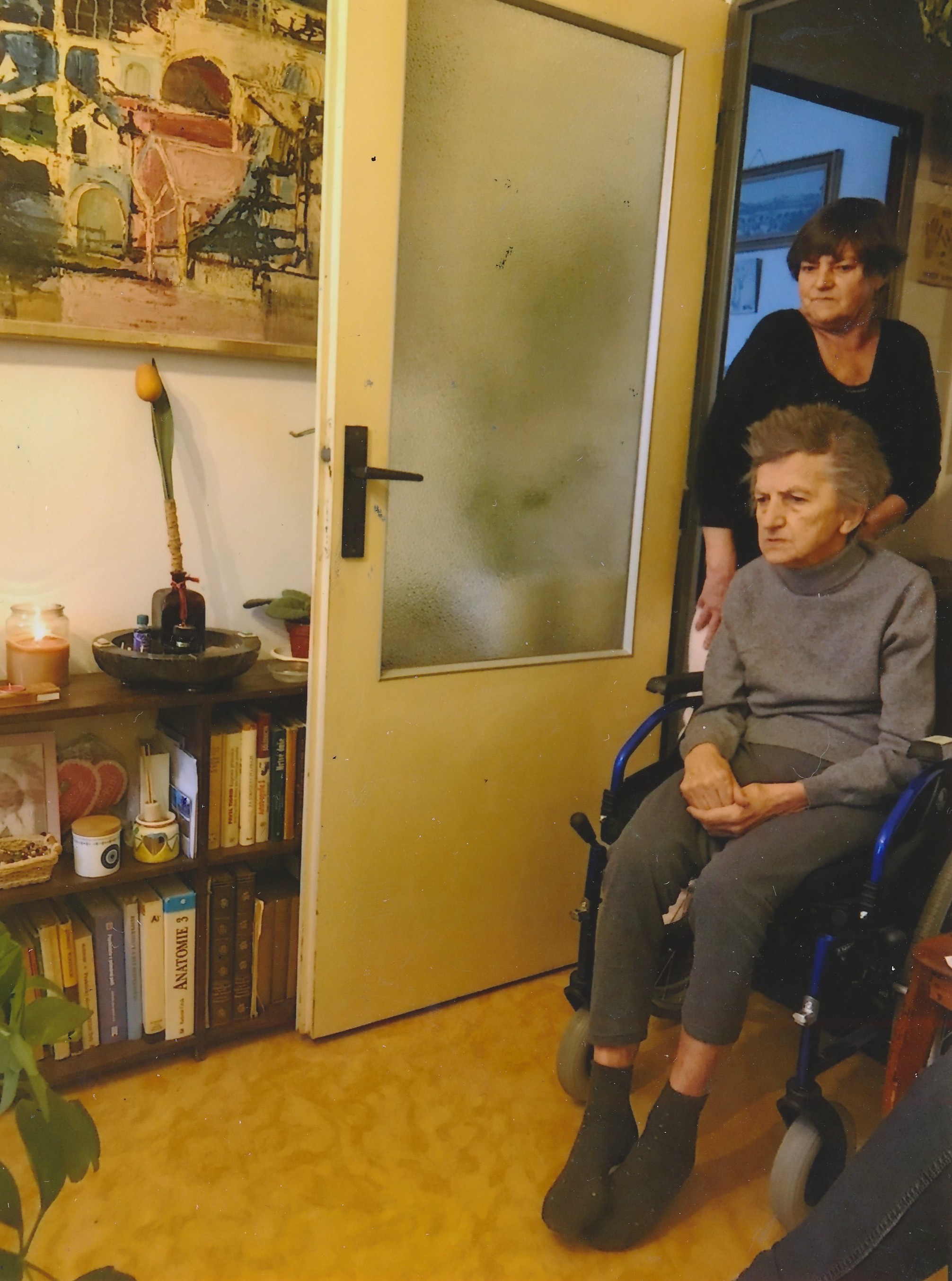
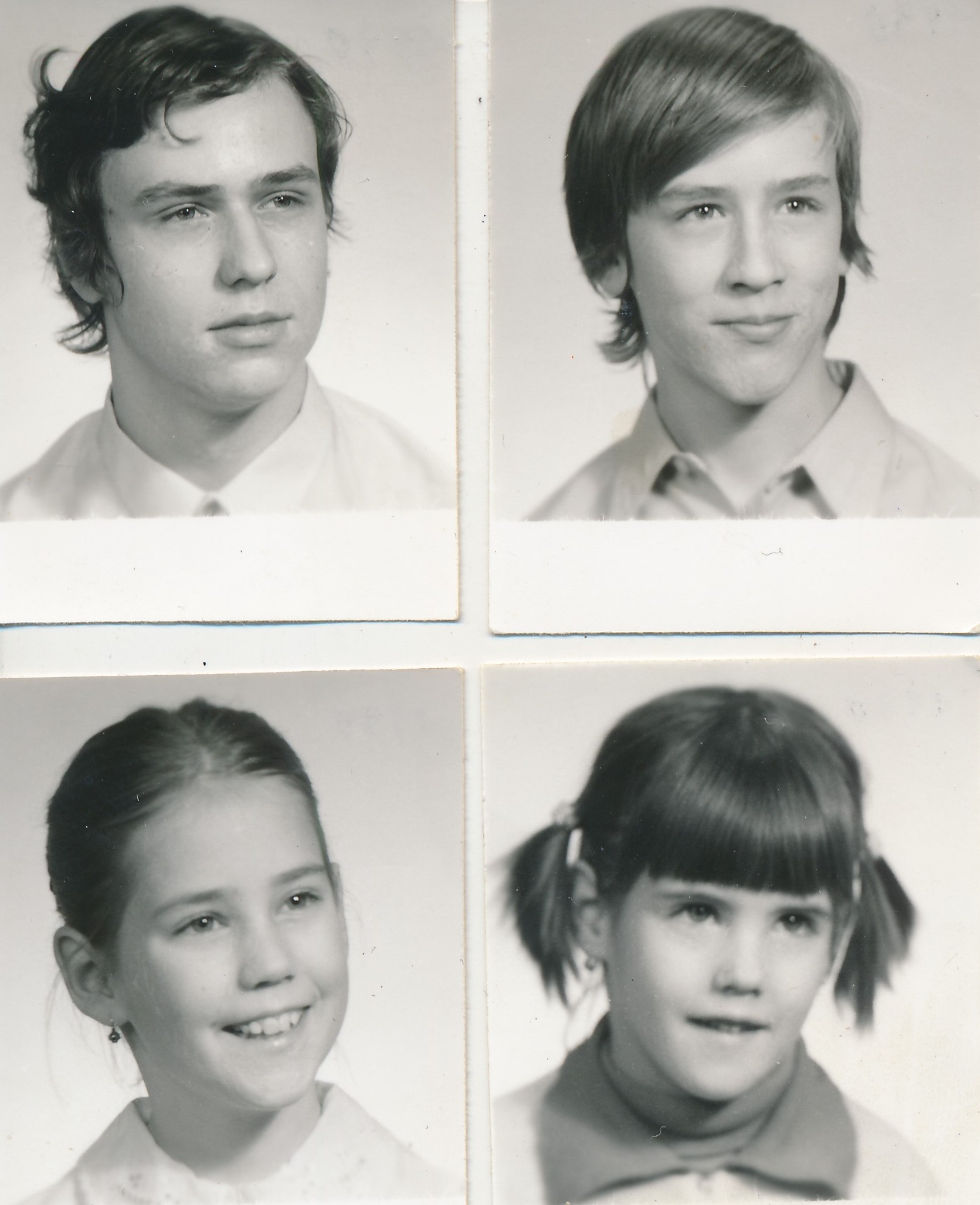
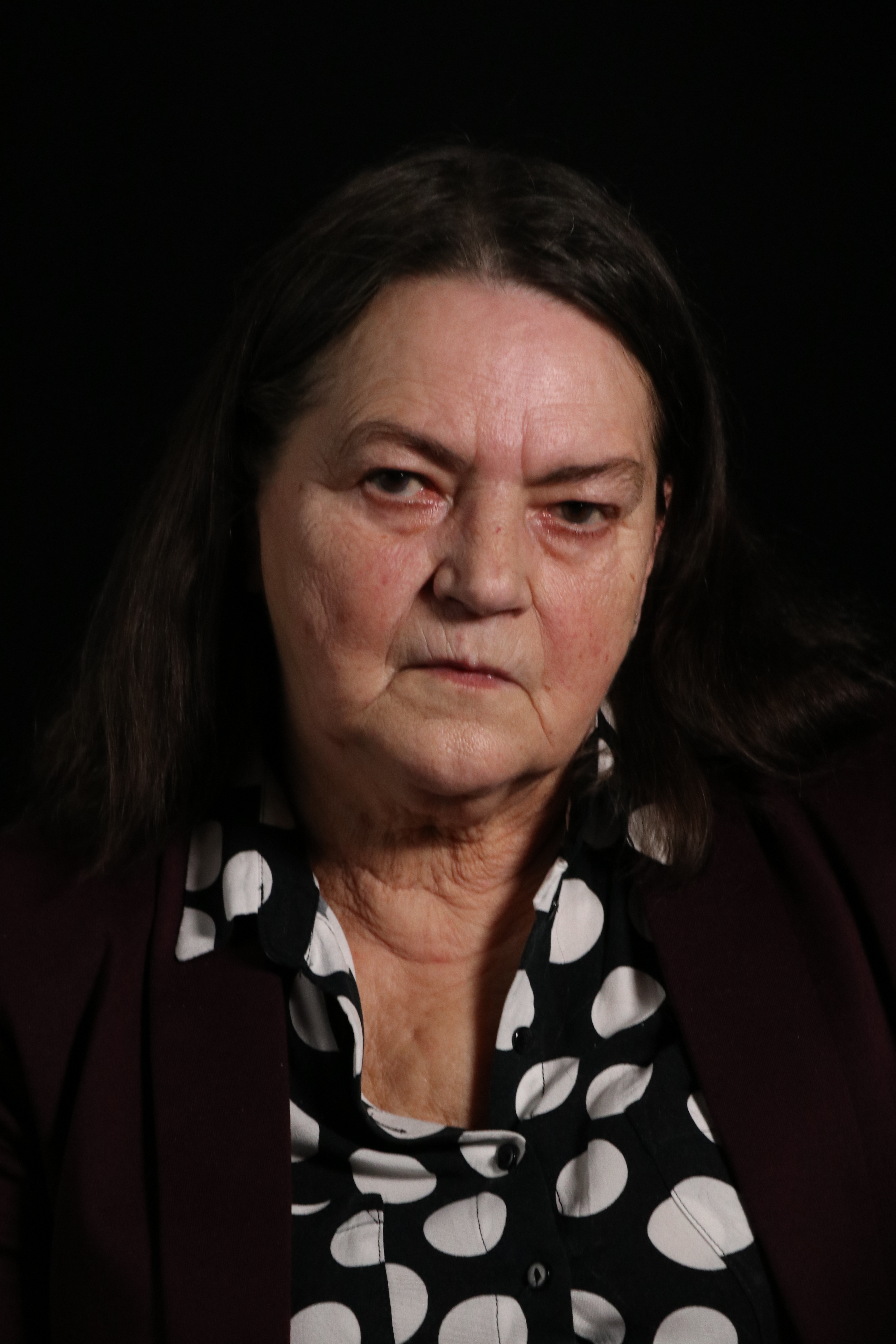
Milada Fiedlerová was born on 5 December 1953 in Prague. She grew up in the poor conditions of the makeshift buildings in Žižkov, where she lived with her mother, grandmother, aunt and cousins in a small space with no accessories. This housing was allocated to them by the state when the grandmother´s house in Prague 4 was expropriated because she was a tradeswoman. Her mother, Jiřina Paulová, worked as a clerk; her father, Zdenek Roule, saw his daughter only occasionally, and her mother was not married to him. During her childhood, Milada had problems with writing and was ridiculed at school. Later, her mother was given a one-room flat in Vinohrady, where Milada improved in school and continued her studies at the grammar school. In the Vinohrady apartment, she witnessed the arrival of Soviet tanks in August 1968 and experienced fear because of Soviet soldiers at the school. After graduating from grammar school, she studied midwifery, worked as a nurse and studied psychology at the Faculty of Arts of the Charles University as a distance study. After graduating, she worked as a psychologist; for many years she worked as the director of a pedagogical-psychological counselling centre in Prague 4, where she put her professional and life experience to good use in her work with children. At the time of recording, Milada Fiedlerová lived in Prague.