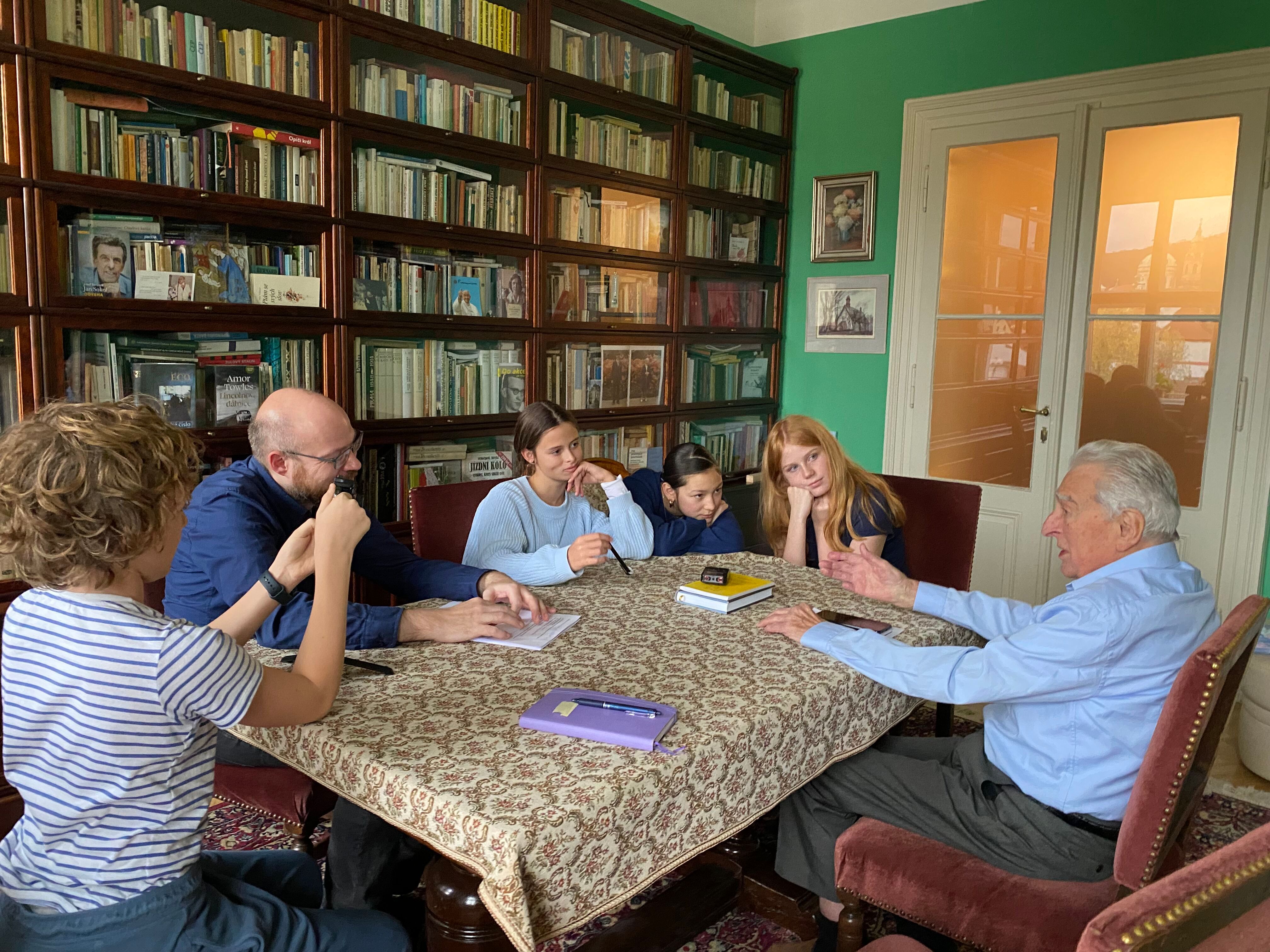
“So I got involved with the Civic Forum when help was needed. For example, Eliška Balzerová came to me — I had treated her and her children — and she said that Havel was supposed to give a speech the next day but had lost his voice, and asked if I could do something about it. I said, ‘Well, we probably can’t do much by tomorrow, but we’ll try.’ So I always brag that I once held Havel by the throat, because I had to drip something on his vocal cords - it was one of those moments I experienced firsthand. And thanks to that, I got to take part in various meetings. Of course, we all went out and jingled our keys - us younger ones. The older professors stayed at home, waiting to see how it would turn out. And we did too, in a way.”
"As I was saying, my mother, probably to keep us busy after the war, put us all in music school. As for the organ, that was a special chapter. In 1951, we lived in a street where there was a Ursuline convent across the street. They were taken away in '51 to the collection camps, or whatever they called it, and one of the Ursulines played the organ. Well, suddenly nobody could play from then on, so my older brother, who was also learning the piano, played, so somehow he managed. Then he went to Prague to study medicine and suddenly there was a break, nobody played. So a lady from the church came to me and said, 'Hey, since you've been playing piano for seven years, you might as well do it, right?' It didn't go well, then all of a sudden I got lost in there, of course people kept singing, I kept chasing them. It was kind of hard for them to keep singing. And when I came down the choir from the organ, the lady came up to me and said, 'You know what, you'd better not go down there again, we'd better sing without.' And that was just at the age of fifteen that you needed someone to give you a kick. Because I'm a dude, and all of a sudden she told me not to go. So I prepared myself properly for that next Sunday and it worked out fine because no lady has said that to me since."
"On the ninth of May... although it was a very sad situation for us at the time, because my father succumbed to an injury on the eighth of May from German soldiers who were passing through Pardubice at the time. There was an accident there. My father was a reserve officer, and when the surrender had already taken place, without us knowing about it, I guess officially, they went to take over from the German authorities into Czech hands. These officers were dressed in the uniforms of the Czechoslovak army, and a column of German soldiers came by, and they probably didn't know what was going on either, so they started shooting. My father and one other officer succumbed to it. So the end of the war wasn't exactly glorious for us. Mom stayed alone, we were five boys at that time."
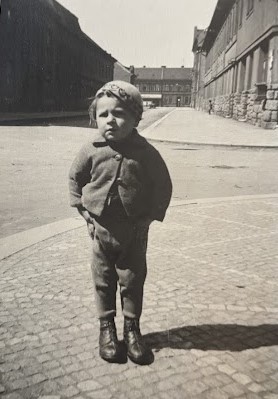
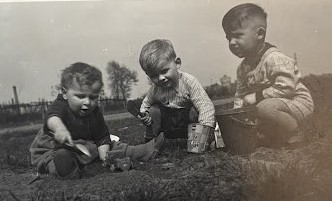
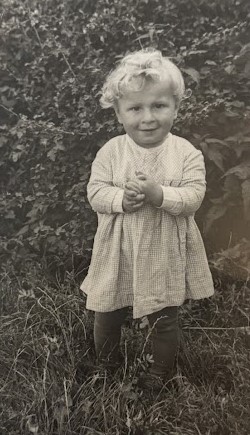
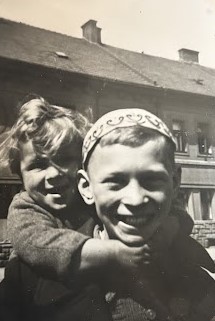
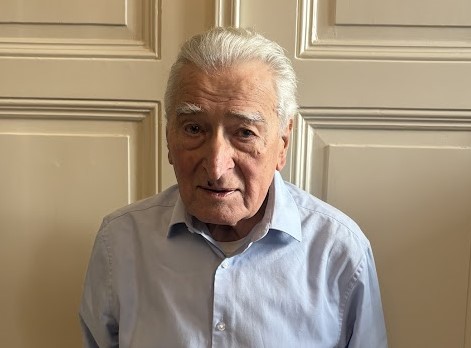
Jaroslav Eliáš was born on January 13, 1940 into the family of officer Vladimír Eliáš, who was shot by the retreating German army on the last day of the war. His widowed mother moved to Liberec with her five sons to live with her brother. He emigrated after 1948 because he feared for his safety. The family lived on the mother‘s widow‘s pension. The family was religious and did not get involved in politics. All of the Eliáš brothers were involved in music, Jaroslav Eliáš played the piano and later took up playing the organ in the church of the interned nuns. He graduated in medicine and became a doctor specializing in ENT. At first he worked in Liberec, but after 1969 he moved with his family to Prague. In addition to playing the organ, he sang in the church choir and, before the 1989 revolution, founded the Society for Sacred Music, of which he was chairman. After 1989 he was involved in humanitarian aid through the Order of Malta. He later became a Knight of the Order of Malta. Jaroslav Eliáš died on April 5, 2025.