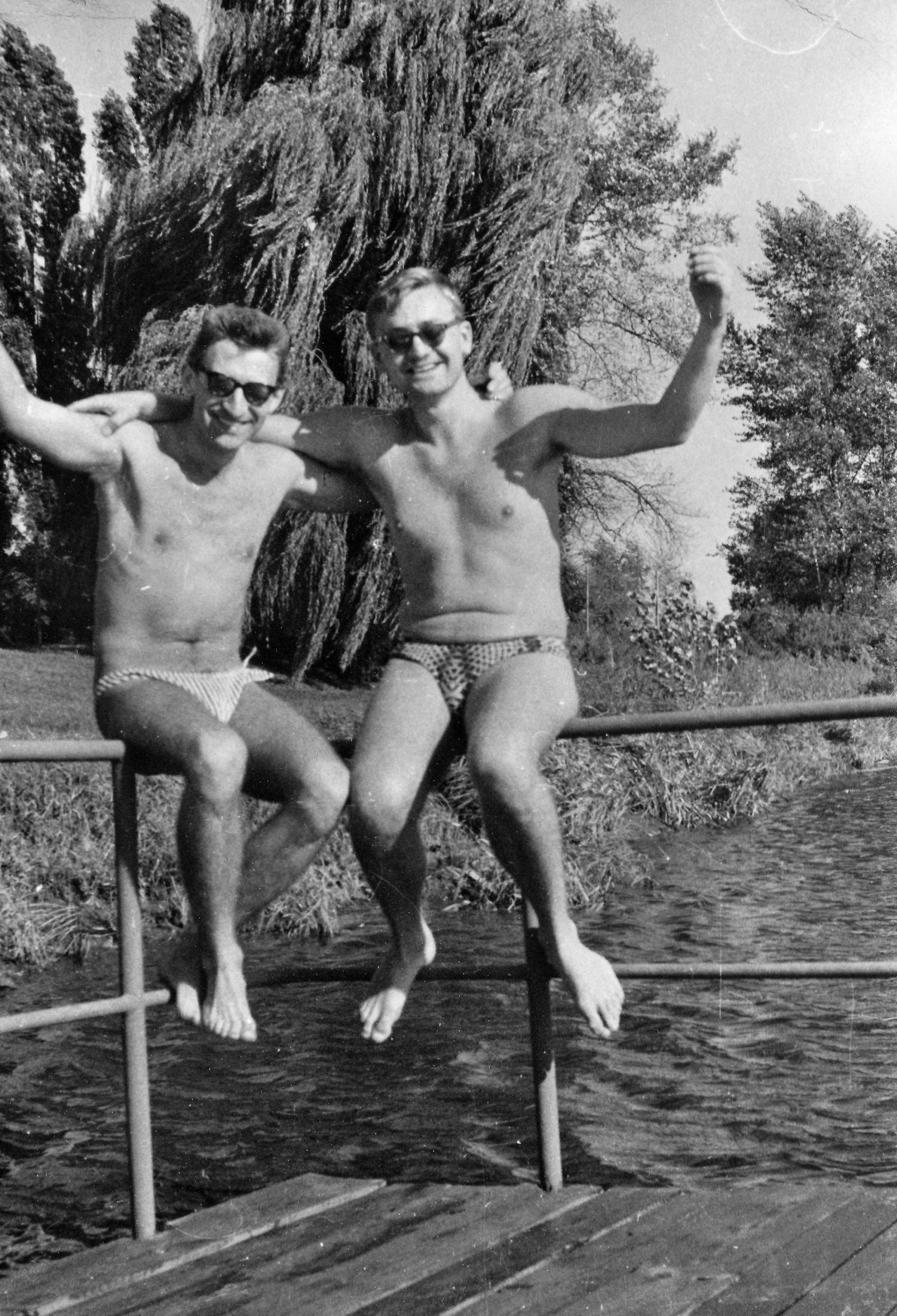
"We [at the University of Chemical Technology in Pardubice] wanted to organize a talk about the Vietnam War. So I went to the American embassy to invite the American ambassador and then to the Vietnamese embassy to invite the Vietnamese ambassador. My English at that time was not worth much - my English was not too much. I went to the embassy, but of course I didn't talk to the ambassador, it was beneath him. But with the other secretary, Mr. Black. And I invited him to the talk, but on behalf of the students, not on behalf of the rector. And he said yes, at least I think he said yes. However, when it became widespread on campus, the Vietnamese students started to rebel, saying, well, no, and that when they came they would lie down in front of the car or slash the tires or set it on fire. And somehow I guess word got out, or maybe from other political circles, that he shouldn't go there. So he said he wouldn't come. So we said, well, if the American ambassador doesn't come, the Vietnamese ambassador won't come. Anyway, we want the materials. So we got materials from the Americans and materials from the Vietnamese. So we put up the American stuff first, translated some of it, some of it we didn't. Well, that was also what comrades then reproached me for, because I brought the materials. There was, among other things, President Johnson's speech on the Vietnam War. And I was very pleased when one of our Vietnamese classmates, I think his name was Hao, copied the speech of Johnson very carefully. It was posted on the bulletin board. I saw it there a couple of times. Of course, to be objective, we also posted Vietnamese materials, but that made a big difference. But we were objective."
"I think it hit me when I was in about the sixth or seventh grade, in 1955, when my father was already home. Because he came back in '53. That's when we, how should I put it... Daddy's arrested. We saw him once or twice at the May 1st Steelworks. Then we took it as fact. My classmates, they didn't treat us any different, no way. Teachers, too, because, look, everybody needed a doctor, so they knew Mum as a doctor, so they were more like supporting us. I remember the teacher Mr. Hájek, he was our class teacher in the eighth grade, and he told us: 'Some people have such a flexible spine that if the Chinese came here, they would write in their CV: I liked eating rice since I was young.' And he said this to fourteen-year-old boys and nobody reported him."
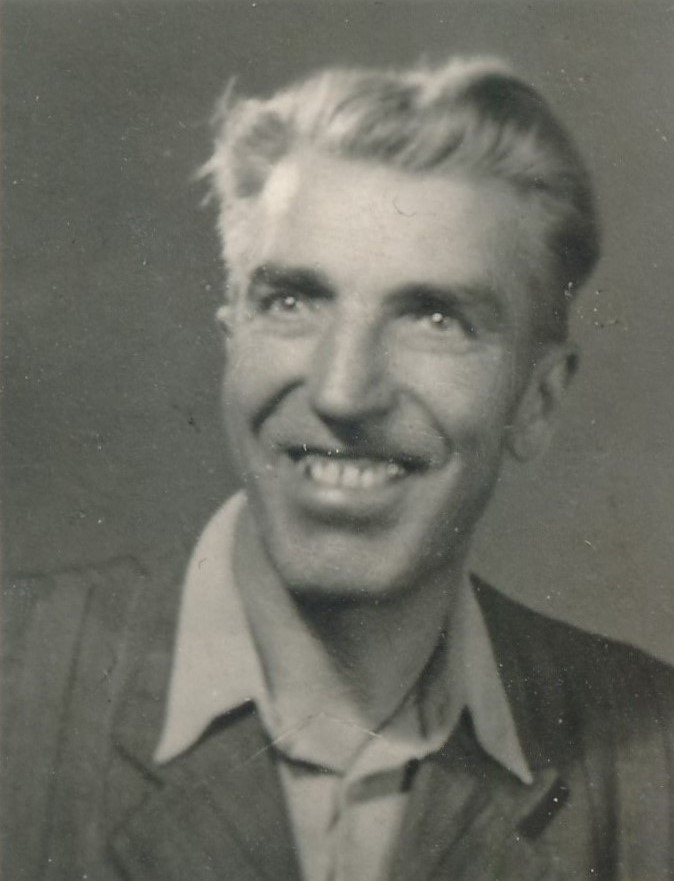
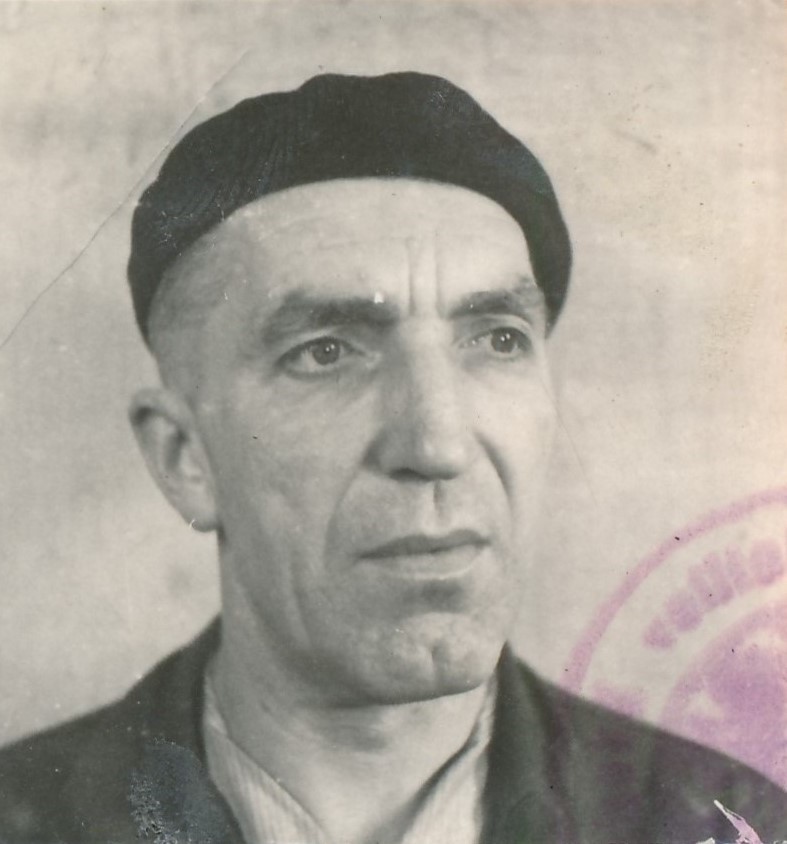
"Two people were mentioned in the Horáková trial, Antonín Vála and Josef Maxa, who are involved in the main trial of my father. My father was arrested in 1949 - I think sometime around 2 a.m. on 29 November - and taken away. I don't remember much of it, except that I remember a paper that my mother had to sign, saying that State Security confiscated some written documents there. Dad was sentenced to four years for not reporting a crime. According to the investigators, which may not have been exactly true, there was an anti-state group preparing in the North Bohemian Region, or rather in North-West Bohemia, which was supposed to provoke armed resistance and whose head was Antonín Vála. And my father was part of it. Fortunately, unlike the trial of Dr Horáková, no one got the rope. However, the Communists 'improved' the prison with a so-called hard bed, where a person lay on a board overnight and was not covered with anything."
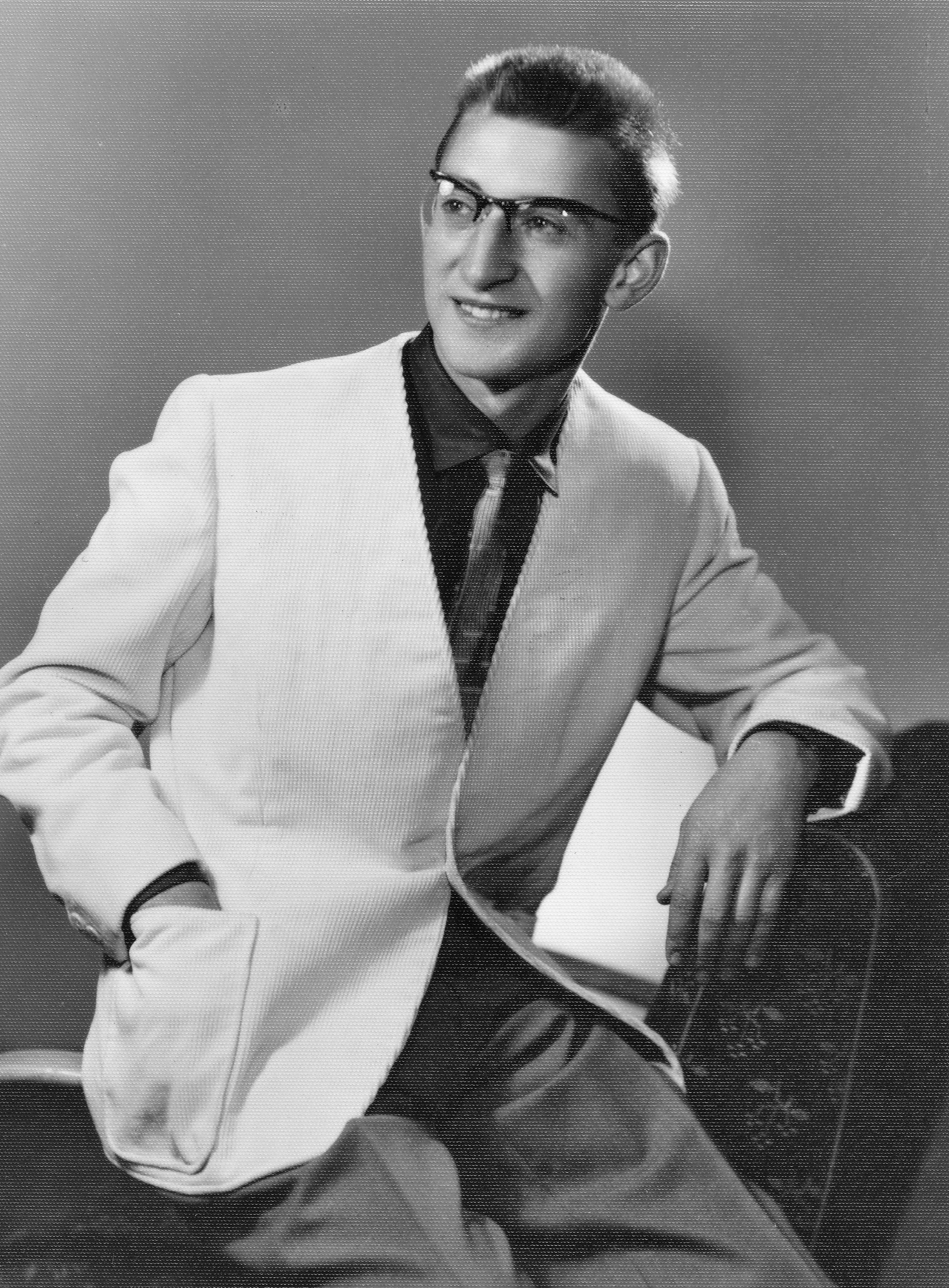
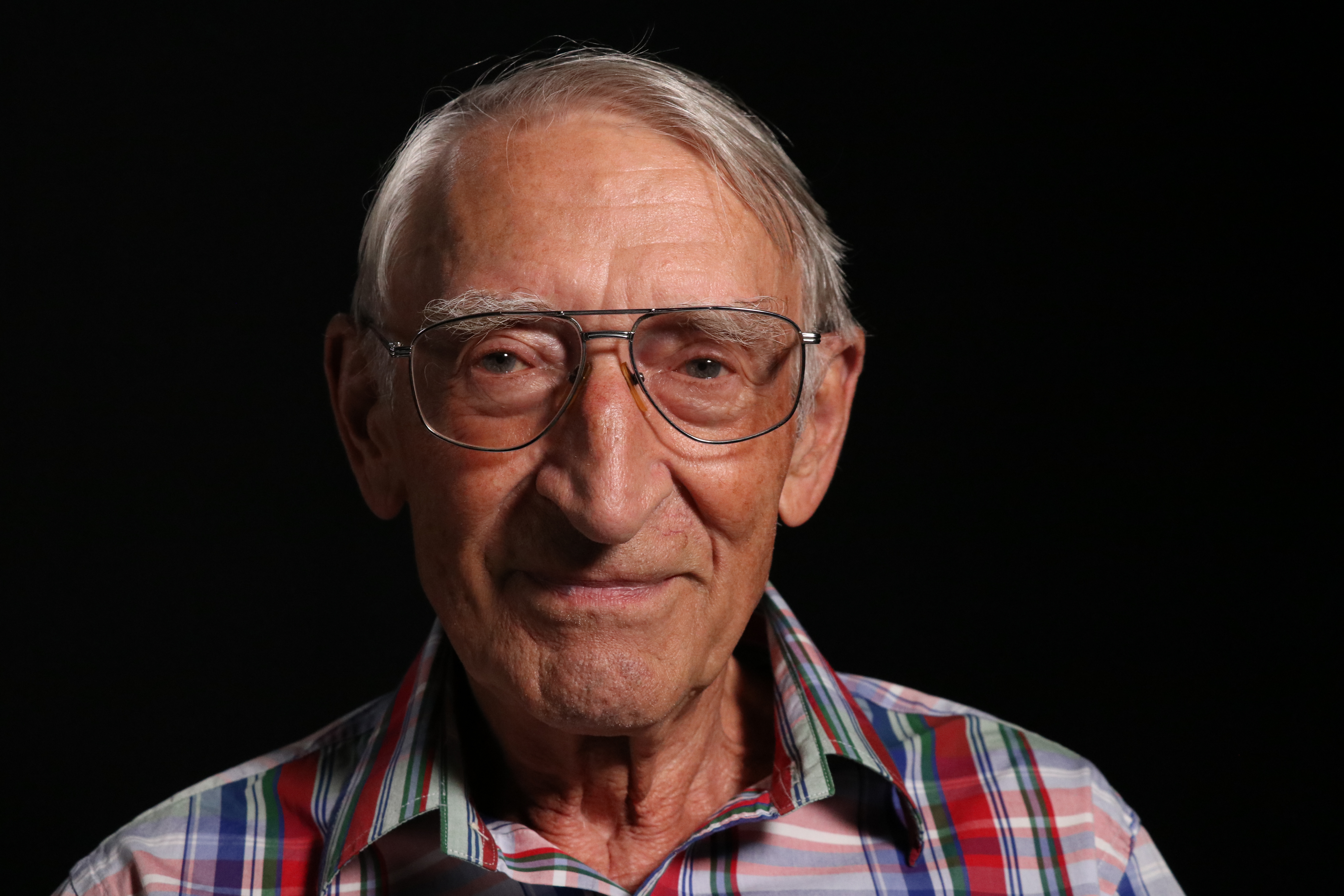
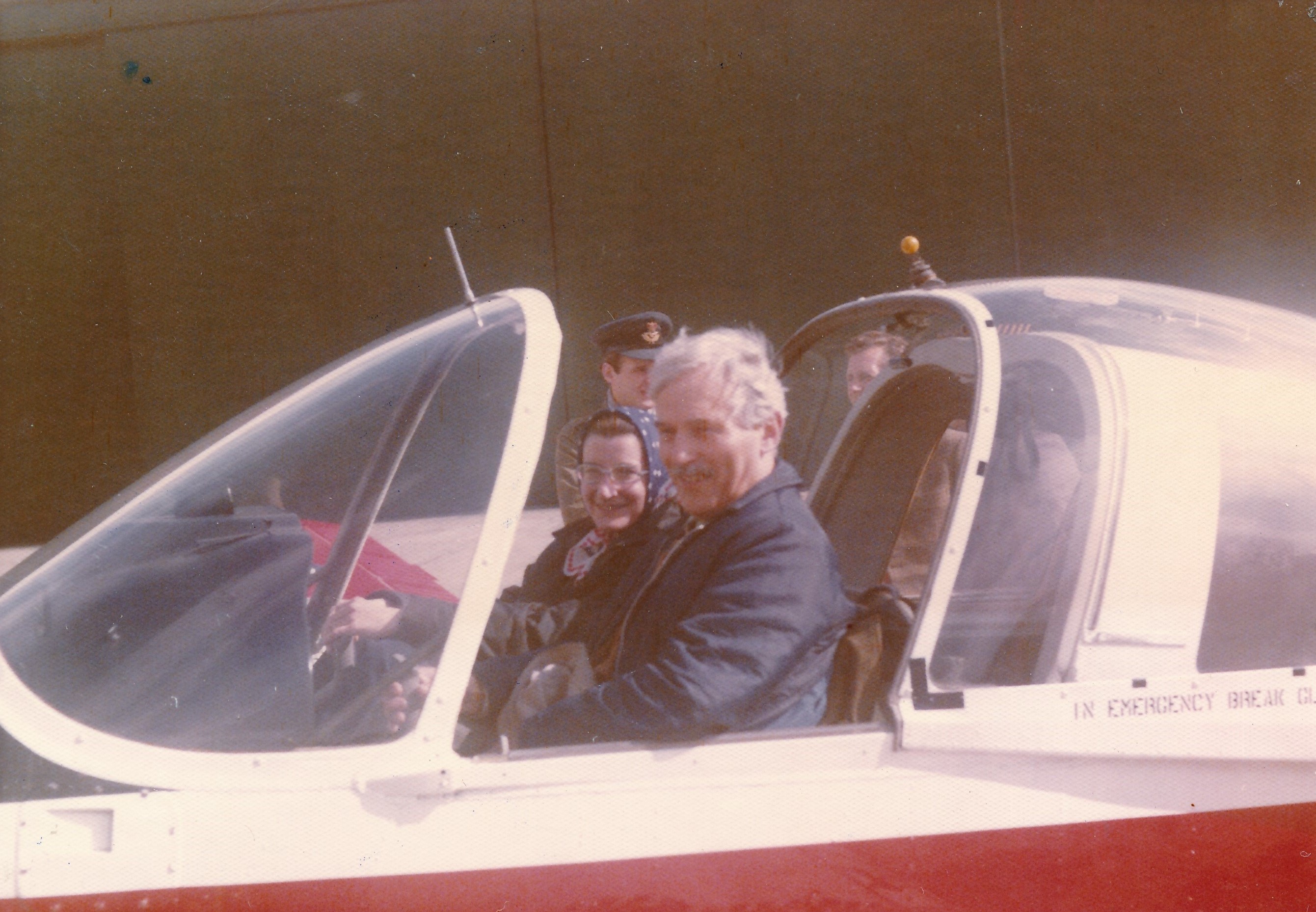
Ladislav Dvořák was born on 27 June 1942 in Golčův Jeníkov into the family of Ladislav Dvořák, director of the District Credit Union, and Ludmila Švecová, a doctor. Shortly after the birth of his sister Ludmilla in 1945, the family moved to Chomutov. After the communist coup, his father was arrested in November 1949 and sentenced to four years in prison. In September 1951, his uncle Jaroslav Švec co-organised the Freedom Train. After finishing his studies at the Chomutov eleven-year school in 1959, Ladislav Dvořák applied to several universities, but was not accepted due to his poor cadre profile. He trained in Meziboří and completed his military service in 1961-1963. In 1963, he entered the University of Chemical Technology in Pardubice, where he was culturally and politically involved, which sometimes brought him difficulties. After the August 1968 invasion, he began his postgraduate studies at the Czechoslovak Academy of Sciences. From 1972 he worked at the chemical plant in Záluží near Most, where, however, a judgement from his already normalised alma mater caused him to stop his postgraduate studies and terminate his employment in 1977. After a difficult search for employment, he started to work in Kovošrot in Prague. In 1984 he travelled to Great Britain for the funeral of his brother-in-law, former RAF airman Josef Hýbler, and met his sister who had emigrated there in 1969. In the new, democratic regime, he was active in local politics in Prague 11 as a member of the Freedom Union. In 2026 Ladislav Dvořák and his wife were living in Prague.
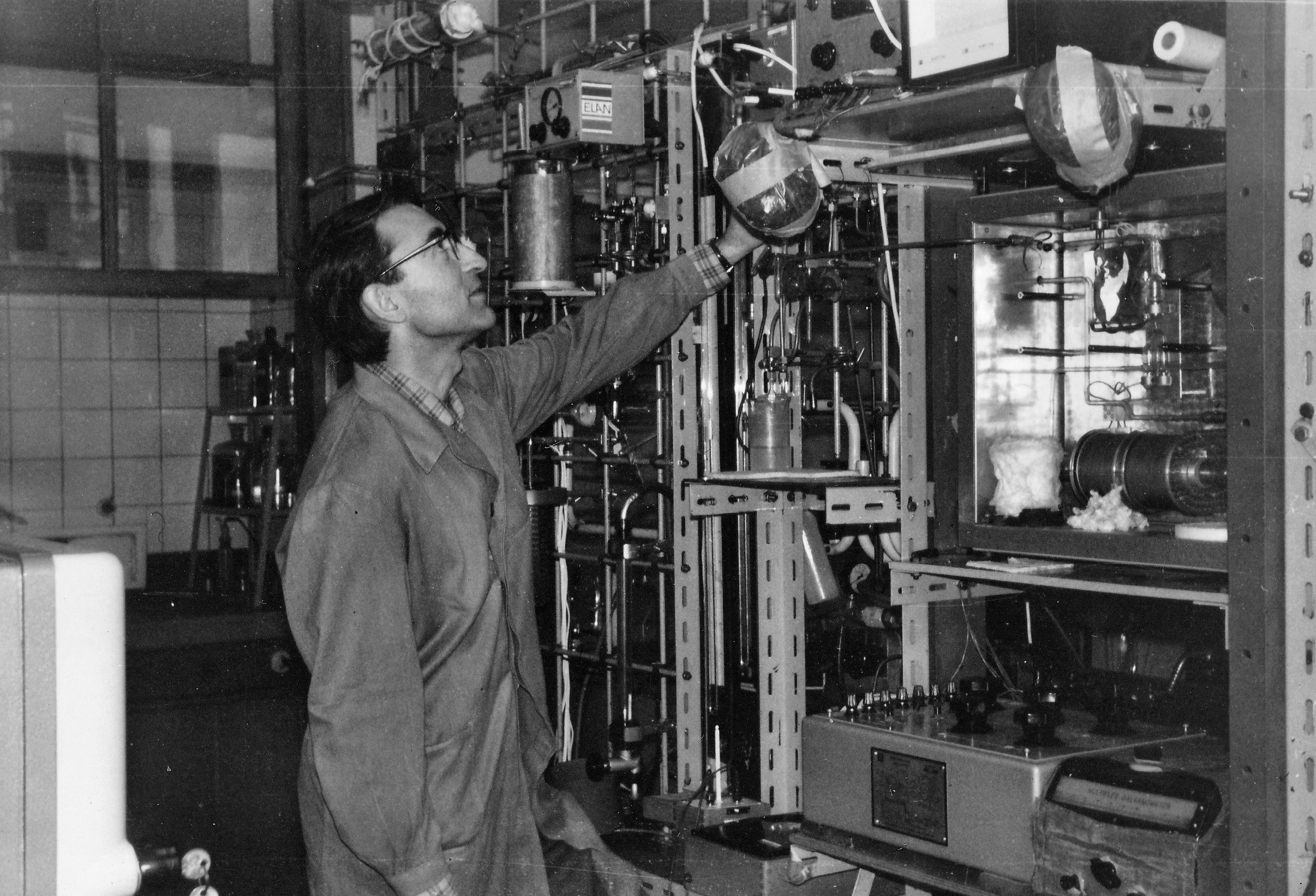
Ladislav Dvořák in the laboratory of the Institute of Theoretical Foundations of Chemical Engineering of the Czechoslovak Academy of Sciences in Prague-Suchdol in 1971
Ladislav Dvořák in the laboratory of the Institute of Theoretical Foundations of Chemical Engineering of the Czechoslovak Academy of Sciences in Prague-Suchdol in 1971