Petr Dujka

* 1951

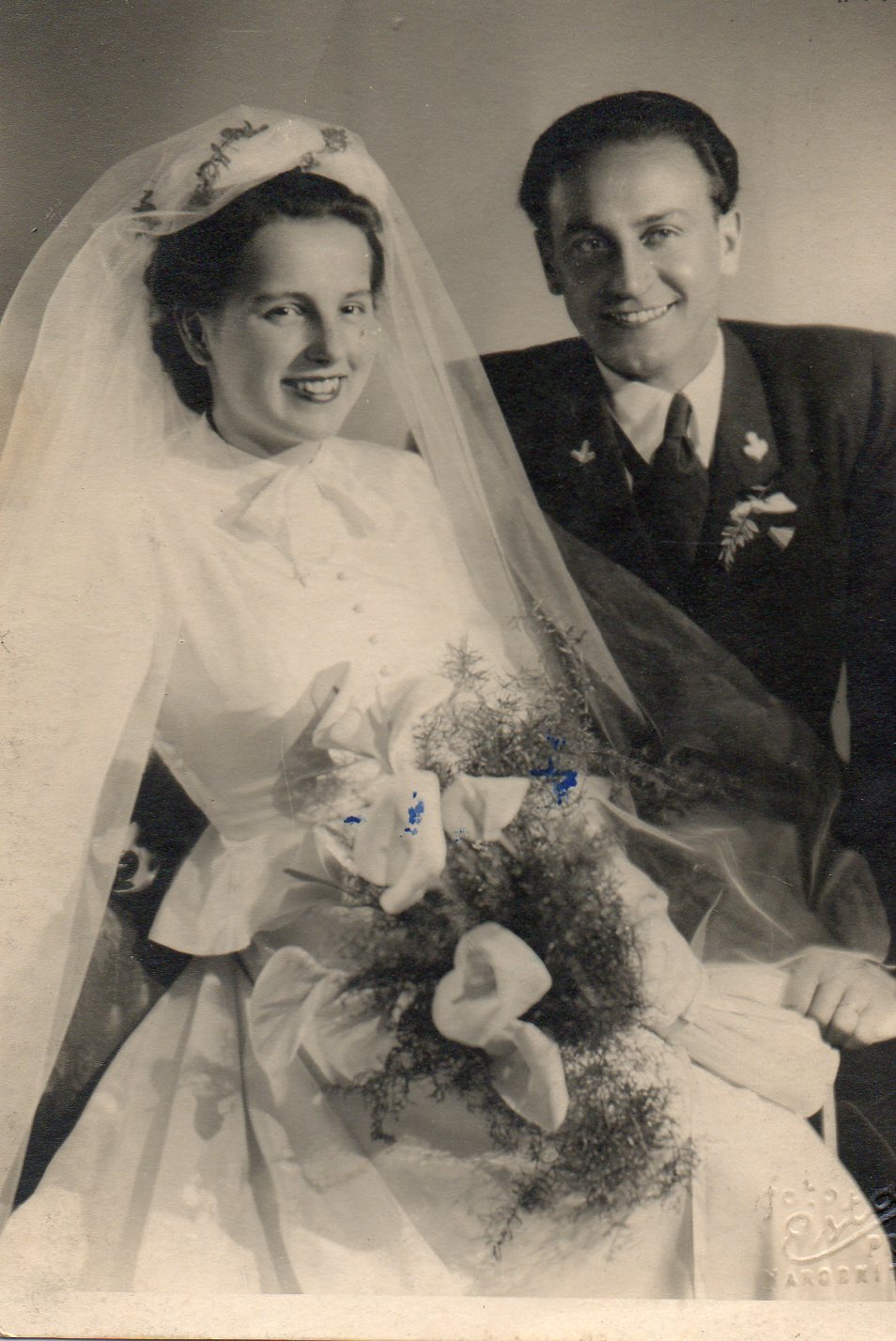
  • "When I was interrogated, they would tell me what I had said in the pub the day before and what jokes were told. They made hints. They suggested I couldn't live the life I was living. I had become a rebel and everybody knew it - the way I was living and going to raise my children. I was brought up that way, and when Barbora was born in 1975 - I got married in 1970 - the first thing she could say... We would ask her, 'Barbora, do you like communists?' She shook her head. That was the first thing she knew. She learned this, like other children learn to wave at someone. Everybody laughed. The StB were upstairs above our flat and they knew everything about me. As I said, they instantly showed me what they knew."

  • "One shooting was likely our fault. They fired in the morning; that wasn't our fault. I didn't know what a bullet could do. It can bounce off the ceiling into the walls and off the walls into the parquets. After we had walked through that night, the next day we saw the door shot through and we said, it's not safe anywhere here, we'll have to go to the bathroom next time. We found a place to stay when they fire again. I was at one of my classmates' place next door, and we just stupidly... again, that's our life unfolding. We flashed a light bulb three times. This was on the right bank of the Vltava, and on the other side... of course there were Russians there too... a shot was fired. At first, it was like 'tatatata'. Then it began. They started firing, all guns blazing. Not that they shot the house to bits, but the bullets hit the apartments in a terrible way. Of course, it went to our apartment too, but I was at my friend's place at the time, and we never made that kind of joke on the nights to come."

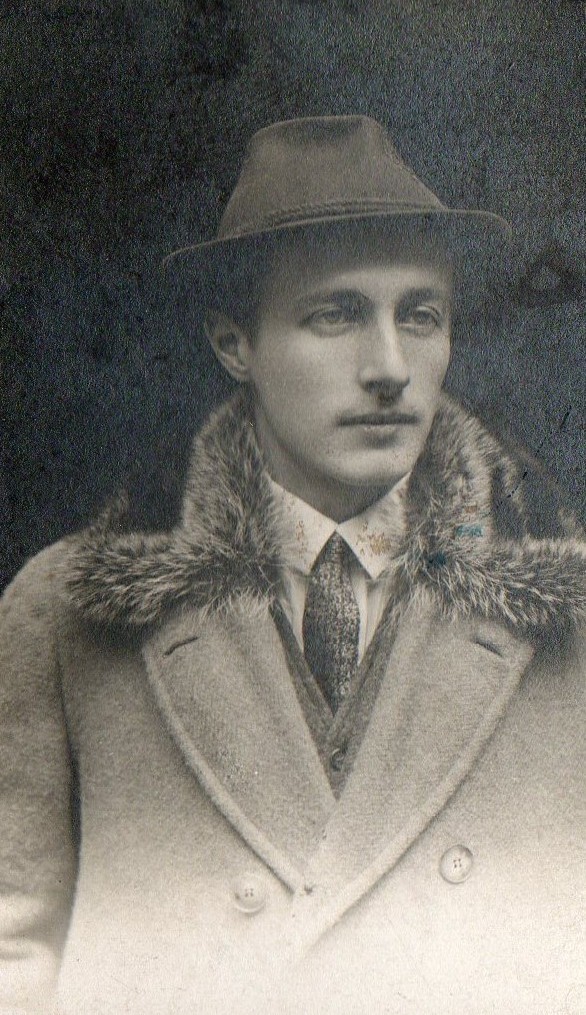
  • "He said little about the war, about the passage to the eastern front, about the Czechoslovak corps, or about the Slovak National Uprising, but occasionally he dropped something. I will tell you something. When they were crossing the Váh during the uprising, they were led by a man who was a Nazi collaborator and had alerted the Nazis. At once, the Nazis started firing at them from both sides. They had no choice but to jump into the Váh. The river was not too deep. They swam in places and waded sometimes. Many of them were shot by the Germans while still in the water. They hid in a nearby grove. The Germans didn't suspect they could be so close and they looked everywhere else. There were armored cars driving around, soldiers marching, and they always lined up behind the grove. They were there for four days in the freezing cold, in the snow, without food, burying themselves in the snow, of course, and somehow they just survived."

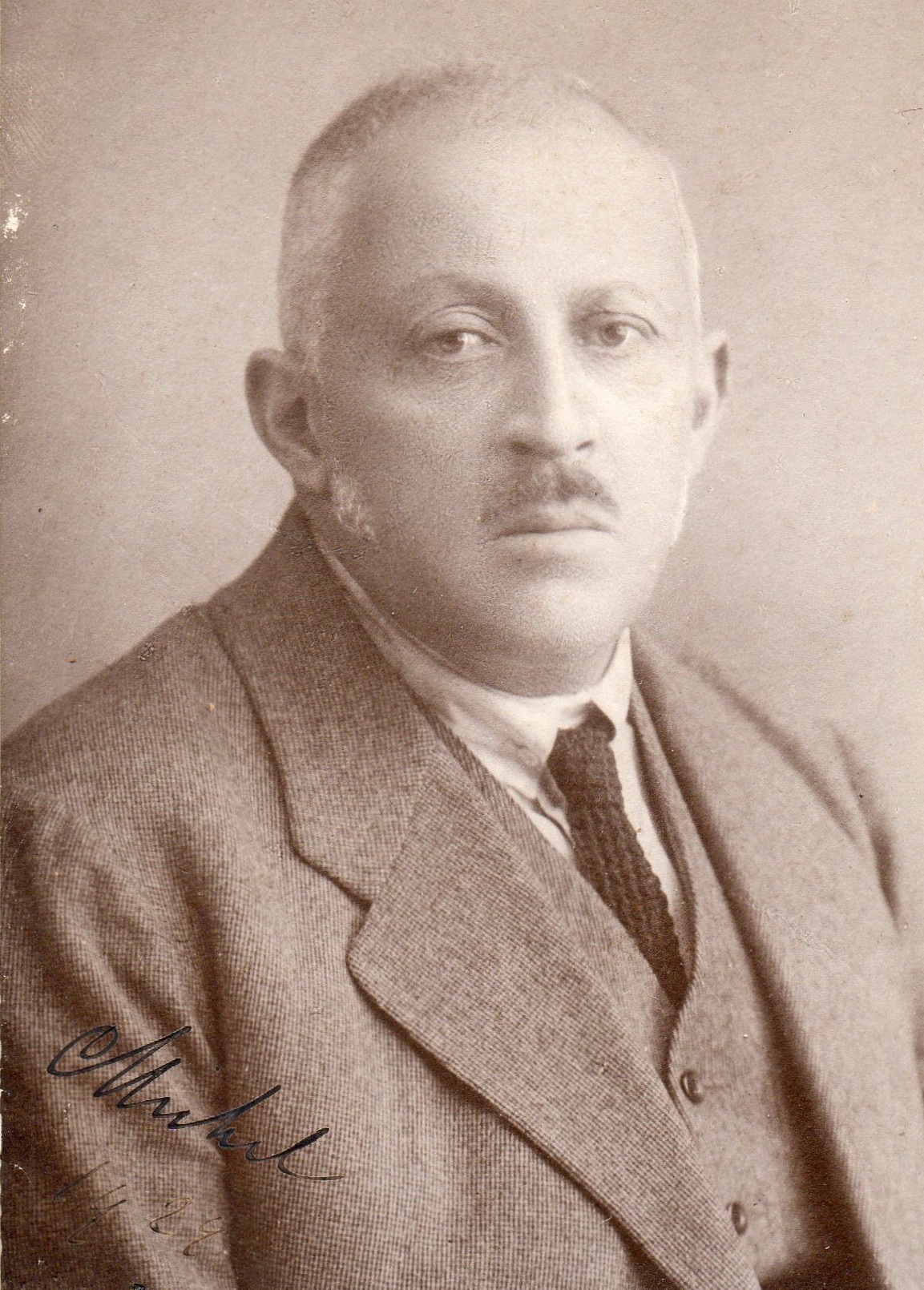
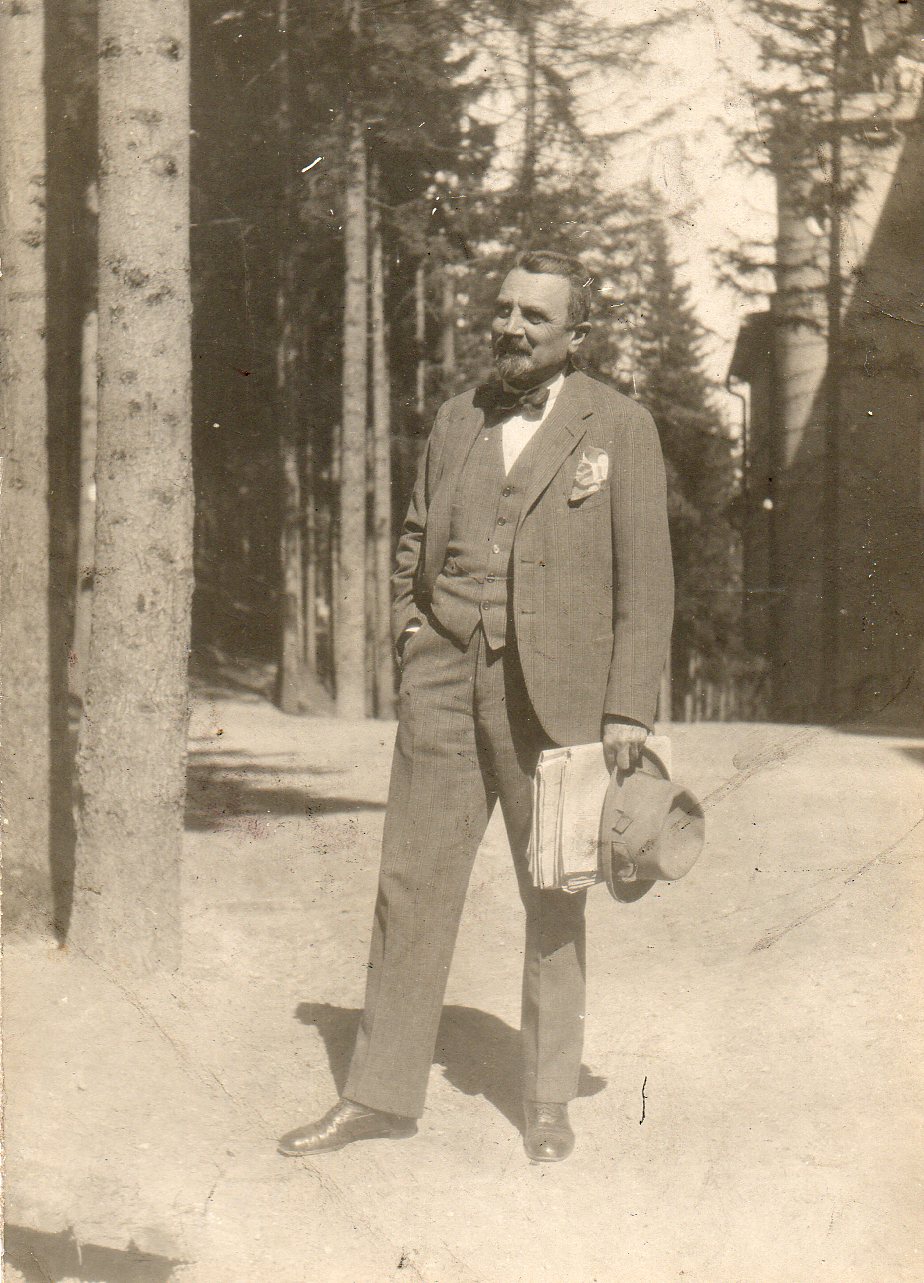
  • "When Eliáš formed his government, my grandfather Mikuláš was given other tasks in the resistance as well. He chaired the golf club at Říčka. That's where intel went to London. He also made sure some food supplies from Bohemia did not make it to the front line. He made sure they stayed here for those making weapons for the front. We didn't know much, but we knew his wife Margaretha Hansy grew up with a friend who went on to marry Neurath, the first Reich Protector. When someone needed help, like they were in prison, my grandparents made sure to make a mention at the right places. They were often released from prison."

  • Celé nahrávky
  • 1

    Hradec Králové, 15.07.2025

    (audio)
    délka: 03:29:22
    nahrávka pořízena v rámci projektu Příběhy regionu - HRK REG ED
Celé nahrávky jsou k dispozici pouze pro přihlášené uživatele.

Rebel with a coat of arms
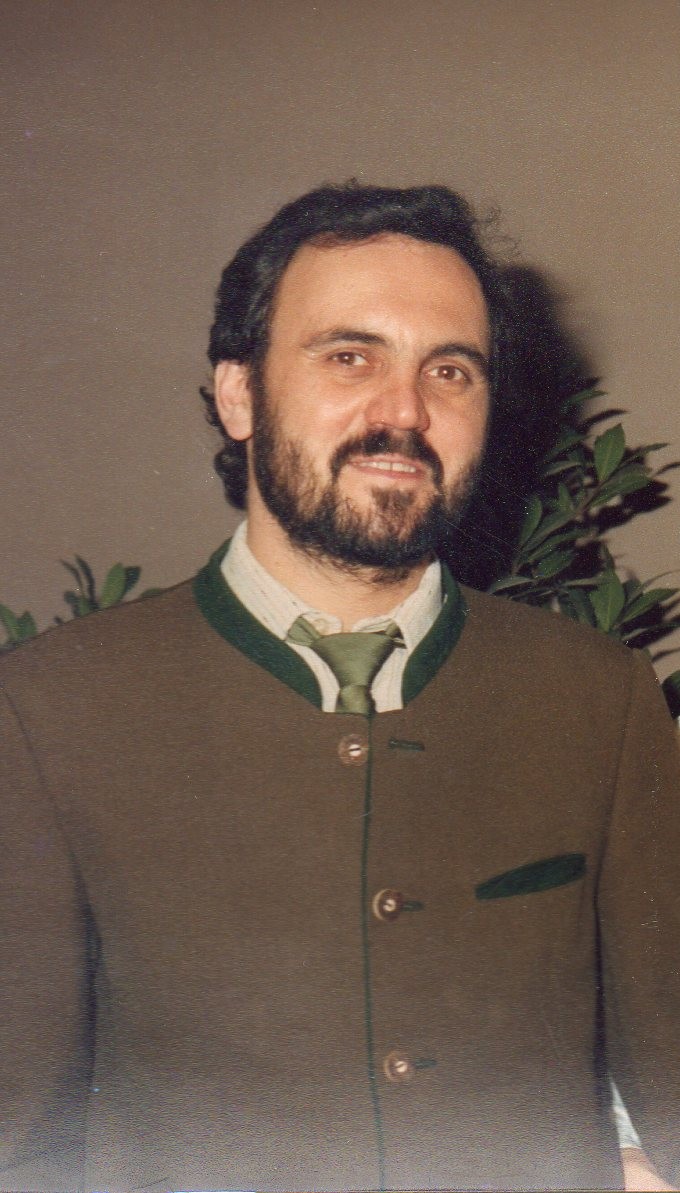
Petr Dujka 1970
Petr Dujka 1970
zdroj: Witness's archive

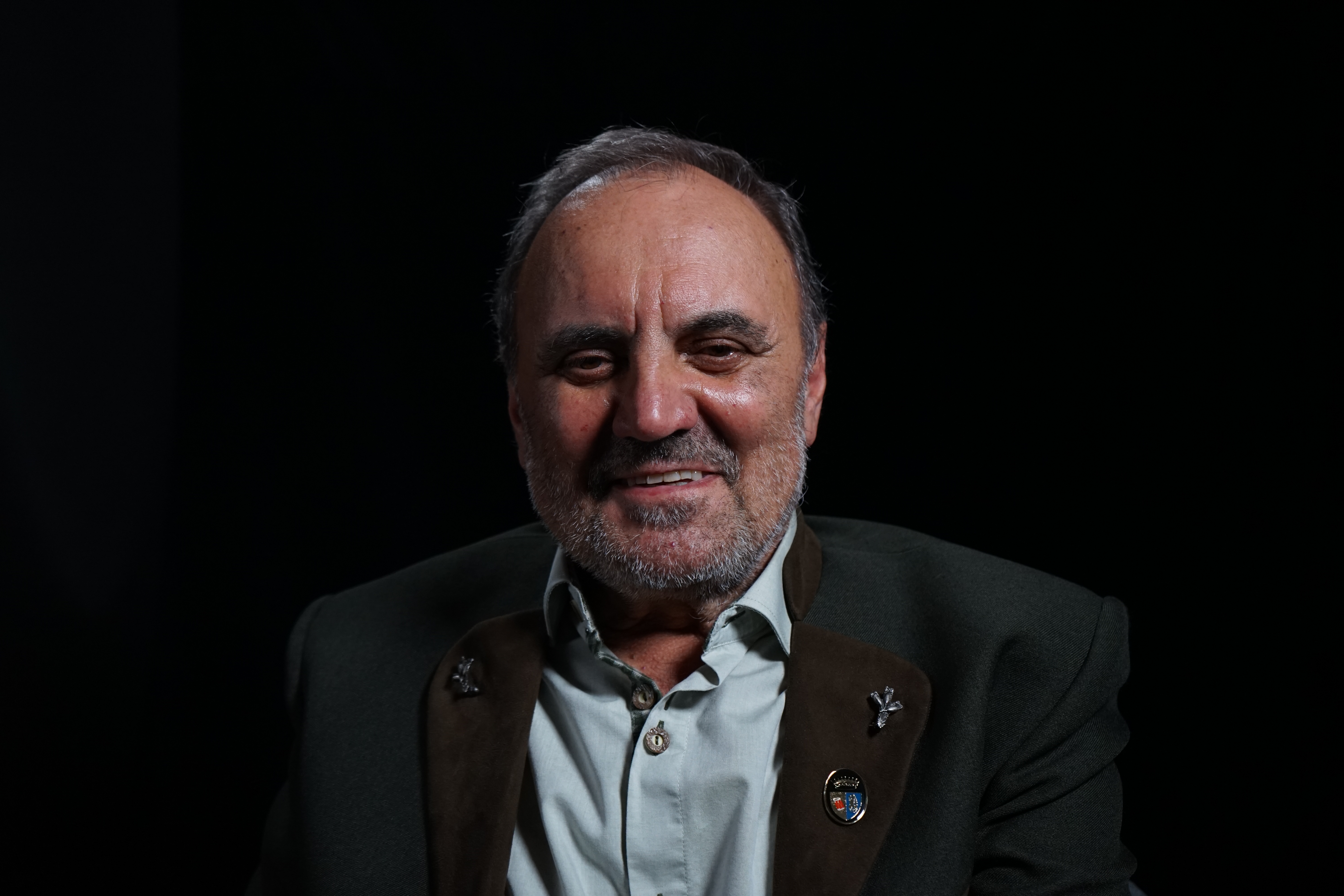
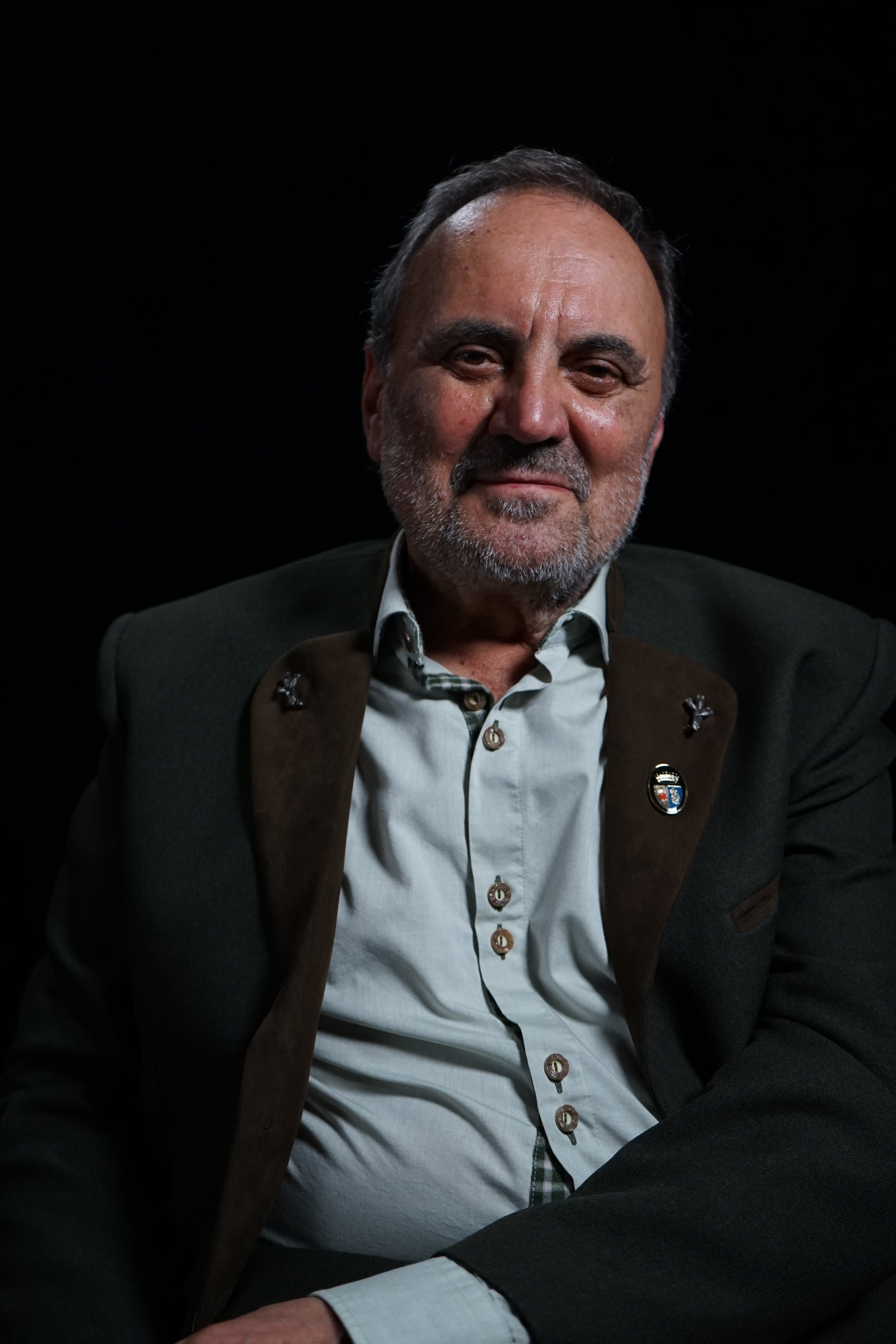
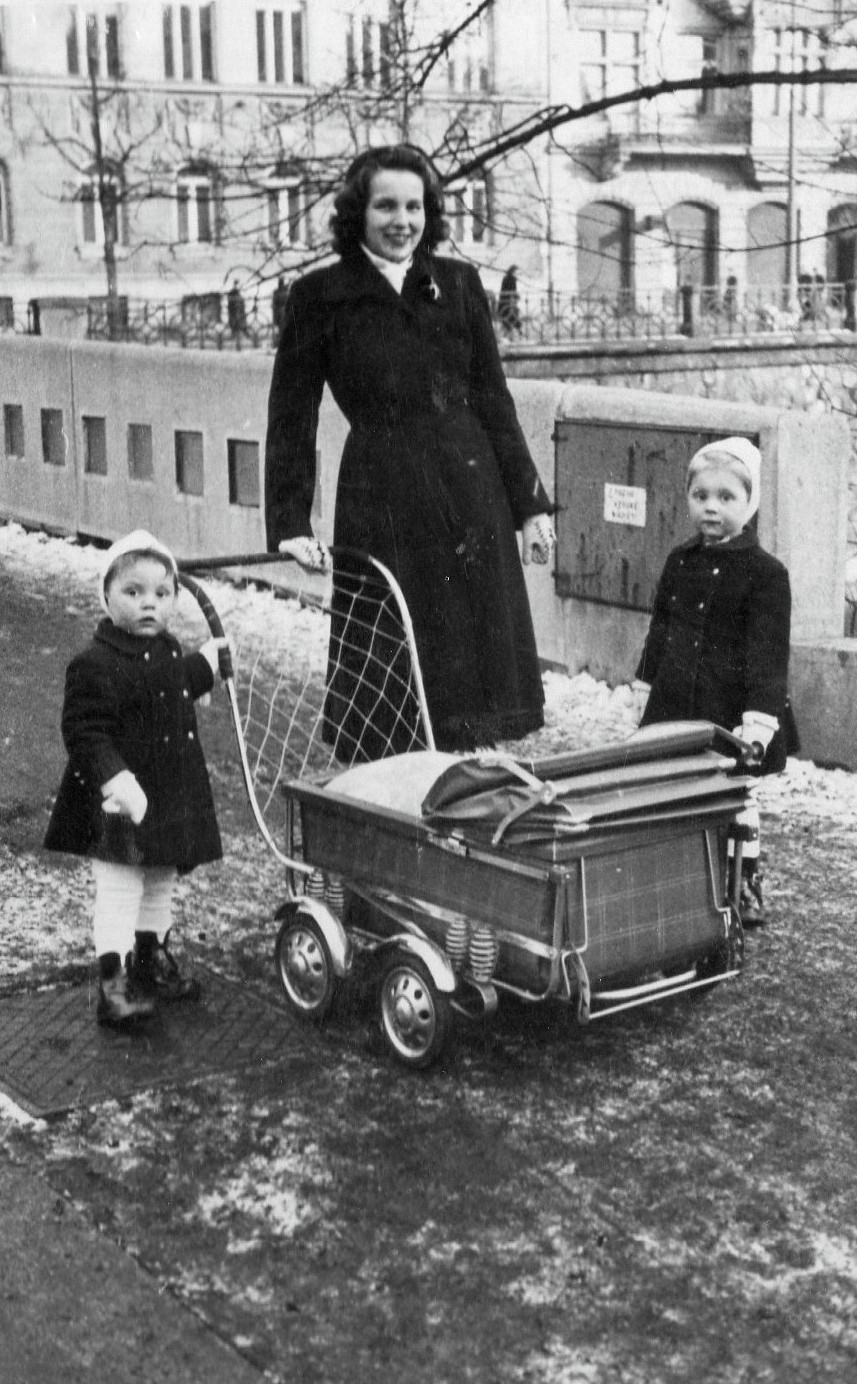
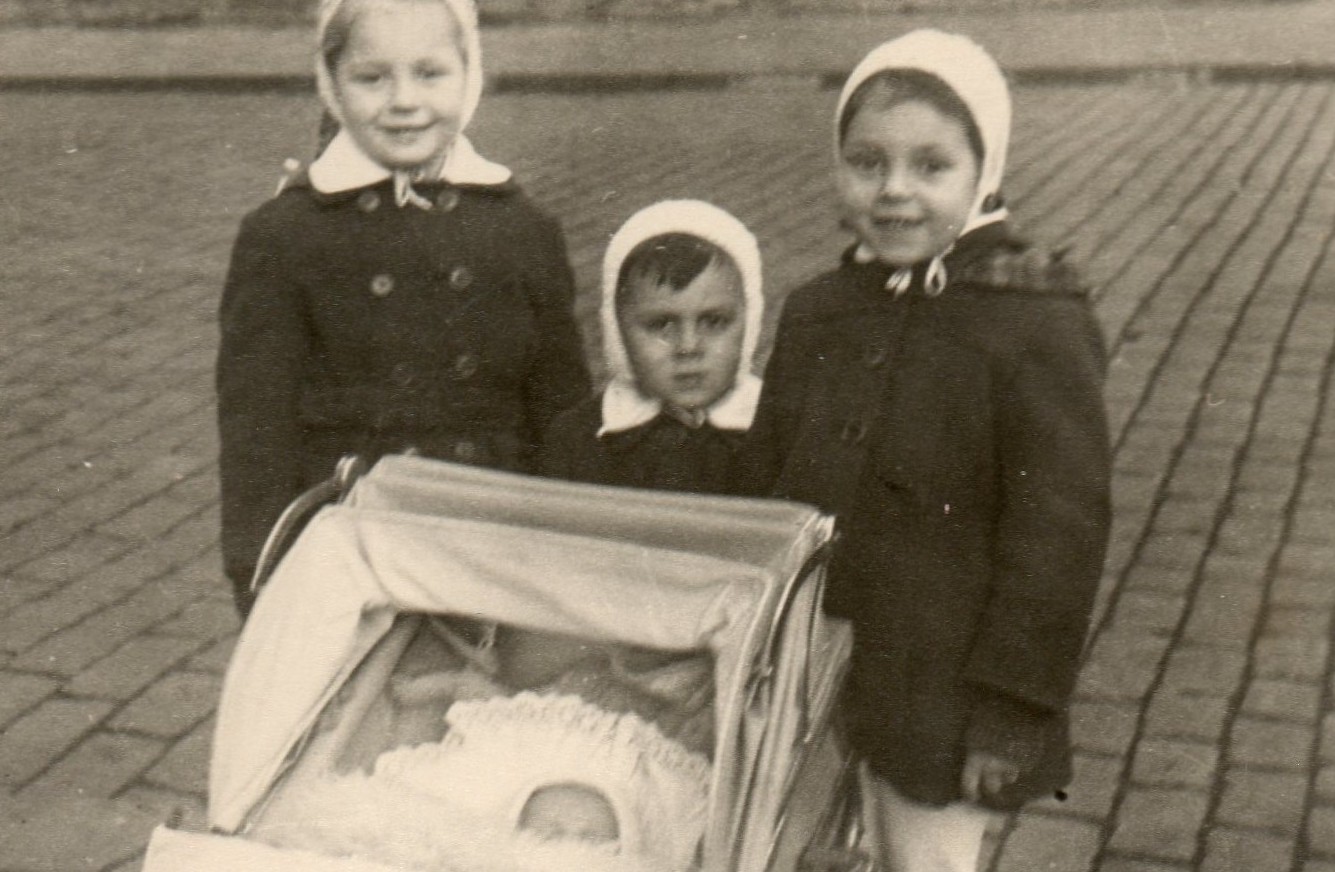
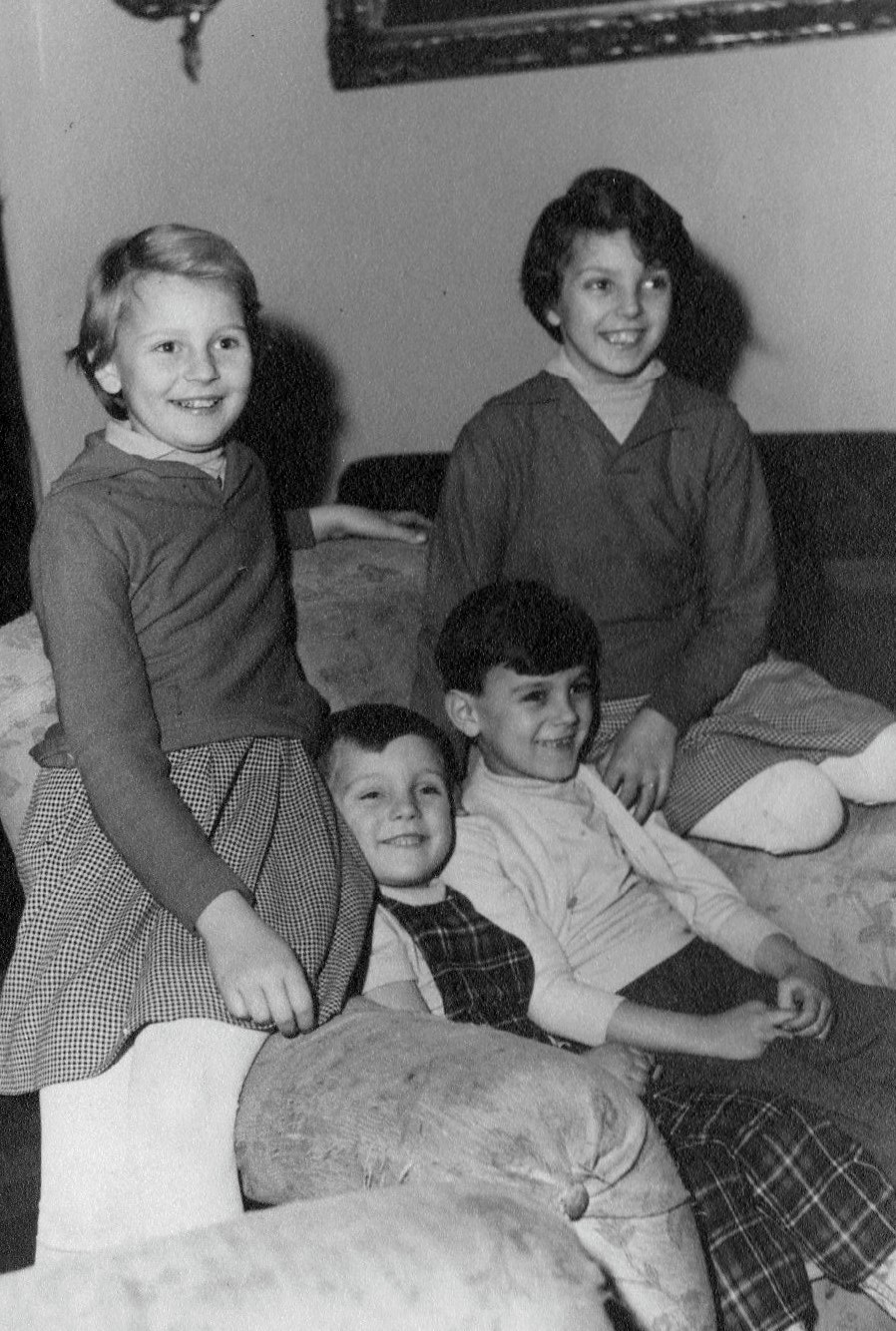
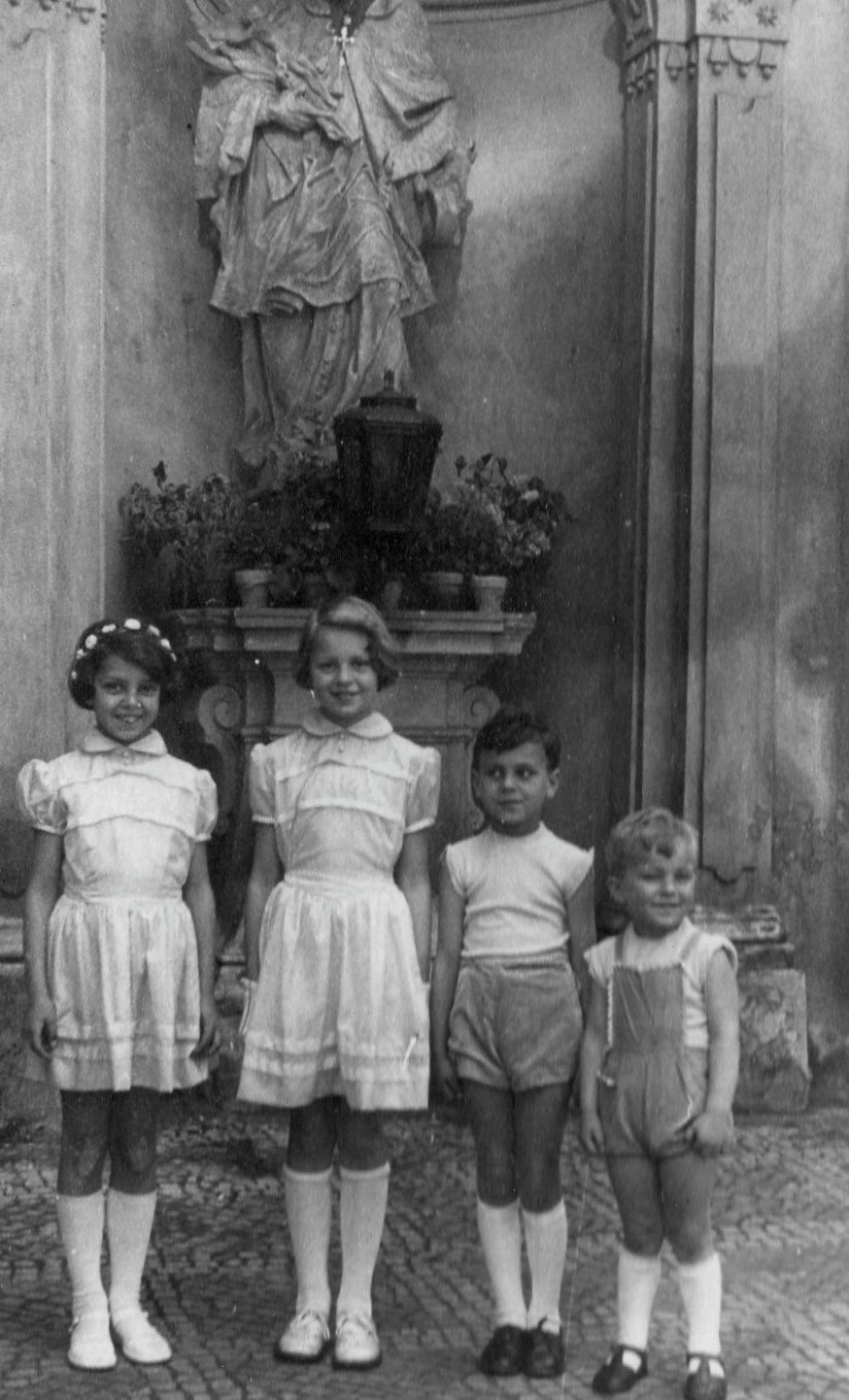
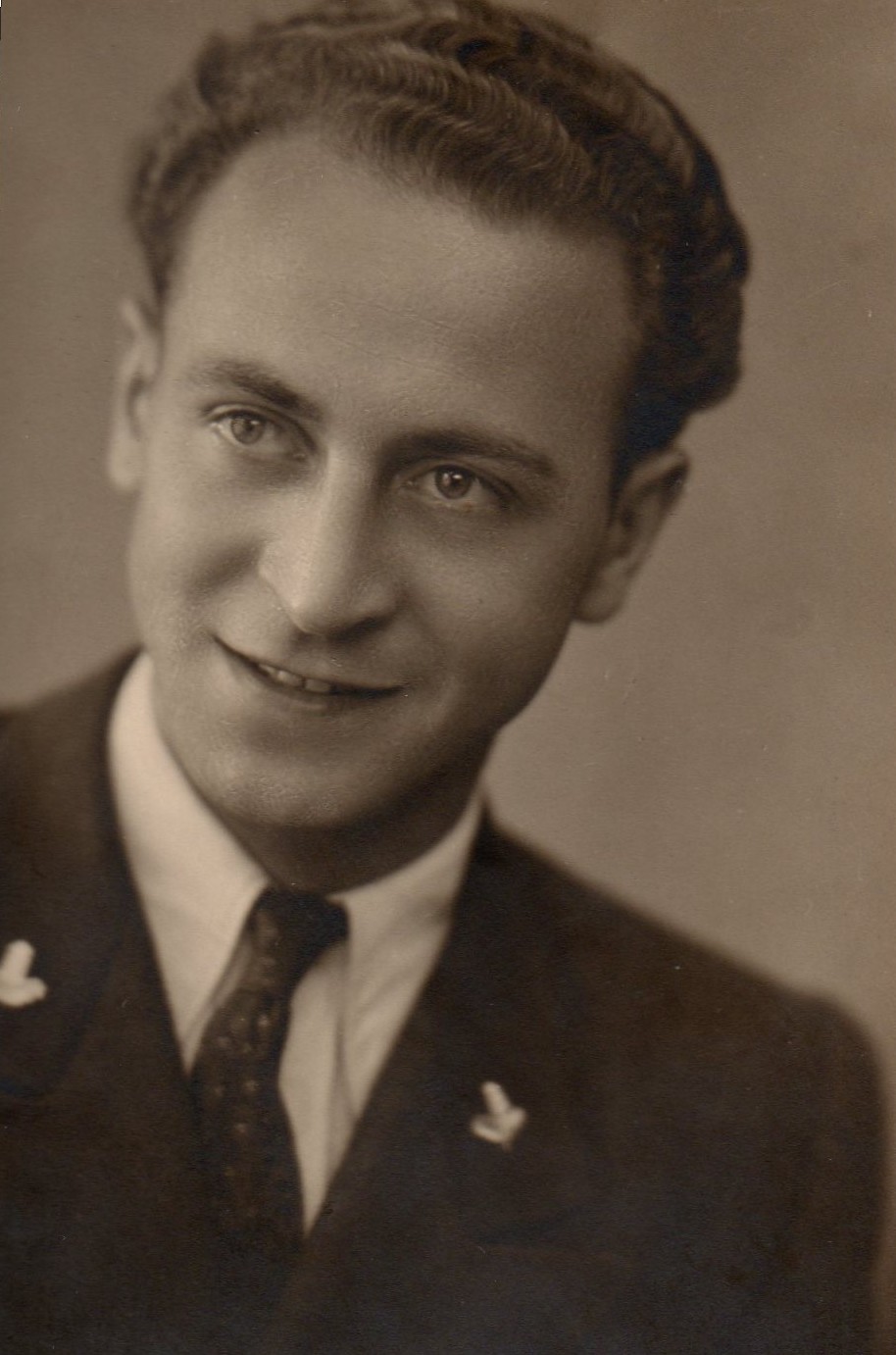
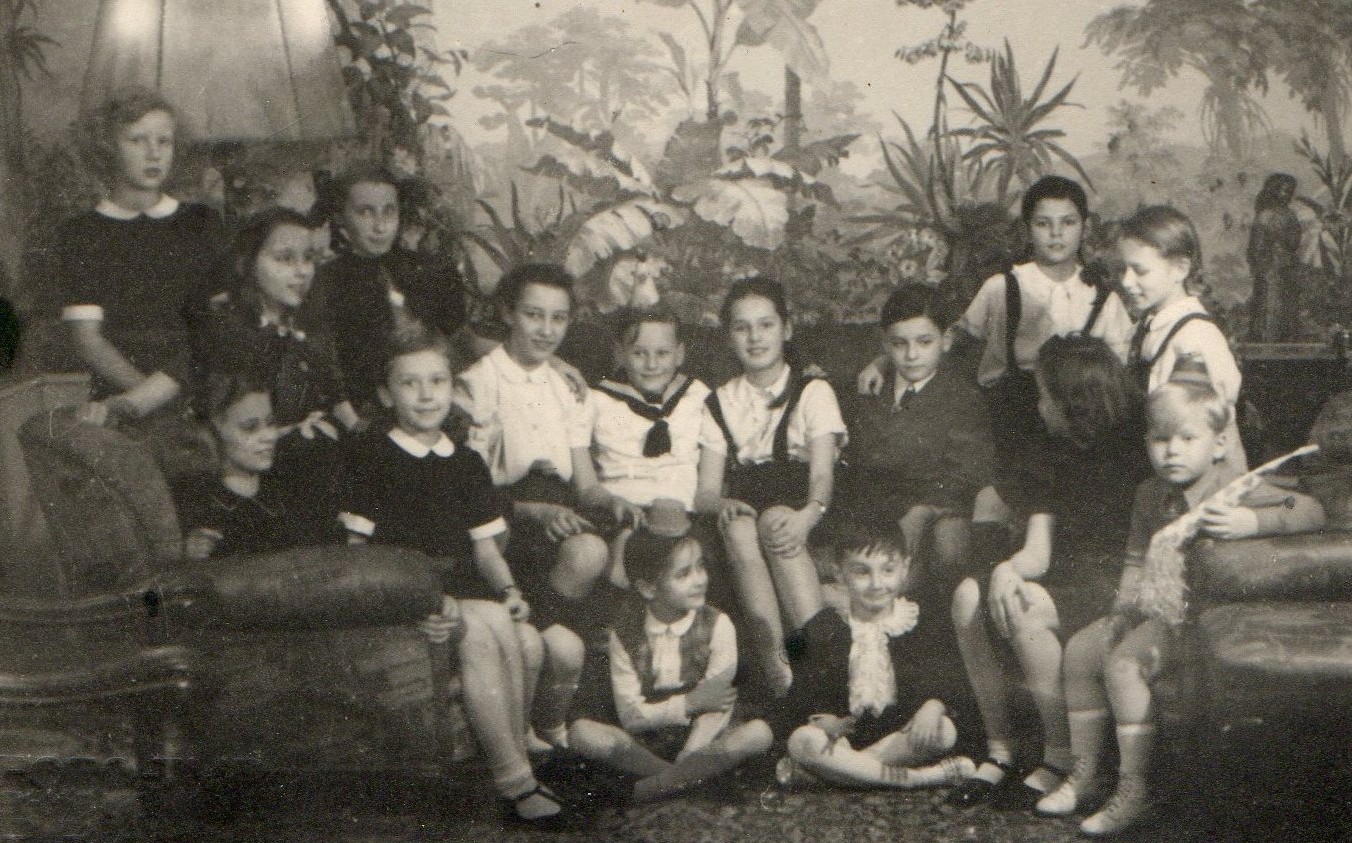
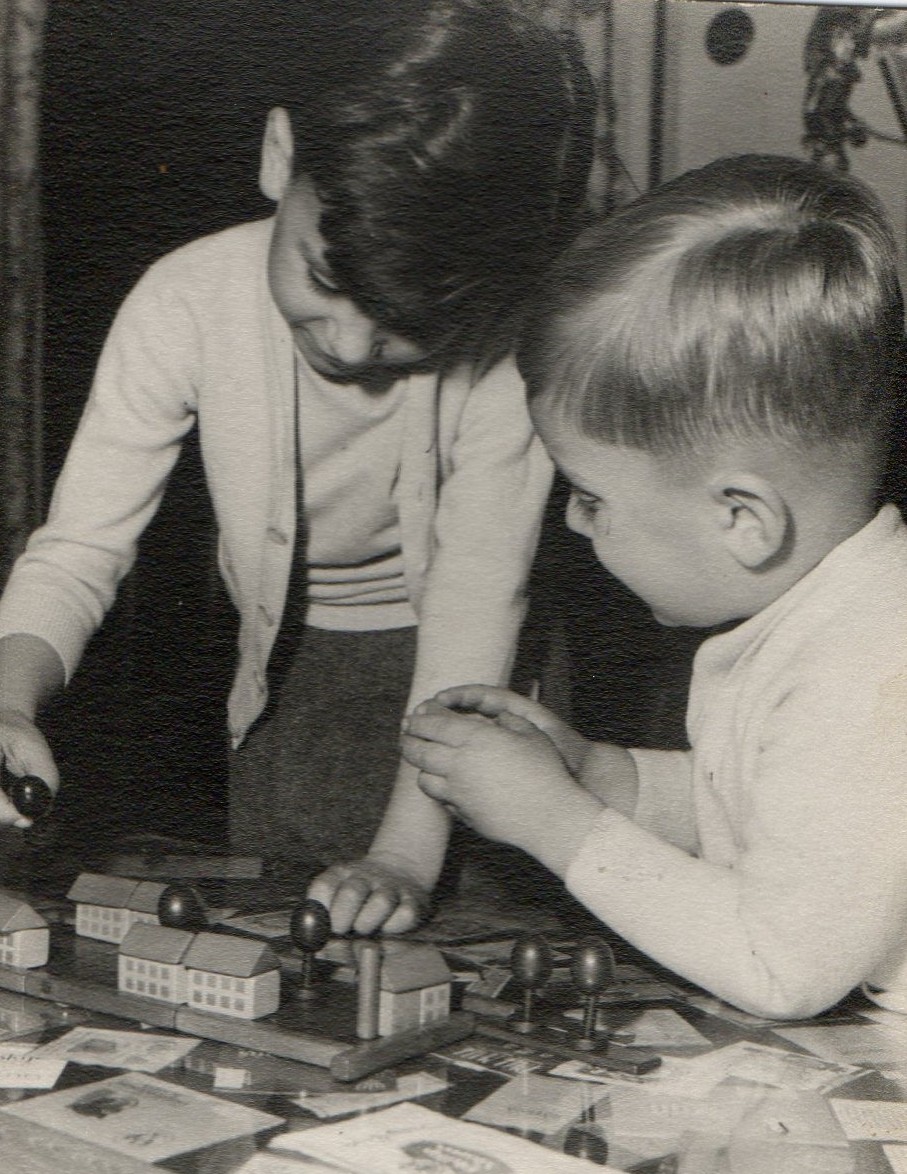
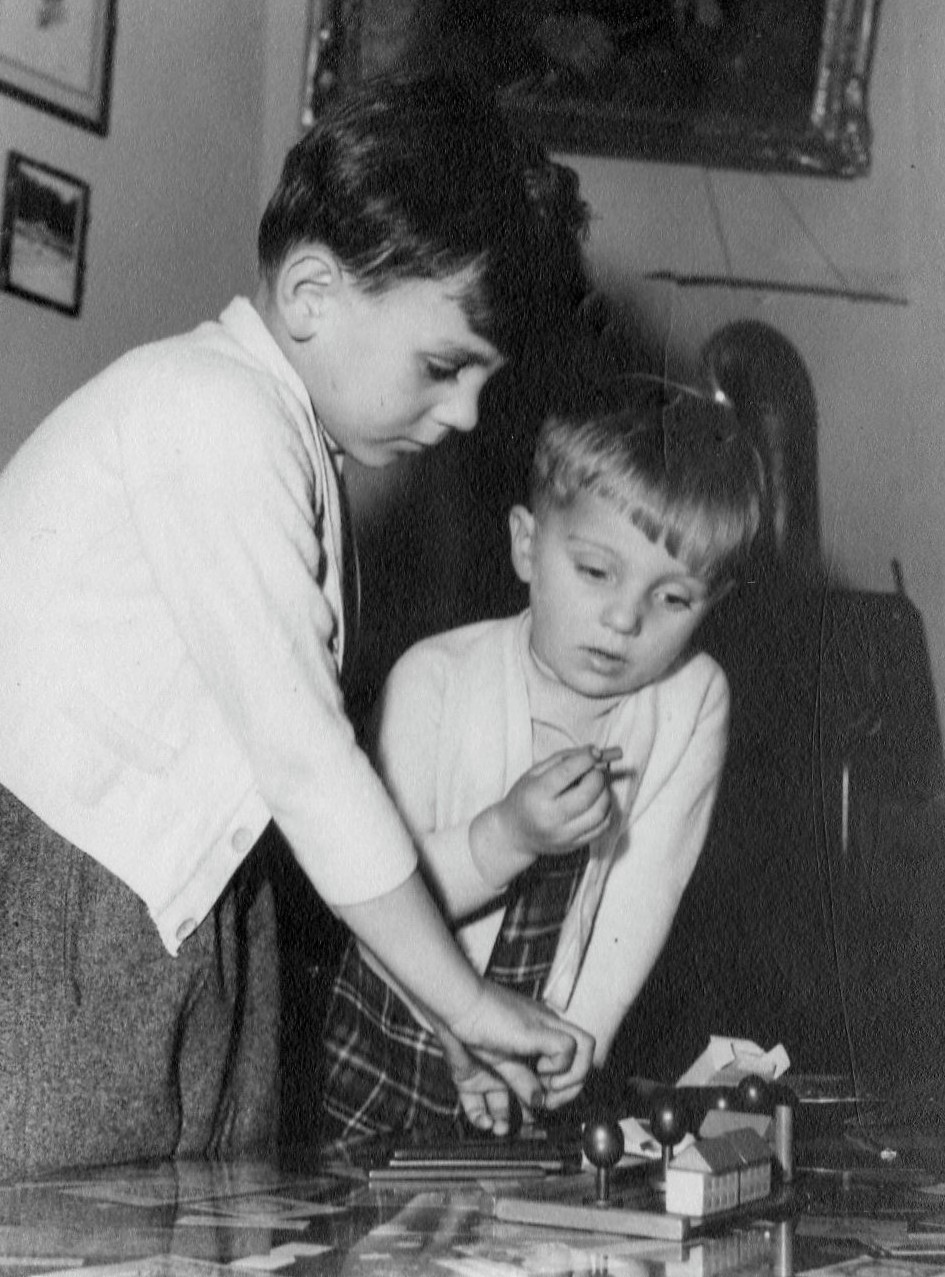
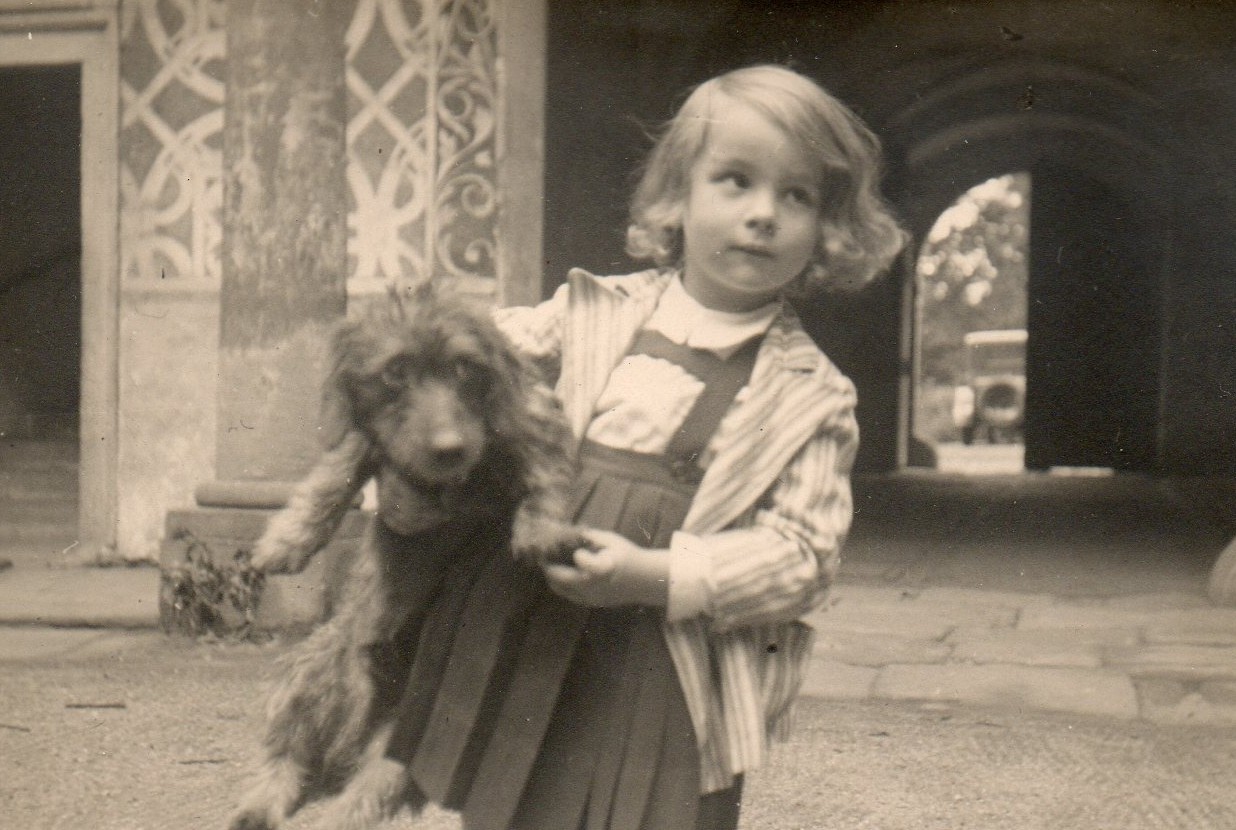
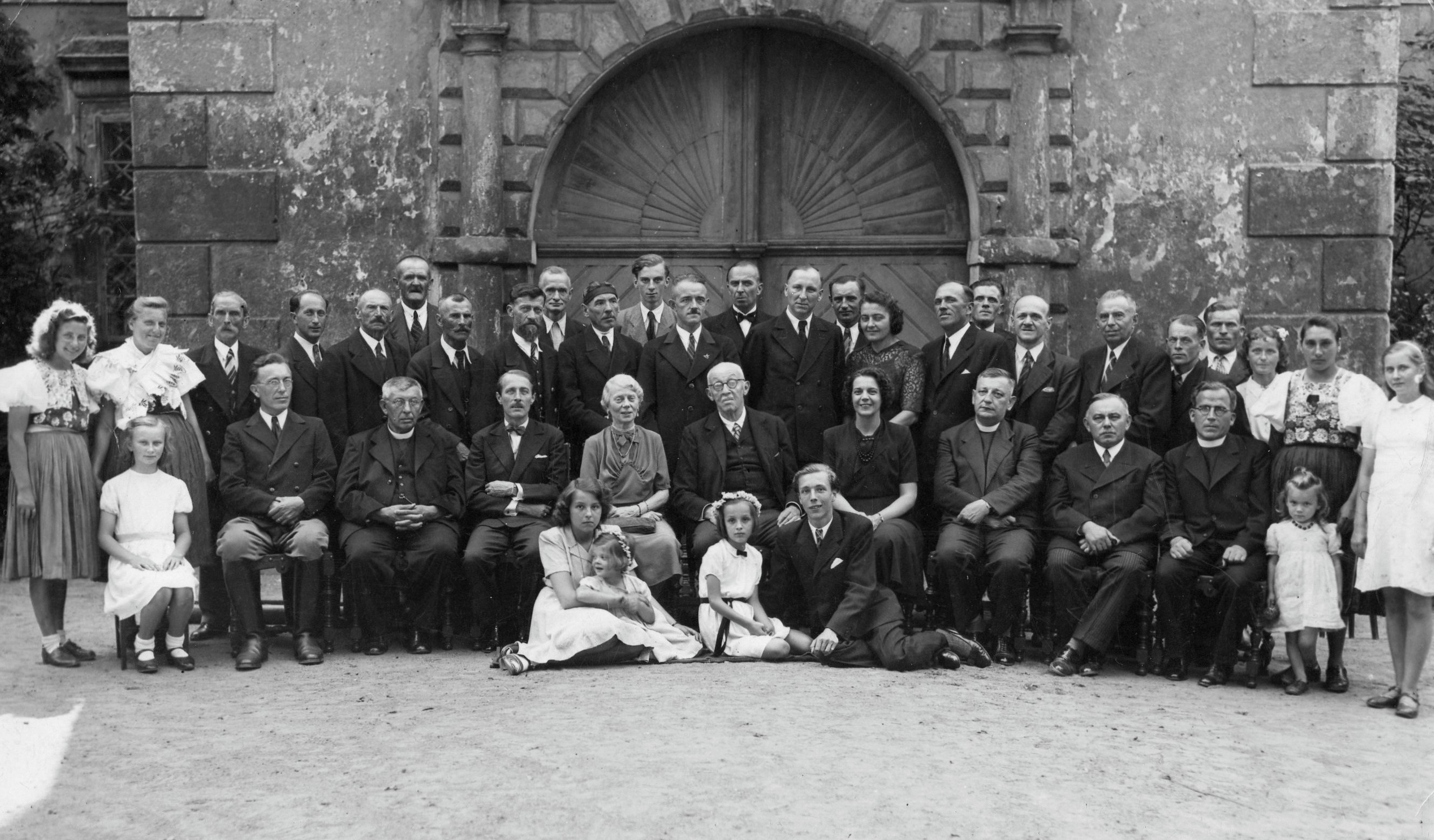
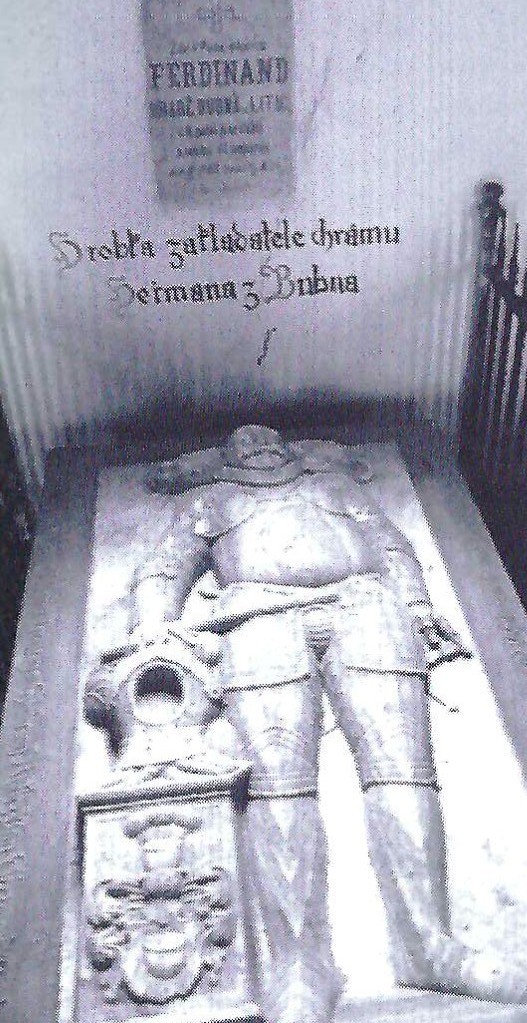
Petr Dujka was born in Prague on 31 October 1951. He is a descendant of the ancient Czech noble family of Bubna-Litic that dates back to the 13th century. He spent his childhood in Prague when his family had lost all its property including the family castle in Doudleby nad Orlicí after the communist coup. He resisted the totalitarian system in his youth, refusing the Pioneer scarf, living free in the tramp community and then joining protest activities against the communist power. Due to his background, he was not allowed to study and made his living as a maintenance worker at a medical clinic where he was in touch with independent culture and dissent. He was repeatedly interrogated by the State Security. He and wife Jana raised daughter Barbora and son Mikuláš. After 1989, he took part in restoring the family assets his mother Eleonora Dujková, née Countess Bubna-Litic, regained by restitution. Since 2005 he has been managing the chateau in Doudleby nad Orlicí which he has refurbished and refitted with period furnishings. He made a tramping museum, a natural history exhibit and a concert and cultural event venue from the former granary. He grows grapes in the vicinity of the chateau and has established a small family winery. Petr Dujka builds on the legacy of his ancestors and, with respect for history, combines a noble tradition with a modern civic and cultural mission. „Honouring our ancestors, we honour ourselves.“