PhMr. Jiří Dlouhý

* 1929

  • "I was only allowed to visit [the family in Switzerland] in 1967. That was such a release. So my wife and I and my boyfriend were in Switzerland for a week. And they all said we weren't coming back, we did. Then we were there 1966, 1967, and we always came back. It wasn't until 1968 that the Russians came, and we picked up and we were there and we said if the Russians are gone in a month, we'll be back again because we had good friends and a fine job. My wife was a pediatrician in Kostelec nad Černými lesy and I was the head of the Institute of Serums and Vaccines for Serums. And it was great that we had a great group and great friends. But the Russians didn't leave, so we stayed in Switzerland, 49 years."

  • "They kept telling me I would be promoted if I joined the party. And I didn't. Well, but then I was in the medical facilities and normally medicines have an expiry date. Normally I worked in a warehouse where there were just people, they didn't care. When a drug was over the expiration date, it was destroyed and written off to losses. And I was, I'm a well-known saver, and I was sorry about that, so I had friends in normal civilian pharmacies in Ruzomberok, in Liptovský Mikuláš, in Žilina and so on, and so I would make arrangements with them, and when we had medicines that were going to expire in a year, I would exchange them with them for newer ones. And the Communist leaders, colonels and generals found out about this, and I was very much respected as having a sense of economy. So then I was promoted, even though I wasn't a Communist, to major with twenty-five years. But then, when the Russians came to Hungary, after all, I said in front of somebody that the Soviets were swines, and I was demoted and discharged from the army."

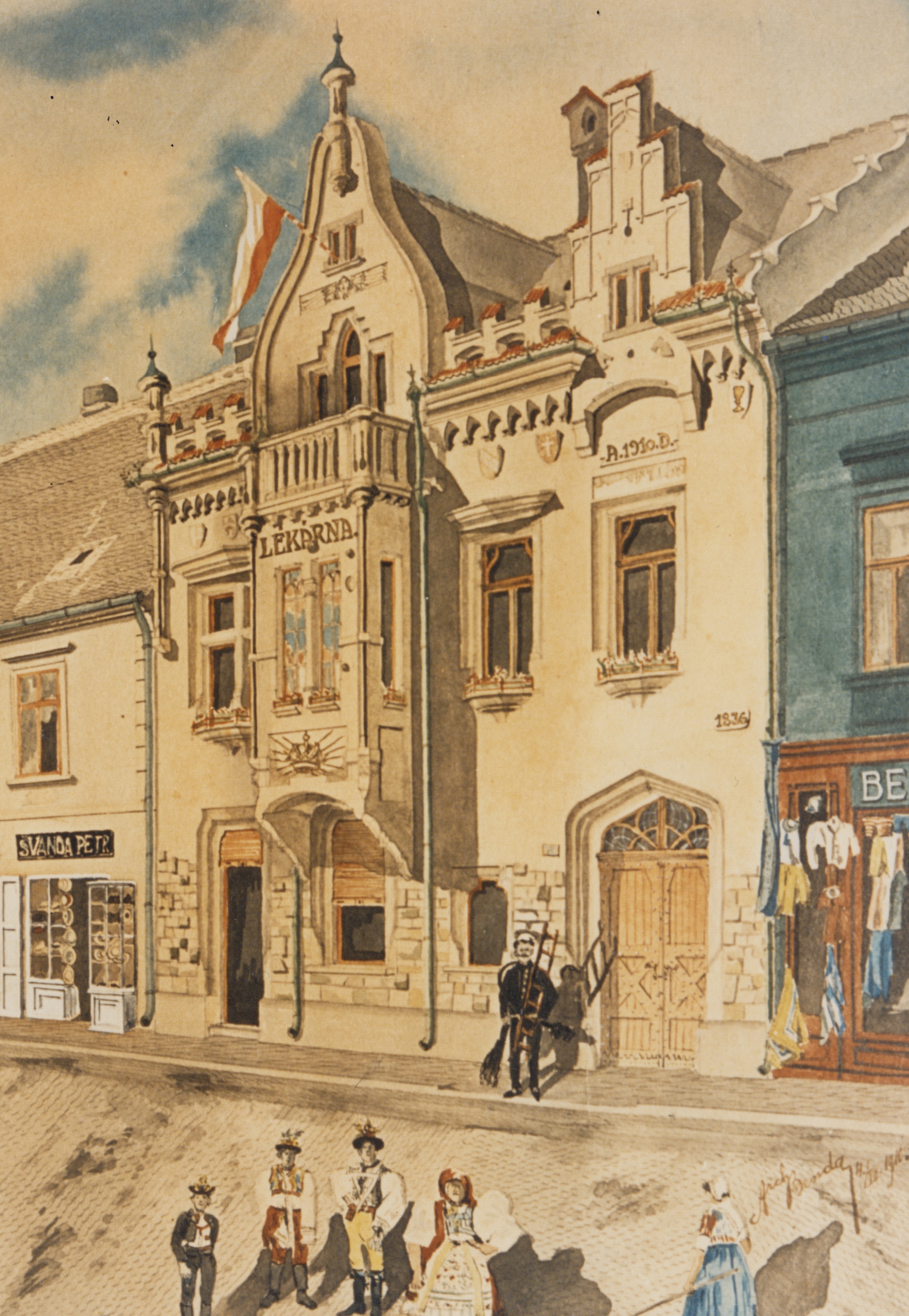
  • "They were produced and the very popular Linimentum mentholi chlorophormiatum Sedláček. This was my grandfather's preparation. And it was produced in quantities of thousands and it was in bottles produced in the first Czech glassworks in Kyjov. I still have one empty bottle."

  • Celé nahrávky
  • 1

    Kyjov, 10.02.2023

    (audio)
    délka: 01:40:56
    nahrávka pořízena v rámci projektu Příběhy regionu - JMK REG ED
Celé nahrávky jsou k dispozici pouze pro přihlášené uživatele.

If I can‘t help, I won‘t harm
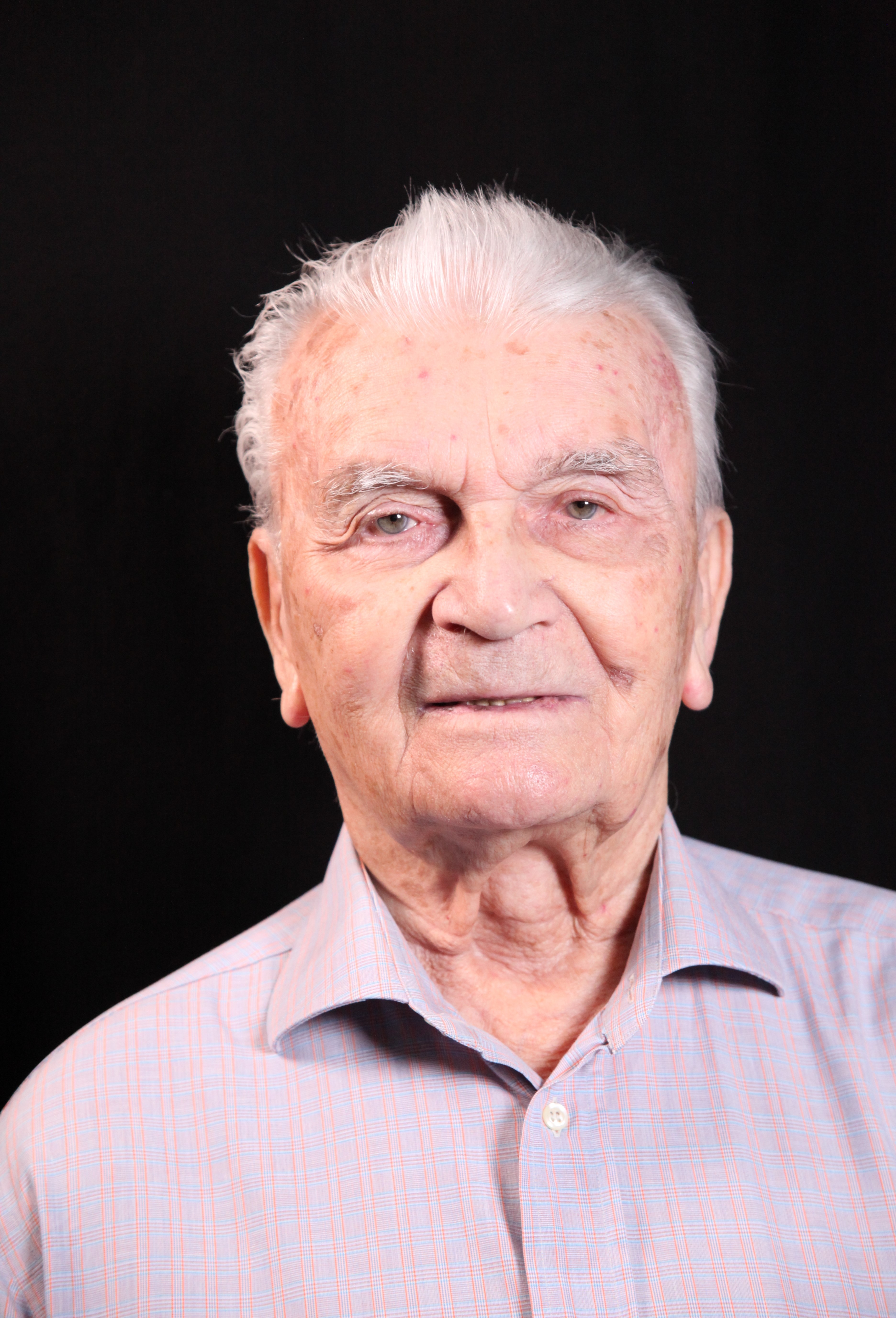
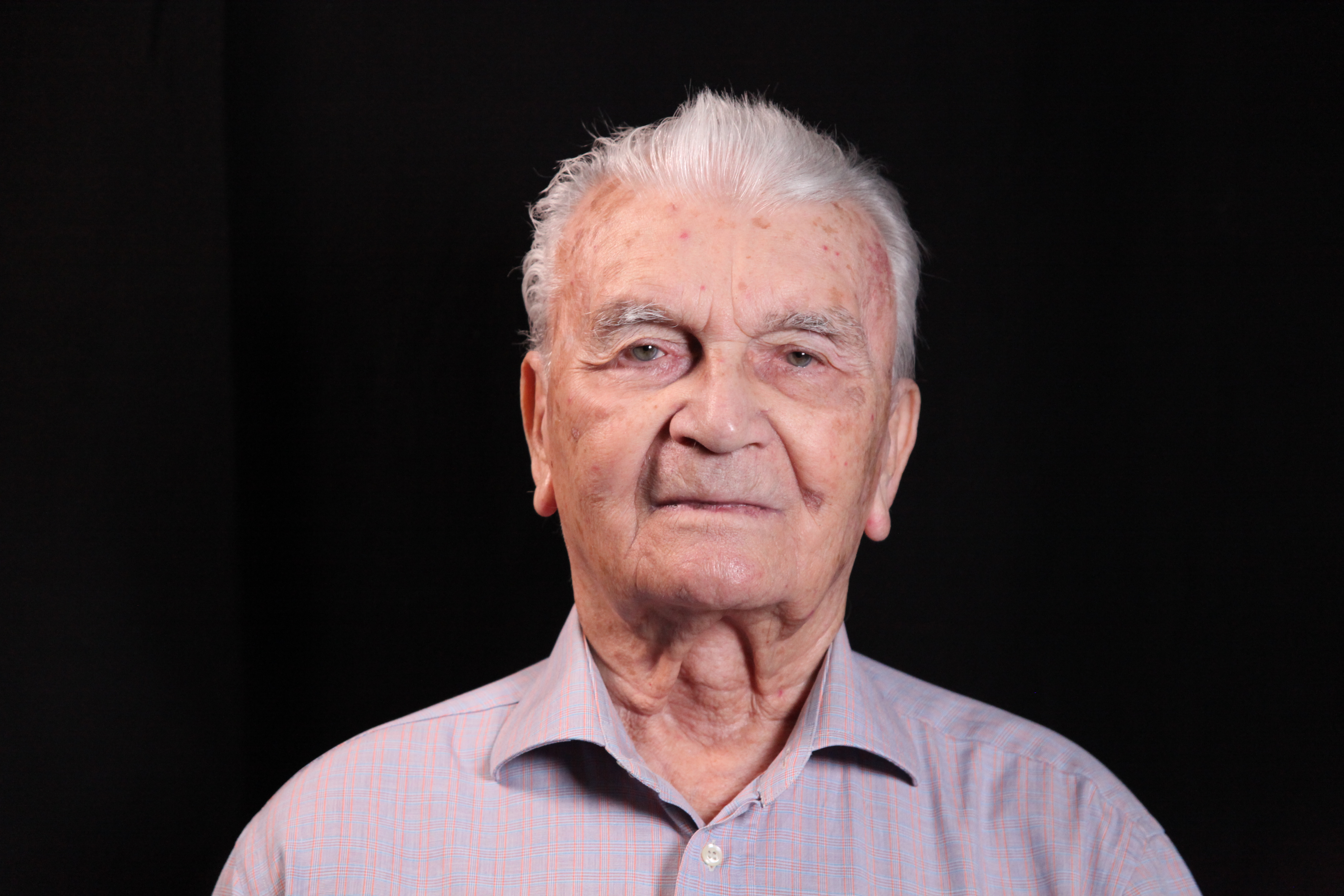
Jiří Dlouhý in 2023
Jiří Dlouhý in 2023
zdroj: Post Bellum

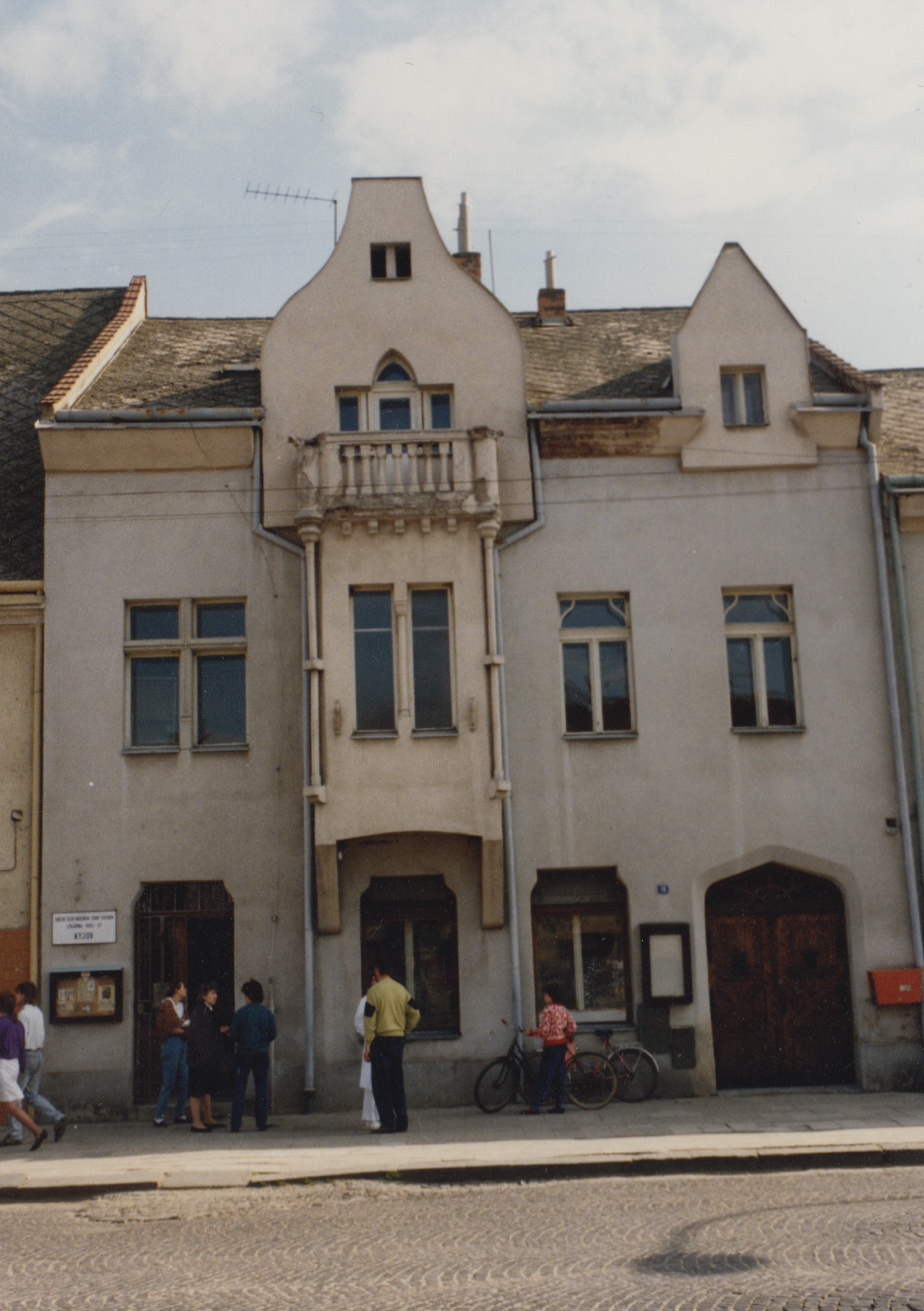
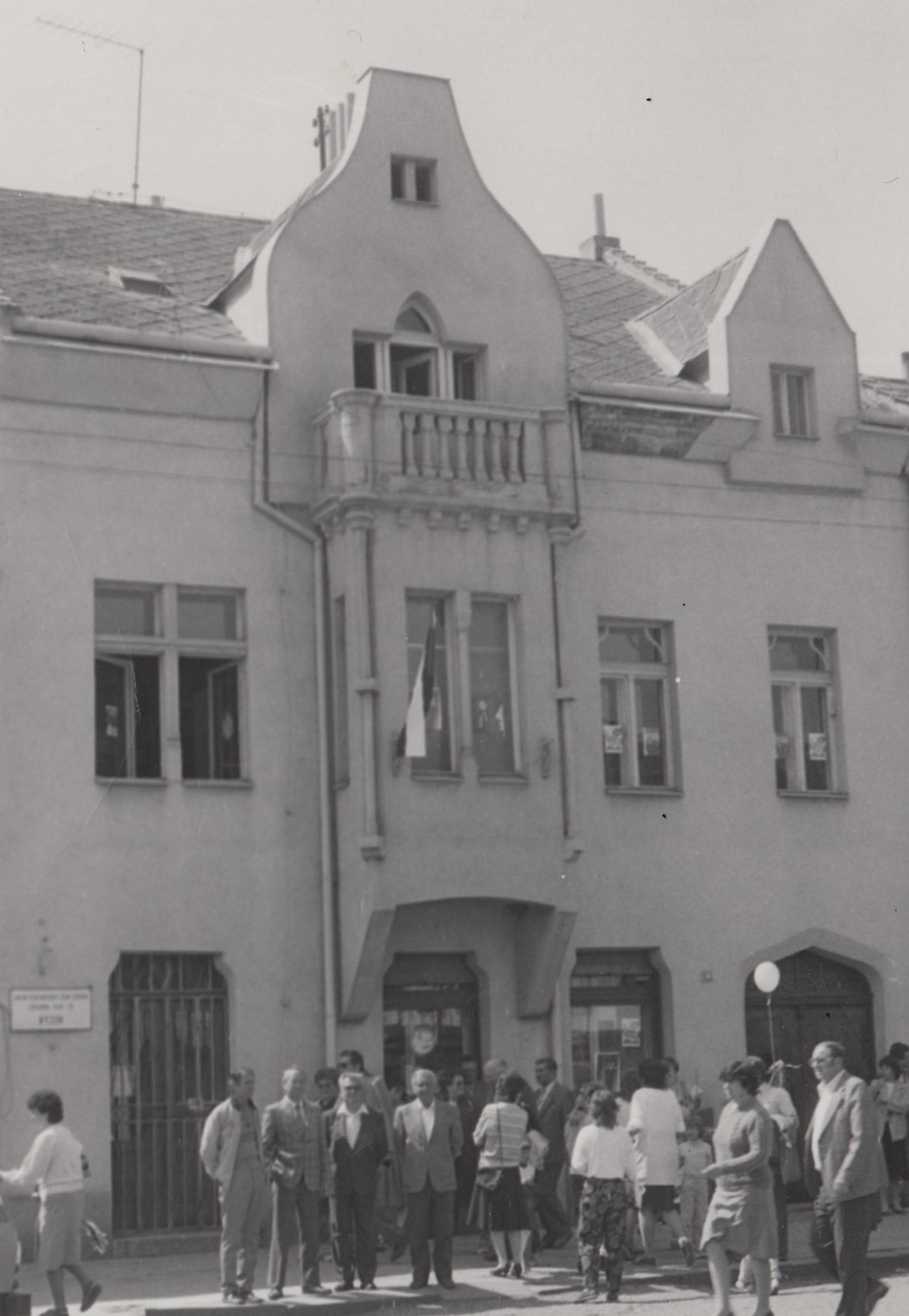
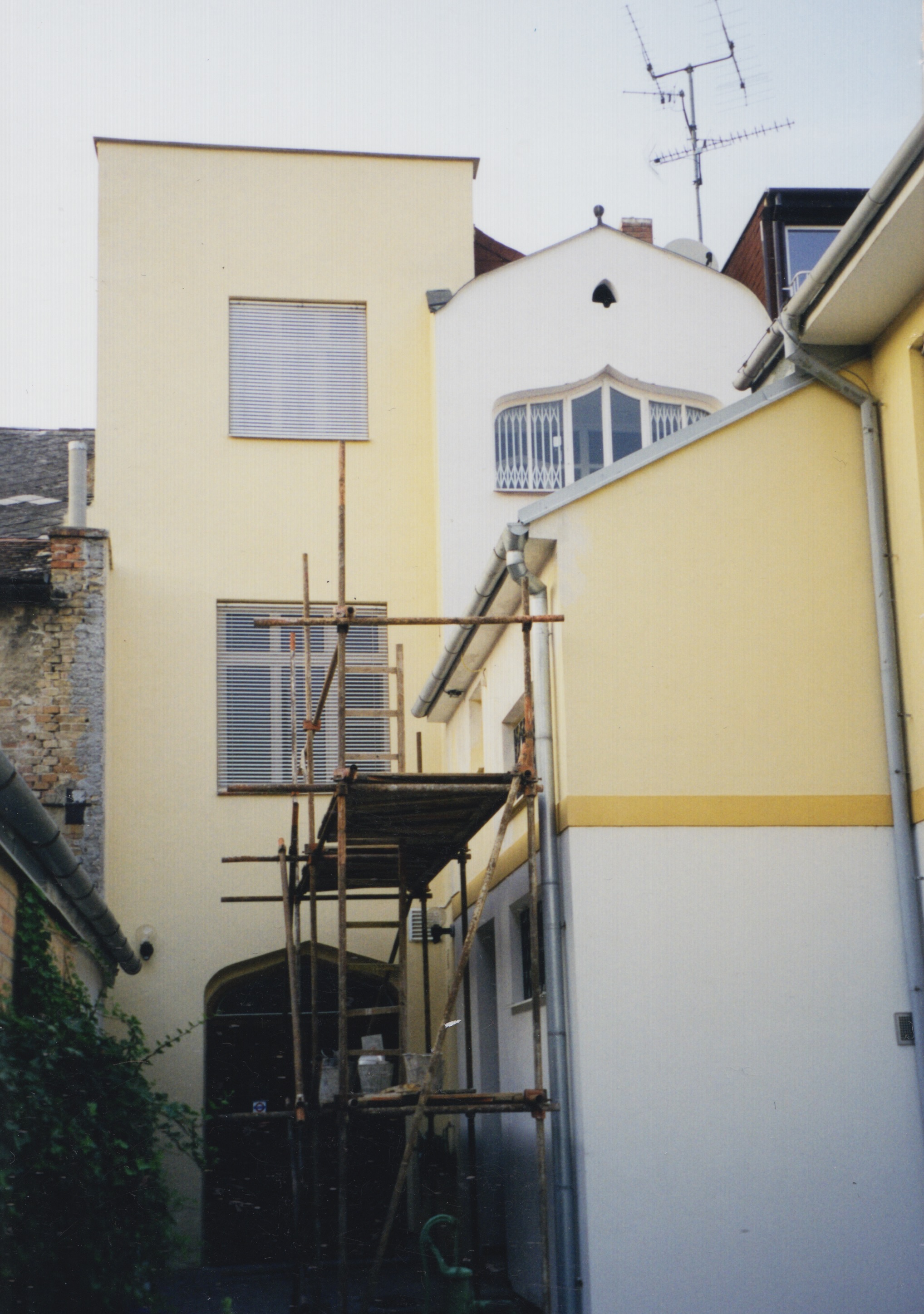
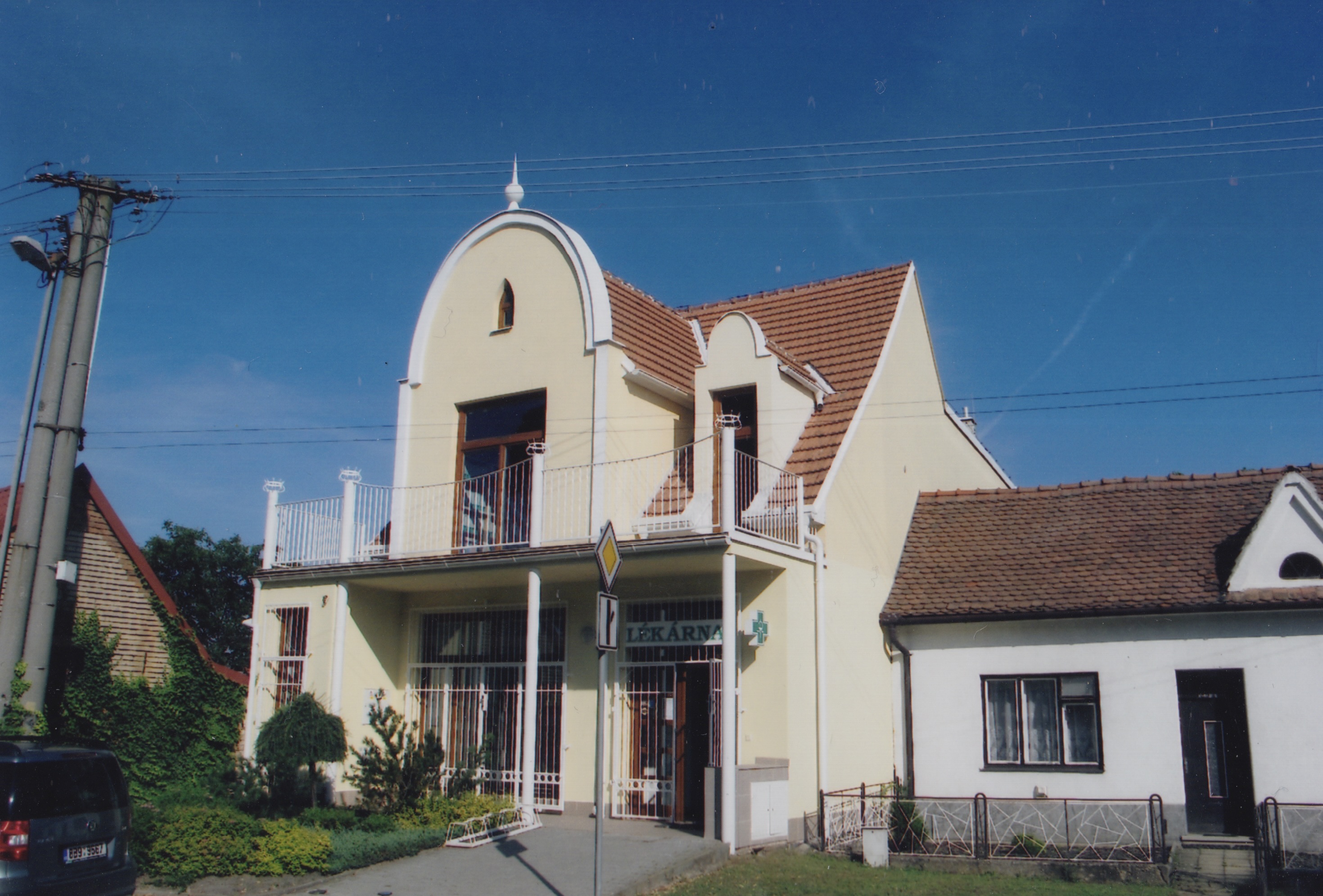
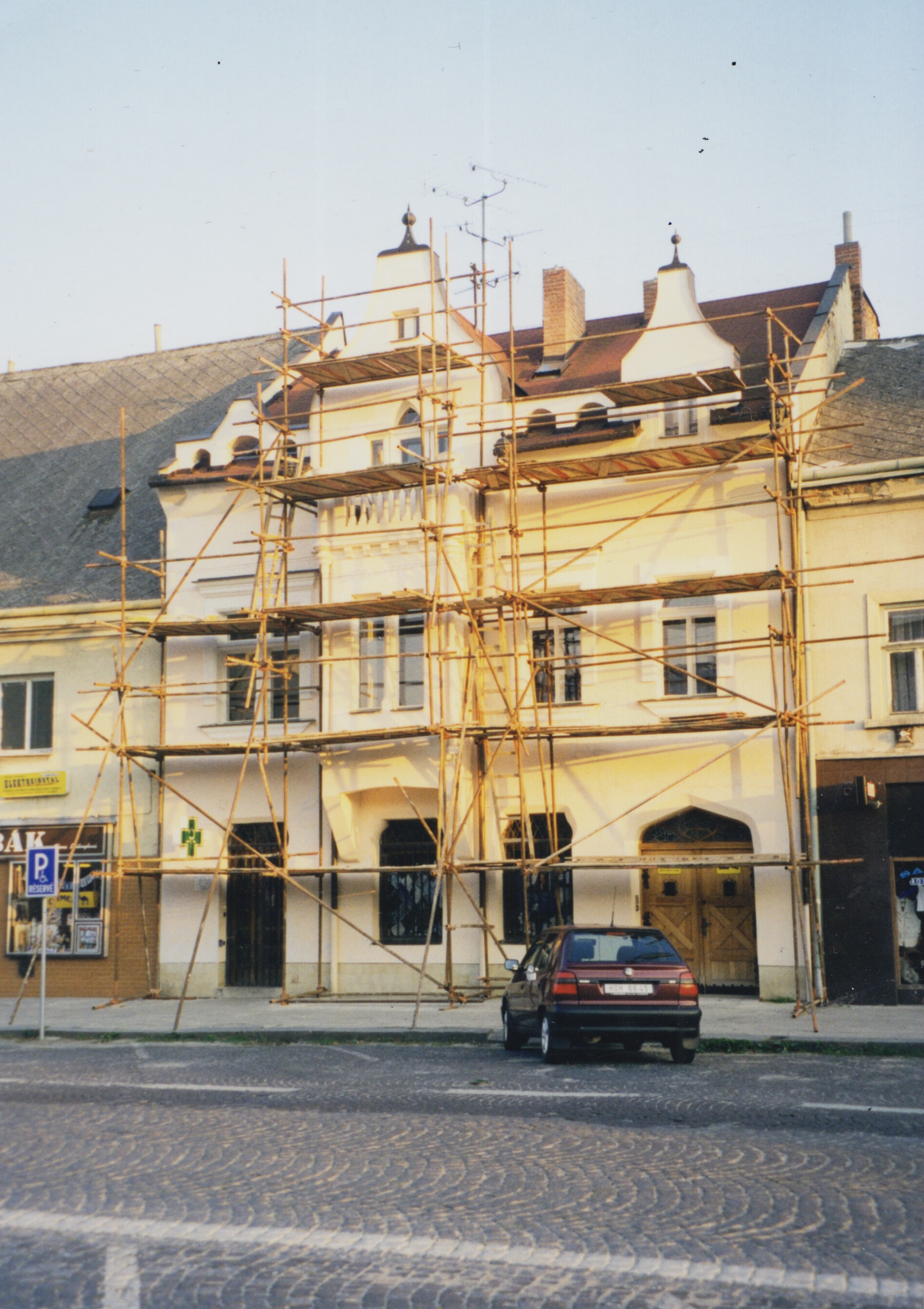
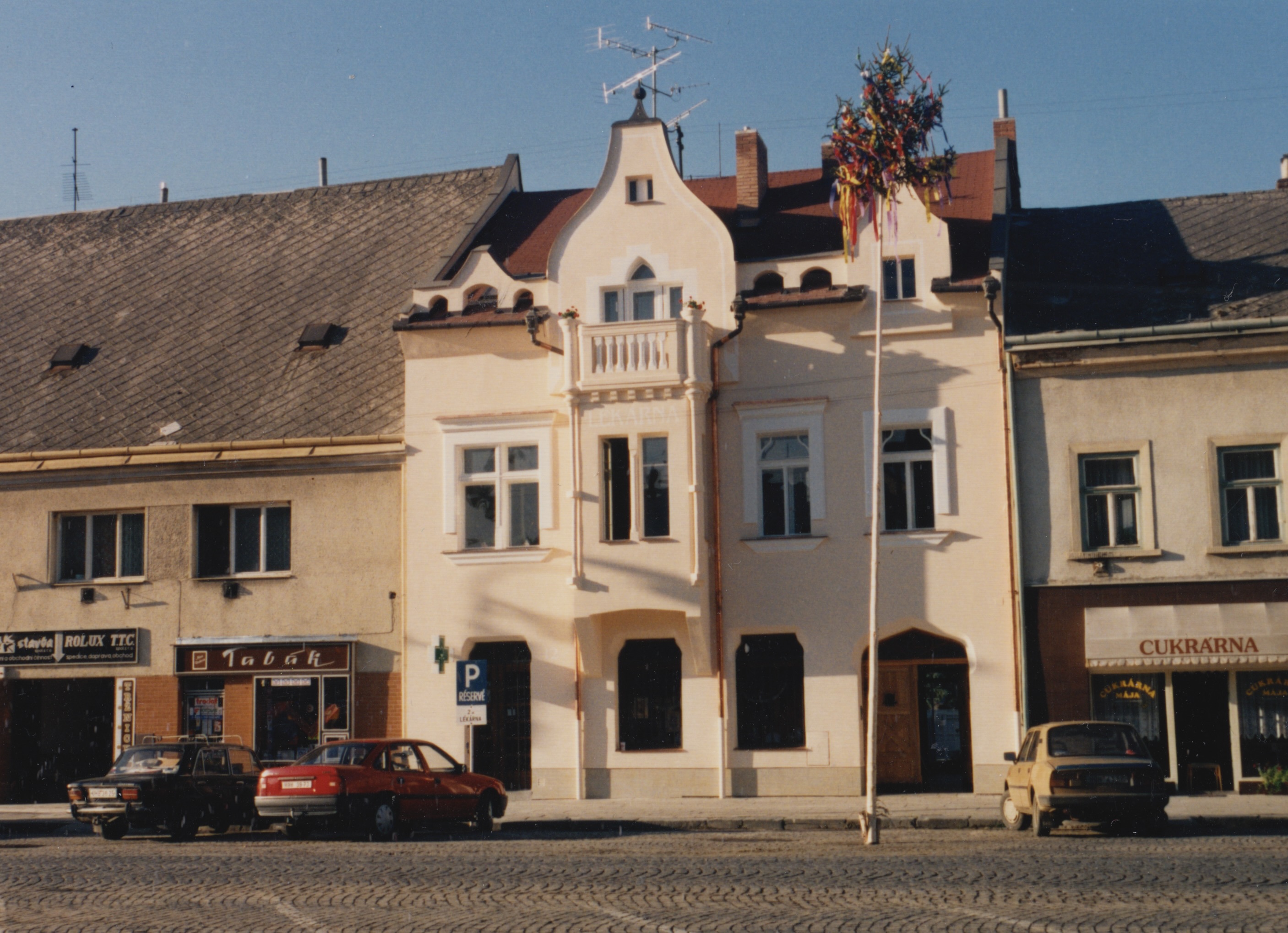
Jiří Dlouhý was born on 26 February 1929 in Kyjov to parents Maria and Ladislav. His father worked in the cultural department of the presidential office during the First Republic. Mum came from a pharmacist family. Her dad, František Sedláček, took over the existing pharmacy on Kyjov Square in 1889. Grandfather himself developed several preparations, the most famous of which was linimentum mentholi chloroformiathum composit (Sedláček) for the treatment of rheumatism, which was exported throughout the former Austria-Hungary. The pharmacy was confiscated from the family in the autumn of 1948 and nationalized. Jiří Dlouhý graduated in pharmacy and joined the basic military service. He became head of the institutional pharmacy in the military pharmacy in Ružomberok and later in Prešov. Subsequently, Jiří Dlouhý moved to Liptovský Mikuláš, where he worked as the head of the supply of medicinal and disinfectant products until 1959. In 1963, Jiří Dlouhý moved to Bohemia, where he worked as head of the Serum Department at the Institute of Serums and Vaccines. In the same year he married Vera Chundelová and soon afterwards their son Robert was born. In 1968, the family emigrated to Switzerland, where Jiří Dlouhý got a job as an assistant to Prof. Dr. Arnold Hässif, Director of the International Red Cross Central Laboratories. Later he worked as production manager for the pharmaceutical concern J. R. Geigy. Among other things, he was involved in the development of Voltaren Emulgel. In 1994, he regained the pharmacy U Zlaté koruny in restitution. In 2018, he finally returned to Kyjov.