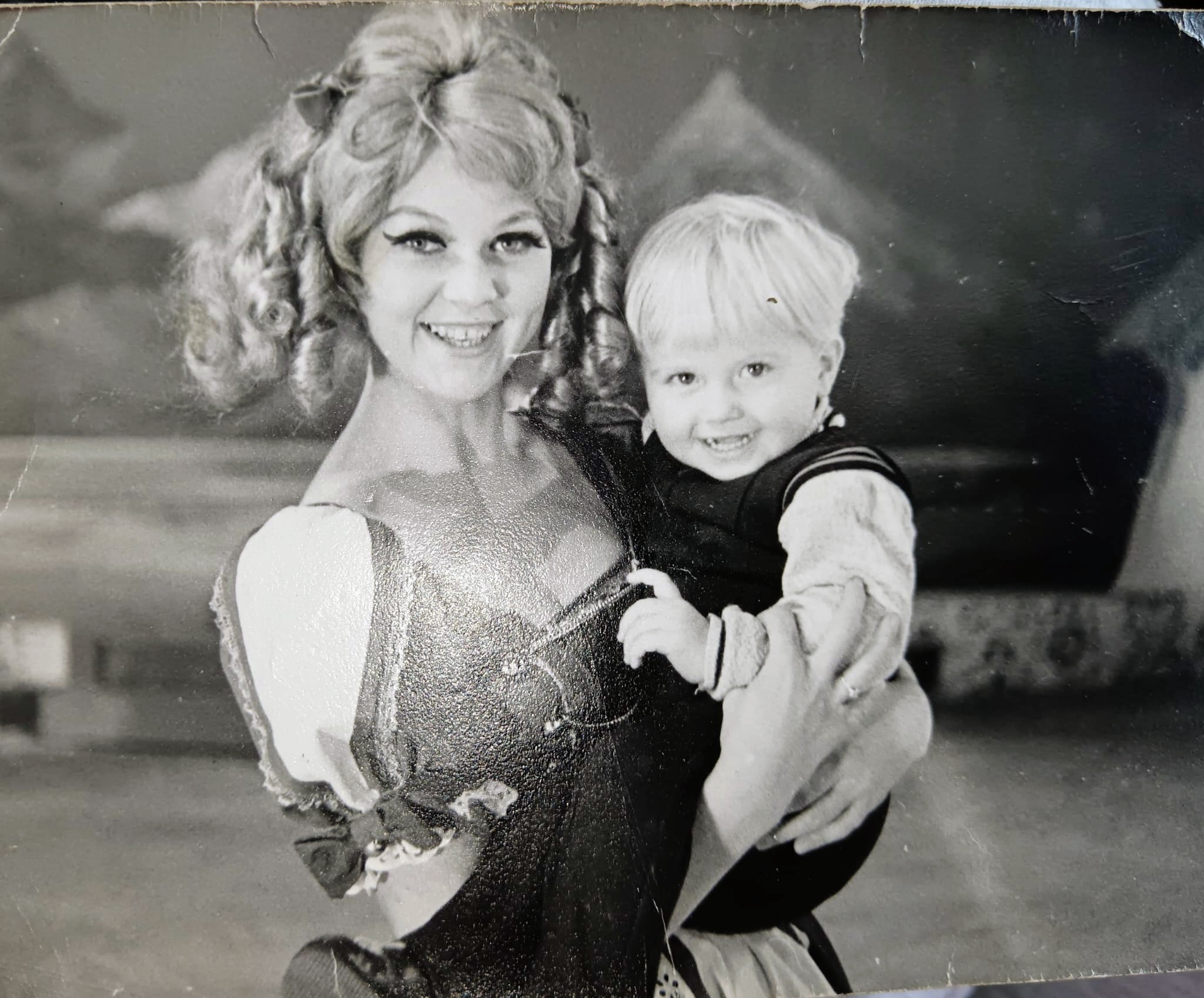
"Of course, I was already getting ready to leave when I took the boy abroad. I don't even want to talk about it, because it still kind of haunts my mind. Poor little thing, he was less than five years old, the boy was doped up on pills to keep him from talking on the train. On the other side of the border, my South African husband was already waiting in Belgium and I was taking the boy with the permission clause, I worried that someone would find out that someone had made a mistake. And now I didn't want Péťa to talk, so it was quite a brave thing to do. But when you're young and your life is at stake, you'll do anything. And I just wanted to get the baby abroad, of course, I wouldn't have left him here. I didn't have any siblings, so when my mother died, my immediate family didn't exist for me. We got out and then I got a few letters. Return the child to the Czechoslovakian border, we'll wait there for the handover and so on. Which I didn't do. Then two gentlemen from Pragosport came to see me, they were persuading me and I said, 'You guarantee that if I come back with the child, you will let me out again with the child?' 'Well, we can't guarantee that.' At least they were somewhat honest about that.
"I remember it terribly... to this day. Because just at that time, we lived near Vladislavova Street, where the Television [Czechoslovak Television] was, so when the tanks came then, they were driving through Purkyňová Street and go down to the Television. So I remember a huge thunder, how my mother and I were terribly afraid. And by that time I had a one-year-old son and we were climbing on our knees under the windows because there was shooting all around. So to avoid being hit by a bullet, we were climbing on our knees, I was holding the little child in my arms, and I must say it was terrible. My mother was crying, of course. I guess I didn't realize yet what it meant or what direction the republic was going to take after that."
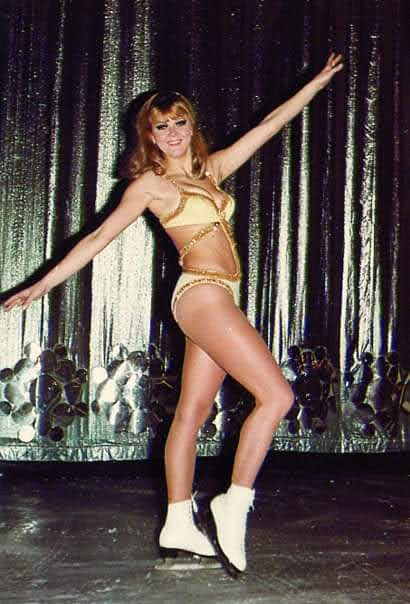
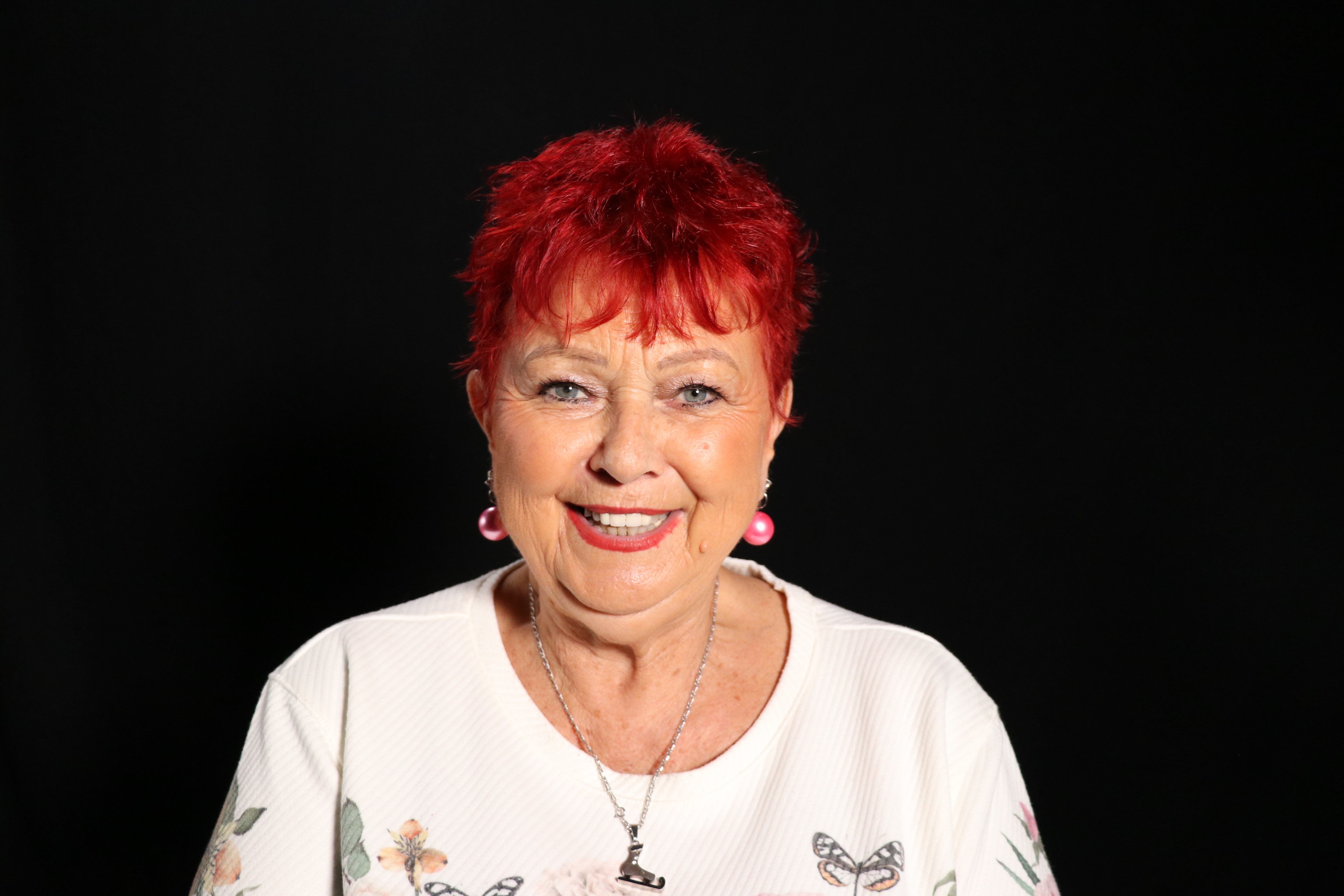
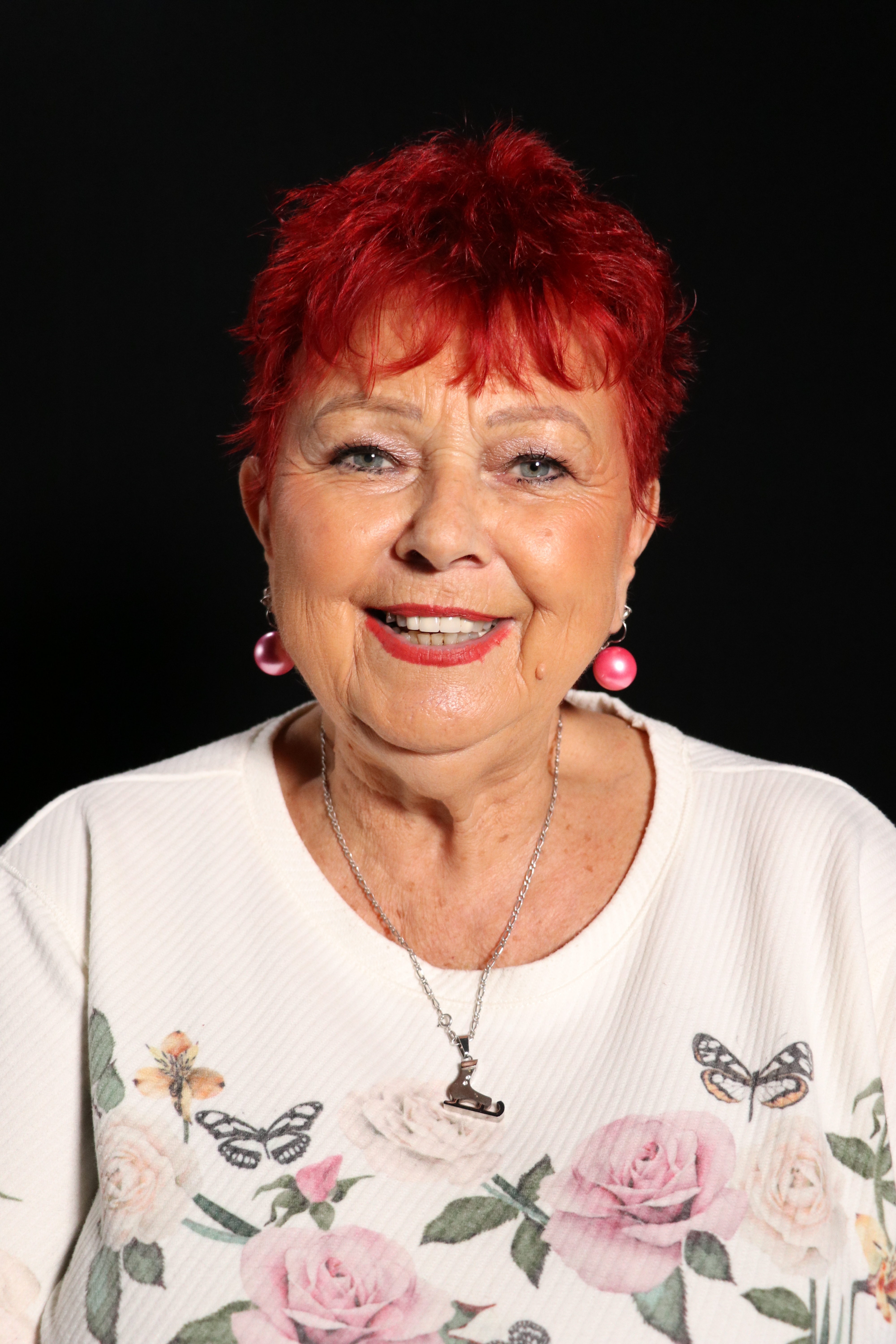
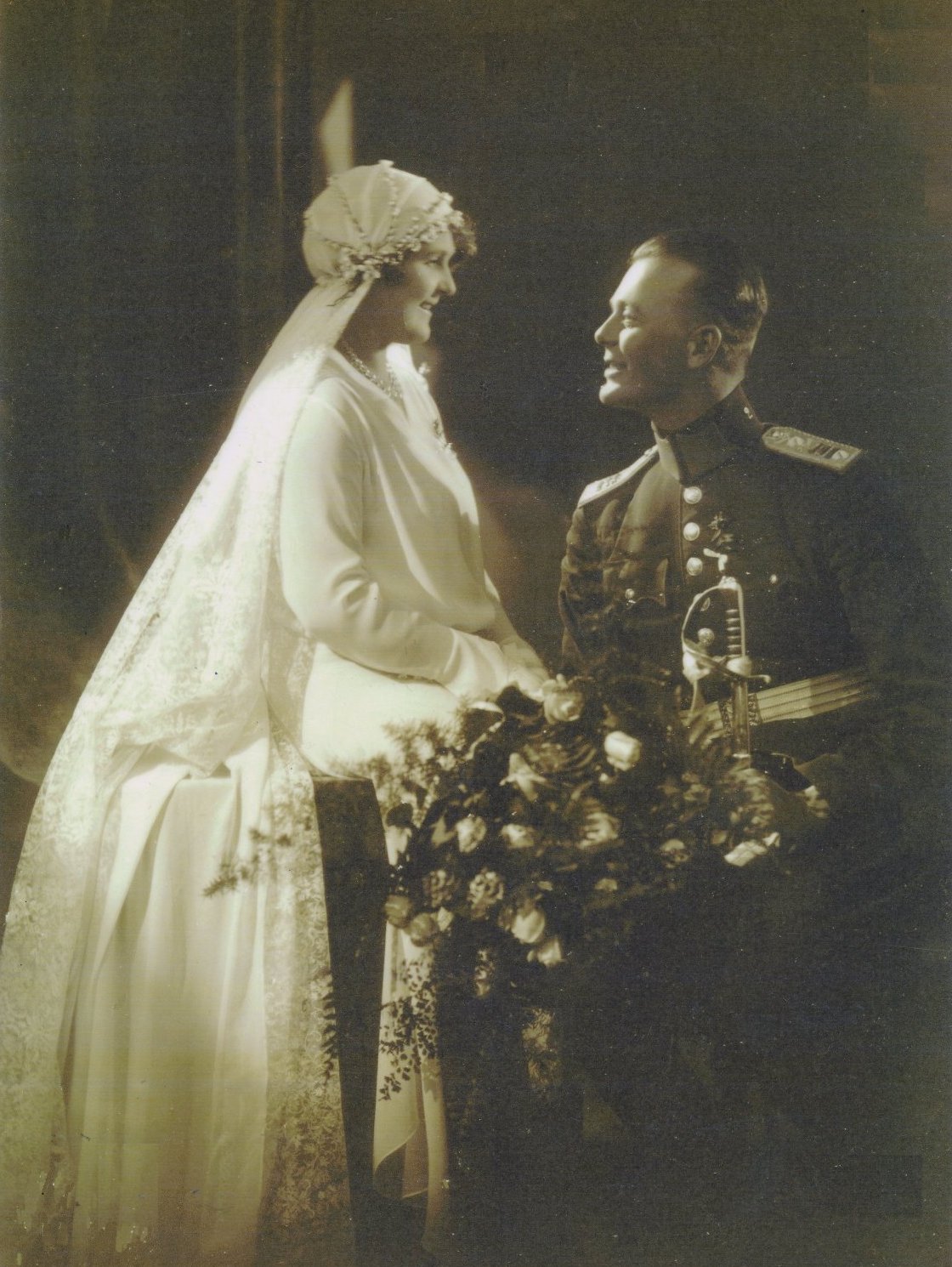
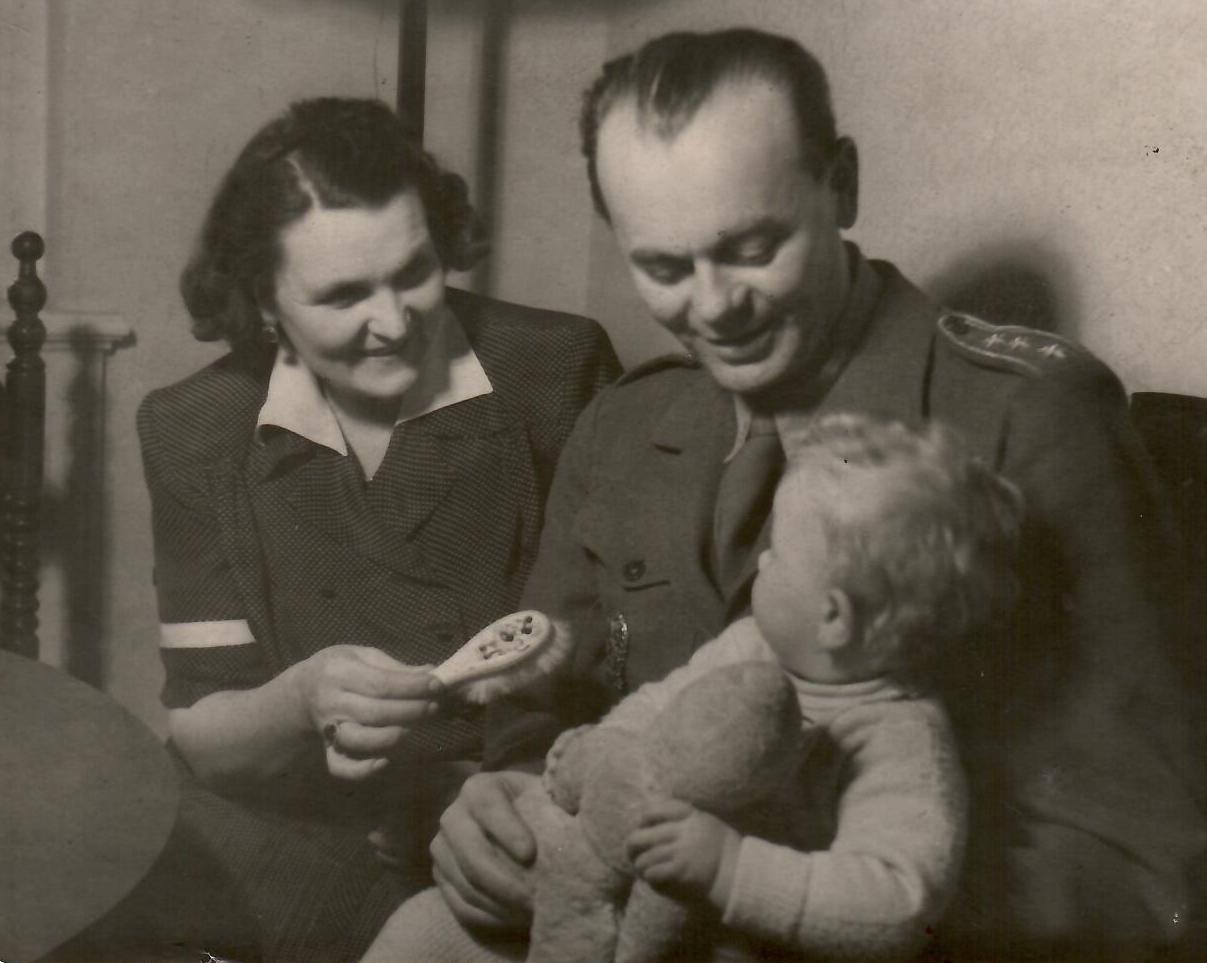
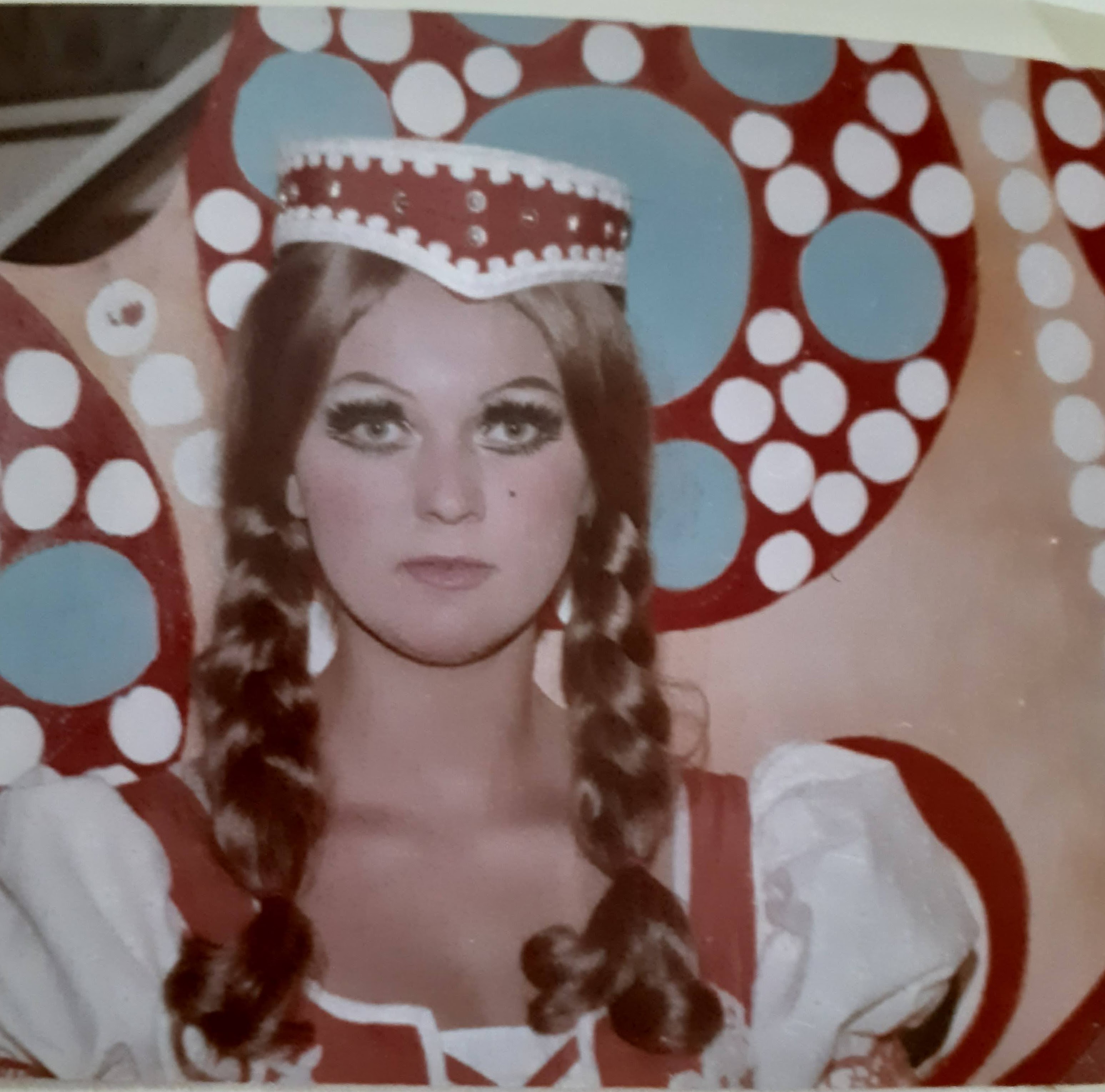
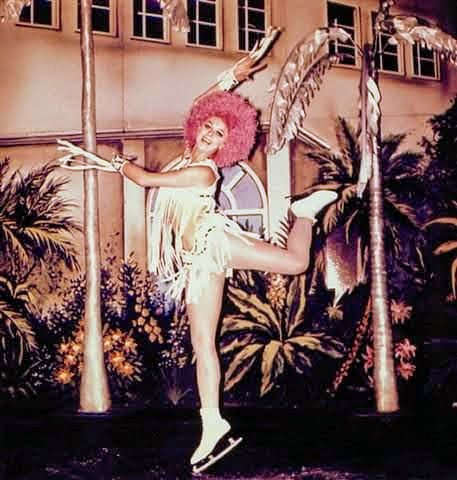
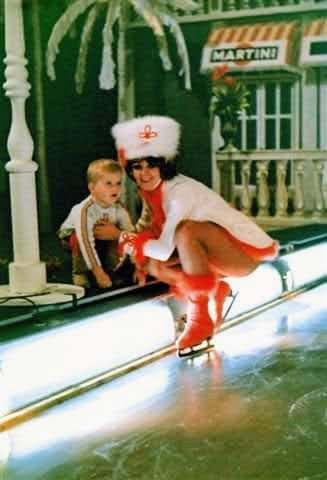
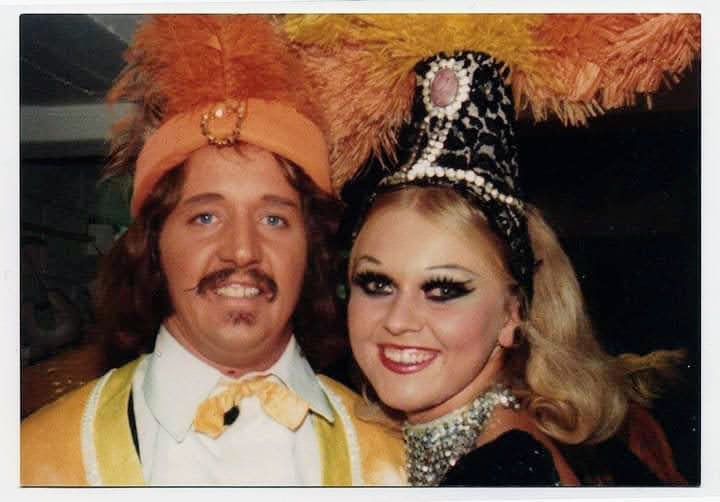
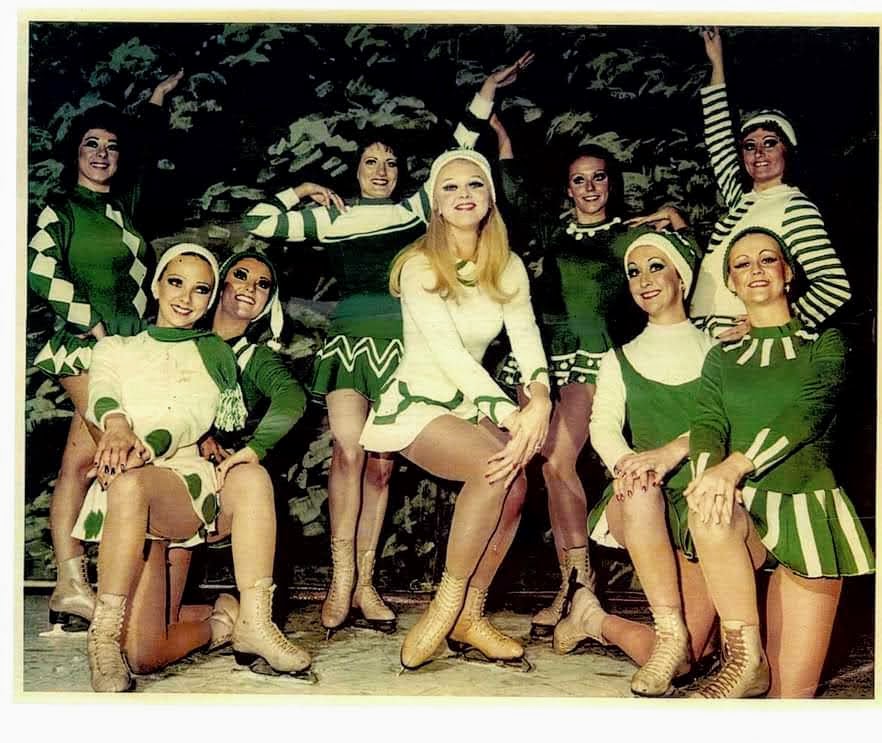
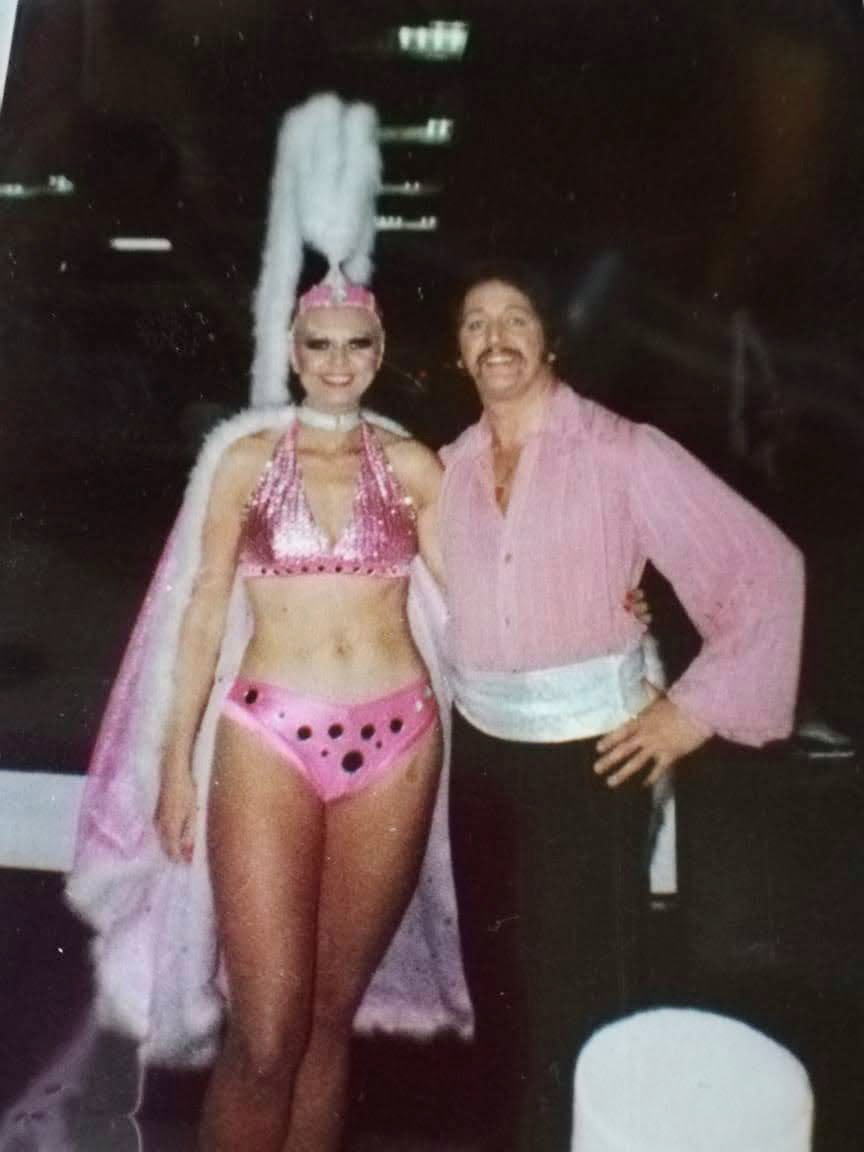
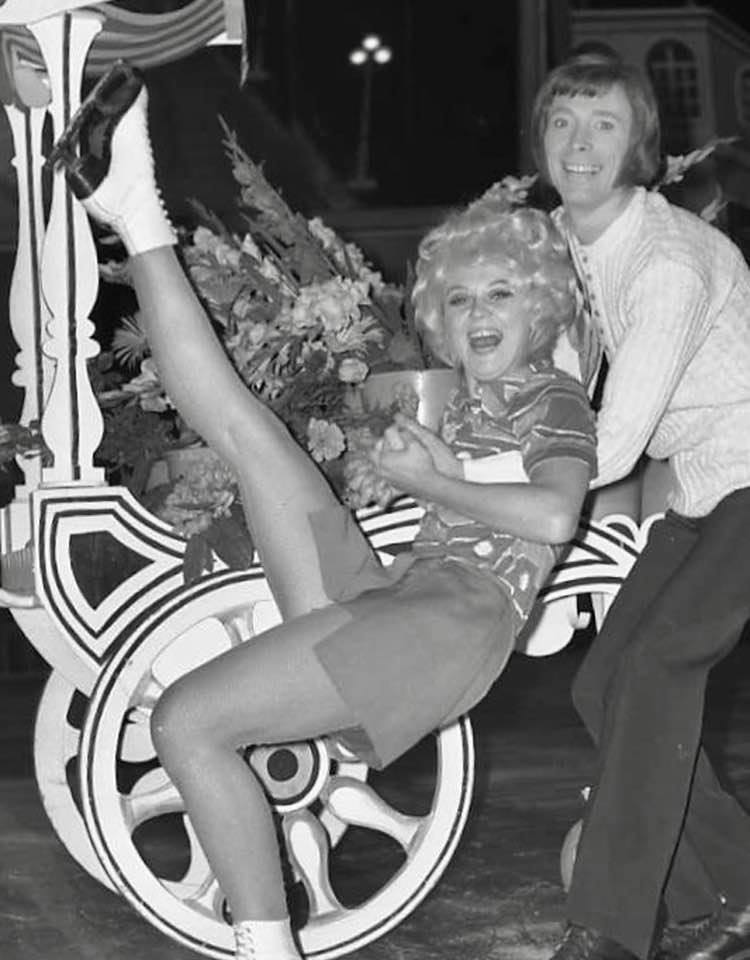
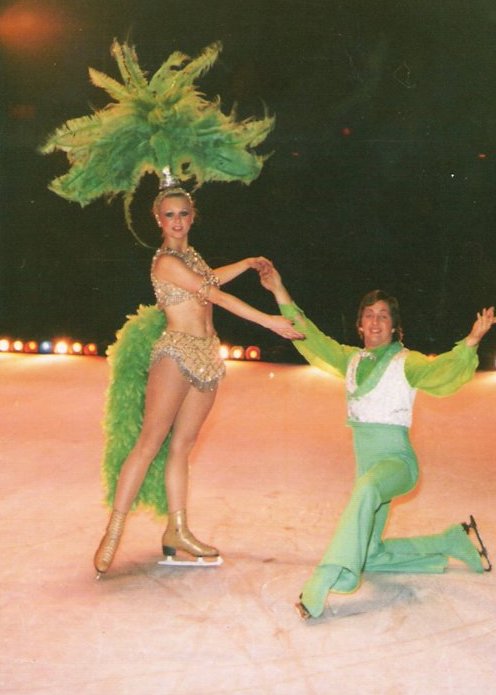
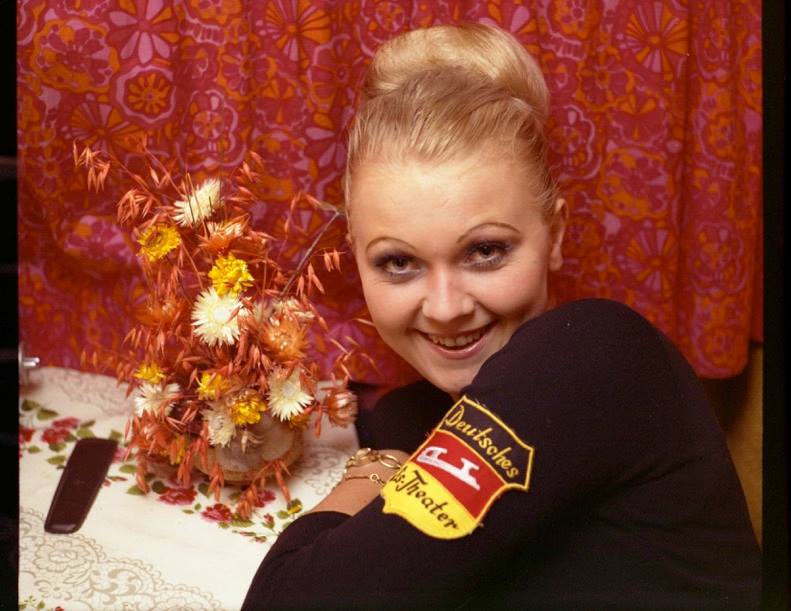
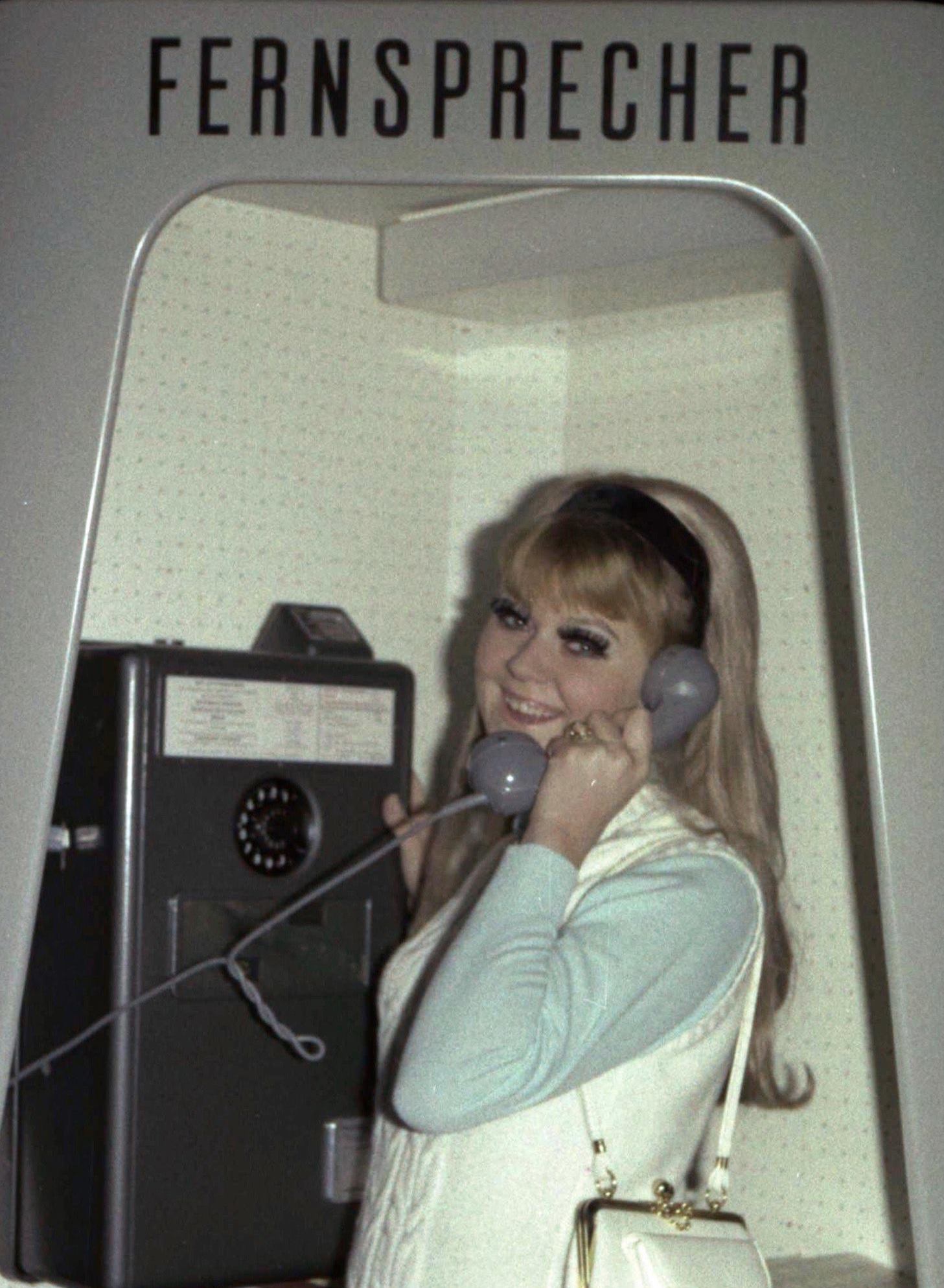
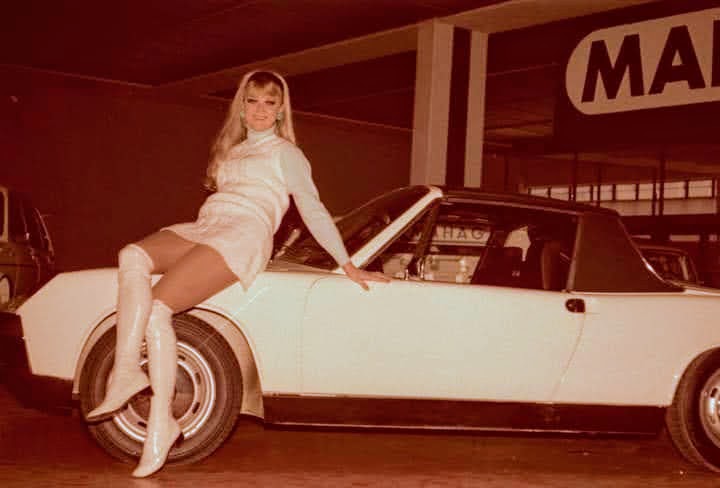
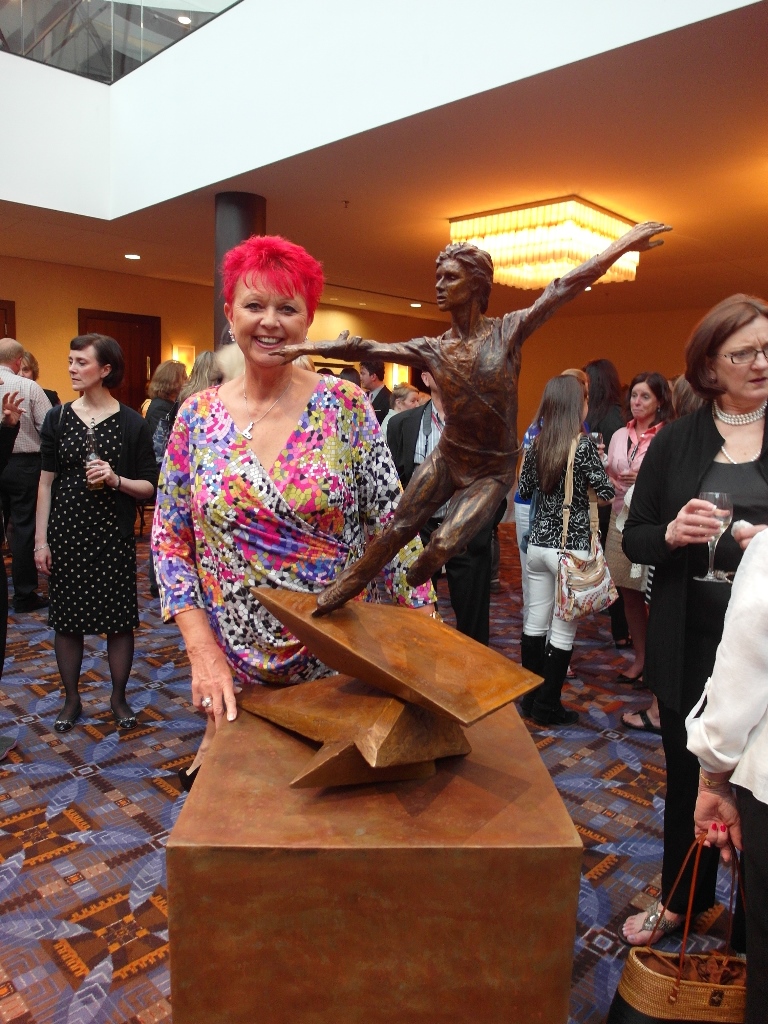
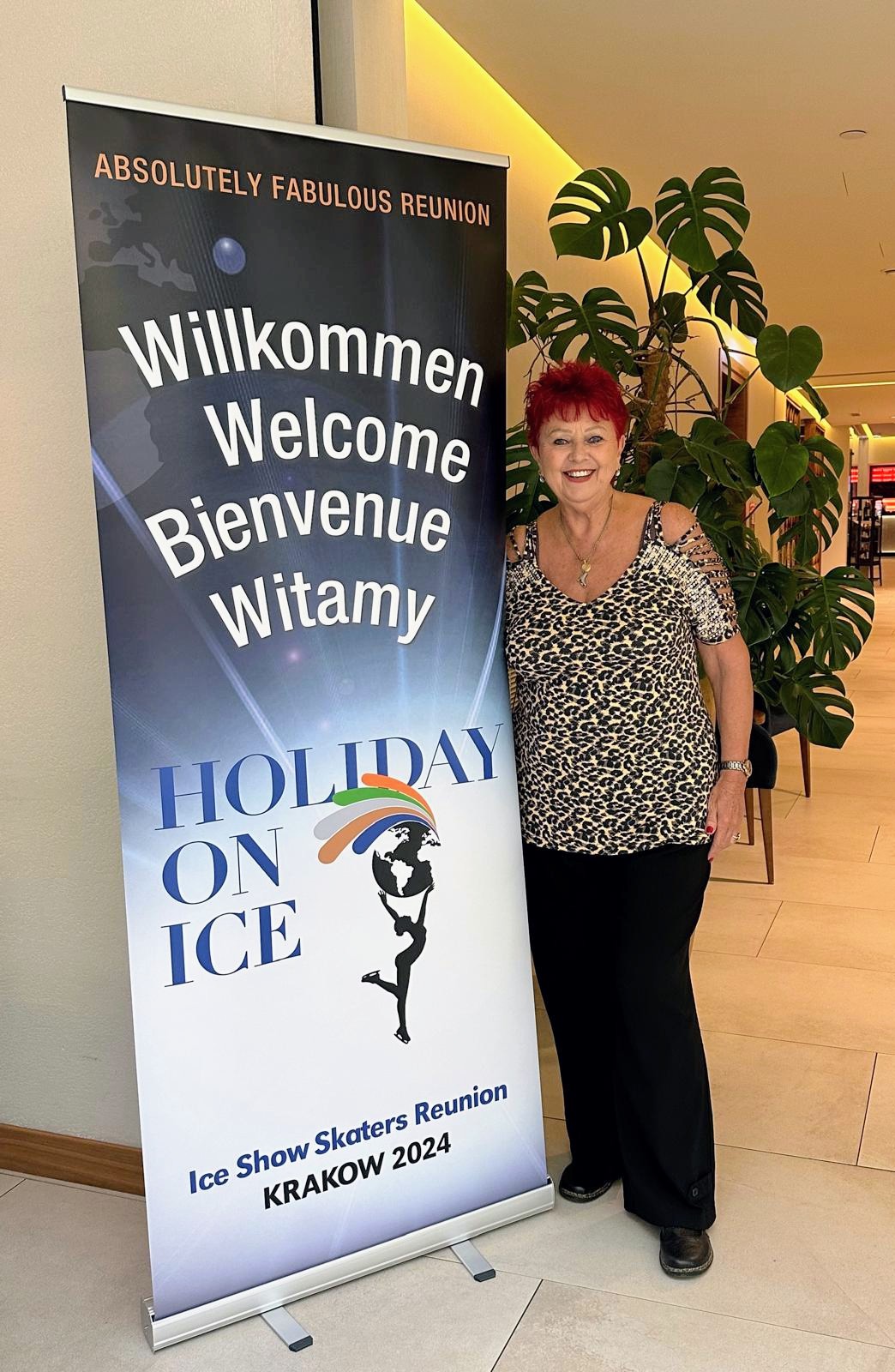
Kateřina Deetlefsová was born on 5 February 1947 in Prague. Both parents came from wealthy business families. Father ppl. Josef Knaibl served in the Czechoslovak Army in the interwar period, where he belonged to the elite clubs of Tomáš Garrigue Masaryk. At the beginning of the Second World War, he joined the anti-fascist resistance and was soon taken to the Dachau concentration camp, from where he returned five years later in poor health; he died in 1957. Kateřina then grew up with her mother Božena, née Hvězdová, who had to start earning money by washing dishes. From an early age she took up sports and made a name for herself as a figure skater. In 1969 she joined the Vienna Ice Revue after a successful audition. At that time, she already had a two-year-old son, who was looked after by his grandmother. She met her second husband, a South African with Dutch ancestry, at the revue. Together, in 1971, they moved on to the American Holiday on Ice show. At that time, the witness‘s mother died. Naturally, Katherine Deetlefs wanted her son to be able to grow up with her, but that was not an official option, so she brought him to the West in secret. For this she was sentenced to eighteen months imprisonment in Czechoslovakia. In 1985 she left for South Africa with her husband and son and lost her Czechoslovak citizenship. She came to Prague after the Velvet Revolution. In 1995 she moved to the Czech Republic permanently. At the time of recording (2025) she lived in Prague.