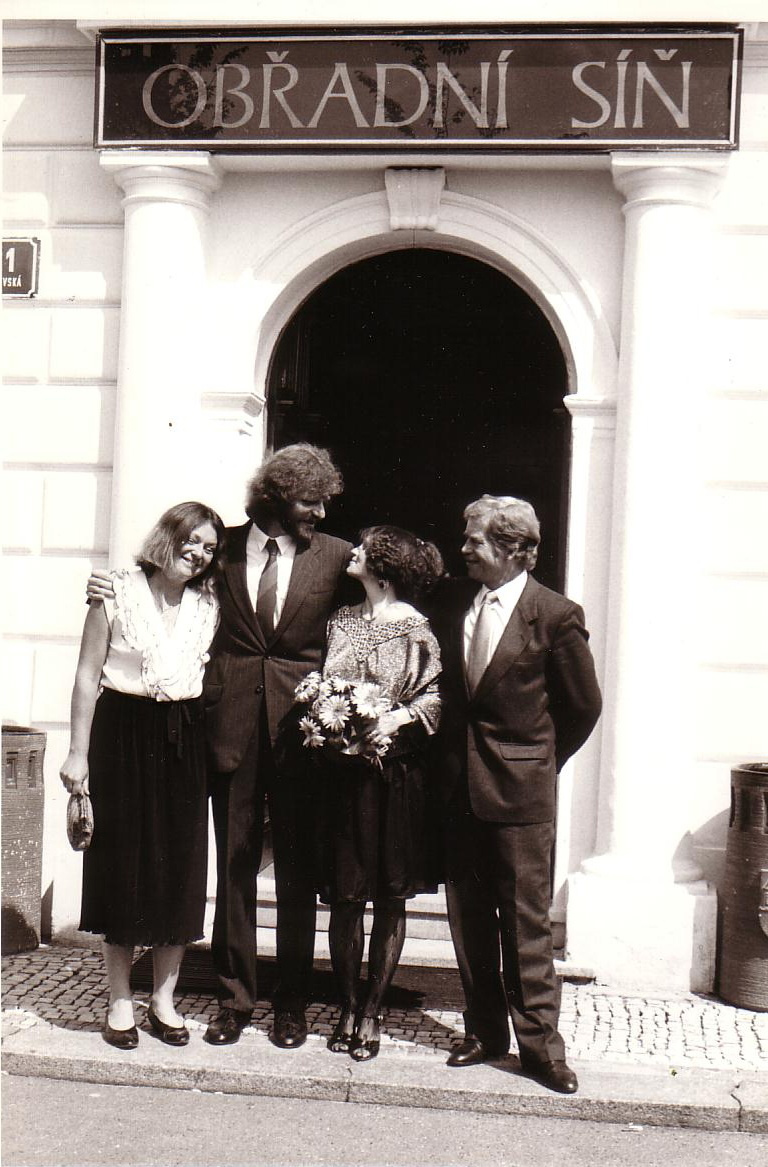
"Apart from his amazing intelligence and the personality he exuded, I probably most appreciate his courage, which is one of the most important qualities for me - without it, nothing important can be accomplished. And with Václav Havel I appreciate it above all, because he was a man who was not masculine and strong by birth. [He was] in a way shy and he had to look for that courage within himself - and in all the important moments of his life he undoubtedly found it."
"Obviously they were trying to get me to cooperate because it was obvious that I would like to go [to France] again, and they thought they would send me there and that they would allow me to do that and... Well, I timidly refused at first, so they got tough on me and they could be tougher on me. And once or twice it was really very unpleasant. And then I felt like for the first time in my life, I started thinking I didn't want to be here. That this is an unbearable country today and that there could be a stalker around every corner. That's the kind of paranoid state you get into... I think almost everyone who's been invited to Bartolomějská has experienced that. And then one day there was this bland interrogation or something and they had me sign a one-page report. There were, like, eight typos. And at that point I said to myself, 'But you don't know everything,' and I said to them, 'Look, I'm not going to come to you, it's not worth it to keep inviting me.' And he said, 'Well, goodbye then.' They didn't invite me again."
"I was accepted on the first try, fortunately, because the next year I would definitely not have passed for cadre (political background) reasons. Both my parents were, now I don't know what the categories were - expelled, struck off - well they were just ex-party members and that didn't go through. In 1971, the school still decided on the admission of students, and the next year it was the Ministry. It had to go through the approval process of the Ministry of Education."
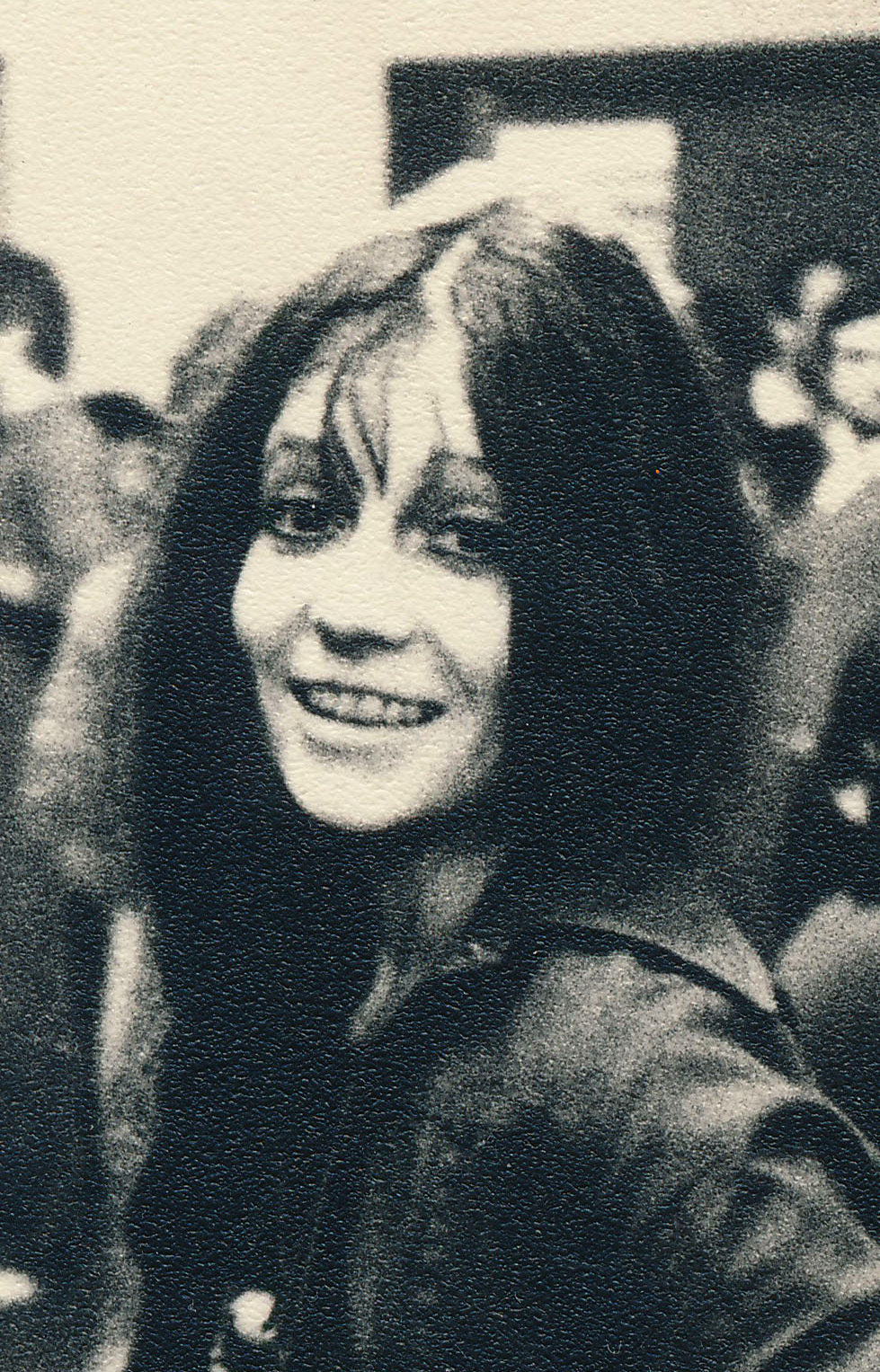
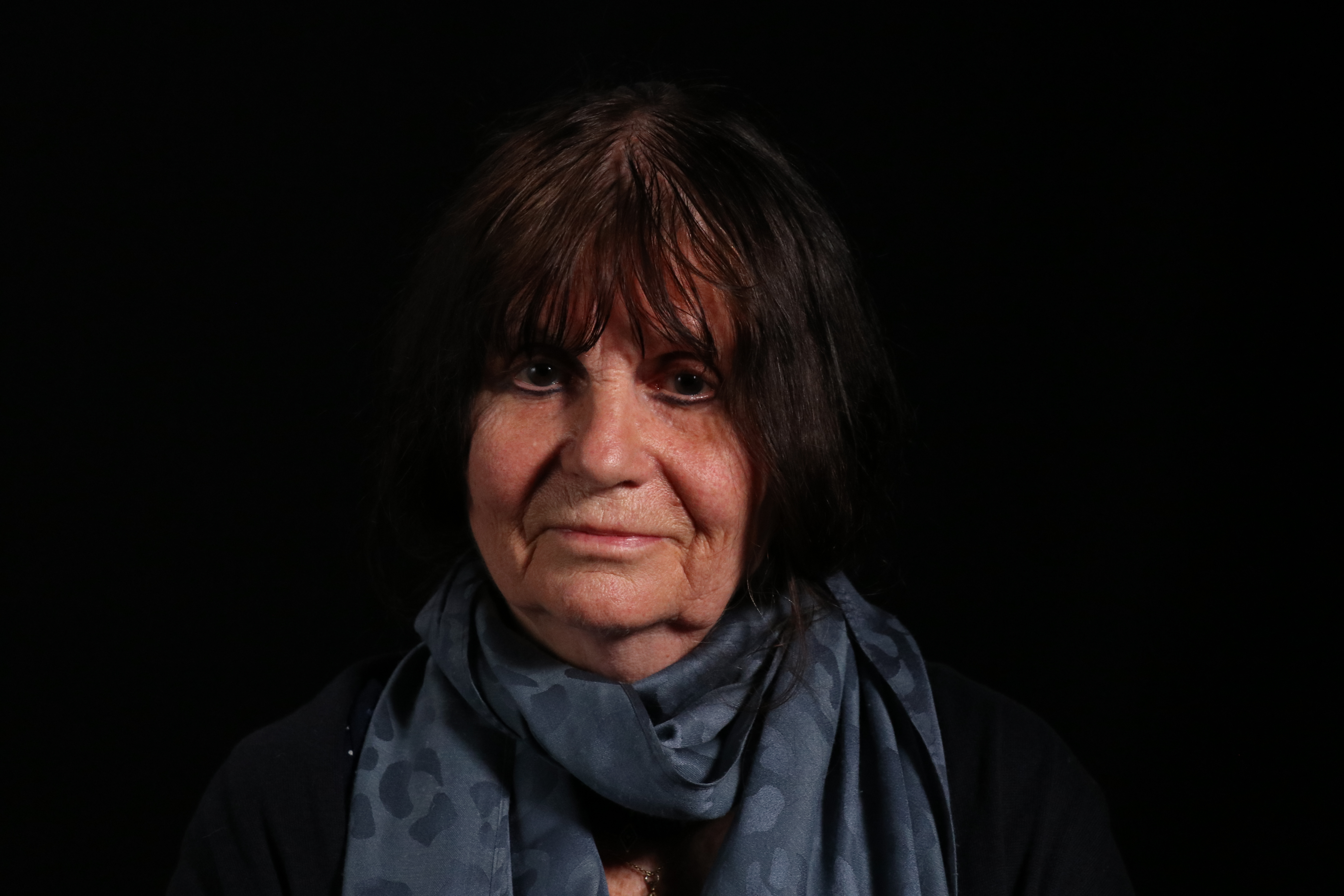
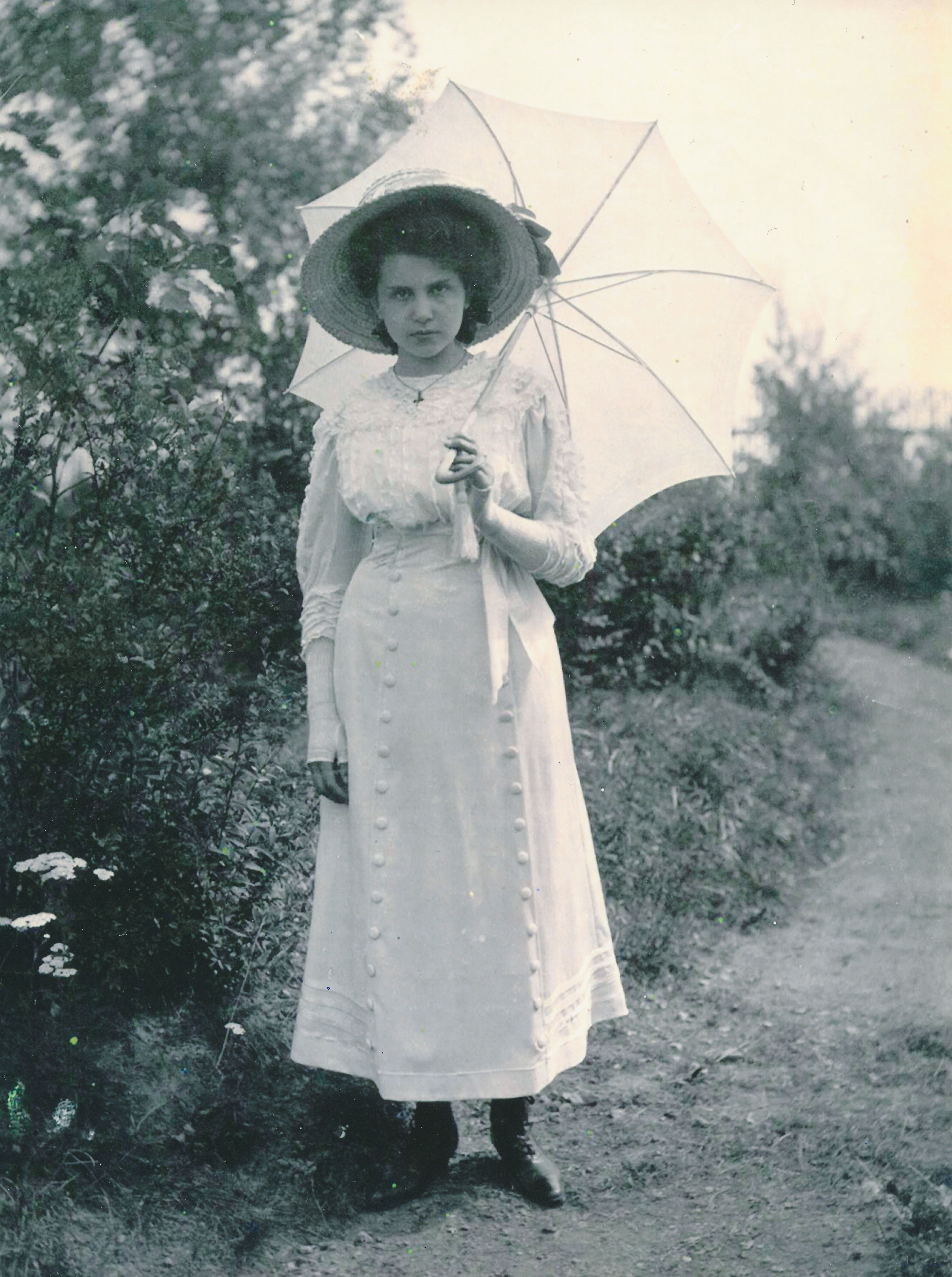
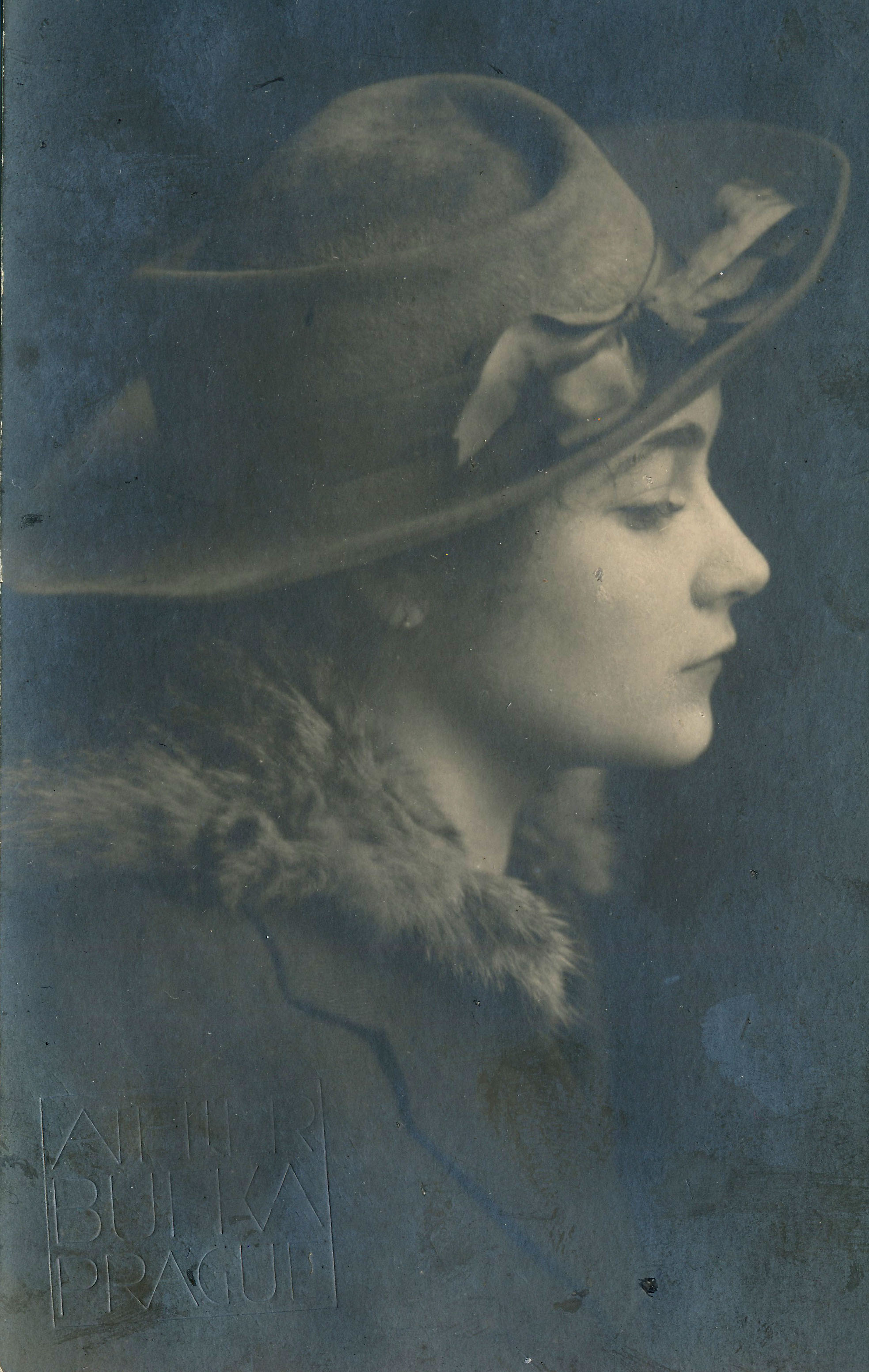
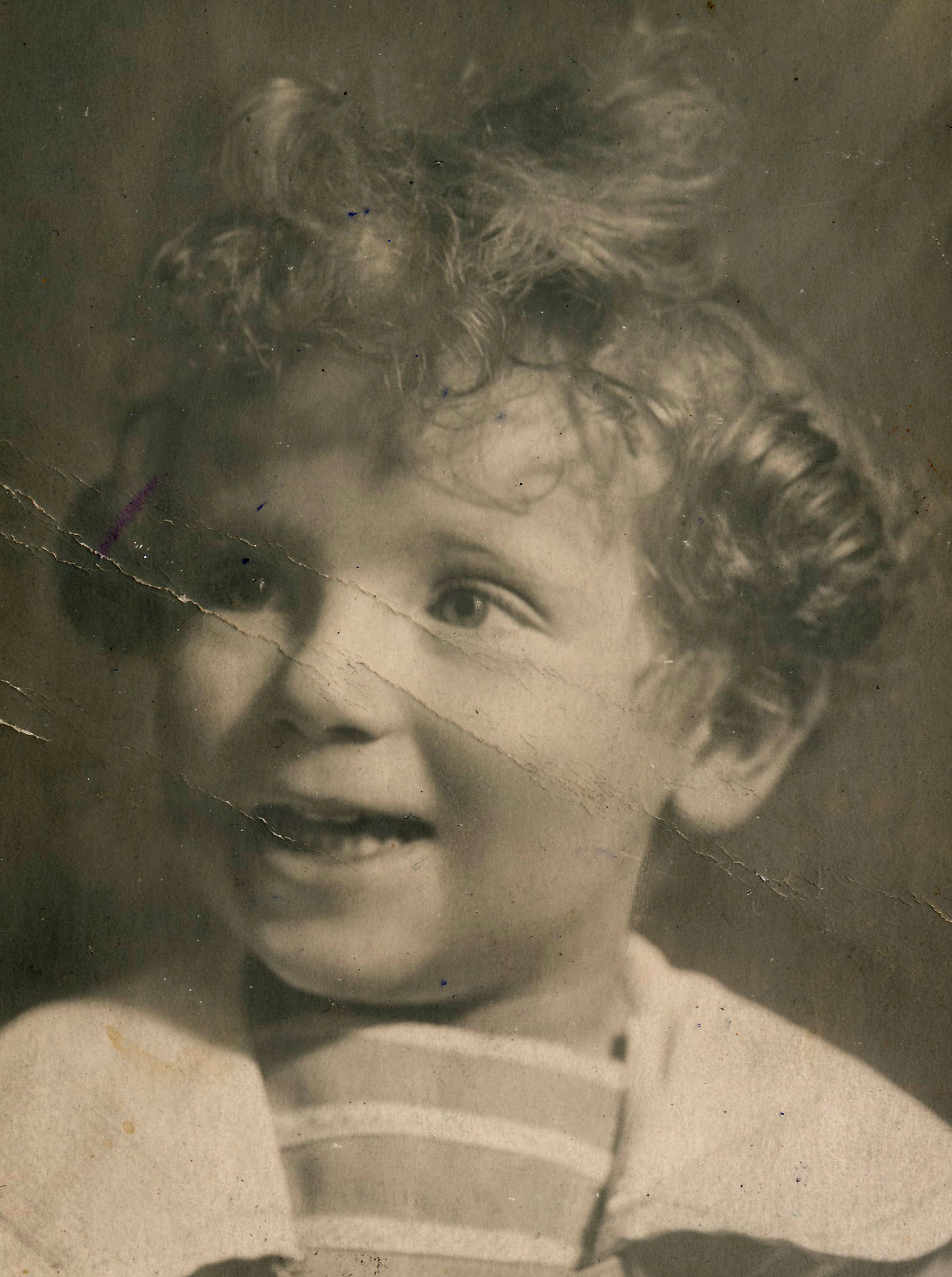
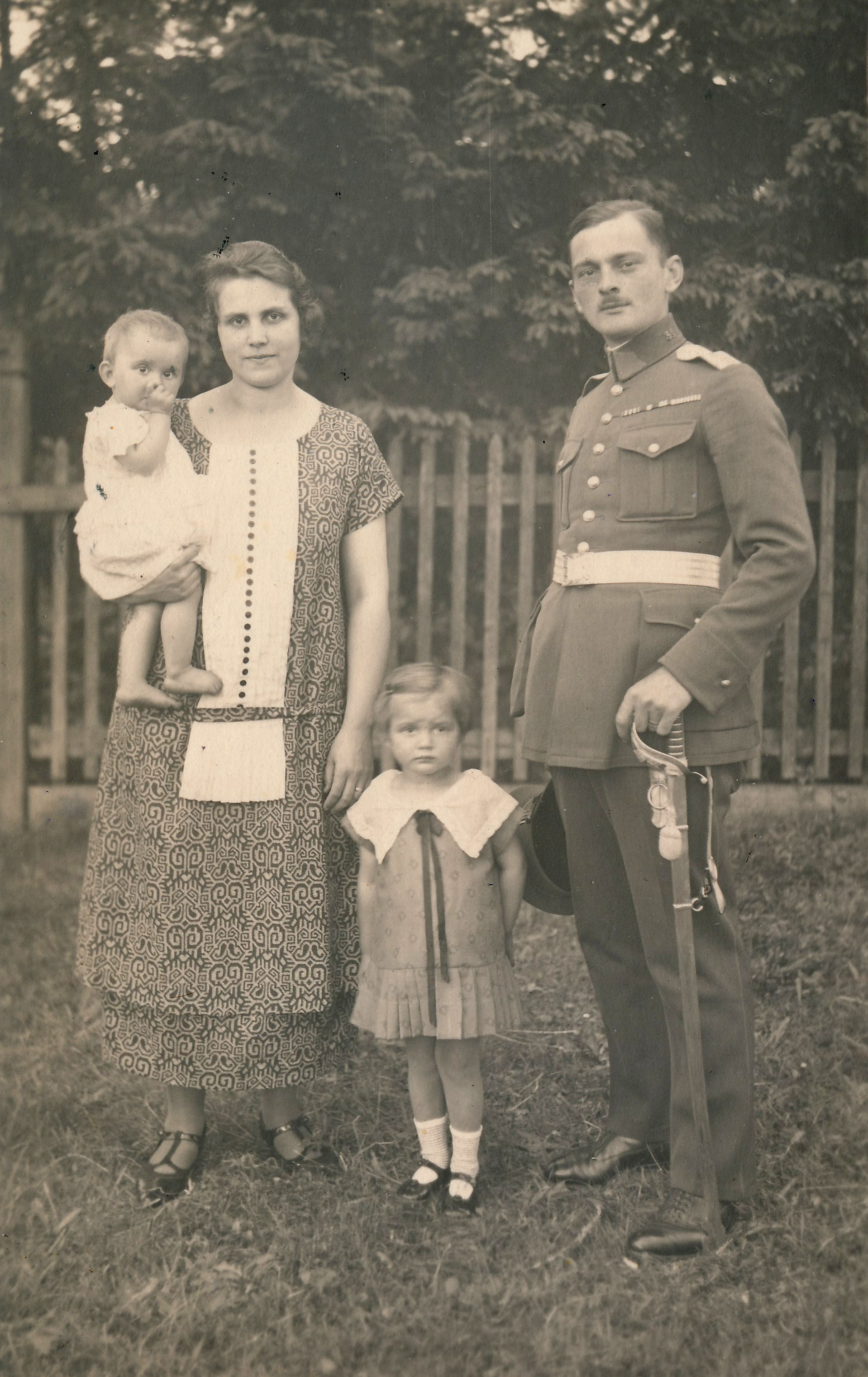
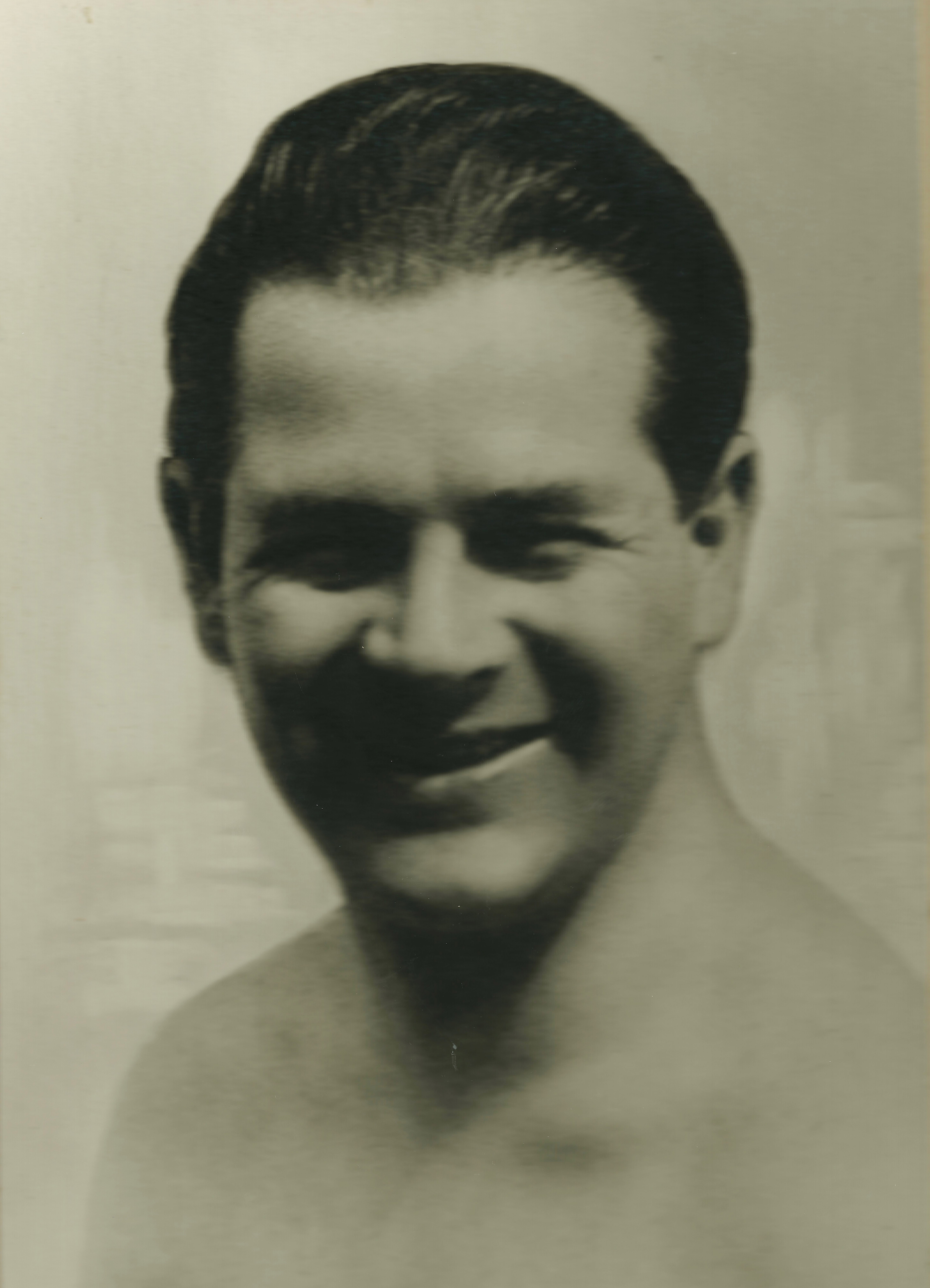
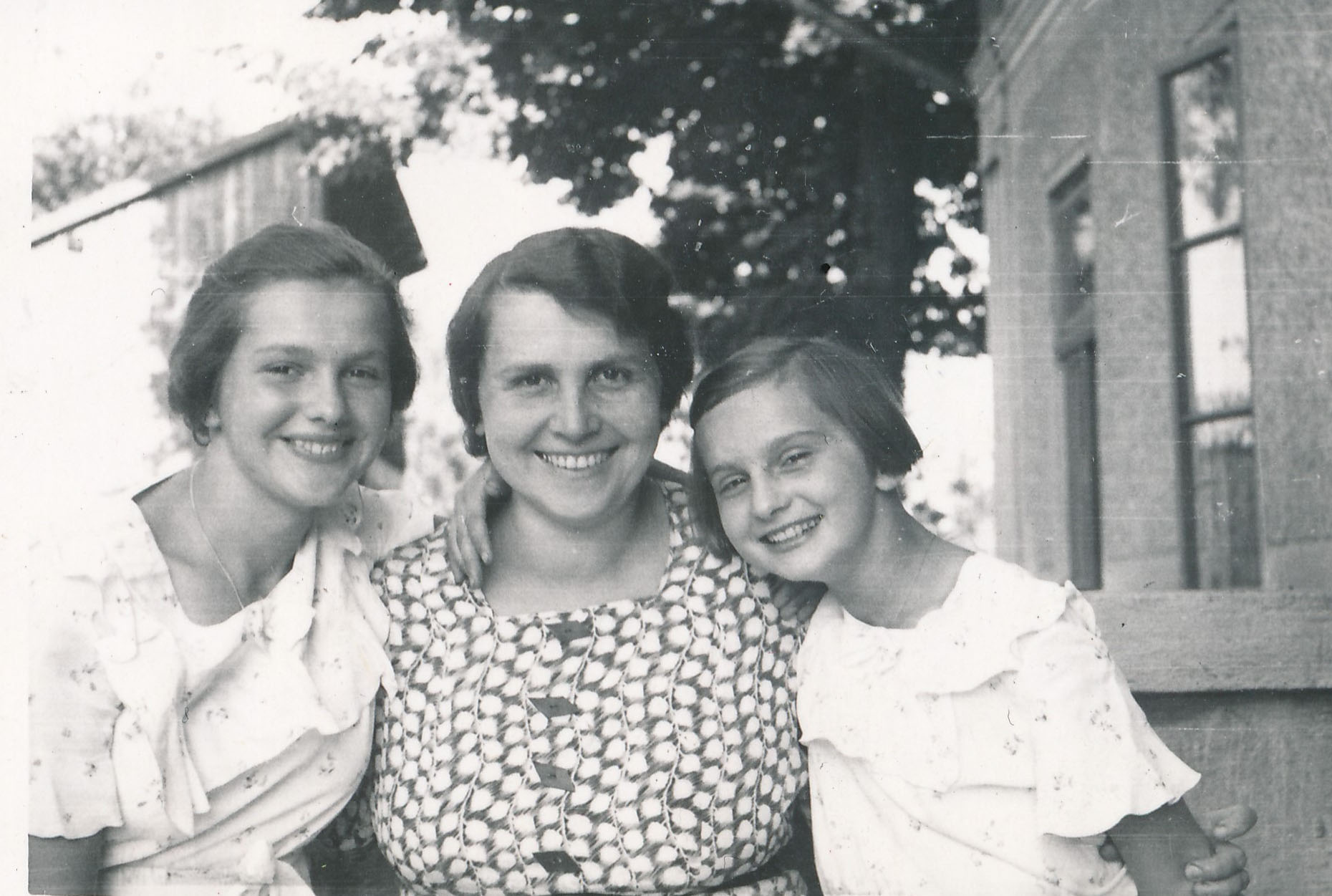
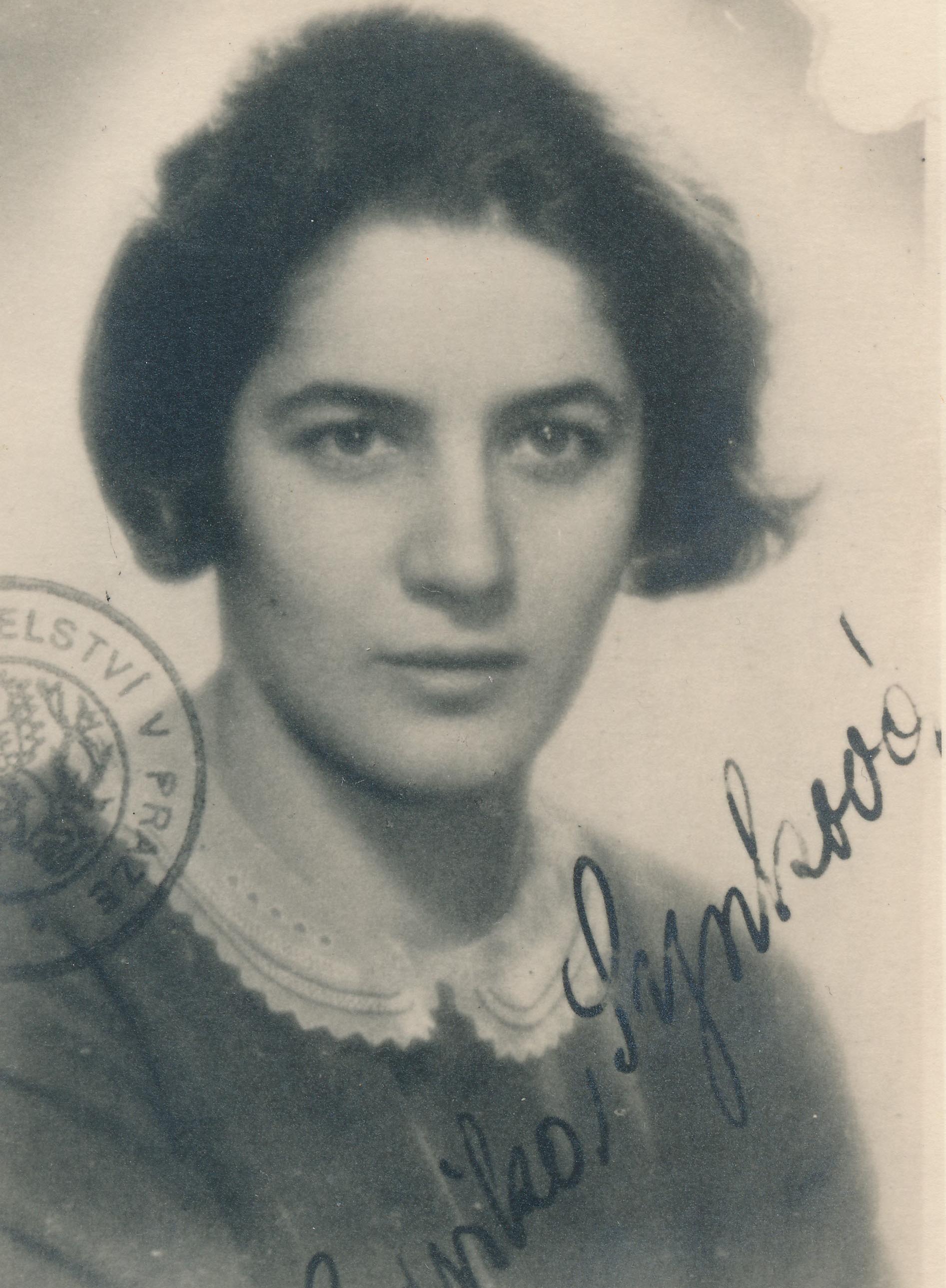
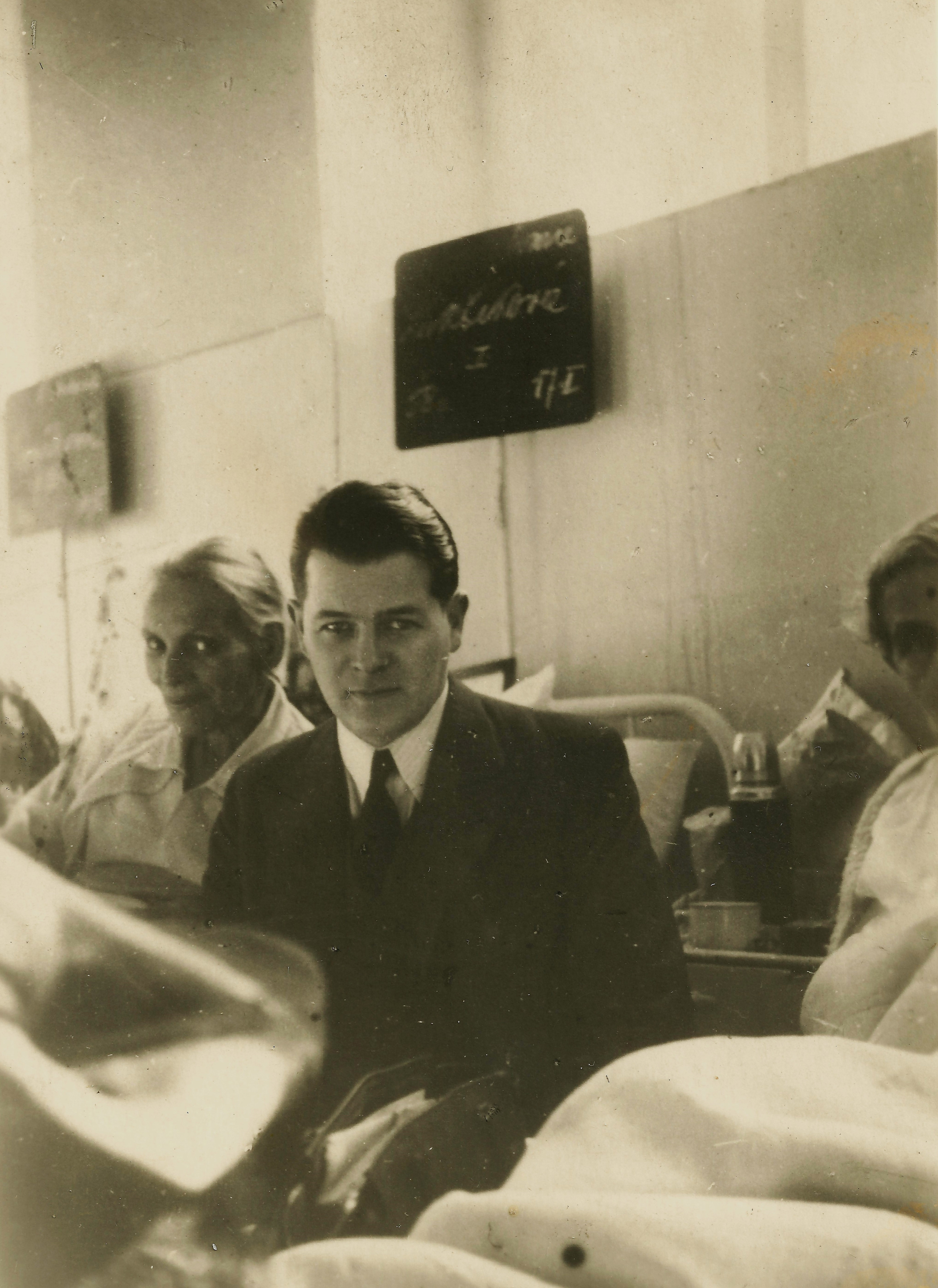
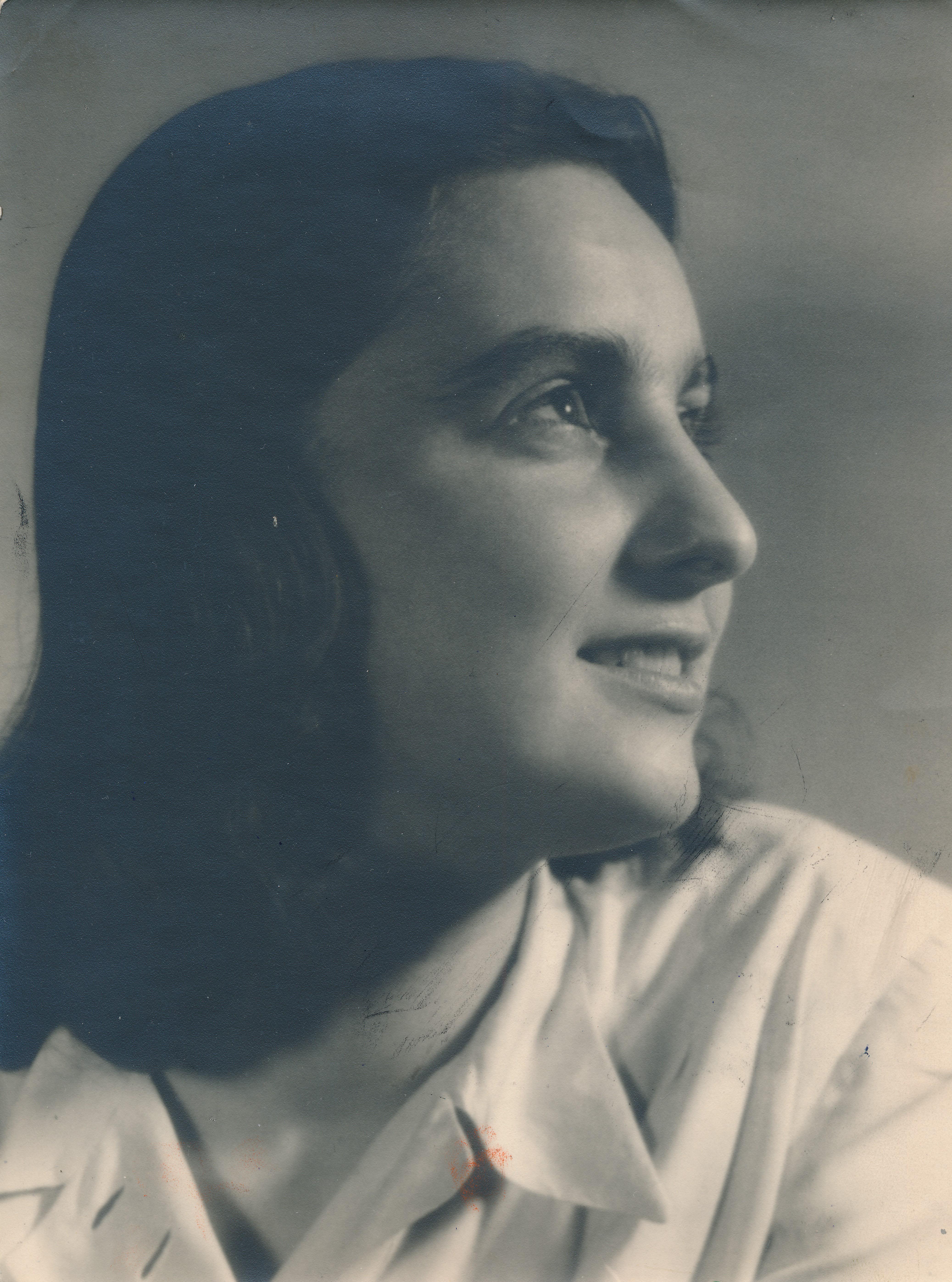
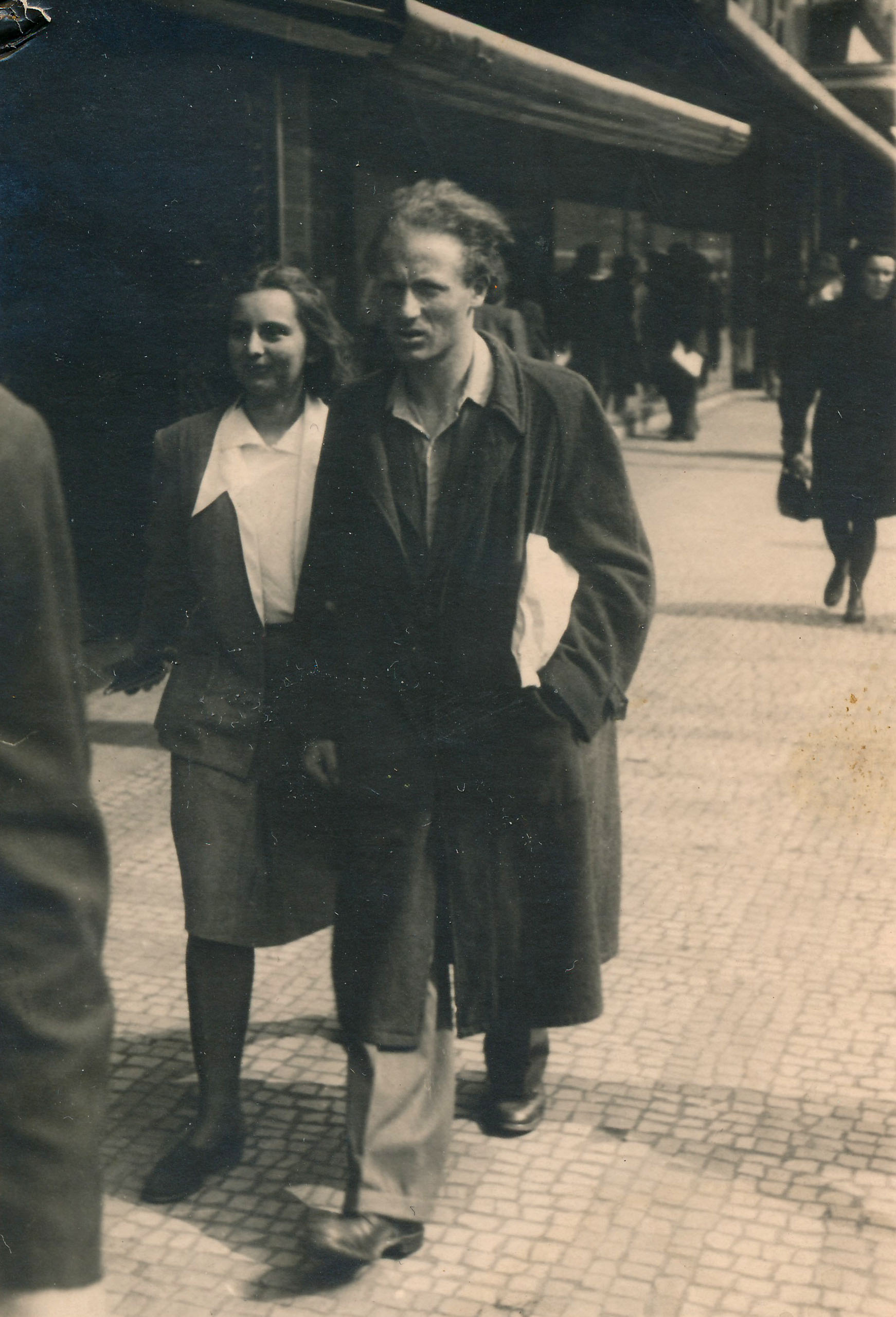
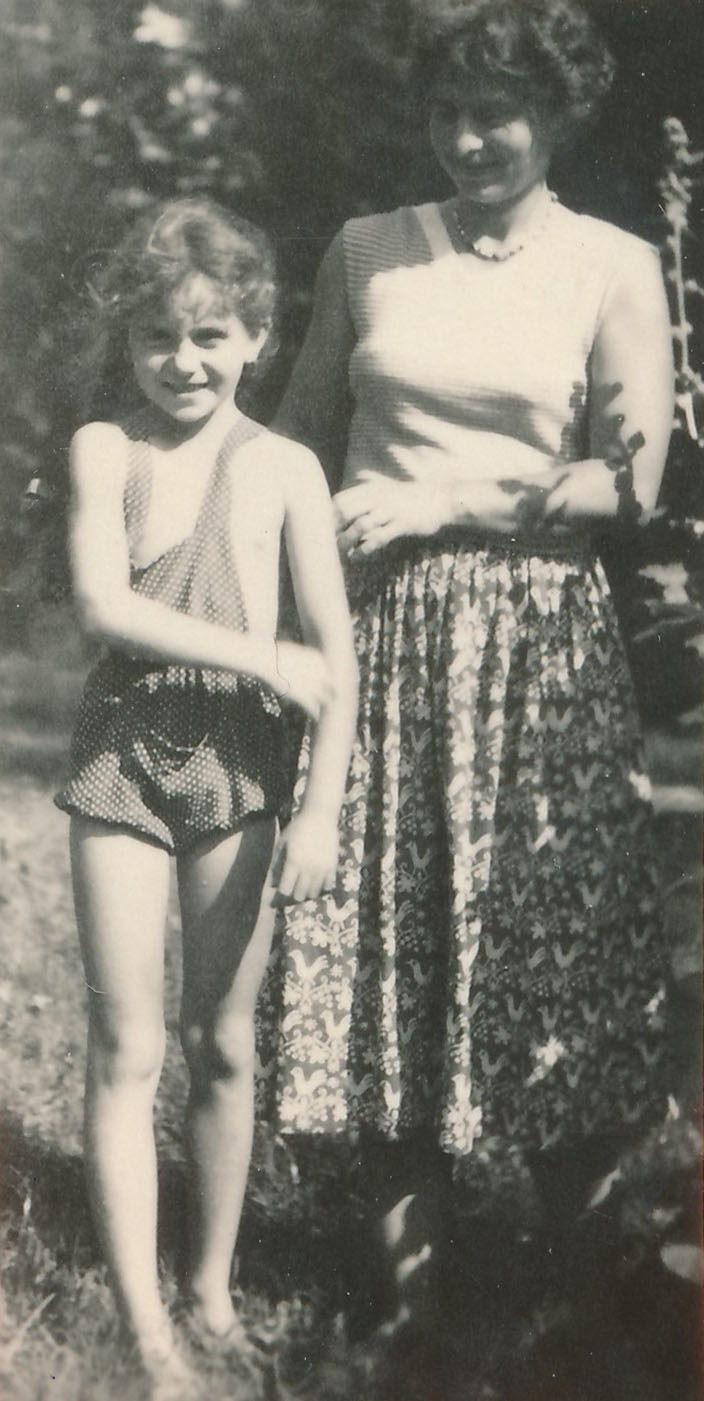
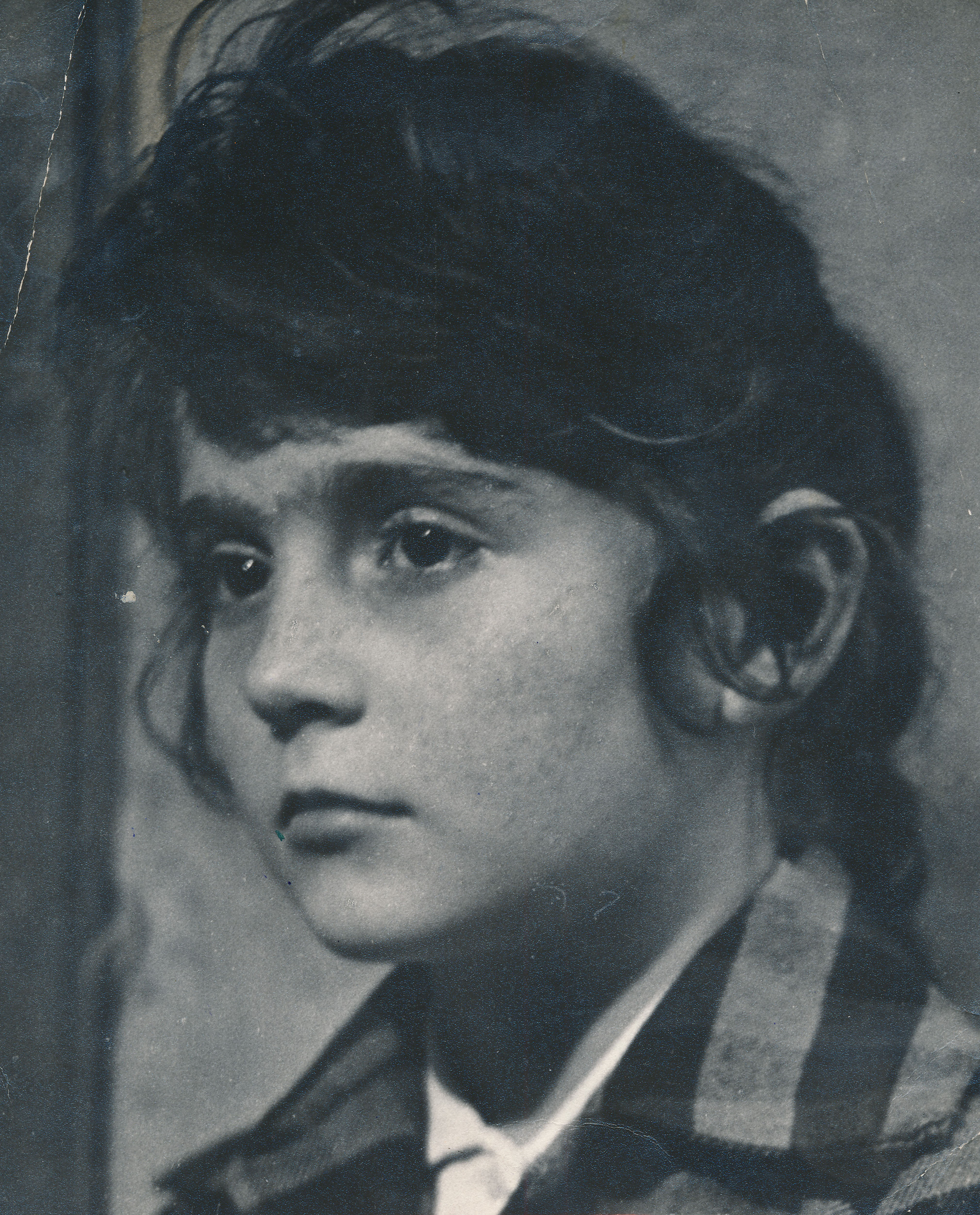
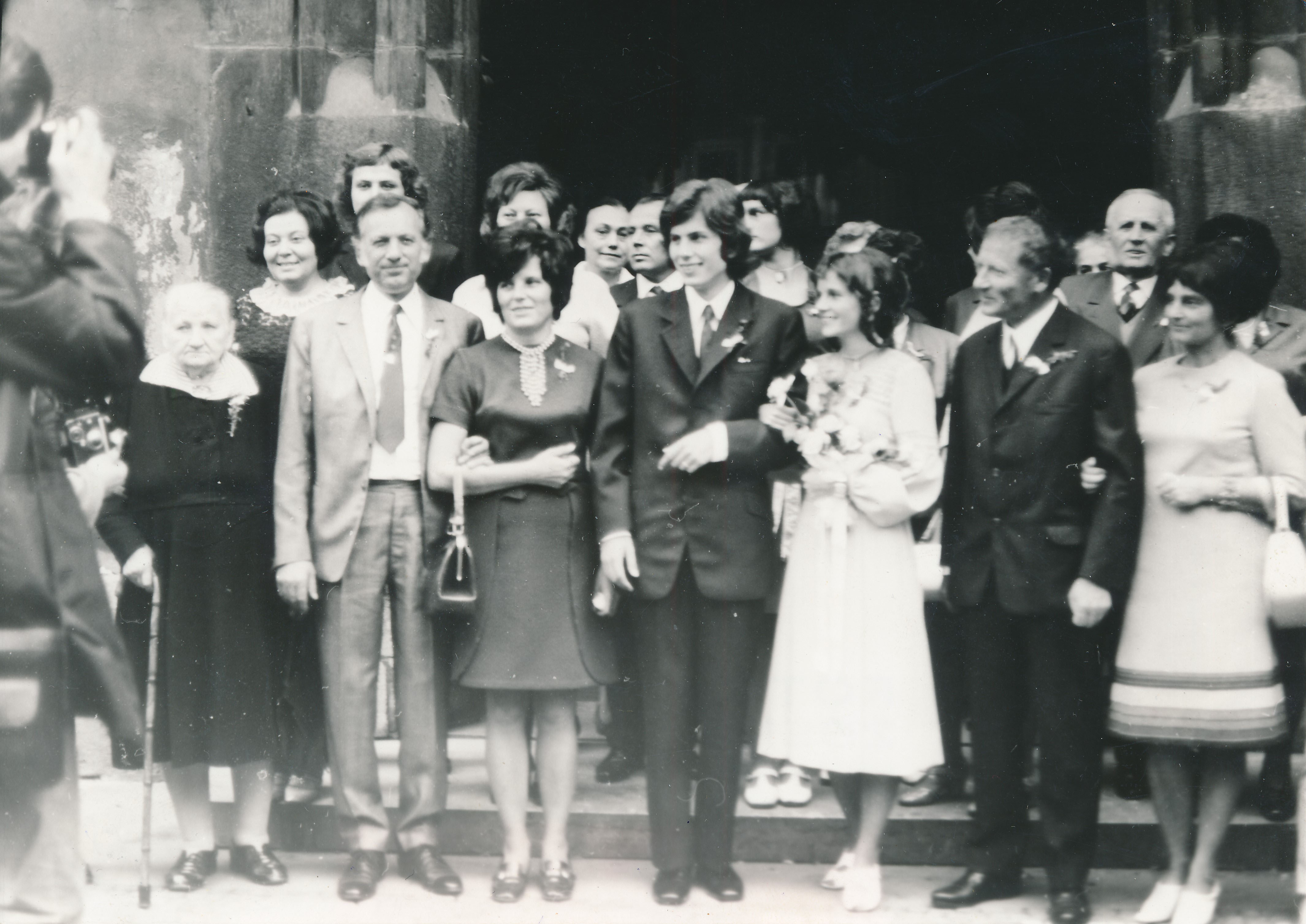
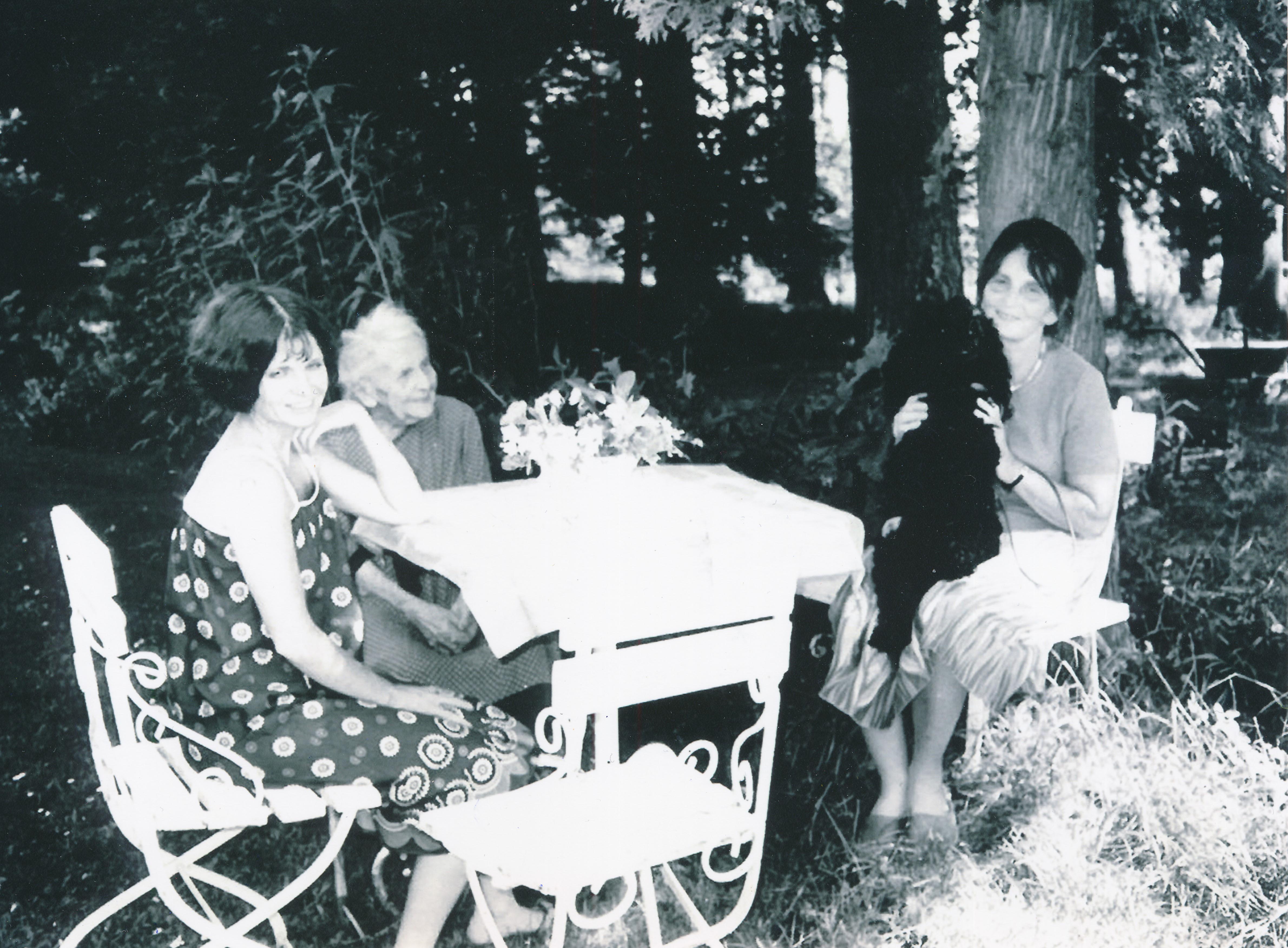
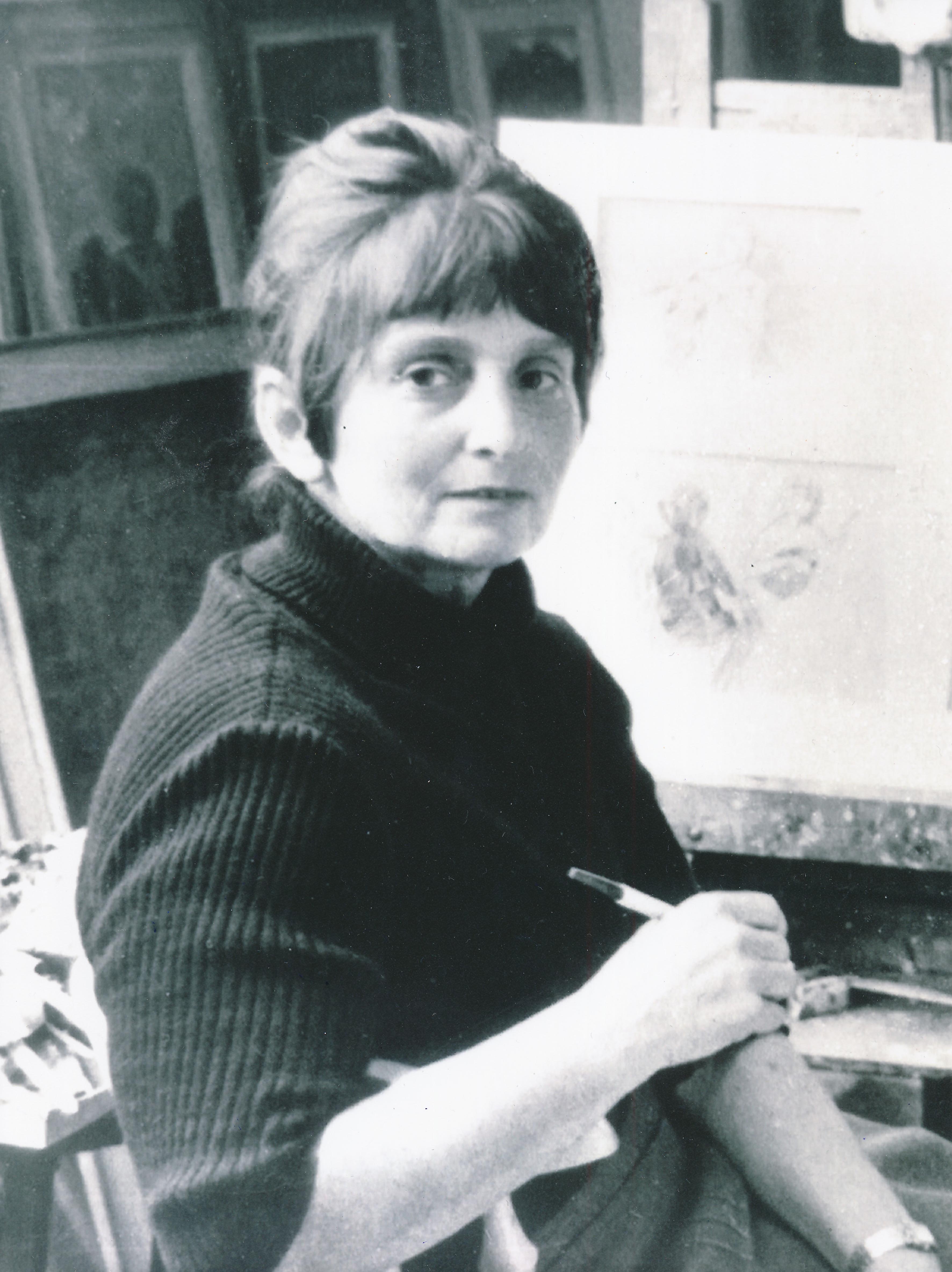
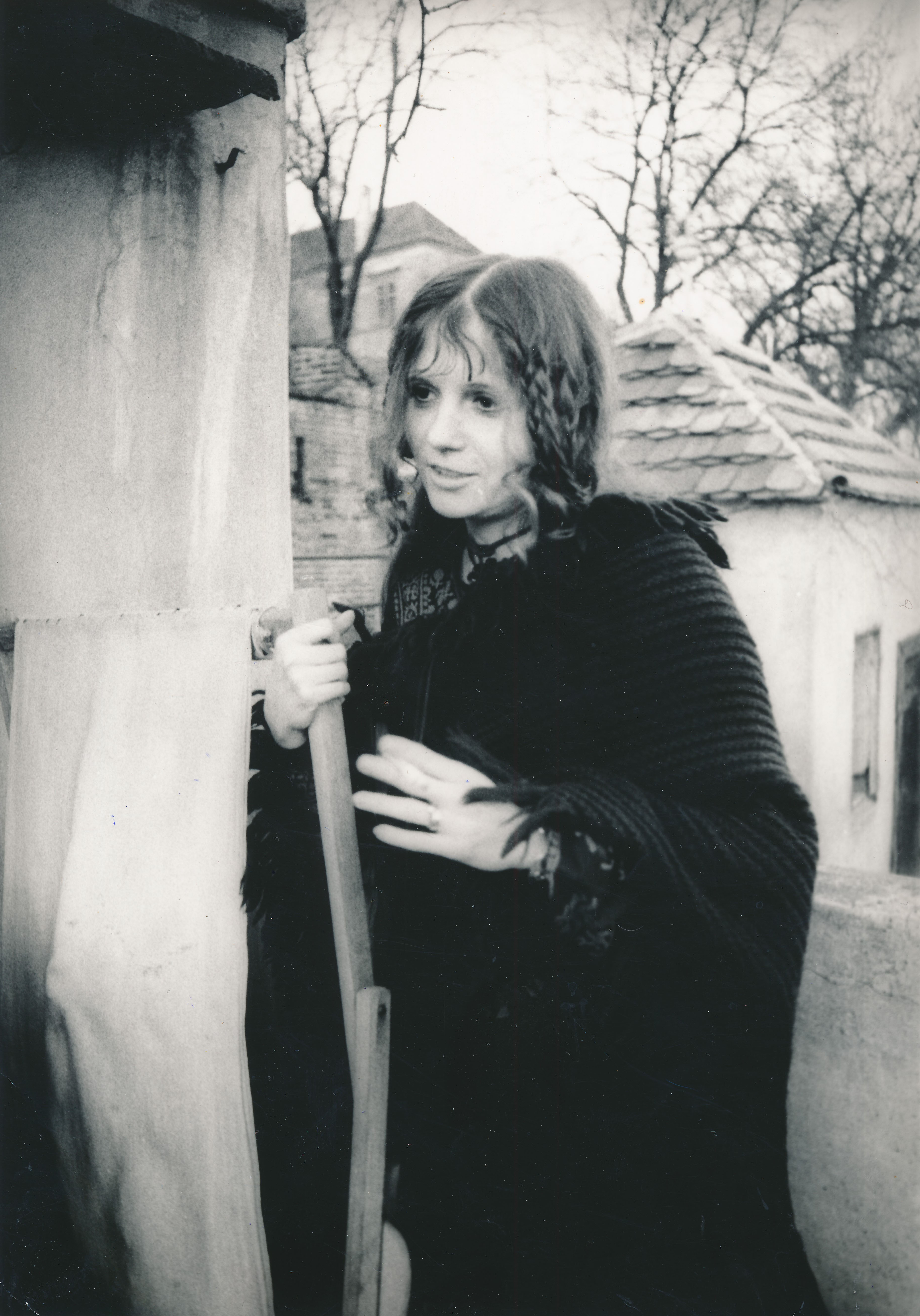
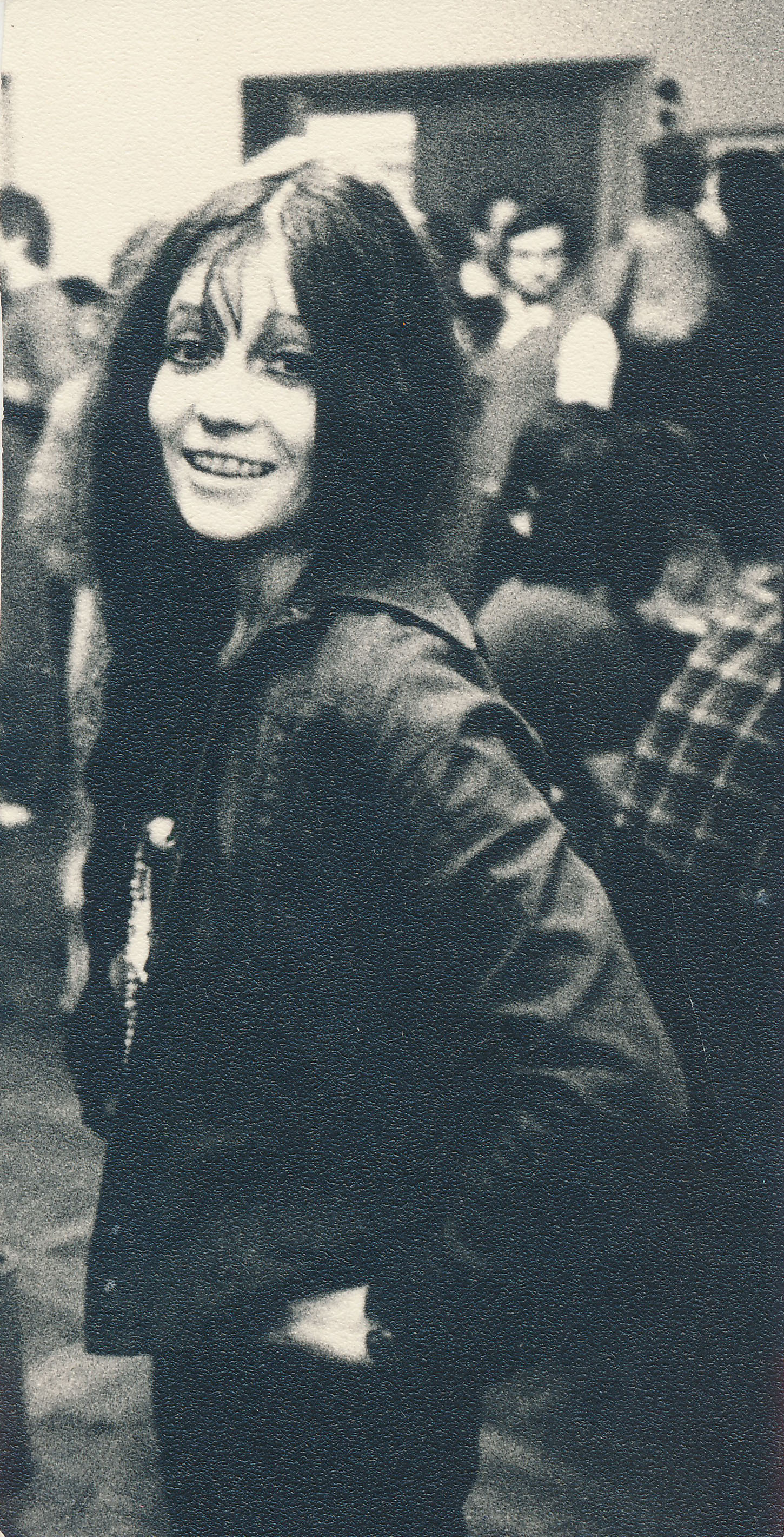
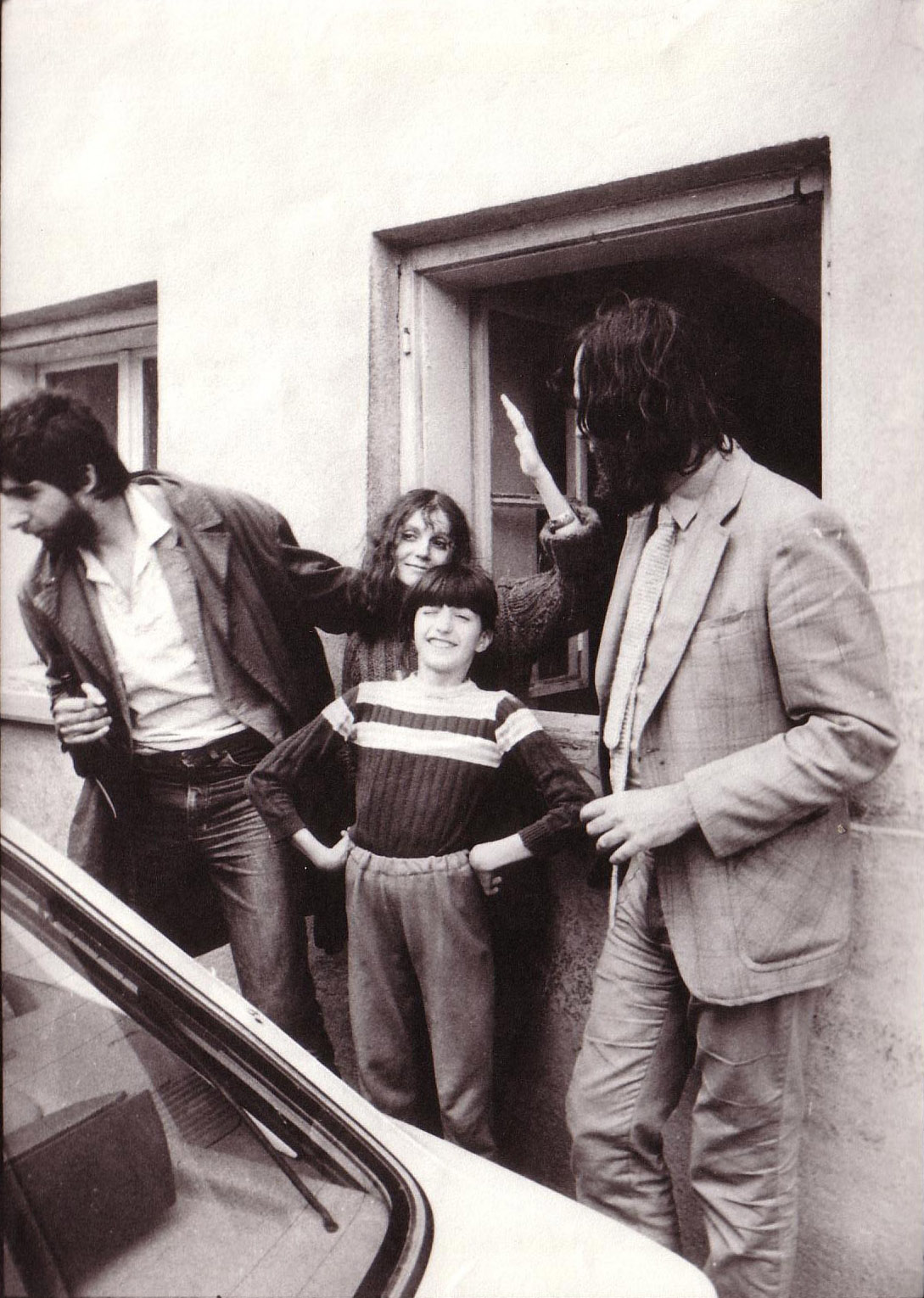
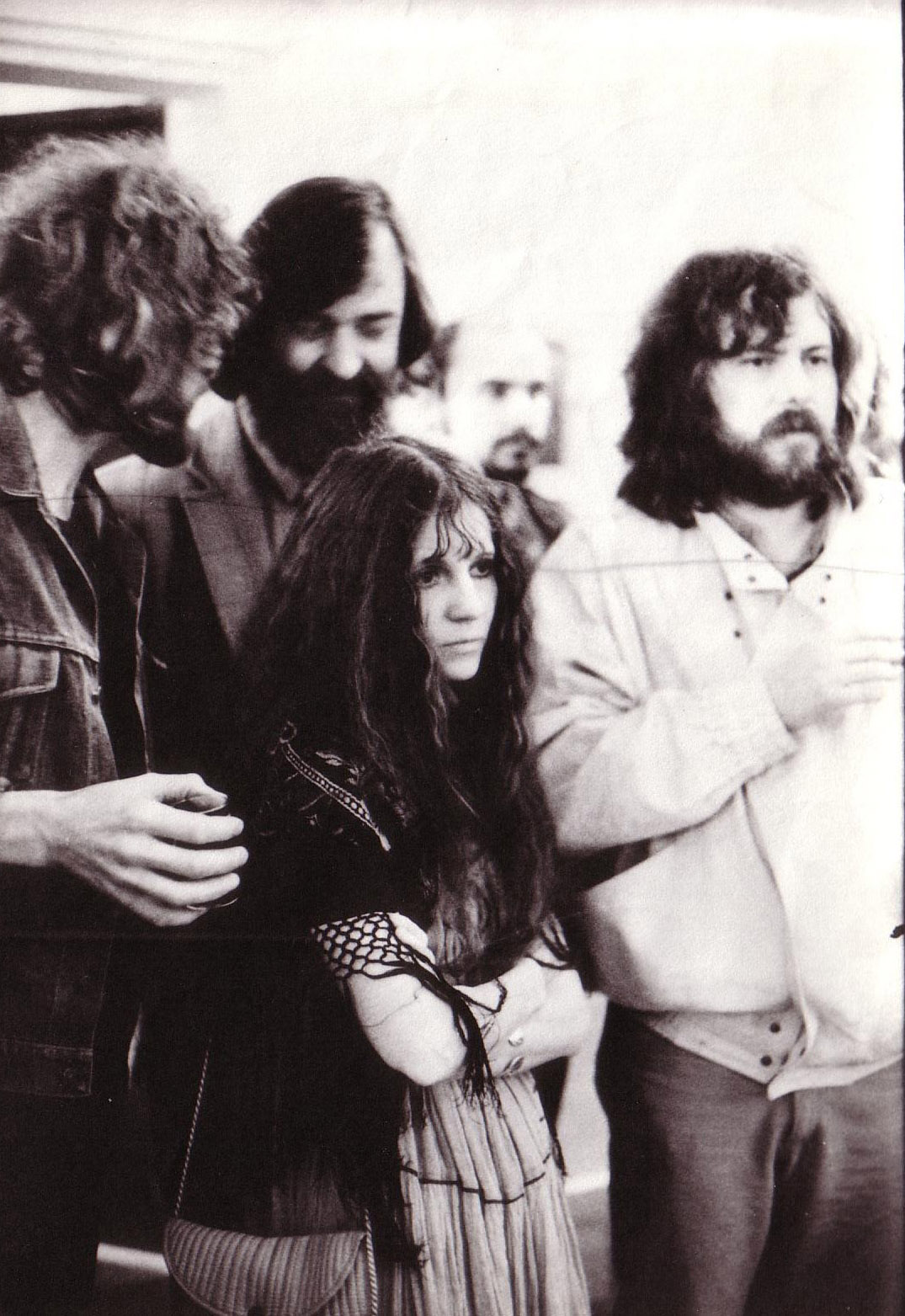
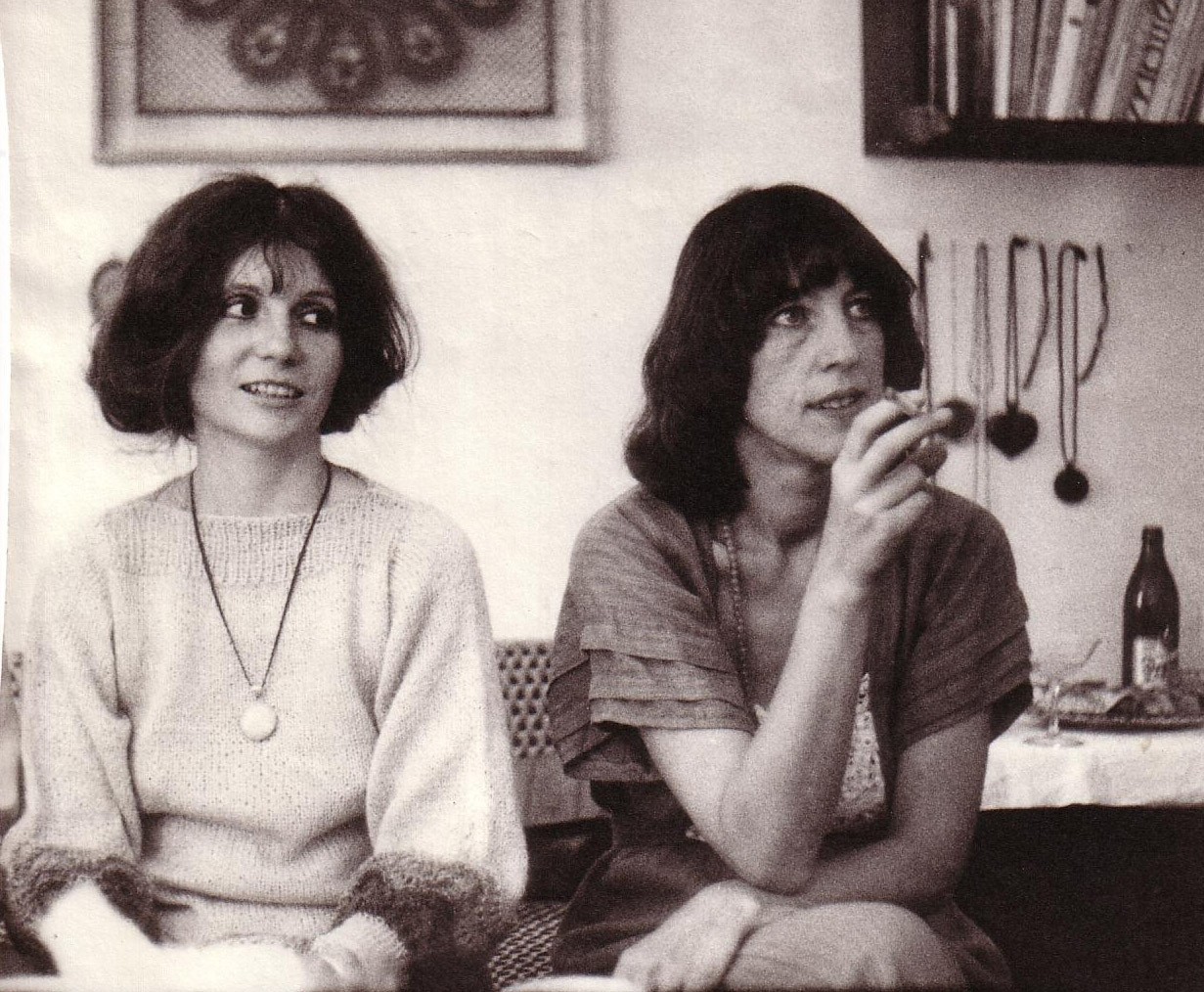
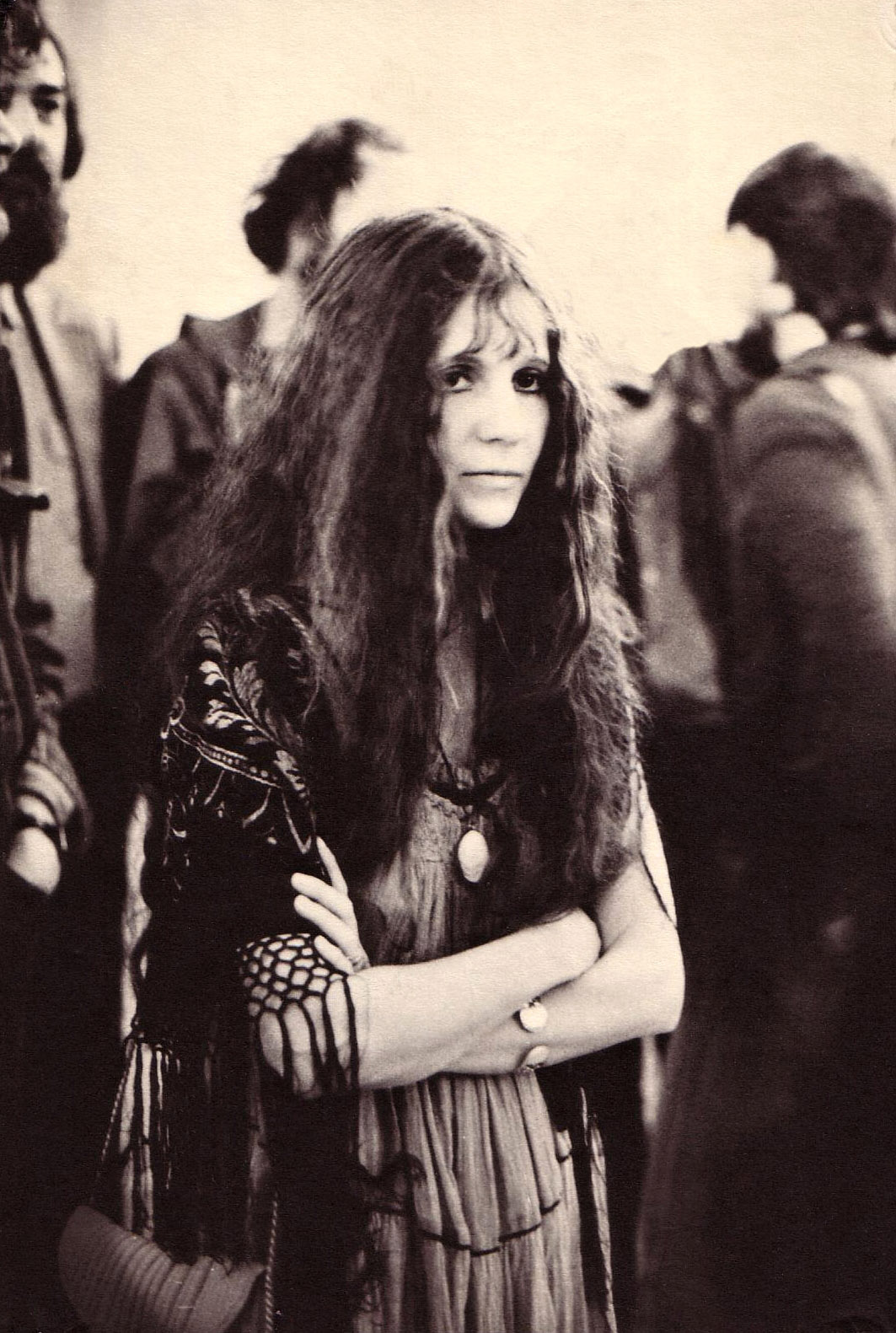
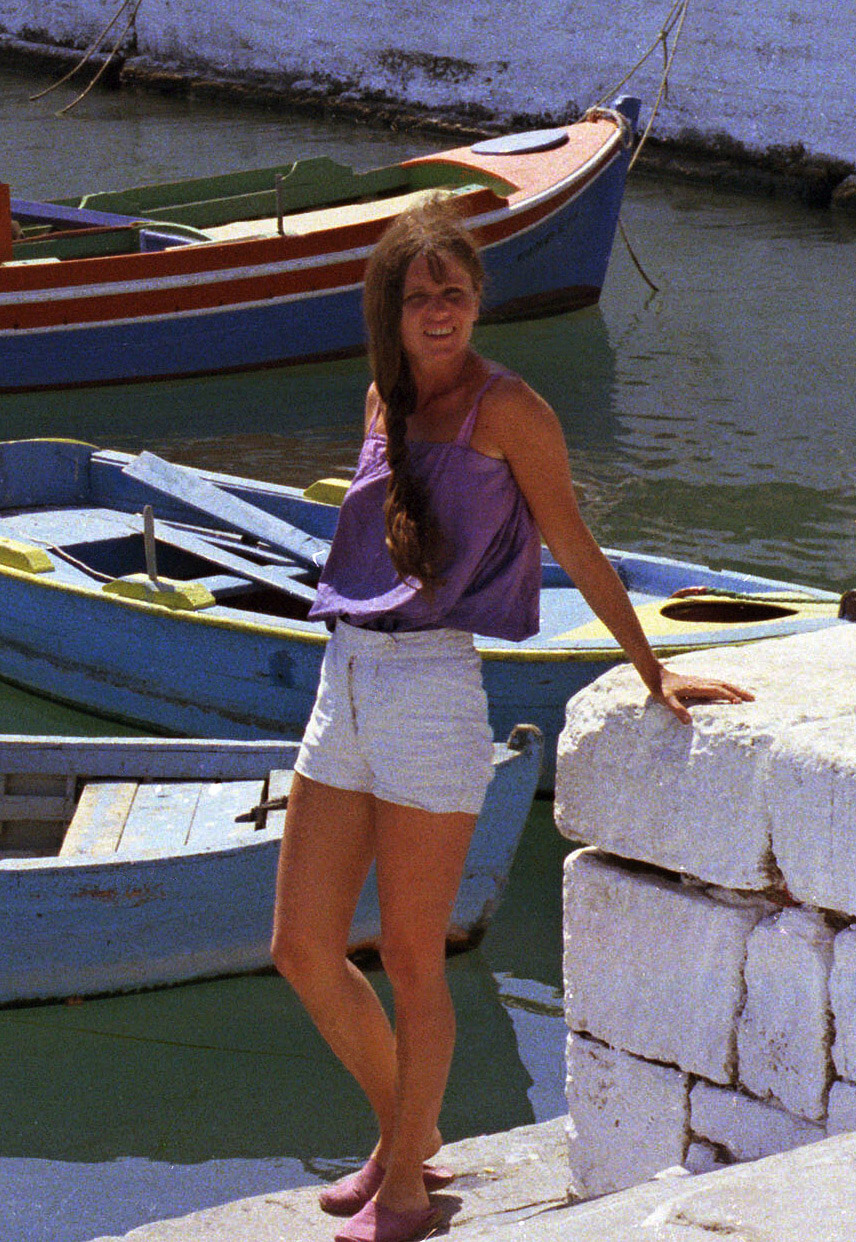
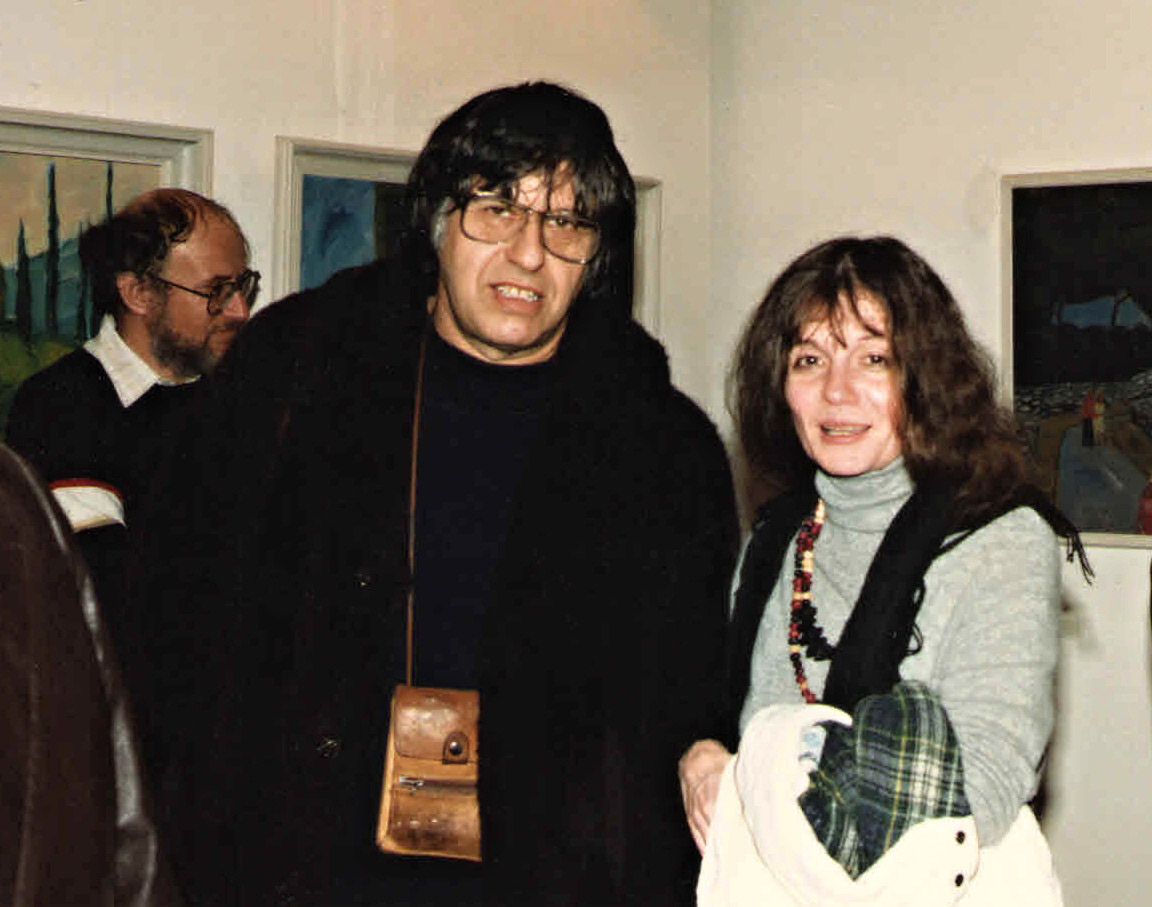
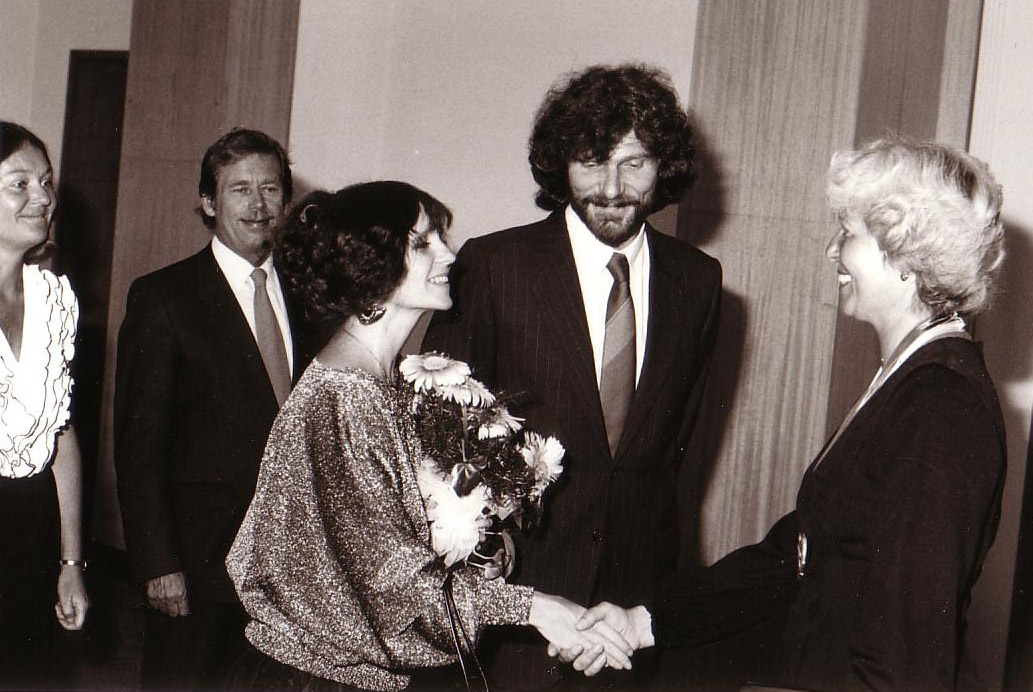
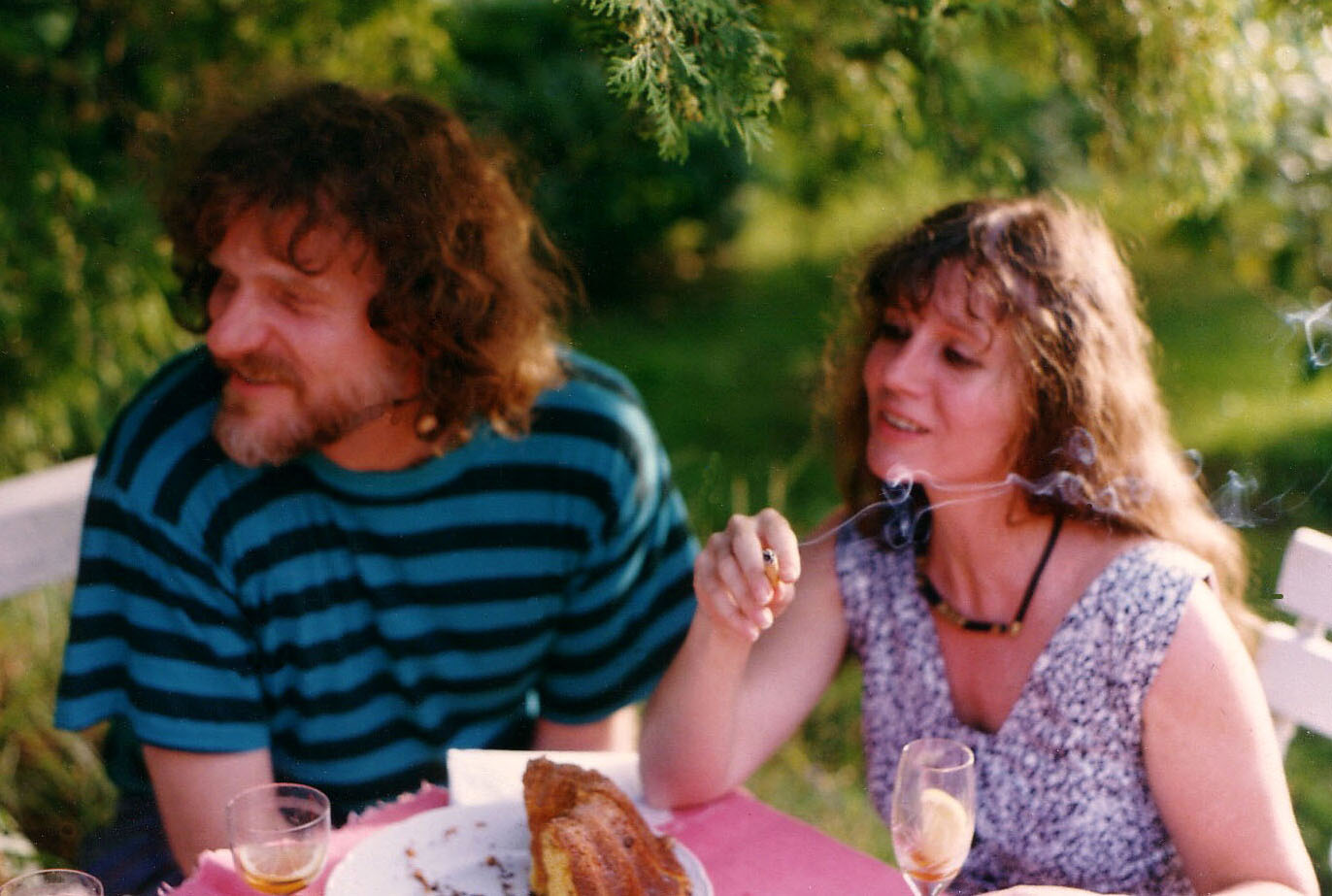
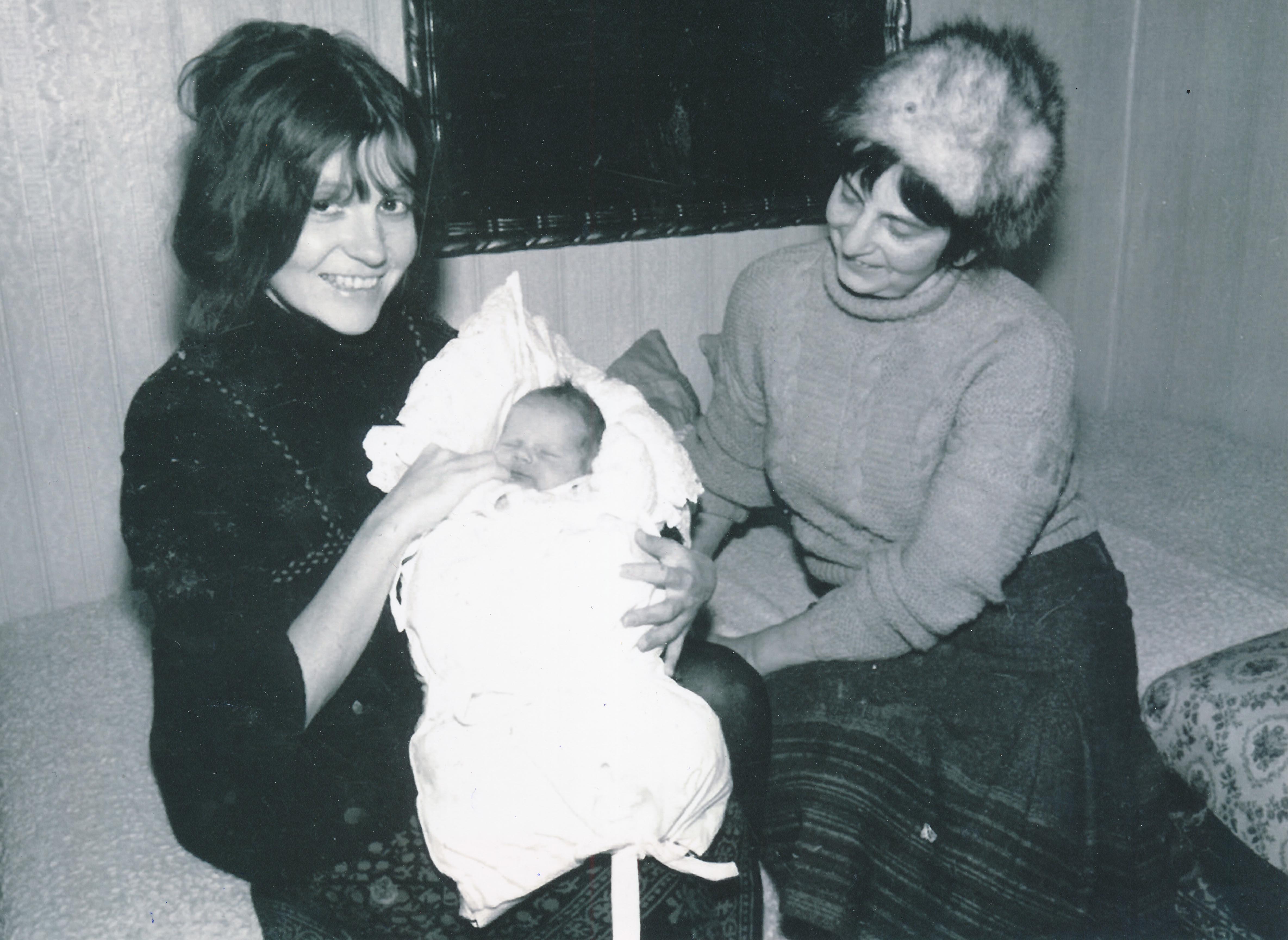
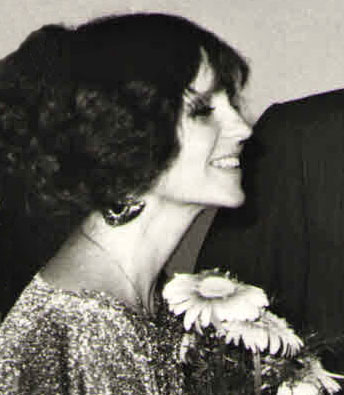
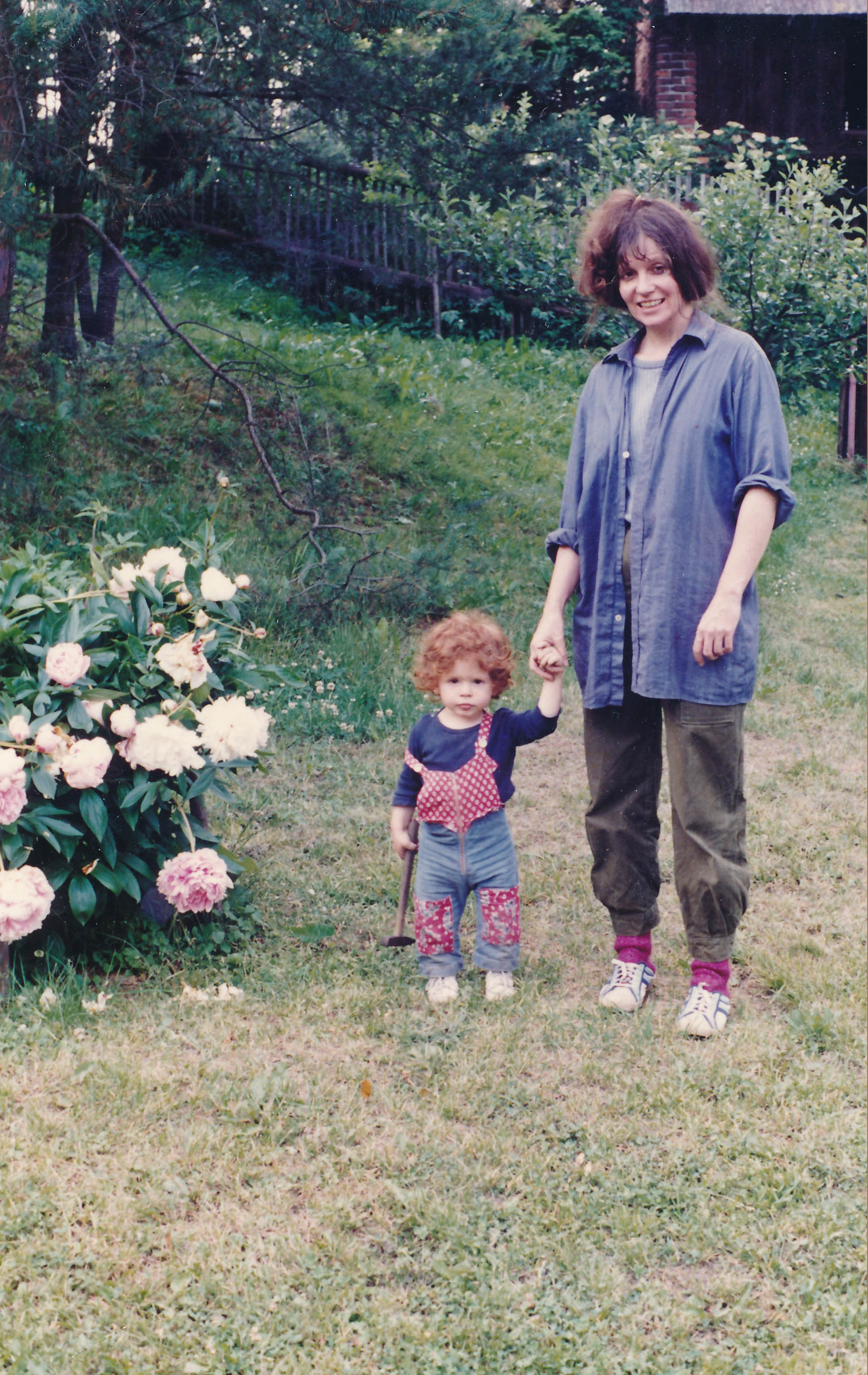
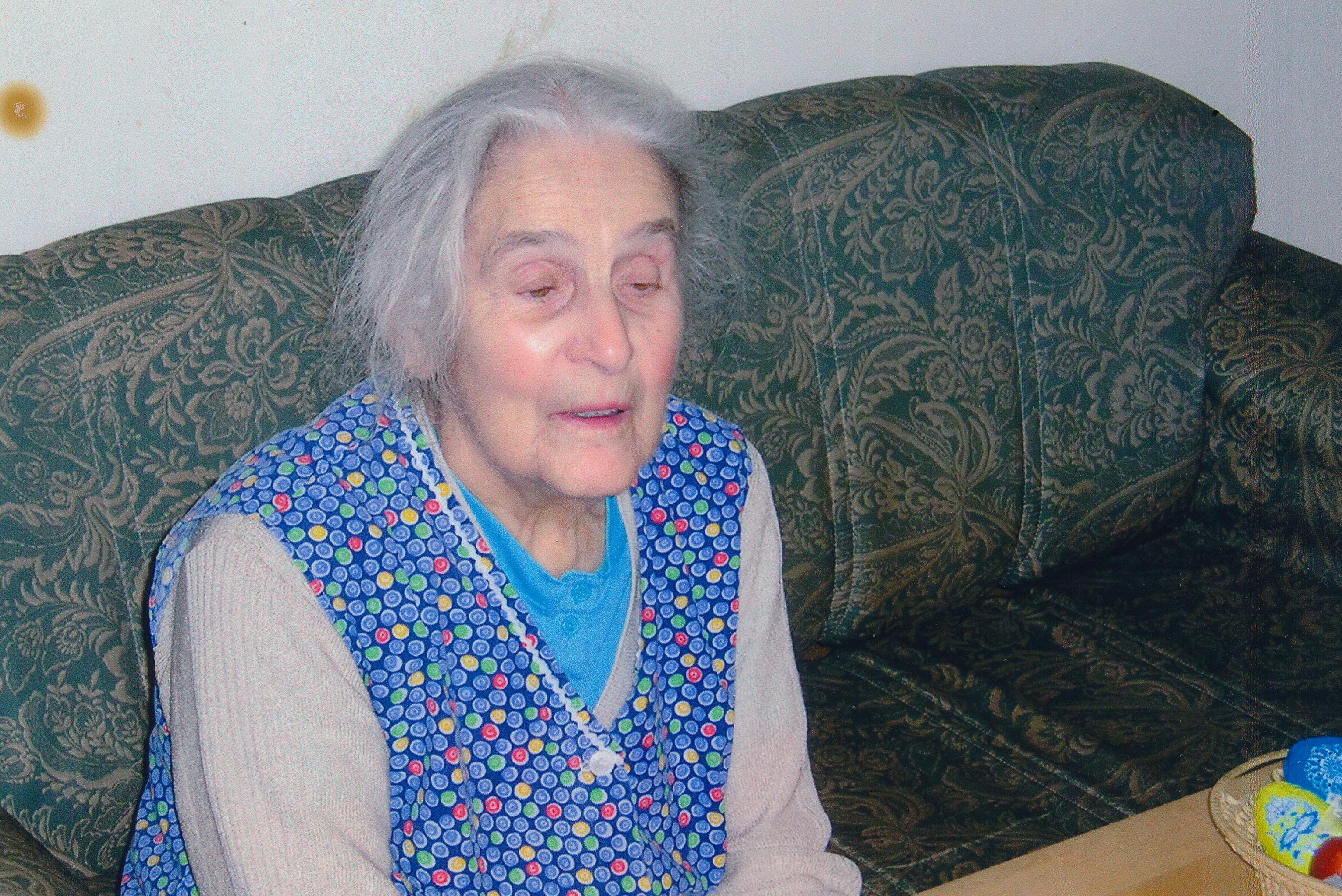
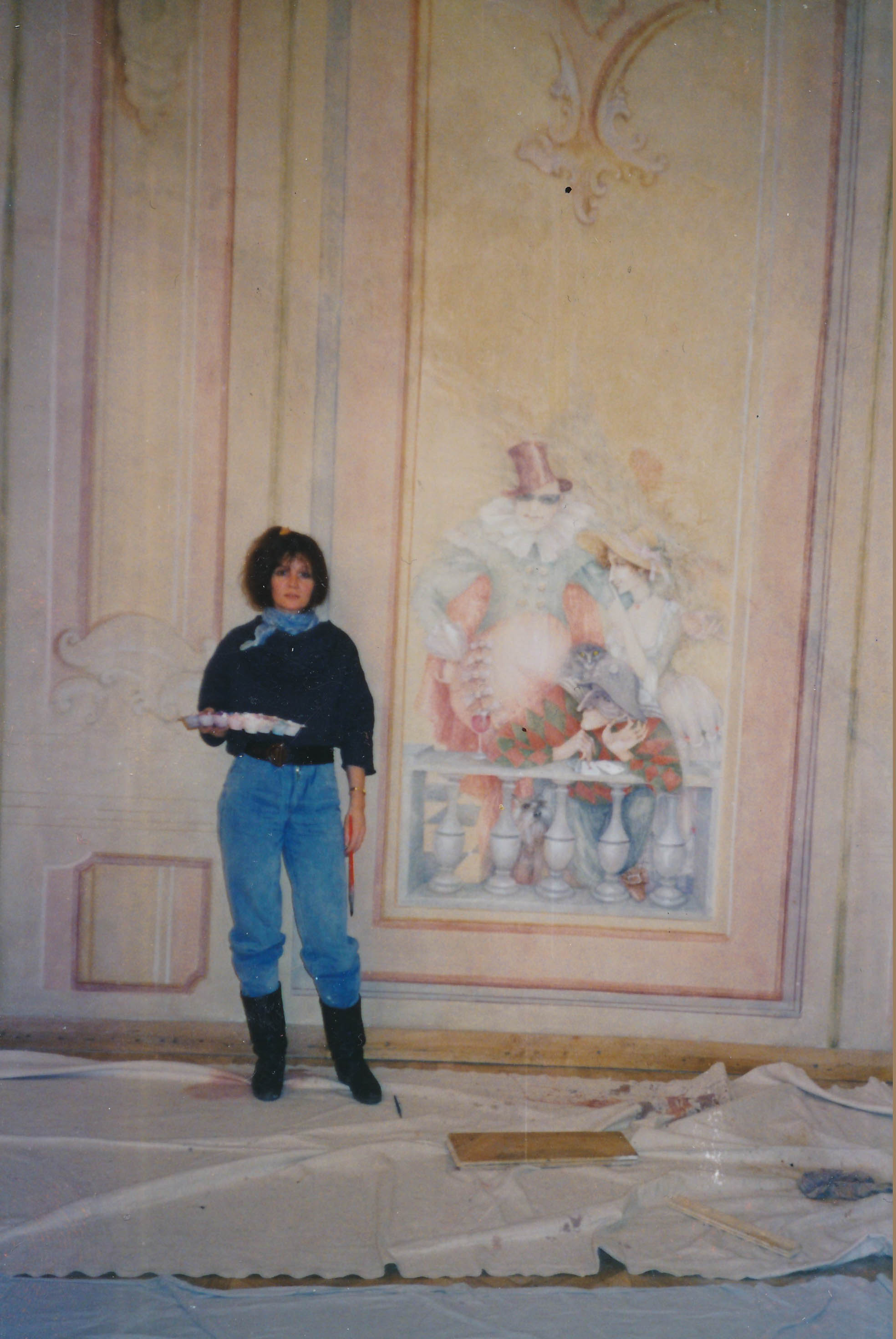
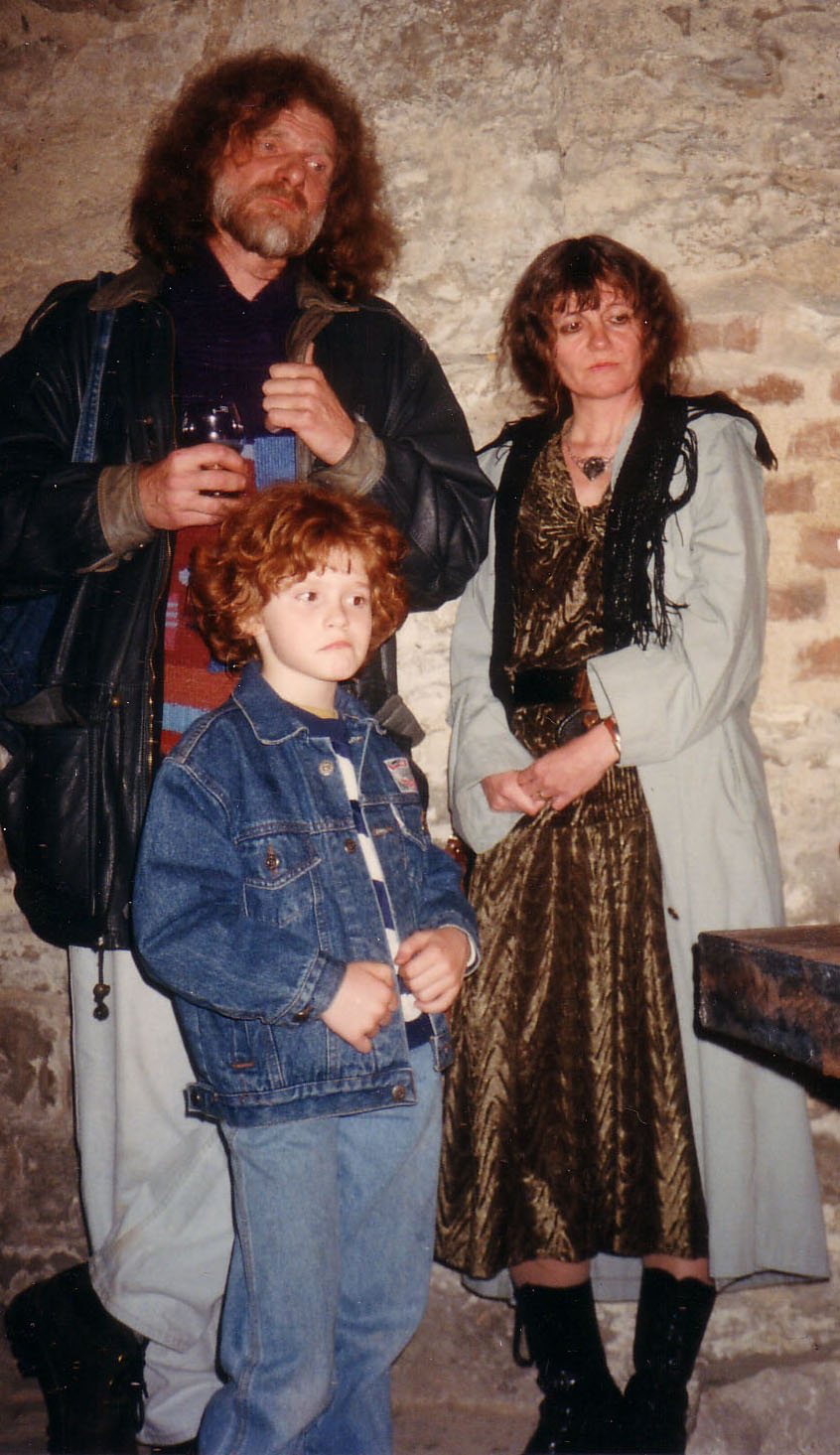
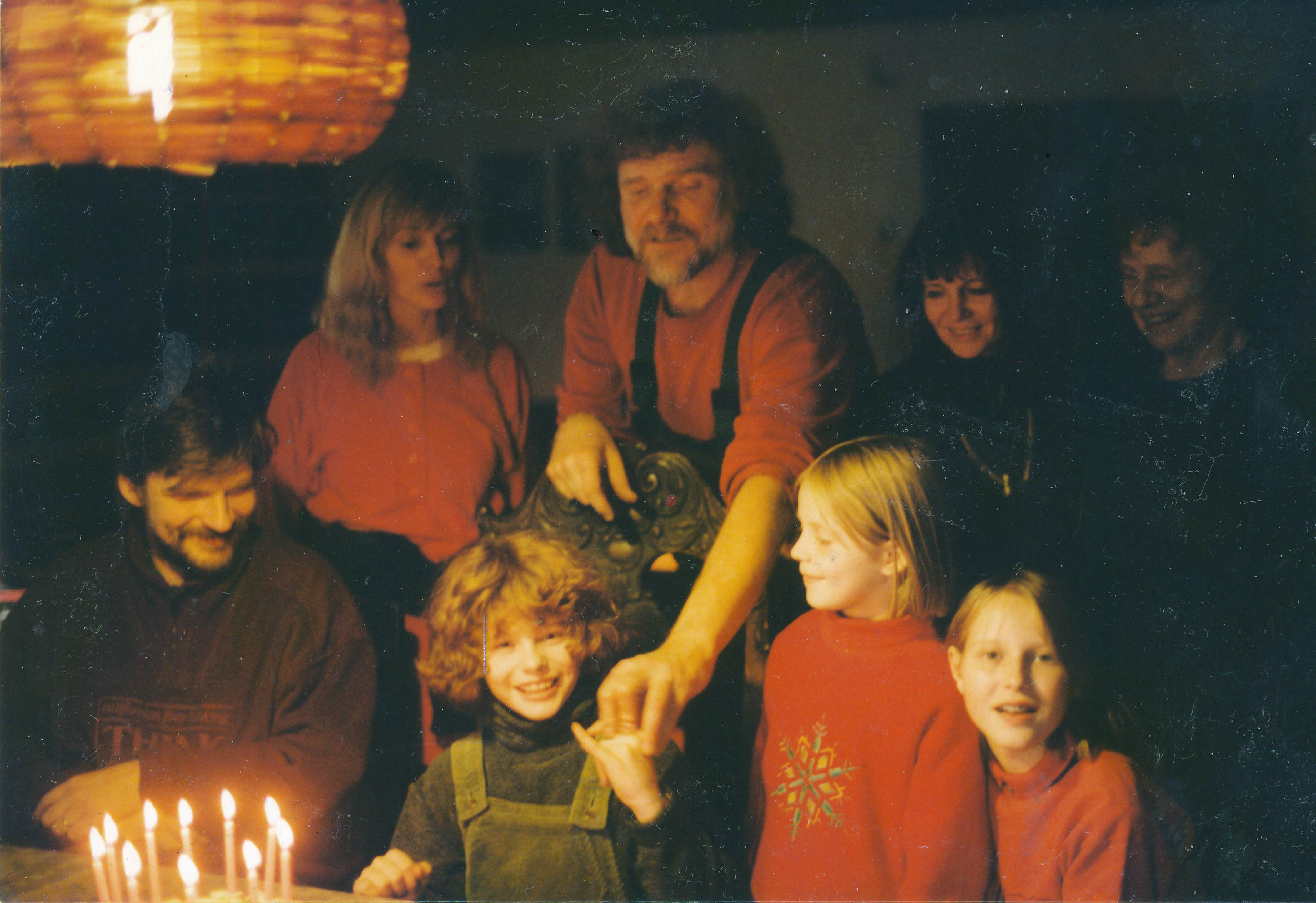
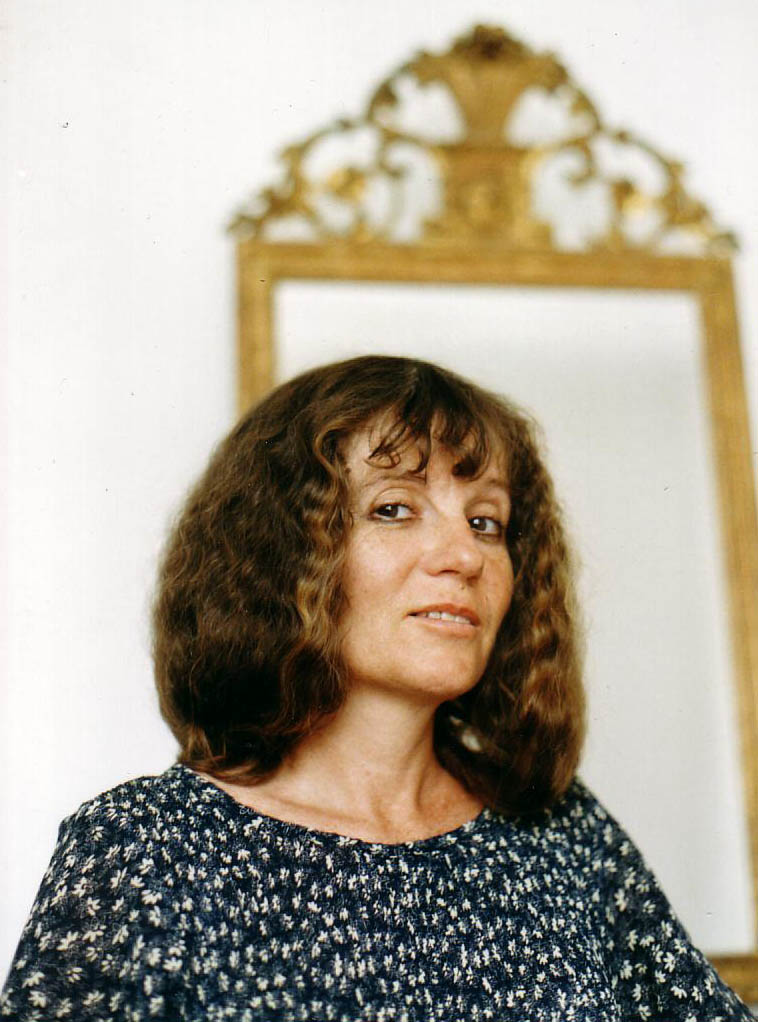
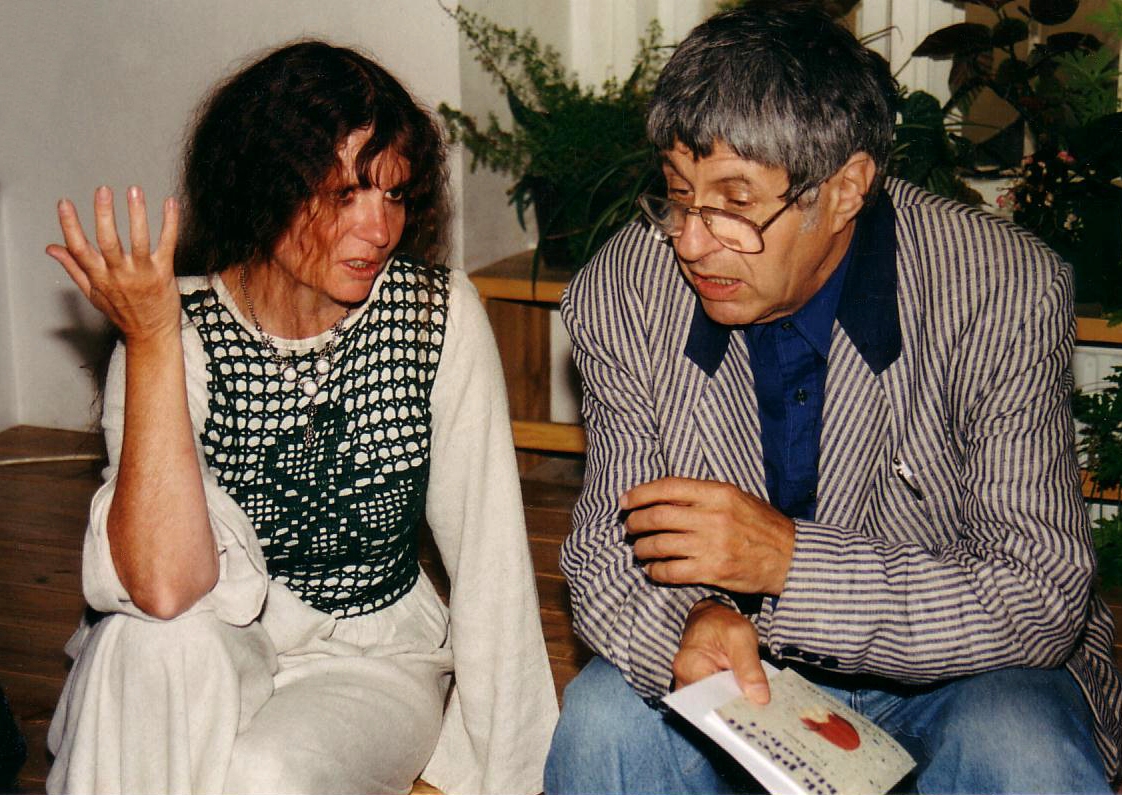
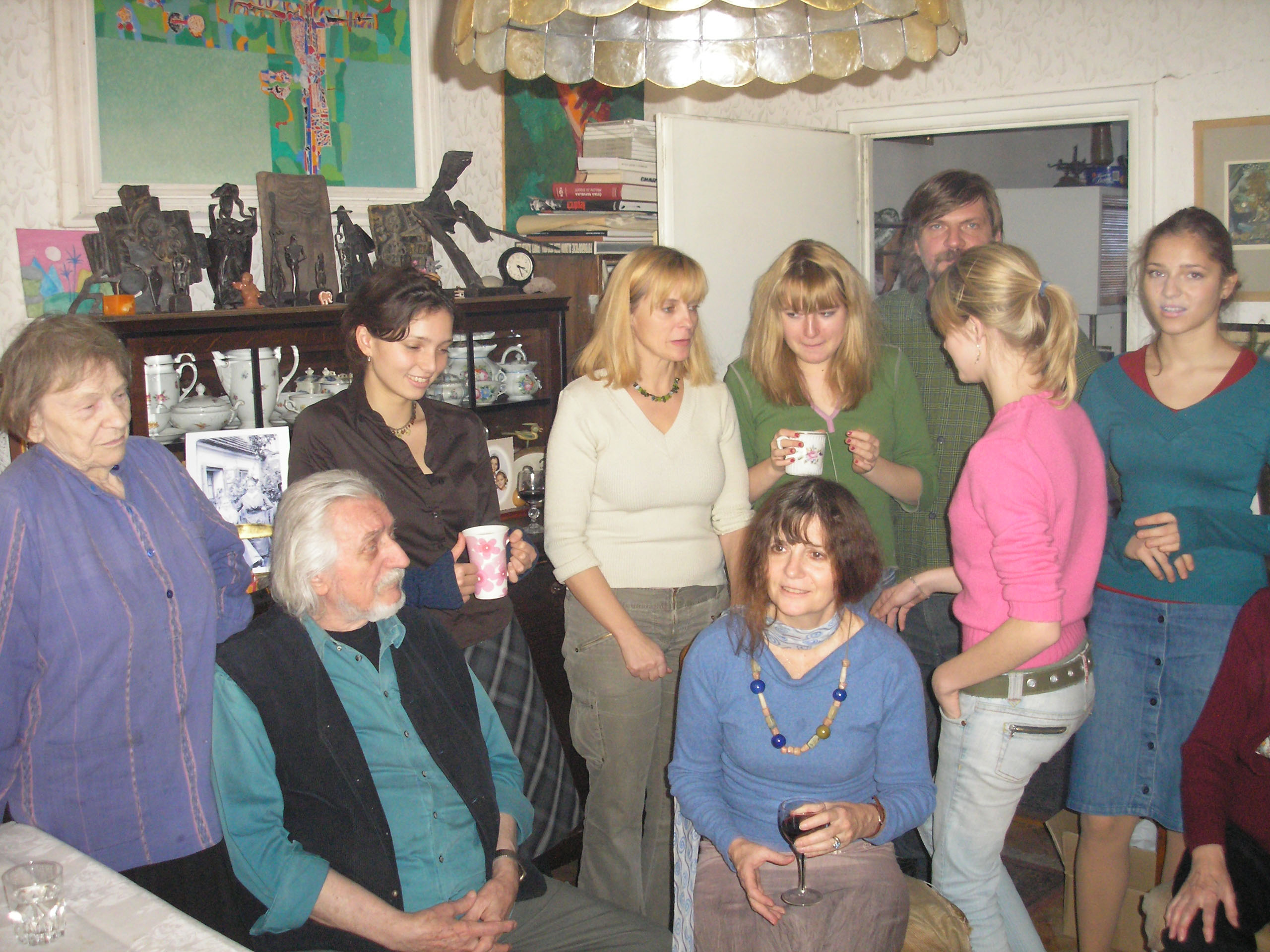
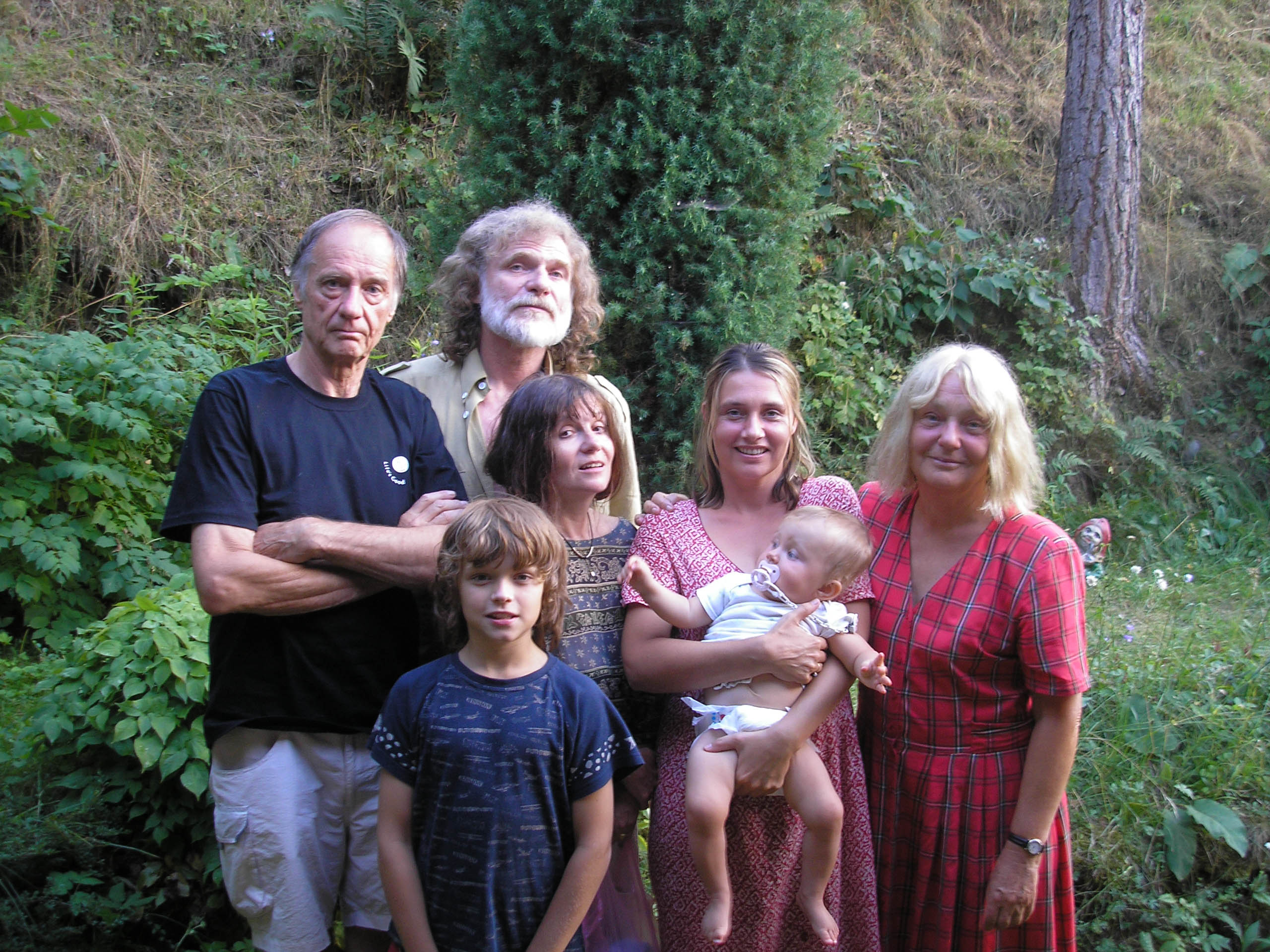
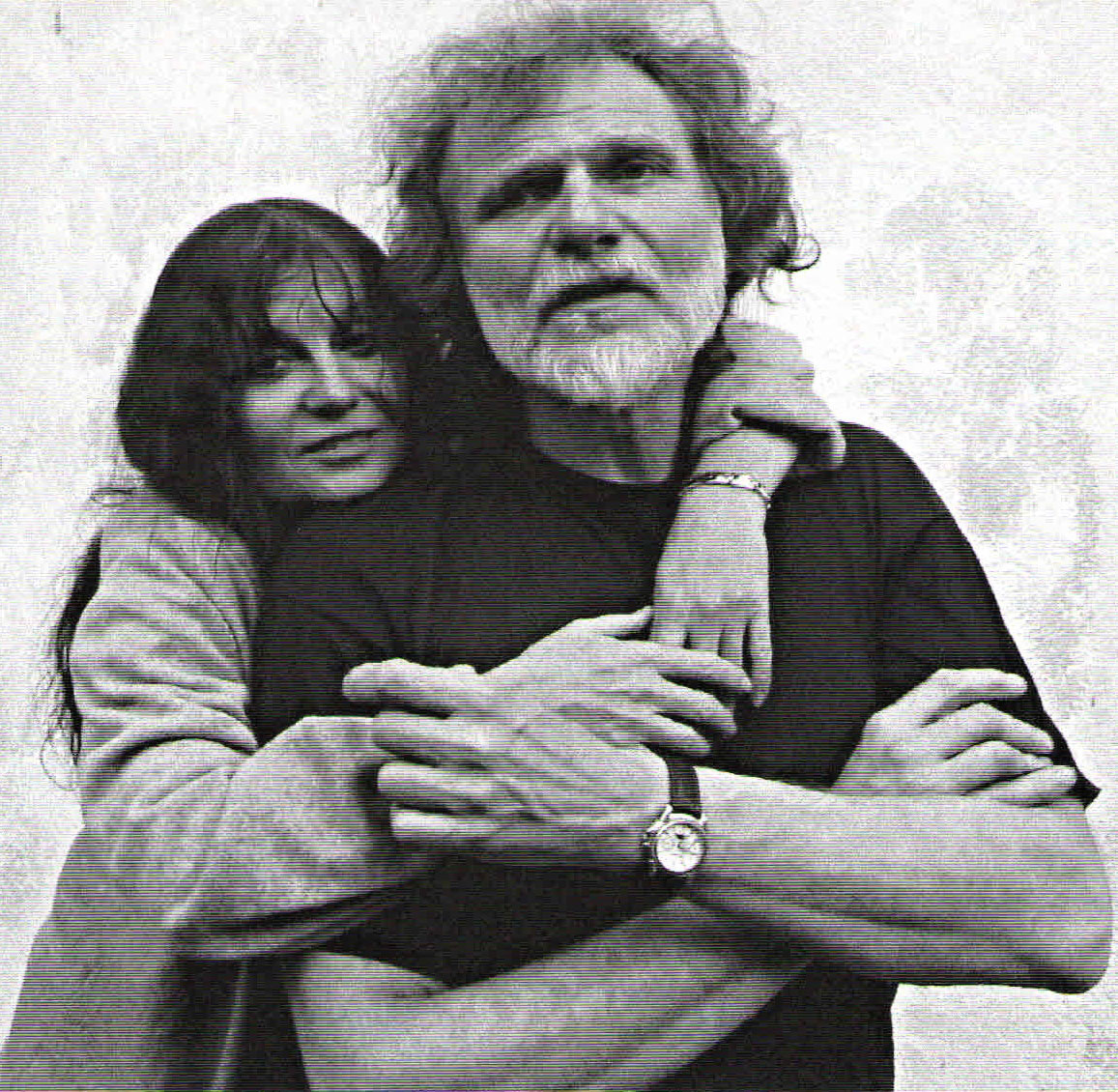
Academic painter Václava Císařovská, née Hrušková, was born on July 30, 1950 in Prague into an artistic family. Her mother Věnceslava Truhlářová and father Jiří Hruška were academic painters. In her family line and in her memoirs, personalities such as the painter Jan Zrzavý and the writer Ivan Klíma appear, and she also mentions her Jewish grandmother Eliška Synková, whose brothers founded the Communist Party of Czechoslovakia and were executed for anti-Nazi resistance - Prague has a square named after them, Bratří Synků Square. Grandmother‘s sister Heda Synková was a nomenklatura communist. Some of the family went through Terezín, some did not survive. Václava Císařovská graduated from the Secondary Vocational School of Art on Hollar Square in Prague in 1967-1971, then from the Academy of Fine Arts in Prague, majoring in restoration (1971-1977). In 1981 she received a six-month scholarship at the École des Beaux-Arts in Paris. Upon her return, she was repeatedly interrogated by the State Security and pressured to cooperate, which she refused. Among her close friends were dissidents Ivan Klíma, Václav Havel and others. Since graduating from university, in addition to restoring paintings, she devoted herself mainly to freelance work and occasionally to book illustration. With her second husband, academic artist Petr Císařovský, her second husband, she is devoted to artistic work and restoration of small sacral monuments in the Kokořín region, associated with the Pšovka association - the Kokořín region‘s ornamental association. His son David Císařovský is a metal restorer and artistic blacksmith.