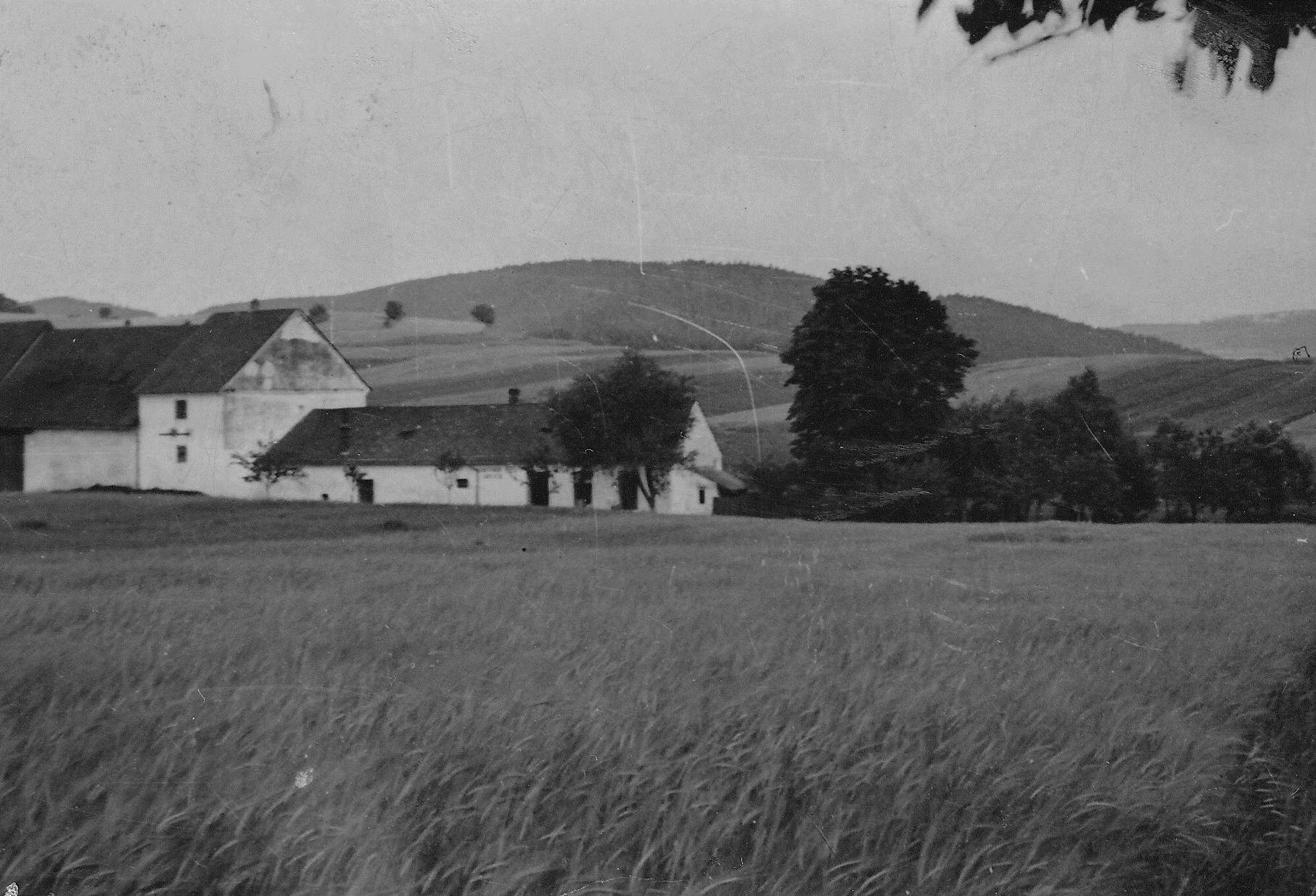
"I'll tell you one more story from the war. My grandmother used to say, in the second grade, when I was in school, she would say, 'Please come to the castle [Bouzov] at noon, I'm cooking there. They took me with two others who could cook. We have a platoon of young German soldiers there who will go to the eastern front.' So I ran there, I looked in the dining room, there are a lot of nice, handsome men. And my grandmother said, 'Well, look at them, look at them, and they'll all be dead in a year. They are heading for the eastern front. ' That's authentic, that's what my grandmother really told me. Because to see such a youth and such a handsome youth. And she said, 'The Eastern Front is harsh, they won't last there. These young ones won't last there.' I was taken with it and I thought, 'Oh, my God. Such a young boys and they have to got to die at the front.‘ The other side, of course, went to die too. But you couldn't see that one. He saw this one, and even though it's the enemy side, I felt sorry for those guys because they didn't do anything, they didn't cause anything. They just had to obey stupidly and mindlessly. So I've been afraid of stupid obeying ever since."
"So I was on that Bouzov and I was five, not even five yet. And almost nobody there knew anything about a war. They were all self-sufficient farmers, and there were very few tickets that applied to self-sufficient farmers. They were allotted flour, they couldn't have whatever they wanted milled. But the way my grandfather solved it was that he would come after dark and take 50 kilos of grain and the miller would mill the 50 kilos of grain and bring him the flour, so we had enough flour. Butter - butter was also rationed minimally, it was rations for self-sufficient farmers, which were not great. But all the self-sufficient farmers in Moravia helped themselves. My grandmother had to give up the butter churn so that she wouldn't churn butter and she gave all the milk nicely to the Reich, only my grandmother had a lot of pots in the cellar on the stairs, she was skimming the cream from it and then she took my hand and said, `Come on, let's go churn butter.' We went up in the attic to the chimney, and there she wrapped a coat around the butter churn, which was conical and old-fashioned, and we churned the butter. When the butter was done, it was such pieces, they floated in buttermilk, Grandma arranged everything, took clean water, washed the butter beautifully and knocked it together and formed it into quarters. And I used to carry these thick slices smeared with butter! During the Protectorate! In the cities, nobody ever came close to it, could they, how? And in the countryside, everybody was churning, because everybody had another butter churn, I don't know why, but they did. And there were always two pigs, not one. One would have to be given away almost whole, no way! The lard would be rendered, the kind of lard that was overcooked, formed into a pot and left to set. Then it was quickly heated and tipped out and it was a beautiful shape. So we all handed in this beautiful mold from one pig. But there were two pigs, nobody said, nobody. So we always had smoked meat until May. That's how they farmed in the country. And nobody ever said that, there were no persecutions because of that. That was Bouzov, Moravia."
"Tanks arrived, motor vehicles arrived, infantrymen arrived. Everything had been in Prague, we still had a wonderful time - there was meat, there was butter, there were all kinds of sandwiches, cakes. It was awfully good living here. But when the German army came, within three days all the shops were empty, because they were so hungry. I know that my mother said that a German woman from the Rhineland was staying with her and she told her how they had half a kilo of meat a month, that they couldn't get more, that it was miserable with fats, that there was nothing, and that it was desperate, that everything was going to the army. That's what my mother told me that the German woman who came from the Rhineland told her after mobilization. Because even then, as a little girl, it was clear to me that if there was nothing, it was pretty bad."
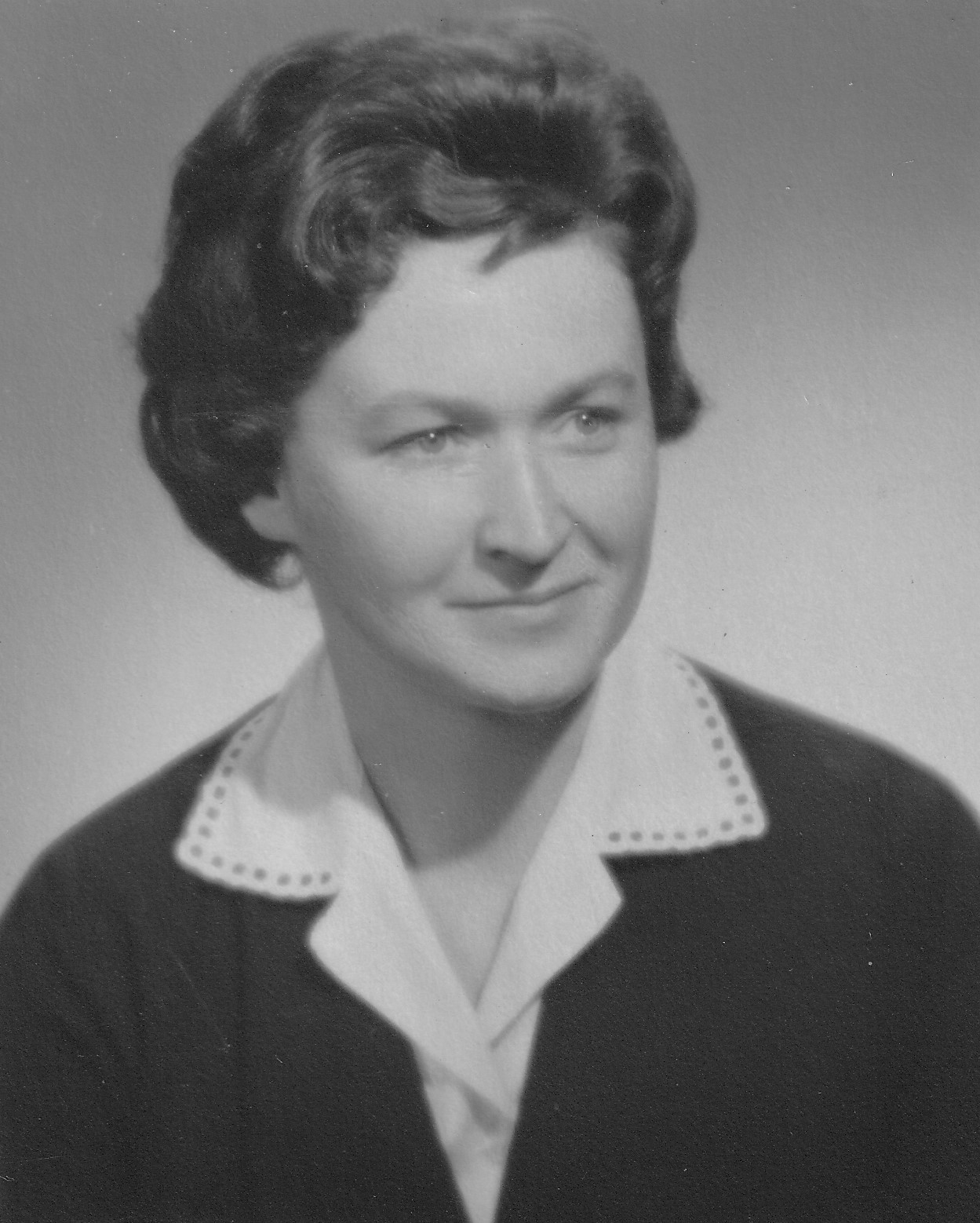
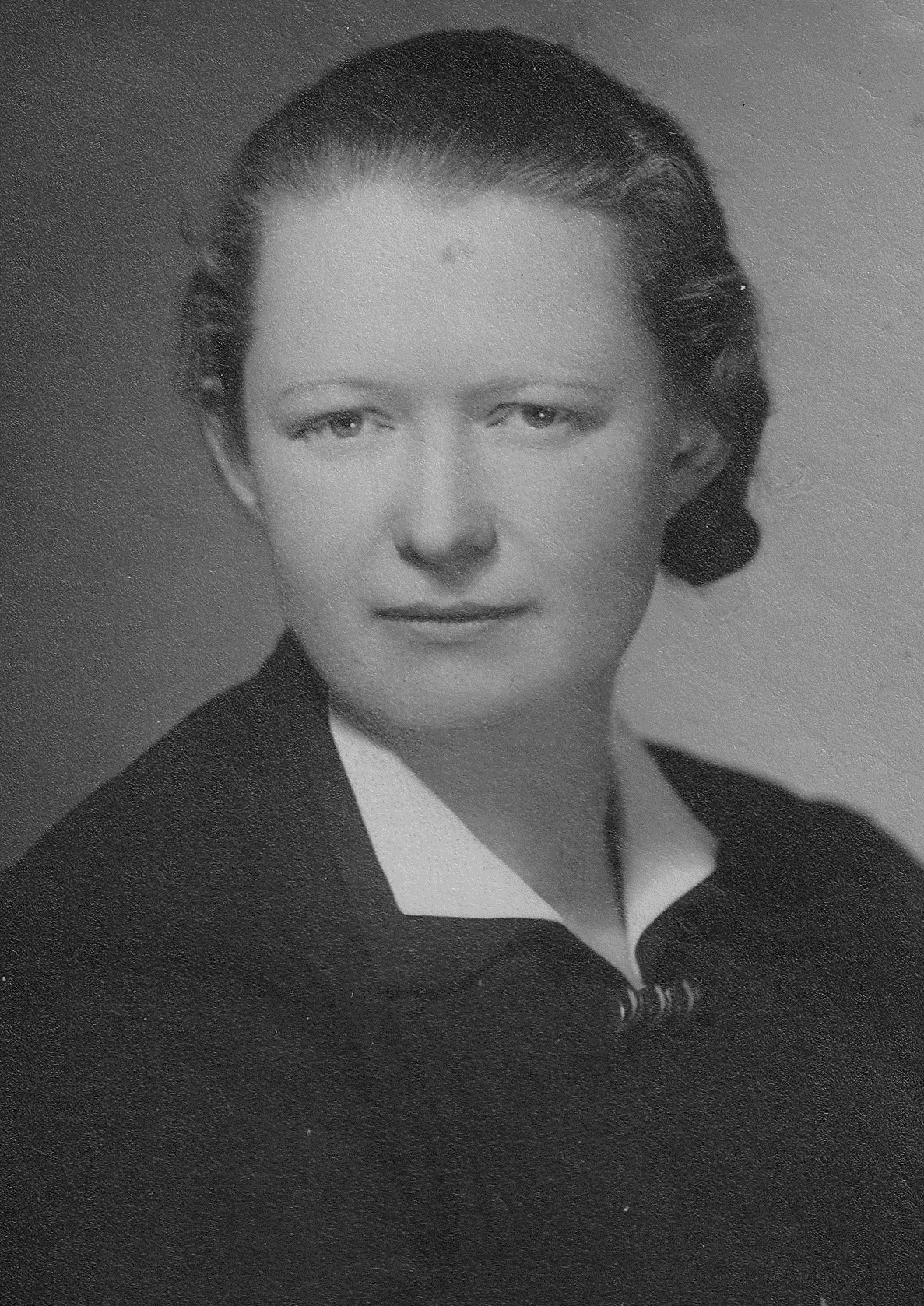
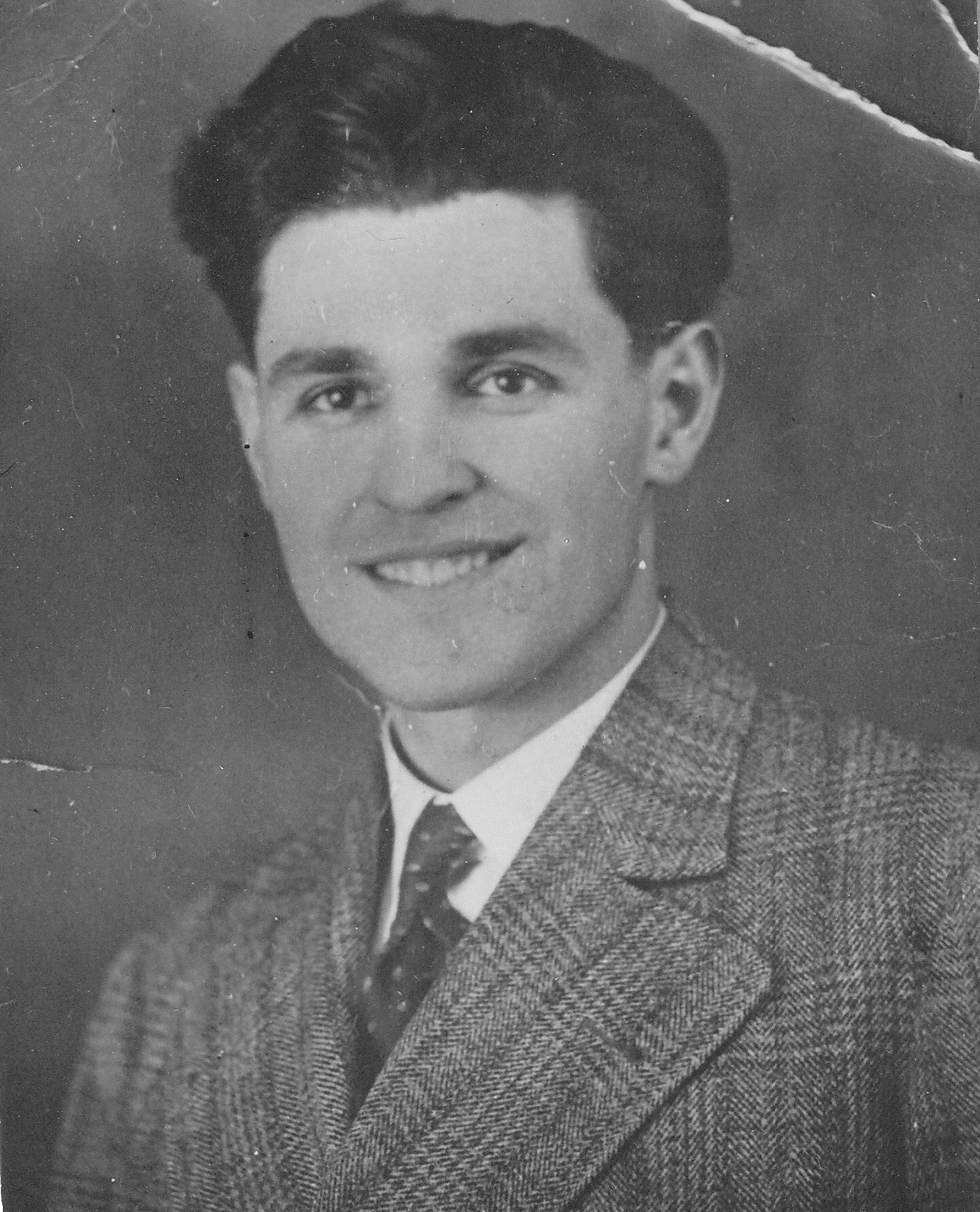
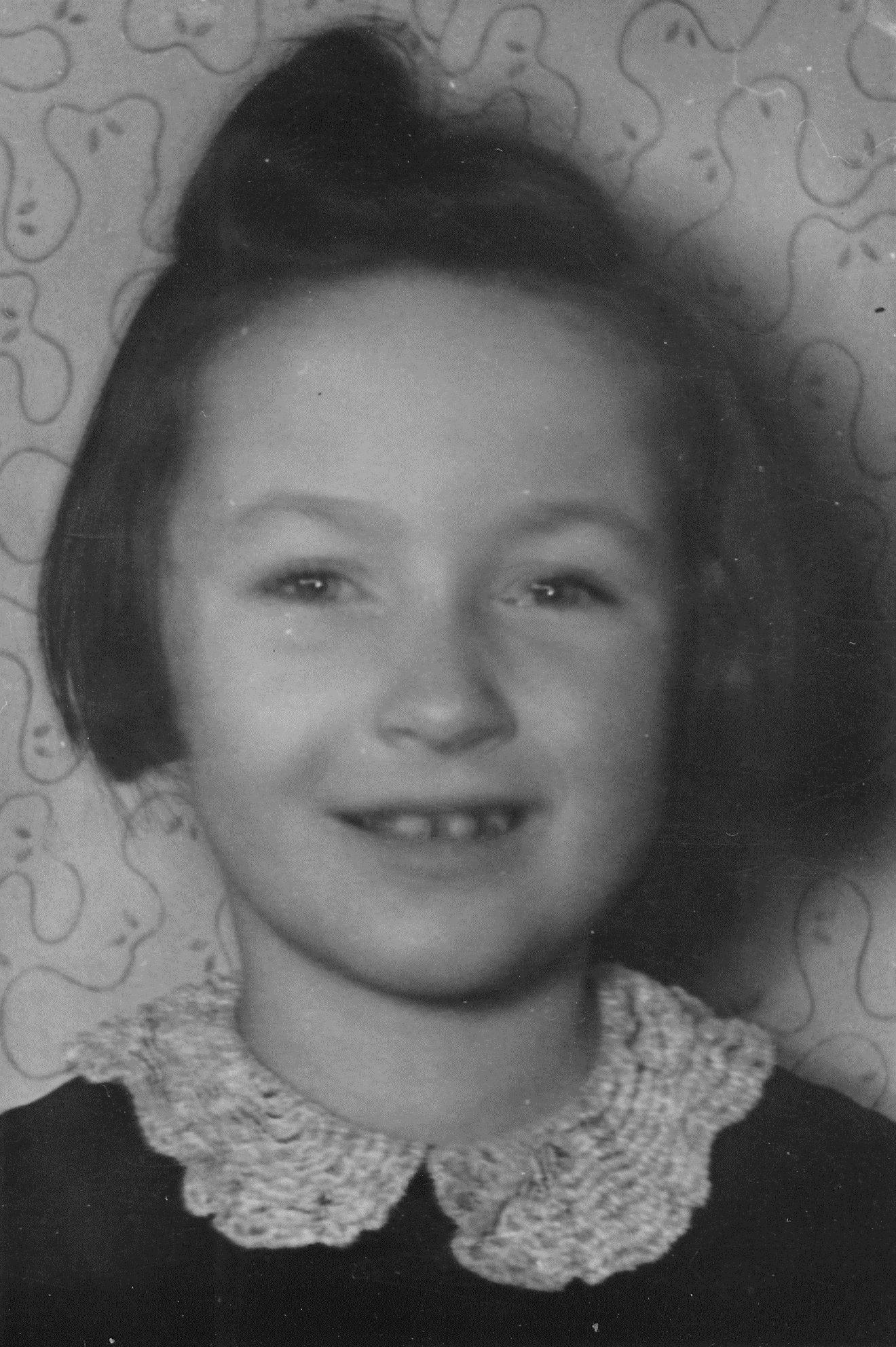
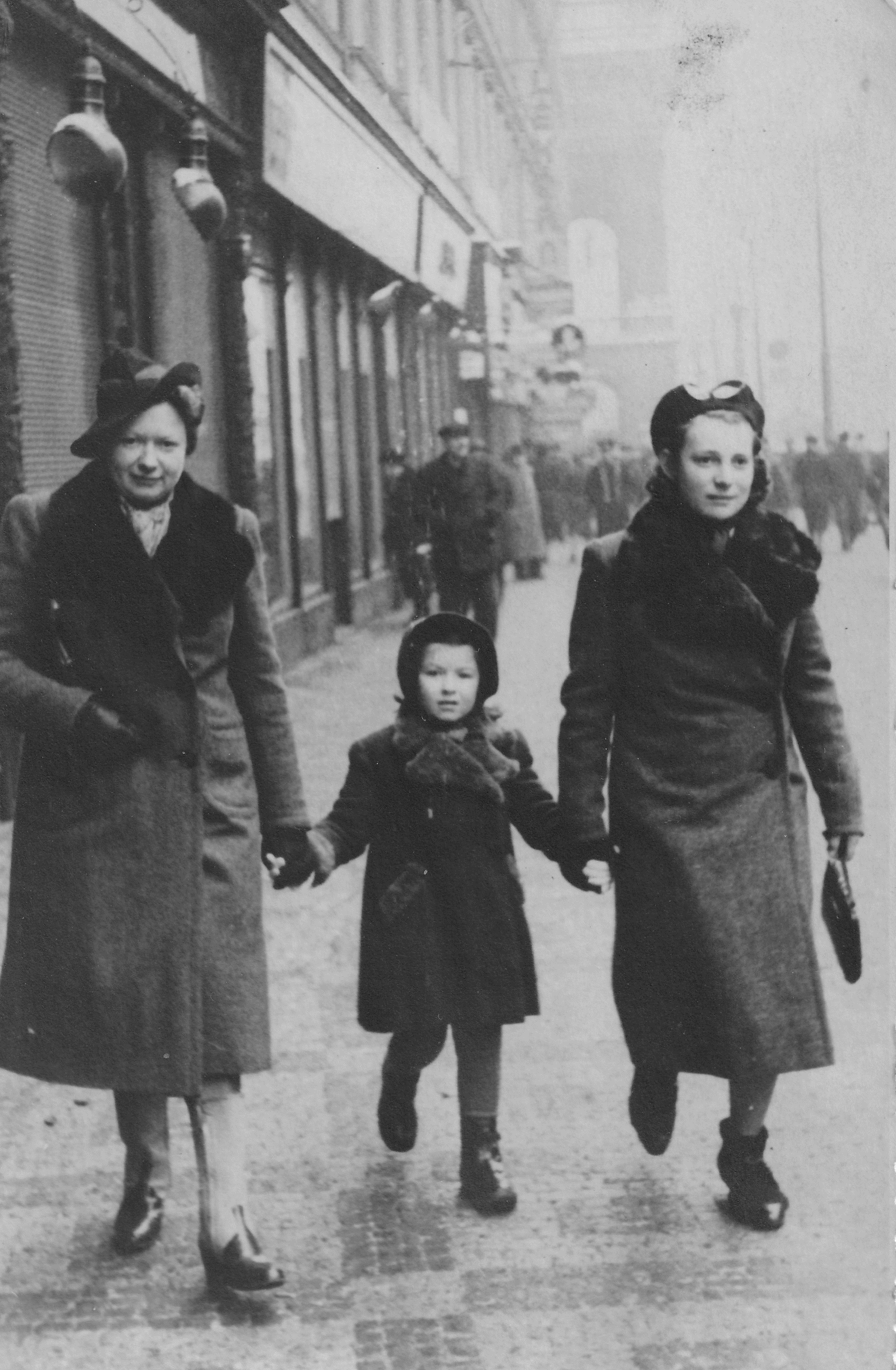
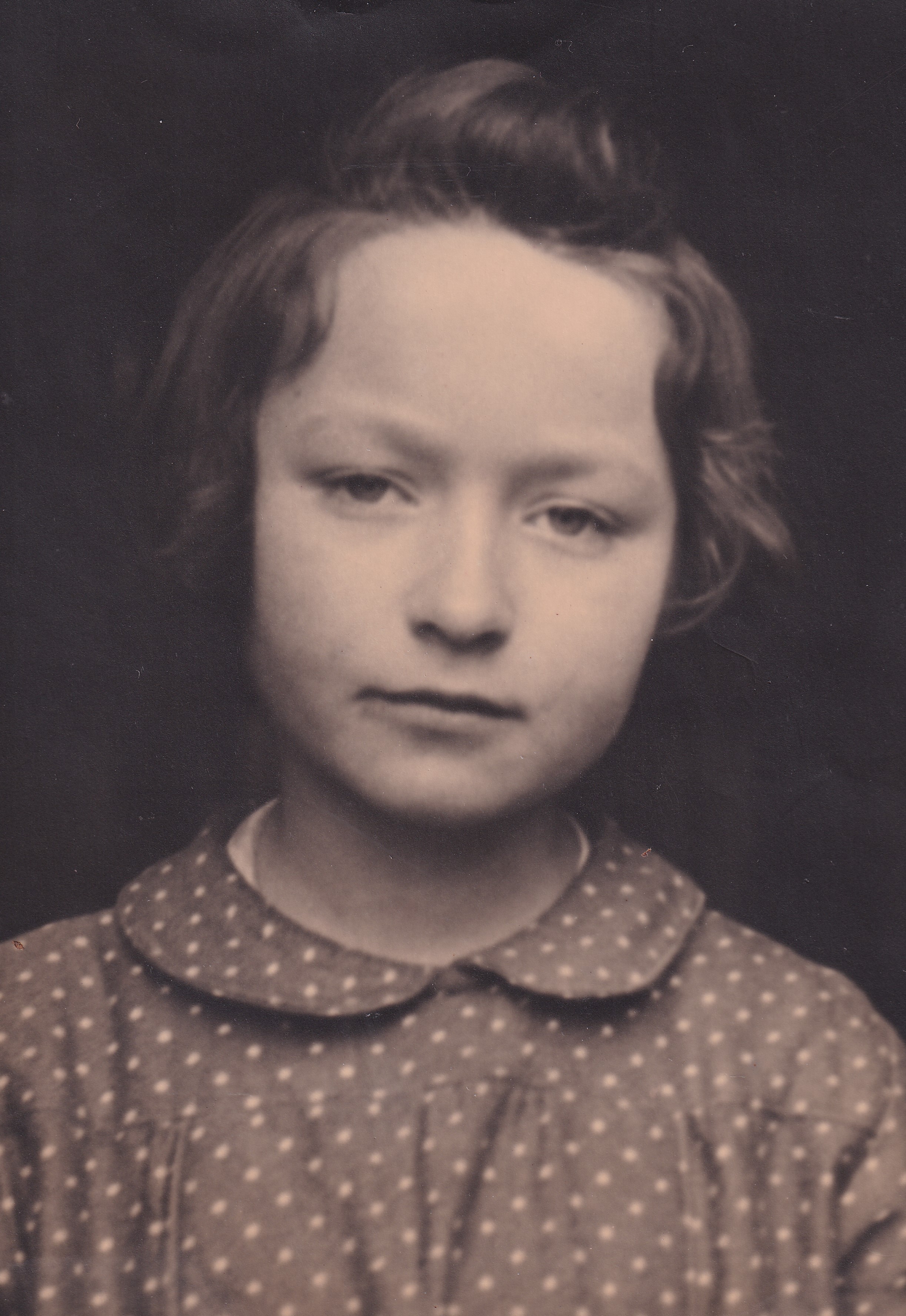
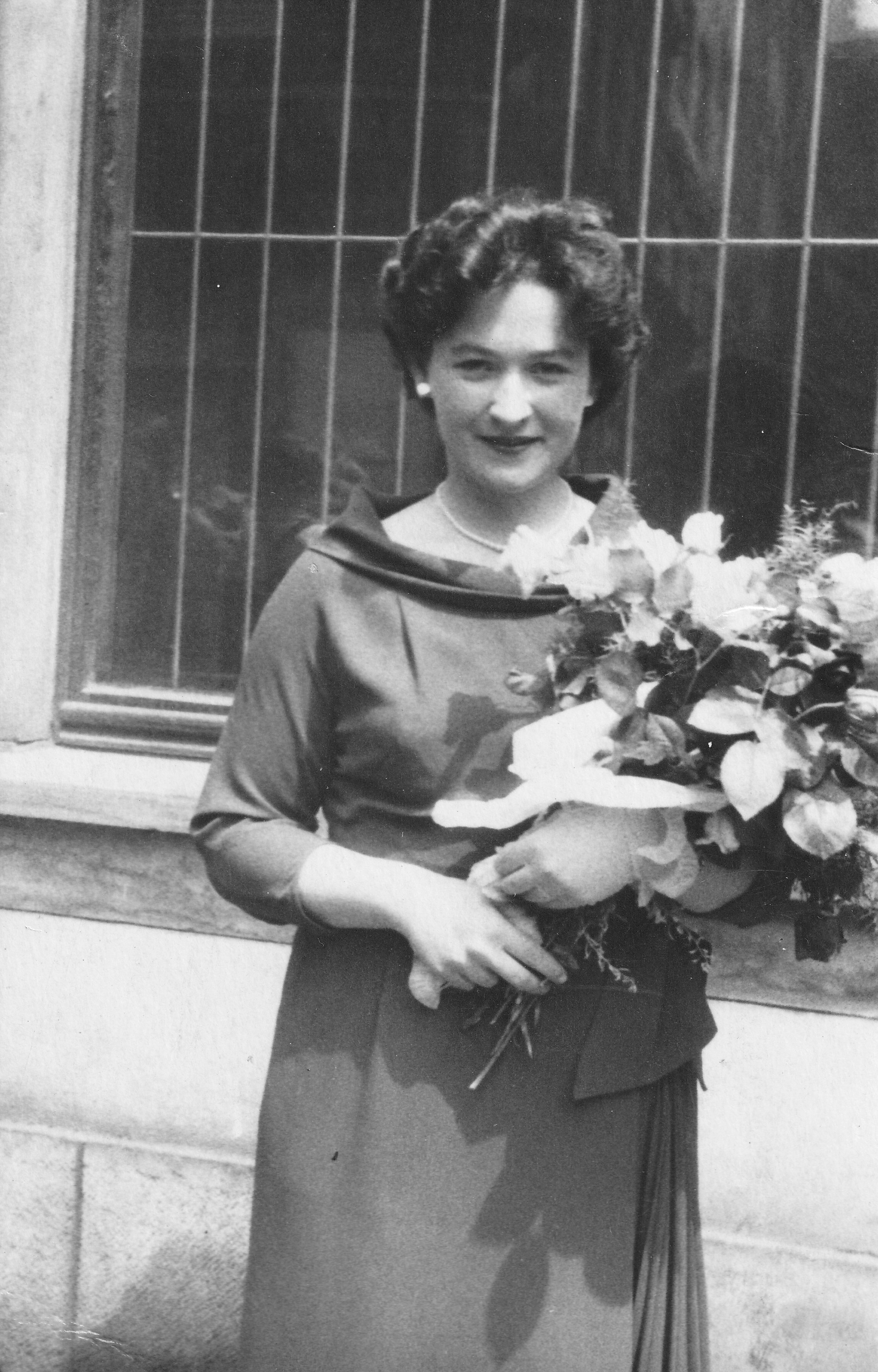
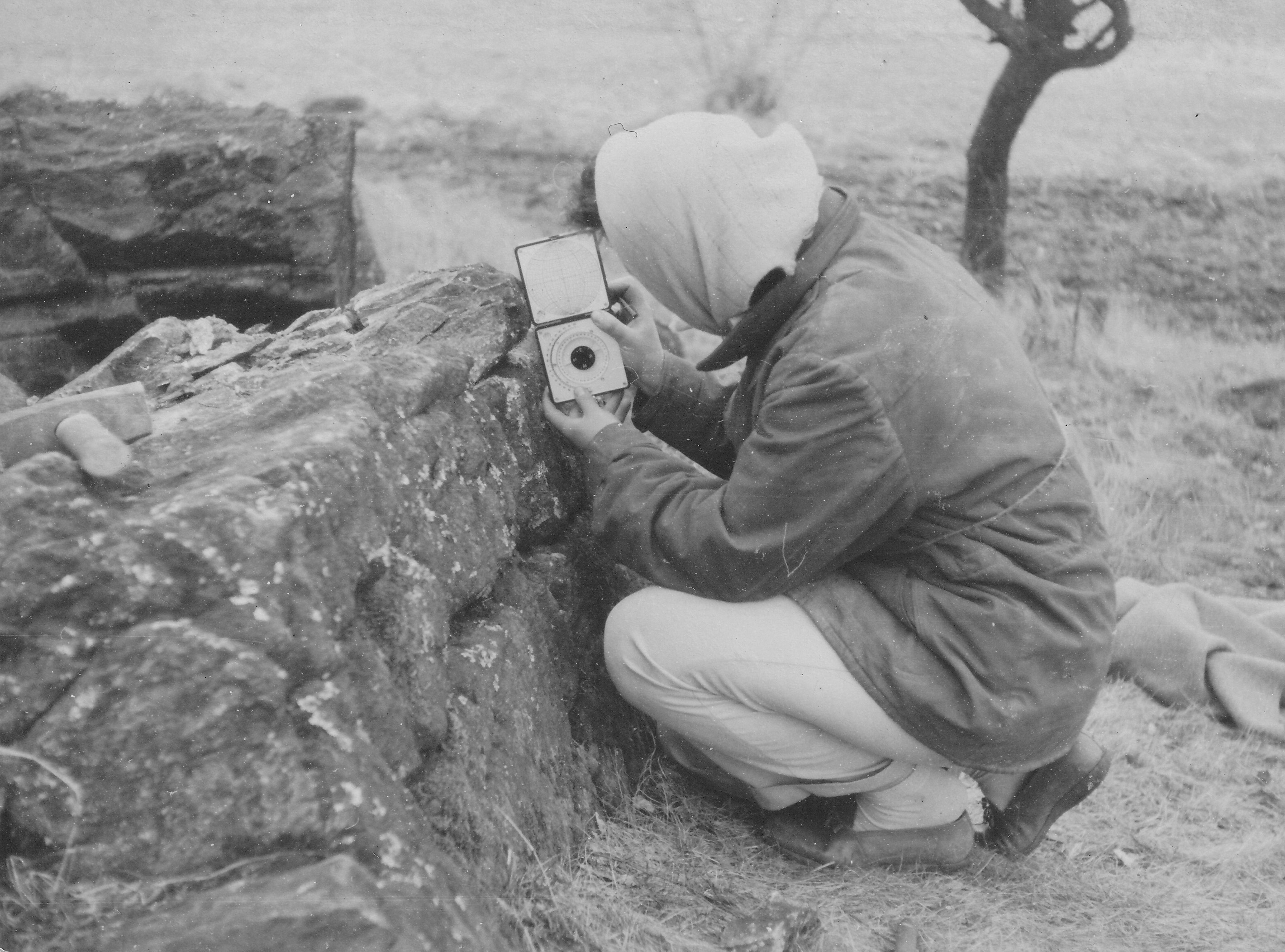
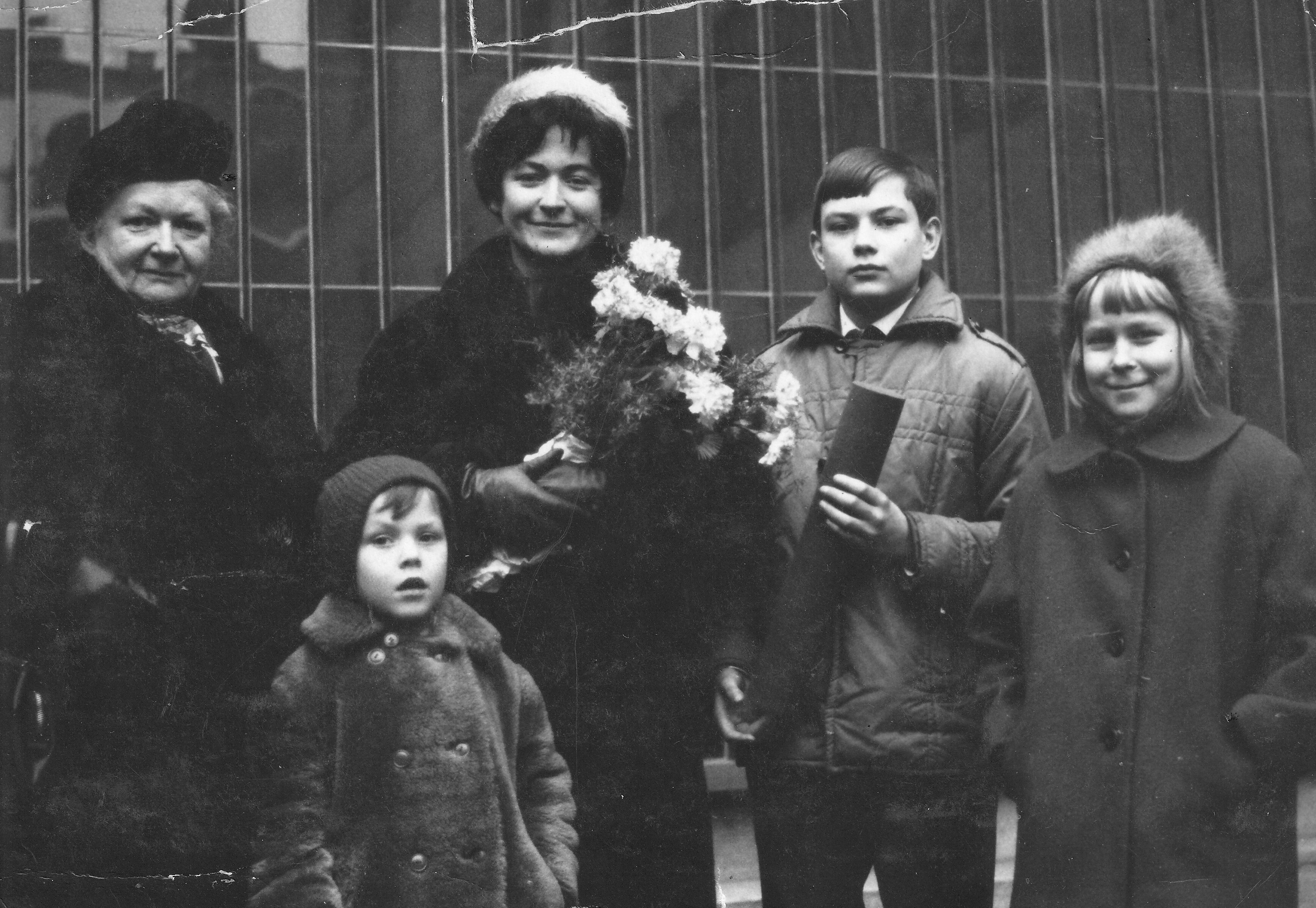
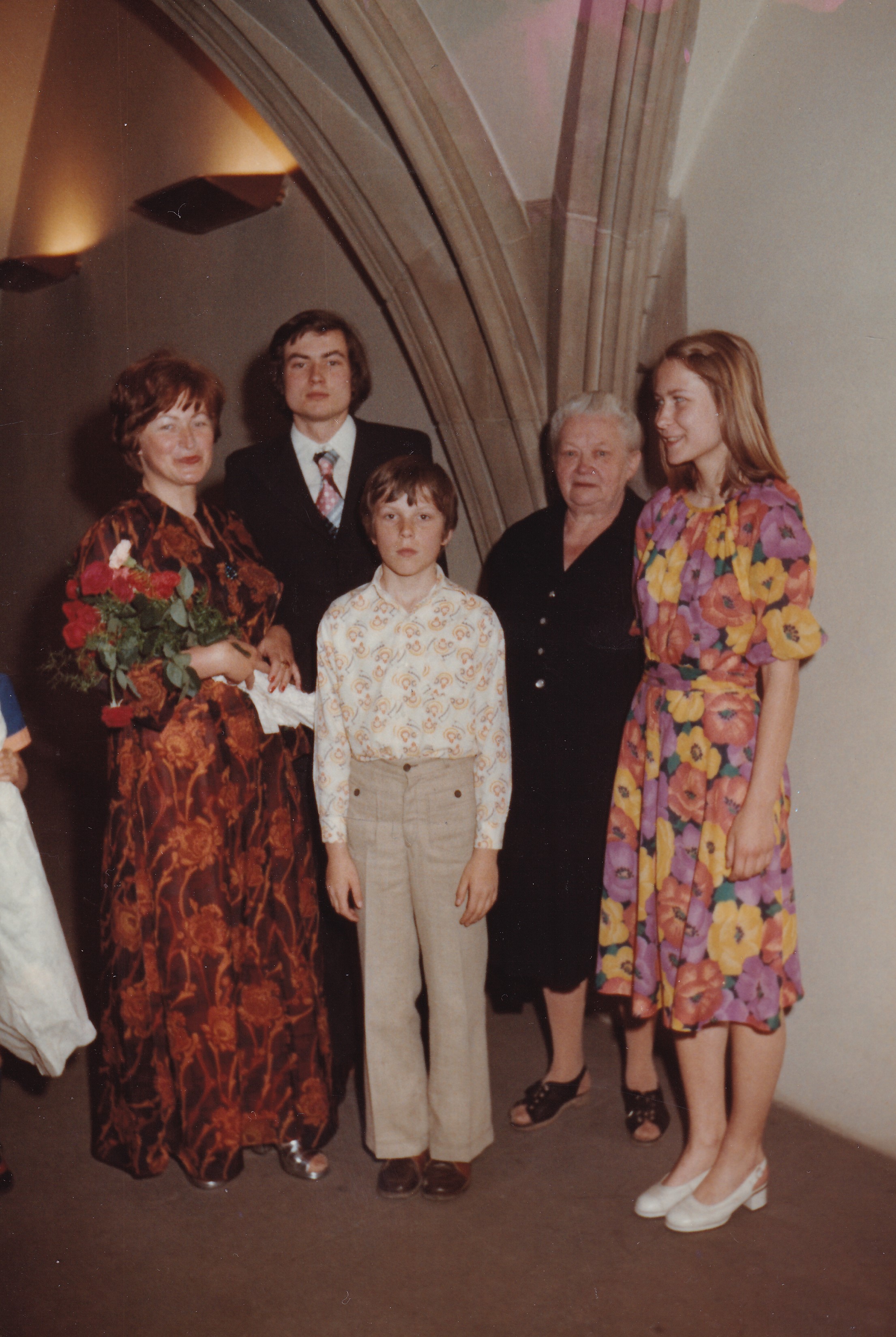
Marta Chlupáčová was born on 22 March 1935 in Prague as the only child of Marie and Jan Světlík. Both parents were tailors, her father ran his own business, her mother was the head of the fashion company Barhoň on Národní Street. After the outbreak of the Second World War, her mother sent four-year-old Marta to live with her parents in the countryside, while she herself had to stay in Prague due to her work obligations. Marta Chlupáčová spent the years 1939 to 1944 in the village of Starý Pivovar near Bouzov in the Olomouc region with her grandparents Dvořáček, Marie and Vilém, a veteran of the First World War who had seen frontline combat in Russia, Italy and France. In 1944, nine-year-old Marta returned to Prague. The following year, she witnessed air raids and later shootings and street violence during the Prague Uprising. From 1953 to 1958 she studied geology with a specialization in applied geophysics. Throughout her professional life, she worked at the Geological Institute of the Czechoslovak Academy of Sciences, dealing mainly with the measurement of magnetic properties and radioactivity. As she never joined the Communist Party, she was not allowed to travel abroad for work. After the Velvet Revolution, she held the post of head of research at the institute and retired in the first half of the 1990s. In 2023 she lived alternately in Brno and Novosedly nad Nežárkou. She died on 14 January 2026.