"I had an offer to study Slavic languages in Groningen, Holland. And it was a question: To go there or to go home? My mother, my parents didn't know about me at all. My mother told me that she had Interpol look for me. They didn't find me. The mail didn't work. I couldn't even write to them to tell them I was okay and where I was. I came home. Every year I went with my mother to the graves of her parents and my father's parents. I didn't know them. But I thought, God, I wouldn't go back to those graves. And leave mom, dad there? And I didn't go back until sometime in November. In the meantime, of course, my visa had gone through, but the president had given some kind of amnesty. I was going back via Budapest, not even Vienna. I arrived in Bratislava sometime in November. I went for a walk on the waterfront when there was a break. There were such shabby photographs on the quay: Dubček...! Freedom...! It was already over. You know, I also remember, I also watched a lot of news in that family of Professor Matuška. And when President Ludvík Svoboda got on the plane on August 23 and flew to Moscow, Professor Matuška told me that that was the end."
"When I left Czechoslovakia, I went through Hungary. It was from the 20th to the 21st of August. There was a long break at the railway station in Budapest. I had been there a month before, so I went to the city again. They had a national holiday, there were fireworks. I went back to the station and there was no train. It was somewhere else. I looked for it, I found it, then I found my compartment. There was a big procedure and they wanted everyone's passports. They took us out with our Czechoslovak passports and put us in other carriages and there they said that Hungary was in a state of war with Czechoslovakia. That surprised me very much. I couldn't get it straight in my head at all. And there I realised how small one is. When we were being shuffled between trains, my peers, the soldier boys, had machine guns in their hands. One stood on the outside of the running boards, the other on the inside... what can you do?"
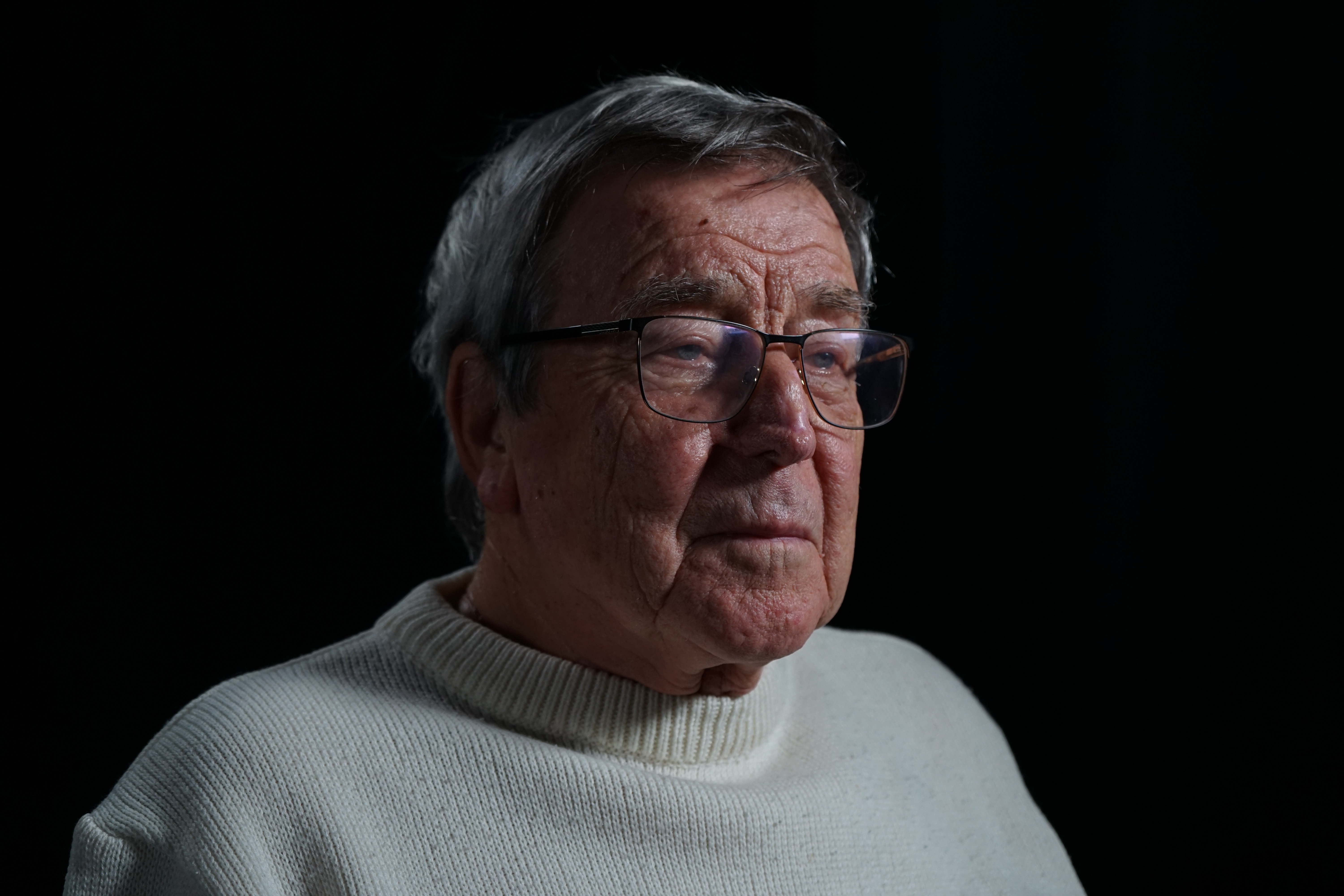
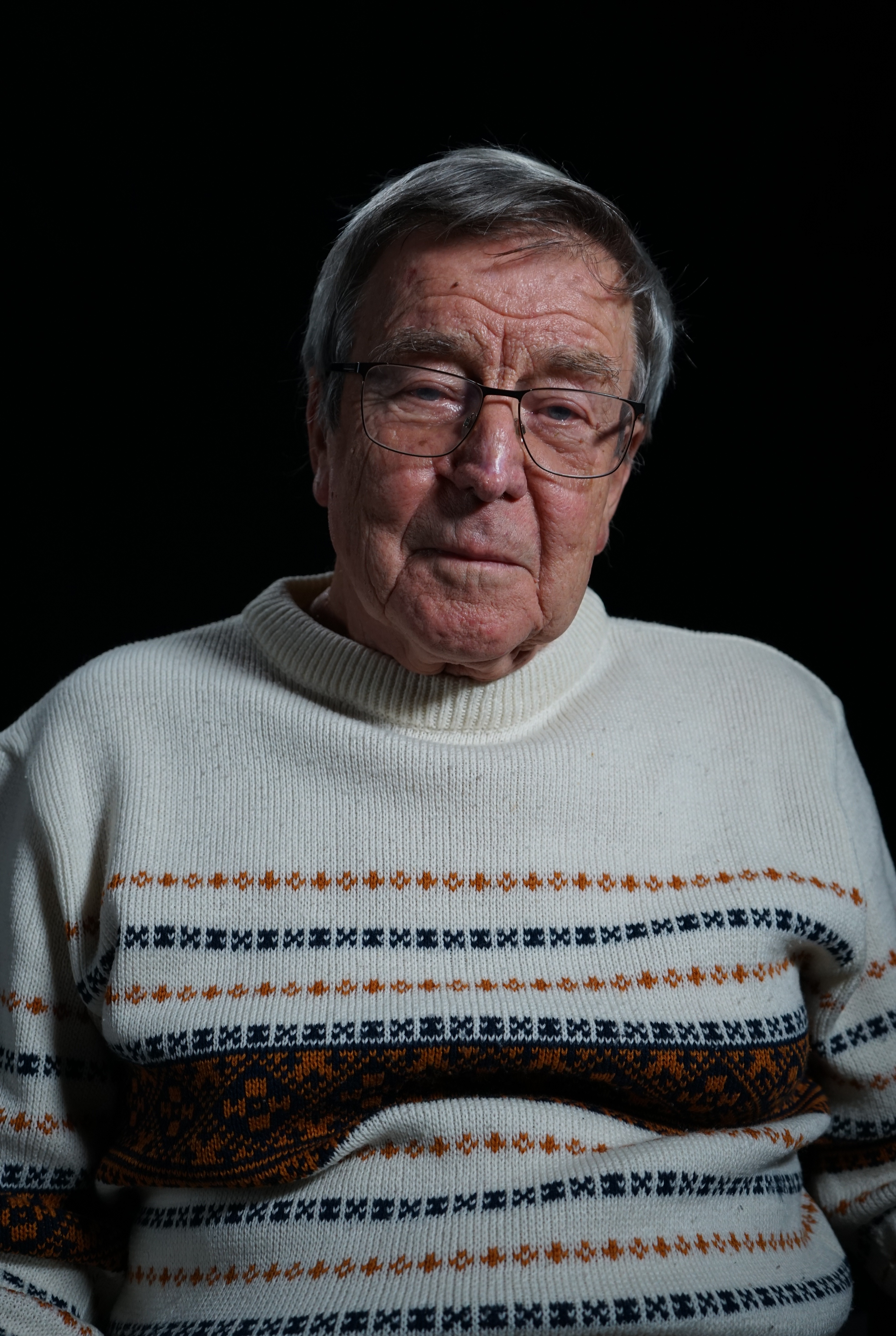
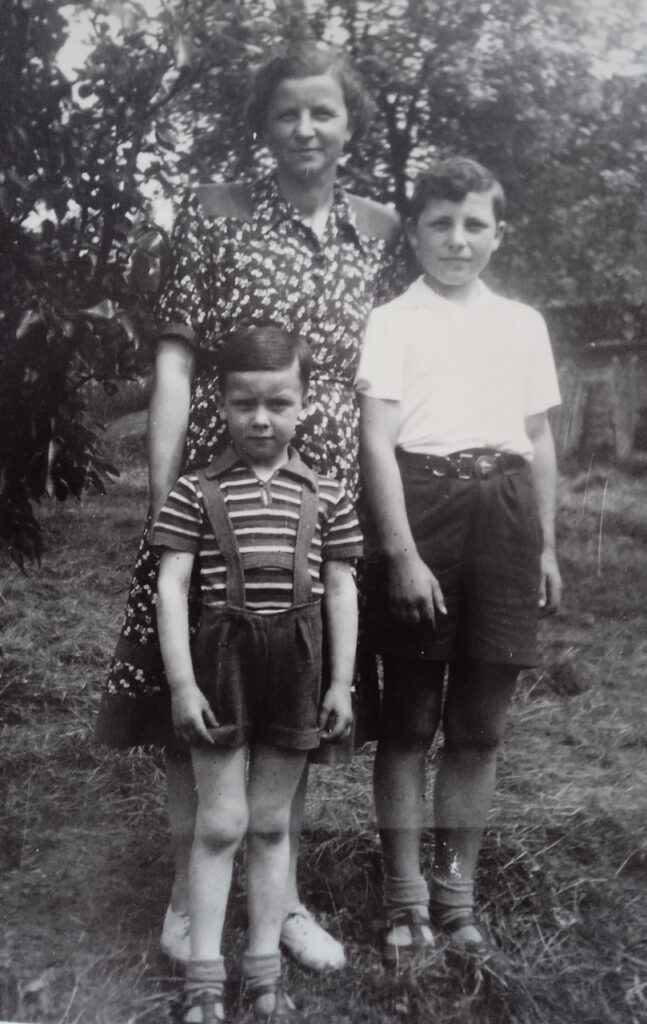
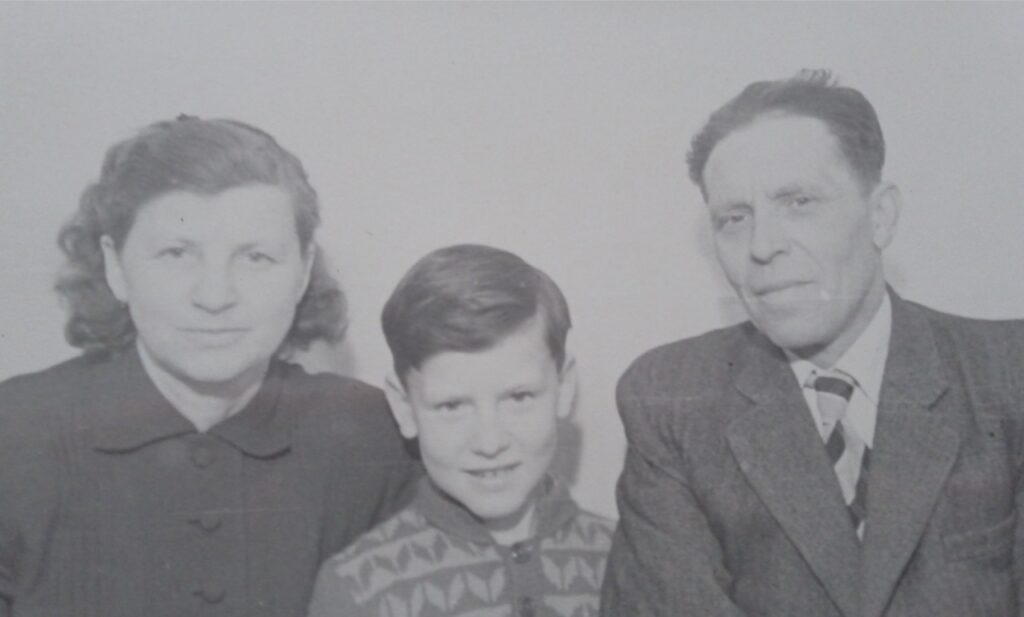
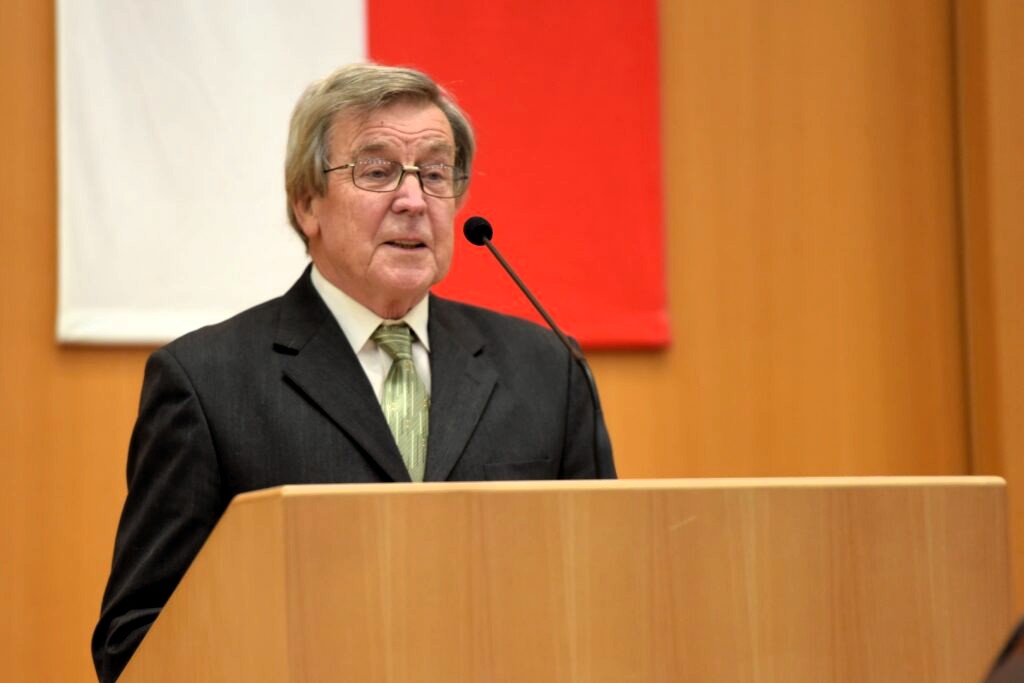
Miloš Charbuský was born on November 9, 1946. He lived a happy childhood in Lázně Bohdaneč, played the piano and sang. After primary school he studied at the Secondary General Education School in Pardubice, a former grammar school. His interest in history deepened and he longed to become a teacher. In 1965 he entered the Faculty of Philosophy in Prague to study history and Czech. While still at school, he received a job offer from Daruvar, Yugoslavia. On August 20, 1968, he went to the Czech community to work as a proofreader for the magazine Jednota. From there he followed the events in Czechoslovakia. He considered staying in exile, but returned home for his parents‘ sake. In 1971 he married. He began his academic career at the University of Chemical Technology in Pardubice. During the normalisation period he worked as a party member in a number of political positions. He was a co-chairman of the repertoire of the East Bohemian Theatre. He taught social science. He welcomed the events of the Velvet Revolution and supported his students in protests. At the university he continued to serve in the academic senate and as a teacher. He is a recipient of the Medal of Merit for the development of the Faculty of Economics and Administration at the University of Pardubice. For more than twenty years he was the chronicler of the Bohdaneč Spa, where he lived with his wife at the time of the filming (2025).