"I had a lovely, friendly relationship with my stepfather - as I understood it - so I was deeply affected when he died. And my dad, my dad, died at home with me, too. So they both died very shortly after I saw them in their last moments. And yes, maybe that's why I still talk about them - to preserve the memories, although it's not just for them, it's for all the 5,000 others who don't have a voice. You know what my voice can do. I speak for all those who had no one. Because they gave me the freedom to sit here with you today and tell you. I'm wiping my eyes, yes... Tears are proof of love, and those who don't cry... Well, that's okay."
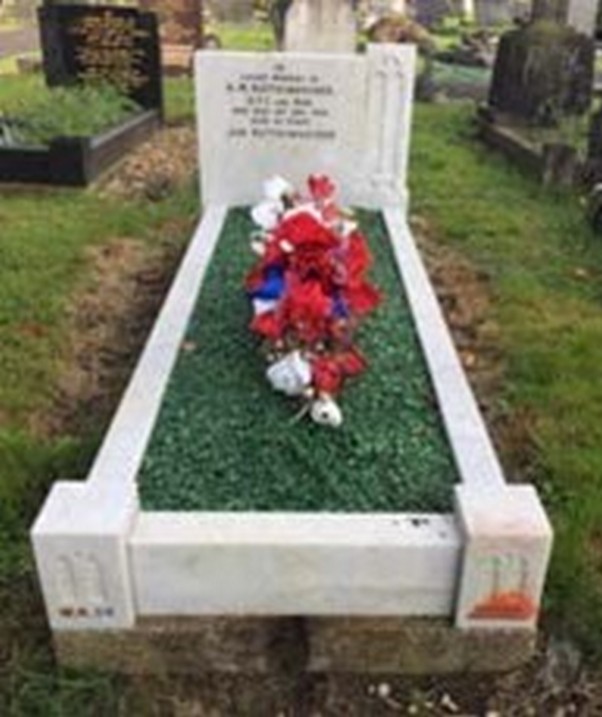
"They put Karel on the train. We were on the train going to Paddington - on the Great West Railway from Truro to Paddington - and when we arrived at Paddington I remember the stationmaster's voice. He said, 'Ladies and gentlemen, we are bringing one of the few, of the few to whom we owe so much. He's coming up to the platform. And the whole of Paddington station paid tribute to him. Dad came running, crying. We got off the train and then - I don't remember exactly how - but somehow everything was organised. But I'll never forget Paddington. Everybody was standing and paying their respects to that one of the few who was coming home to London. That was, I was, I think, eleven or twelve. You see, I still respond so deeply to the memory of bringing him home dead - because they said it was an inflamed appendix, but it was probably a severe heart attack."
"When he was alerted, 'There's a warrant out for your arrest,' he was already half nervous, half prepared, half worried that if he stayed it wouldn't be wise. So he came home - to the house in Karlovy Vary - and he said to Mummy, 'Pack your bag, tell Anna, pack the kids, get everything ready, we're going to drive to visit the grandparents in Velhartice.' And so of course - yes, okay. So they packed the Studebaker, which was a military vehicle, Dad kept his uniform on, and the ladies packed everything on. Then my dad took me to the local doctor and said, 'Inject her with something to make her sleep, because we have a long journey.' And the doctor probably injected something for both of us: my brother, who was older, and me. My dad put me in the car, ready to drive. It was night. He was pushing the door shut, the door wouldn´t shut. He pushed harder and harder, and then he looked - my arm had fallen out and my arm was being crushed by the door. I did not make a sound. Mummy didn't even notice, and... Dad had to decide - the hospital or do we keep going? Years later, Dad said to me, 'You know, I survived Hitler, I survived the Foreign Legion, I survived the Battle of France, I survived crossing the Atlantic on a ship, I survived Dunkirk. But I don't know if I'll survive what I did to my little girl.' 'But we have to go,' so Mummy says, she licked my hand, licked my hand like a little pussy cat, they didn´t have anything. And we travelled."
"Czech pilots have already fought in France. They had hours and hours of air combat. A young officer, the young air officer in charge of the pilots, was called Tim Elkington; I knew him before he died at the age of ninety. And he said to me, 'Mimi, I wish I could apologize to them,' and I said, 'Why, Tim?' He said, 'I was put in charge when I was eighteen. Until then, I'd only flown over the Welsh hills. I hadn't done anything, and I was put in charge of these tough Czech pilots who had hundreds of hours of combat flying under their belts. I was to teach them to fly. I stood there, tried to teach them - and they nodded very politely, and then did it their way. I've never seen such bravery! That's why I wish I could apologize to them.'"
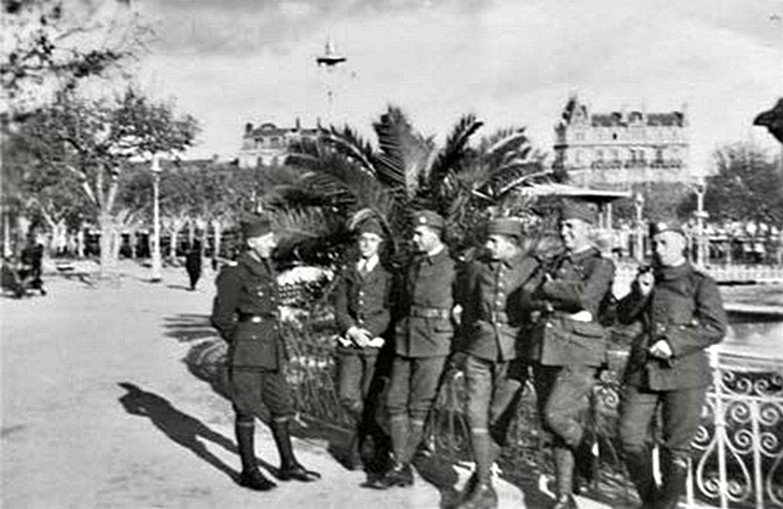
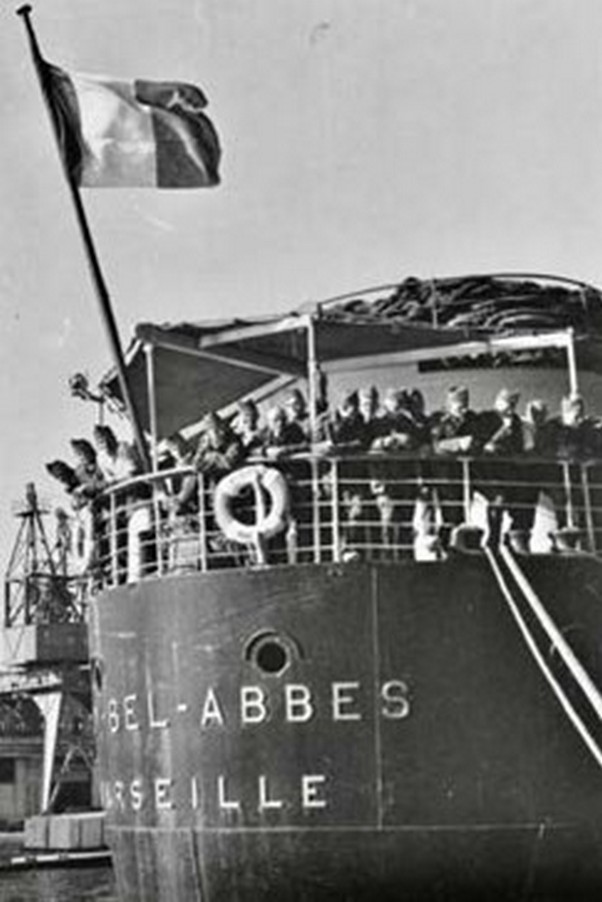
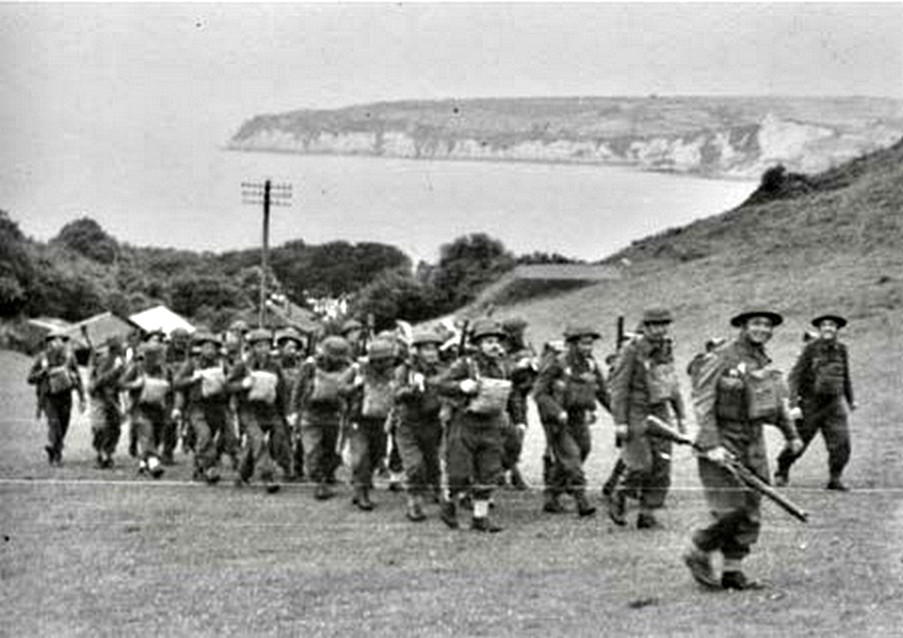
"But life there was hard and they were losing a lot of weight, really a lot of weight, so gradually they were all getting thinner and thinner - the latrines were no good - and one day one of the other Czech soldiers built a crystal radio and on that radio they picked up the message: 'We are now at war' - from London. Suddenly they had a new inspiration. They said to themselves, ‘They will need us, they will use us.’ And indeed, the French came and said, 'Good. Who's the pilot? Who's the radiotelegraph operator? Who's the doctor? Who's the translator? Come on.' So they took them back to the ships and brought them to France, to Agde. The pilots - they took them to Chartres airport, I think. They put the soldiers in tanks and military [units] and said, 'Okay, now we're going to start fighting in France,' and that was a tough battle."
"When my dad first saw Mummy, she was hardly twenty and he was thirty-three. He took one look at this young girl and invited her for a walk in the meadow. She said, 'Yes.' And the next day he invited her again for a walk in the meadow. And on the third day he invited her again for a walk in the meadow. But he had already asked her parents and brother for permission to ask Milada to marry him. They gave permission, and so he said to her on that walk, 'Slečno, will you marry me?' And my mother said, 'Okay.' So he took her hand, kissed her hand, and was going to return to Prague to get permission to be married Later I said to my mother, 'Grandma, what were you thinking of? Three days - and you agree to marry a man!' She said, 'Mimi, nearly all the men were dead. So I thought I'd grab one when I had the chance.' And that´s what she did. And they were married for many, many decades, until he died. So maybe the three days is not such a bad way to do it."
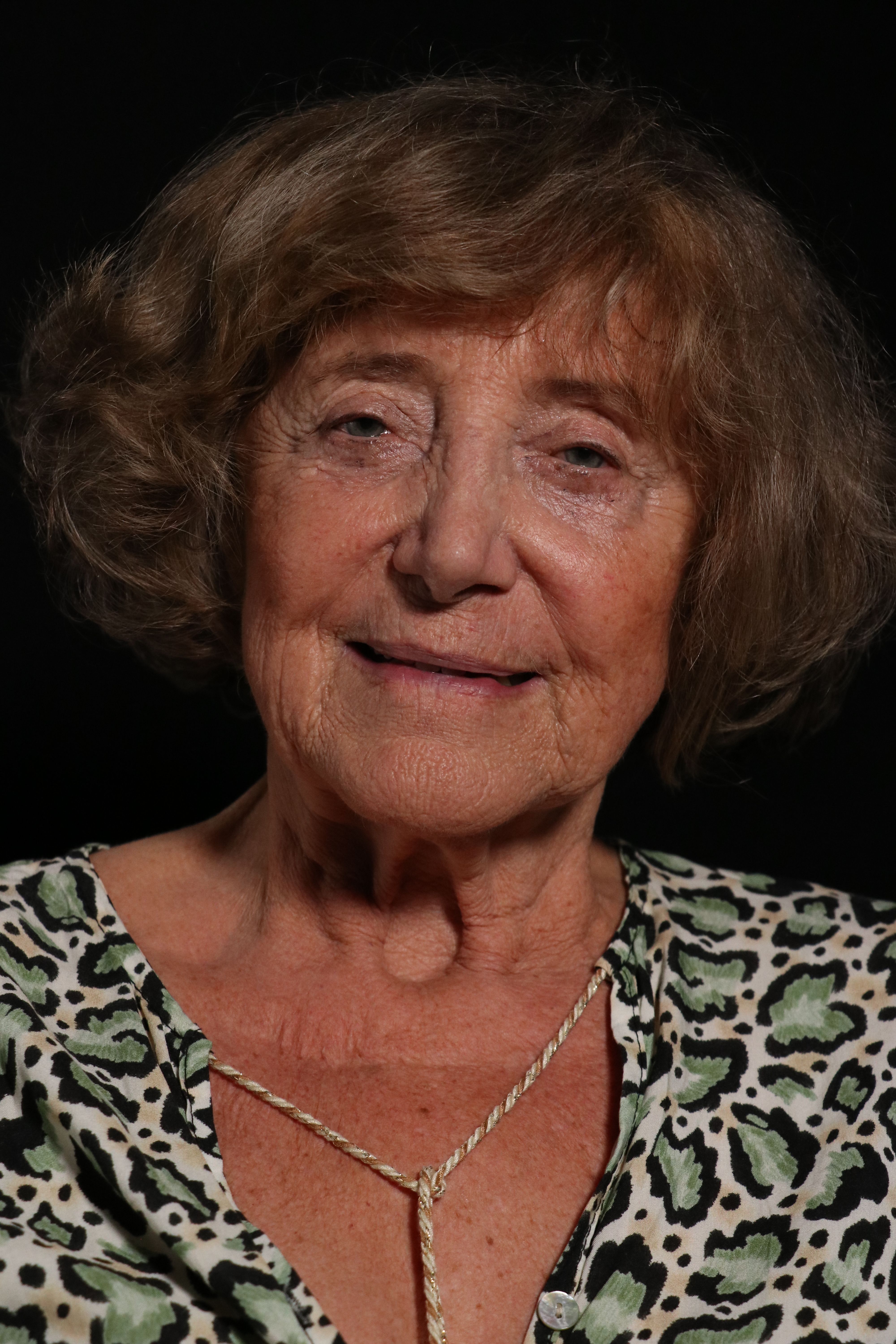
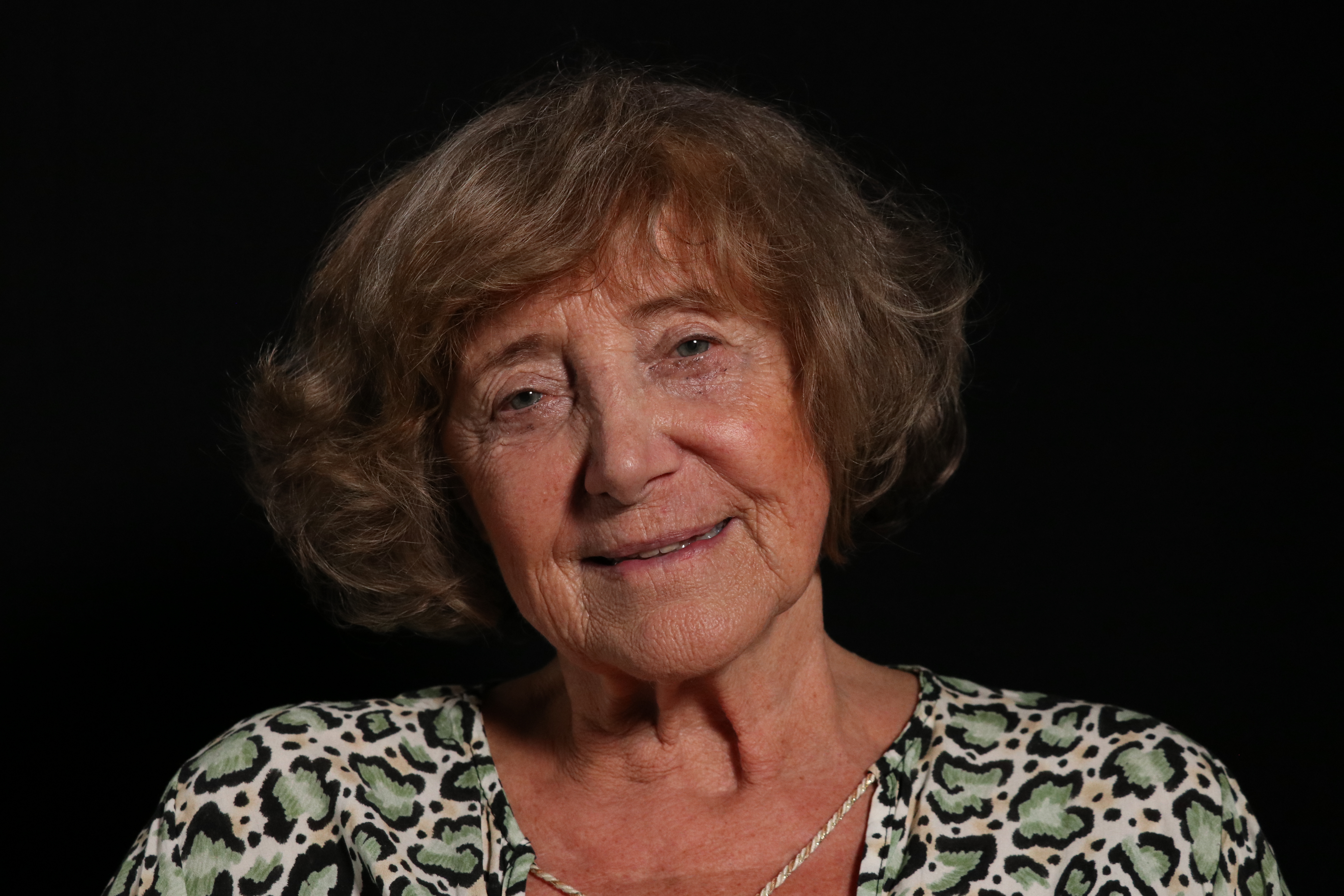
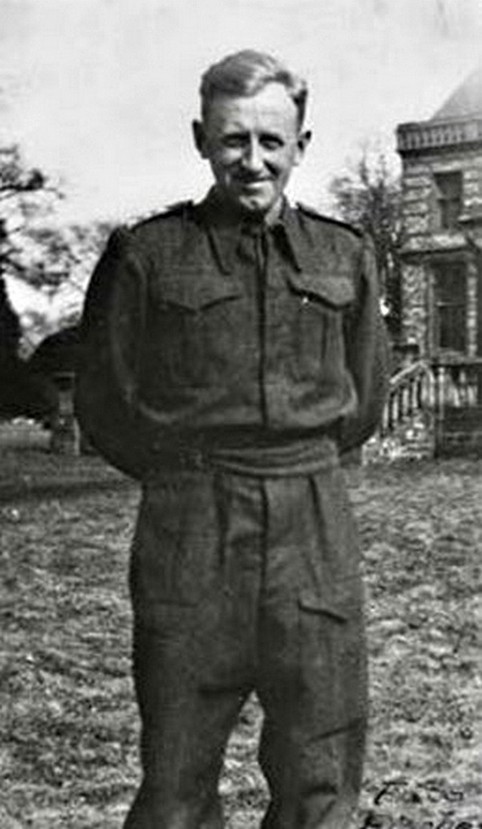
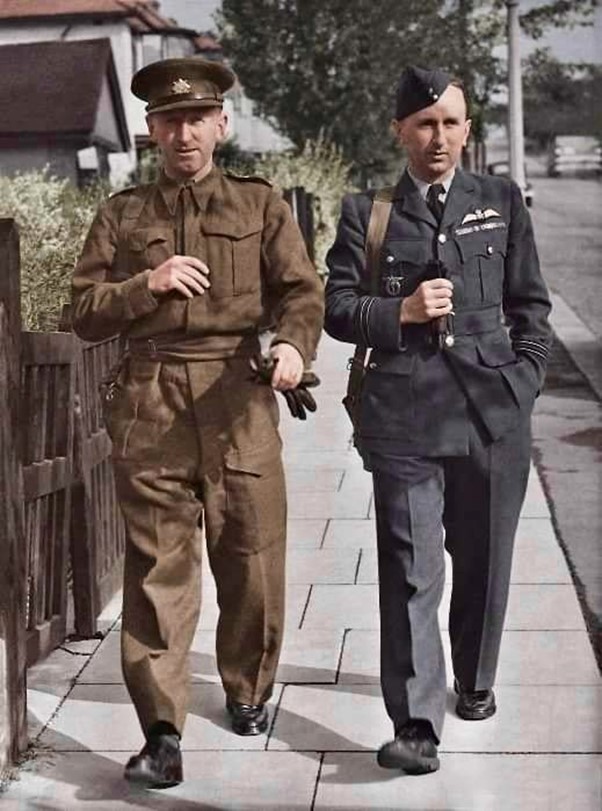
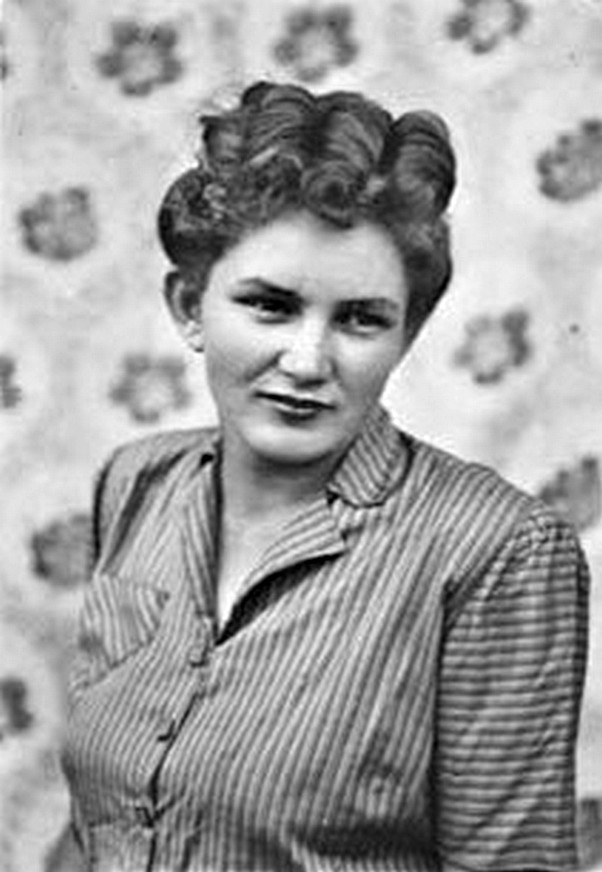
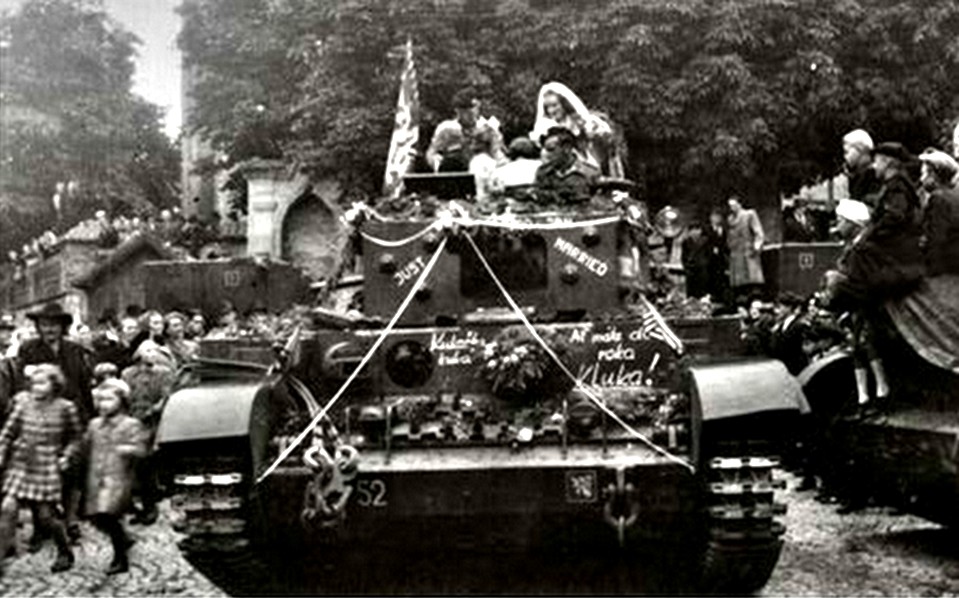
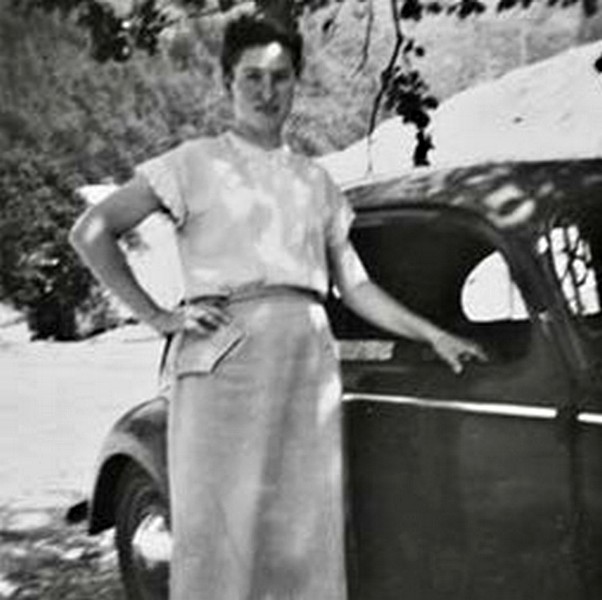
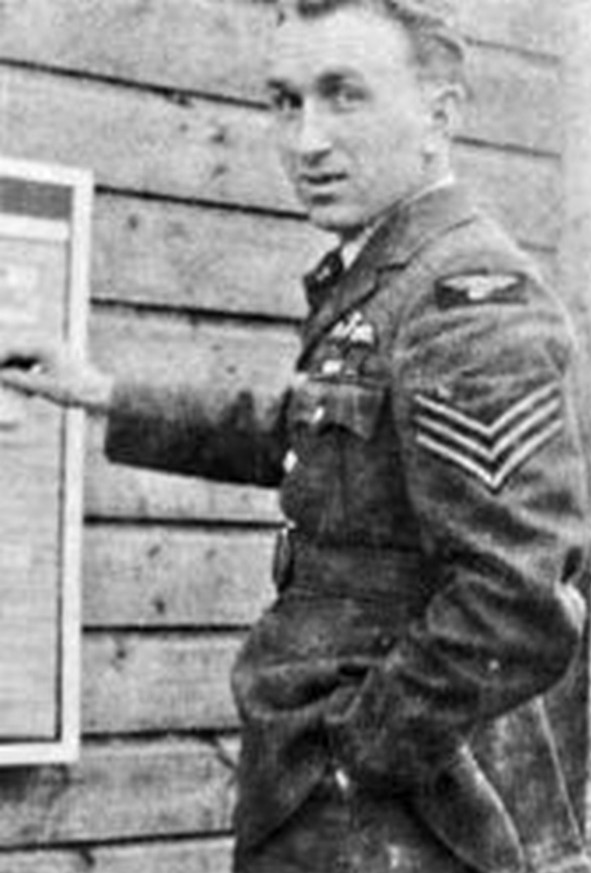
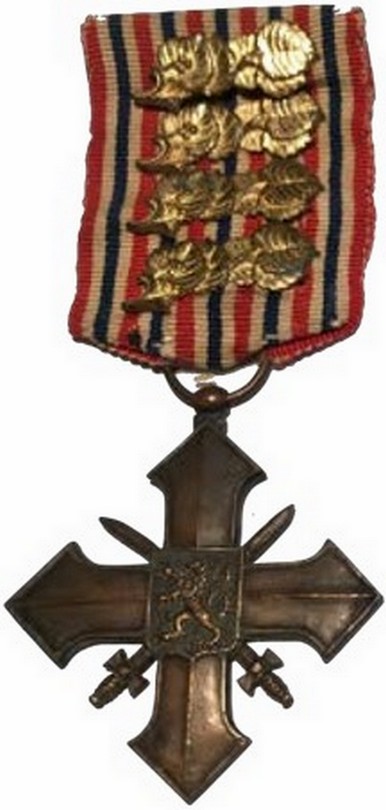
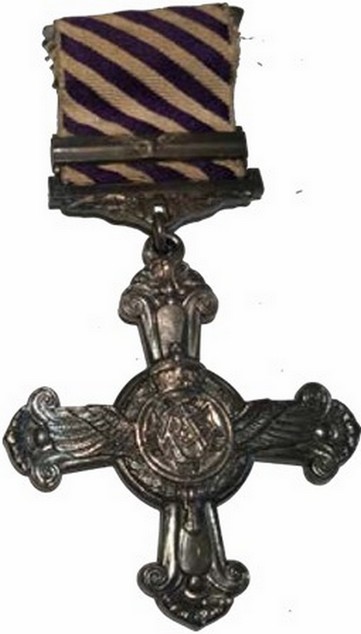
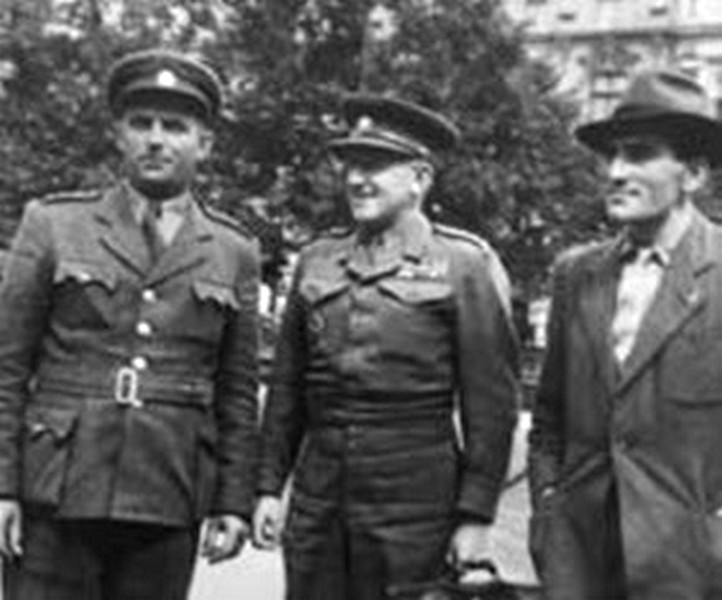
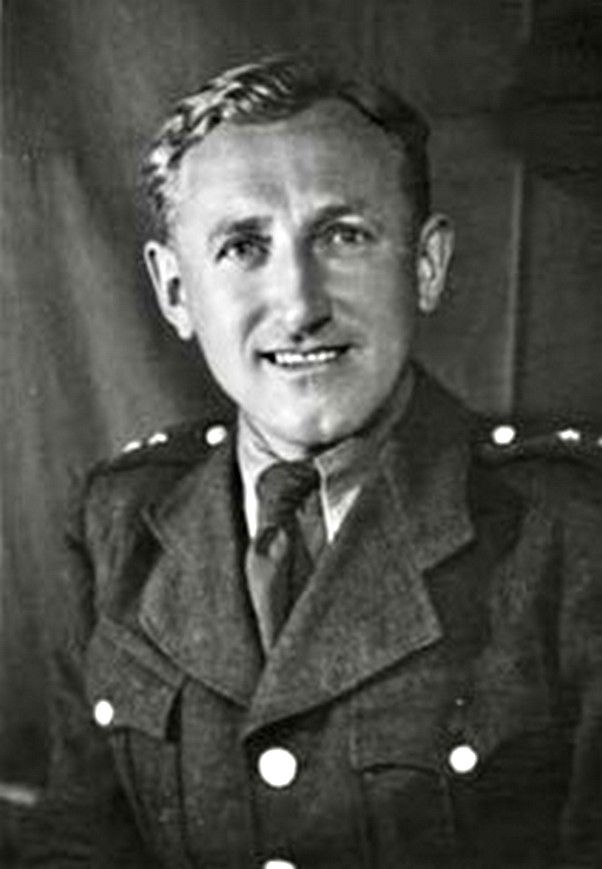
Milada „Mimi“ Chan-Kuttelwascher was born on 28 April 1947 in Karlovy Vary. Her father, Jan Kuttelwascher, was a veteran of the Western Front. Along with his more famous brother, Karl Kuttelwascher, he fled to France after the Nazi occupation of Czechoslovakia via Poland, where they both joined the fighting after the outbreak of war. After the fall of France, they crossed to the UK, Jan taking part in the siege of Dunkirk with a tank battalion, while Uncle Karel became famous as the most successful Czech pilot ever in the British Royal Air Force (RAF). After his return to Czechoslovakia and the Communist takeover, Jan was threatened with arrest. With his wife Milada and two children, he managed to cross the border and re-enter England, where Karel was already living with his family. Mimi then grew up in Uxbridge, London. Her parents built up a thriving grocery business and also socialised with the community of Czechoslovak exiles around the Jesuit priest Jan Lang. Mimi had a close relationship with her uncle Karel, who lived with them after their divorce. In 1959, when Karel Kuttelwascher died while they were on holiday together, she transported his body back to London with her mother and brother. In 1964, her mother Milada became, alongside Father Lang, one of the founding figures of the legendary Velehrad, the spiritual and cultural centre of Czechoslovak exile life in London. The whole family, including the witness, was involved in the running of the organisation. They also lived intensively through 1968, when Velehrad provided help to a large number of refugees flowing from the occupied homeland. Milada Kuttelwascher married British Airways pilot Michael Chan in 1971. Together they travelled extensively and raised a son and a daughter. The witness found her calling in teaching. She lives in London and is dedicated to commemorating the legacy of her father and uncle, among other things.
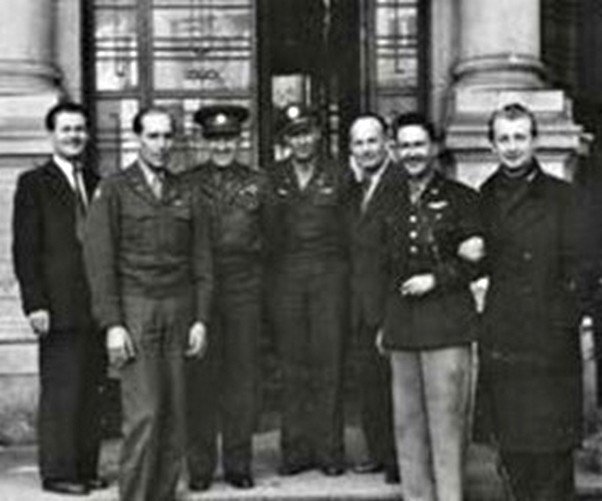
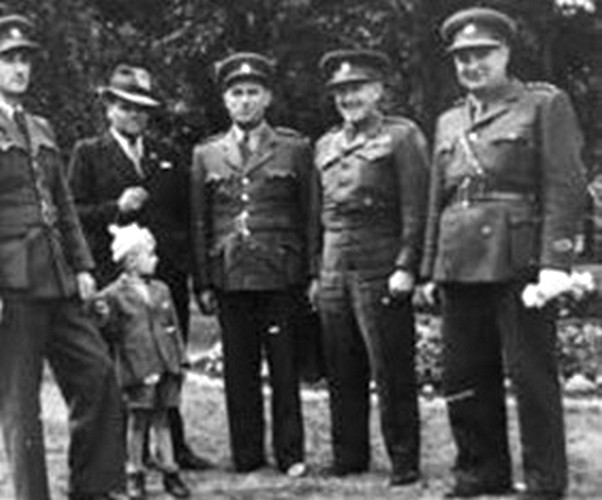
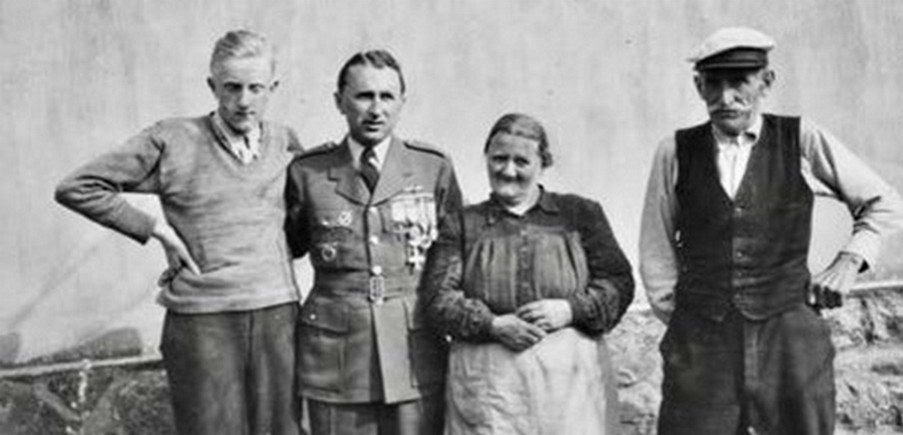
The first post-war reunion of Karel (second from the left) with his parents and brother Mirek, who, as relatives of foreign soldiers, were interned in Svatobořice during the war
The first post-war reunion of Karel (second from the left) with his parents and brother Mirek, who, as relatives of foreign soldiers, were interned in Svatobořice during the war