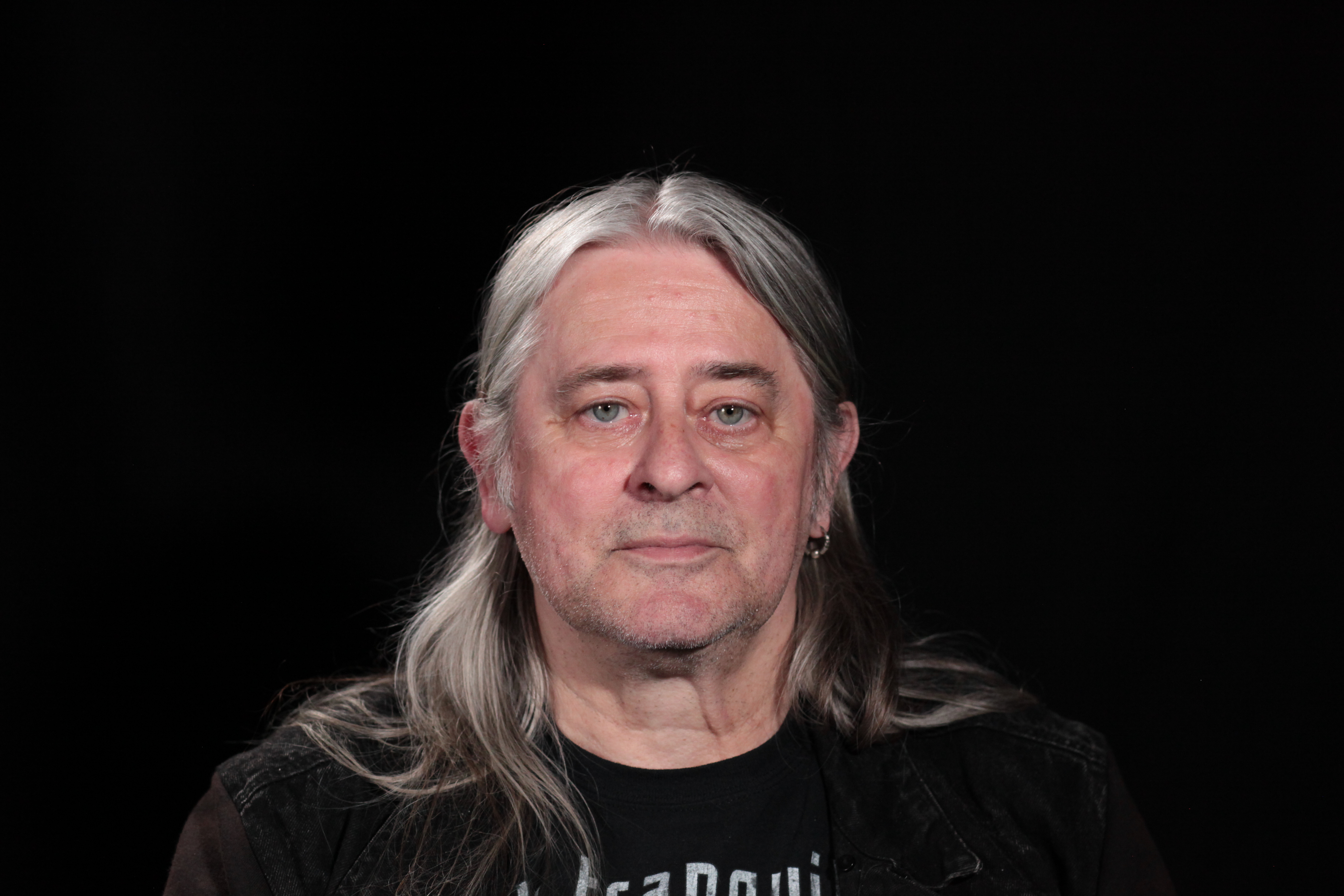
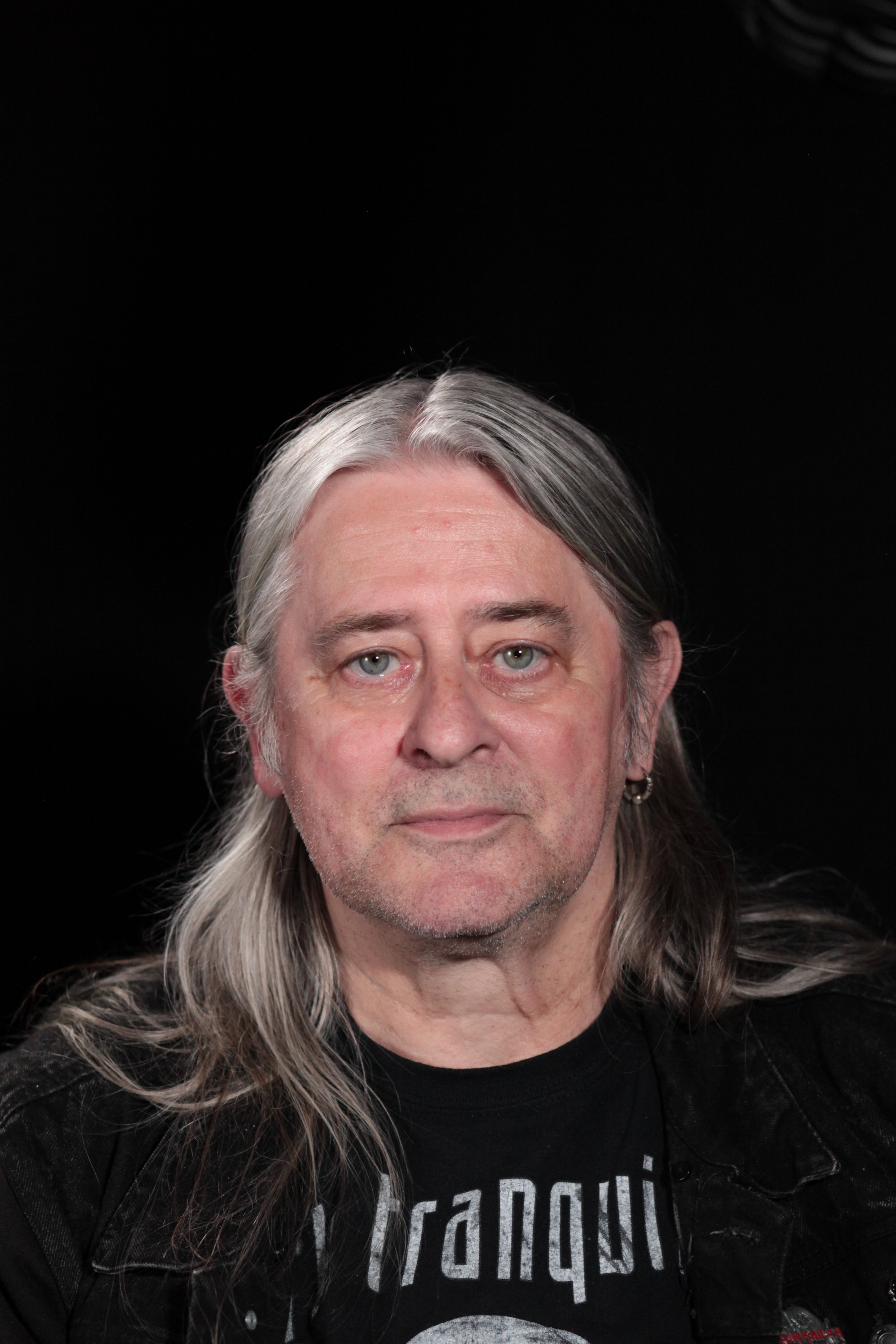
Miroslav Černota

* 1958

  • "It was a strange time. You talked differently at home, differently outside - don't say that. Then there was the state stuff, the compulsory work. There was a house trustee in every house. If somebody didn't go to clean, sweep, he went somewhere to report it. People used to denounce a lot, which they still do. Nothing was allowed. We used to go with the boys to Žatec to the end of the harvest festival, it was a great experience. We arrived and we had bought tickets for the main programme in the square, and then we would leave in the evening. During the day we met long-haired friends from Karlovy Vary. When we met them in the evening, they all had short hair. We asked them what was wrong: 'We were walking down the street normally, the cops came, gave us a haircut, hit us with a baton and threw us back on the street.'"

  • "We were on the top floor [of Bory prison], and when you looked out of the corridor you could see pieces of the bloicks of flats. It was Christmas Eve and it was the first Christmas. I was standing in the corridor looking at the prefabs and somehow it came over me and I started crying. I thought, 'You people don't know what you've got there.' It only lasted a moment, because then I realised it wasn't that much difference. You're in a big prison and I'm in a small prison. I can go from one floor to the next, then I can go to the yard. There I can walk and go up to the wires, there are dogs and the guard towers. That's as far as I can go. And you can go shopping, you can go from town to town, you can go from Cheb to Košice, and then you have a stop sign. Then there are barbed wires too, so it's not that much difference. I said this in my mind, wiped my tears and I was fine."

  • "Because they went to university, they only served the military service for a year. They had positions of deputy commander and others. One of them came to me one day: 'Hey, Míra, would you like to join us?' - 'Who?' - 'We have a party cell here.' - 'Like the communistst?' - 'Well, I'd bring you an application.' - 'You know what, bring it to me about an hour after lunch.' - 'Why an hour after lunch?' - 'Because that's when I usually need to shit, so I've got something to wipe my arse with.' Clearly, he went ro report me. In the end, I ended up on the unit commander's office."

  • Celé nahrávky
  • 1

    Karlovy Vary, 27.05.2025

    (audio)
    délka: 02:49:46
  • 2

    Karlovy Vary, 29.05.2025

    (audio)
    délka: 01:07:22
  • 3

    Ostrov, 12.06.2025

    (audio)
    délka: 32:57
Celé nahrávky jsou k dispozici pouze pro přihlášené uživatele.

I‘m actually grateful to the communists because the prison is such a school of life
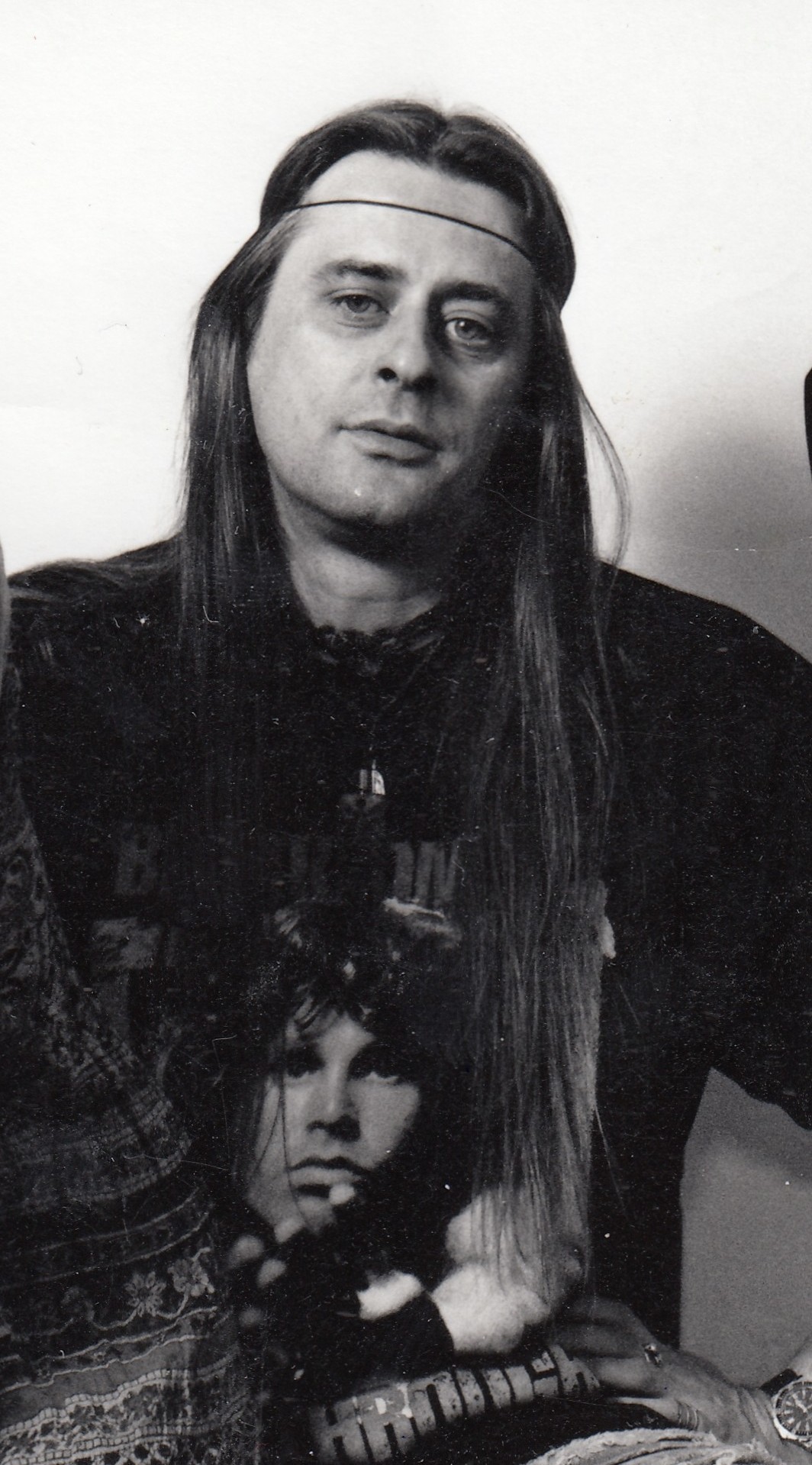
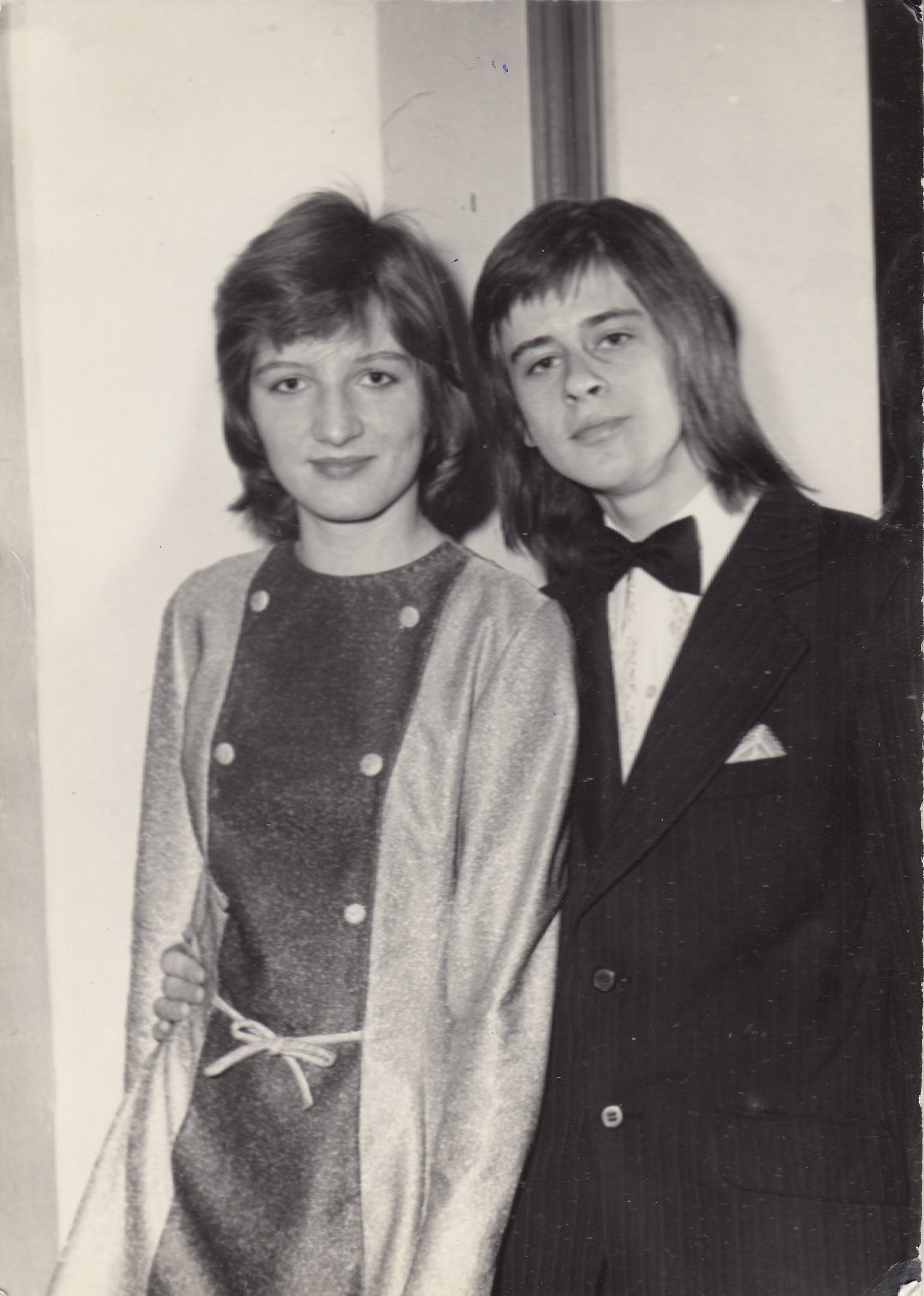
Miroslav Černota, Ostrov, 1998, photo from the shooting of the film "The Past"
zdroj: Witness´s archive

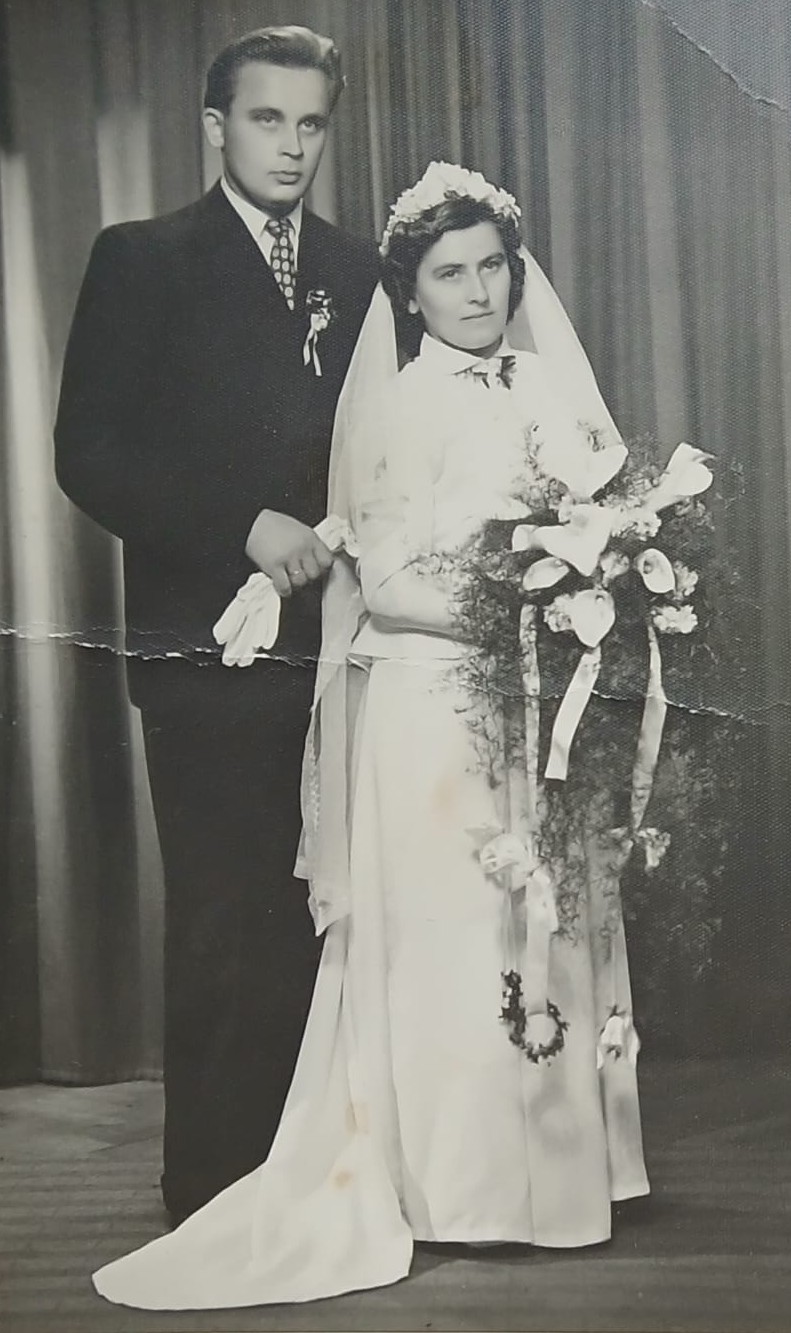
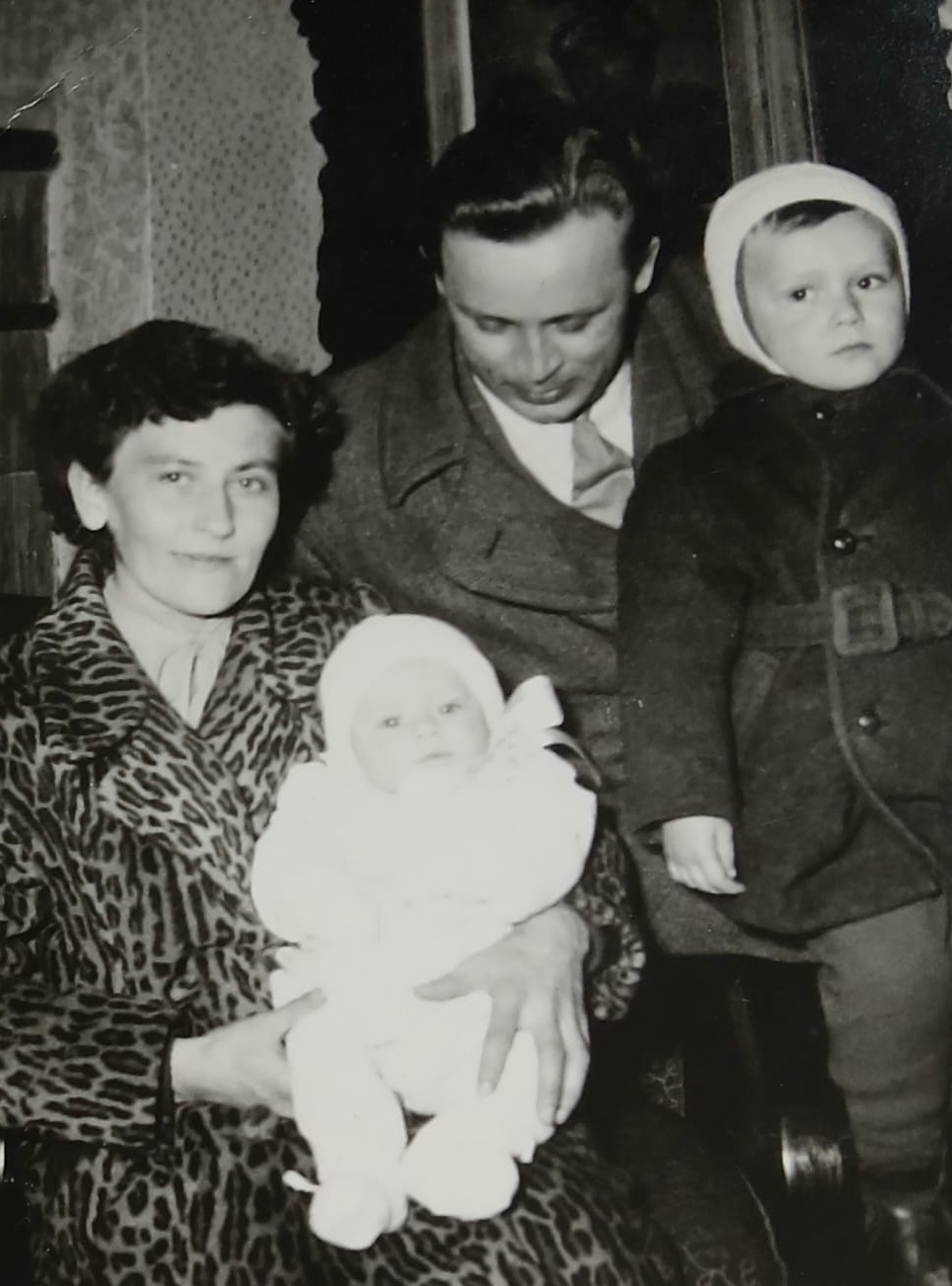
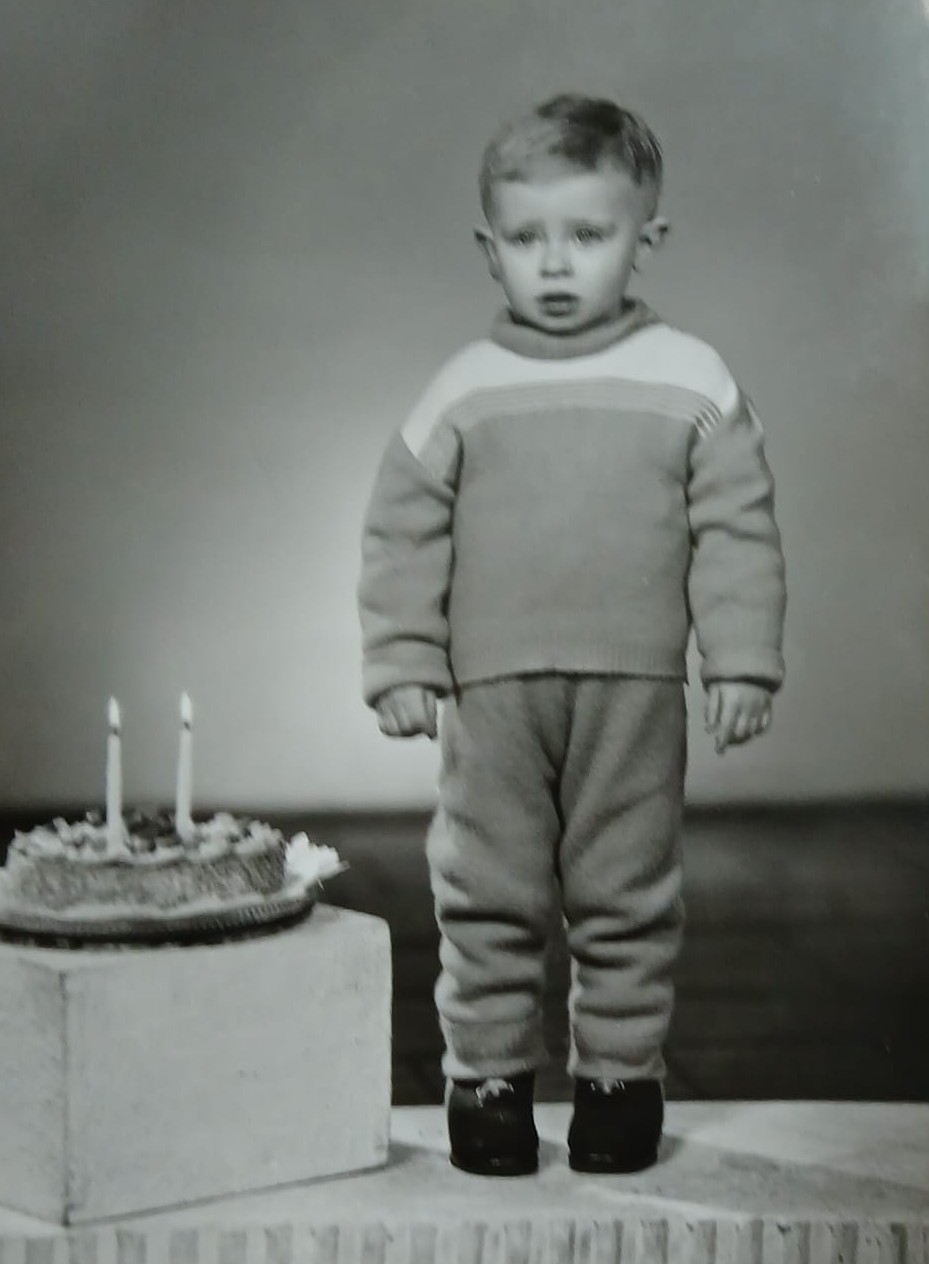
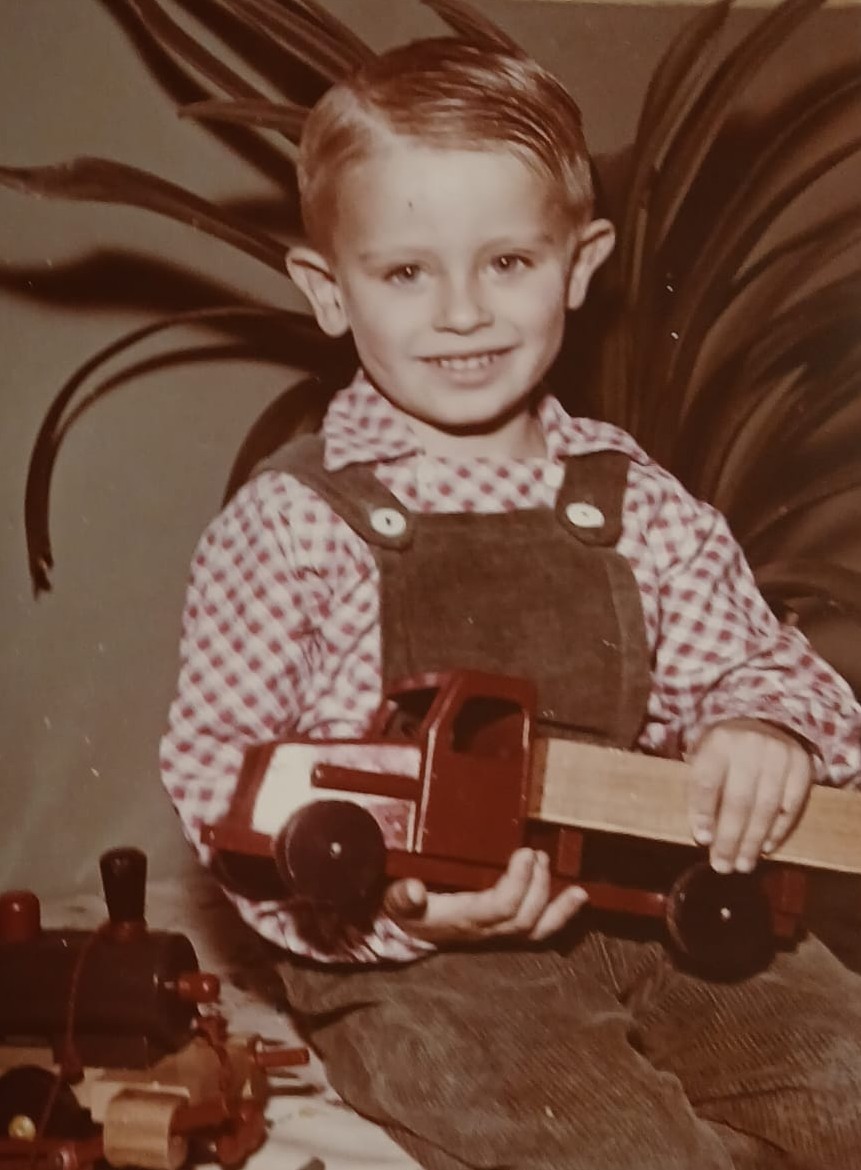
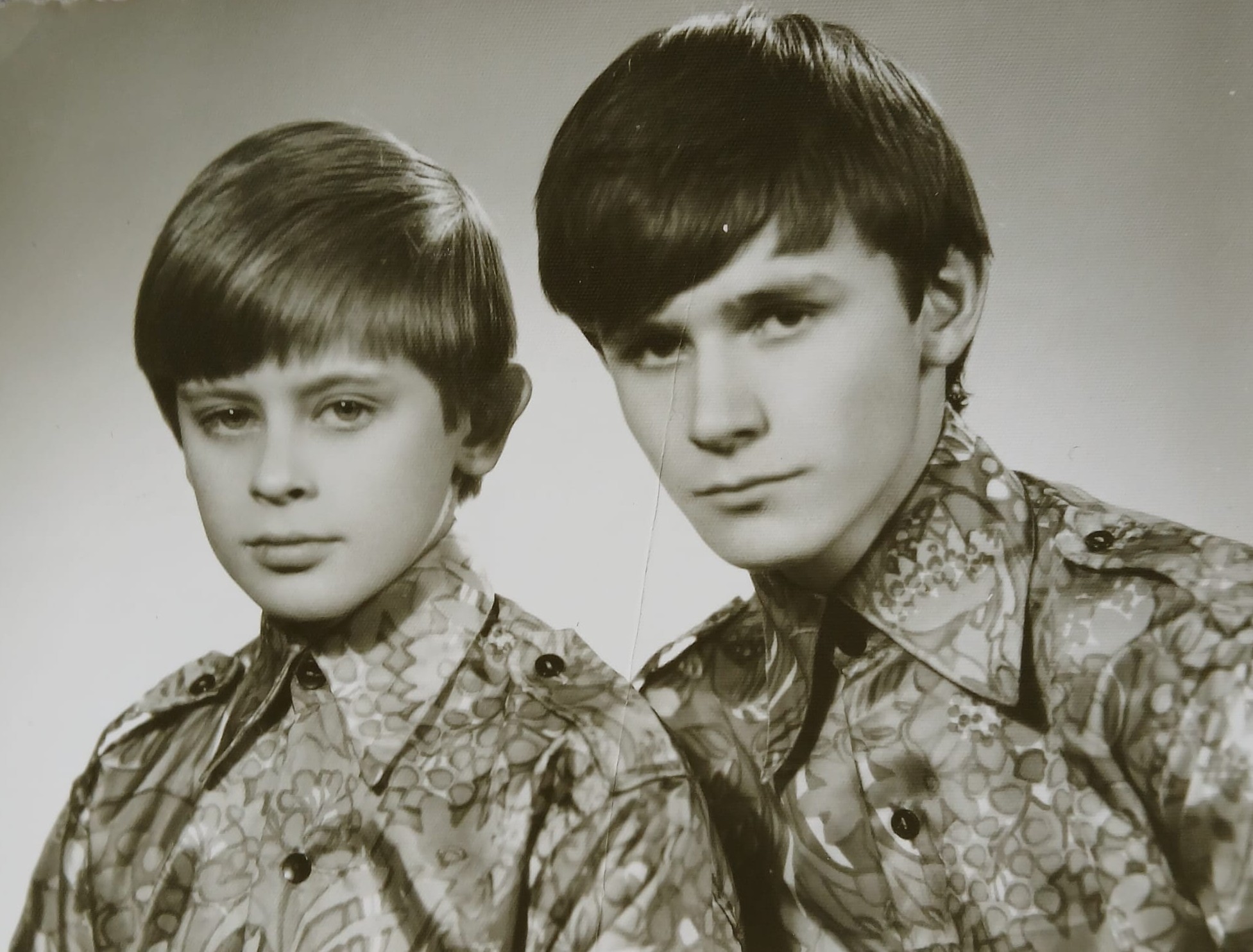
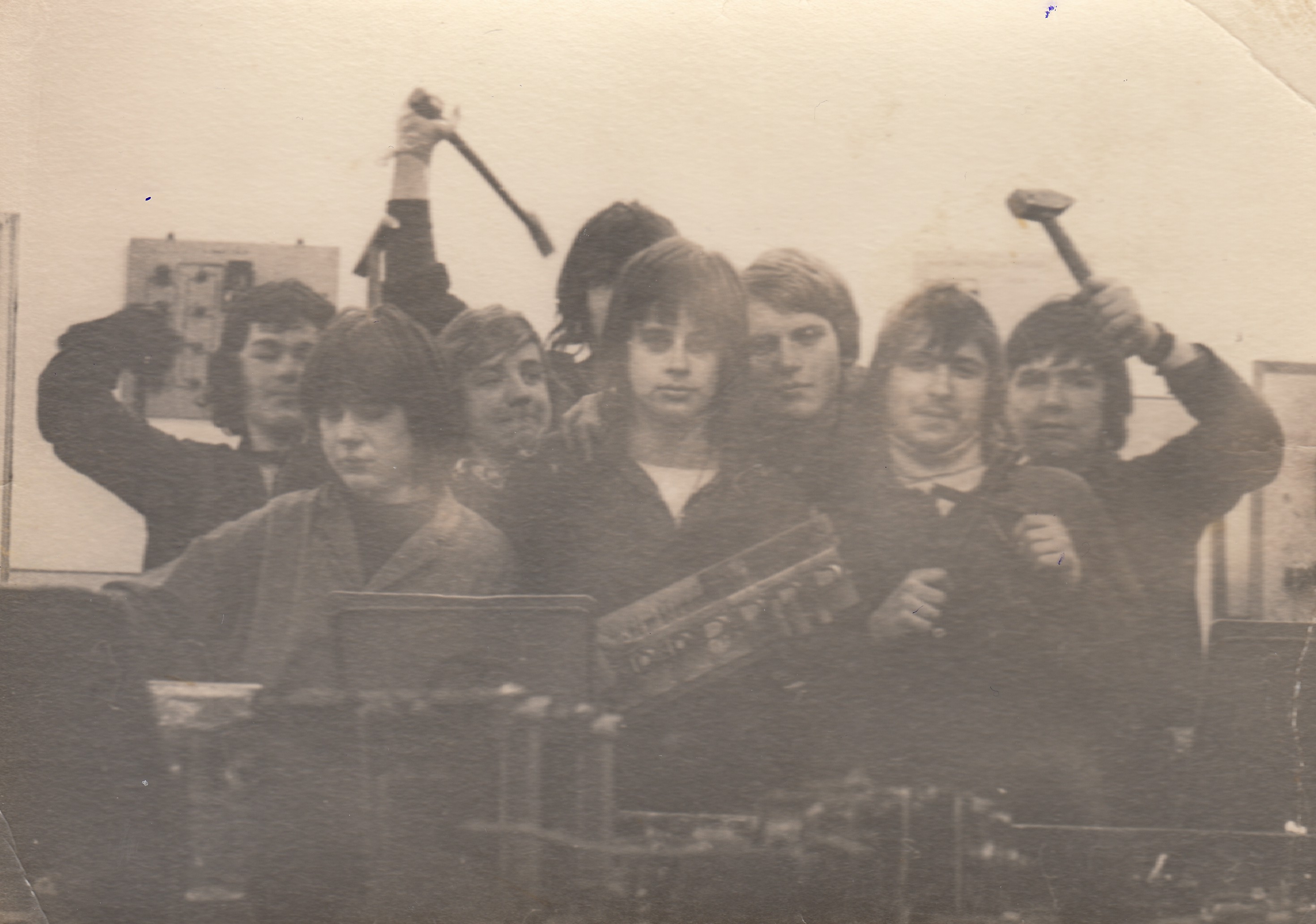
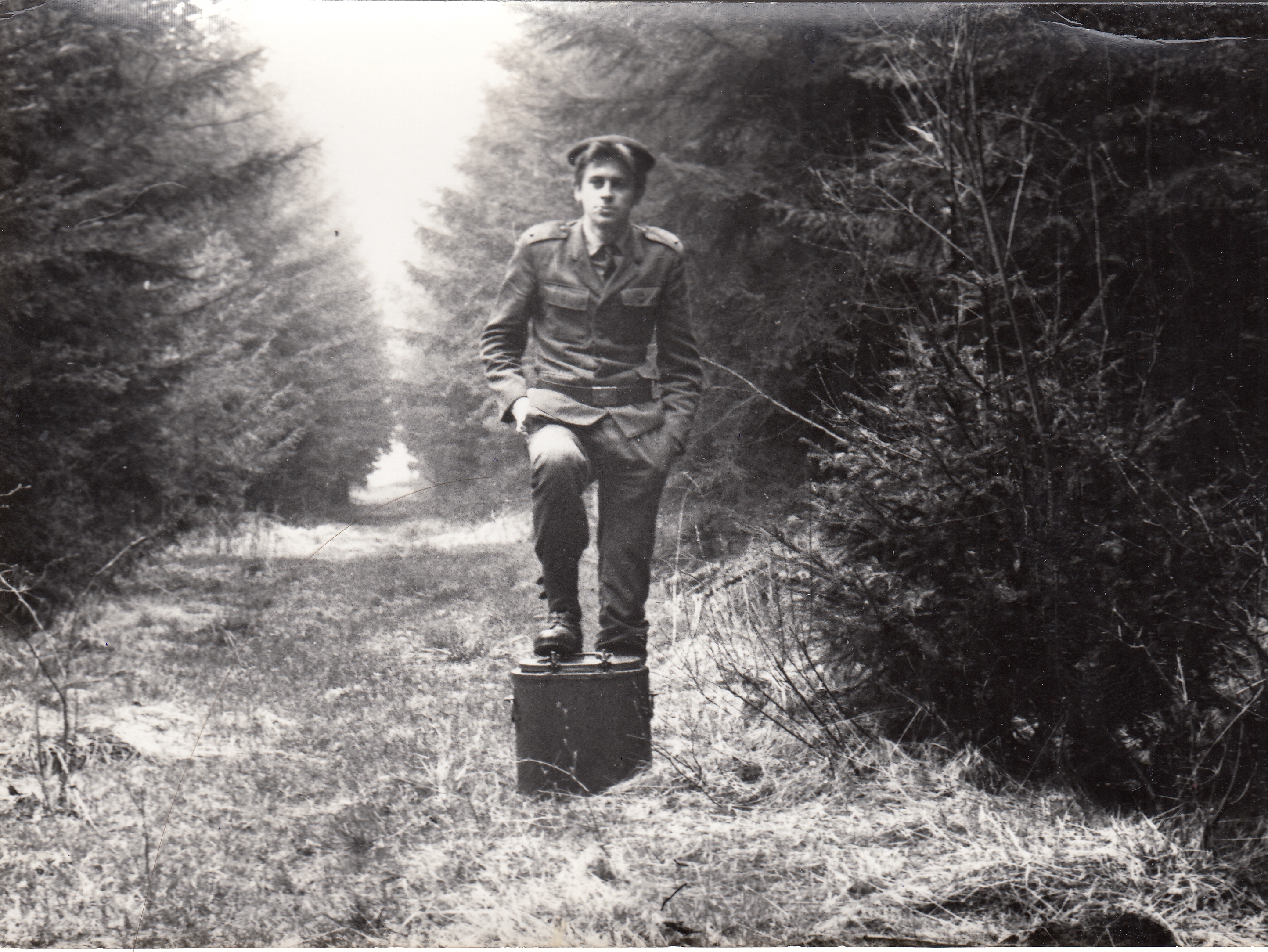
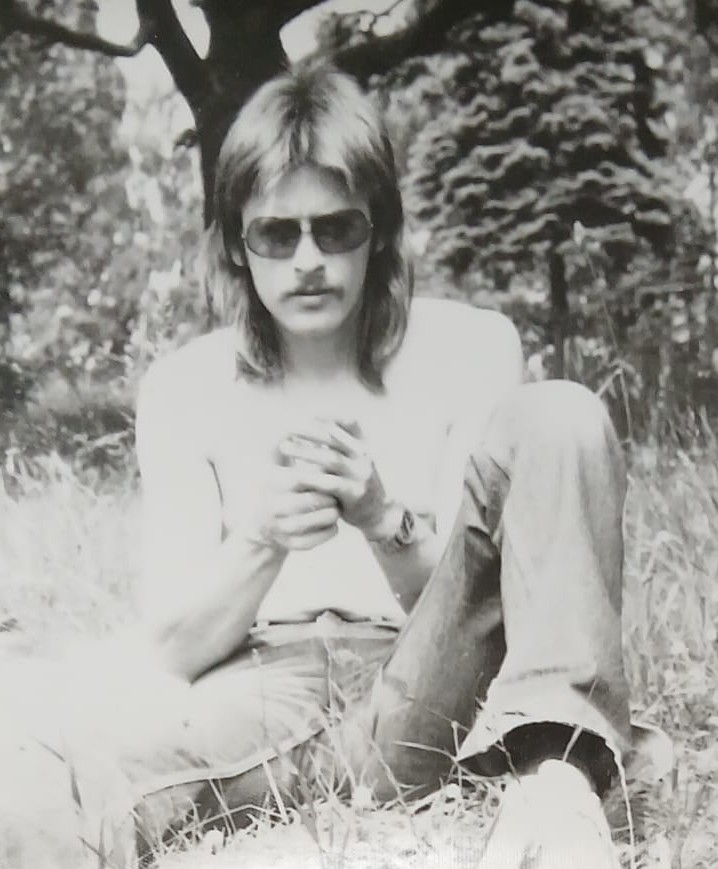
Miroslav Černota was born on 6 January 1958 in Karlovy Vary to Helena and Josef Černota. Both parents came from Moravia and their lives were affected by the war. The day of the arrival of the Warsaw Pact troops on August 21, 1968, he spent it with his parents at his grandmother‘s house in Opava. Everyone was afraid that the war had started. These events greatly influenced his future life. After primary school he apprenticed as an lift operator in Jablonec nad Nisou. In April 1977 he started his compulsory military service. On 26 October 1978, he was arrested for defamation of the Socialist Republic and sedition. During a series of interrogations, he was offered cooperation with State Security in exchange for a lighter sentence. He rejected the offer, however, and on 18 January 1979 the Military Court in Litoměřice sentenced him to sixteen months‘ imprisonment. He found the sentence and the conditions in Bory Prison in Pilsen difficult to bear and often wondered whether he would survive. The solidarity and help among the political prisoners was a great support for him. On 26 February 1980 he finished his sentence and returned to his original profession as a lift mechanic. Later he worked as a waiter in a mountain pub. During the Velvet Revolution, he was active in collecting petition signatures, organized rallies in Ostrov nad Ohří and participated in the founding of the Civic Forum. In 1994, he joined the Confederation of Political Prisoners, where he listened to powerful stories from the uranium camps. After 2000, he received compensation for his years in prison and the sentence of the military court of 19 January 1979 was annulled. He received a certificate from the Ministry of the Interior stating that he was not registered as a State Security collaborator. At the time of recording, in 2025, Miroslav Černota lived in Ostrov nad Ohří.