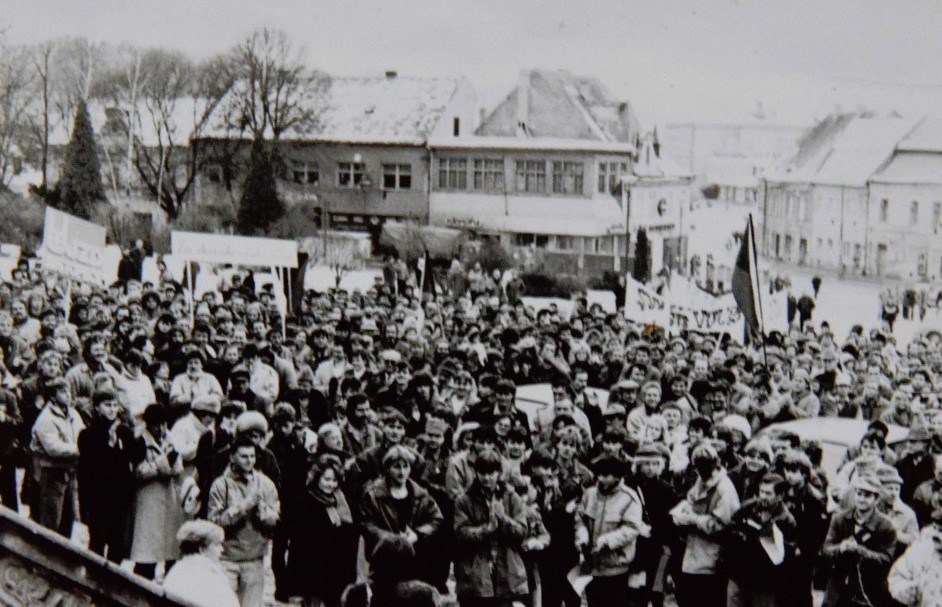
"So we went to the border. Some people were being driven, and of course the buses were moving. And even as it started, one of the organizers, Dr. Blažek, calls the border guard center and says we're going to the border and he says, no, no, no, you'll never go there, it's forbidden. That's a zone you're not allowed to go into, you're just allowed to shoot there. And that he doesn't ask him, that he forbids it. And Blažek says he doesn't give a damn about the ban and thousands of people will go there. And indeed thousands of people went there, Lanžhot music was playing, the Austrians had a pot of mulled wine at the customs house and another pot of goulash, and so there was a party. It was interesting that there were many people who spoke Czech.
And now, of course, the organizers said that you couldn't cross the Austrian border because that would be an international incident. And how do you think that turned out? One group waved our flag and they went into Austria. They were invited to the cellar, so they went. And then the organizers had to drive around Austria for two days, taking people back from there who were forgotten in the cellars. They always had some special permit for crossing the border. And it was really such a small problem that Czechoslovakia had to apologize to Austria for the illegal crossing of a large group of people from Poštorná across the border."
"So my brother and I went there and we took a little boy with us. Now we see at St. Wenceslas's a little circle of about 200-300 people, two young girls there, there was a lady MP then, you know, now she's a senator, I think, Mrs. Marvanová, young, and she was there speaking to the crowd. And now we're standing there, and suddenly somebody pats me on the back. There was a lot of shortage of goods in the republic at that time. For example, in Hustopeče we had milk, but in the afternoon you didn't get meat, you didn't get meat at all, it was rather under the counter. So there were big problems. And the lady who was tapping me on the shoulder thought that if there was such a crowd, there must be something being sold, definitely something that was scarce. So she taps me and asks what they're selling, please. I say nothing, that it's a demonstration. She, jeez, and runs quickly to the pavement. Well, now when we saw that a cordon of policemen with batons was already advancing on the group and we saw that we had the little boy with us, we grabbed him and ran to the pavement. And of course it got to the point where the group was dispersed. And it was shortly after that, when the only permitted demonstration was in Škroupovo Square, where Václav Havel was actually performing, who was at that time out of prison. And at that time, Czechoslovakia was trying to show to Francois Mitterrand, the president of France, that things had been relaxed and that people could go and demonstrate, that there was freedom."
"We were so affected by it that my friend and classmate, imagine what kind of family he was from - his grandfather was Minister of National Defense in the 1930s and his mother was a French noblewoman. And they had fled to Žďanice during the war from the Germans, so he commuted, he used to school with us, he wrote this little protest leaflet where he wrote: "Long live our beautiful, miserable country. Just influenced by the fact that these Russians came. And now the practice teacher was coming to our class and we had it on the information board. When he was to come, we covered it up just in case, and only the burned end of the paper was sticking out. He comes in and he says what do we have here. Then he read it, turned pale and shouted. You have what to eat? You go to school? So what else do you want? And he was gone. So we decided to send a delegation to explain his behaviour. And who do you think went? Well, me, my best friend and a third person. So we knocked on his door. He turned red, said nothing, ran off to the teachers´ room. There, he said reported on us, and they were wondering what they were gonna do to us. They were afraid, because every revolt meant trouble for them too, that they didn't have peace at school. So they came and expelled my friend and the other parliamentarian from school. So we wrote on the blackboard Strike and ran away. The boys who were from Brno and so, they took buses home. And we who were boarders, we went to the dormitory. And so there was a short strike in Klobouky, which nobody knows about."
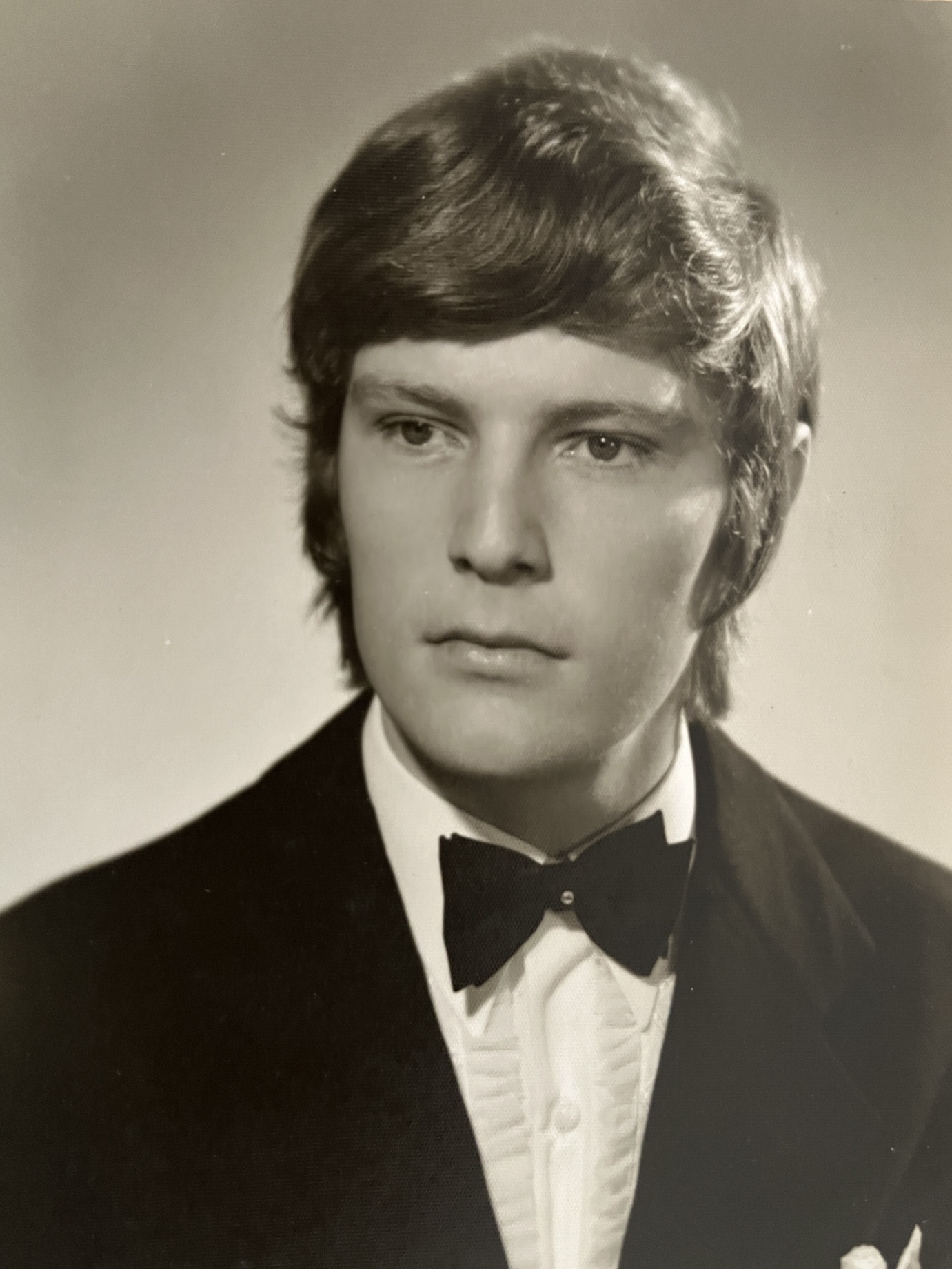
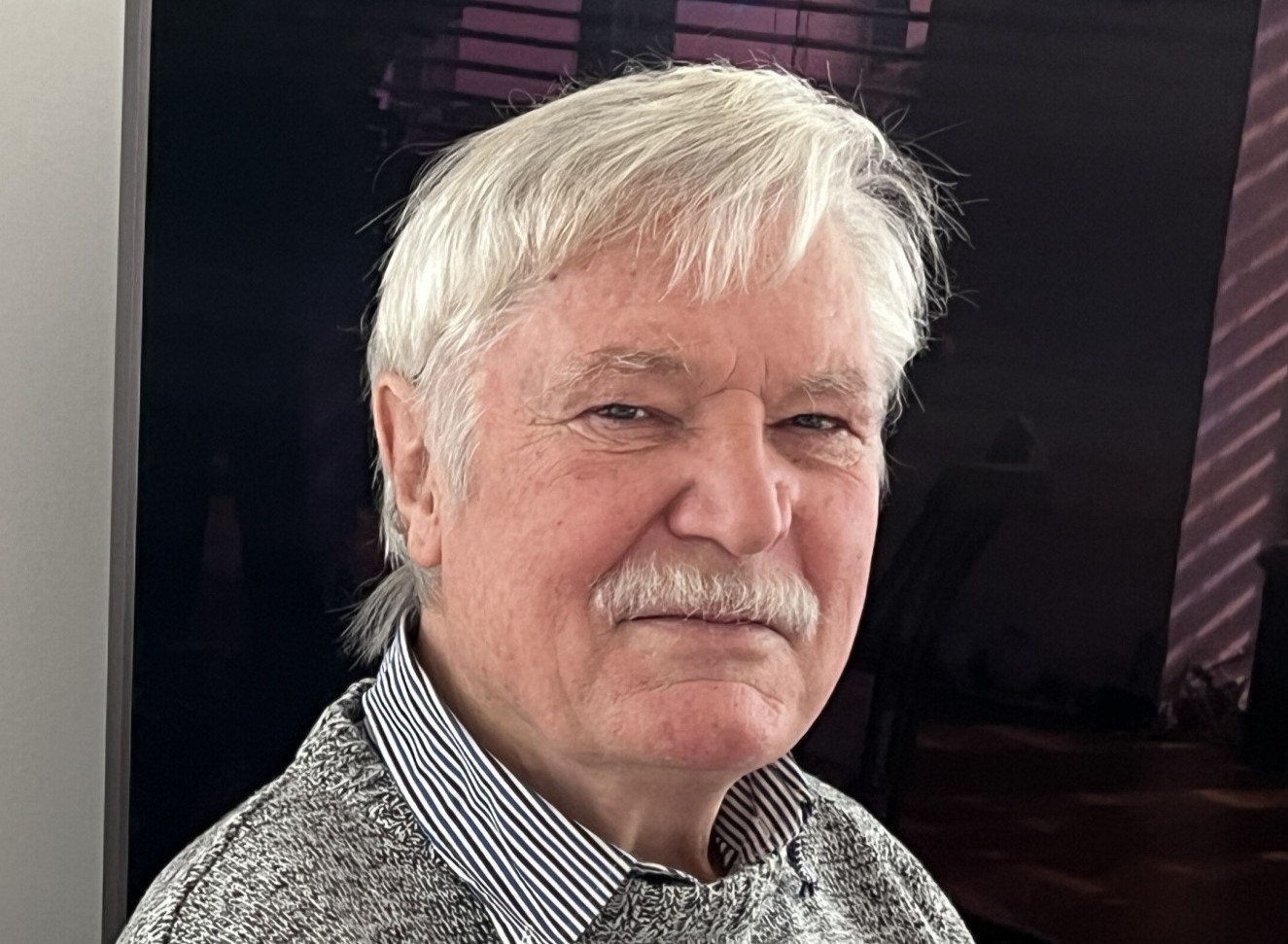
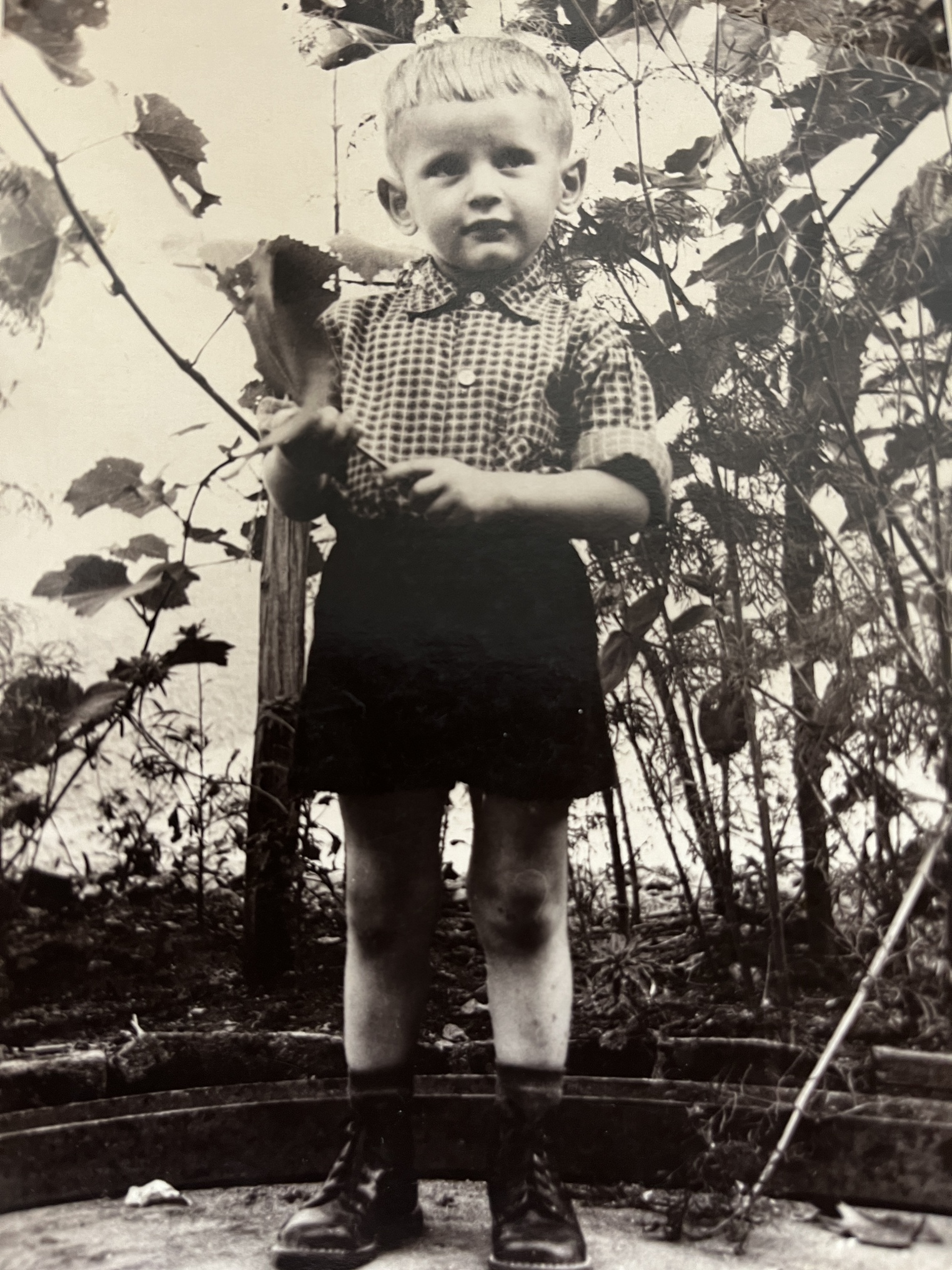
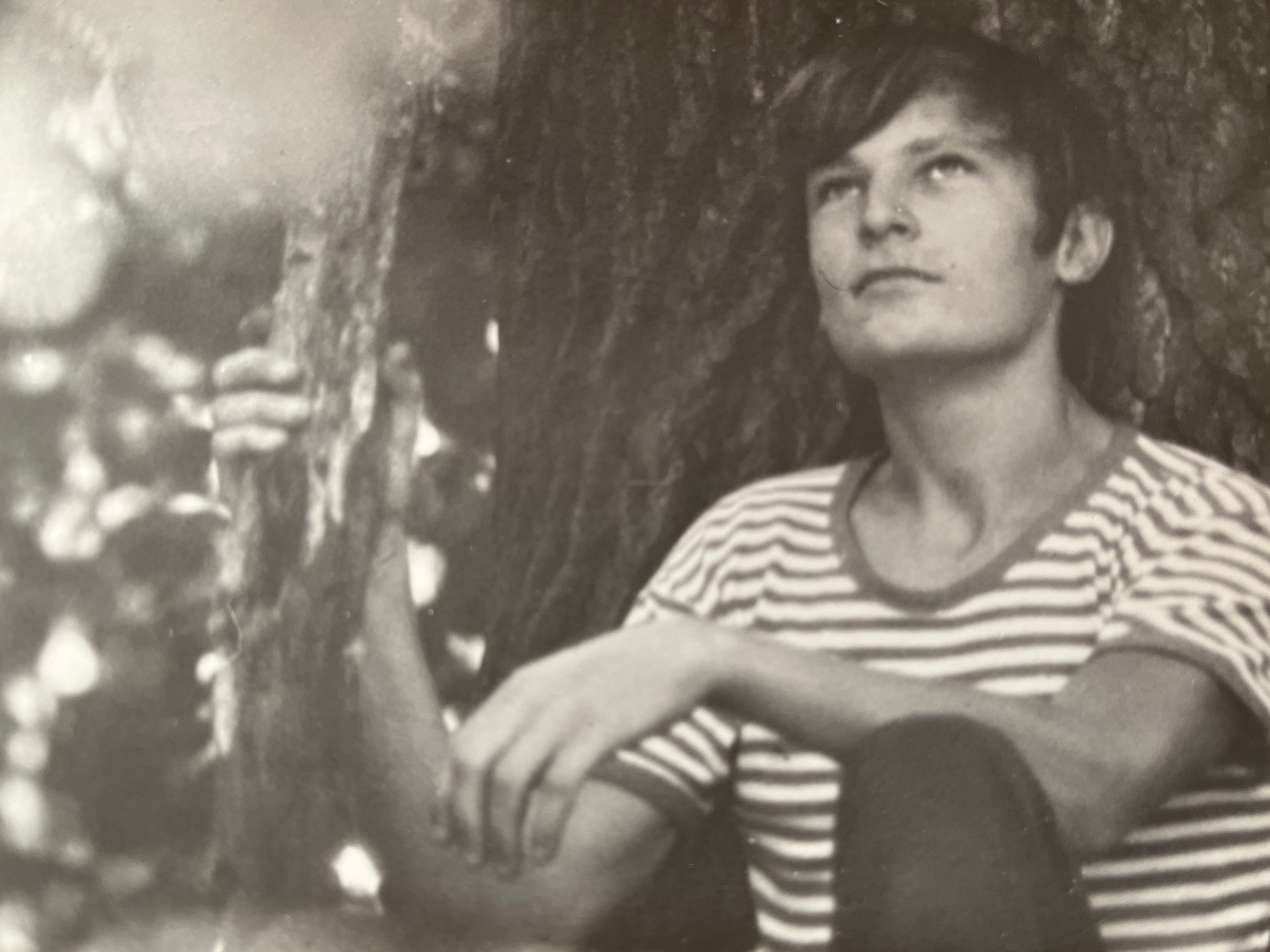
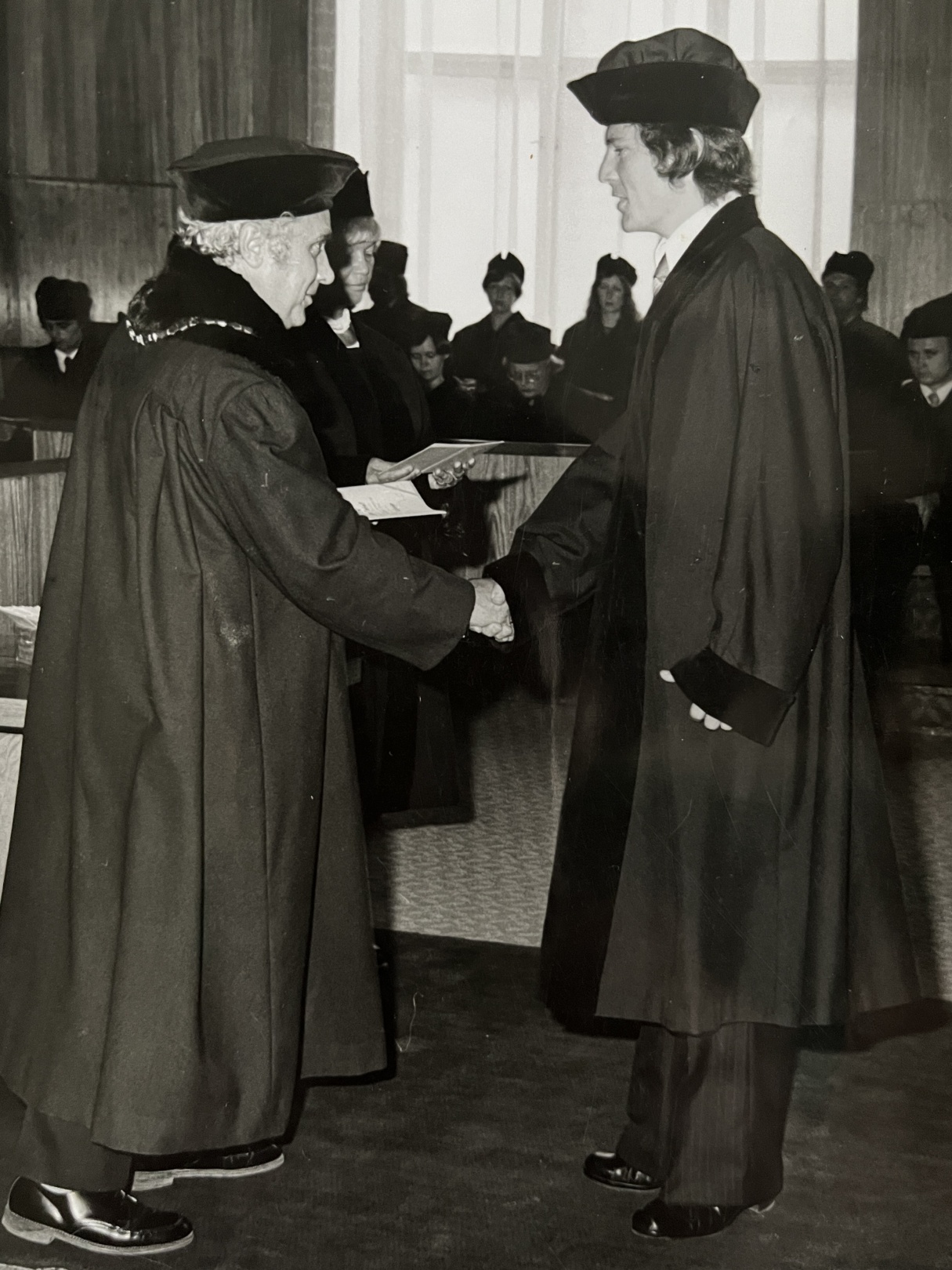
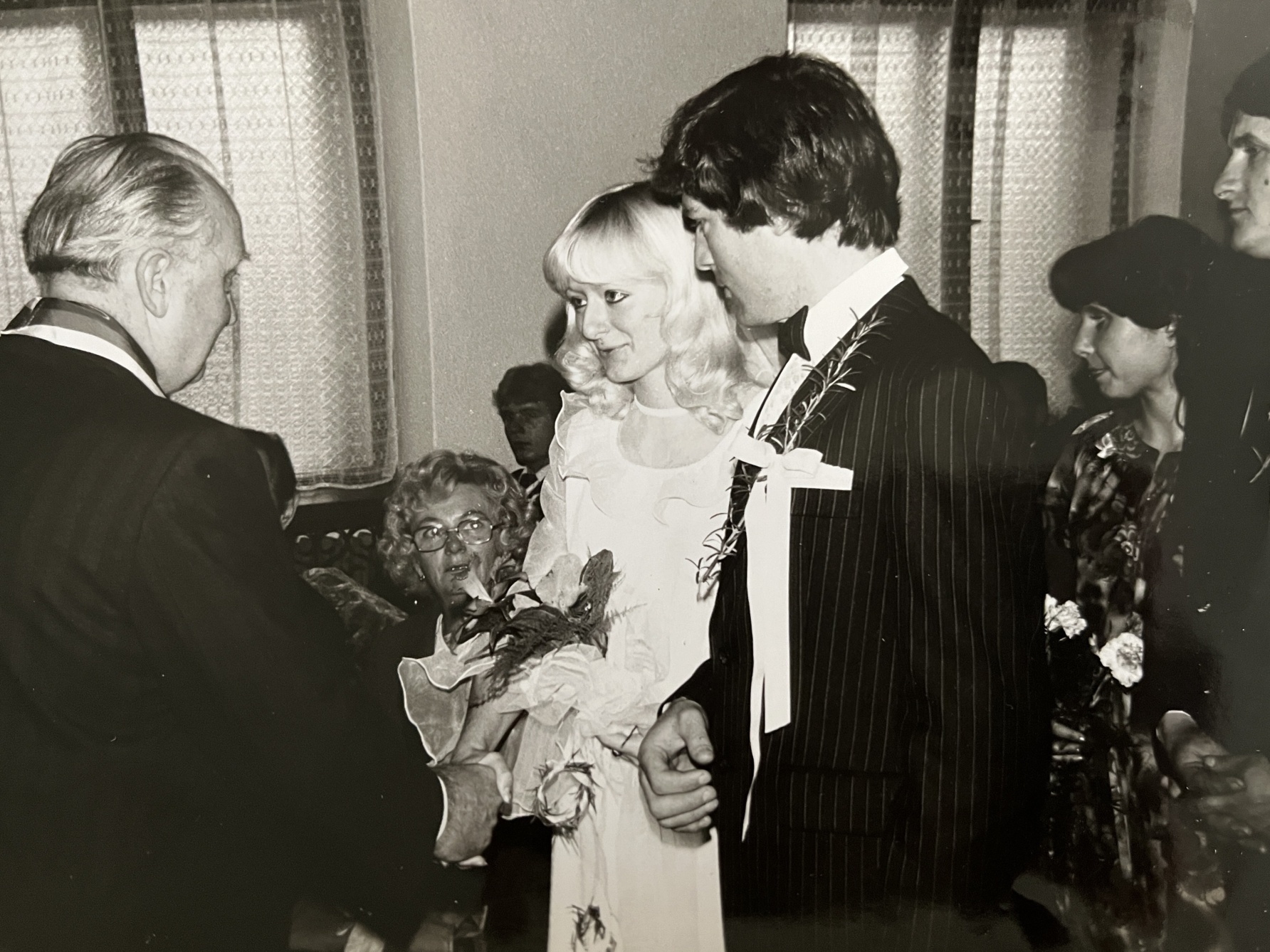
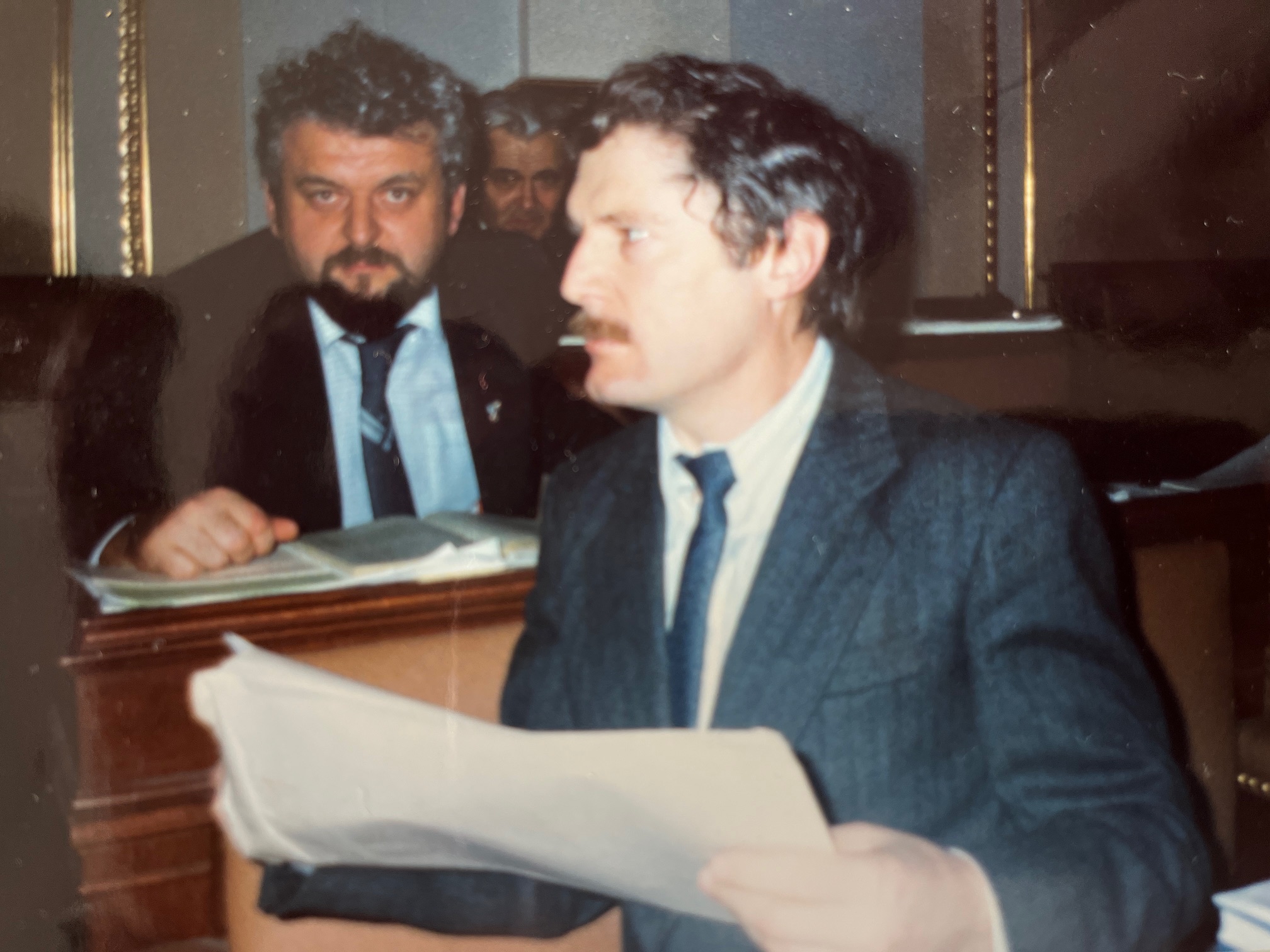
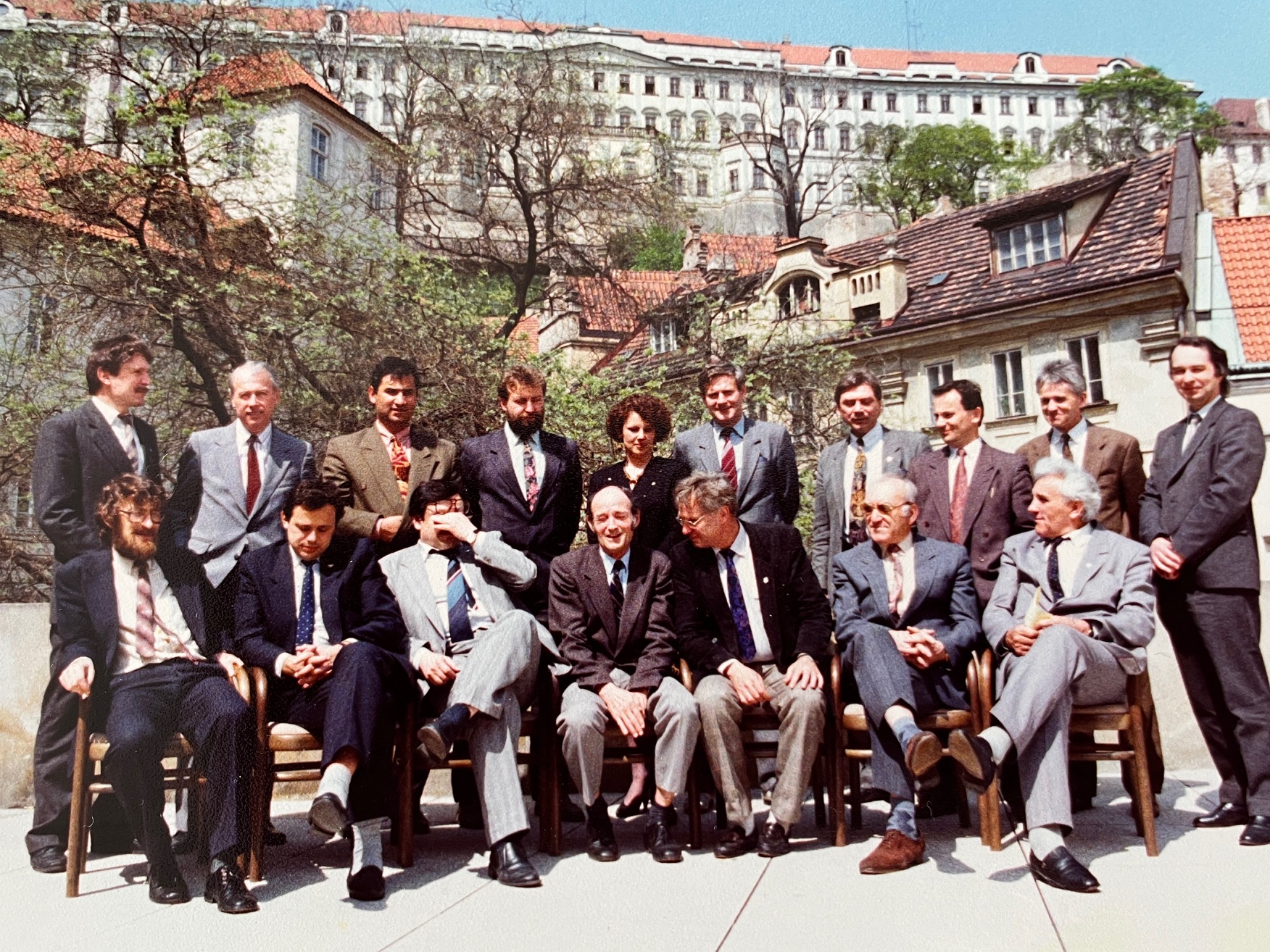
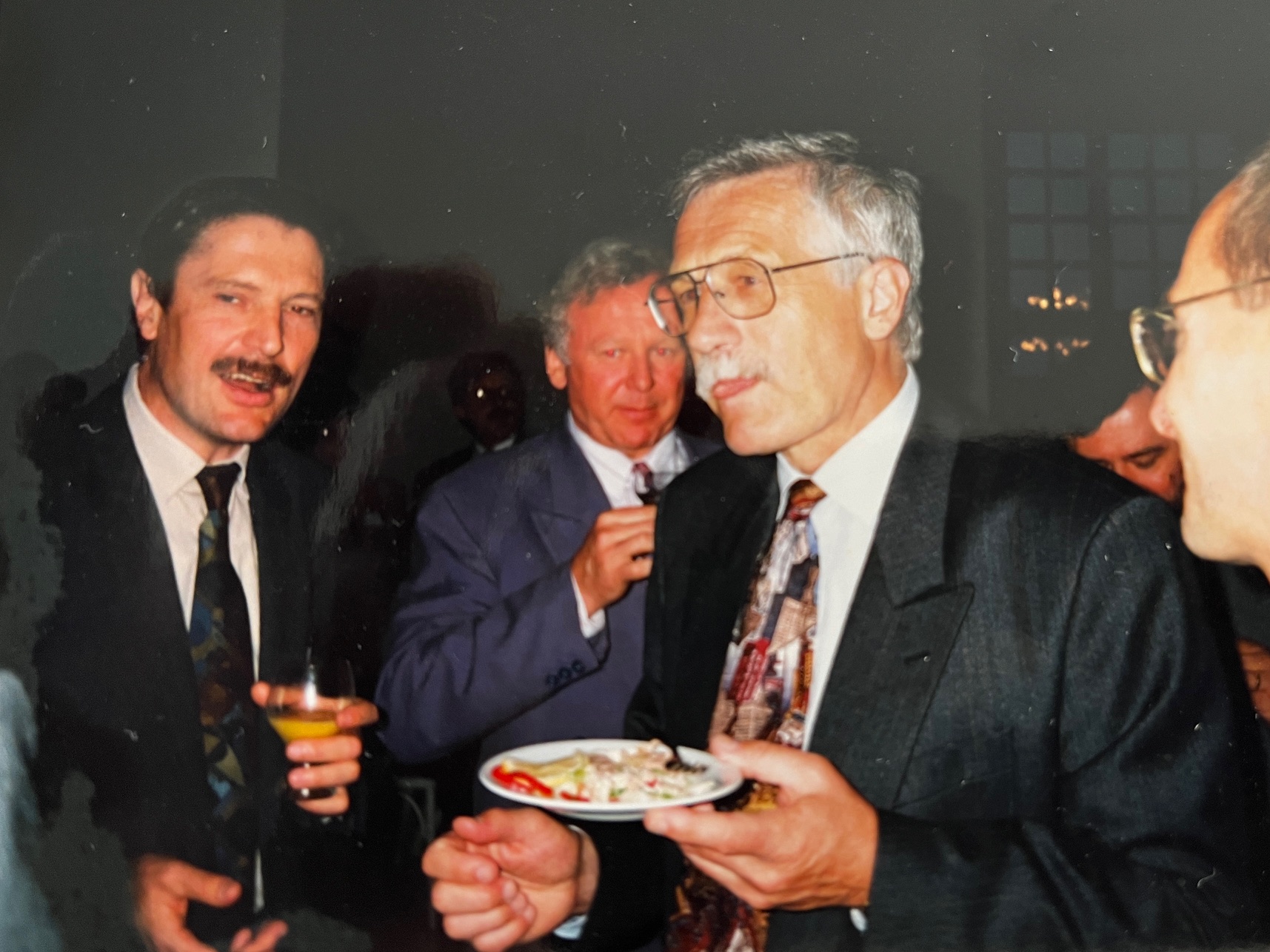
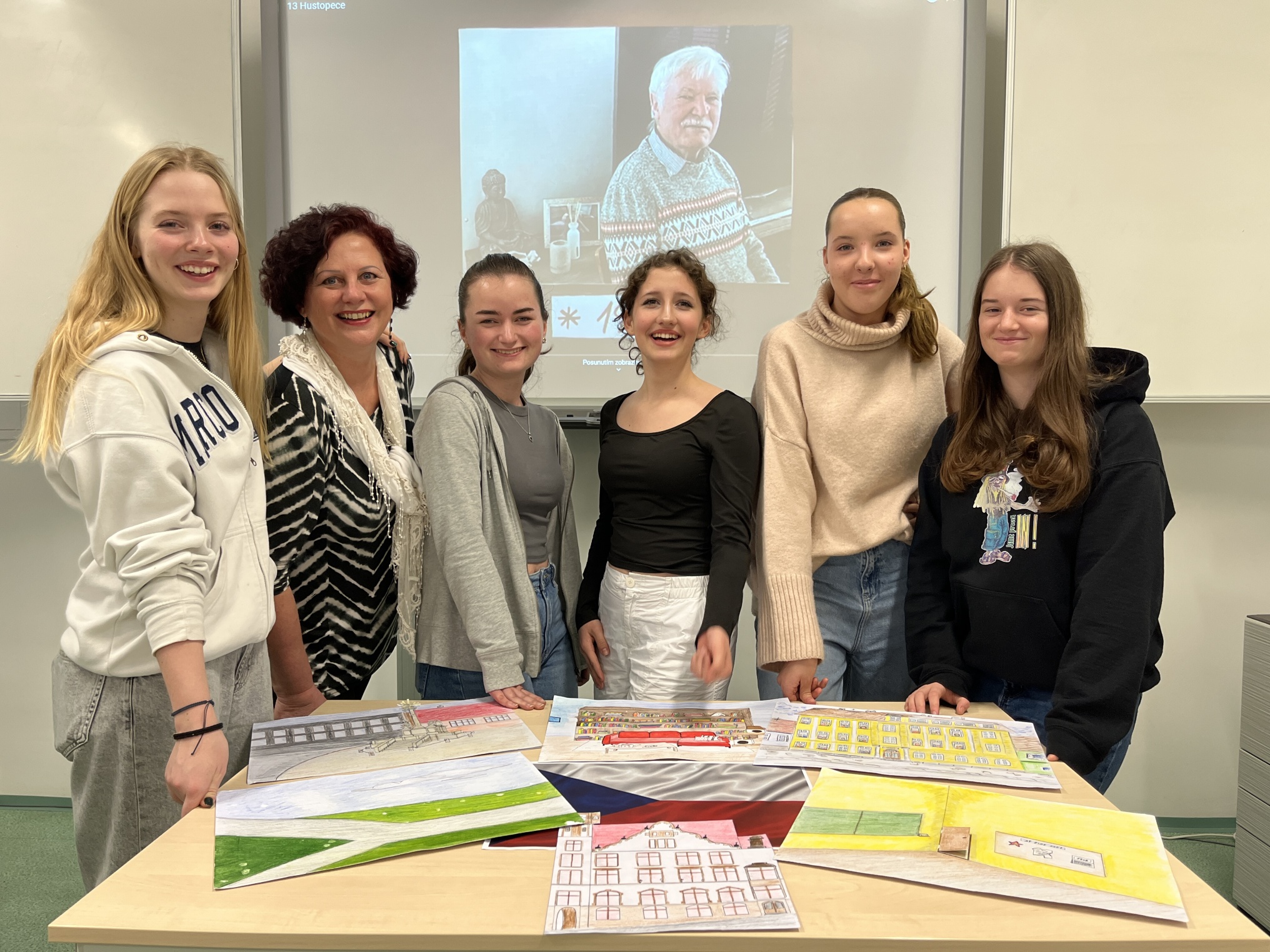
Jaroslav Cabal was born on 2 January 1953 in Rakvice. His father worked as an upholsterer and his mother was a trained seamstress. As part of collectivization, his grandfather‘s fields were confiscated and he earned his living by working in Transcarpathian Ukraine. The Warsaw Pact troops arrived in Czechoslovakia shortly before Jaroslav Cabal entered the Secondary Agricultural School in Klobouky u Brna. As a teenager, he found the invasion of the occupation troops difficult to bear, and together with a friend he threatened the soldiers. In 1969, shortly after the self-burning of Jan Palach, which affected him deeply, he supported the appeal of a classmate called „Long Live Our Beautiful, Destitute Homeland“ and, together with other classmates, called a strike after they walked out of class. He completed his postgraduate studies at the University of Agriculture in Prague, where he also took an active part in several demonstrations. He also joined demonstrations during November 1989, but in Brno and Hustopeče, where he co-founded the local Civic Forum. He also took part in the march to the Austrian border and in the border gathering in Poštorná in the Břeclav region. After 1989, he was elected to the Czech National Council for two years, where he sat on the agricultural and economic committee. As a member of the Czech National Council he also experienced the division of Czechoslovakia. He resigned from the ODS because, among other things, he did not like the practices of his fellow party members in the region. He later became a member of the ODA club. In 2024 Jaroslav Cabal was living in Hustopeče and was active in several associations.