"We went on a trip to the GDR before that August. On Friday, Saturday, Sunday we went on a boat trip to Dresden and back from Dresden. So on the 19th we saw tanks lined up on the border and soldiers ready. Dresden was full of Russian soldiers. You are shocked and you don't know where you are, if you are in the GDR. We were standing with the bus at a gas station, and tanks were driving by, and there was something in white paint, probably a star. Now you wake up in the morning, and suddenly I realized what was blaring. We had to walk from the bus station, I got to [work] and a little while later the girls said that the tanks were driving by, some scaffolding had fallen and [someone] had been shot. It wasn't pleasant because you don't know what's going on."
"For example, my mother was in charge of [providing] medicines, someone was collecting medical supplies, bandages. And when they had accumulated [a backpack full of supplies], a partisan came to get the backpack, that's right. The well-meaning neighbors snitched, and my mother was sewn up. They arrested her because the neighbors sued that the partisan had taken [the material] away, so they arrested her and she was [imprisoned] for three or four Sundays. So she was terrified of what was going to happen to her. They could have killed her or taken her to a concentration camp somewhere for all I know. But by the fact that she worked in the tobacco industry - the business was owned by Czechs and the employees got a premium in cigarettes - so they planted two cartons of cigarettes and I can tell you they weren't free. She had to pay for them, pay herself off, and before she went to the Czech Republic - she had to pay off the debt. That's how they saved her. My mother said that the one who was supposed to bring her quickly shuffled her [elsewhere], they were normally playing chess. She never got to the interrogation. In the meantime, the cigarettes got in, and in the meantime, she got fucked out again."
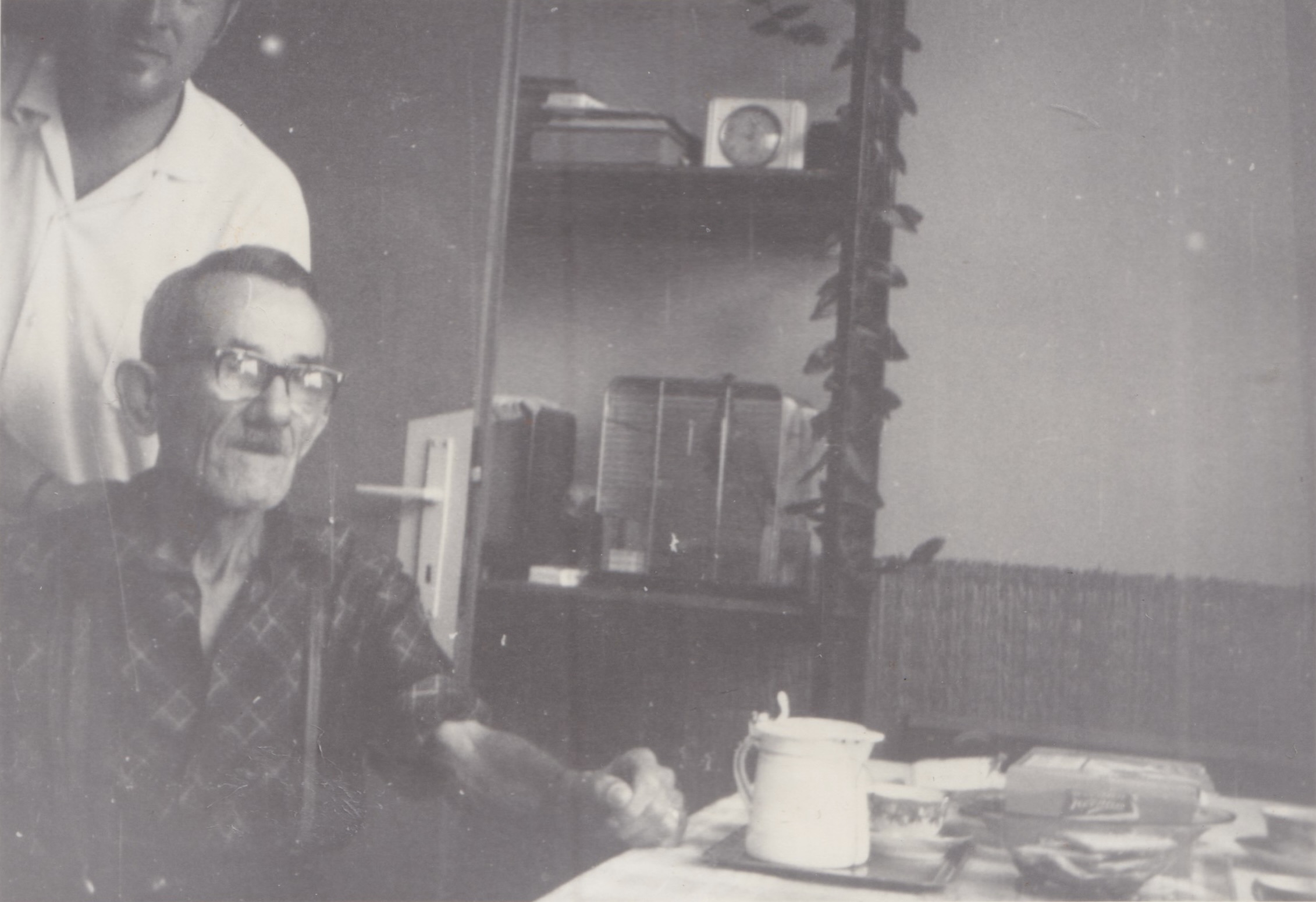
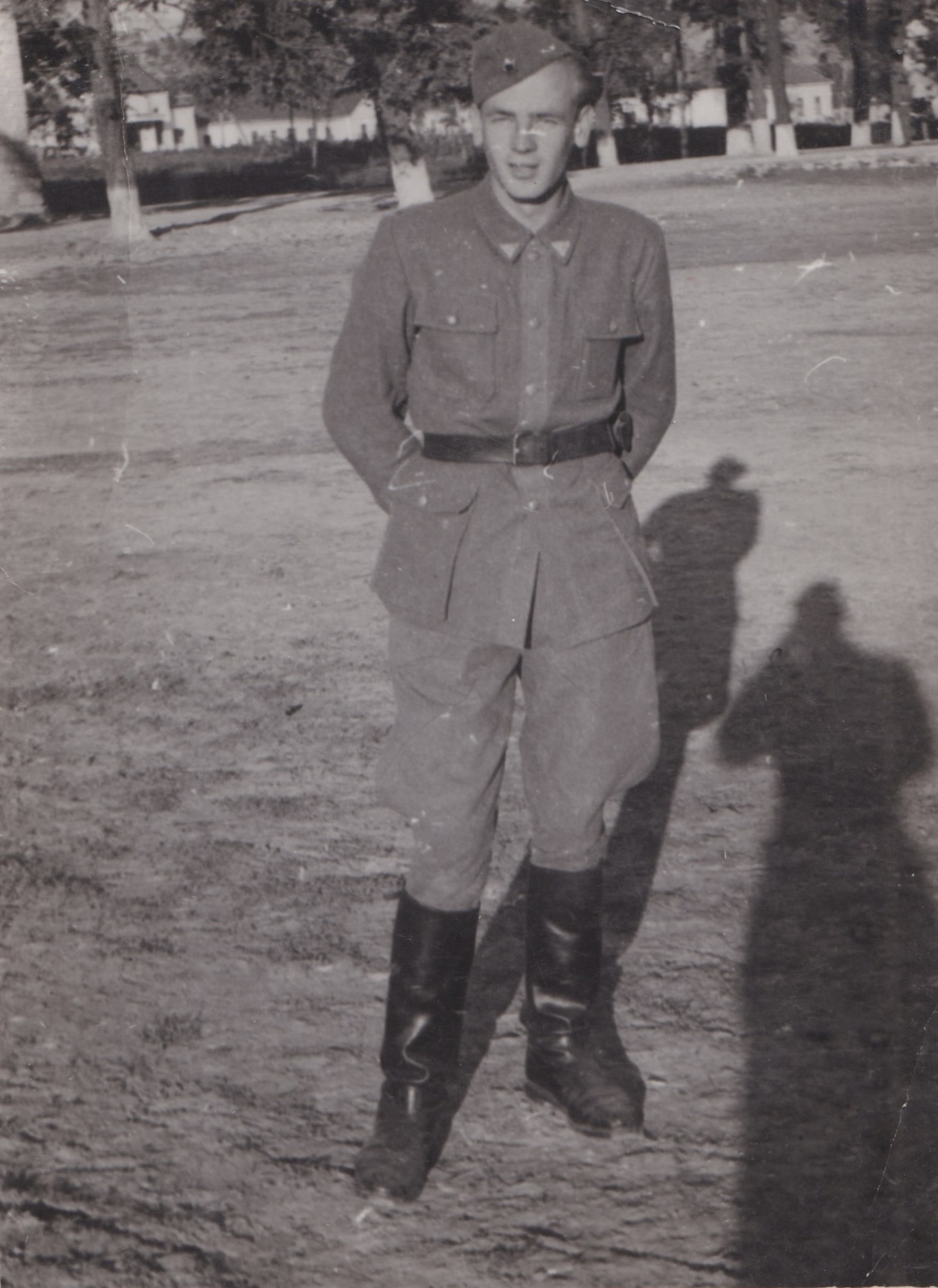
"When the war started in Yugoslavia in 1941, the oldest Dragan [Jiří] was repairing radios, he was a renowned electrical engineer. The partisans came for him, saying they wanted to repair the radio. The Kozara Mountain is a hill and around it are forests. They [the Germans] surrounded it all and from the fields and meadows they drove women, children and cattle into the forest, where they started shooting them and taking them away. The partisans came for Jiří in the evening to fix their radio. The partisans were already massing there and the Germans [advanced] behind them. He repaired the radio for them and got into the worst moment. The only thing he managed to somehow tell his wife not to be angry was that when he saw what was happening he had to take the rifle in his hand and go at them. They arrested him and took him all the way to Belgrade to a concentration camp, where in the autumn of 1941 [1942] they tortured him, hung him up by his feet and left him to die hanging. He died within about five days."
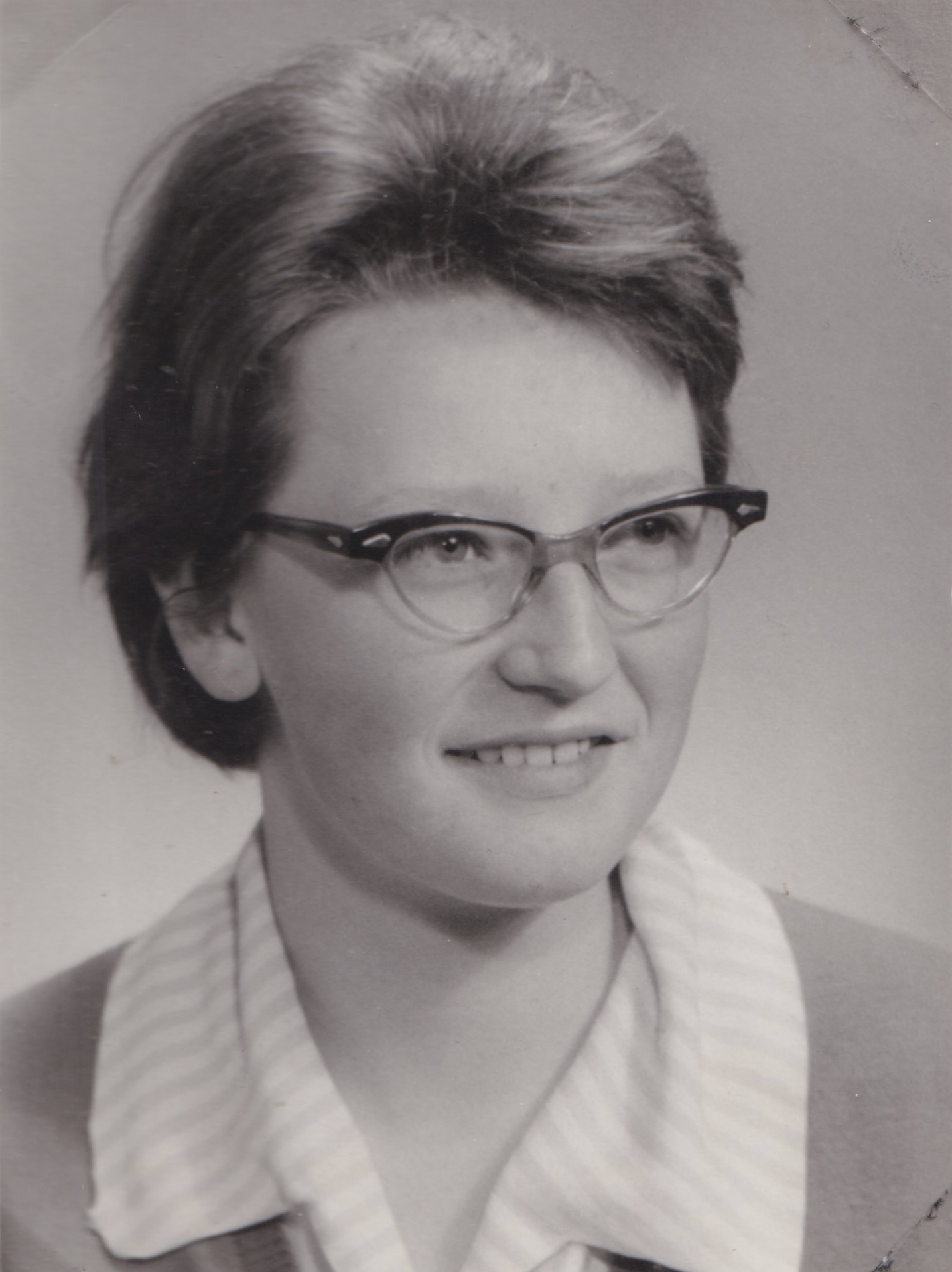
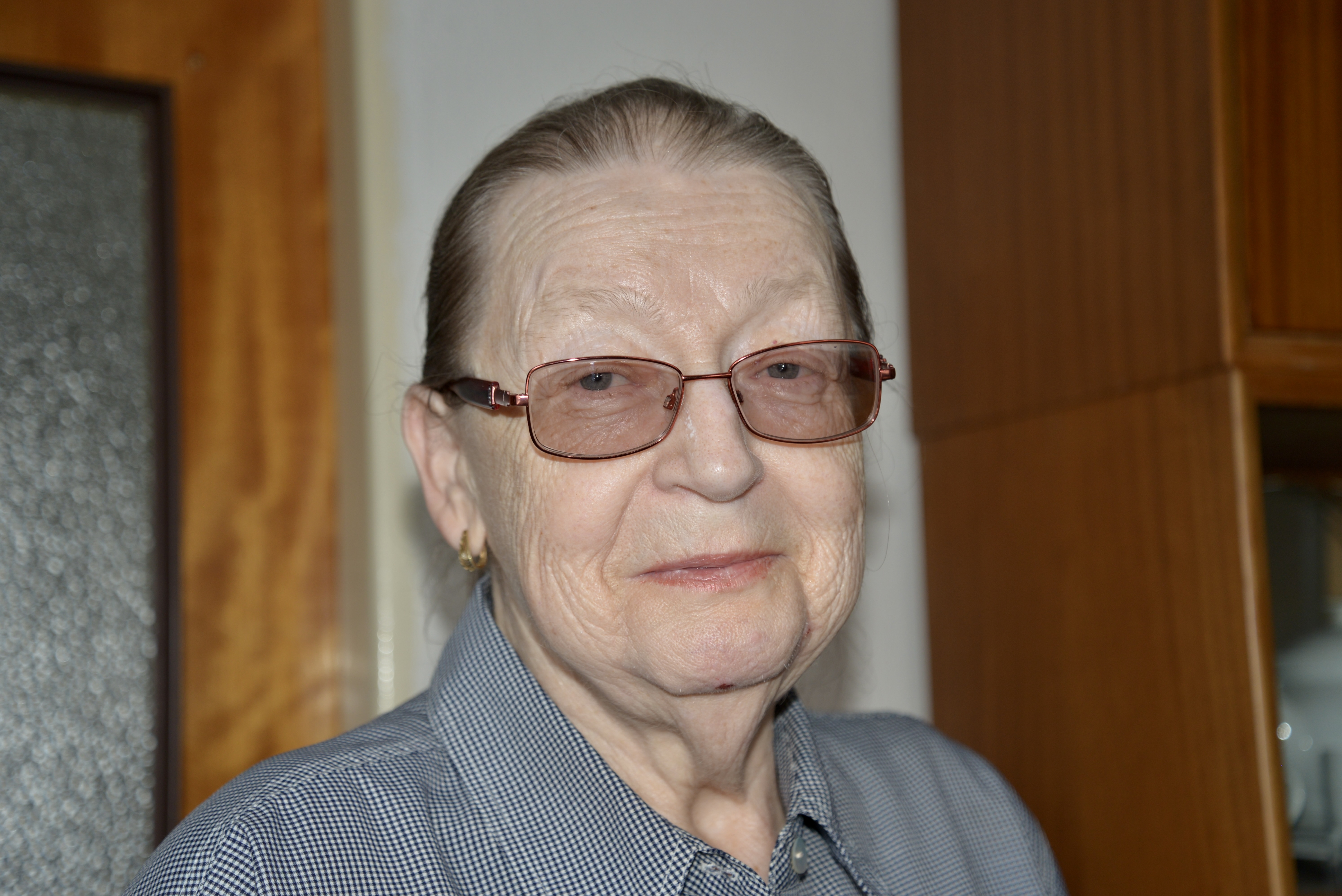
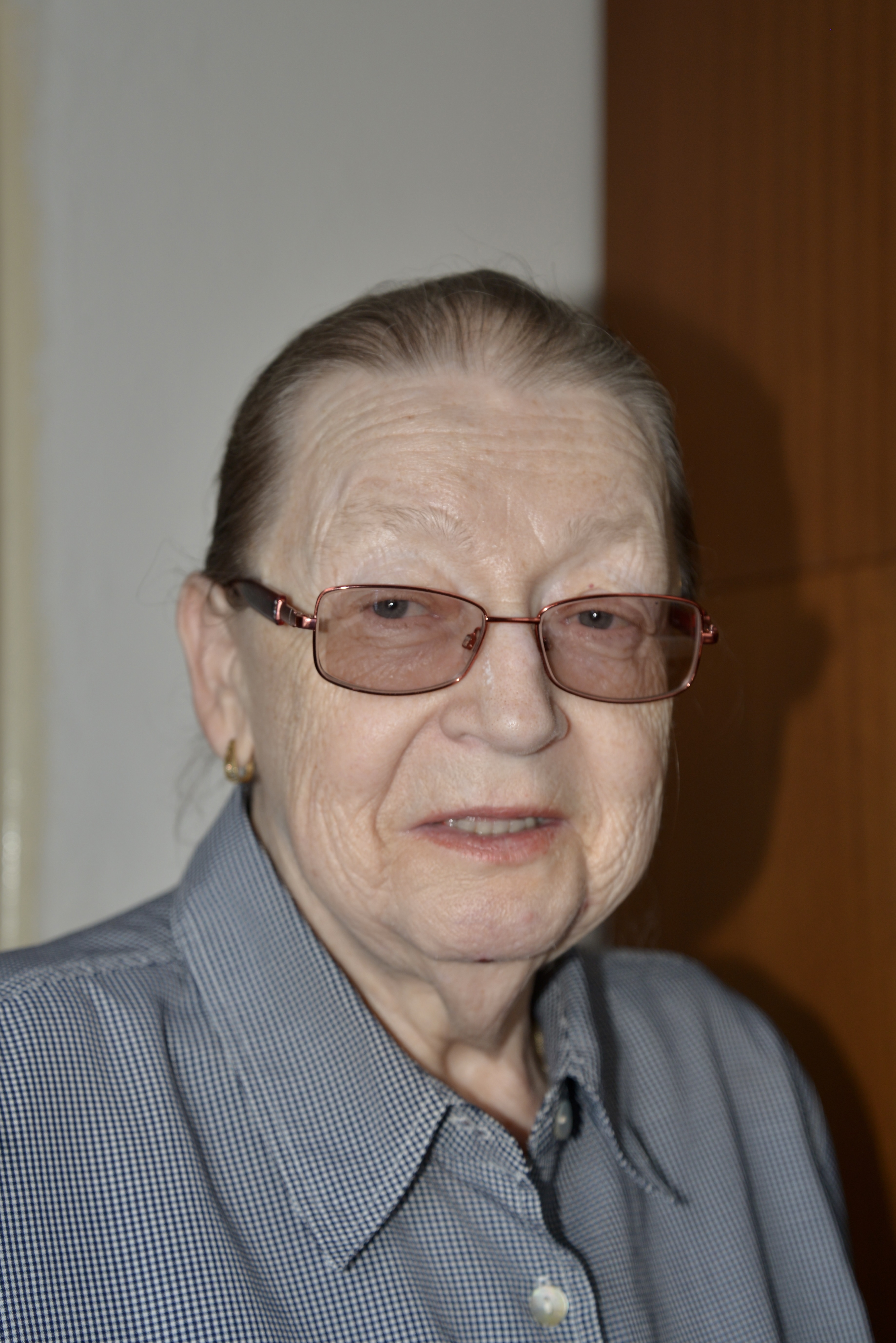
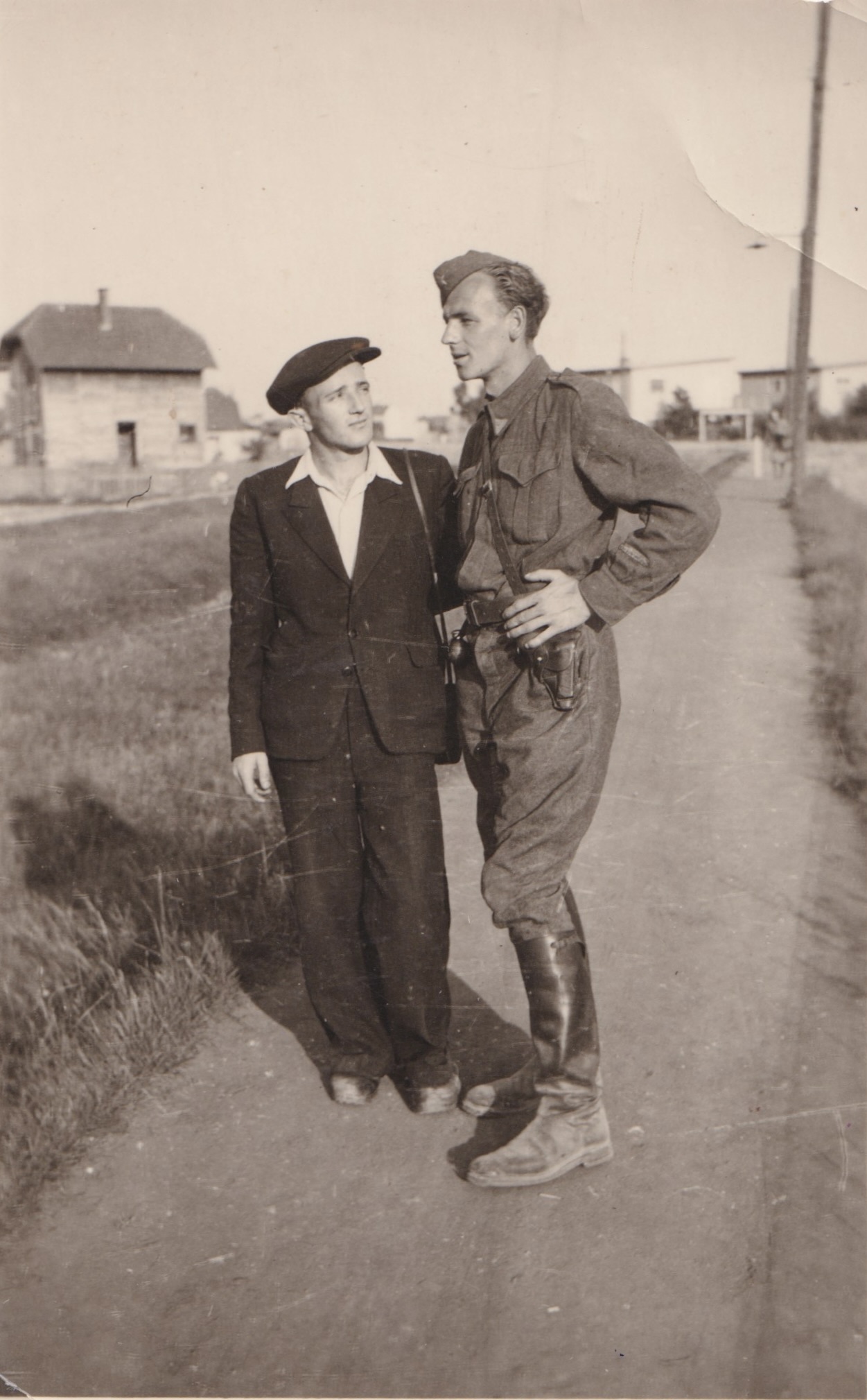
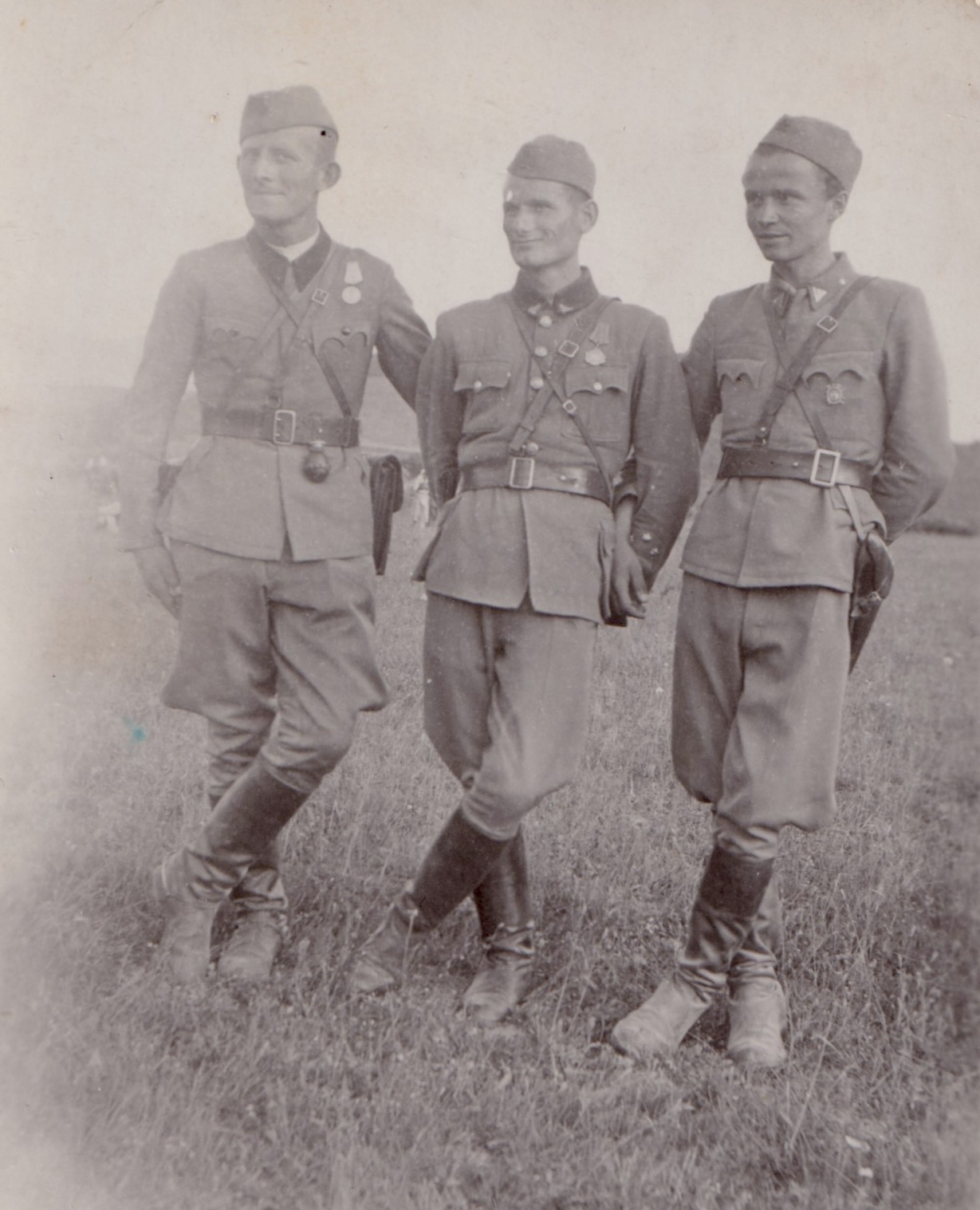
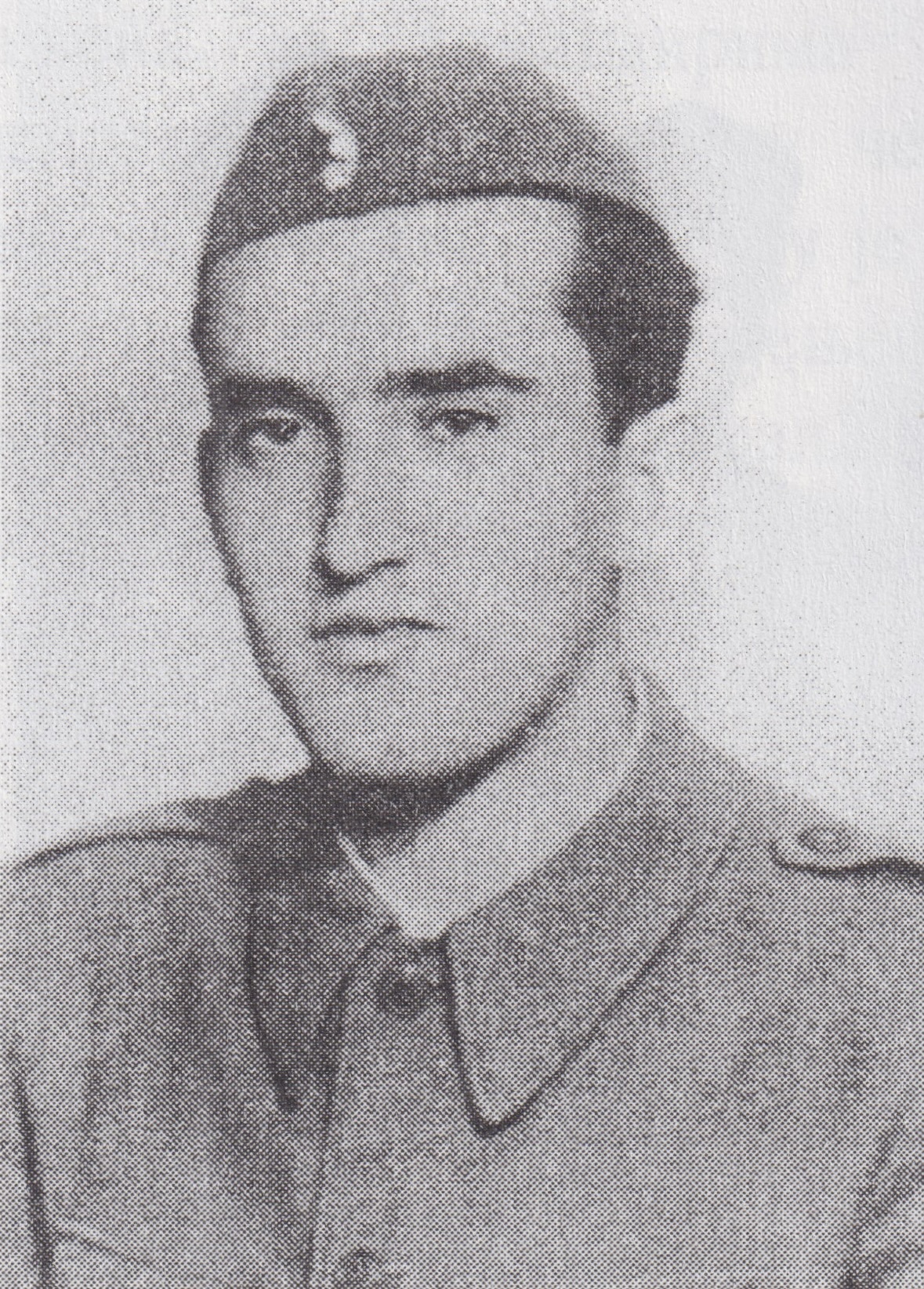
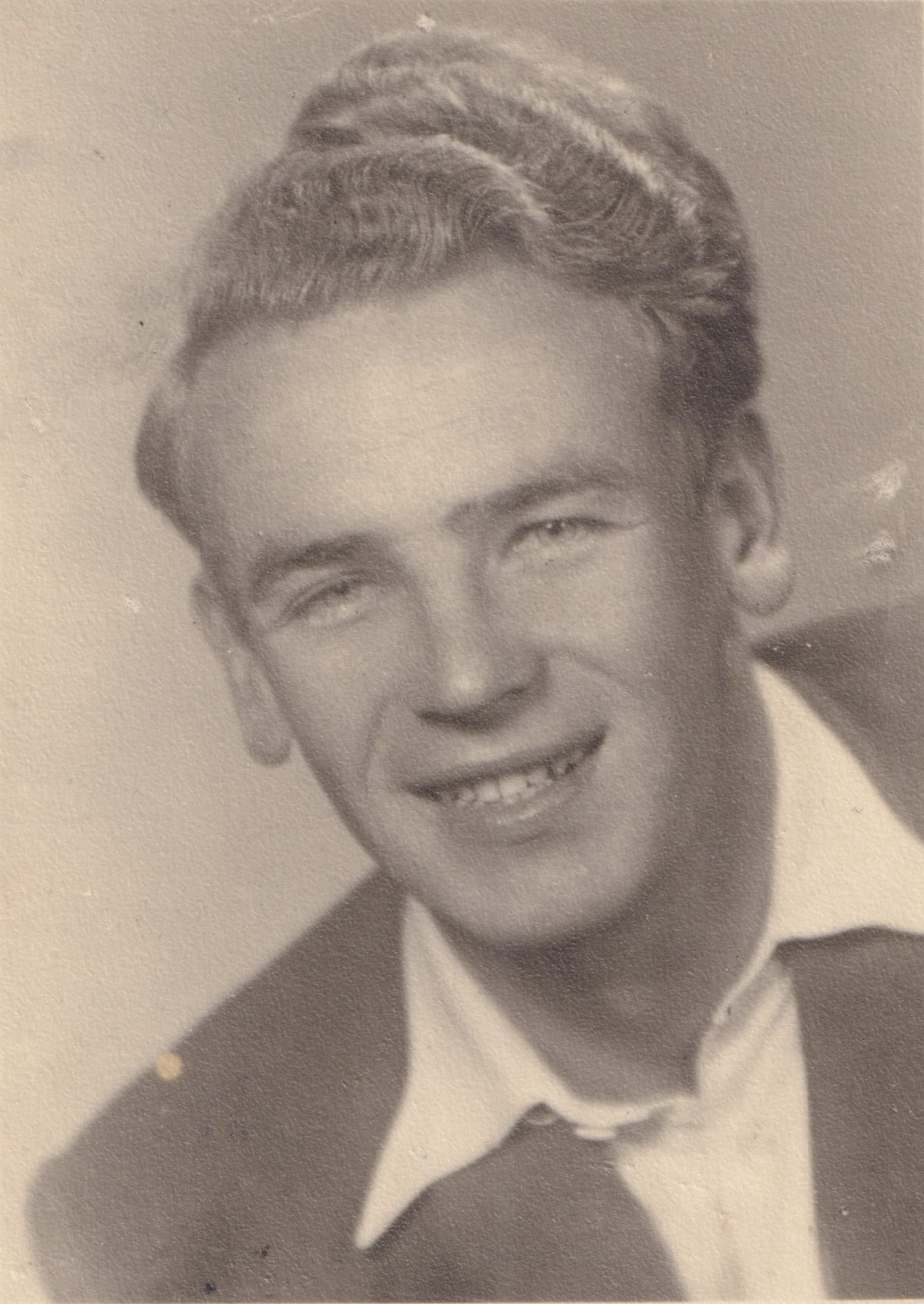
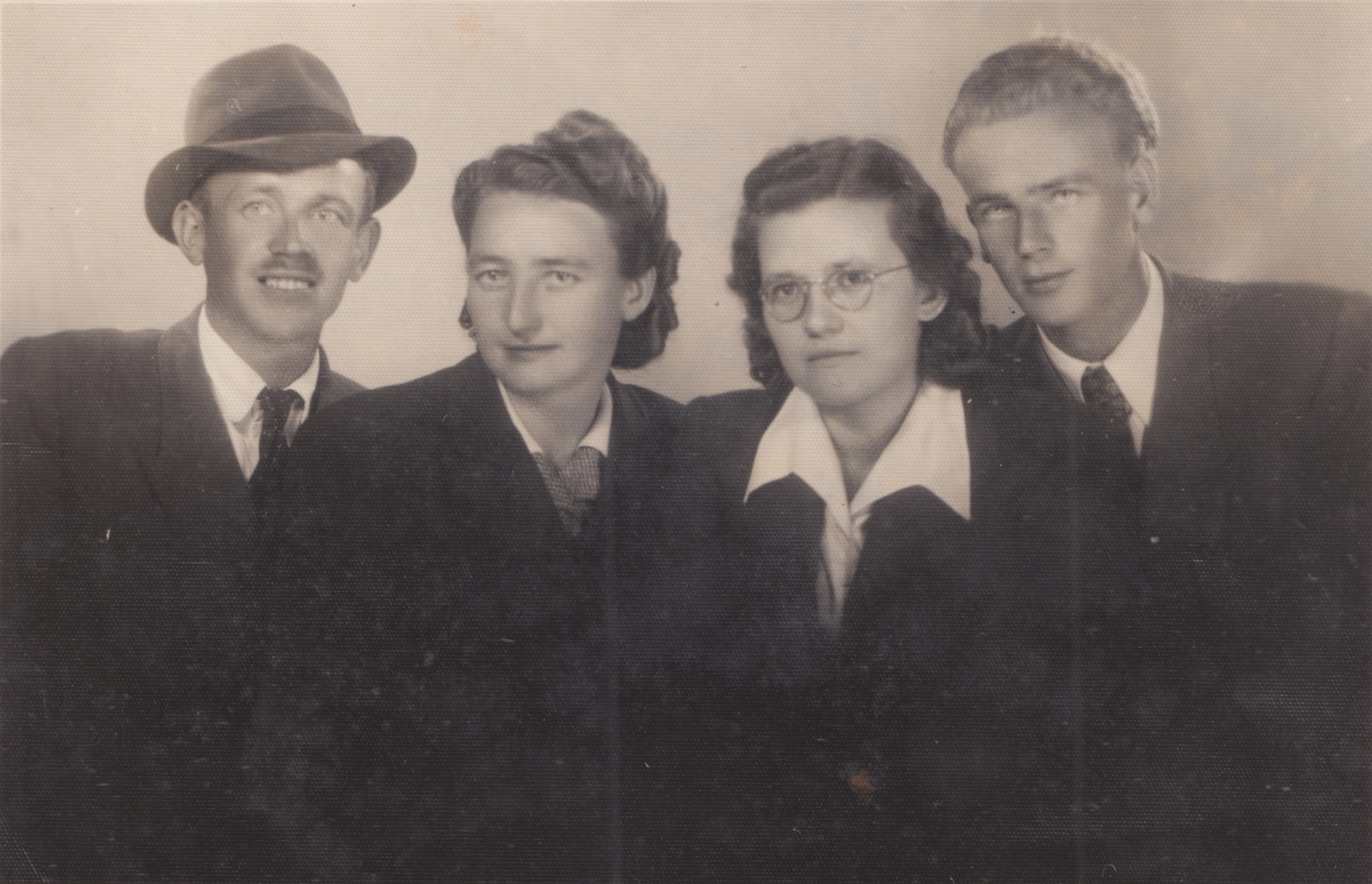
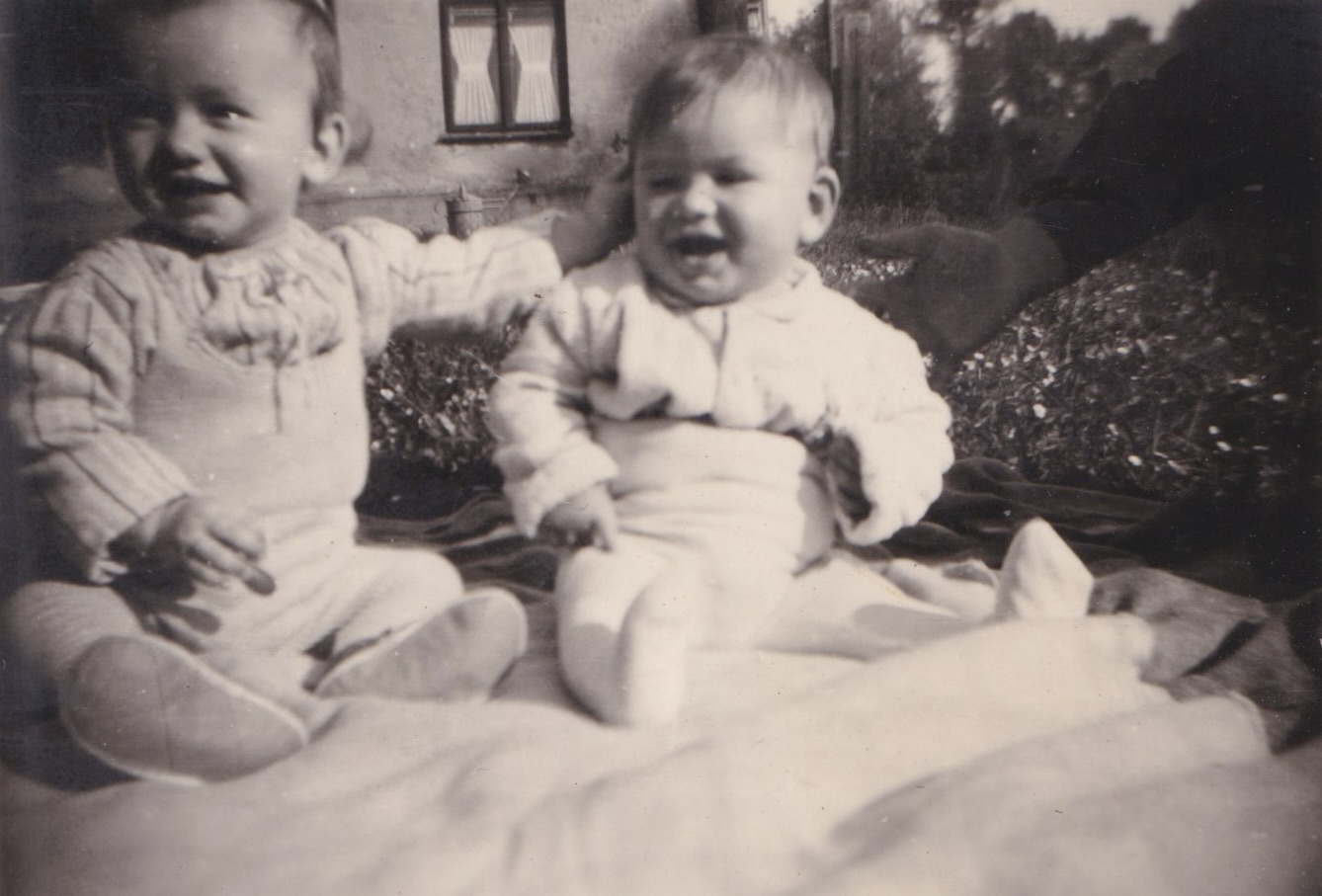
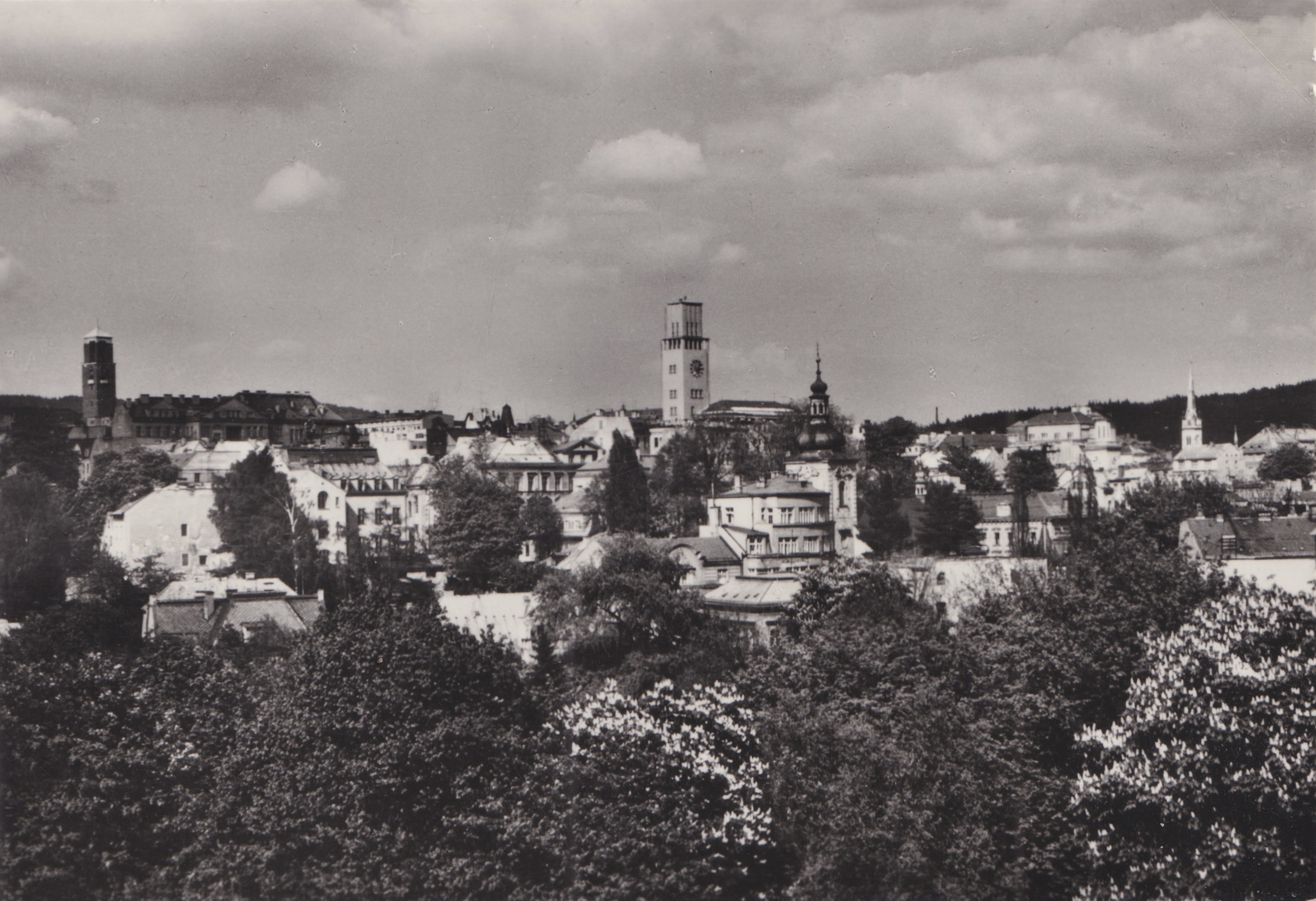
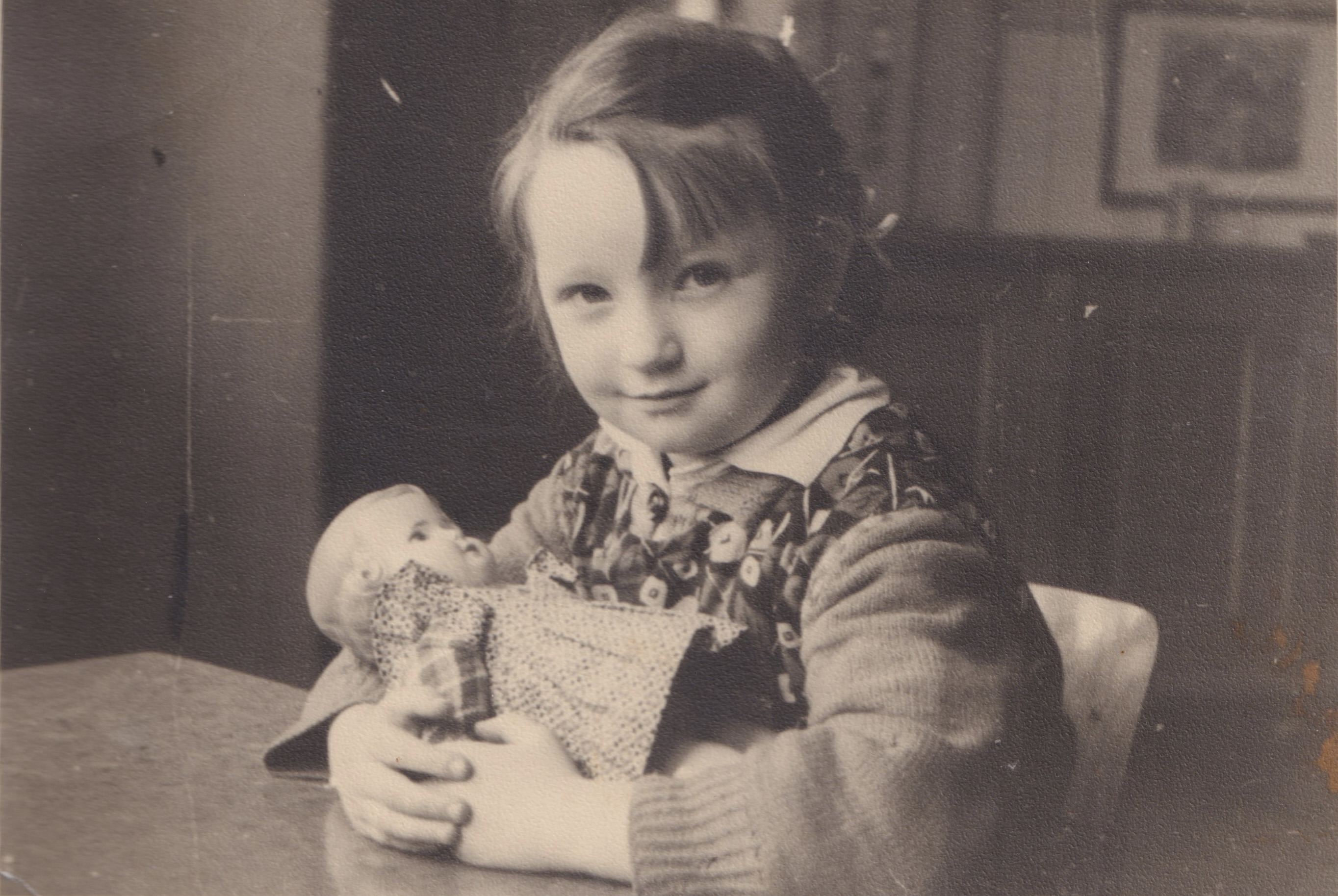
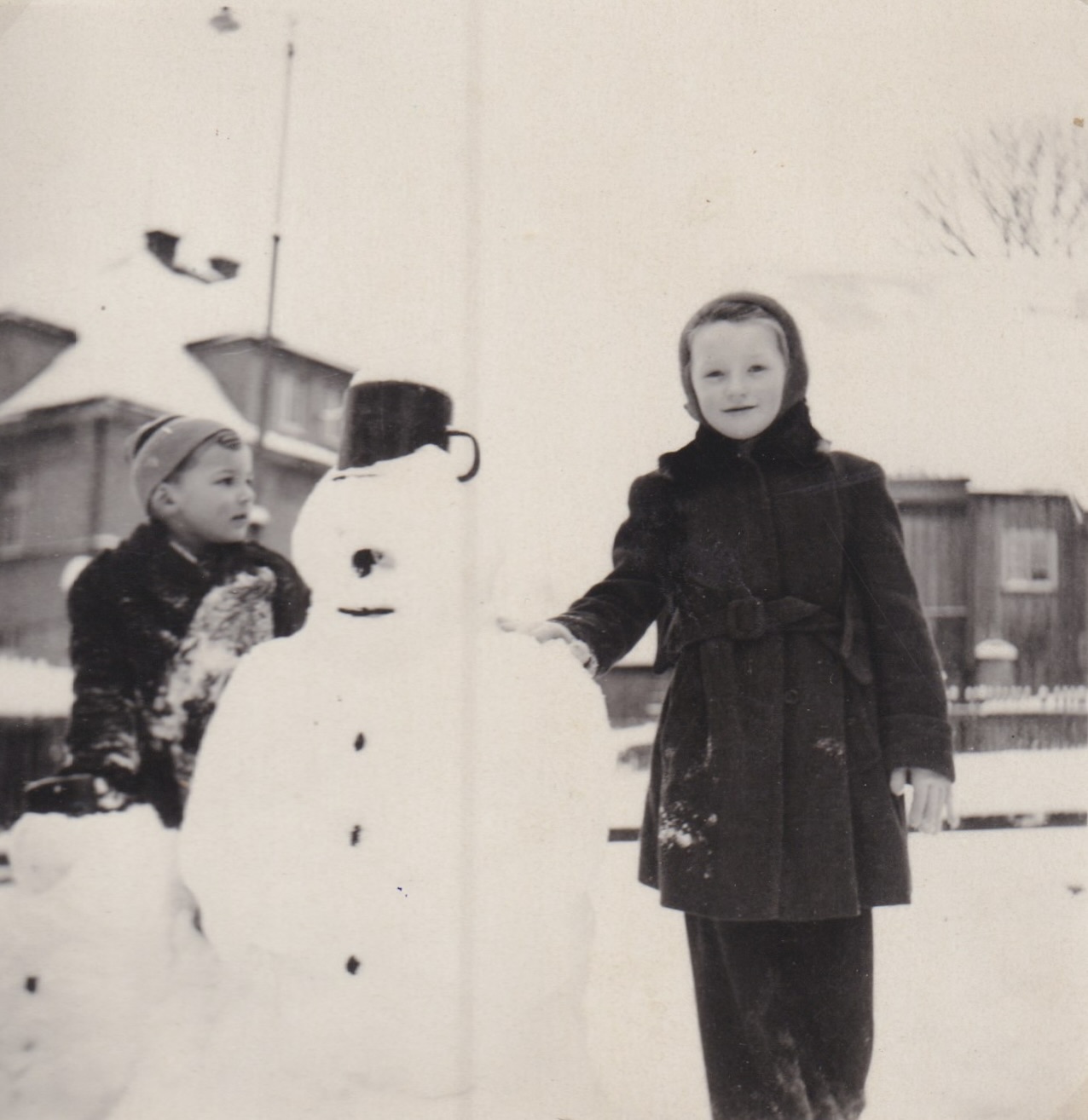
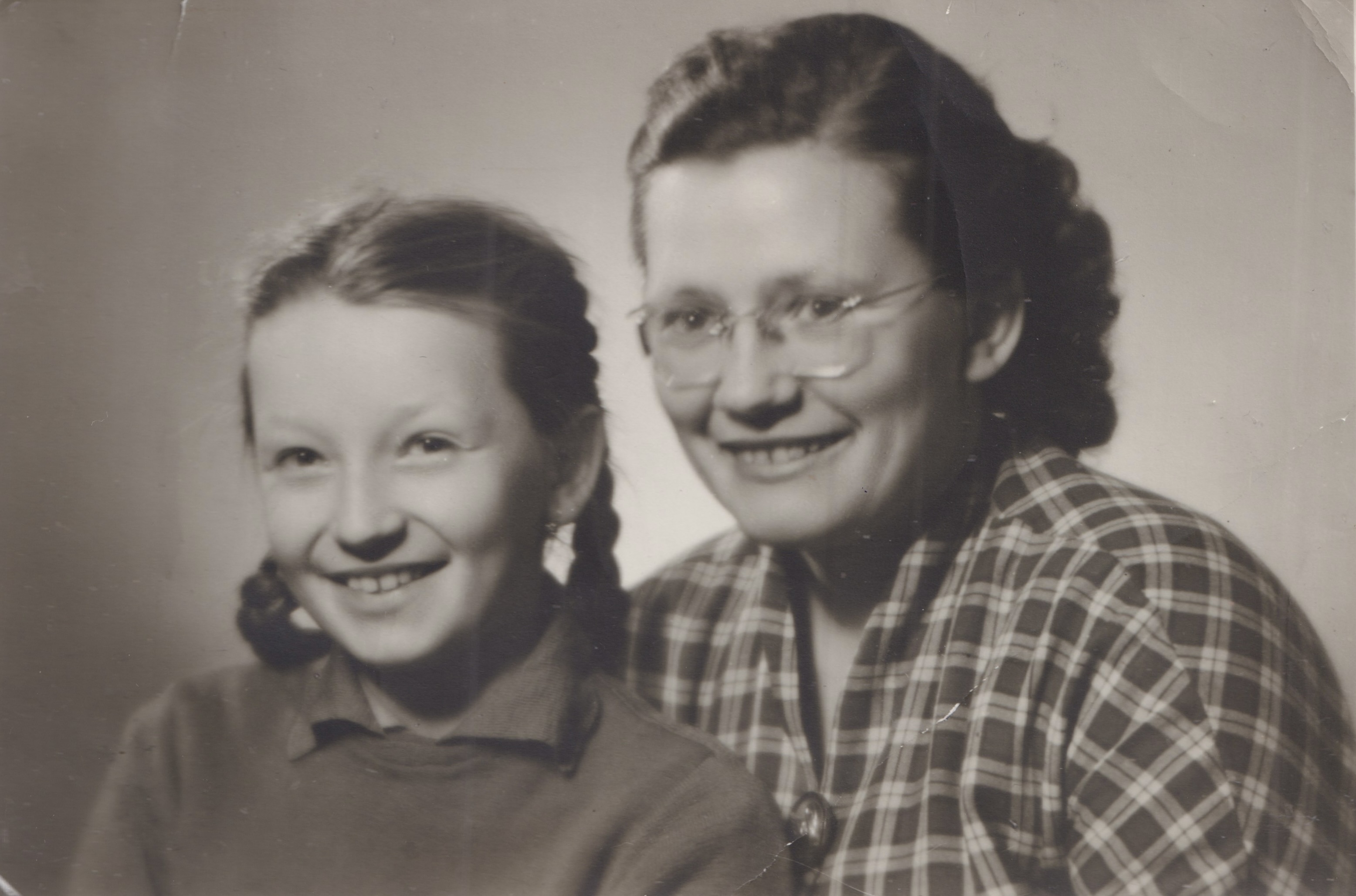
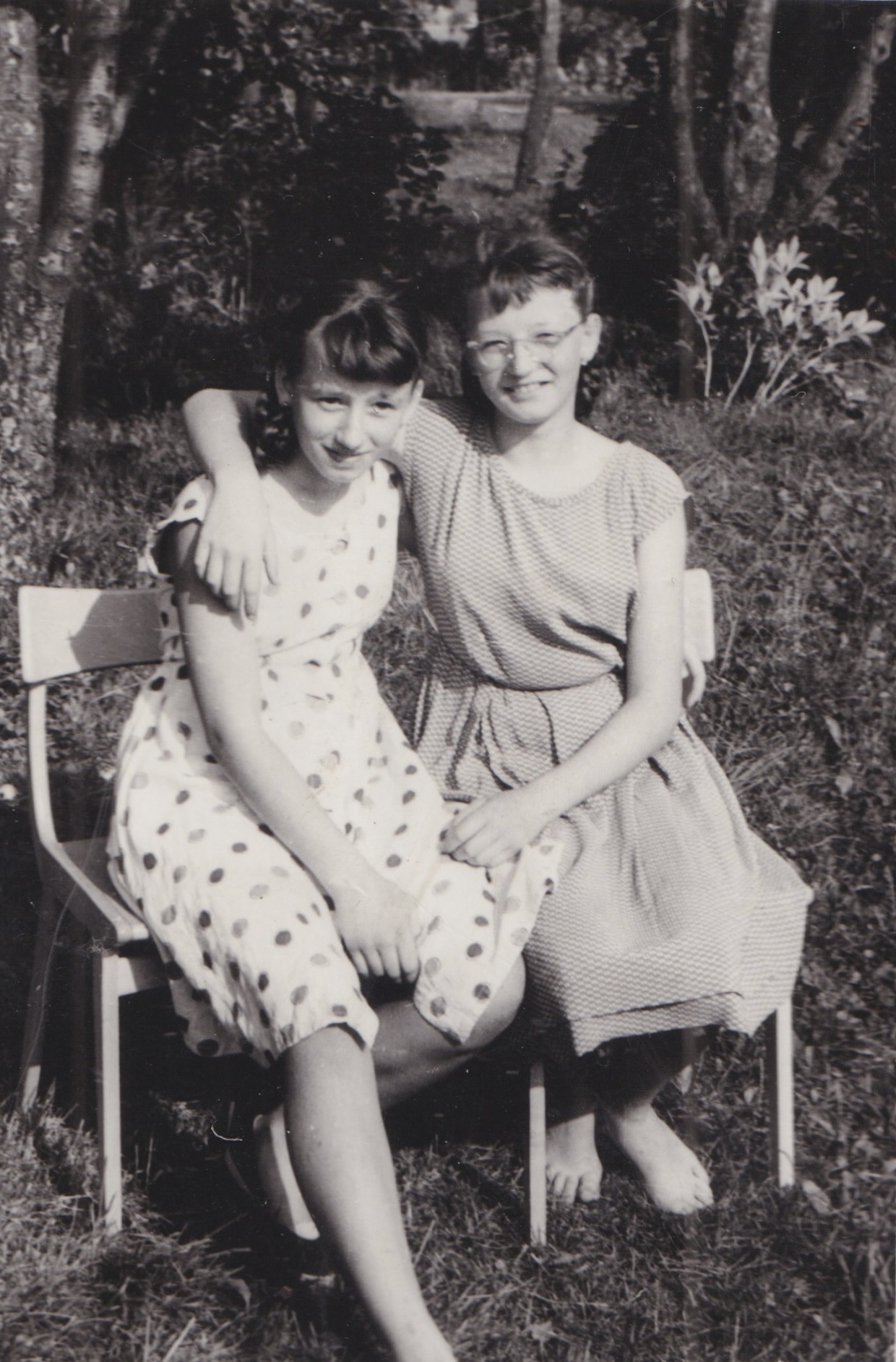
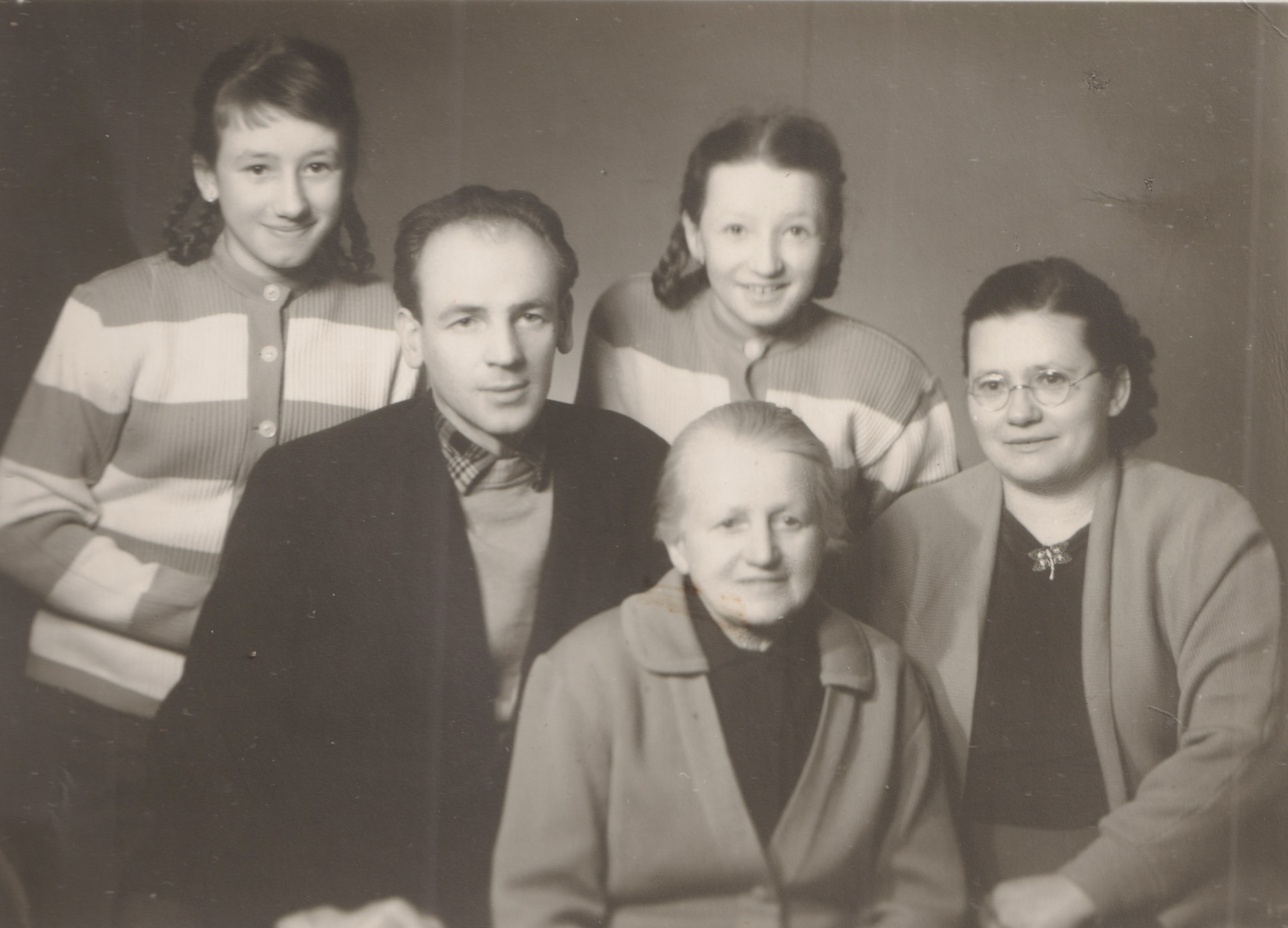
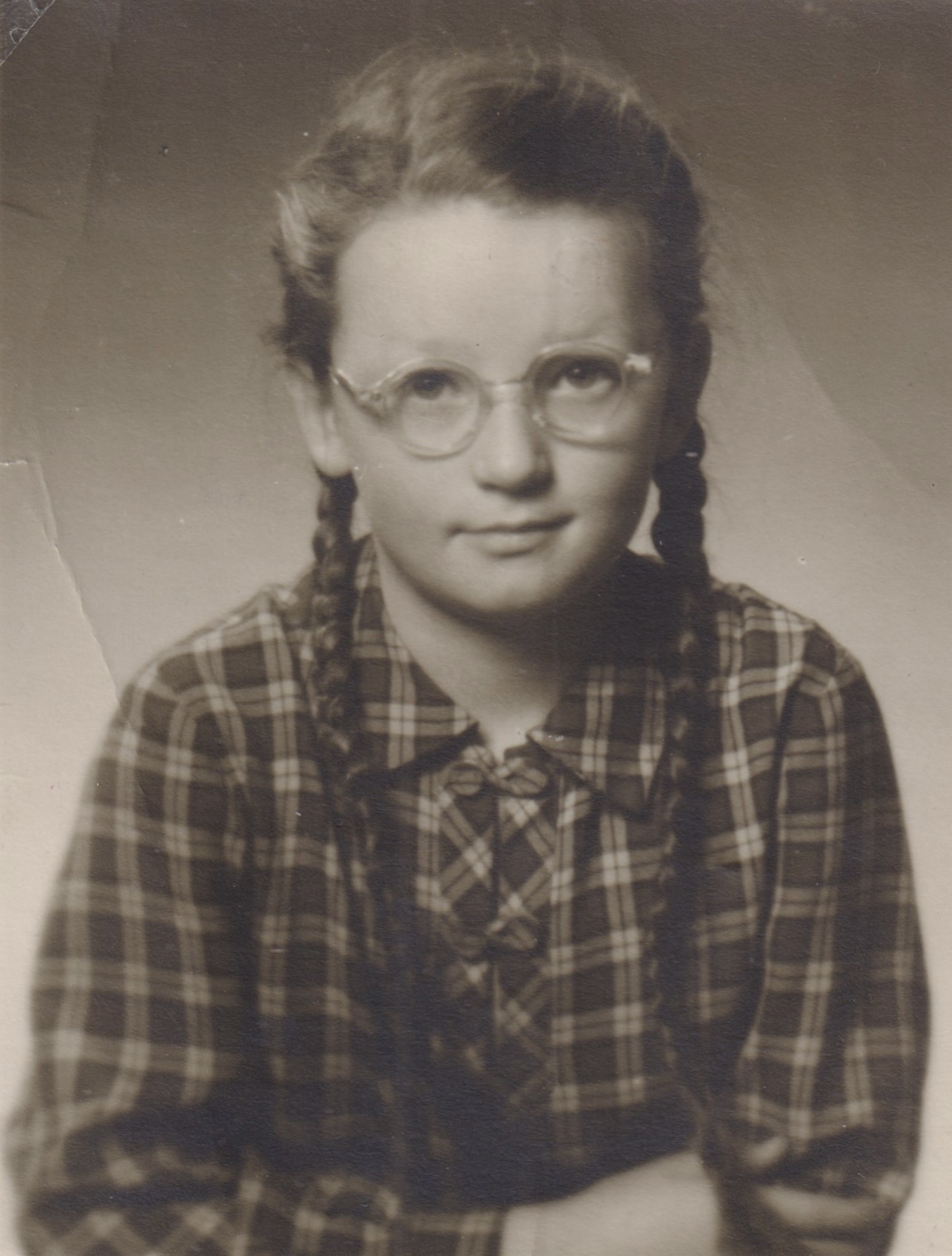
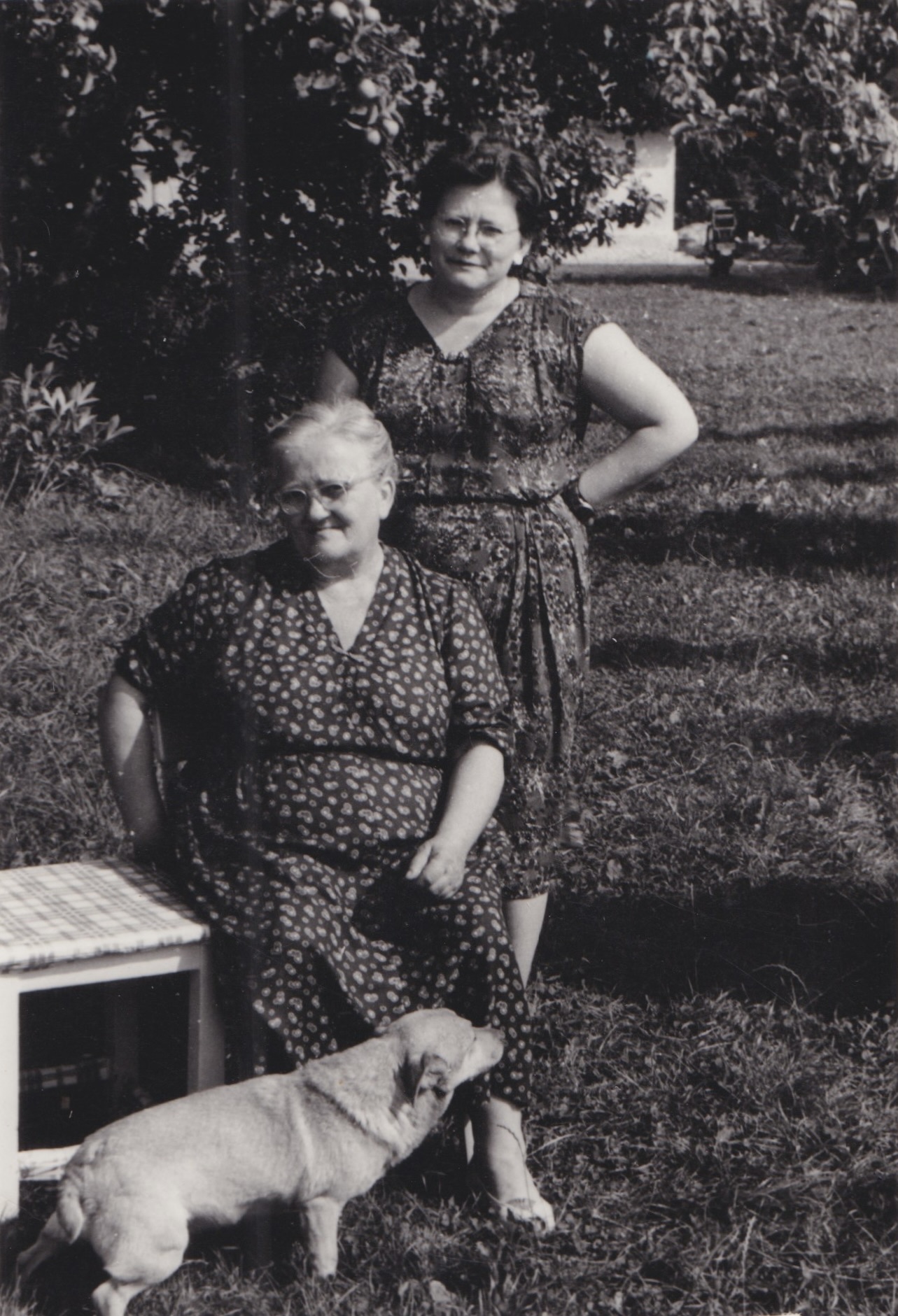
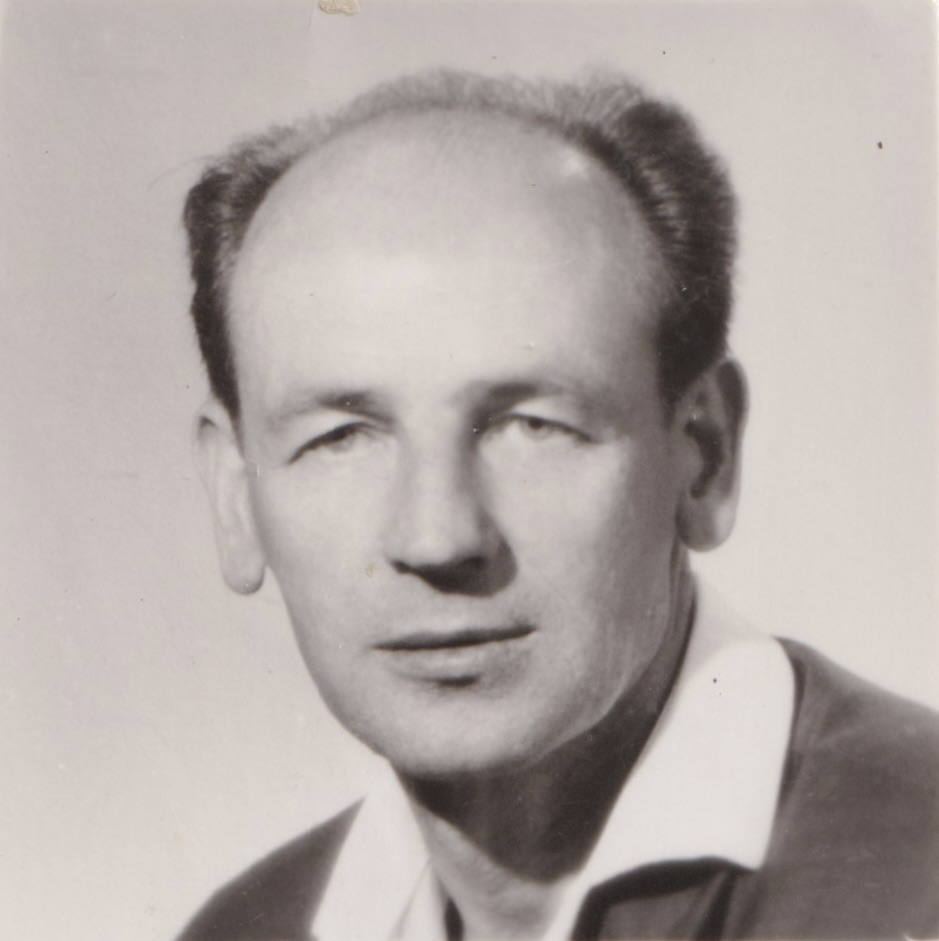
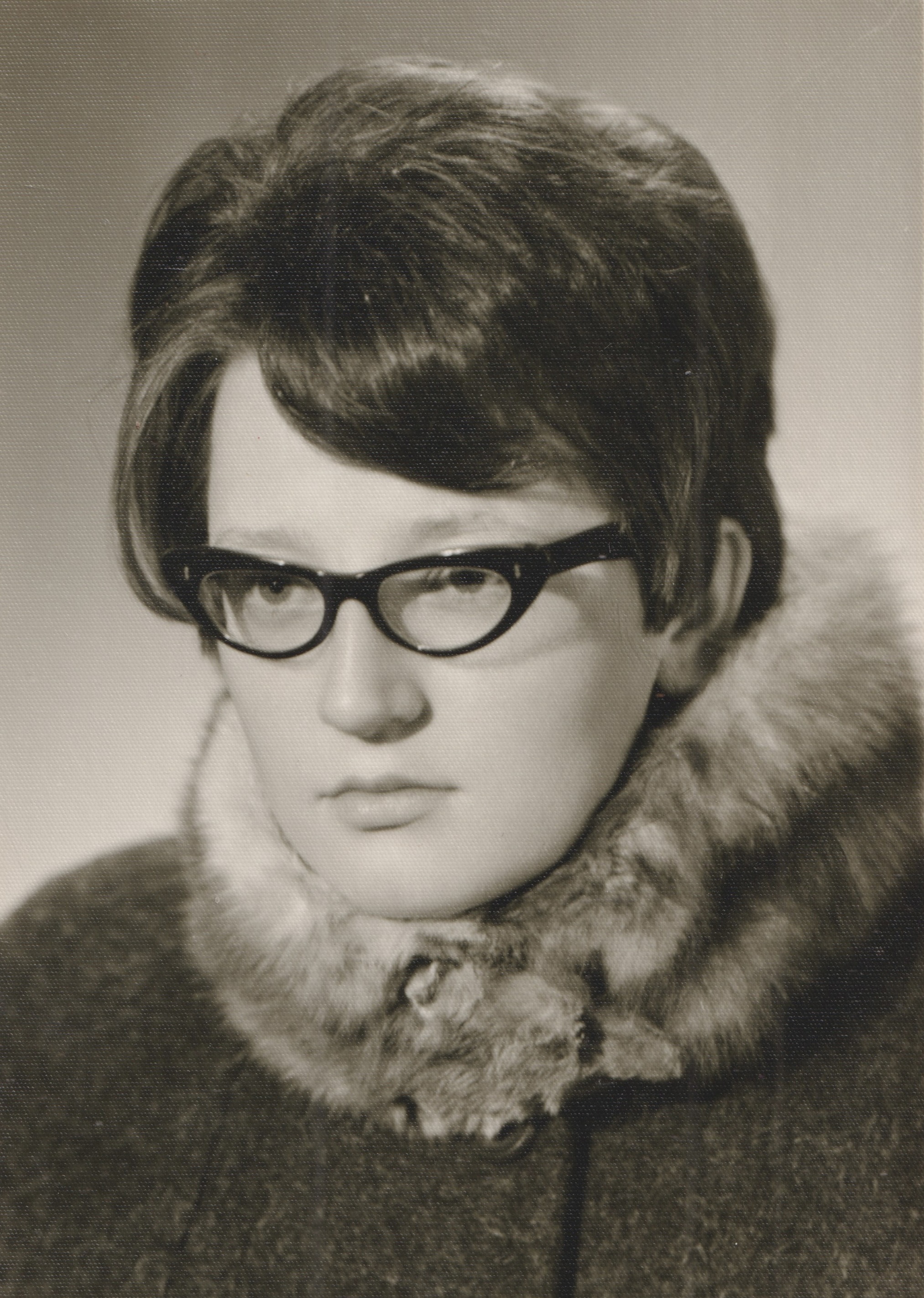
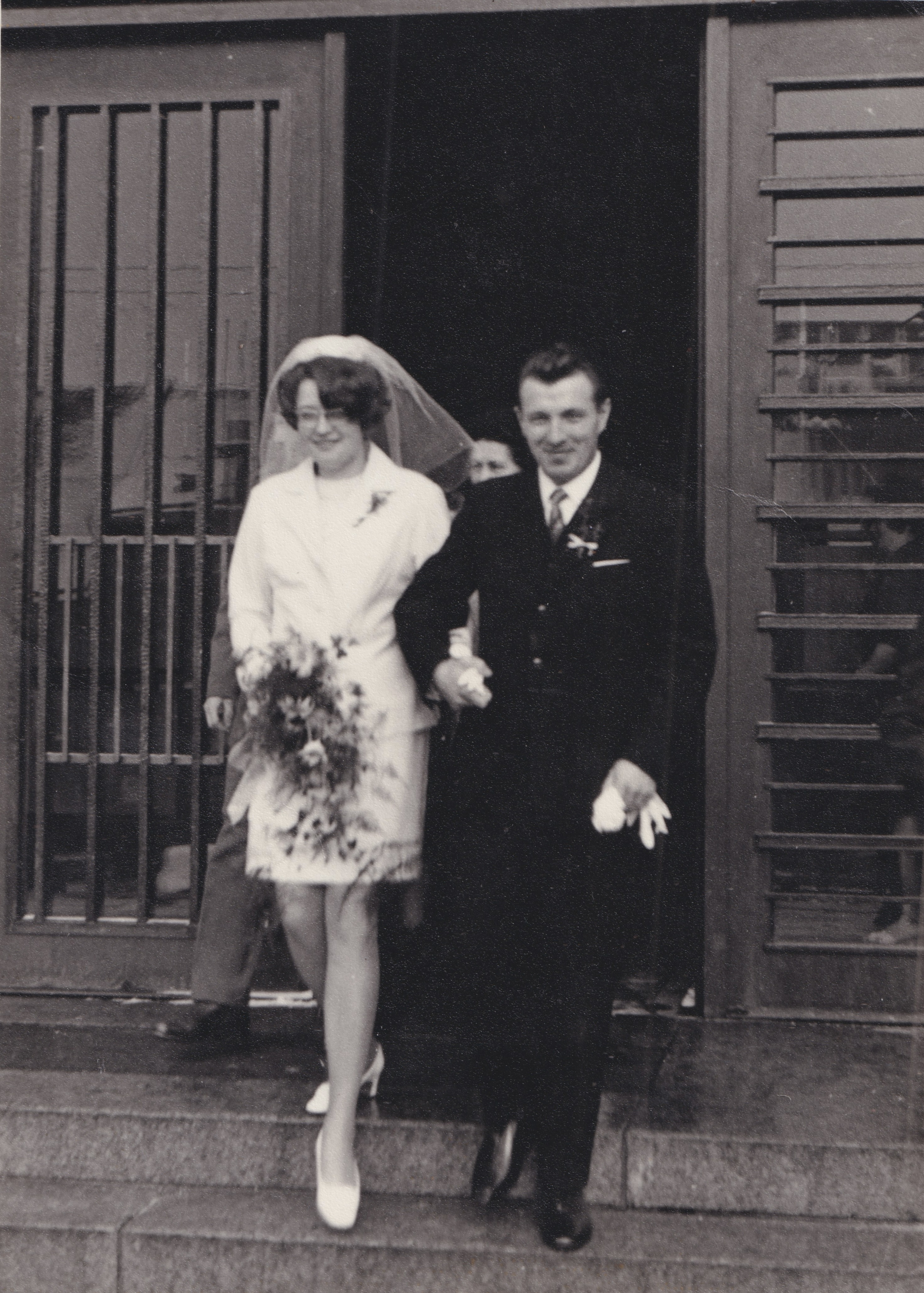
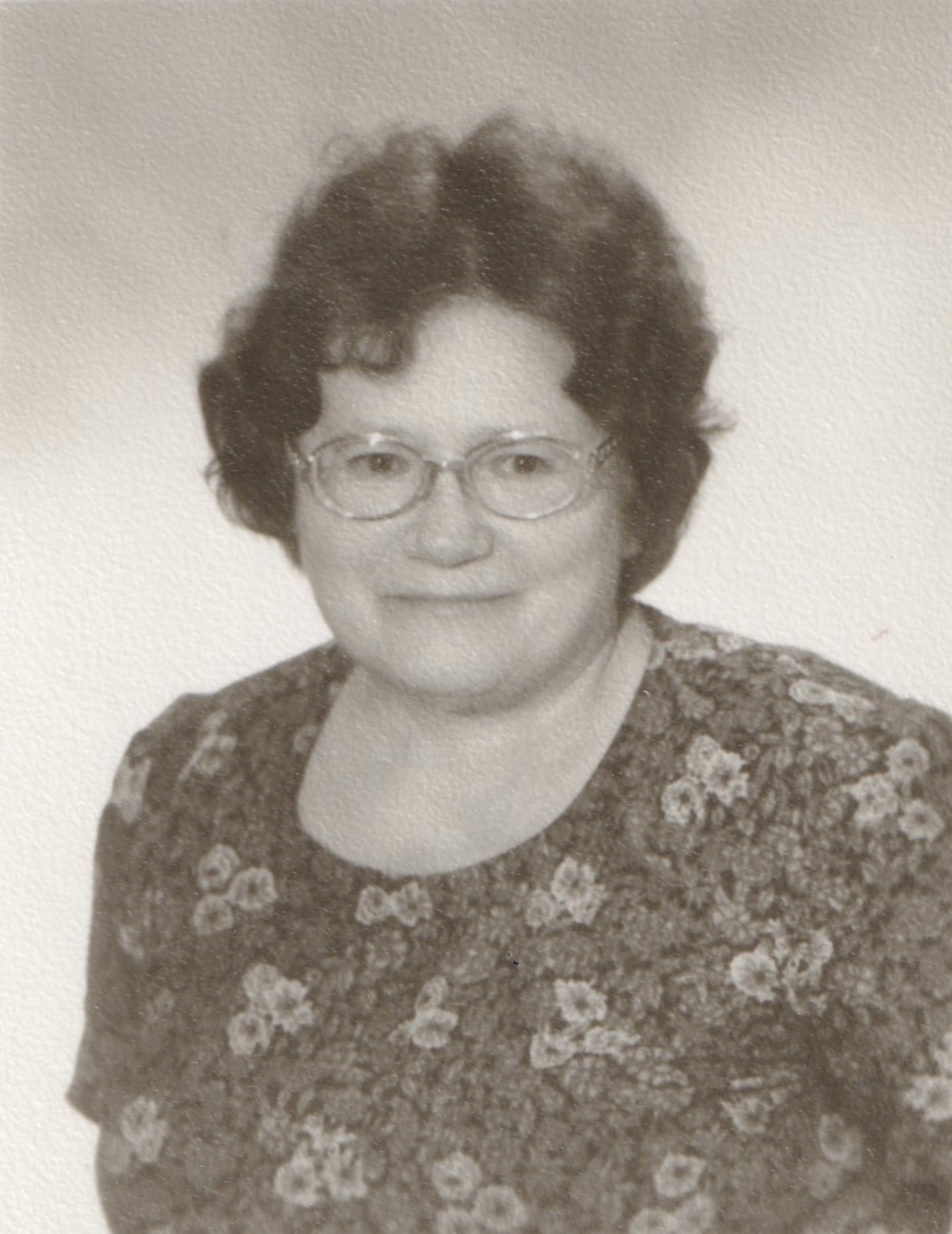
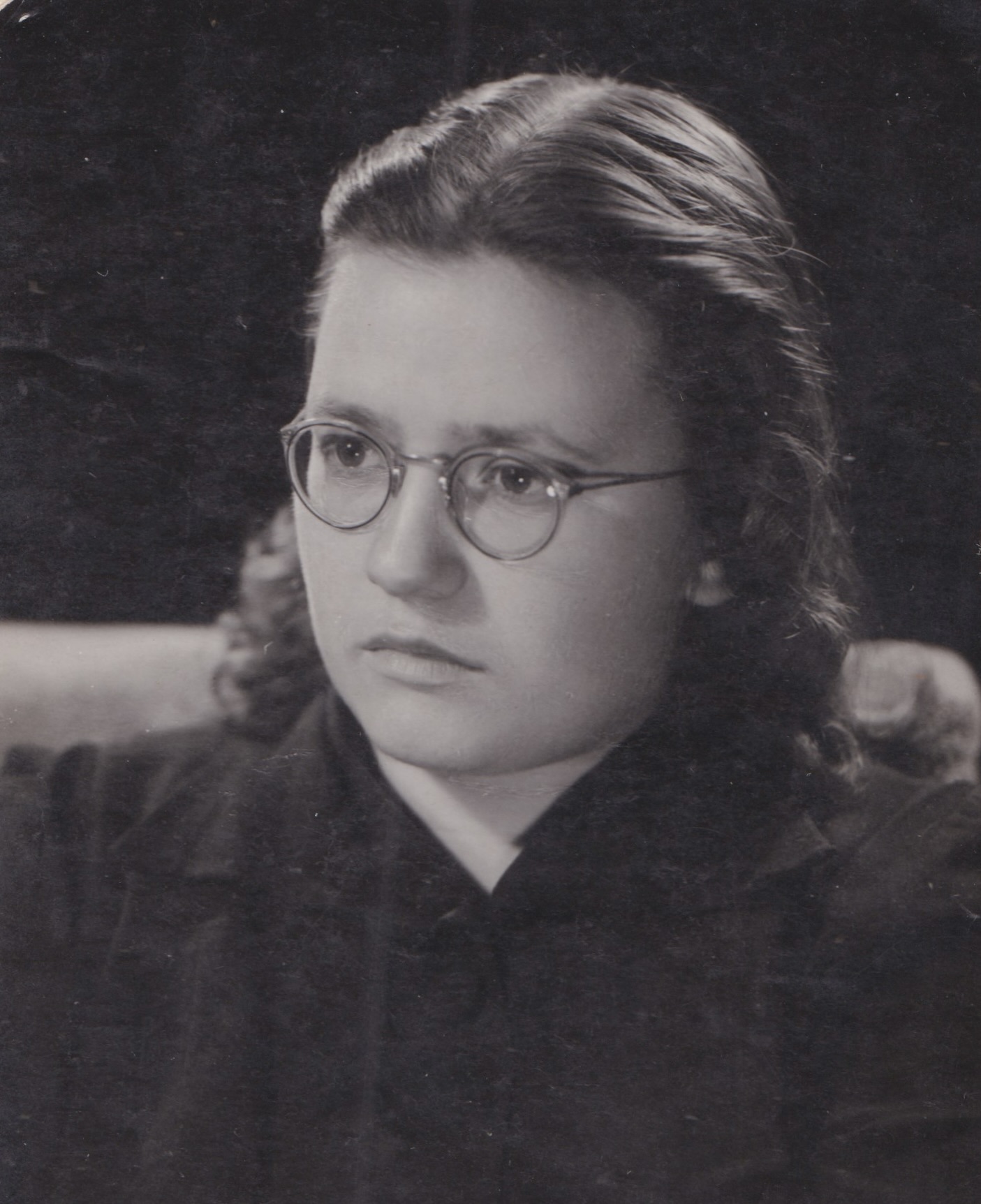
Vladimíra Bukvicová was born on May 11, 1948 into a Czech-Slovenian family, both parents were born in Bosnia. After their relatives were subjected to the mass murder of civilians in connection with the Axis offensive in the Kozara area (today‘s Bosnia and Herzegovina), part of the family became active in the communist partisan resistance. Uncle Dragan Haňáček even underwent brutal torture for his help to the partisans and was left to die for five days. Others were more fortunate and survived the war. The witness´s father, Vladimir Haňáček, fought from 1943 in the ranks of the partisan movement and participated in the liberation of most of Yugoslavia, while her mother, Erna Štukeli, secretly provided the fighters with the necessary medical supplies. After the end of the war, her parents decided to move to Czechoslovakia and in December 1946 they found a new home in Jablonec nad Nisou, where her father got a job in the local glass and jewellery industry. Her mother, on the other hand, faced problems - as a Slovene, she did not speak Czech, so she tried to speak German, which led to many conflicts with the local Czechs. Their daughters Jiřina and Vladimíra, however, did not experience any more persecution due to their mixed origins. After graduating from primary school, the witness entered the secondary construction school in Liberec and subsequently worked in several technical positions or as an interpreter from Serbo-Croatian and Slovenian. At the time of filming in 2025, she was living with her husband in Jablonec nad Nisou and enjoying a well-deserved rest.