Stáhnout obrázek
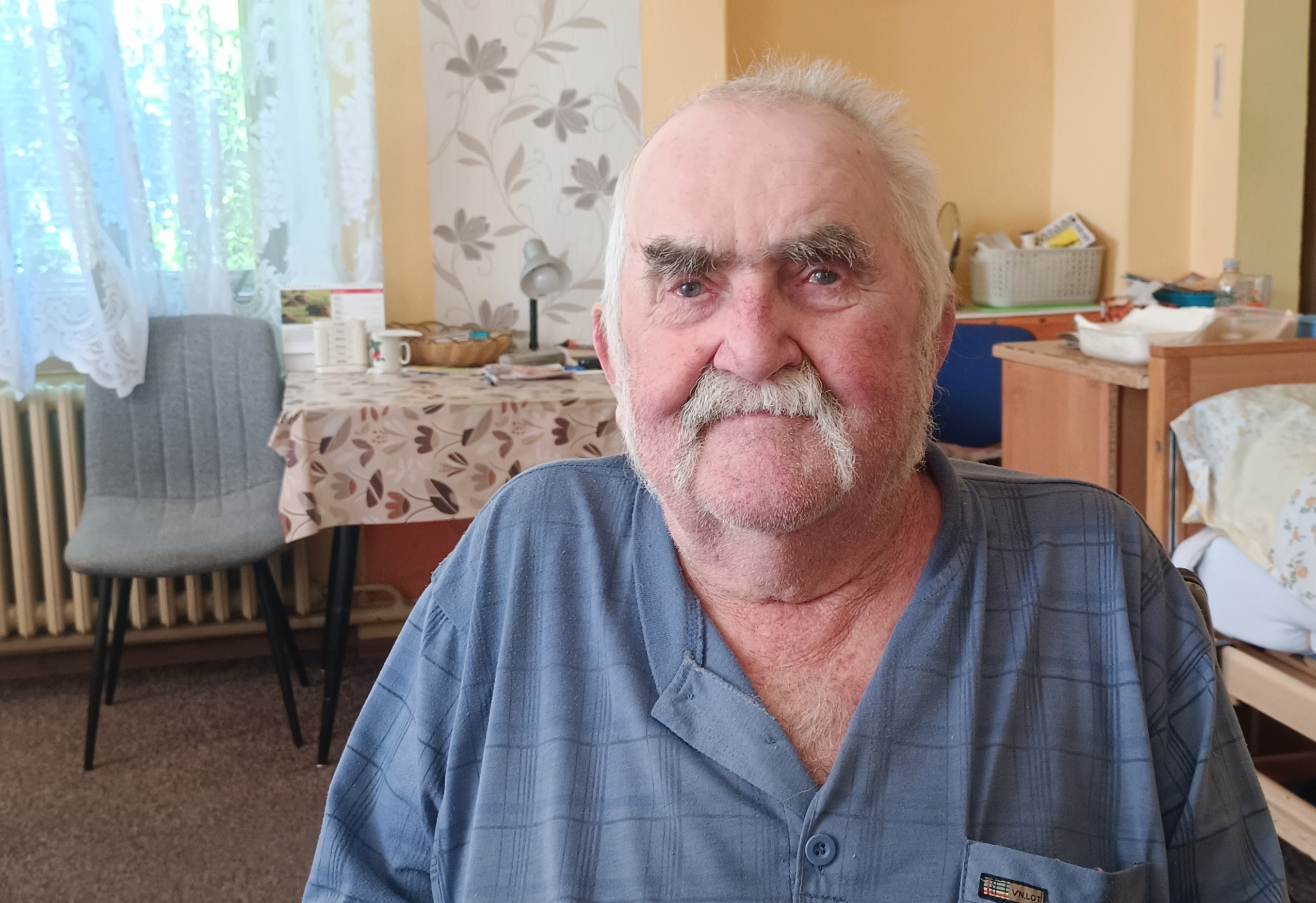
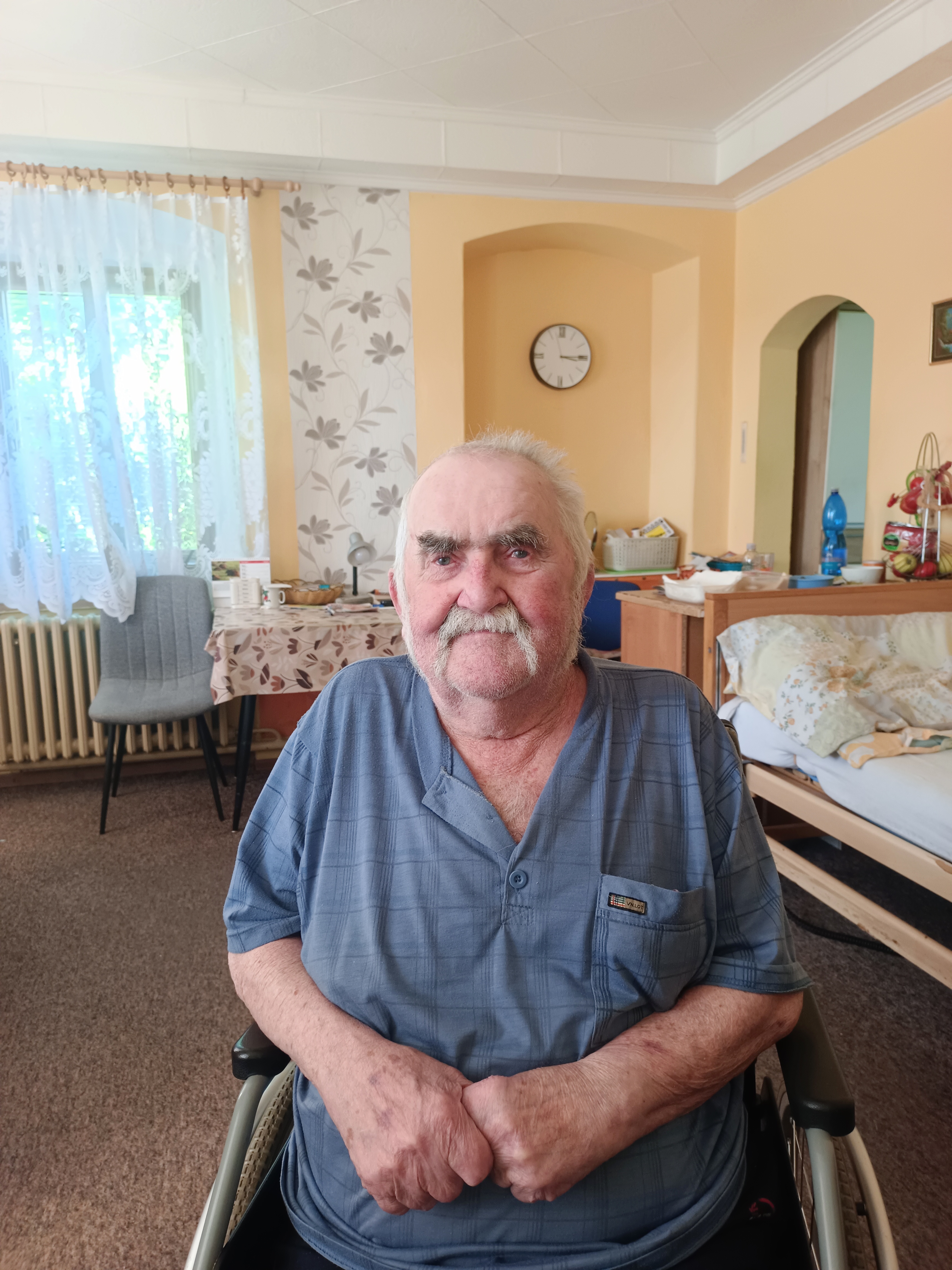
Walter Braun was born on 19 February 1942 near Karlovy Vary in the Sudeten village of Sollmus, now known as Žalmanov. He came from a German family. His father Franz was a porcelain painter and a passionate beekeeper, his mother Theresa took care of the household and the bees, and in the summer she helped the local farmers in the fields. During the liberation at the end of World War II, first the American and then the Soviet army came to the village. Shortly after their departure, the Revolutionary Guards passed through the village and demanded the surrender of all hidden weapons. In the nearby village of Höllmühl (today‘s Peklo), five men who worked at the local sawmill handed over their hidden weapons and were severely punished for it. They had to dig their own grave in a meadow near the village of Neudörlf (today Nová Víska), near the Kaunzner Cross. Four were shot on the spot, the fifth had to bury them and was then released. He staggered through the village and people thought he had gone mad. Later he went across the border to Germany. Only years later did he admit that when he was burying the bodies, he noticed movement in the dirt. He realised the men weren‘t dead yet. He carried the burden of this experience for the rest of his life. At the Kaunzner Cross, the site of the tragedy, a memorial was created where people from the surrounding area brought flowers. In 1946, all the original inhabitants of Žalmanov were deported to Bavaria. The Braun family escaped the expulsion. Walter‘s father and his brother Emil joined the uranium mines in Jáchymov. Thanks to the work in the camp, the family was able to stay in Czechoslovakia. They moved to Loučná pod Klínovcem, where they lived for three years. Due to a shortage of porcelain painters, the father was called to the porcelain factory in Stará Role. In 1951 the family returned to Žalmanov. Thanks to the children in the village, little Walter Braun soon learned Czech. During the invasion of the Warsaw Pact troops in August 1968, Soviet soldiers arrived in Žalmanov. Disoriented, they sat on a concrete wall and had no idea where they were. They didn‘t even have proper equipment, they were hungry, without water and the locals helped them. Walter Braun did his compulsory military service in Slaný and after his return worked in a porcelain factory in Stružná, where he stayed until his retirement. At the time of filming, he was still living in his family home in Žalmanov.