Ladislava Braná

* 1957

  • "Foreign literature hardly ever made it here, but I remember that Thursdays were book days. When I started working in outpatient clinics, I began in Chirana, in the factory clinic, and there was this man there, he worked as a handyman and he managed to get hold of all kinds of books. So I got books from him of which there were here—I don't know, maybe three or four copies. So I said, 'That's amazing,' because they were real books, like Kerouac or those guys, and we really wanted them because we didn't know them and we wanted to read them. And he managed to get them all. I don't know how he did it, but I always came in on Thursday and he'd say, 'Yeah, yeah, I've got it for you.'"

  • "The apartments weren't, well, the apartments weren't that awful in Lhotka, I think Jižní Město was the worst. They moved my sister there, she was already living there with us and her family because it was a big apartment, a four-room apartment, a five-room apartment. So they got their apartment in Jižní Město, and my mother and I got a two-bedroom apartment. The apartment wasn't bad, it had a balcony, it was bright, it had that awful Bakelite bathroom, but we didn't stay there long, then they exchanged it for one in Vršovice. But it was like – suddenly you move from inner Prague to such a horrible place, where there is construction, mud, you don't know anyone there, there are no shops. Well, so it was like this..."

  • "That's where we were actually – my mother told me that, she told me a few things, because our printing house didn't print books, but posters, tickets, theater programs and things like that. And the Havels had the Lucerna, and they printed posters and tickets for old Mister Havel there. That's probably why they threw the machines away after the war, I don't know. Not because they were German. They were all German printing machines, which were fine, which could have been used somewhere else in a printing house, and they threw it all out onto the street."

  • Celé nahrávky
  • 1

    Praha-Malešice, 22.02.2024

    (audio)
    délka: 01:27:35
    nahrávka pořízena v rámci projektu The Stories of Our Neigbours
Celé nahrávky jsou k dispozici pouze pro přihlášené uživatele.

As a nation, we can only stand together when things turn tough
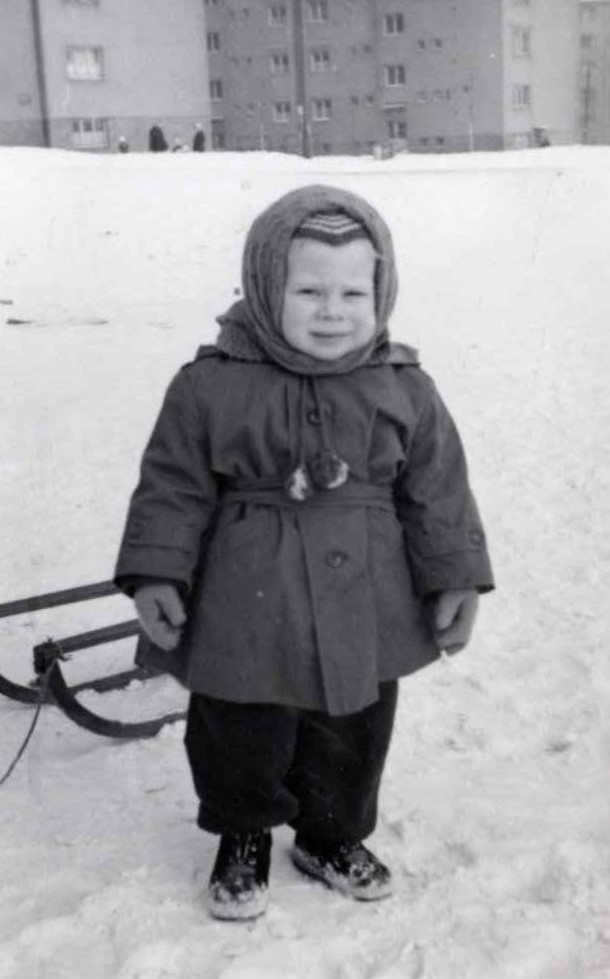
Ladislava Braná as a child in a residential area
zdroj: Witness archive

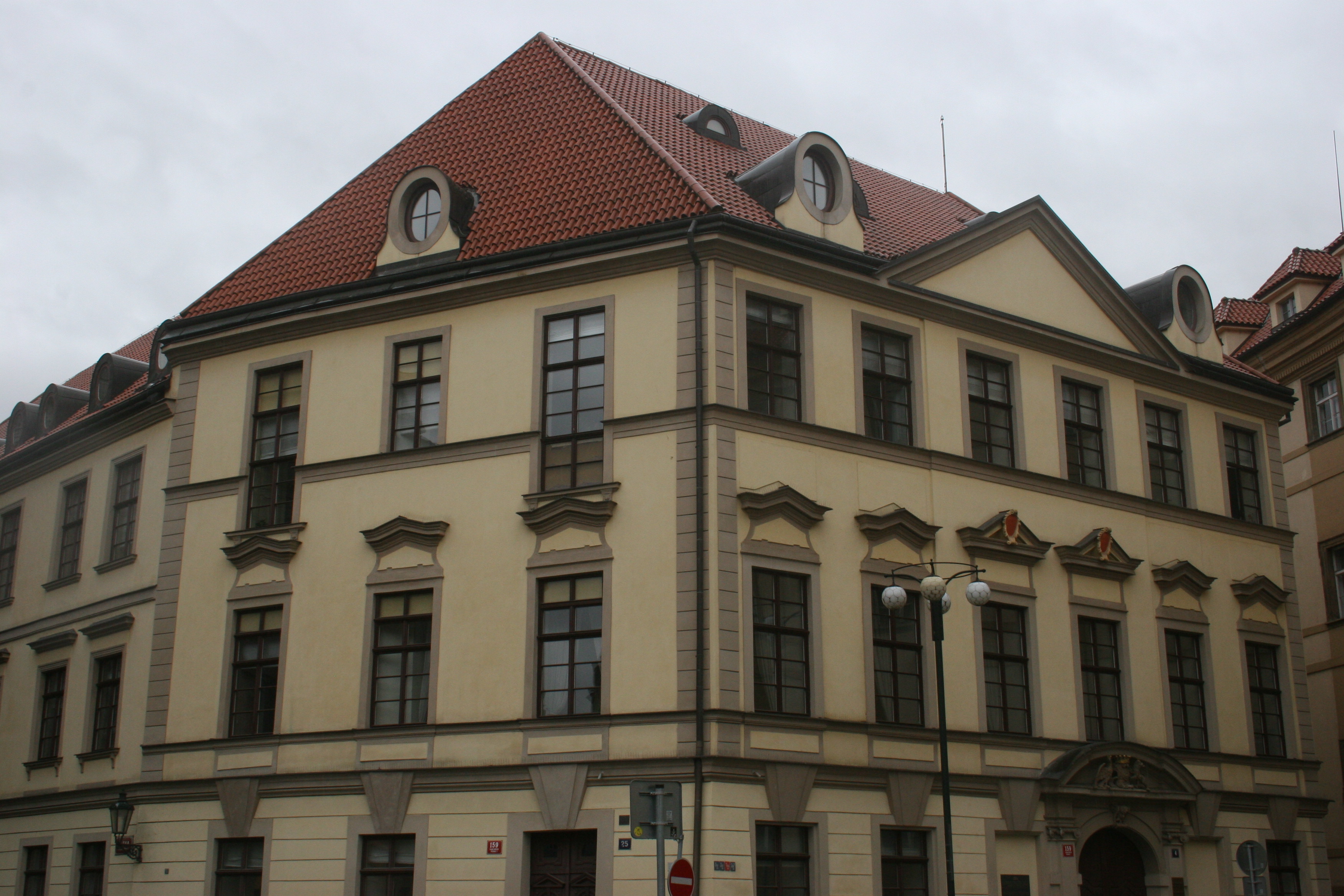
Ladislava Braná, née Gottwaldová, was born on March 16, 1957, in Prague. Her grandparents owned a house with a printing press on Mariánské Square in Prague. During the German occupation, her grandparents were imprisoned in concentration camps, where her grandmother died of untreated gallbladder inflammation. After the war, the communists confiscated their house and closed the printing shop, but they were allowed to live there until 1977, when the family was evicted to the unfinished Lhotka housing estate. The witness recalls the arrival of the occupying troops in Czechoslovakia in August 1968, when the facade of their house on Mariánské Square was shot to pieces. Ladislava Braná graduated from secondary medical school and worked her entire life as a nurse in company clinics and hospitals. She read samizdat, banned books, and listened to Radio Free Europe and Voice of America. She resisted pressure to join the Communist Party of Czechoslovakia (KSČ). In 1980, she married Antonín Braný, an anti-regime photographer and teacher at Silesian University in Opava, with whom she has one daughter. In 1989, they participated in demonstrations during Palach Week and those in November 1989. In 2024, she lived in Malešice, Prague.