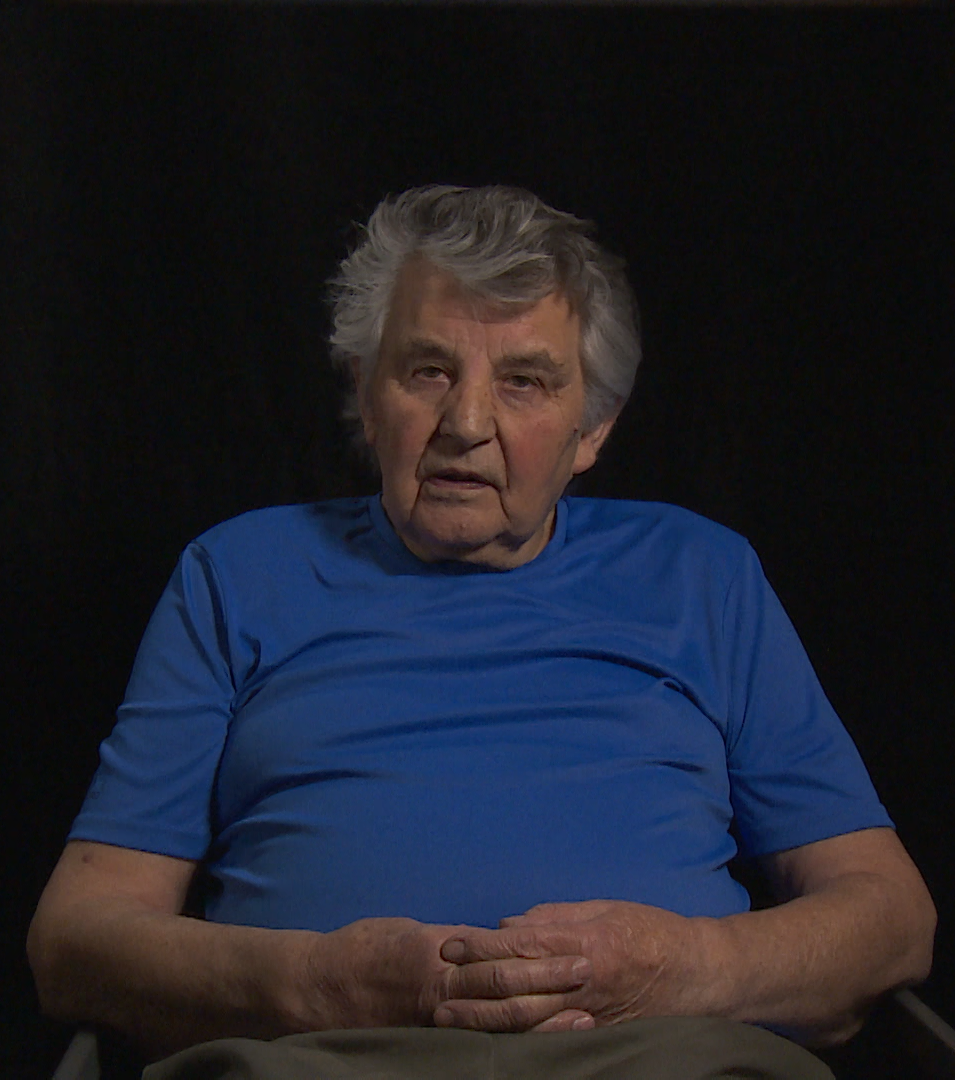
Jaroslav Bouz

* 1934

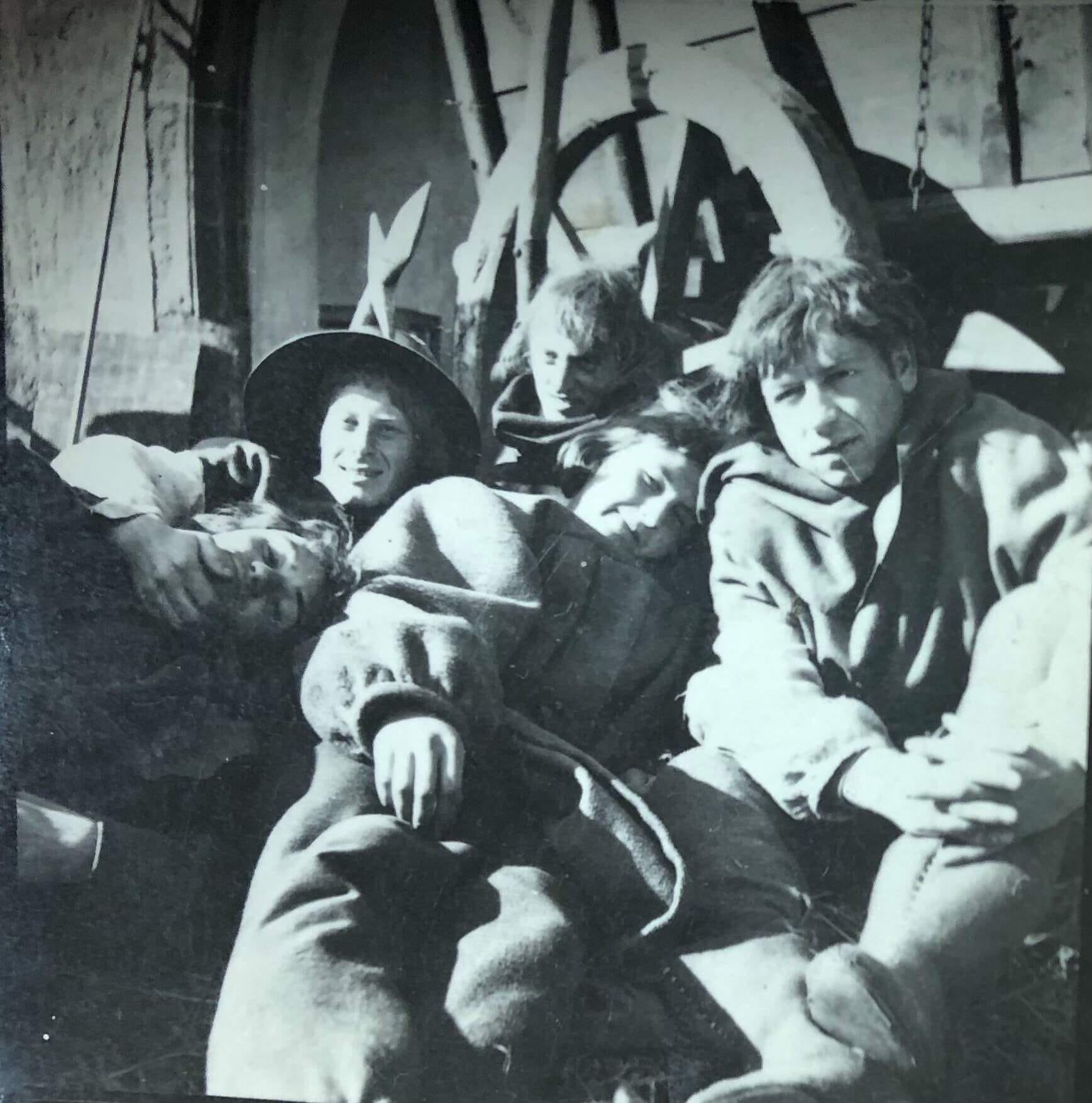
  • "A lady came to meet us, her name was Věra Ženíšková, she was the assistant director. It was an awfully long corridor, it was some kind of lowered ground floor or whatever it was. We were lined up there and the director, Vávra, introduced himself, Ženíšková, and some of the staff from the technical department. So they separated us: 'You go over there, you go over there.' So we had to go into a room, we had to undress, we were given these long coats with hoods, we were given boots for our feet, they were what they called the boots, they were these high boots, but comfortable and pointed. They put something on us, they would put wigs on us and we were on our way up, where all this was being filmed."

  • "Like this, rabbits could be raised during the war, but if you wanted to raise a goat or chickens, for example, it was worse there because quite a few families tried to raise chickens and it was all recorded at the municipal office. How many chickens were raised. Eggs had to be handed in. Now imagine that maybe the hen, you couldn't instruct the hen, 'Hey, you, you have to lay this certain amount of eggs for us to have for delivery.' So there was quite a lot of trouble, they were after the people who had the hens that they hadn't given enough eggs. Maybe it wasn't even their fault that they didn't produce enough eggs. You could raise goats, but everything on record, again, milk had to be turned in from that goat. They didn't forbid it. We could have had a pig, for instance, but they wanted, I don't know how much of the meat they wanted you to hand over."

  • "He then explained to my mother that there was simply no point in looking for something, that everyone says the Germans who are here will be allowed stay and that if we stay out of politics we can stay here. It doesn't matter whether we have to work for the Reich in the Sudetenland or in the Protectorate. So we stayed there."

  • Celé nahrávky
  • 1

    Sloupno, 25.11.2021

    (audio)
    délka: 02:25:30
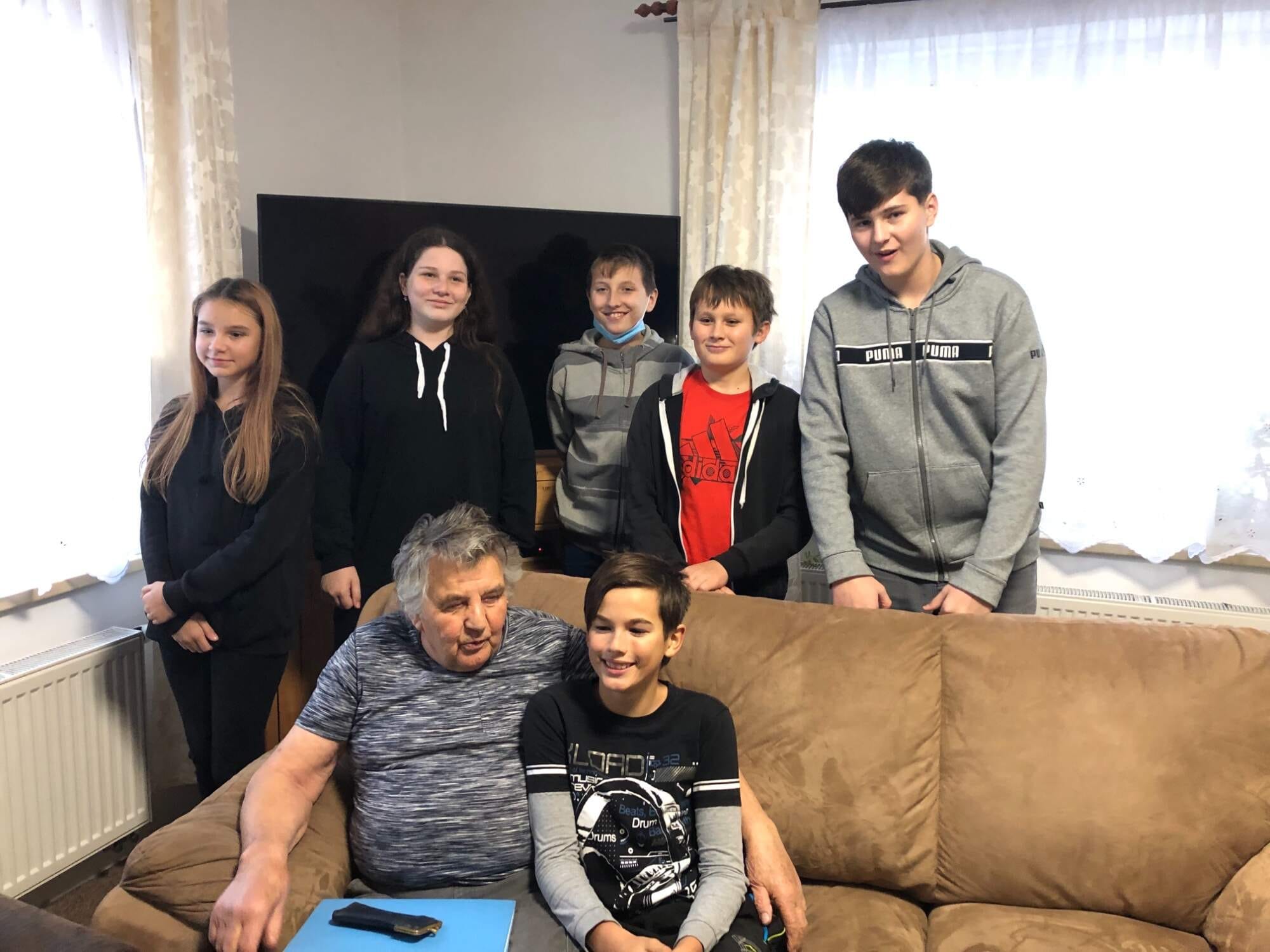
    nahrávka pořízena v rámci projektu The Stories of Our Neigbours
  • 2

    Hradec Králové, 06.02.2023

    (audio)
    délka: 03:17:25
    nahrávka pořízena v rámci projektu Příběhy regionu - HRK REG ED
Celé nahrávky jsou k dispozici pouze pro přihlášené uživatele.

I was a boy from the Sudetenland and a soldier in the movies. Now I‘m the one who remembers
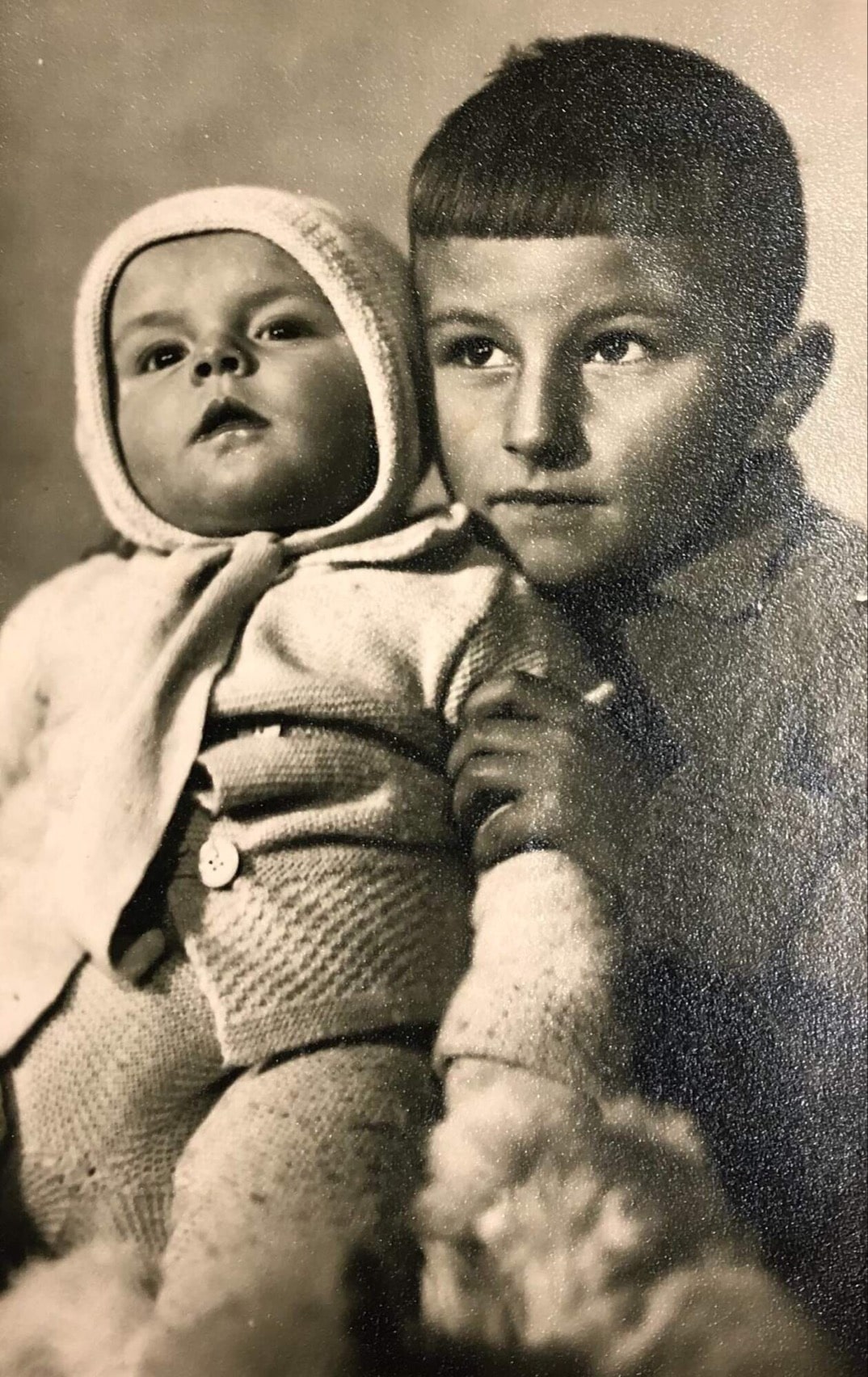
Jaroslav Bouz with his sister
zdroj: archive of the witness

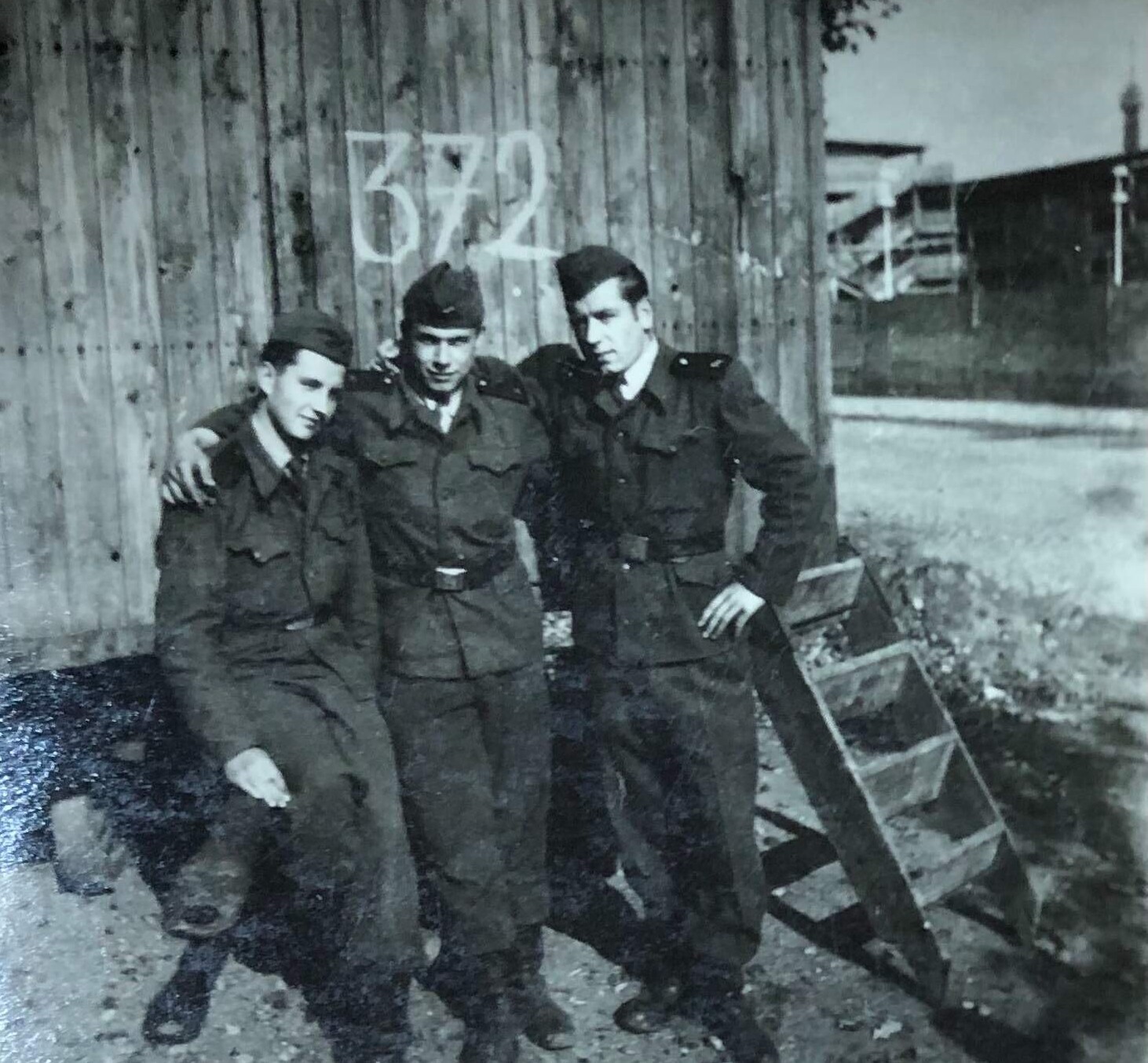
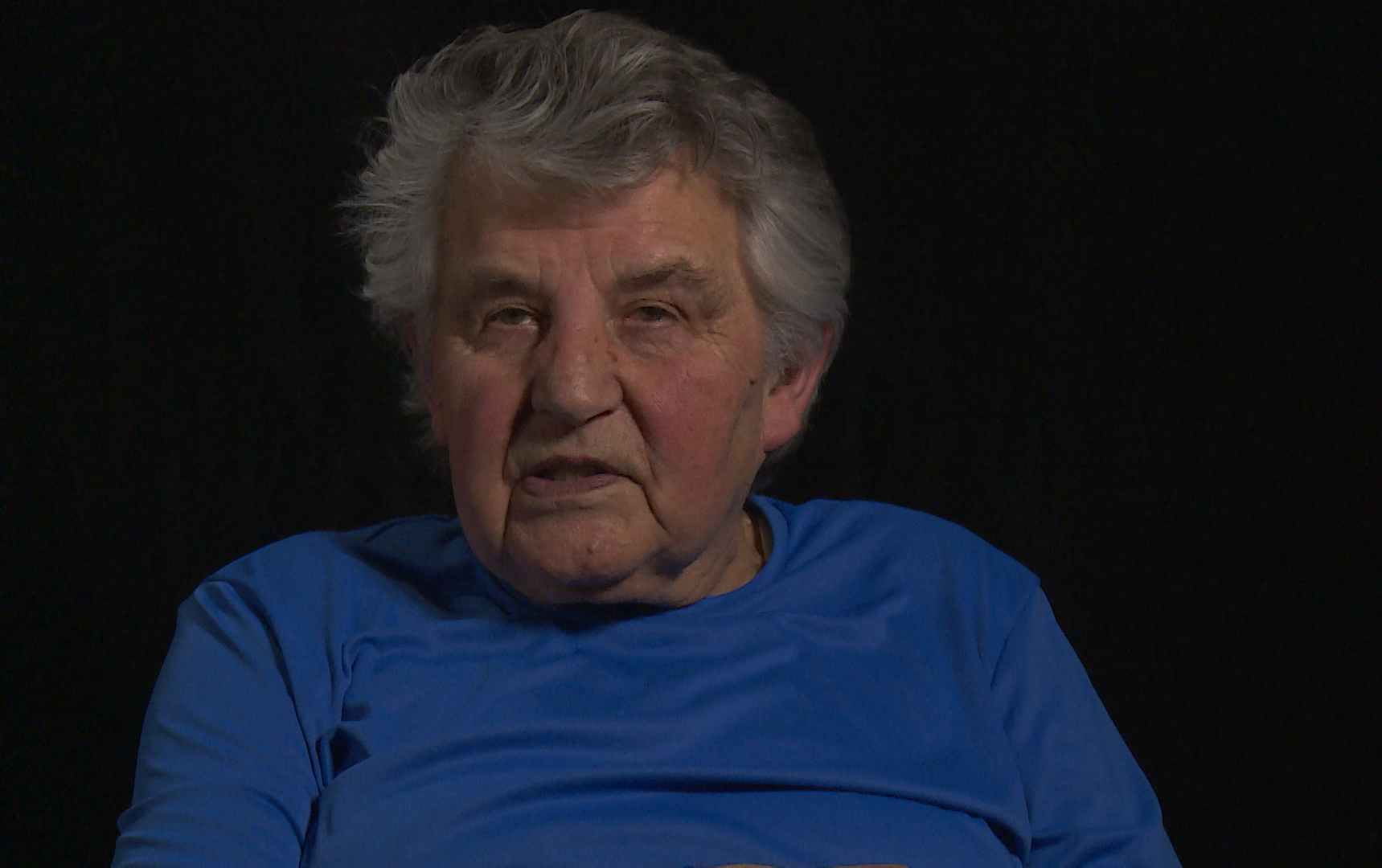
Jaroslav Bouz was born on 17 October 1934 in Jablonec nad Nisou and spent his childhood in the then Sudetenland, which was marked by war and tense Czech-German relations. He grew up in Rýnovice, where he lived next door to a Gestapo officer and a factory where prisoners were doing forced labour. After the war, he experienced the expulsion of the Germans and the arrival of new residents, and his father took over the carpentry workshop of one of the displaced craftsmen and became mayor of the village. Jaroslav Bouz himself trained as a carpenter and devoted himself to his profession all his life. He spent his military service partly at Barrandov, where he helped with the filming of Otakar Vávra‘s historical films. After returning from the army, he married, had two daughters, later divorced and found a new partner. In 1969 he considered emigrating. He became a grandfather and great-grandfather who tells his life stories so that they will not be forgotten.