"The last interrogation took place exactly one week before 17 November 1989, on 10 November. On November 8, I received an official summons to appear at the District Administration of the National Security Corps in Plzeň, Přeštice, where I worked at a children's counseling center, at half past twelve, which was still during working hours. On November 9, I called to ask for the reason for the summons. They say that I will not find out until 10 November. After presenting my identity card and advising me of my rights, an unknown man in plain clothes asks me the question: 'Where were you on 27-29 October?' I do not answer, but ask what the offence is and who it is. They ask me again where I was, but I say that until they tell me the reason, I will not discuss anything with them. "You took part in an illegal demonstration. Who did you see? Do you know Valtera?" I refuse to talk to them, invoke my rights and consider this interrogation over. 'Next time, we'll arrange it through the director of the health center in Přeštice. We'll make sure he doesn't give you leave. Tell your father that if he is rude to us next time we will deal with him.' Apparently they have come home for me. I think they might have wanted to arrest me up for two days, but I was already gone. At the end they added: 'We already know the doctor.' They put on the record that I refused to answer the question of where I had been on 27-29 October. I refuse to sign until they add the interrogator's sentence that they will secure me next time. They refuse. I'm free to go. It's 12:50. So I was there for 20 minutes."
"On May 16, 1988, I came to Stod to wish the priest Ján Ďuriga a happy birthday. He was not at home, they said he would not be back until late in the evening. In the meantime, I went with my friend Petr Valtera, a Catholic, an organist, a signatory of Charter 77, to the restaurant on the square. I didn't pay much attention to the people around, but my friend pointed out to me that there were plain-clothes members of Public Security - he was from Stod - and an older man, an assistant of Public Security, with whom he had bad experiences. Around 10 pm we went to the rectory, it was closed, so we went to the church and played the organ. After 11 pm, the priest Janko Ďuriga came for us and we went to the parish house. We sat down in his back room and talked, and after a while we heard the telephone click, and the machine tinkled. I didn't pay attention to it, Jan left. A little while later we heard choking, banging, and Jan's cry: 'Peter, Peter, help!' The image of the criminals who had ambushed us flashed through my mind, and we as witnesses would not come out alive. For the first time in my life I was really scared, not Peter, he ran to help. In a moment Peter, John and three men entered the room. One in uniform, one in plain clothes. I recognized one of them as the assistant of Public Security, and the other was later identified as the deputy chief of the Public Security District Department in Stod. "What are you doing here?" Why were we playing in the church? "The neighbours called us." They copy our ID cards, Janko is walking around the table, he is pale. I'm not afraid anymore, they're not murderers, just Public Security. I tell them: 'Show us the search warrant. What are you doing here? You have violated my privacy, I will report you'. Then I find out what happened. They entered the rectory through an open window, they must have climbed over the wall before, they were drunk. Jan could tell by the click on the phone that something was wrong, they must have been trying the phone. He went to the room where he had the other phone, and the men jumped on him, they twisted his hands behind his back, they wanted to beat him. But they were surprised by me and Peter, the witnesses."
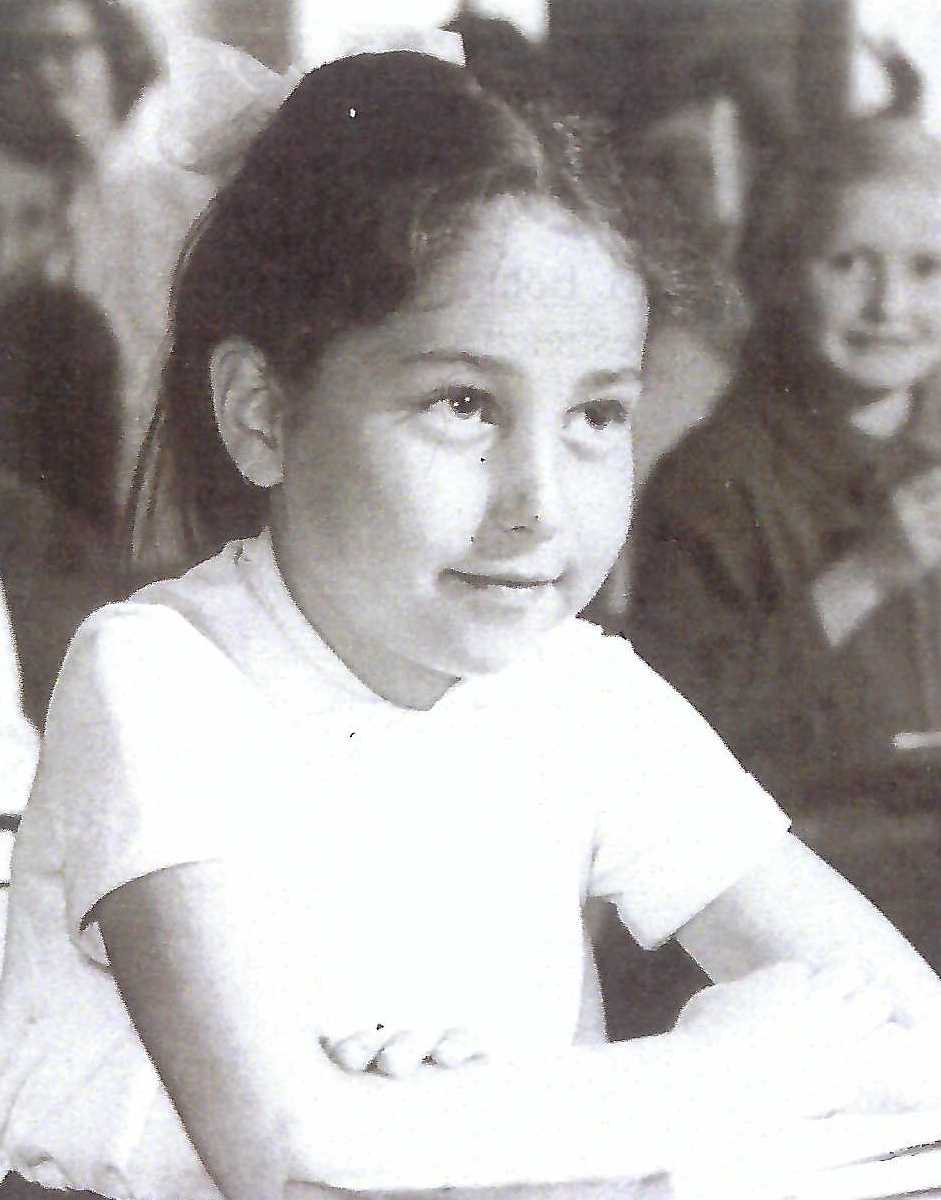
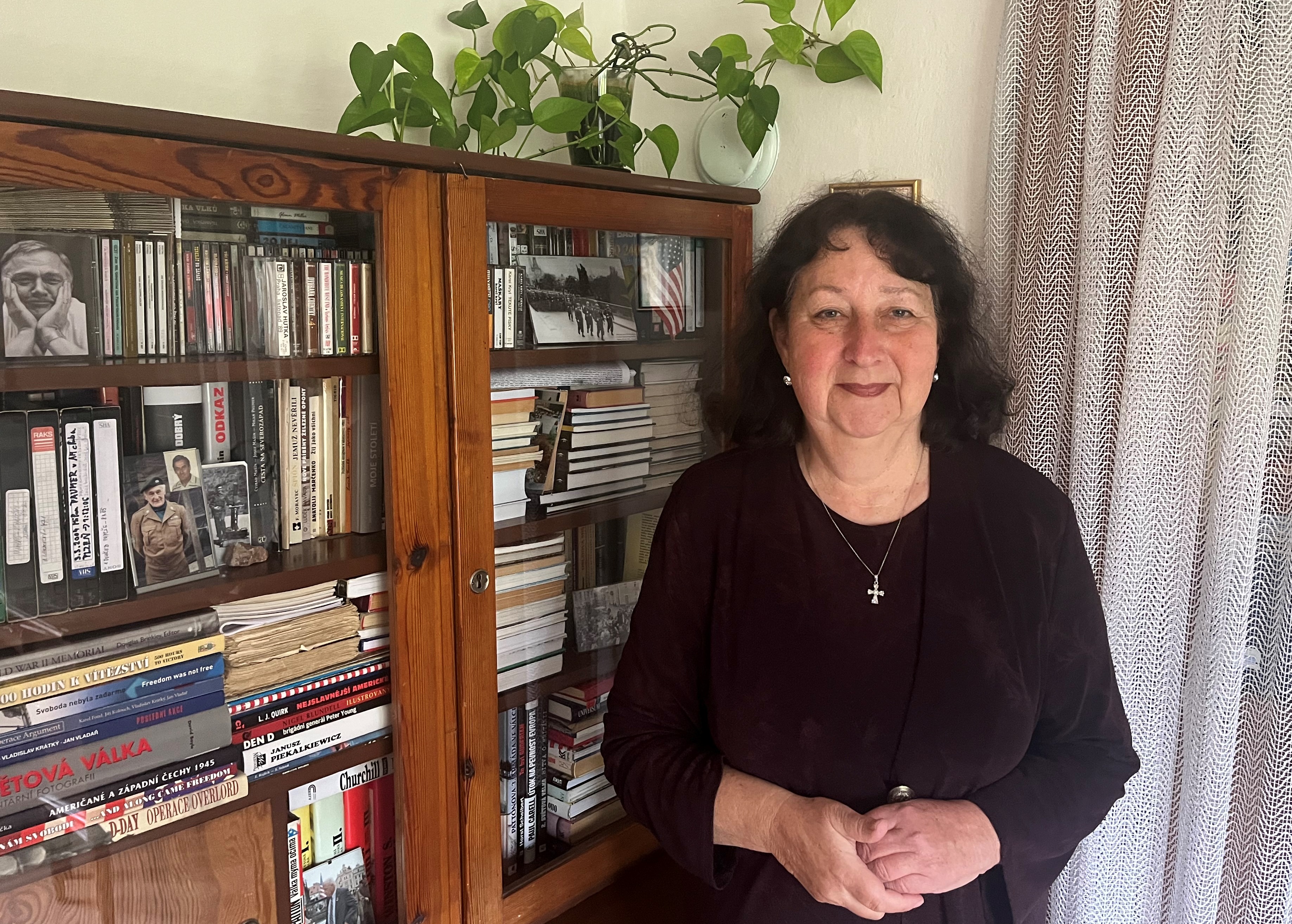
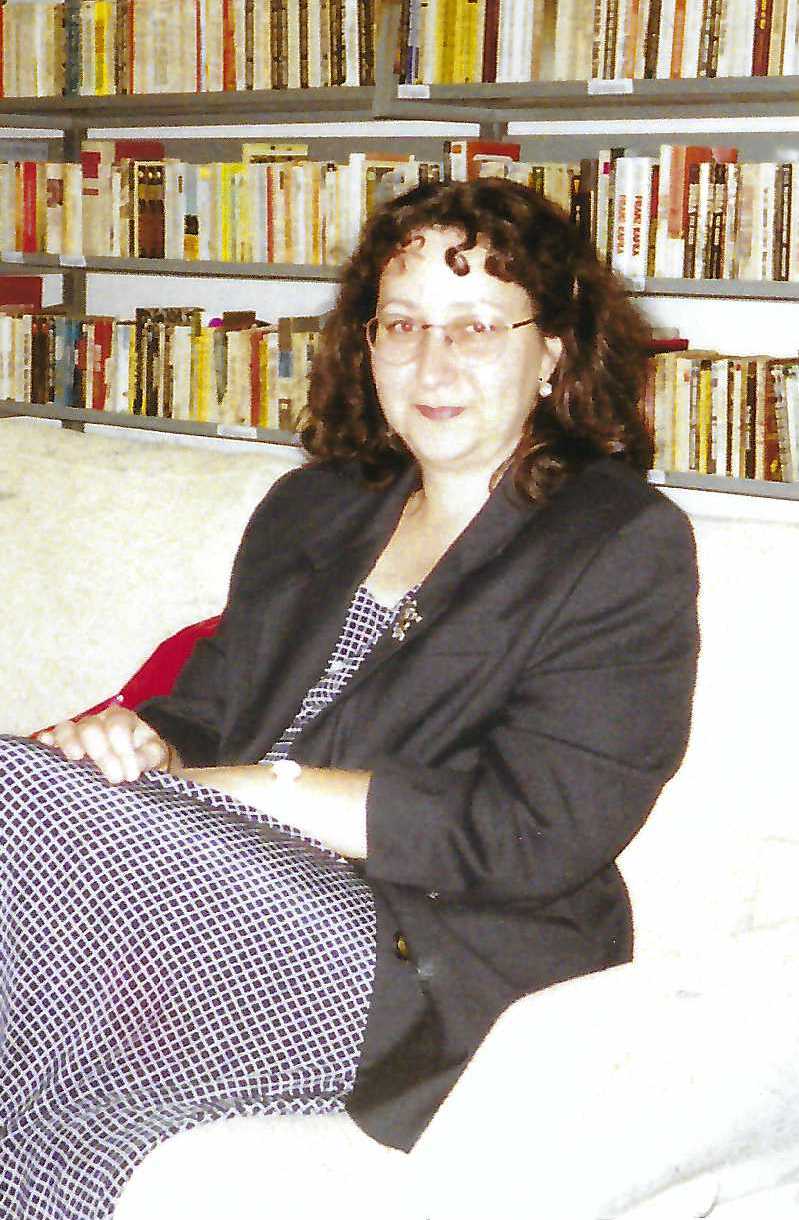
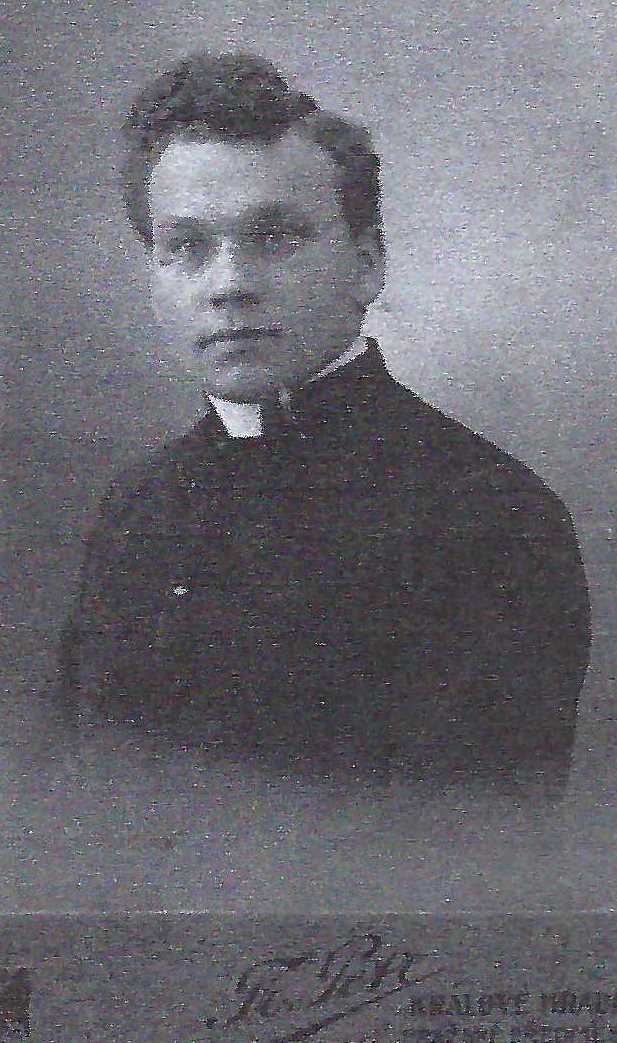
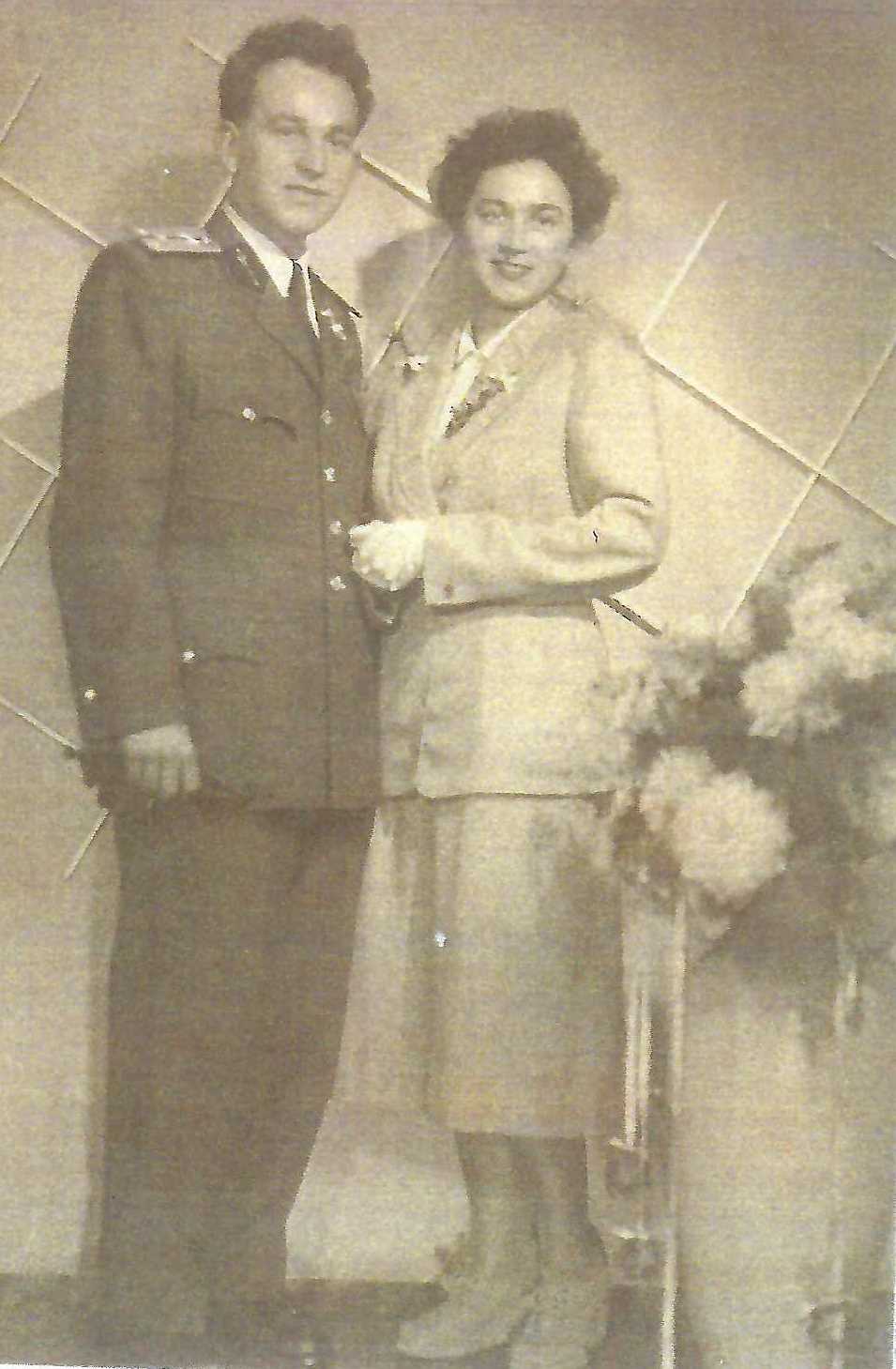
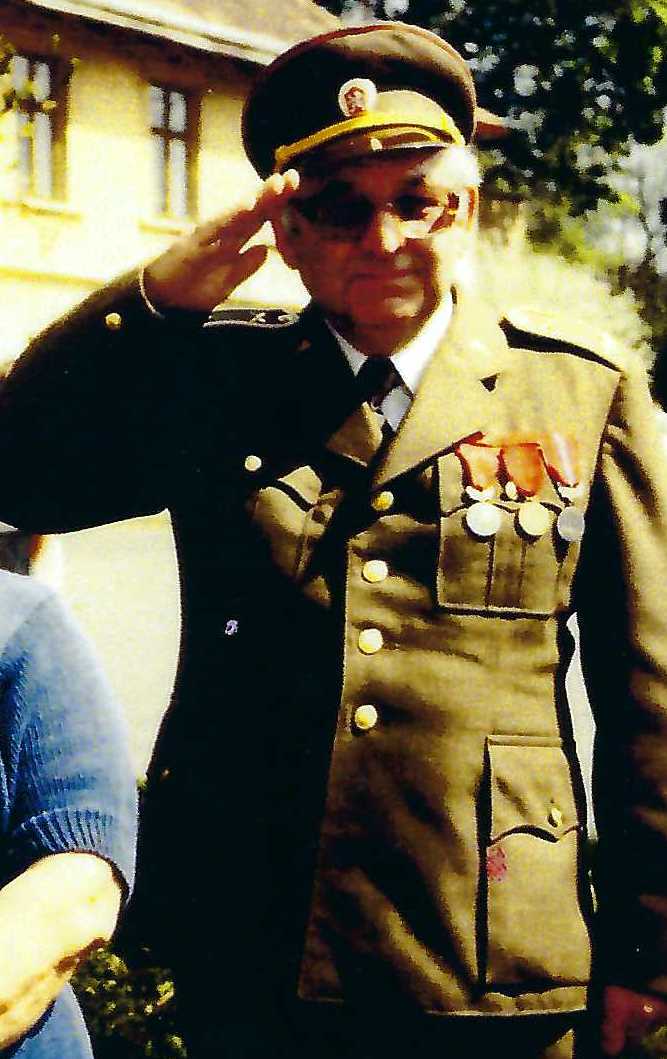
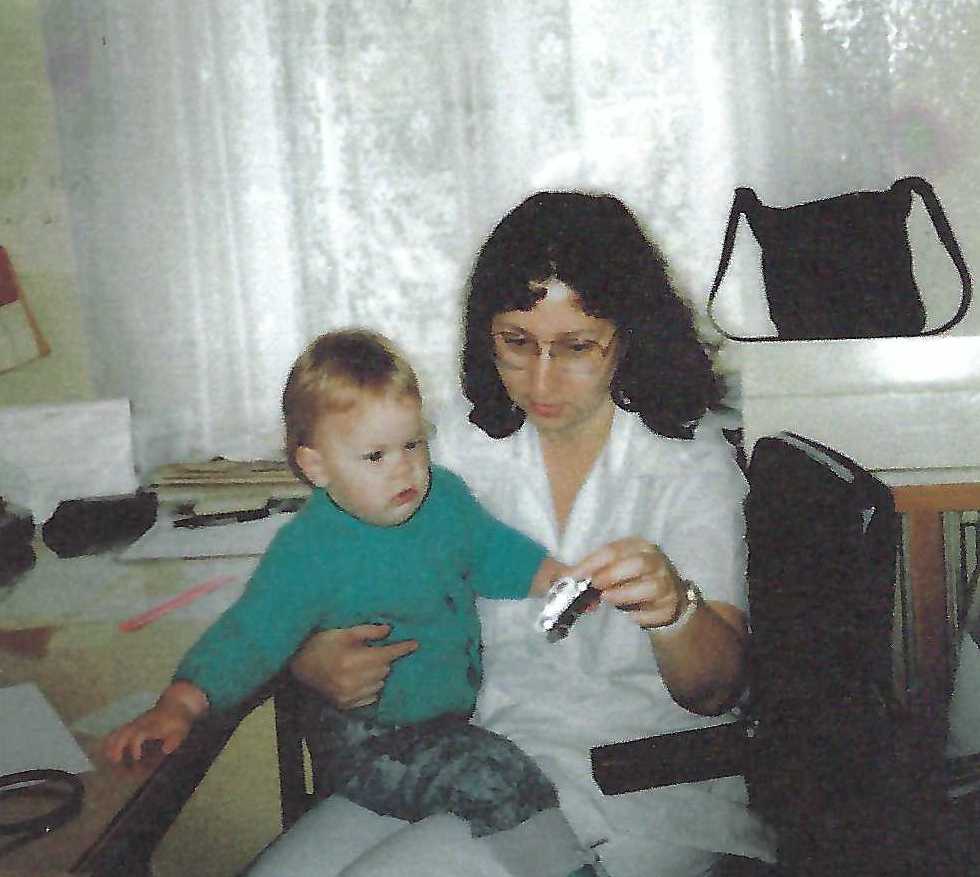
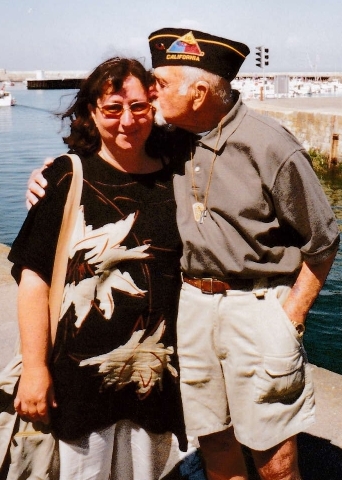
Marie Böhmová was born on 4th July 1954 in České Budějovice. In 1959 the family moved to Merklín, to the former manor forester´s lodge. Her father, Zdeněk Böhm, was expelled from the army in 1970 at the rank of major for his opposition to the occupation by Warsaw Pact troops and, like Marie‘s mother, was professionally demoted. Since 1968, Marie had been in contact with the Christian community around the Czech Brethren Evangelical Church in Merklín, where she also met Václav Hurt, a priest persecuted by the regime in the 1980s. The wirtness graduated from grammar school, but after graduation in 1973 she was not recommended for university studies. In order to improve her cadre profile, she went to work as a cleaner in a child psychiatry ward. In 1977 she was finally accepted to medical school and after graduation she started working in paediatrics at the hospital in Stod, later she worked in Přeštice and Nepomuk. Thanks to the personality of Father Vinklárek, she anchored herself in the Catholic community. In 1985, she was baptized, and since then bad rumours began to circulate about her. In the same year she went on the famous pilgrimage in Velehrad, which turned into a great anti-regime action. Less than three weeks after her baptism, Marie Böhmová was interrogated for the first time by State Security (StB) in Pilsen. In 1988 she also signed the so-called Moravian Appeal. From September 1988, she was listed in the Nattional Securirty Corps files as an „orthodox believer with a negative attitude towards the socialist state system“. In the revolutionary year of 1989, she signed the document Several Sentences and participated in demonstrations in Pilsen, Klatovy and on 25 November in Letná, Prague. She was a co-founder of the Civic Forum in Merklín and chairwoman of the American Club. As an avid historian, she is interested in the end of the war, the history of the Jews and the Merklín parish, and has published numerous articles and brochures.