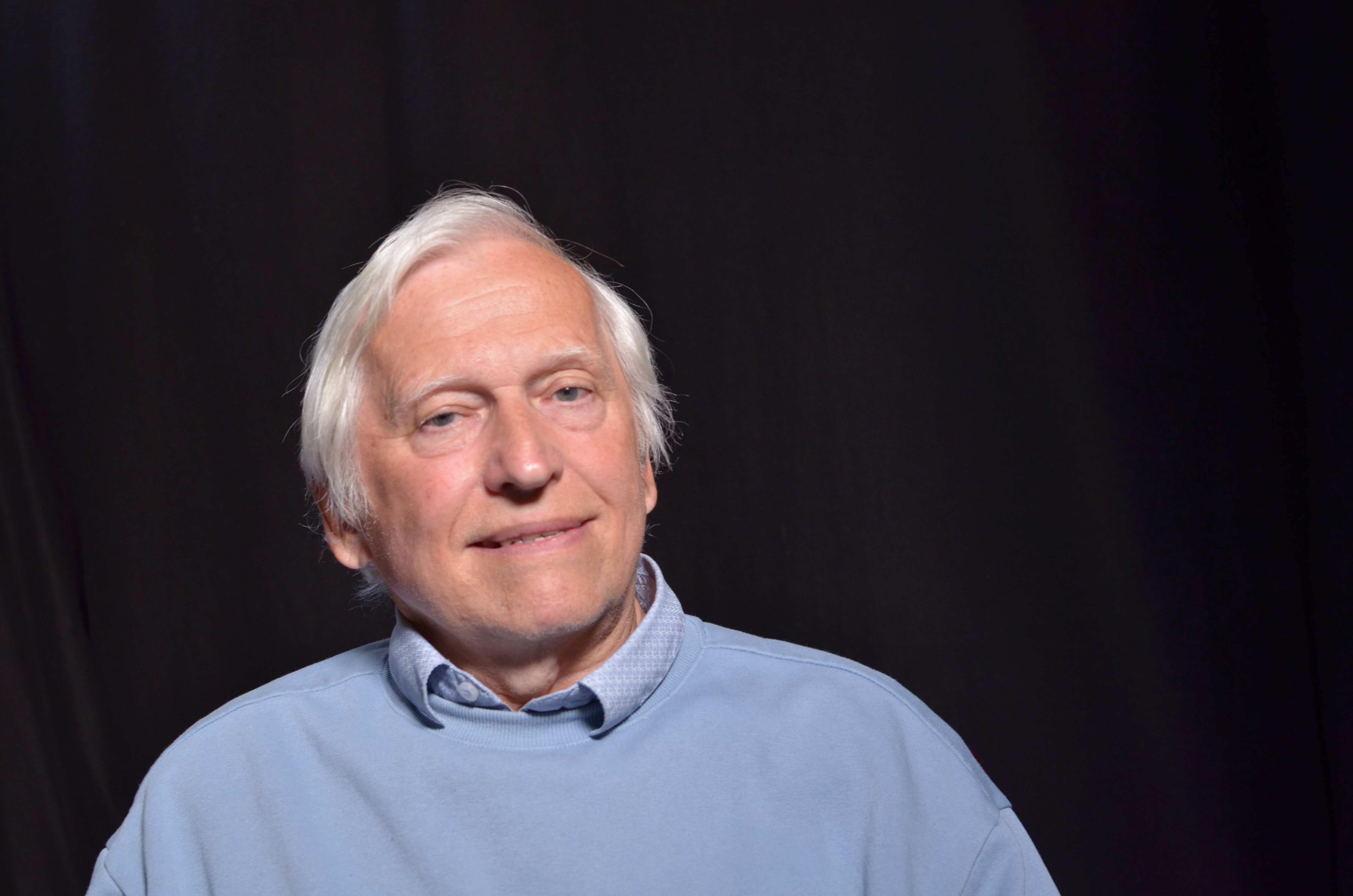
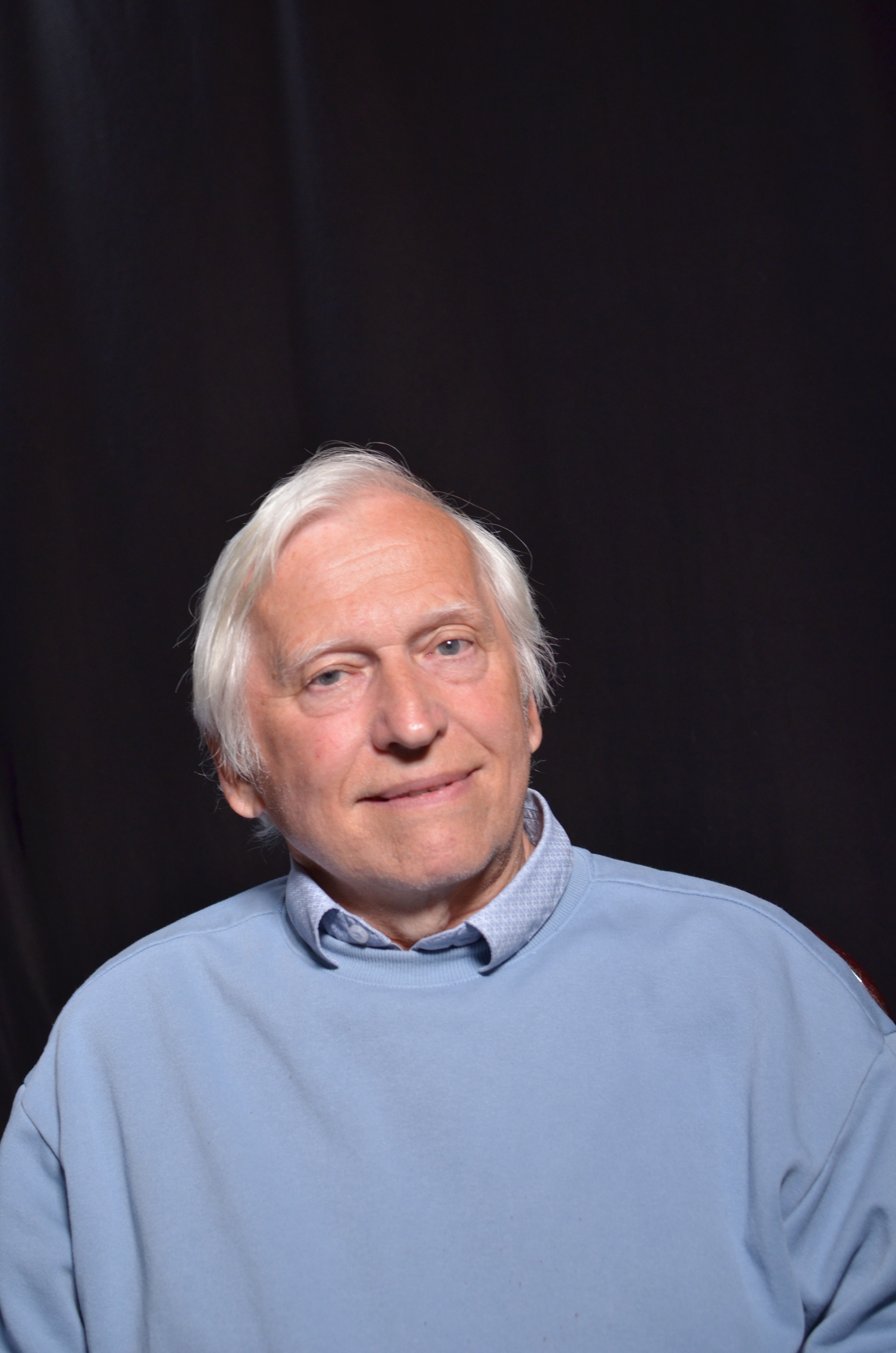
Tomáš Bochořák

* 1948

  • "In those days, taxis drives ad Volha cars, but State Security guys also drove in Volha. And I am convinced to this day that we took her and wanted to put her in one of the taxis, but the driver was preventing us, that he would get it dirty, because she was bleeding all over the place because she had been hit behind the ear with a bullet. We didn't care and we put her in the back seat. Now, there are different stories because one person, Mr. Kocourek, who published a booklet or a thin book about it, he says the driver took her to the trauma hospital. An inaccuracy. It is clear from that sentence that the driver drove her there himself, but he did not. I drove her there, she had her head here. I had a jacket from the blood until recently, but I don't know where I put it. And the whole time I was yelling at the driver, 'Get to the trauma hostpital now!' Because that was the closest. I'm convinced that he was from State Security, and that they had driven all those taxis out and had parked three or four State Security cars there. So we got to the trauma hospital and the doctors... The driver disappeared immediately, for obvious reasons... Within two minutes the doctor came. When they took her to the operating room, he told me she was dead on the spot. So I had been transporting her already dead, but the blood was still flowing."

  • "In 1980, two gentlemen stopped me again in town and discreetly showed me their ID cards. And for me to go with them - near my wife's parents' flat, to the Slovan Hotel - as I found out later - that was their place, where they had their table and where there was bugging and everything. And there they said to me, 'Mr. Bochořák, we already know, and we've known for a long time, who was at Danuše Muzikářová's [death],' and they didn't say the word that I'm going to say afterwards, but they clearly indicated what might happen to me. I don't know if you understood it, but for me at that time it was clear message that I had shot her. That it wasn't a problem for them. Sounds a little like a cowboy story, believe it or not. And that the only way out for me was to ask to be evicted. But the way it is, they took us... I've never had a passport, but I was in Hungary once on some kind of card and my wife had a passport. And we were evicted as people, without unknown nationality."

  • "It was organized by old Mr. Šabata, who is dead now. And involved in that action were, I don't know now whether fourteen or seventeen people who distributed leaflets that evening and night in Brno. It was prepared in a very amateurish way, so on the second day the arrests began. Of course, it was the Šabata children who took the worst of it. All three were convicted. I was distributing leaflets with Vašek, the oldest one, with my friend who is already dead. So the arrests started very early, because they caught some people right in the act. We were students, and it was obviously not difficult for those professional investigators to find out how it all went on, who was involved, etc. Seventeen people, and not just students, I must say, but the vast majority."

  • "I was in Moravské Square at the time, I think it was in front of the governor's office. And there we were already being pushed by militia units from one side forward into the city and from the other side from the Zelný Market along Masaryk Steet to St. Jacob Church, so it was getting crowded. And it was already very dense, because the militia were standing from my point of view - I couldn't see backwards, and from the other side there was pressure. The militiamen were standing about three hundred metres away with dogs and machine guns. Coincidentally, the Muzikář sisters, who hadn't been going there at all, as it turned out later - they hadn't gone to a demonstration at all, they got caught up in it. They were walking to the centre and the crowd, as it was being squeezed, they got in... No, one of them went home in time, and the other one, the one who was shot, Danuška, ended up standing next to me. And now in the press and everywhere it's depicted now after the Velvet Revolution that shots were fired - and by then the militiamen had already set off, and the dogs were on long leashes, four or five meters ahead of them, and at that moment there was a terrible confusion. It is said that shots were fired, but I heard nothing. I just saw the girl in front of me fall to the ground. So I and the two people who are still in the picture I showed you picked her up and there was a taxi rank a little further on."

  • Celé nahrávky
  • 1

    Brno, 18.05.2025

    (audio)
    délka: 03:59:33
    nahrávka pořízena v rámci projektu Příběhy regionu - JMK REG ED
Celé nahrávky jsou k dispozici pouze pro přihlášené uživatele.

Until recently, I kept the jacket stained with Danuše Muzikářová‘s blood
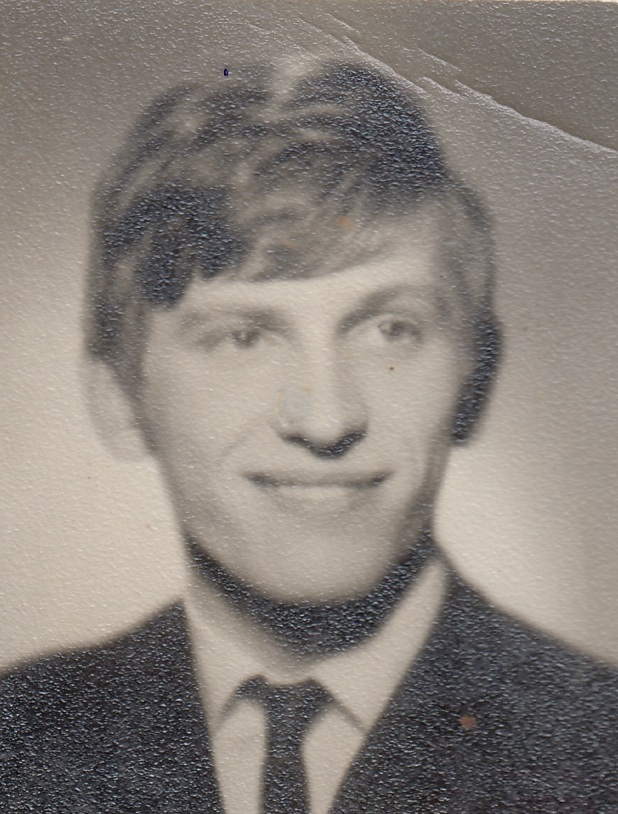
Witness as a student at the University of Brno, 2nd half of the 1960s
zdroj: Witness´s archive

Tomáš Bochořák was born on 23 February 1948 in Brno. Since childhood he was led to democratic values, which were deepened by his father, the prominent Moravian poet, writer and translator Klement Bochořák. After finishing primary school, he was given two options: to study at a military school or a mining apprenticeship, which he eventually entered. However, he escaped from his apprenticeship and graduated from a twelve-year secondary school in Brno. After graduation he enrolled at the Jan Evangelista Purkyně University in Brno, majoring in ethnography. After the August occupation, he worked in the strike committee of the university. In addition, he also carried out other anti-occupation activities in his native Pisárky. The following year he actively participated in the first anniversary of the August occupation. In close proximity to him, Danuše Muzikářová was shot, whom he tried to save by taking her to the Trauma Hospital. But the doctor there pronounced her dead. Before the national elections in 1971, he and a group of young people distributed anti-regime leaflets pointing out that participation in the elections was voluntary. Together with Václav Šabata, he was caught and sentenced to a suspended sentence. He was subsequently expelled from the university just before his thesis defence. He started supporting his family by manual labour. In the late 1970s, he attempted to complete his education in distance study, but his efforts were thwarted by State Security (StB). State Security never found out about his next attempt, and he successfully completed the university. At the time of the establishment of Charter 77, he became involved in the underground church. He signed Charter 77 in 1978, but Jan Šabata did not hand over the signed sheet. Under pressure from State Security, the family was stripped of their Czechoslovak citizenship and had to move out in 1982. They settled in Vienna, where they obtained political asylum and subsequently Austrian citizenship. He lived through the Velvet Revolution in Austria, but in November 1989 he was still actively putting up posters in Mikulov supporting the fall of the communist regime. At the time of recording (2025), Tomáš Bochořák lived with his wife in Kunštát.