Jarmila Binarová

* 1942

  • "I would say that actually the exile was very important, very enriching. That one realised that one is European, that the values are European, not world values, but European values. It was a hard experience, a difficult experience, but we survived in good health, I hope, and I don't regret it. Because we already realized that if we had stayed at home, there would have been constant pressure. It was - either you sign, or you go to prison, or the children..., just the threat was there all the time. And I think I would have drunk myself to death, or... the pressure, the social situation, the Bolshevik terror was terrible. It saved me personally, actually, the emigration."

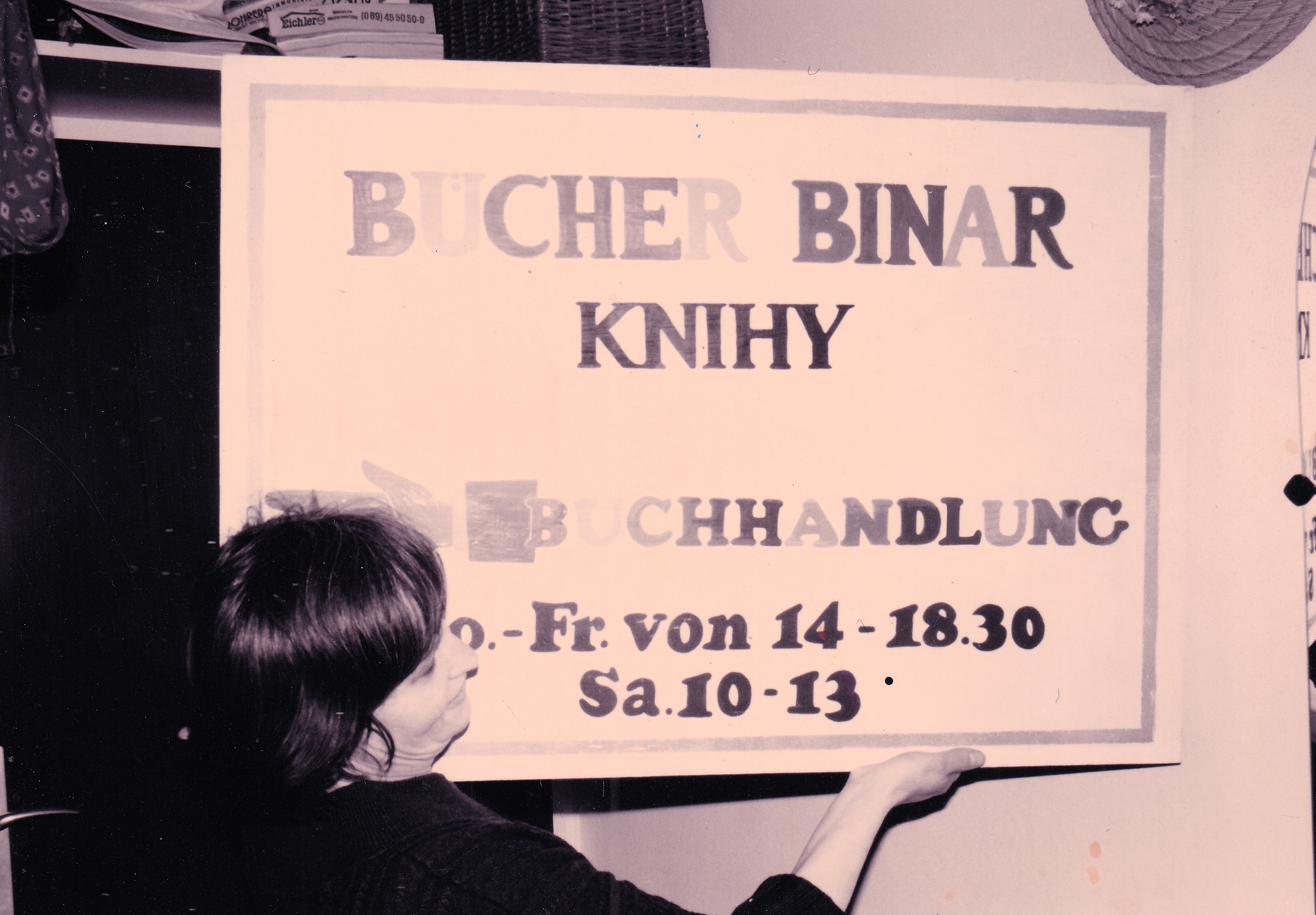
  • "I have rather bitter experience with Slovak nationalists. When people from Slovakia came to visit me for the first time, they were so open... And then someone got hold of them and they didn't come anymore, they didn't visit me anymore. Well, in the end it caused me to close the bookshop because, first of all, it was no longer necessary - after the revolution, that's clear - but the bookshop was, the entrance was from the courtyard and there was a big passageway and suddenly a huge sign appeared overnight - 'Czech swines, get away from Slovakia'. These meter-high letters. So the landlord wrote to me, kindly, but in no uncertain terms, saying that if it should happen again, he would... He would destroy it, the sign, but that he wished it would not happen again. And then it was in German once more - 'Tschechische Schweine', and we parted peacefully."

  • "Only once did they come for me in front of the school. That was when they didn't want Ivan to sign the Charter, but he had already signed it. So it was along the lines of, 'You are so important, you can stop him from doing something unforeseen.' And then they brought me to school again, that's right. And it was lovely when I was walking down the corridor afterwards and our little Roma boys were coming up to me and stroking me. I'll never forget that, it was special. Suddenly I was theirs, how much more... I hope they are still in the world, the children had it so hard."

  • Celé nahrávky
  • 1

    Praha, 09.10.2025

    (audio)
    délka: 01:34:36
    nahrávka pořízena v rámci projektu Stories of the 20th Century TV
  • 2

    Praha, 27.10.2025

    (audio)
    délka: 01:25:05
    nahrávka pořízena v rámci projektu Stories of the 20th Century TV
Celé nahrávky jsou k dispozici pouze pro přihlášené uživatele.

It wasn‘t that we were jumping with joy at being in the West, where roasted pigeons just fly into your mouth
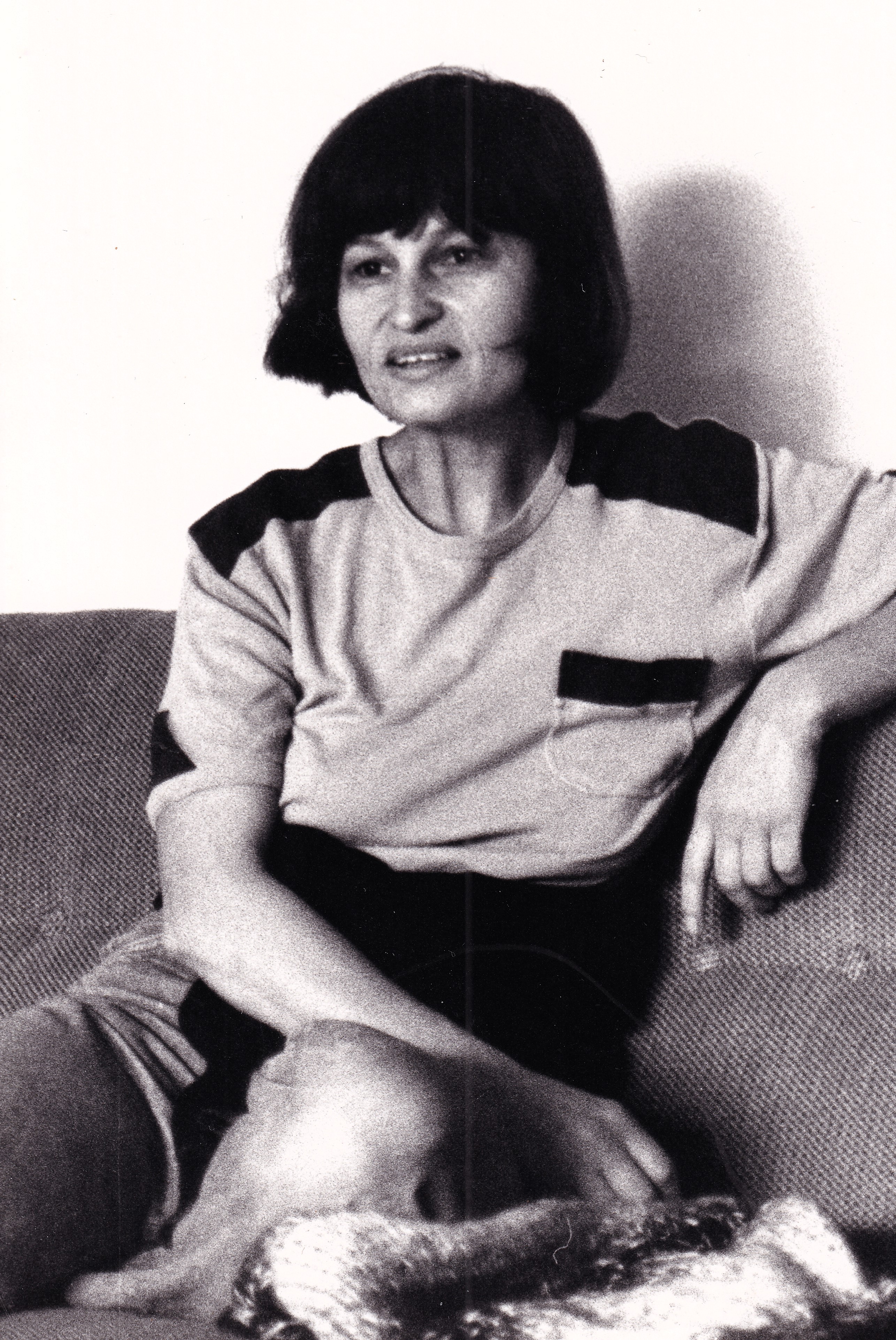
Jarmila Binarová
Jarmila Binarová
zdroj: Witness´s archive

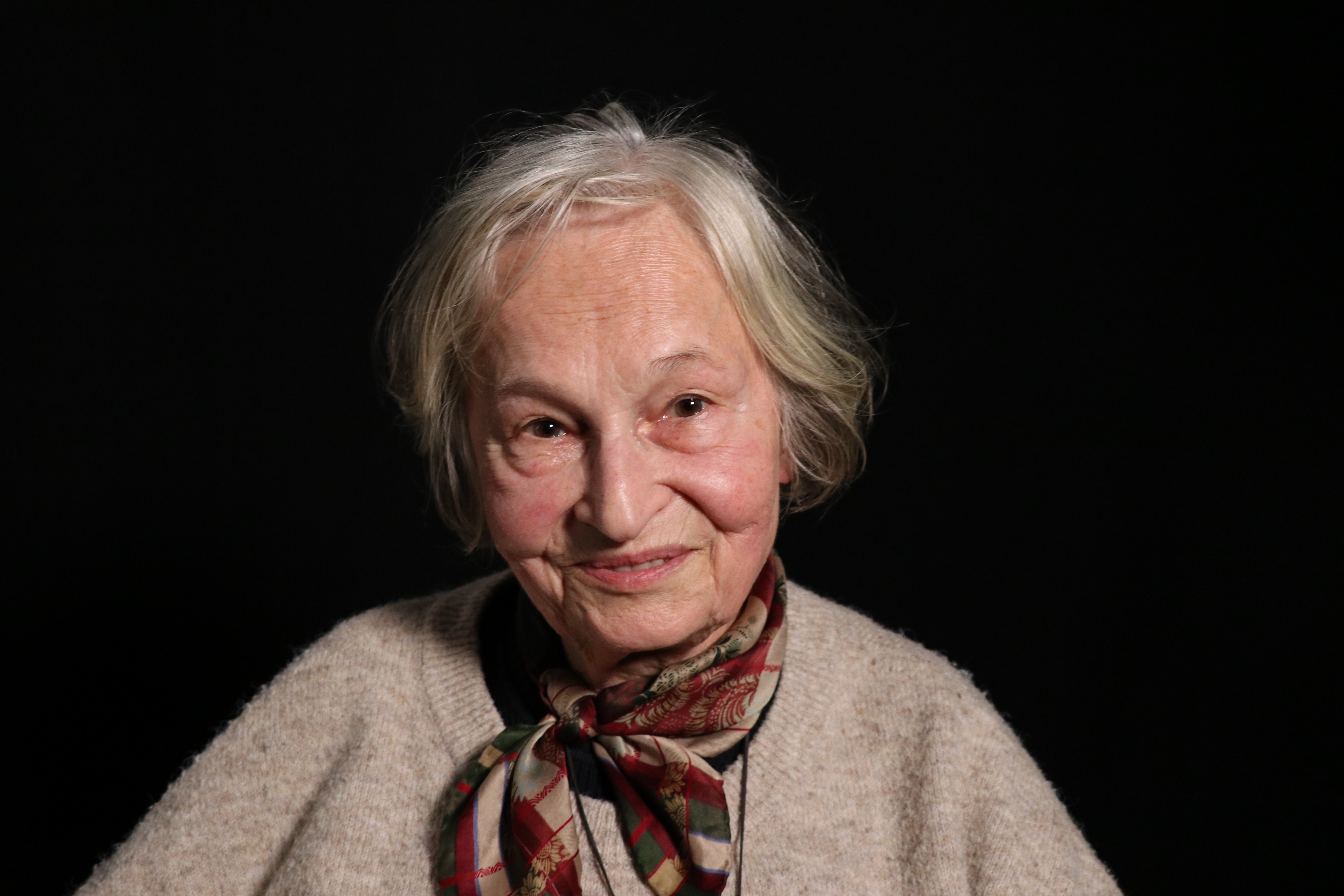
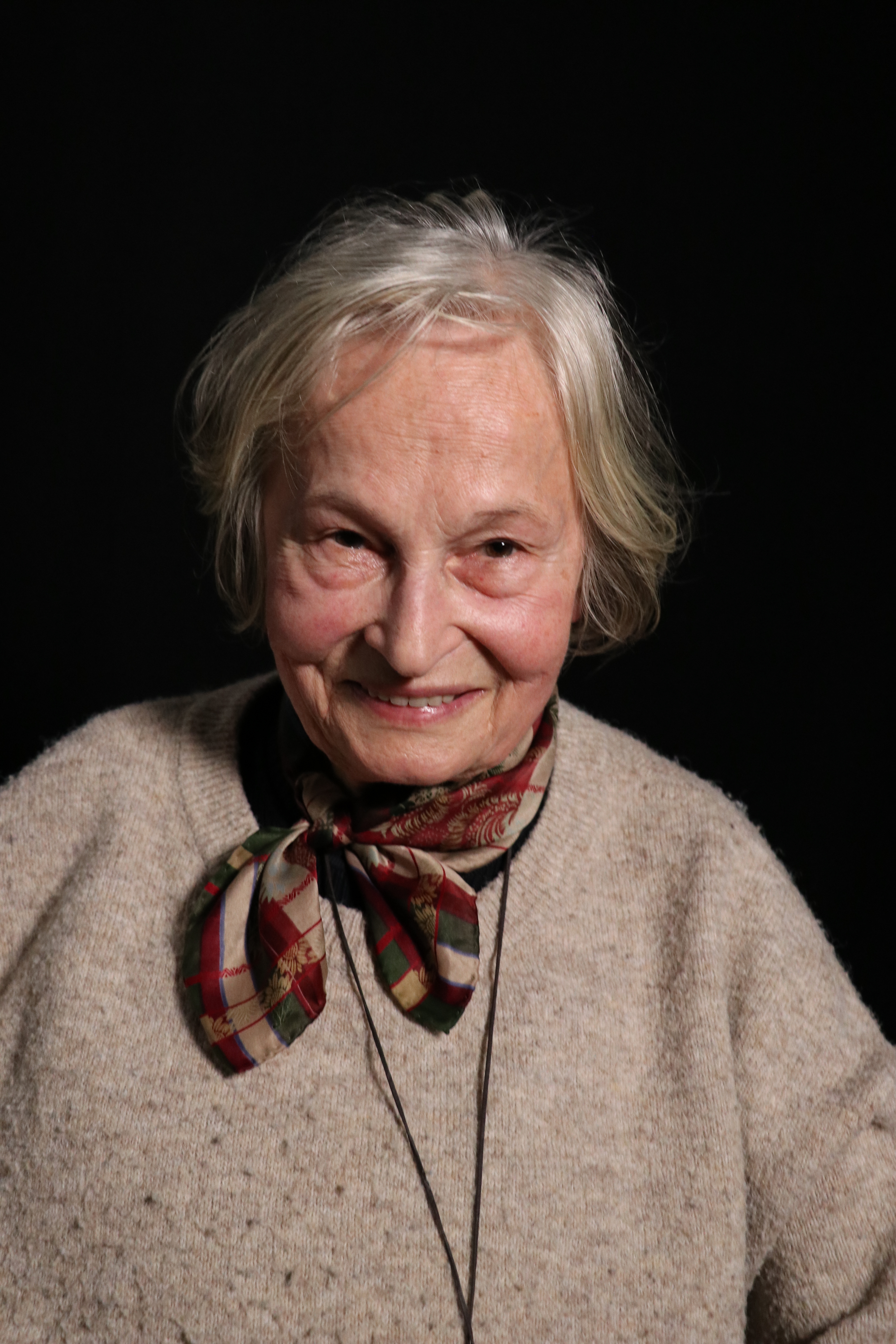
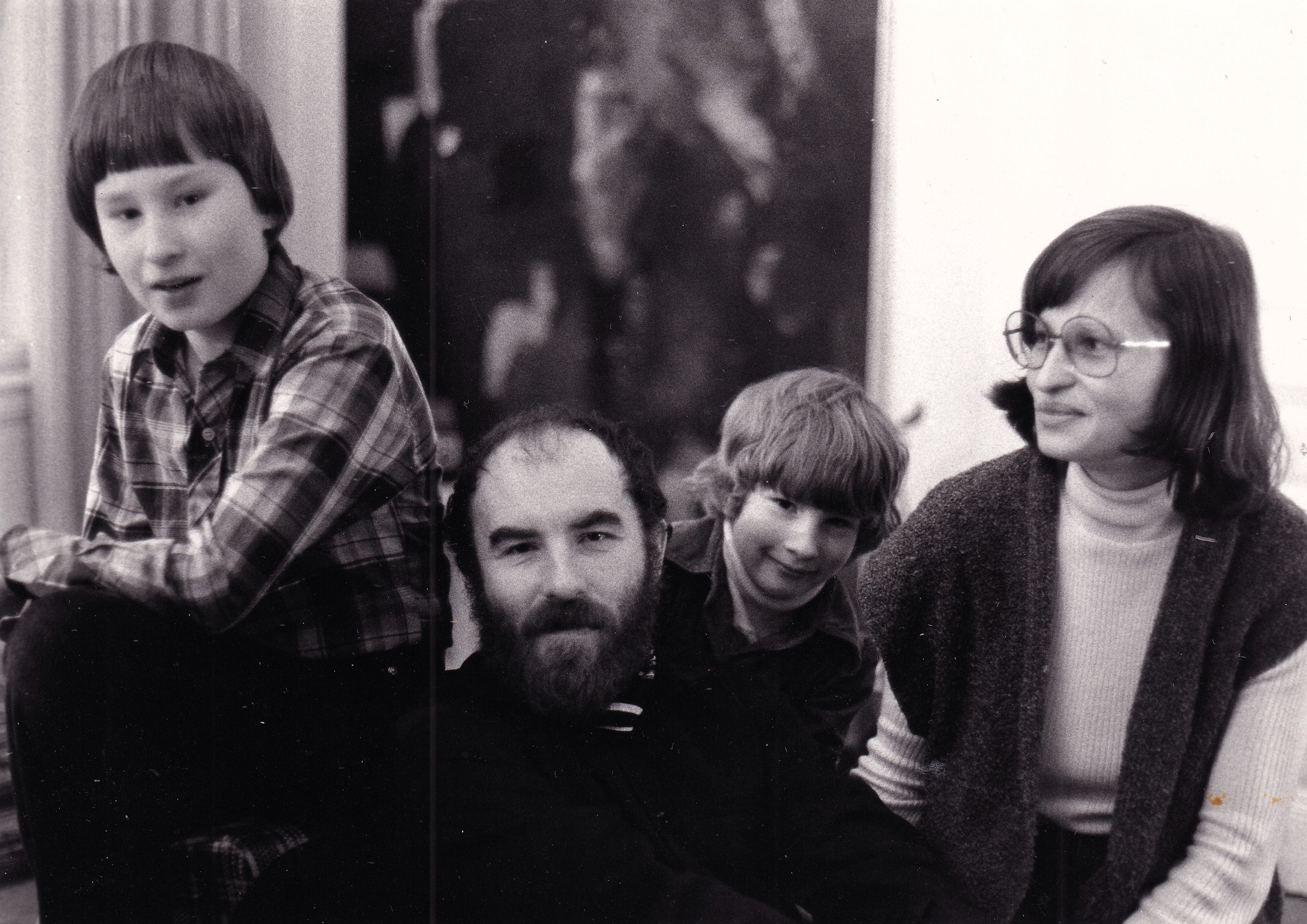
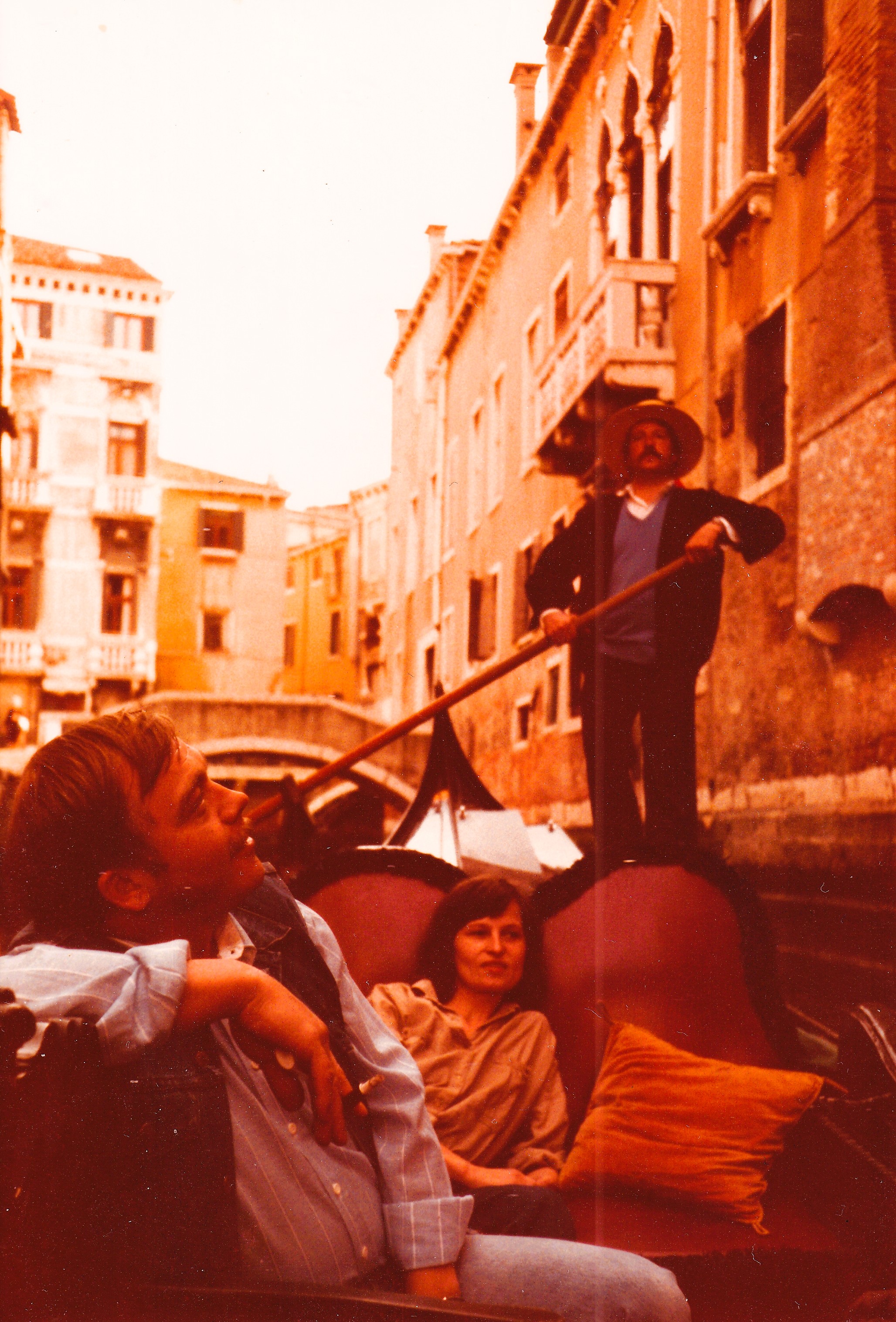
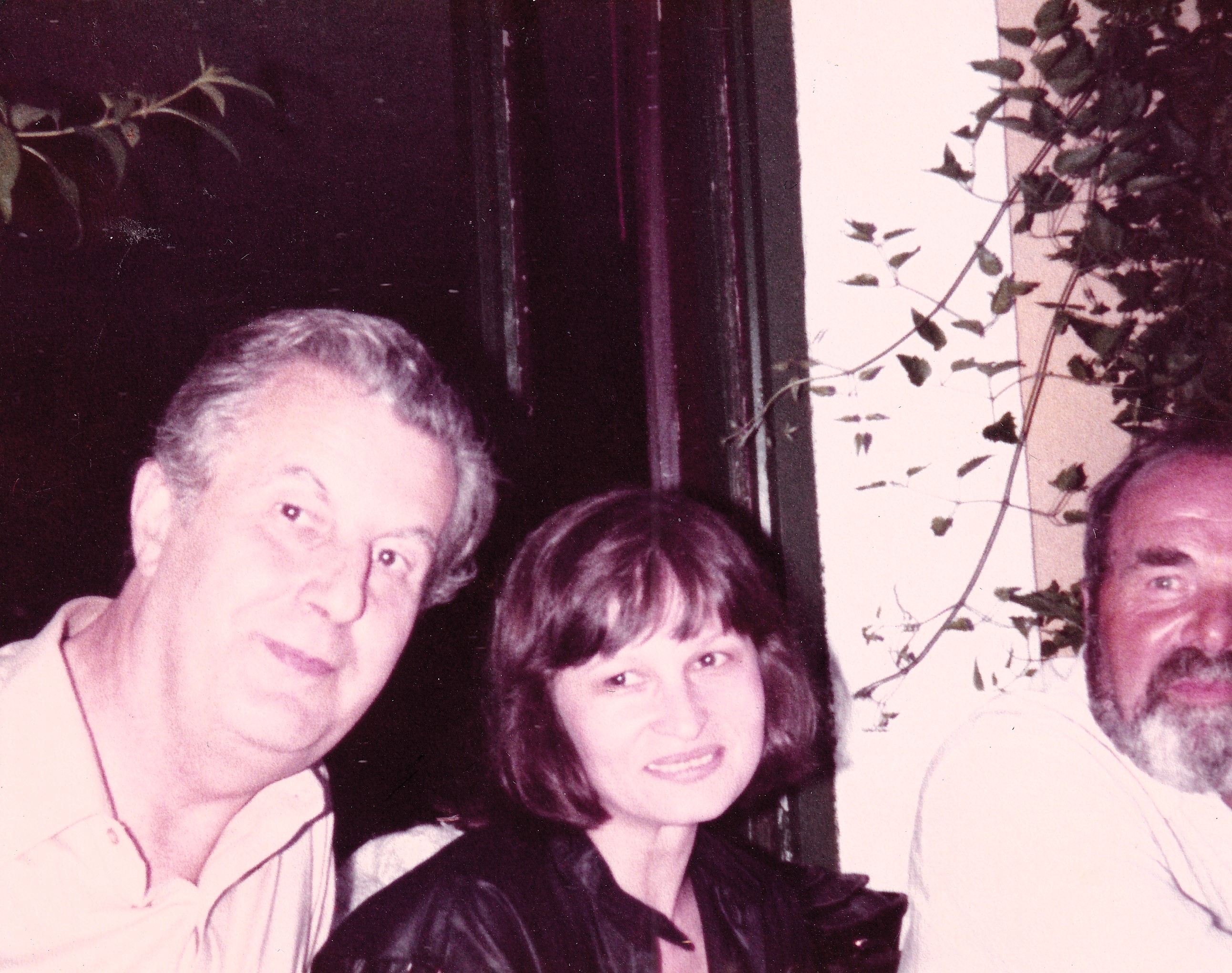
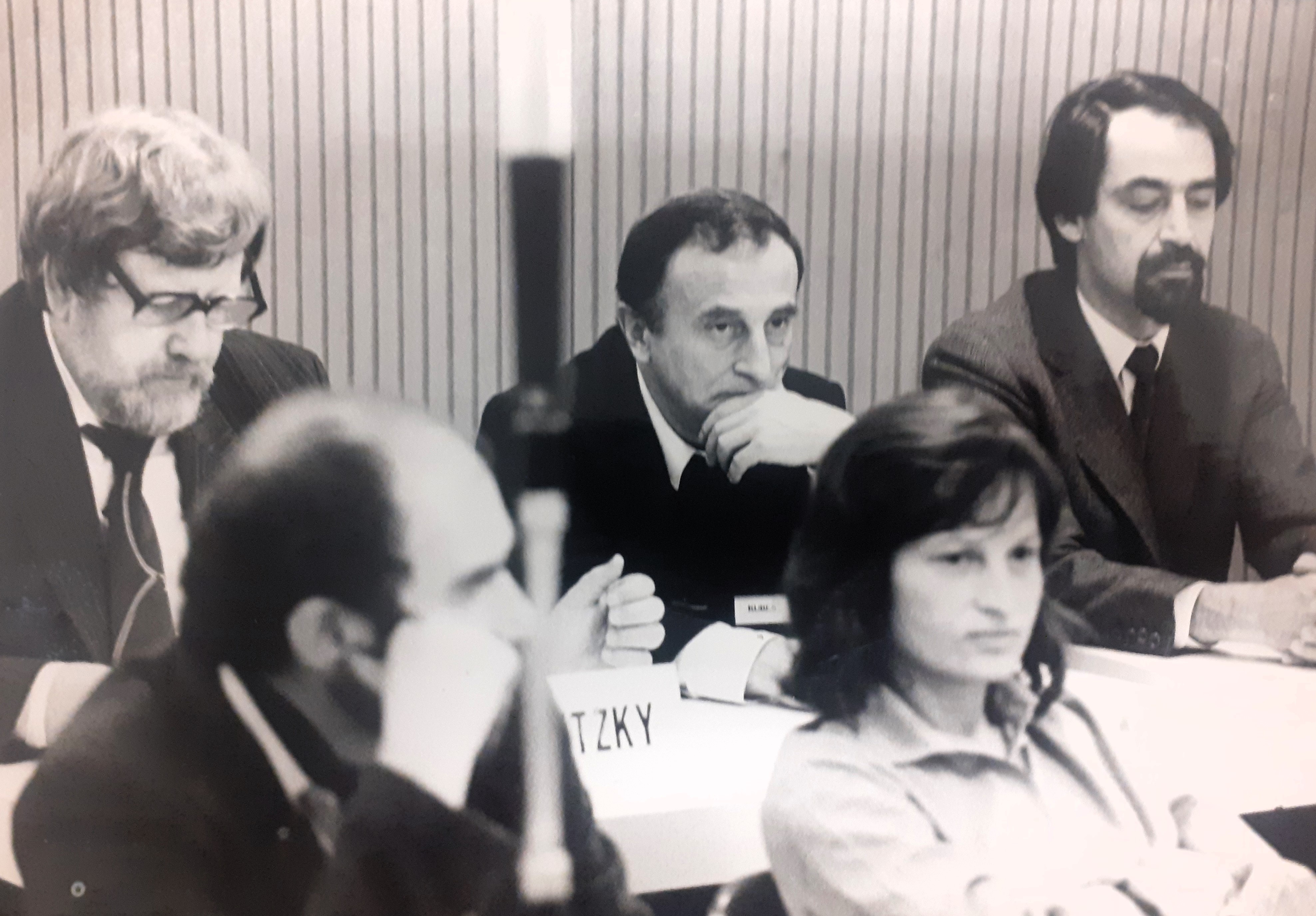
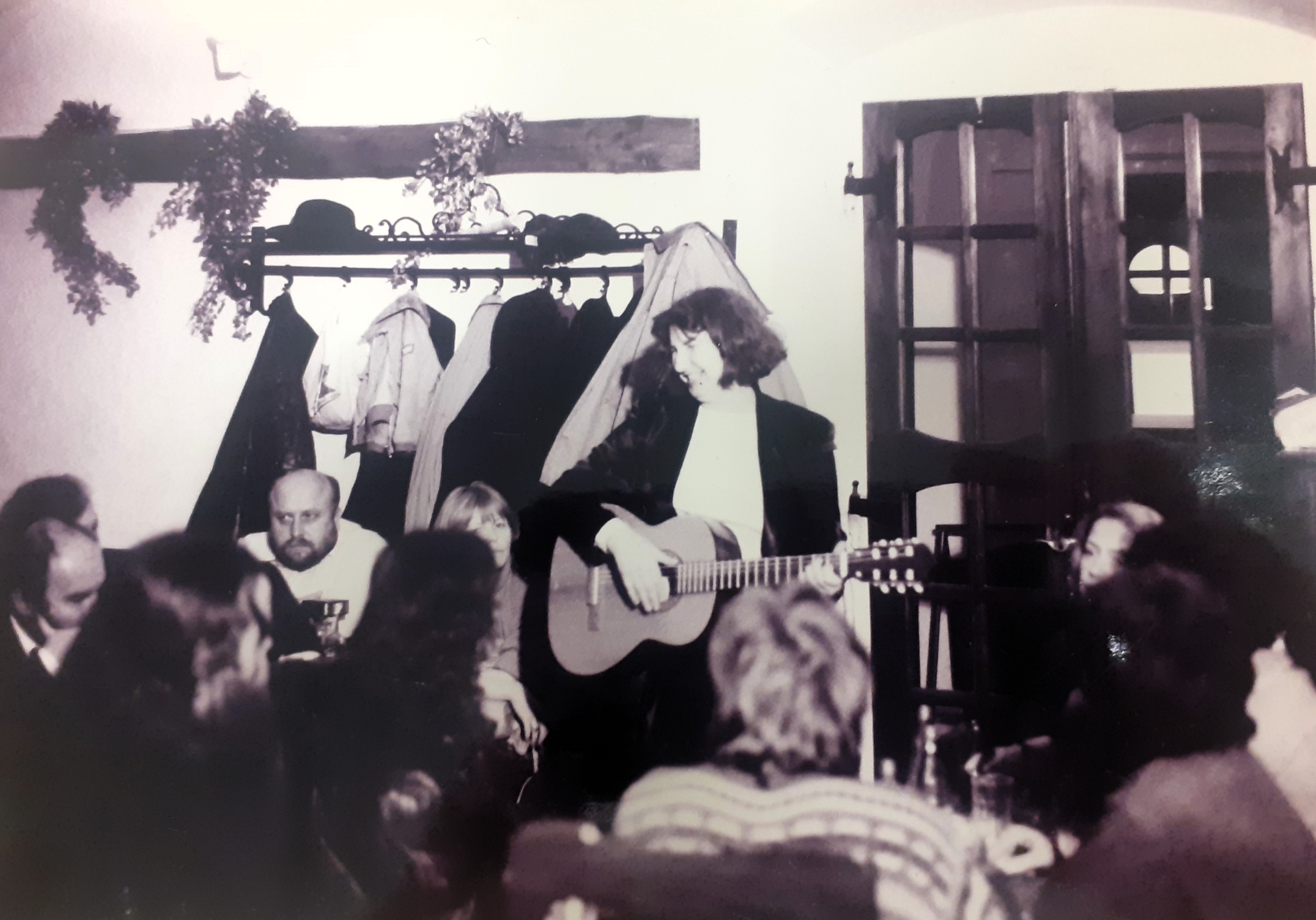
Jarmila Binarová was born on 6 August 1942 in Zlín. She spent her childhood in the Wallachian evangelical village of Zádveřice, in an environment that shaped her love of nature and books. After graduating from secondary school, she studied at the Pedagogical Institute in Ostrava, where she met her future husband, the writer and dissident Ivan Binar. After the August 1968 invasion, the couple faced persecution and surveillance by State Security. In 1972-1973, Ivan Binar was imprisoned in Bory for his anti-militarist satire, performed at a theatre club in Ostrava. After her husband signed Charter 77, the family became the target of intense pressure, which eventually led to the decision to go into exile. They first settled in Austria and later in Munich, where they lived among the Czech community and actively participated in cultural and literary life. In the 1980s, Jarmila Binarová ran the Arkýř bookshop, which focused on Czech and Slovak literature. In 1994 she moved to Prague, where she lives with her family (2025). She is a holder of a certificate from the Ministry of Defence of the Czech Republic for her participation in the resistance and resistance against communism.