"It was quite rough, because we were walking along Wenceslas Square, we wanted to get somewhere in the alleys, I don't know why and where we were going, I don't know, but suddenly brakes, just a Ziguli car, knocked us to the ground. I think there were three of us there at the time. We were knocked down, two policemen, they handcuffed us, put us in the car and took us to Bartolomějská Street for questioning. I was the first one to be let out, but the boys stayed there longer, they didn't come in until the morning or the next day, I don't remember exactly. But I know that I waited there for a long time in the corridor, and that was really unpleasant, because it's really ugly there. Who's ever been there, it's tiled floors, just tiles everywhere, these long corridors, it's really unpleasant. I'd get looked at straight away, then closed again, looked at again, closed again, then they'd ask me to sign some file for them. I told them I just wouldn't sign."
"It didn't happen to me here in Jihlava, but it happened to us in Prague. In Prague, we were totally beaten up from one stop to the next before we crossed it on the tram, so much so that an ambulance had to come to get us. There were five of us there and we got beaten up by these two bastards. They were such kind of illegal monechangers. But they were trained. But I managed to do one great thing there, because the tram stopped, they were laughing at us for having... we were all bloody... and the tram doors were closing like that, and I spit on this guy's beautiful white sweatshirt. The red spittle, the one with the blood in it, I was so happy. It cost me five stitches on my lip, but I guess it made up for it..."
"And then there was a passageway, the Prague people will forgive me, but I don't remember what it's called, you can walk to another street. So they crammed us in there, and I know there were normal, ordinary people who didn't understand what was going on. There was a woman with a stroller, with just a little kid, and they threw the tear gas in there. It was... you want to save yourself, good, confusion, something, but when you see it, the people there old or something, terrible. And I know it pushed us out, into the other street somewhere, and they were already standing there with the dogs. And they were beating us with batons right away, whoever they caught, they were just taking us from there."
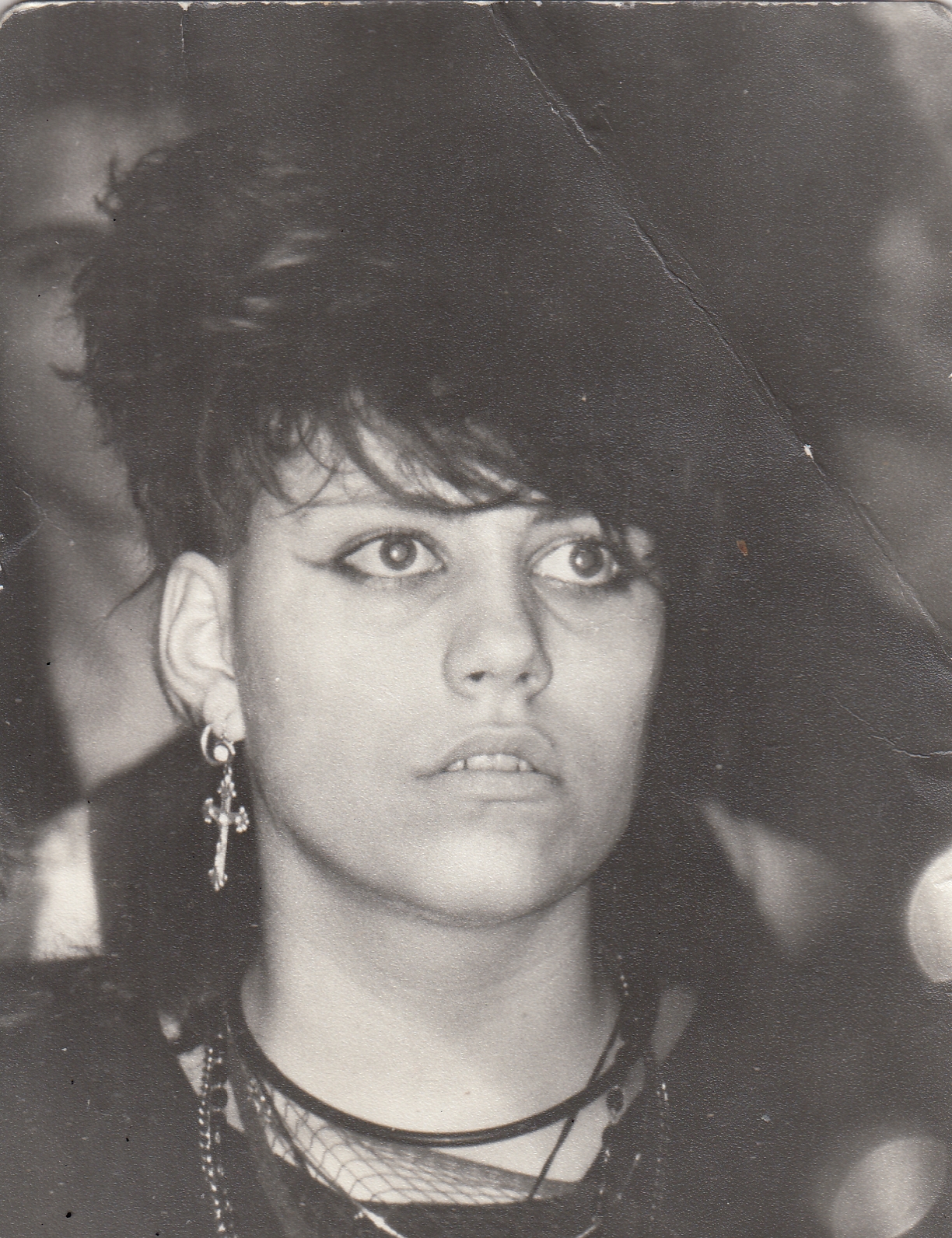
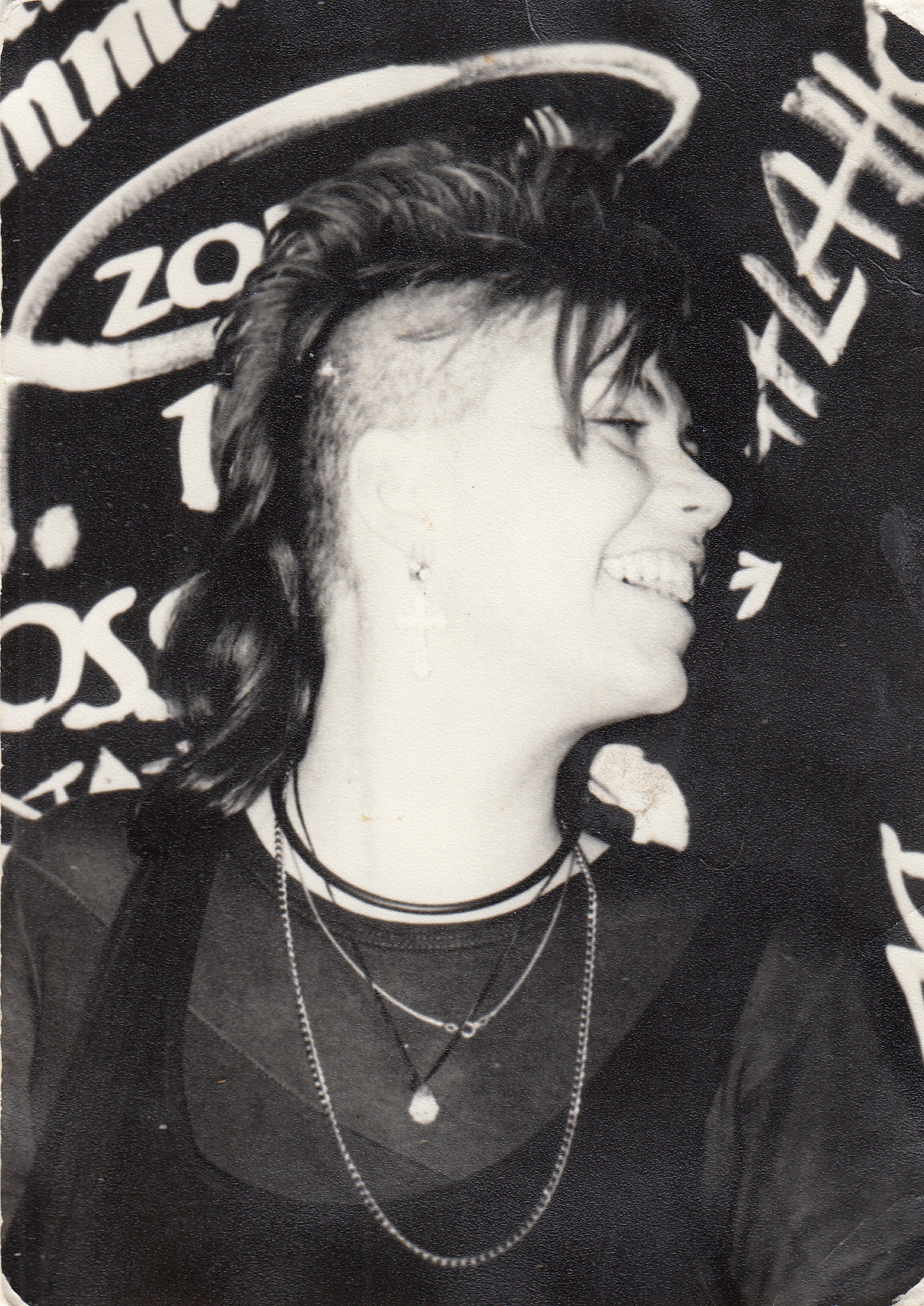
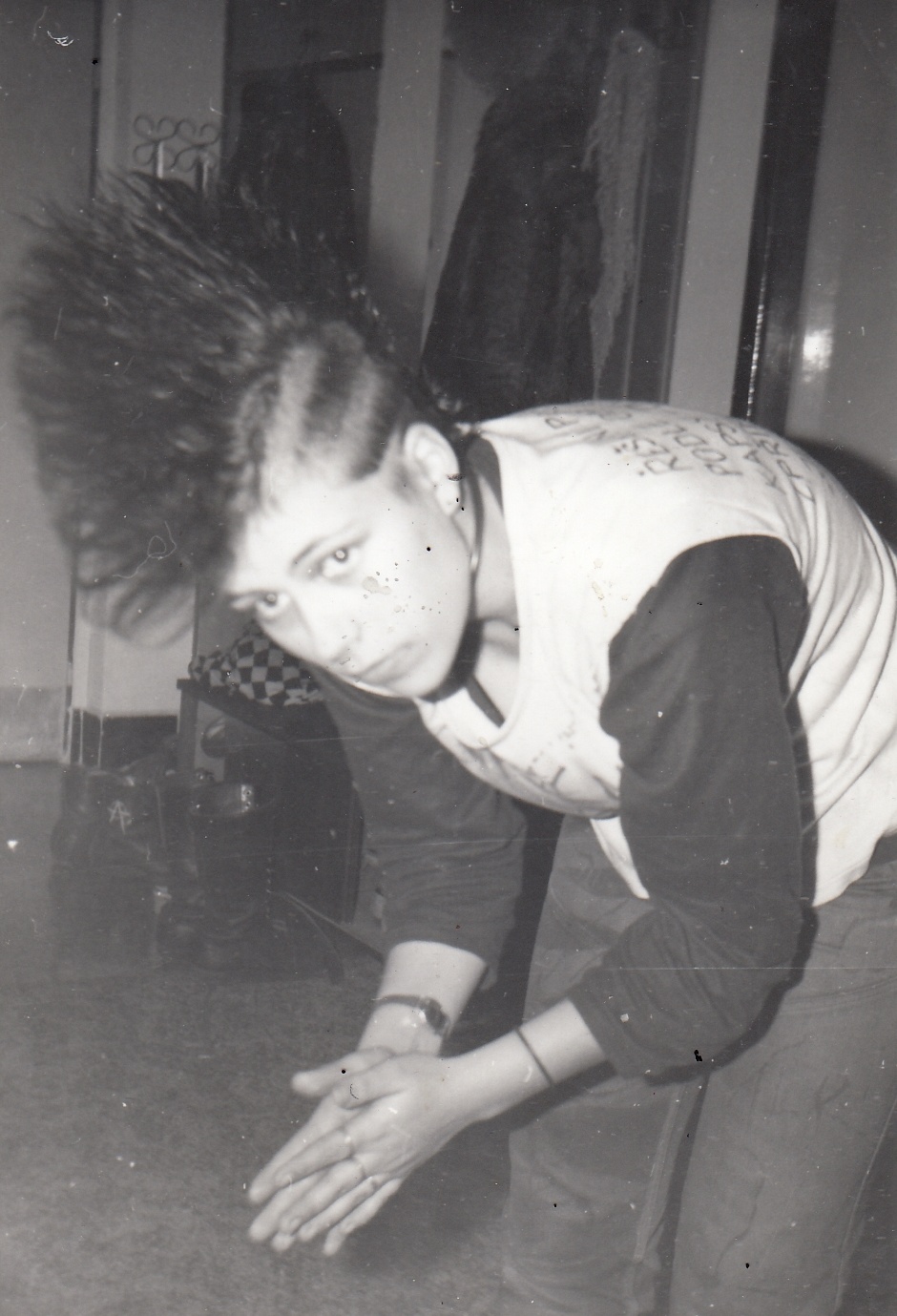
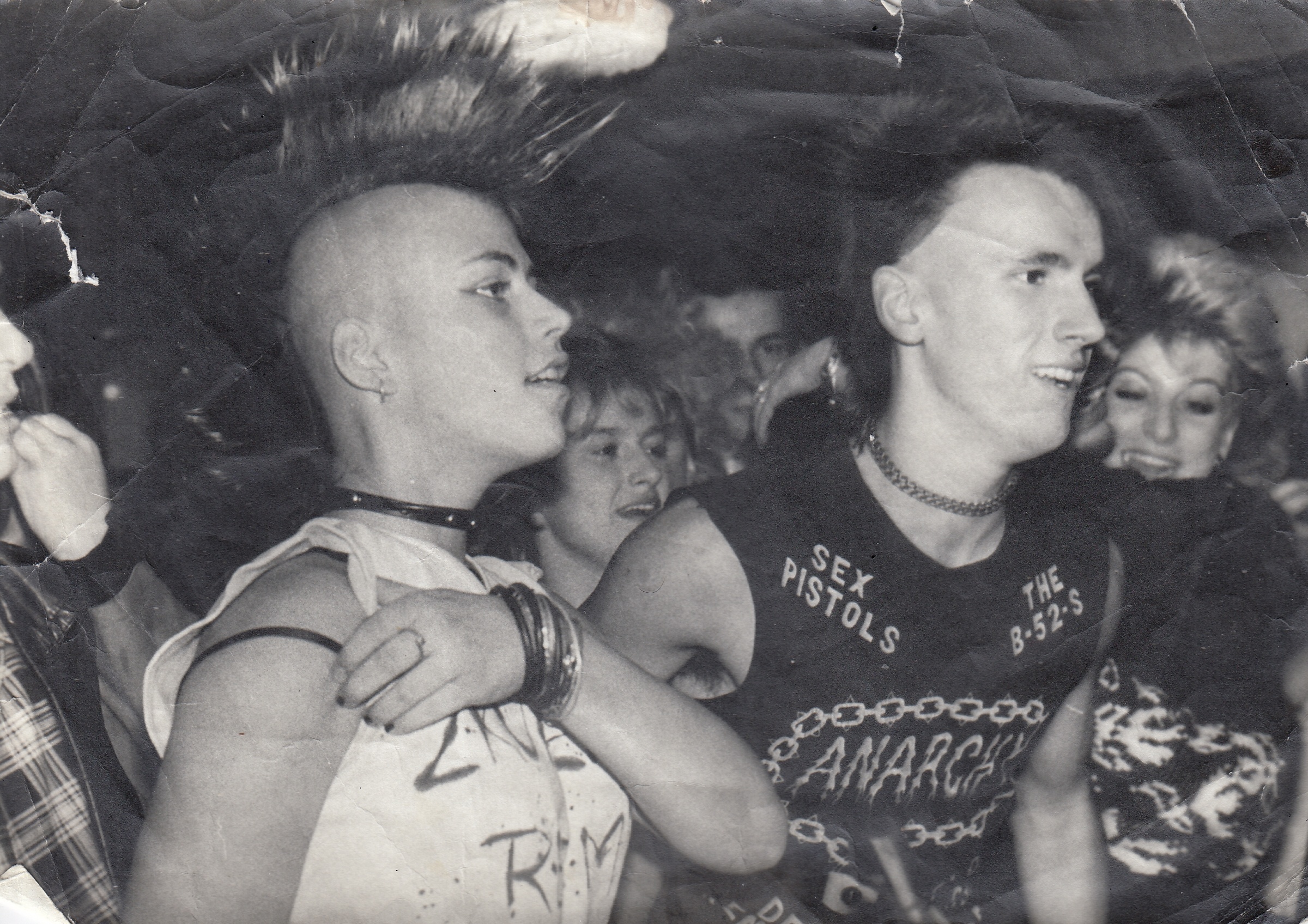
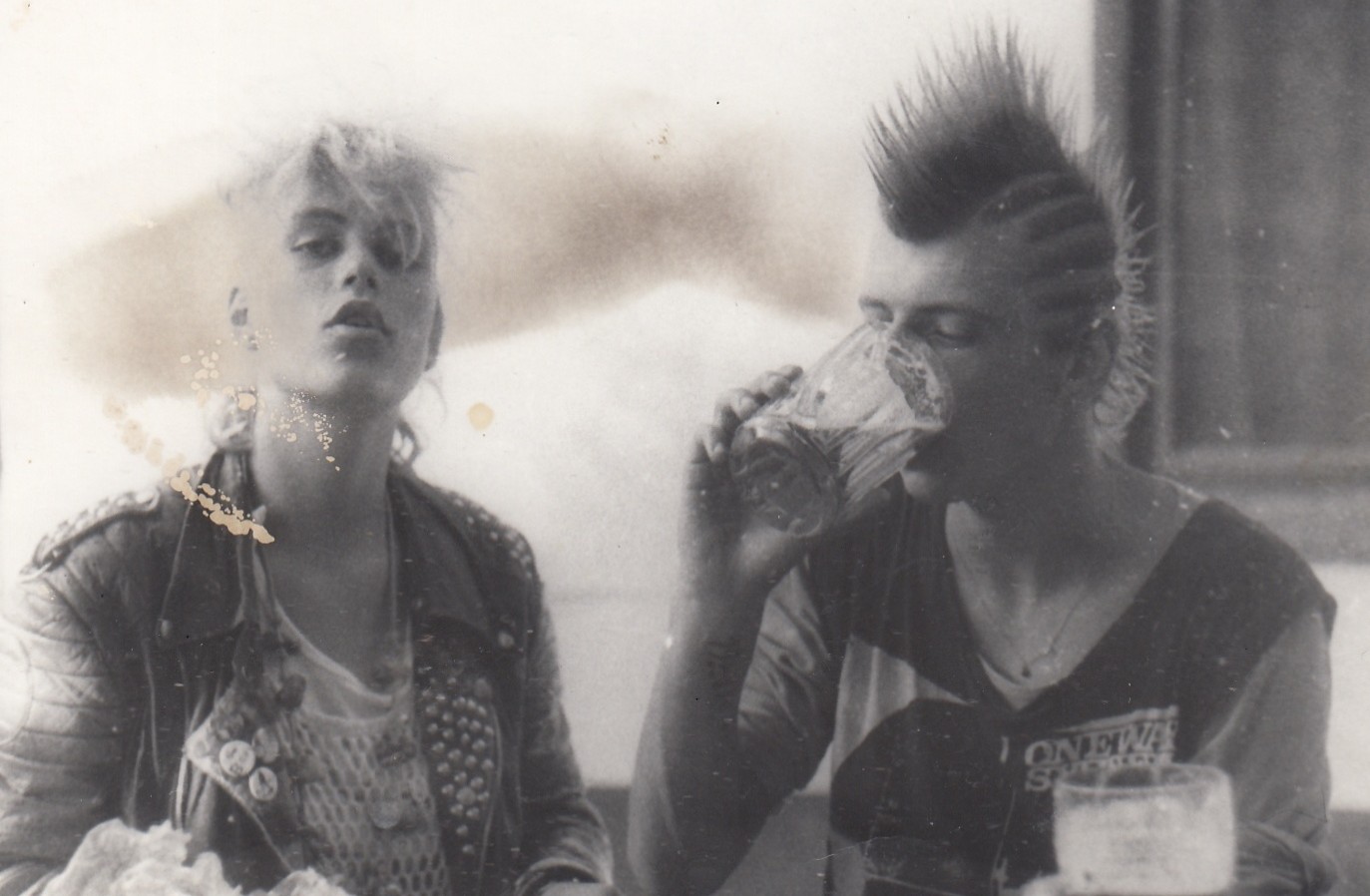
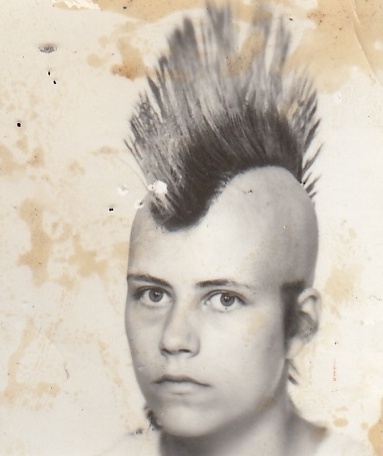
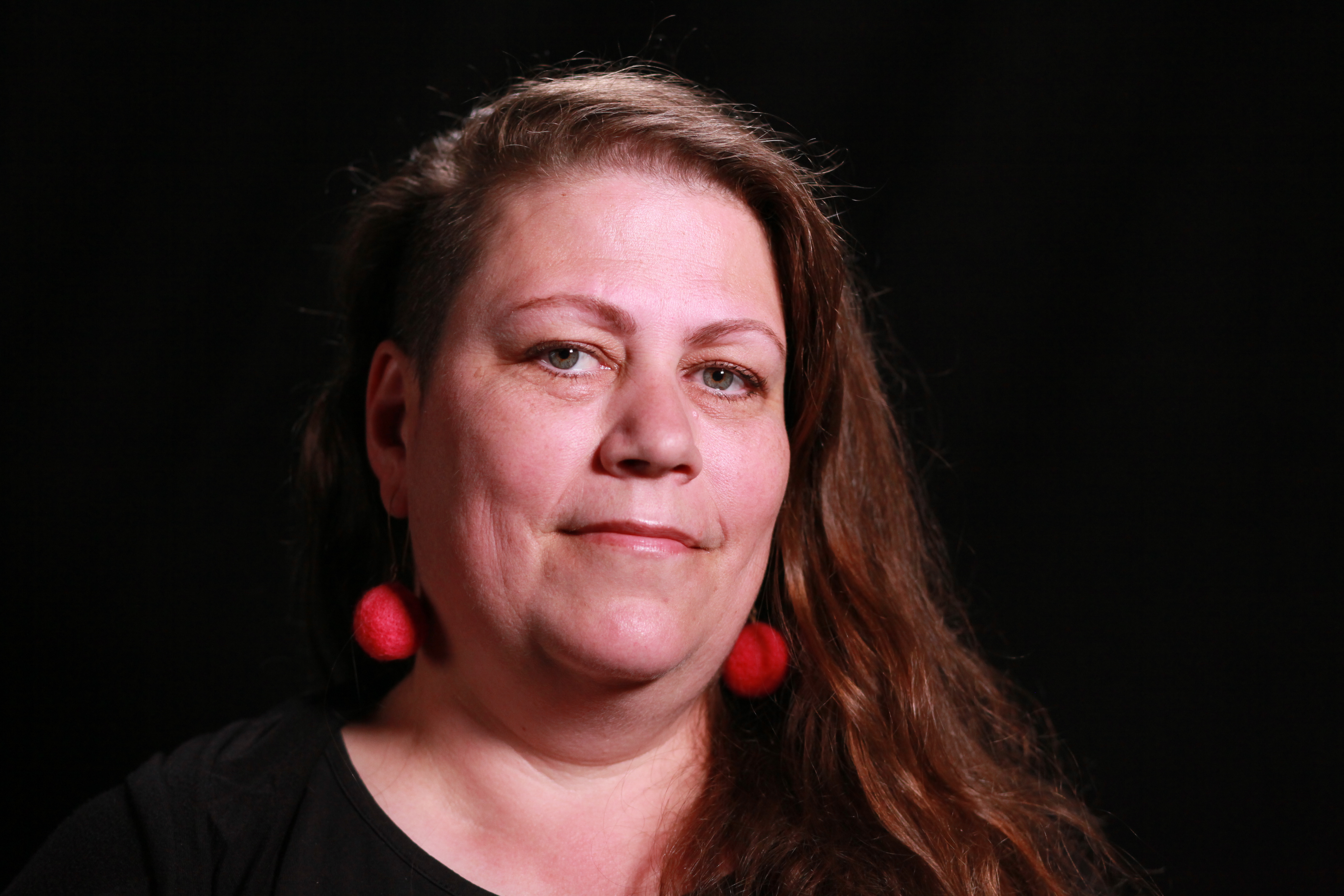
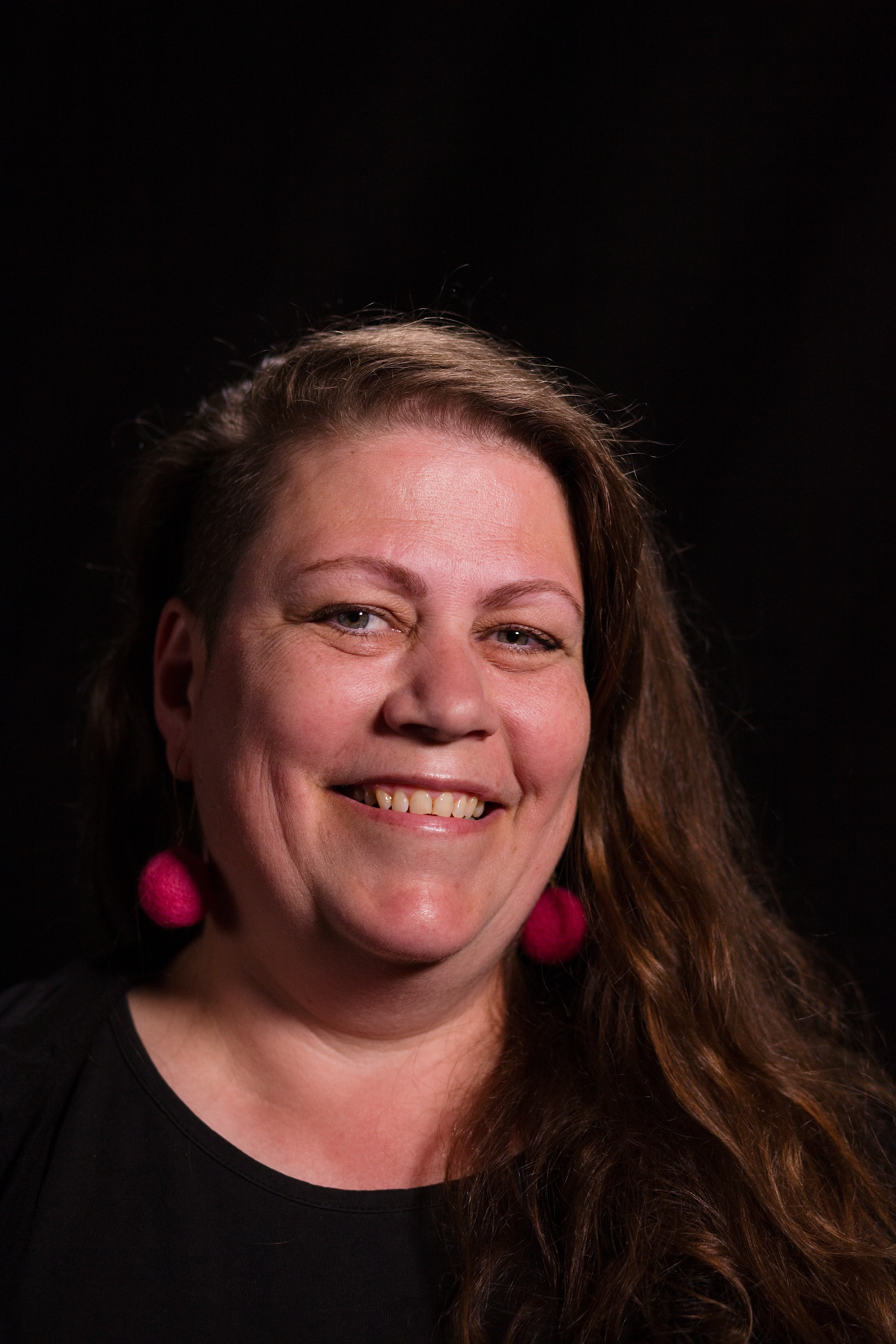
Jana Bečková Petrovická, née Karpíšková, was born on 8 April 1971 in Jihlava. Already at primary school she got acquainted with rock music, which gradually led her to punk. She was first arrested on the street when she shaved her head at the age of fourteen and wore a huge mohawk hairstyle. Because of her unwillingness to conform to the morality of normalization, she left school at 16 and went straight into employment in glass factories. She belonged to the community of Jihlava punks, but also to the long-haired people who introduced her to samizdat and fundamental documents such as Charter 77 or the declaration of the Independent Peace Association - the latter document she signed, as well as a number of petitions for the release of unjustly prosecuted and imprisoned dissidents. She also signed the petition Několik vět (Several Sentences). During normalisation she experienced brutal police harassment, from violence and threats of rape to the real threat of actual imprisonment. In the late 1980s, she married Kamil Petrovický, nicknamed Větvák, who at the time had already had one year‘s experience in prison for assaulting a public official. She took part in the Prague protests, now known as Palach´s Week, in January 1989. During the normalisation period she met dissidents and chartists such as Václav Havel, Dana Němcová, Anna Šabatová, Petr Uhl and Stanislav Devátý. In the 1990s, she started her own business and was living in Jihlava at the time of the interview.