"Not only did I subscribe, not only did I have a subscription to the Journal, I had subscriptions to all the publishers. From the Toronto one, the Škvorecký one, the Zdena one, his wife, who was publishing it all - they published two hundred books. Index in Kolín. I subscribed to all of that, and when the Toronto book came out, the first one that came out was Tankový Prapor, and that was a complete sensation. They had a huge circulation. So it was just something incredible, because they were intelligent books, Tankový prapor even more extraordinarily funny. Every book, when it came in the mail, which we always had to subscribe to, and they could publish books out of that money, so I would read until morning and then I would just go take a shower and go to work. And that was something incredible. It was like a sip of living water when these books came out. And the Pelikánovy Listy, they were great. Professor Prečan wrote there, everybody wrote there. And it was intelligent reading, absolutely up to date. When the Charter came out in full, the first signatures - just my friends also signed. And all that... we were absolutely informed."
"My editorial secretary and I were in Wenceslas Square when the [National] Museum was shot at. It was something so terrible! It was upstairs, maybe a hundred meters from the museum. And there were these Kazakhs riding in tanks at terrible speed. And the Soviet soldiers were all from the Caucasus. It was their faces, their eyes! I've never forgotten. I never imagined that tanks could go so fast. And motorcyclists among them. And the guys on the motorbikes had Czechoslovak flags. They were shooting at them. And when they started shooting at the museum, my secretary pulled me down next to this pool of blood from a young boy. It was so crazy... Then we got up when they stopped shooting, and we went to the radio station, where the tanks were already burning. And the tanks were hitting the houses of Vinohrady. You can't imagine what it was like. I went to the Young Front. And because there were already soldiers there, only they were Russians. They're not Germans, they're brothels. They just let us pass. And then we went to a printing house, which was in Žižkov not far from where we lived, near Bořivojka. And it was a small print shop. And there we only printed one-page newspapers. And they were delivered by small trucks. And the newspapers were simply distributed in Wenceslas Square and in the middle of the city. And that was our revolution."
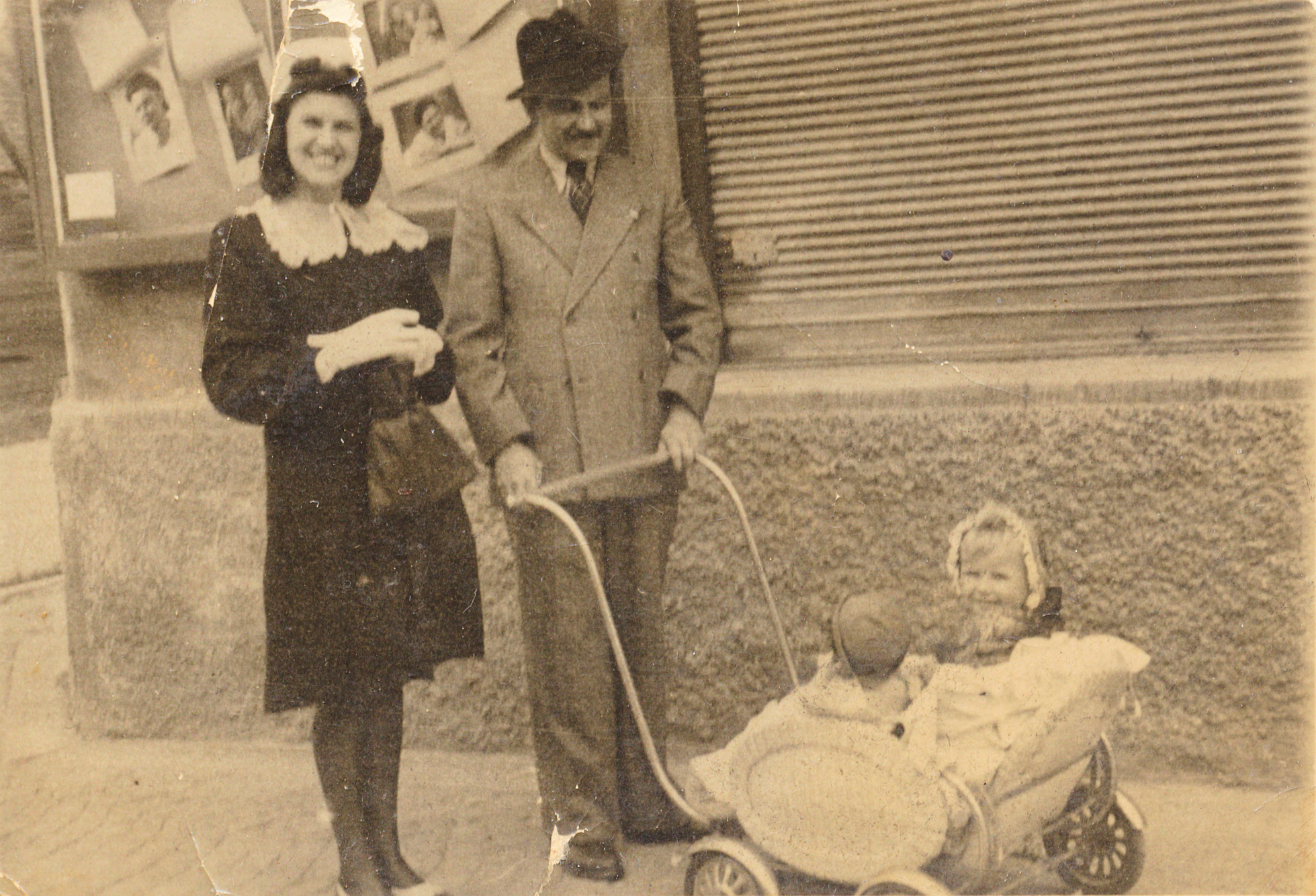
"He was rescued by the man from Berlin, who was a pastry chef and baker who was in our house, and he moved in there. My mother was so clever that as soon as she was told from the town hall that my father was in the Gestapo, she went out into the yard to feed the goose and of course cried with terror at what would happen, that she would never see her husband and the father of her child again. And fortunately the confectioner was in the workshop, and he ran out, and he said to her, 'Don't cry, the baby you have must be sweet,' and he immediately brought her some of this sweet he was making. My mother said to him, 'It can't be sweet, the baby, because it won't have a father. And the German said, 'Such a decent man, I'll take care of it.' Imagine that he put on a black uniform, that means SS, and in that uniform he went to the Gestapo and in a few hours he brought my father. My father was already a little bit like that, cut down by the Gestapo, but he guaranteed that he would not be involved in anything until the end of the war, that he would just submit to everything, and my father came back. Because of that, I had a father. And my mother, in '45, when - you know what it was like, before the savage removal that was going on at that time - she saved the whole family. And in that way, we had a big garden by the house and there was a big gazebo. And in the gazebo, it was normally a wooden building and there was an attic upstairs and there was hay in the attic. And the Germans hid in the hay. And my mother asked for ten thousand Protectorate crowns from the confectioner, and she went to Lišov, twelve kilometers, on her bicycle, and she bought a horse and buggy from a farmer for ten thousand crowns, so it was probably a lot of money. And the farmer arrived in front of our house after dark. The family got on and left, because at that time there were so-called refugees, and they went by day and night and moved around Europe and to their original homes. And they did well, because while they were still hidden in the hay, Janda the baker, who was in our street and had a little shop in the basement, that's how you went down the stairs, and a little workshop, came to us, and he came with a Russian soldier with a machine gun. And he said, 'Here are the Germans.' And my mother said, 'There are no Germans here.' And she showed them around the apartment and showed them everything, and they left again. And that saved their lives, because they still wrote from Germany that they got through, that everything was all right, that they were saved. Otherwise, the Russian would very probably have shot them, because it was very fast in those days."
"During the war it was very colourful because my father and his siblings rejected German nationality. Between the Munich Agreement and the occupation in March 1939, my father and his two siblings, a brother and a sister, married Czechs and were baptized Catholic as their spouses. But this would have been of no use to them if they had not received the so-called Arischer Nachweis, the Aryan card, for which they had to write to Temesvár. And some pastor in Temesvár was such a decent man that he wrote, he confirmed to them that his family had been Lutherans for three generations, even though there was no truth to it. But he saved their lives. Without this Aryan card there would have been only one way, and that was the concentration camp."
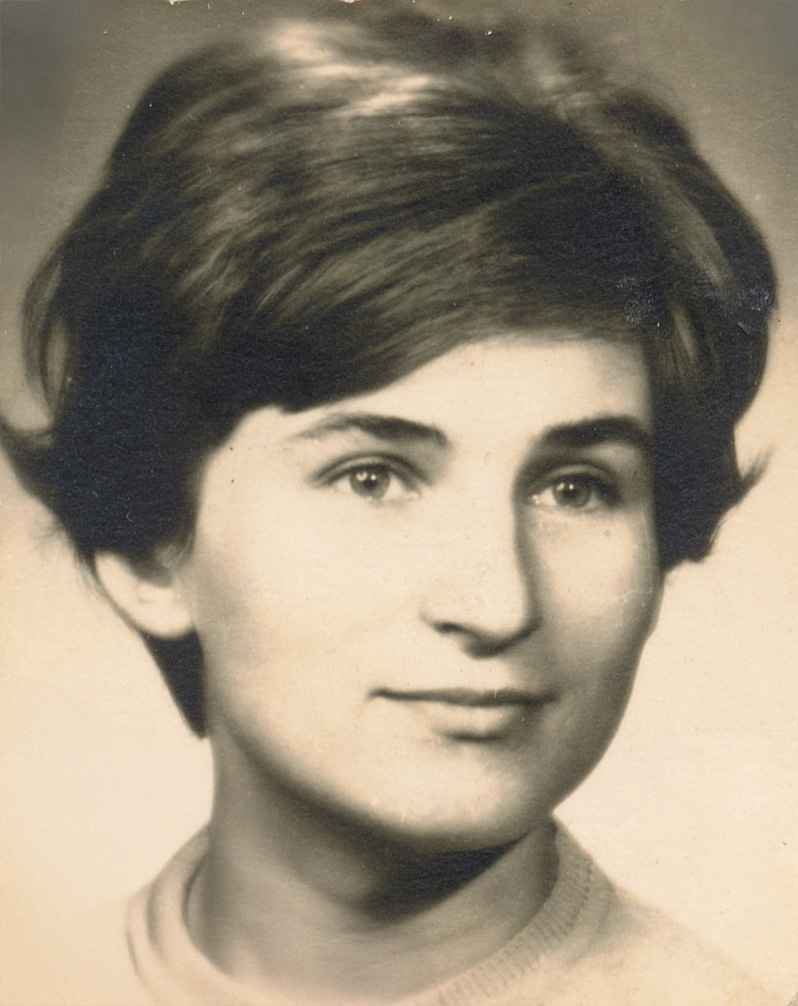
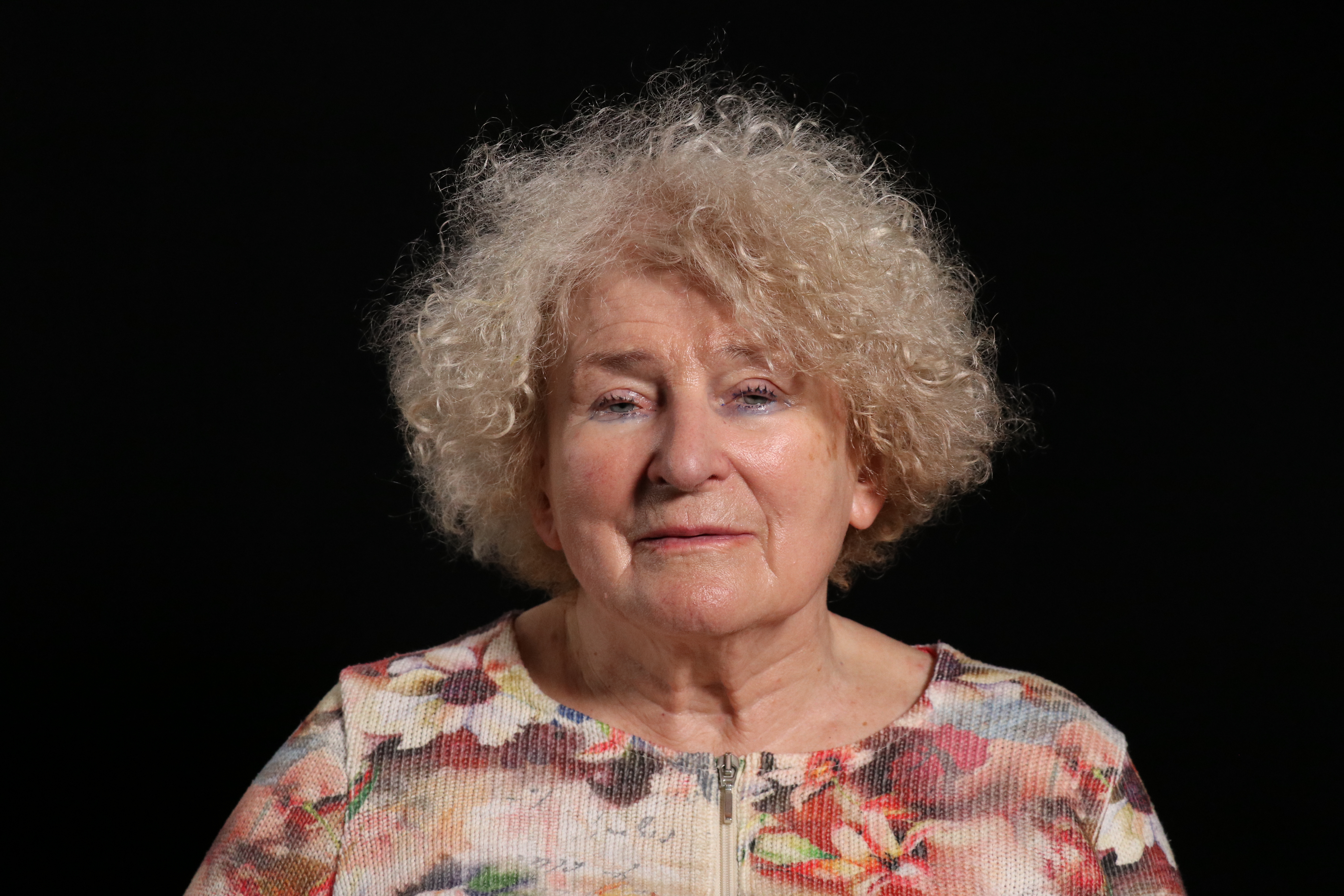
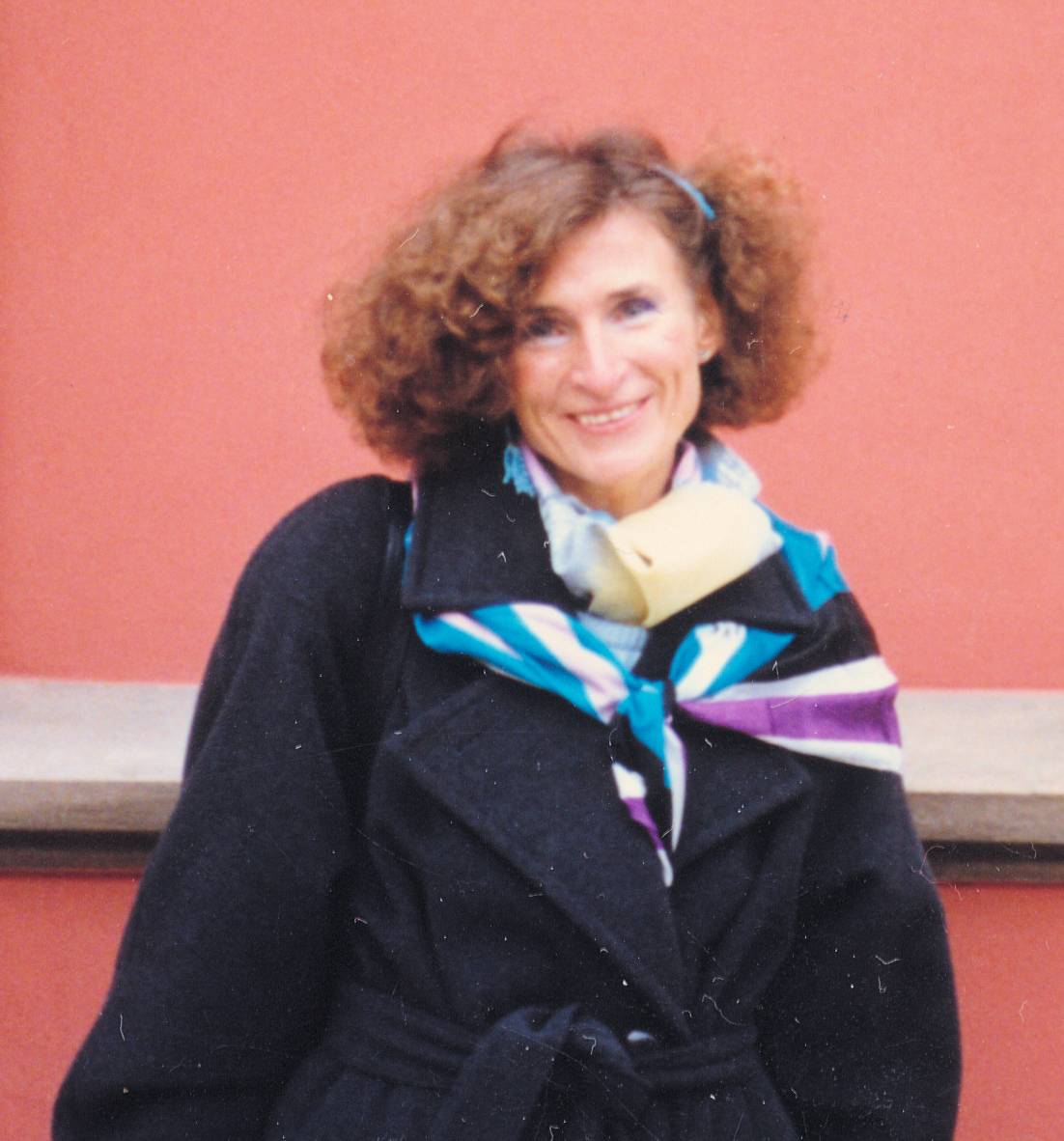
Helena Kanyar Becker, née Becker, was born on August 12, 1943 in České Budějovice. Her father, Josef Becker, was a Saxon from Transylvania with Jewish roots, which he kept secret because of the Nazi persecution. The family was baptized, secured their Aryan origin and survived the war only through courage and chance. Helena‘s childhood was marked by the bombing of Budějovice and the post-war chaos, but also by a strongly cultural environment - her father founded a puppet theatre in 1949, to which politically inconvenient artists and craftsmen took refuge. After graduating from high school, she studied literary science at the Faculty of Arts in Prague, and in the 1960s worked as a journalist at Mladá fronta, Literární noviny and finally at Zlatý máj. She lived intensively for the Prague Spring, the violent end of which led her to emigrate to Switzerland in 1969. She was too late, however, as the country was no longer willing to accept Czechoslovak refugees and wanted to expel her. After very tough beginnings, working over ten hours a day for Swissair ground staff, she managed to get asylum and later a scholarship at the University of Zurich. She studied again and built a career in Basel as an expert on socio-cultural minorities in Switzerland, especially Jews, Sinti and Yenise. She organized exhibitions and published a number of scholarly publications on the subject, while also contributing to the Swiss and, after November 1989, the Czechoslovak press. In 2010, she received the prestigious Scientific Award of the City of Basel for her research on the Swiss humanitarian tradition and for her exhibition and publication activities. In 2025 she lived with her Swiss partner in Basel.