Pavel Báča

* 1968

  • "We slept in different places, because we didn't have anywhere, so we slept, we rang at the churches, at the parish houses, because they helped you a lot back then. We slept in the women's convent where nobody was allowed, in the garden, actually. In the morning the nuns would come around and give you a delicious breakfast, because they always had a lot of cheese from the Red Cross, they would spread it on bread for you, it was really good. But we got drunk somewhere and I lost my passport in Gdansk, and I thought I'm completely f*cked because I'm there illegally, in Poland, I don't have a passport, but in the end there was some lost property office and it was found, somebody returned it. Then we left, but we still couldn't find out where the anarchist festival was because it was called Hyde Park 88. It wasn't like there were posters hanging somewhere or that you could read it on the internet. So we were wandering around Gdansk, and we were sitting in the evening, drinking beer, and there was an old woman with a covered pram, and she looked like a homeless woman, you'd call her that today. And she was looking at us and we were looking at her, and then she winked, and she uncovered the blanket from the pram, and there were leaflets and promotional materials for this Hyde Park 88. So she handed it out, told us where the bus was coming from and what to do. So we got on the bus in Gdansk and went somewhere far away. We got off at the bottom of the village, a boy came and he took all of us, the ones that got off the bus. He led us through the fields, through the woods. You are going through a deep Polish forest and you can just hear the bass in the distance. Really like Hyde Park. Four stages, aggregates, there were bands from England, different bands and all kinds of things. Of course, there were stands with ganja, so you got to something... and beer. We spent four days, or five days there, absolutely perfect. So that's how it worked."

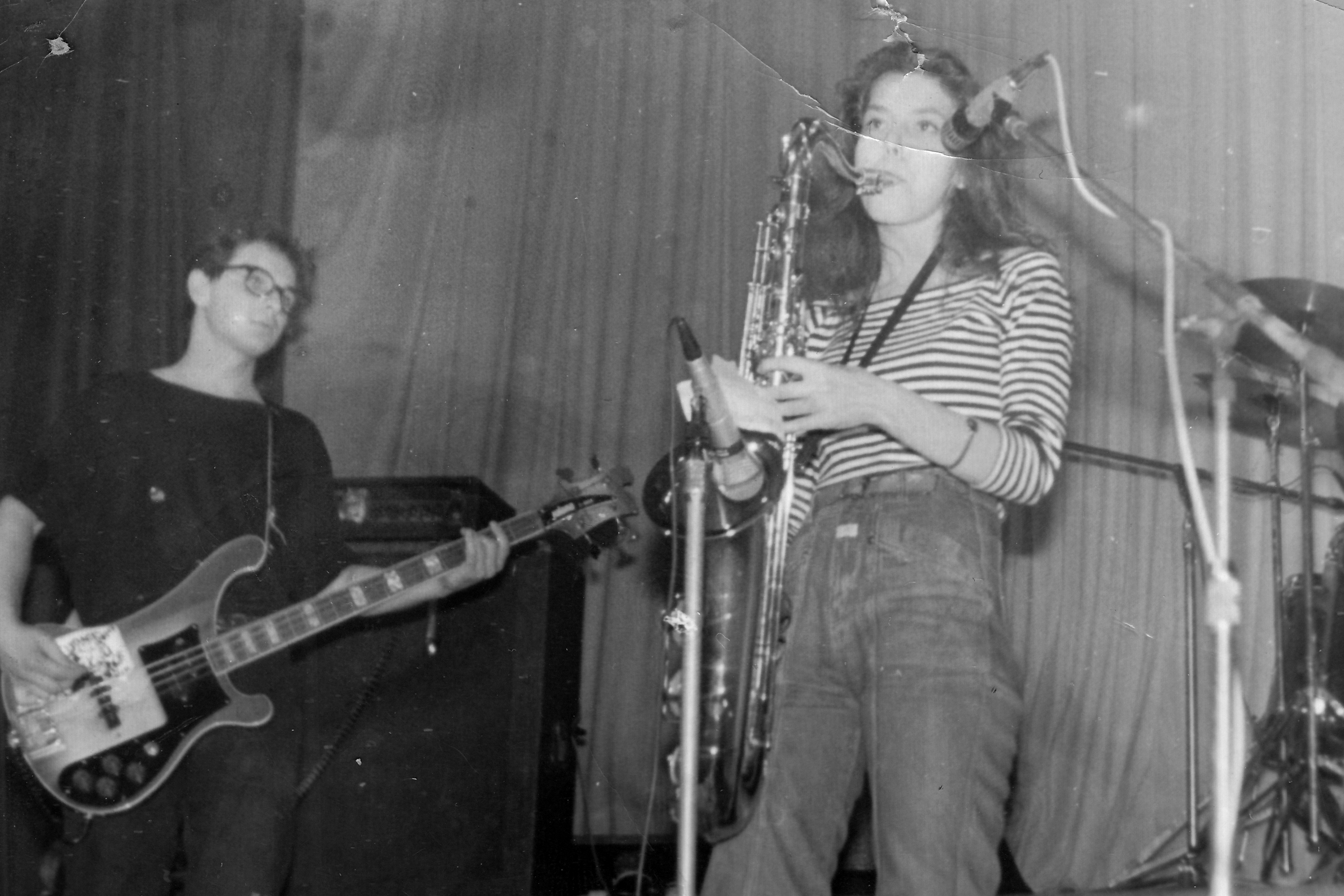
  • "That's the legendary concert as it's on the record, but now I don't know where it was, in what pub. How we start playing there. At the time it was announced that it was going to be an engagement party... It was, of course, the concert we played. Now I don't know if we played one or two songs. The cops came in, both normal and State Security, and the pub keeper - and this is the classic line and it's on some Šanov record - 'That's enough! This isn't an engagement, it's an engagement, my ass!' Well, the end, right, it was off and they were leaving. There were a lot of these cancelled concerts or unfinished gigs back then - there were loads of that, weren't there." - "So it happened very often?" - "Yes, very regularly. Lysá nad Labem, we went to a concert there. I remember that, we went there by train and I know I was there with Vejražka, Vejr was there too. I don't even know if it started there or not, because it was such a long way to get to Lysá nad Labem in those cars at that time... Then, of course, they came in, but then they were like old guys, like old village policemen. They had whistles like that - the red ones, like a guard at the military service. I remember, but now I don't know who it was, but somebody says to him, if he'll lend him the whistle. So he lent it to him and he blew the whistle. And in Málkov, for example, it didn't happen there, it didn't even start there. That was in 1985, when everybody went to Málkov, like F.P.B. and other bands, maybe Svaz Áček, he was supposed to play there, where Ota Chlupsa played with Julek Horváth and Petr Keřka. All the Teplice people went there, and there are photos of it, as I told you, and I don't think there was even a strumming of a guitar at that time. The cops came there..." - "Did you take part in that, Málkov?" - "Yes, I was there with Pavel Kyselka and we met some people from Pilsen and then we became friends. But actually the police came there and I remember to this day, [they announced] with the megaphone that we had to leave the estates of the village of Málkov, but at that time I didn't know what estates were and how to get out of the village estates quickly on foot. Then we all went to the station to leave and there was nothing there. That was just a nice trip, but we arrived in Teplice and made a big fire at Písečák and celebrated there."

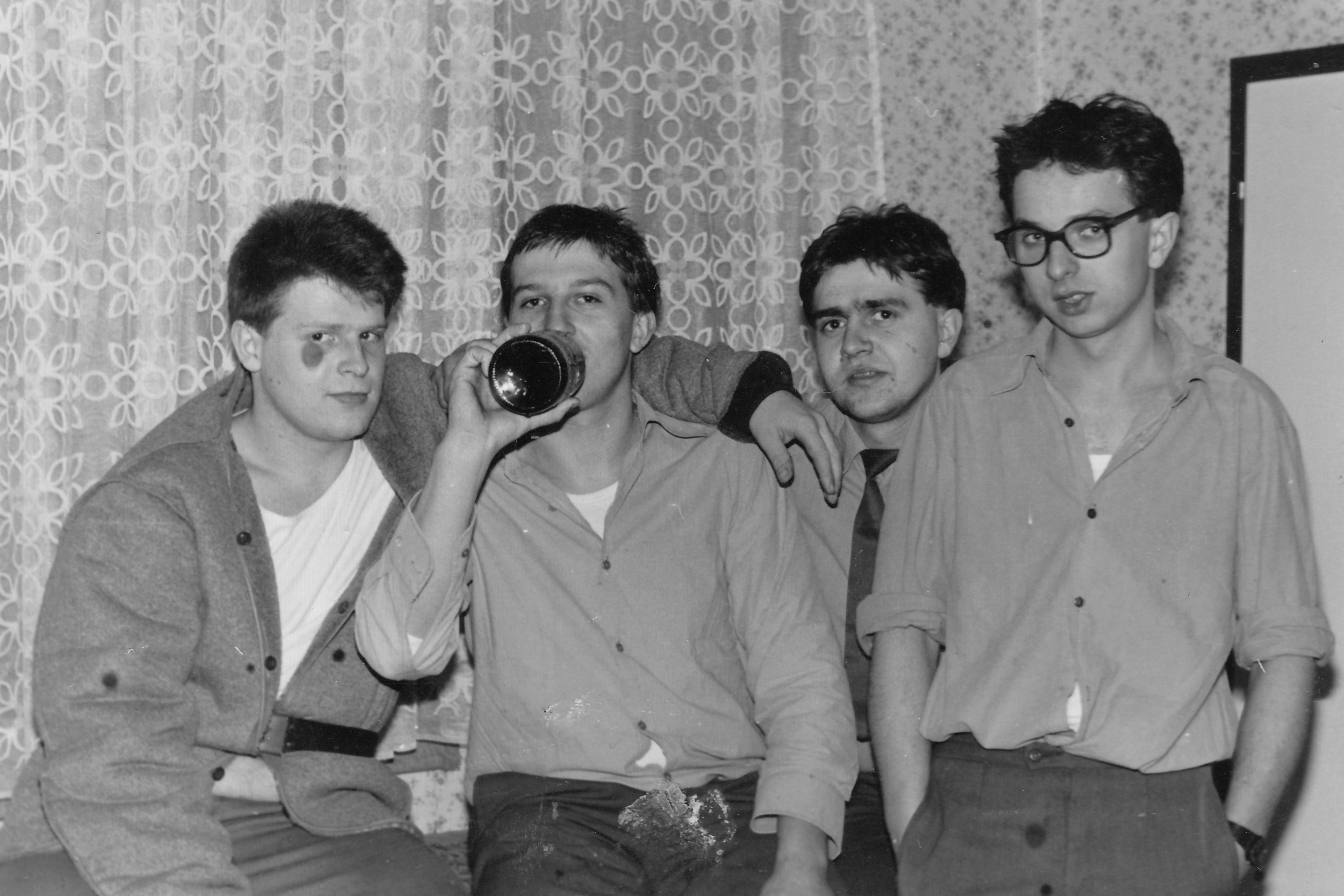
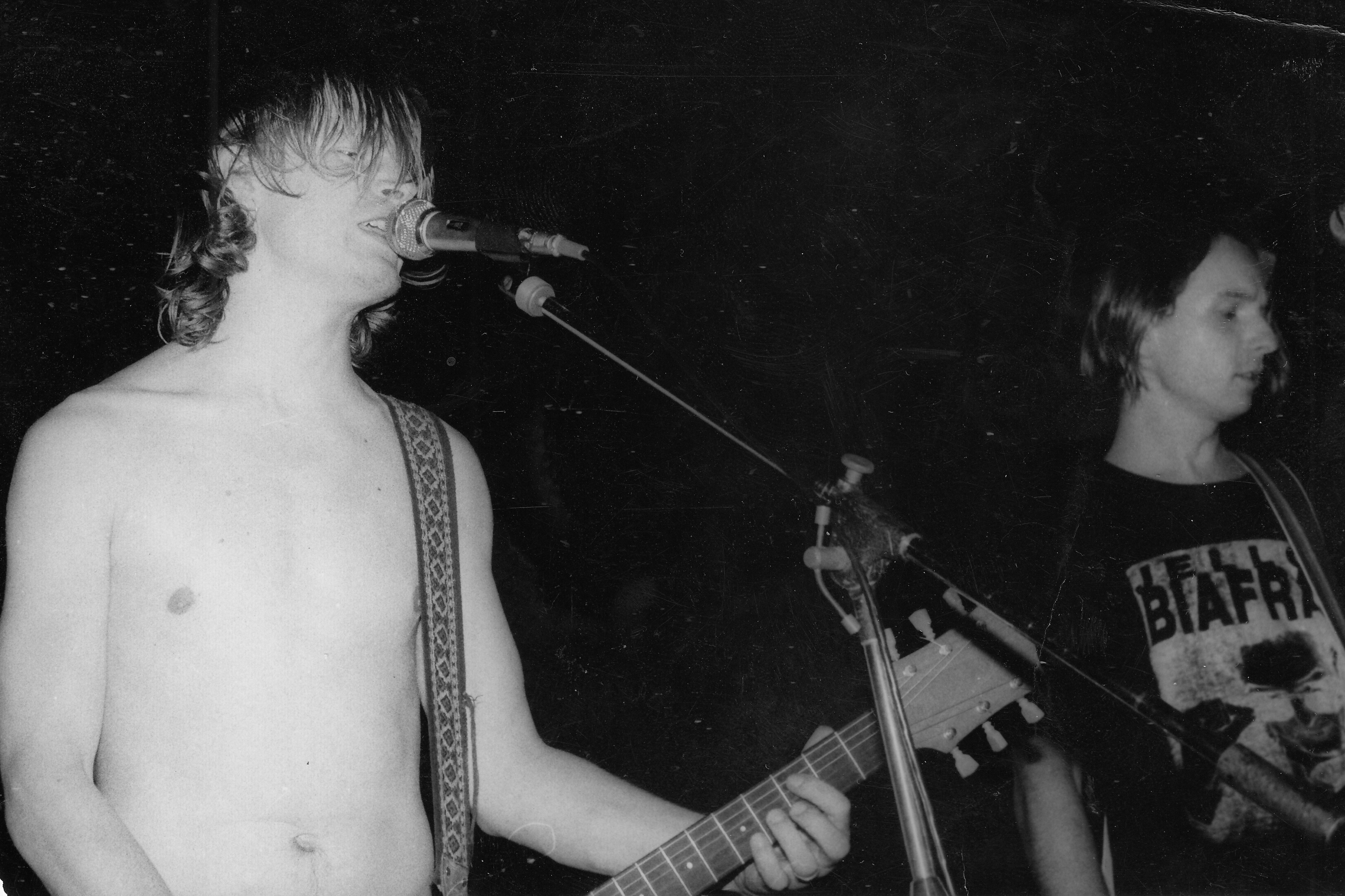
  • "That was the first thing we rehearsed, we went to Pavel Kyselka's place, his dad had a farm somewhere in Suchá, and we did some first rehearsals there, where Pavel had drums. Then it was just the two of us and I was still playing the Iris because I didn't have a bass. But then we said we'd start a band, and that's what we agreed on. Karel Kalousek came along - he came back, he was also after his military service, where he had saved up for a guitar, because Karel was such a saver, so he had a nice guitar, so he would play with us. We kept saying we needed a singer or something. Then somewhere in the attic on Bílá cesta we discovered Petr Čermák, alias then Biafra, who sang some Beatles perfectly and played the classic guitar and had a great voice - and musical ear. And that is how Šanov 1 came into being. The name was invented by Pavel, because it was always: what are we going to call ourselves? So we were making it up. Before that we were flirting with other bands, but I don't know exactly. But it turned out to be Šanov 1 because Pavel lived under the botanical garden and suddenly it became Šanov 1 and that's how it started."

  • Celé nahrávky
  • 1

    Ústí nad Labem, 12.02.2025

    (audio)
    délka: 02:02:20
    nahrávka pořízena v rámci projektu Příběhy regionu - Ústecký kraj
Celé nahrávky jsou k dispozici pouze pro přihlášené uživatele.

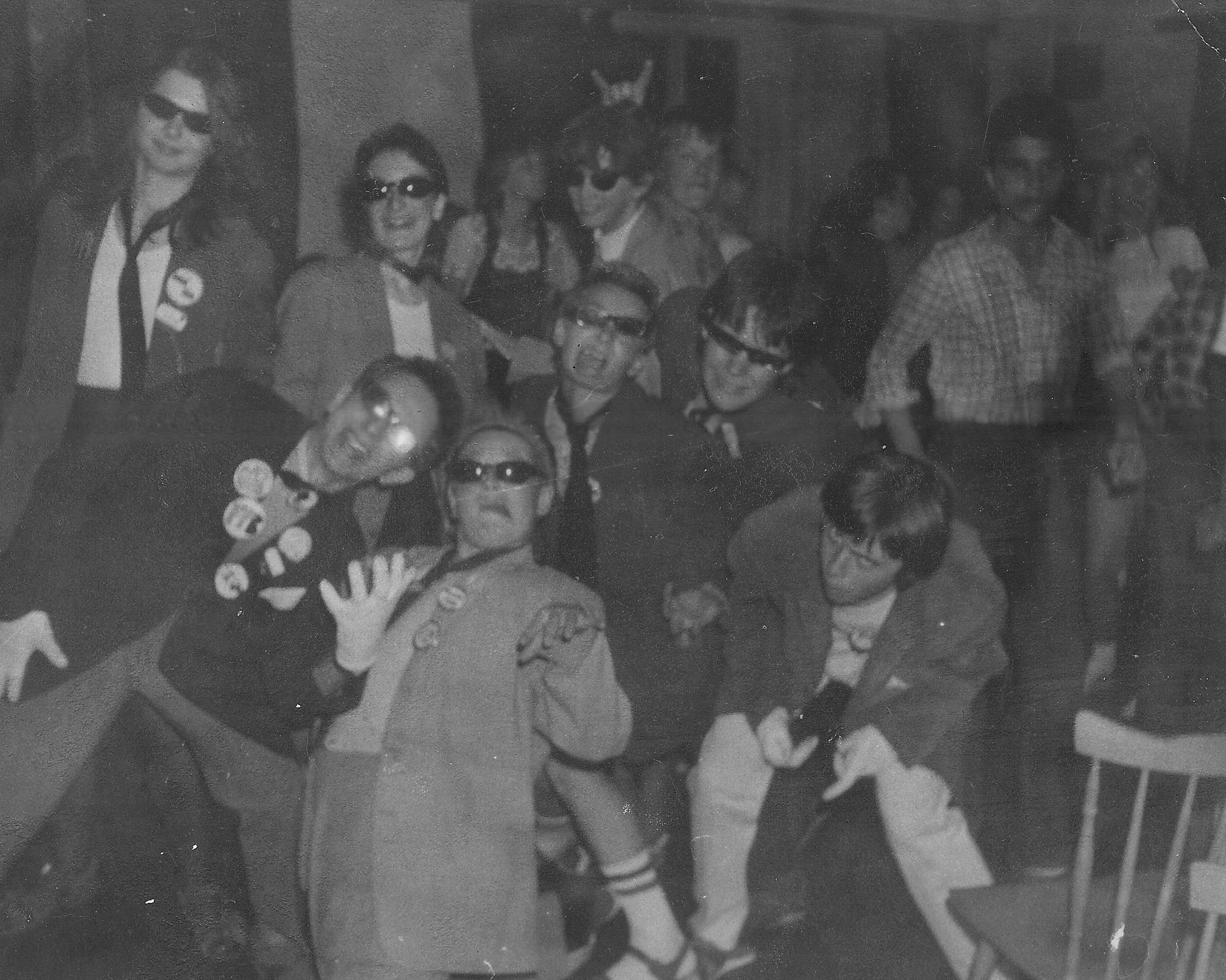
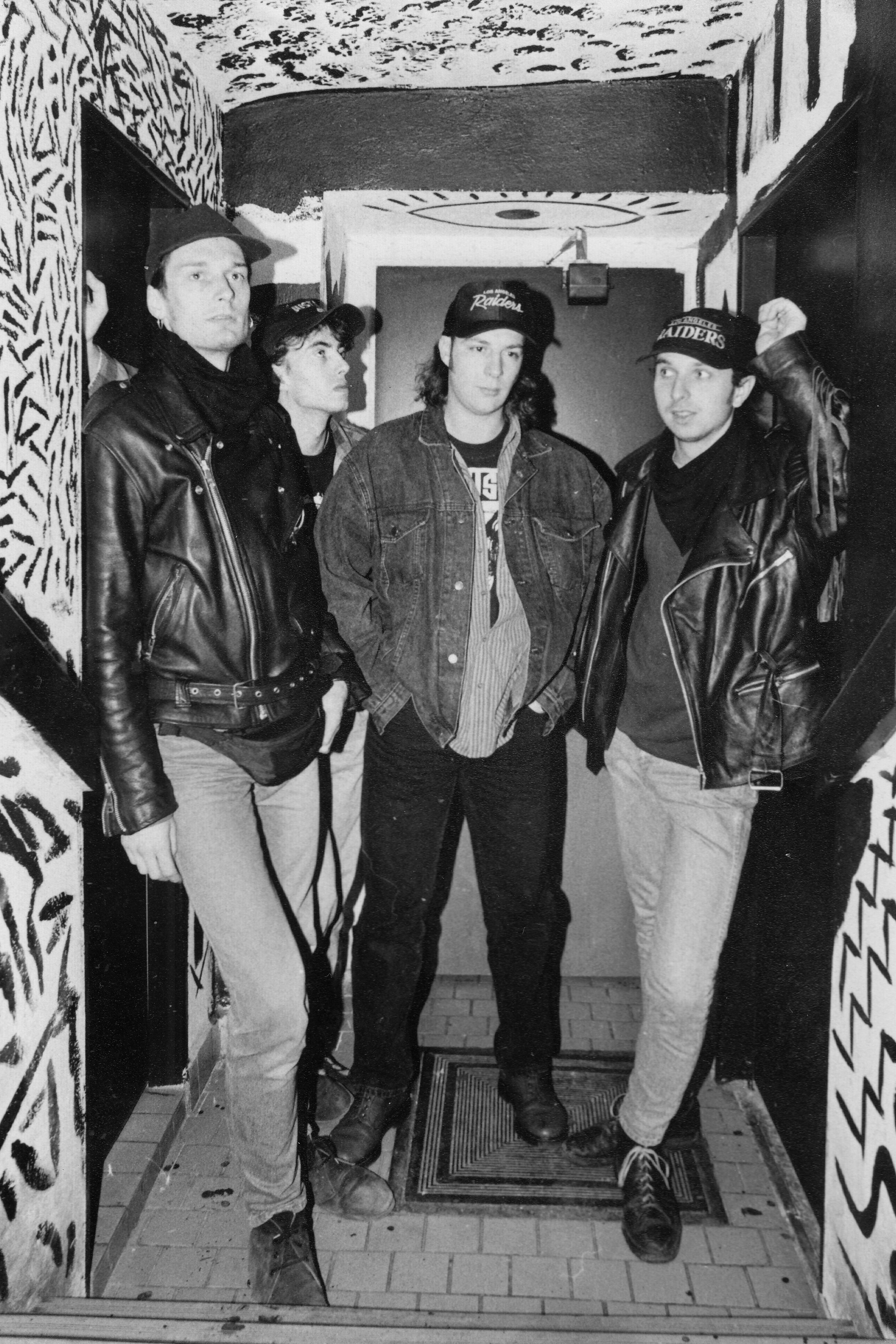
Even though we were Baby Punks, we showed that we could be harsh
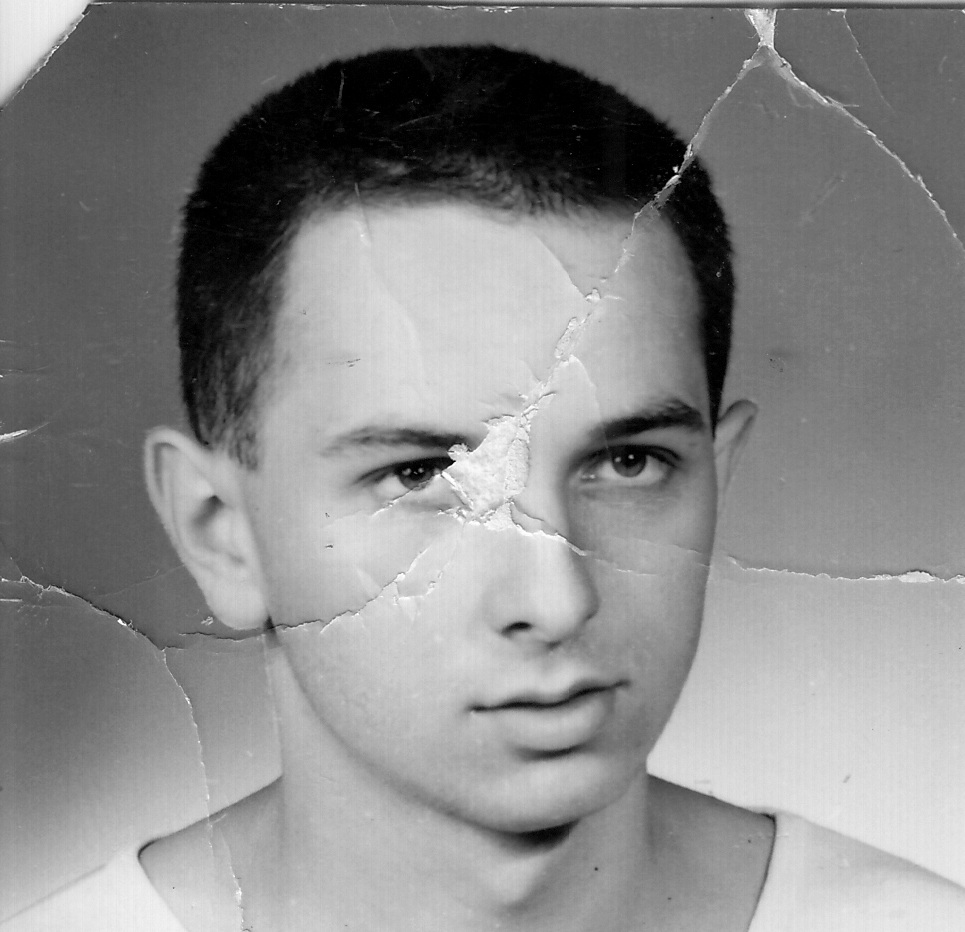
Pavel Báča, 1986
Pavel Báča, 1986
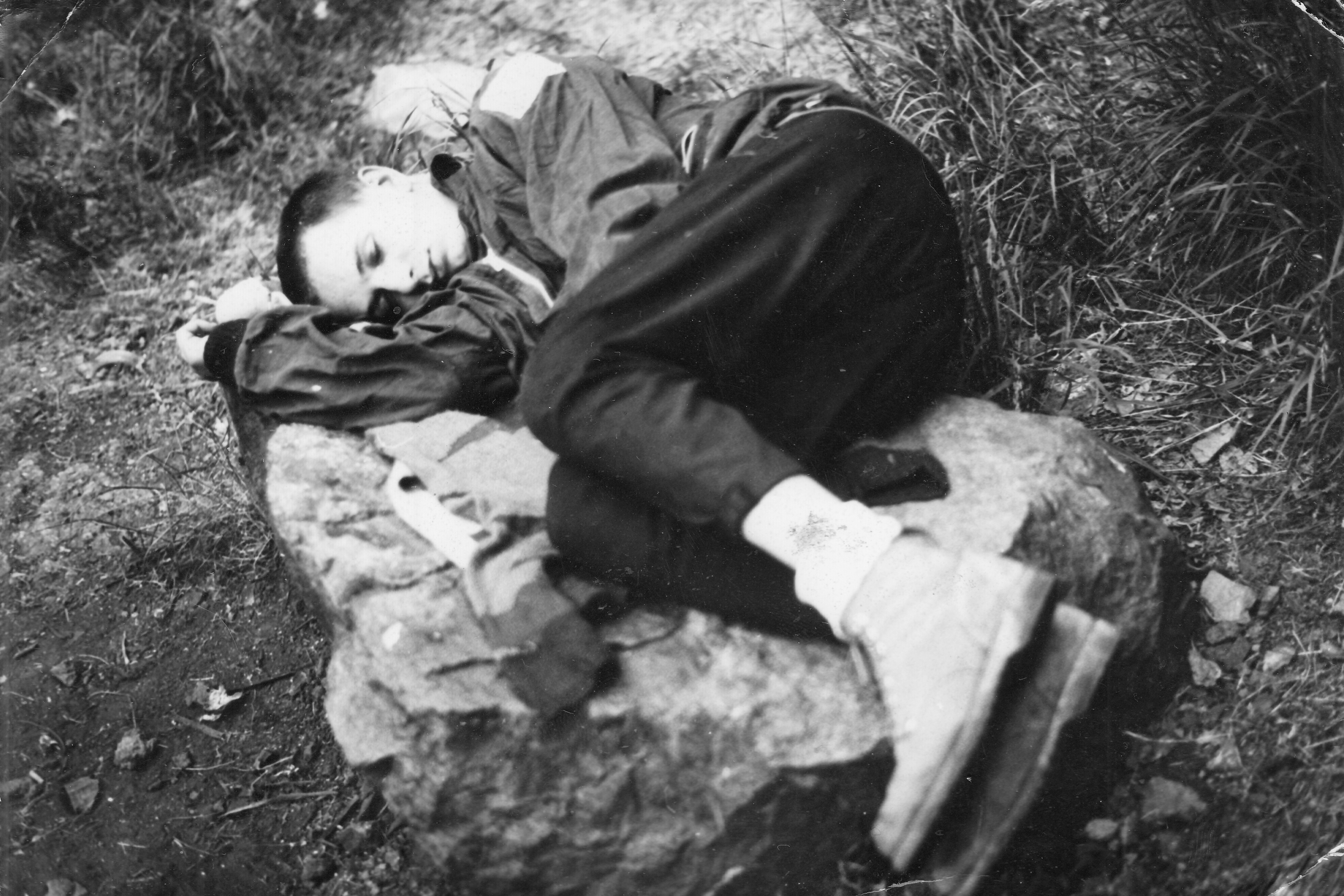
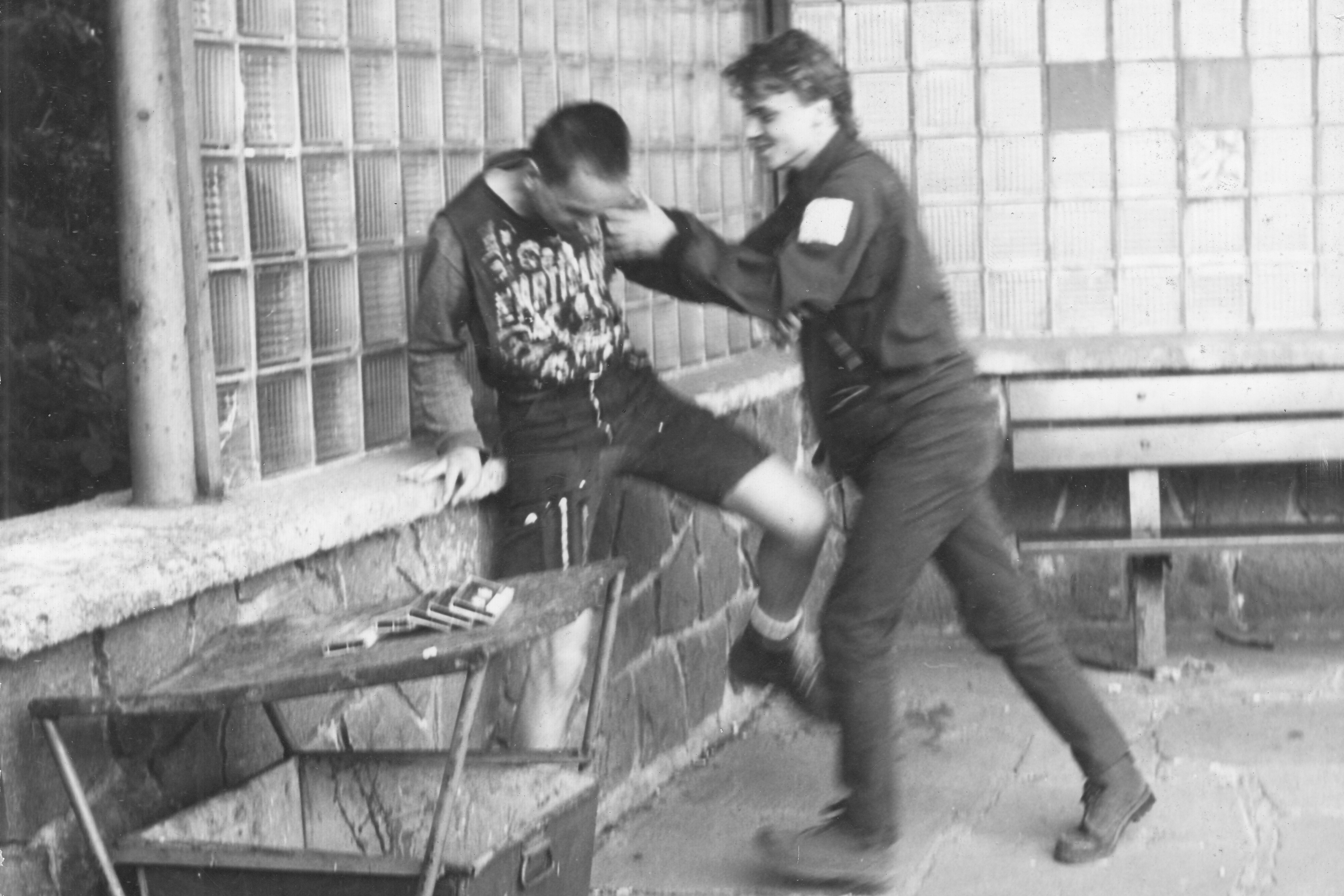
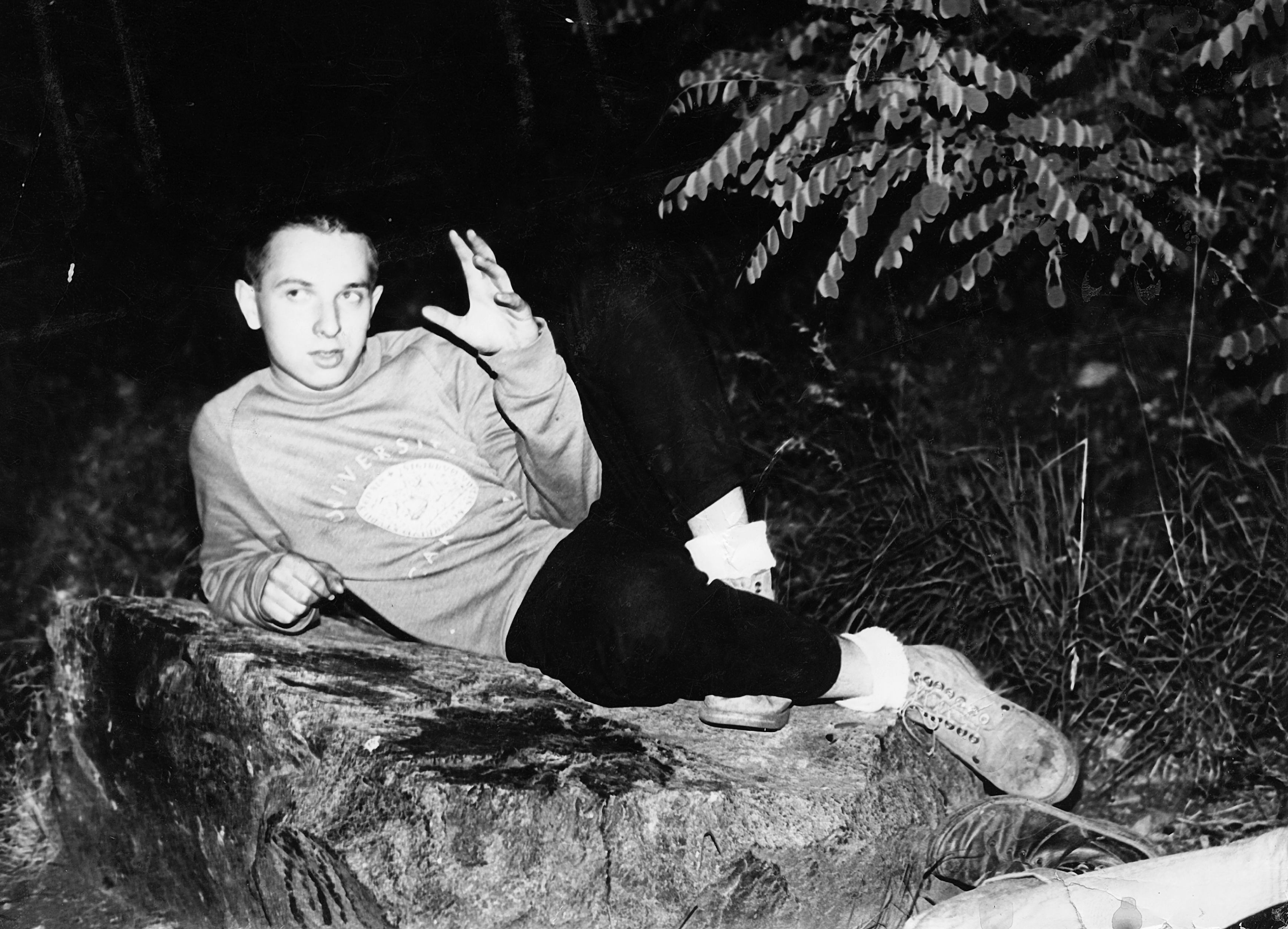
zdroj: Witness´s archive


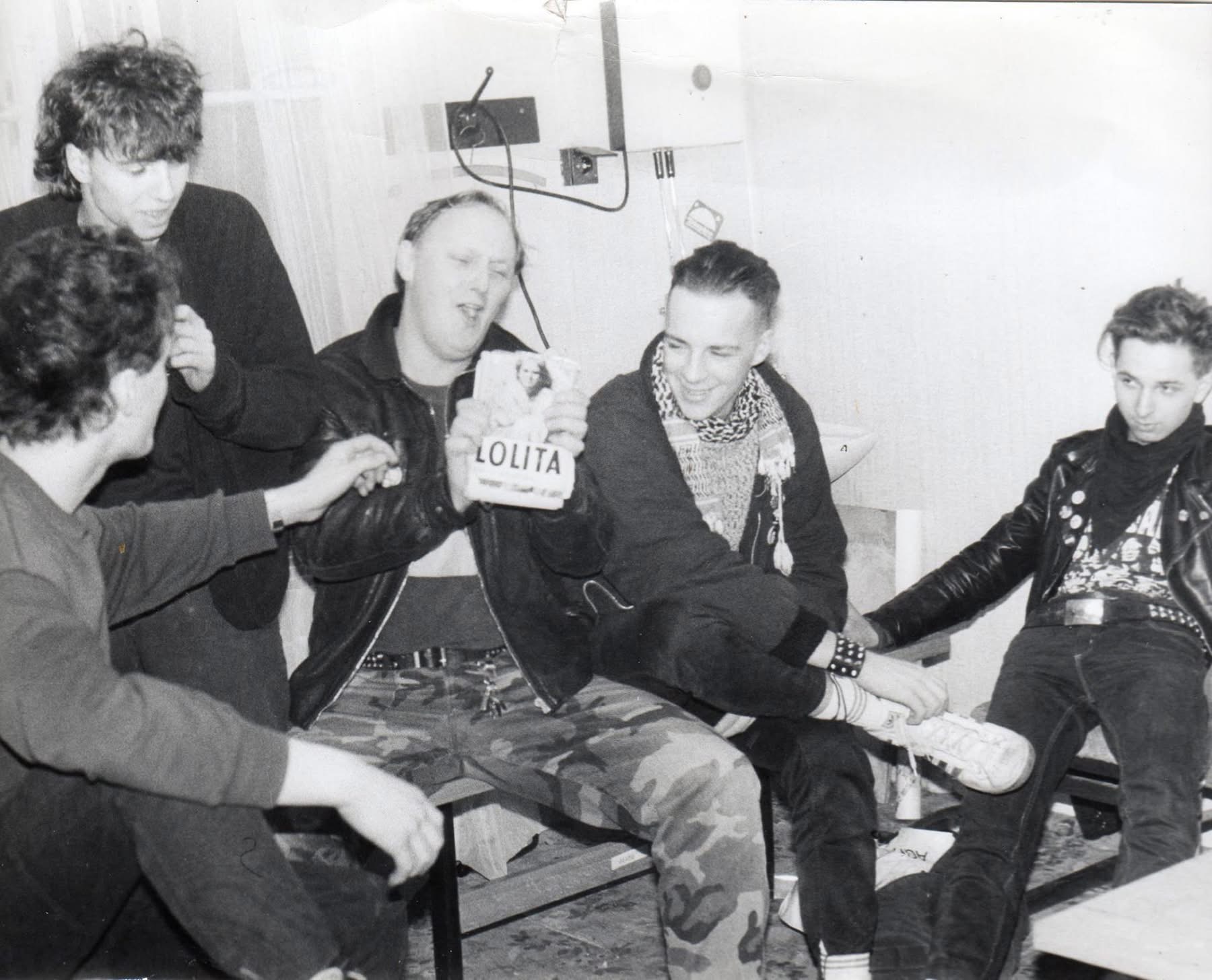
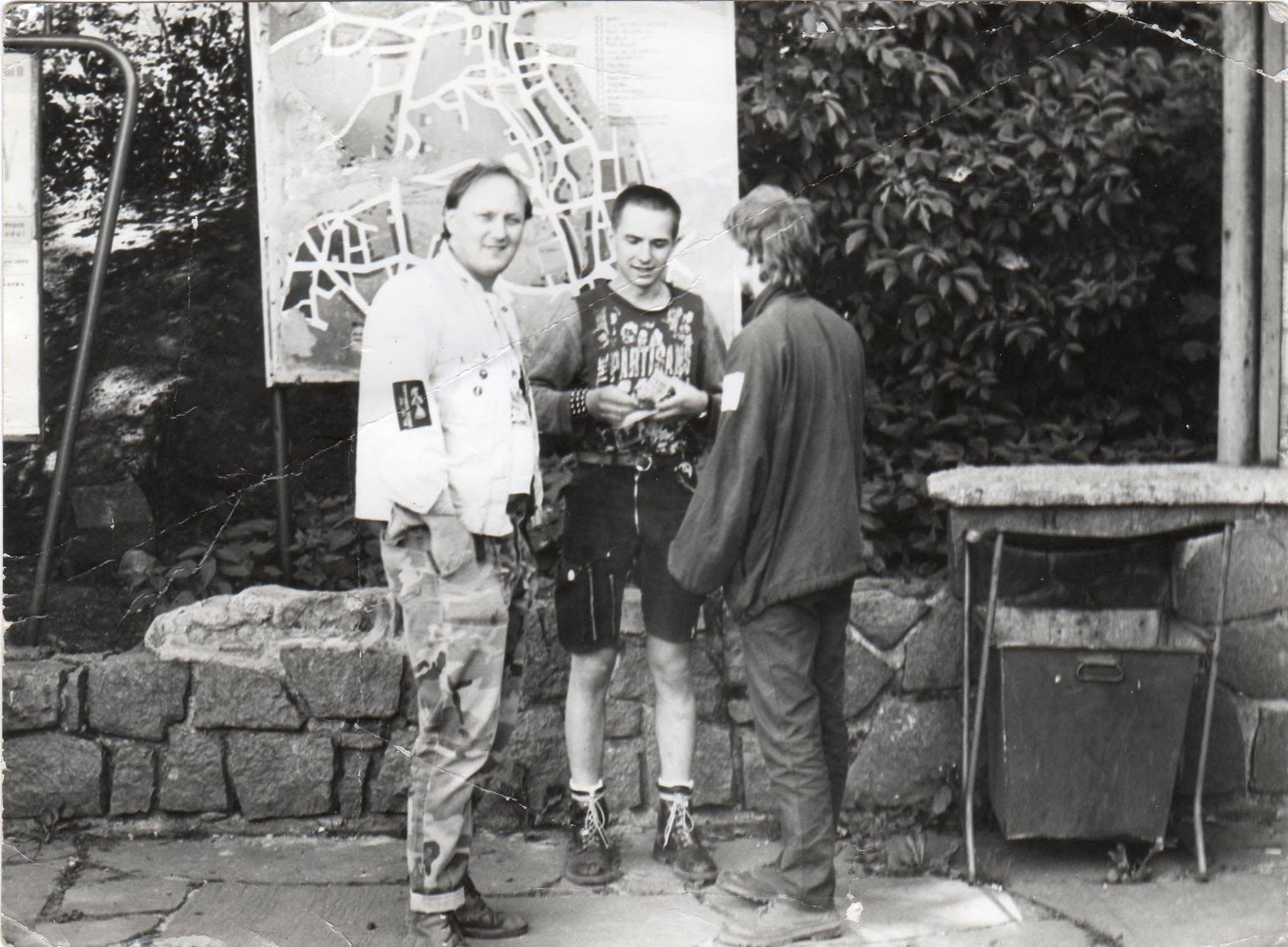
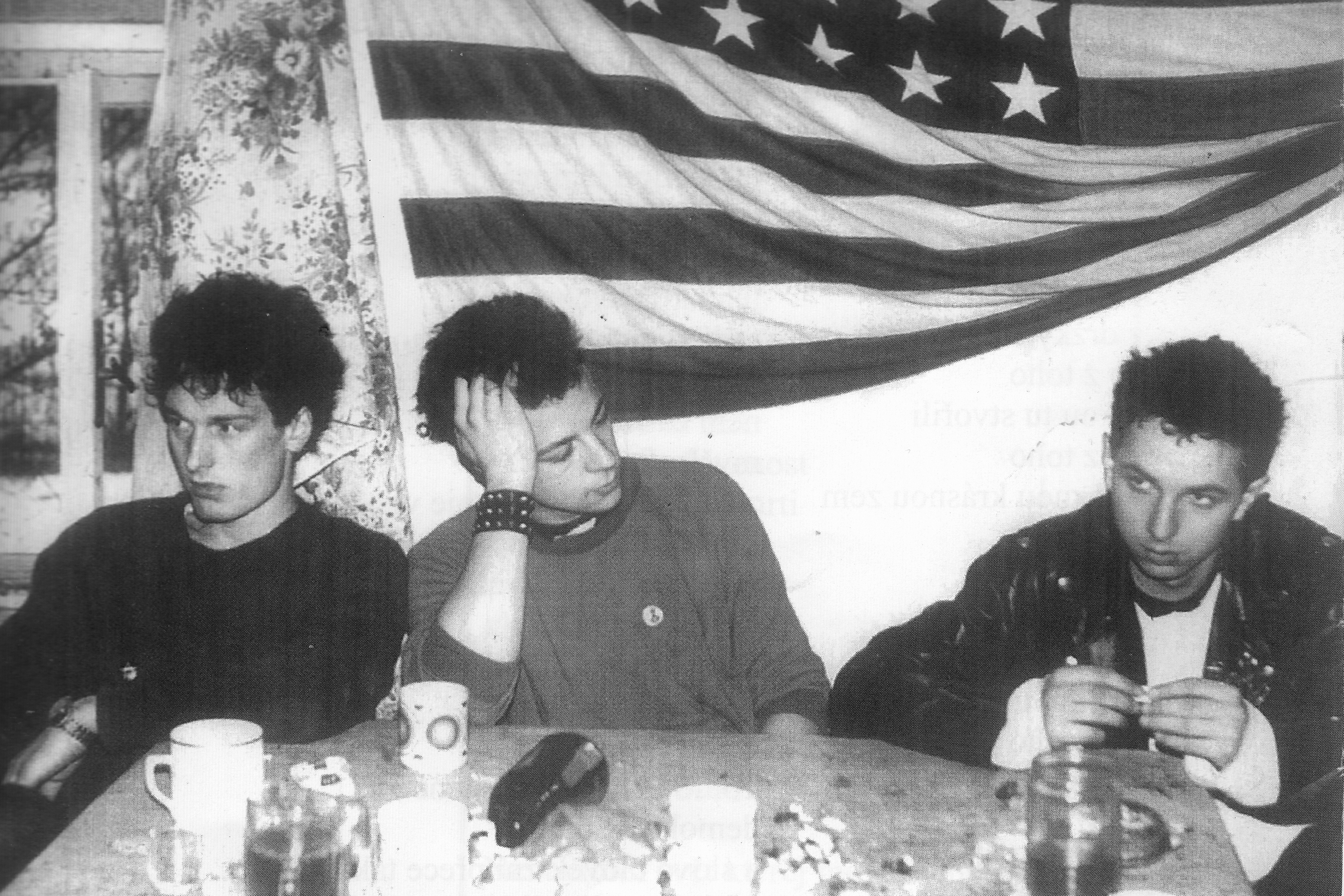
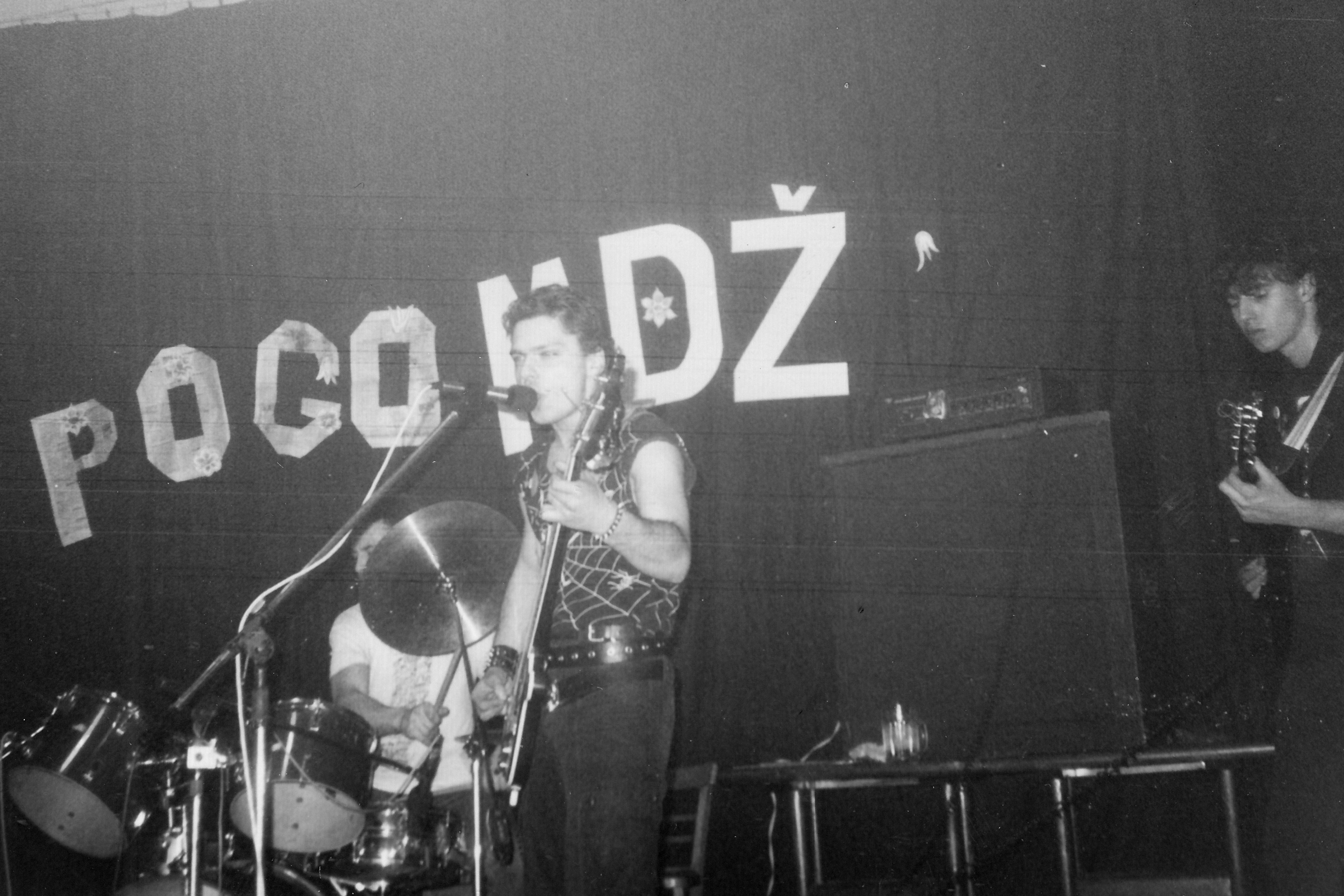
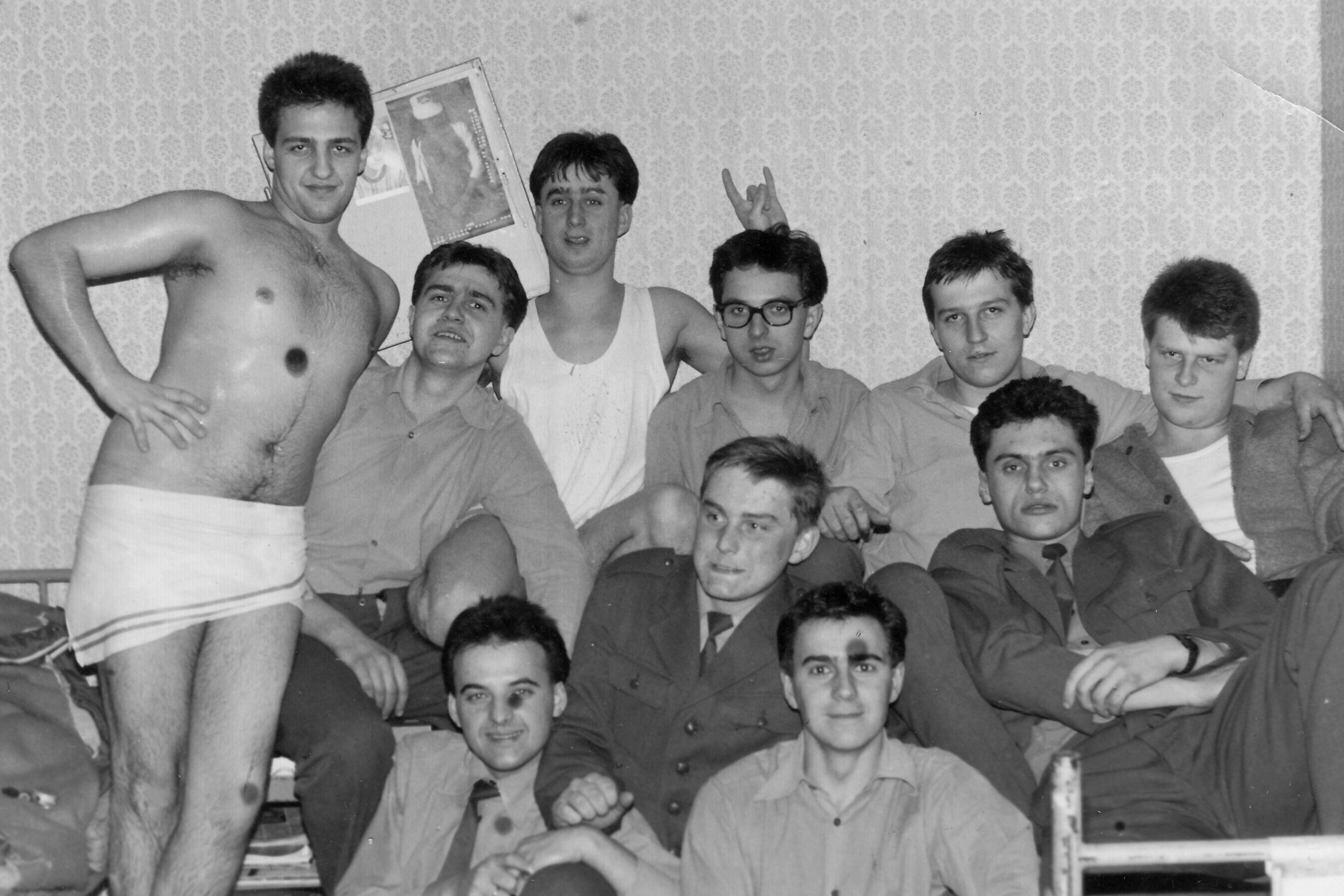
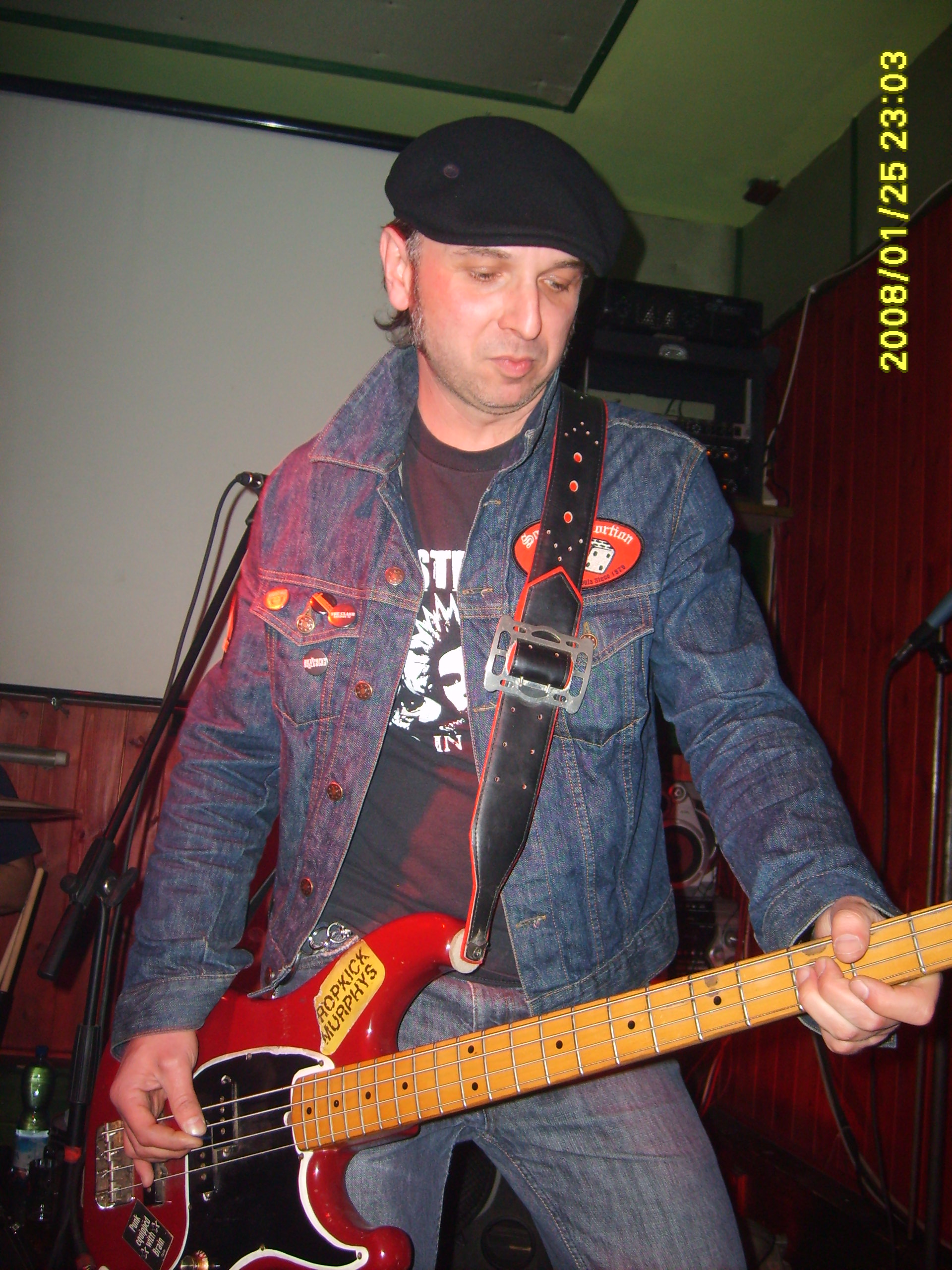
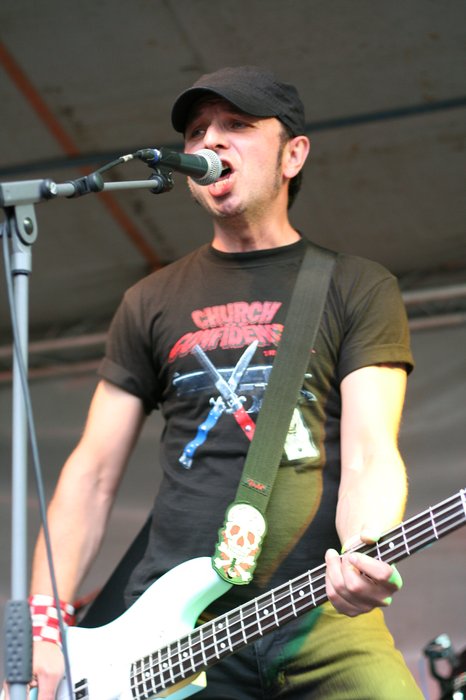
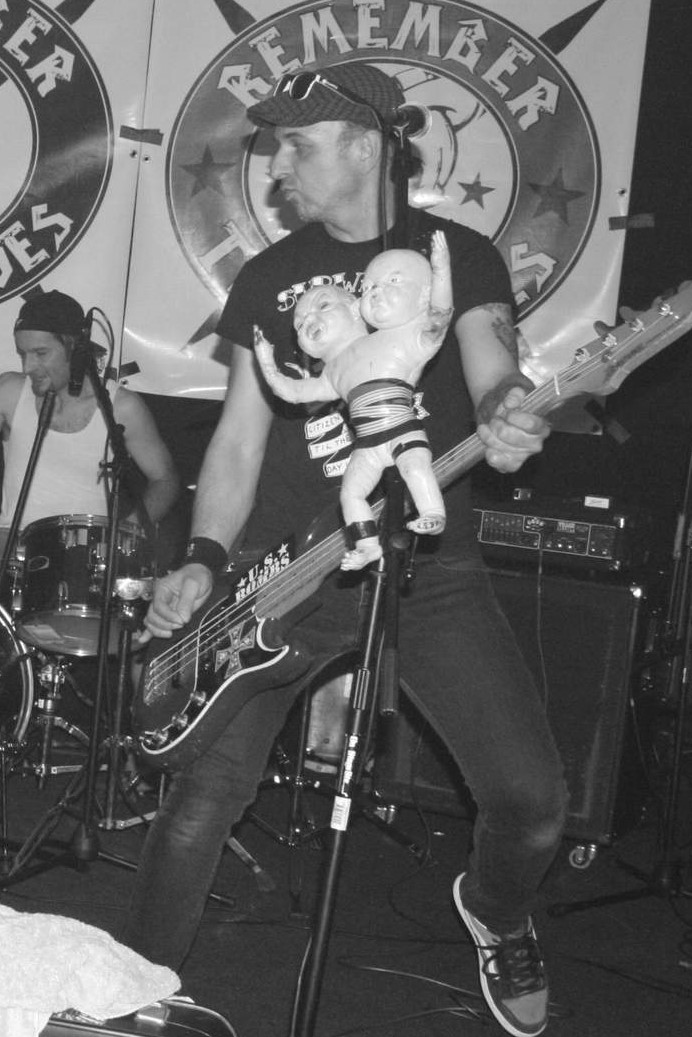
Pavel Báča was born on 12 September 1968 in Teplice. Since childhood he has loved music, which his older brother introduced him to. He liked mainly punk and German new wave. He started learning to play the guitar on his own and to dress in punk style with other friends, which brought the first problems with the regime. While studying at the secondary technical school in Teplice, he often came into conflict with his teachers and almost didn‘t graduate. Already at this time, he was regularly summoned to interrogations by State Security and threatened. In 1987 he co-founded the punk band Šanov 1 with other friends, which became one of the most popular punk bands in Czechoslovakia at the time. The band used its lyrics to provoke and attack the then communist regime. He regularly took part in banned concerts and events, where, for example, he played only a few songs with the band and after the police intervened, the concert was dissolved. With Šanov 1 he not only performed in Czechoslovakia, but also in Poland and East Berlin. In 1988, he left the group and joined the formation of Division T, where he stayed only until January 1989, before startig his military service. He spent the war first in Senica nad Myjavou and from there he was transferred to Levice to a construction company where he worked on the construction of the Mochovce nuclear power plant. Here he actively spread the Several Sentences petition and during his military service he also lived through the Velvet Revolution. After returning to civilian life, he returned to music and founded the band Dixies 45, later playing in bands such as The Hysterics and Remember the Heroes. At the time of recording (2025) he lived in Teplice. We were able to record his story thanks to the support of the Statutory City of Teplice.