My greatest joy in life has been my work
Stáhnout obrázek
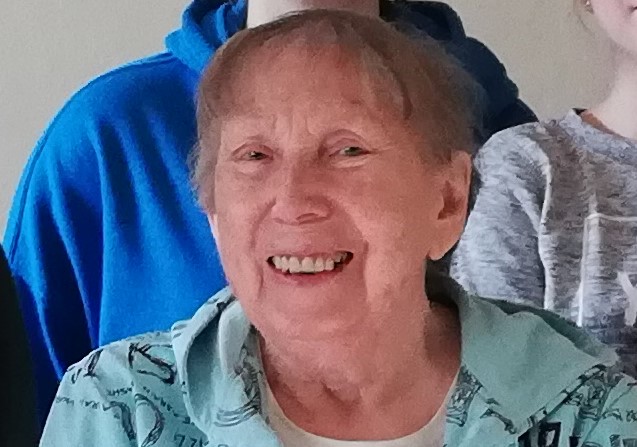
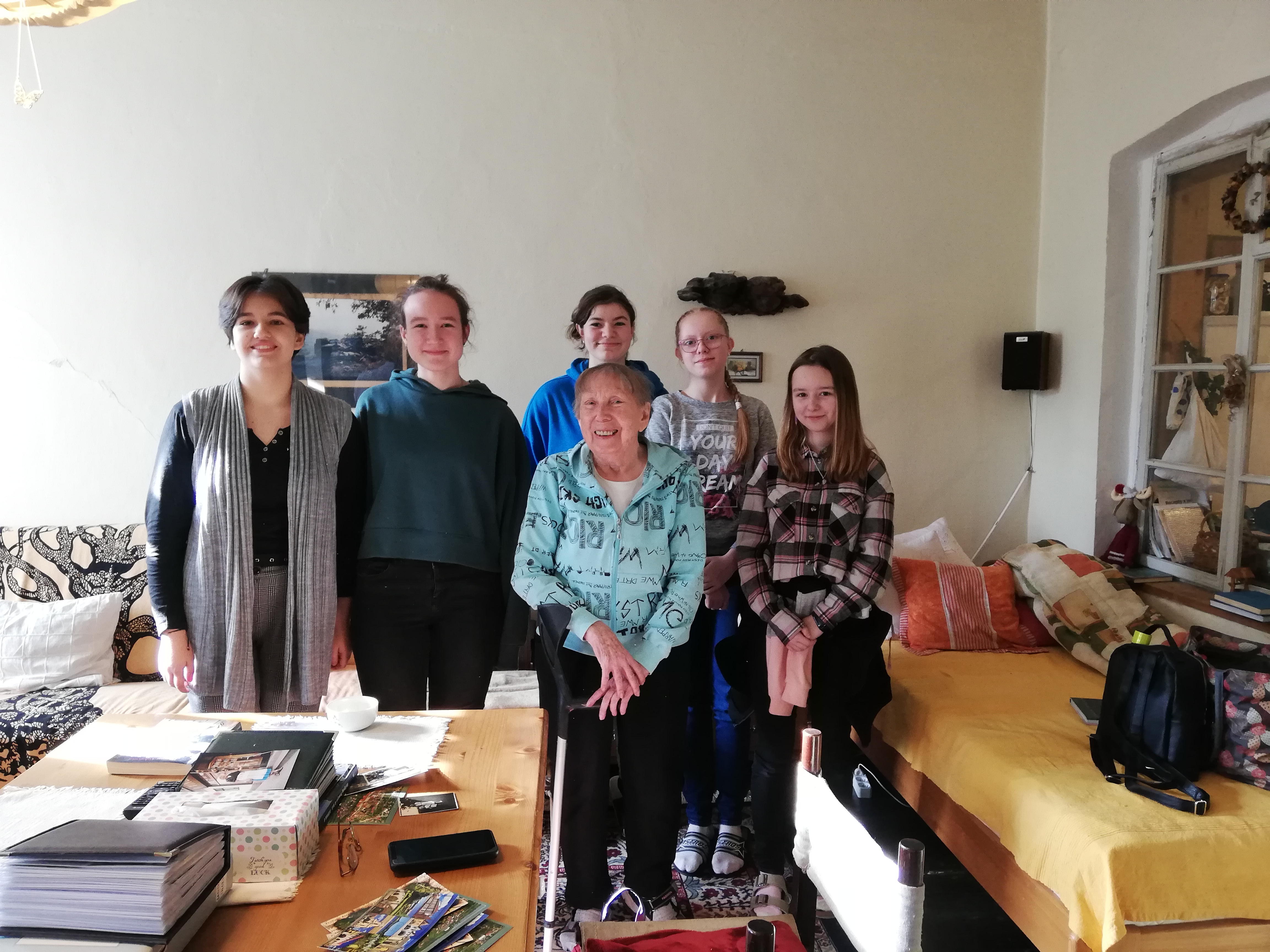
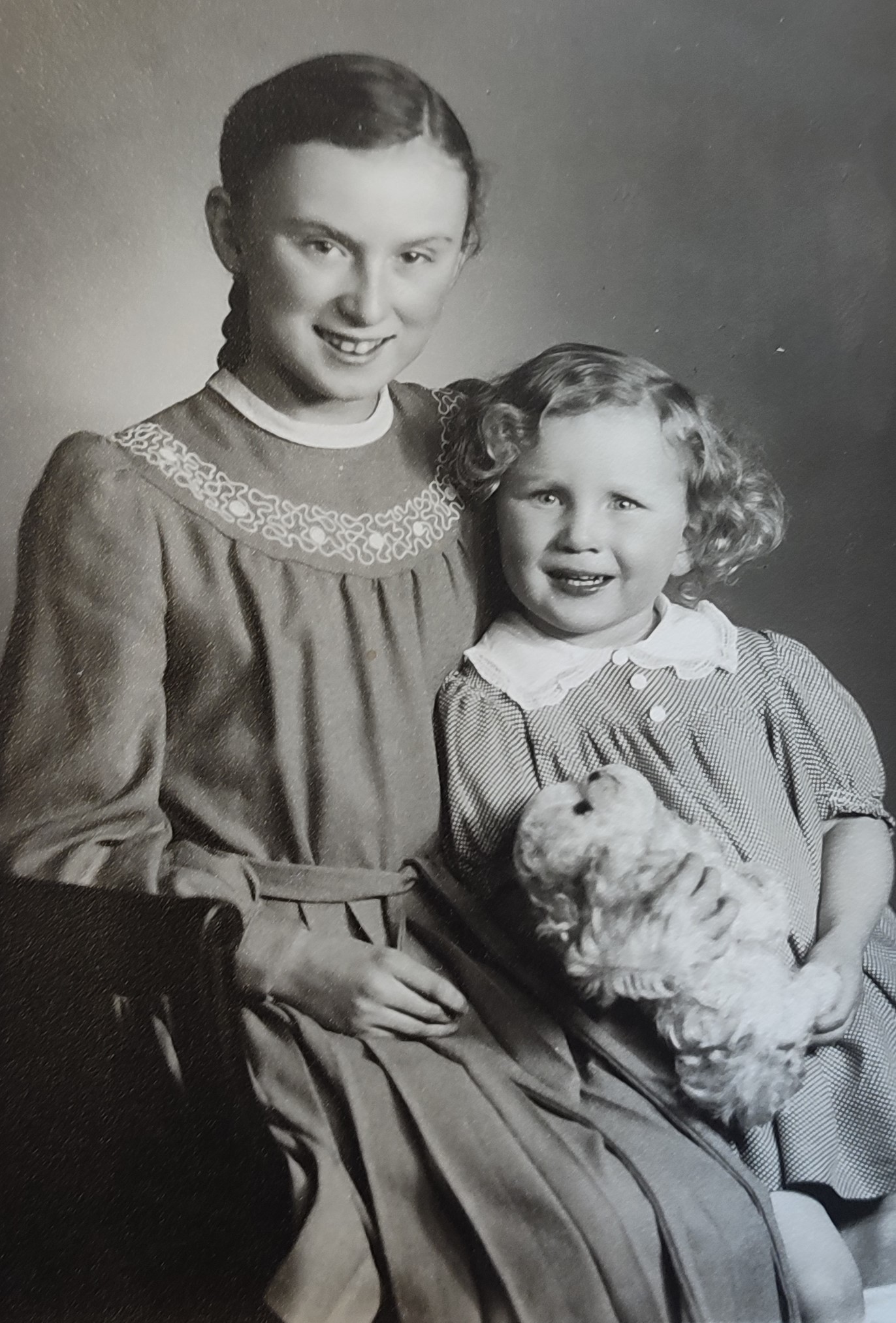
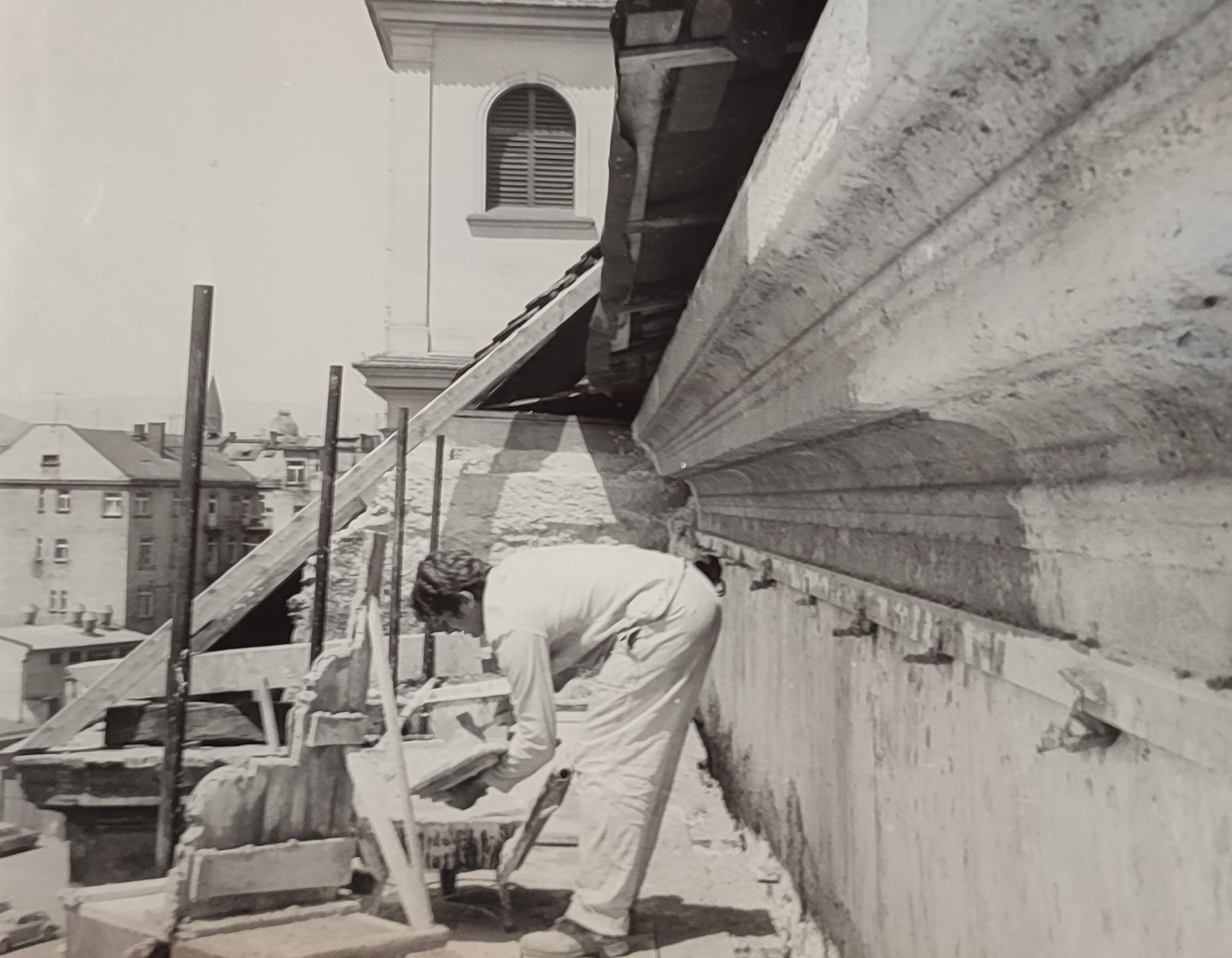
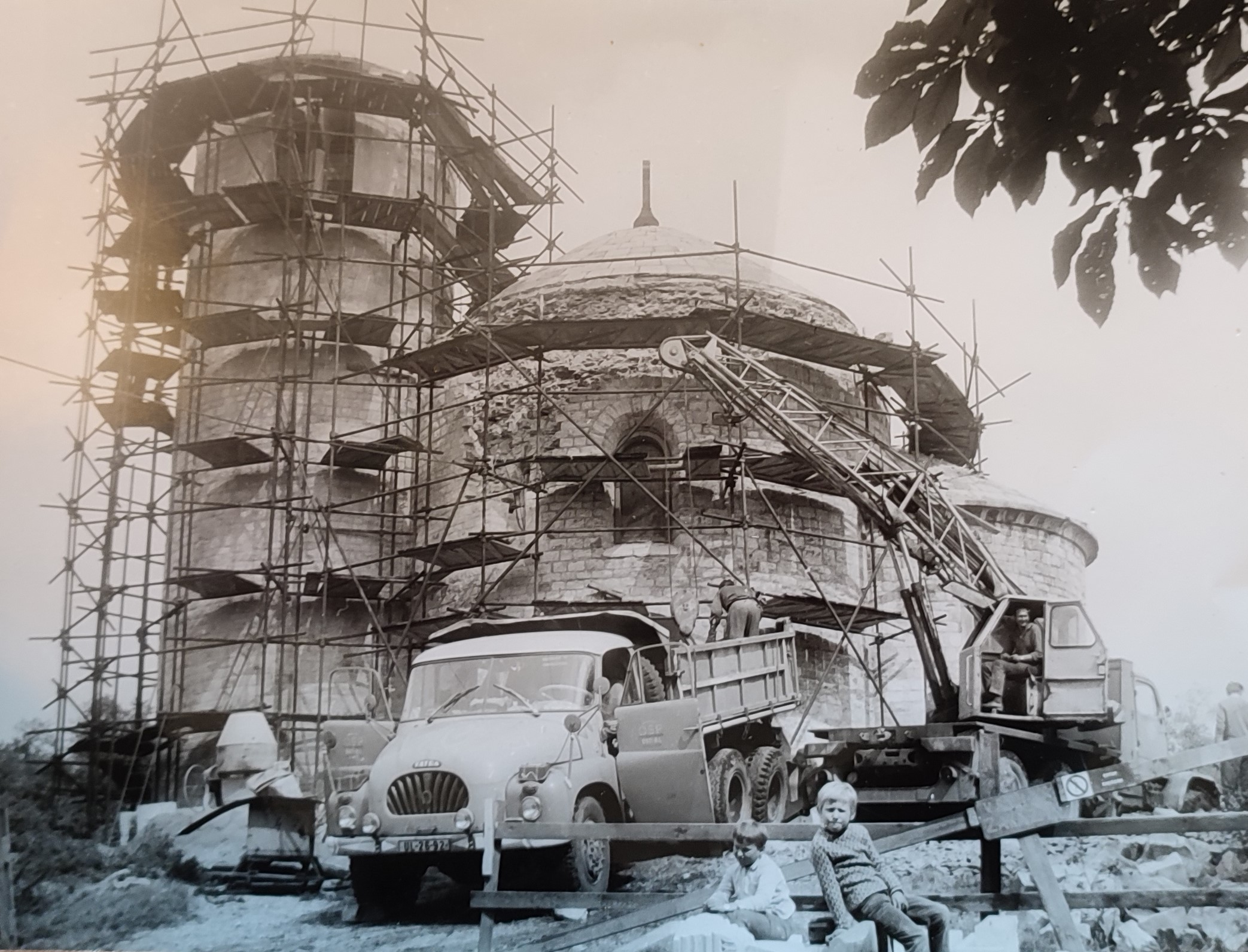
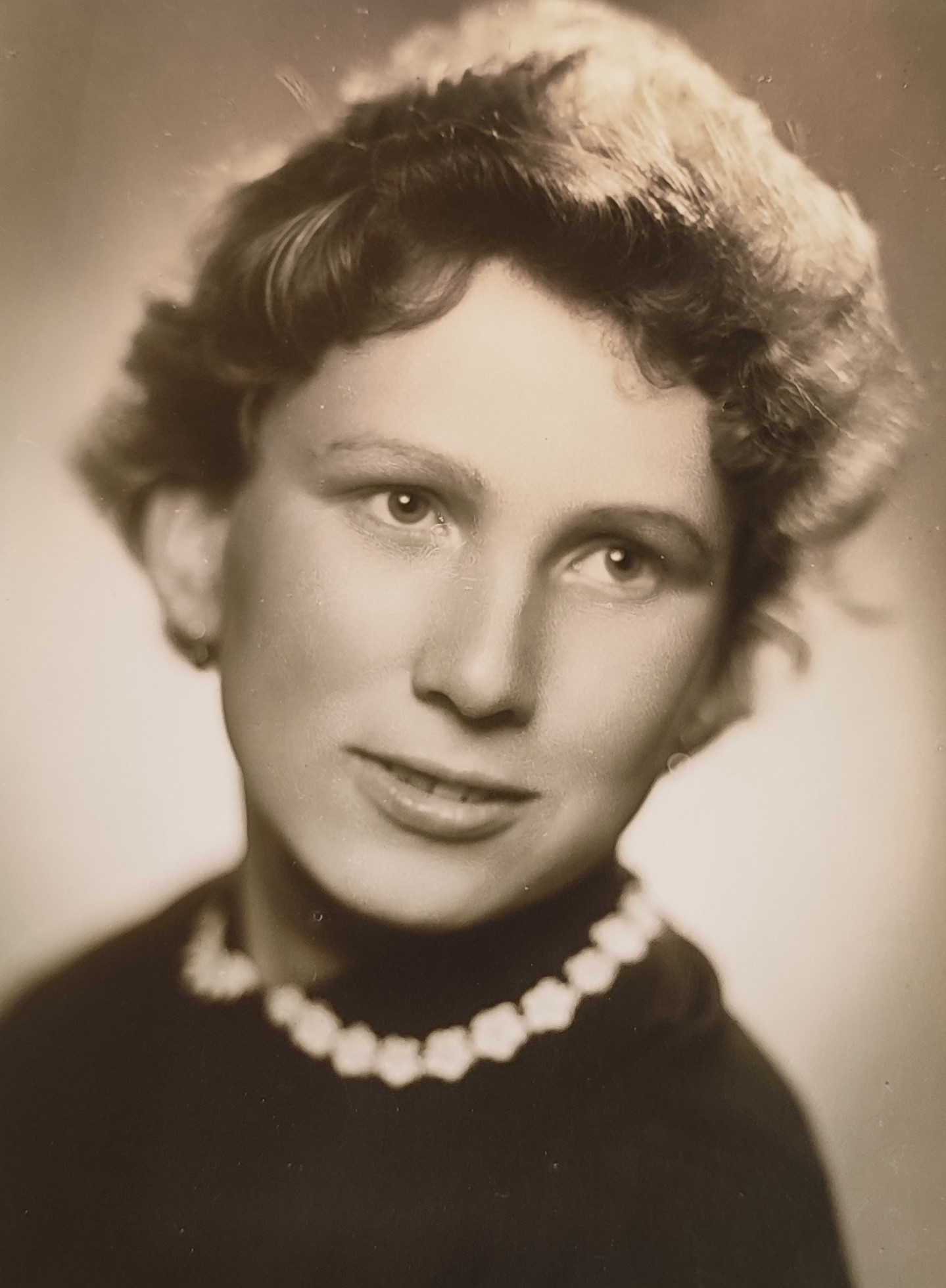
Ingrid Augstenová was born on February 11, 1940, in Lučany nad Nisou, near Liberec, into a family with Austrian roots. She recalls the air raids toward the end of the war and the presence of Soviet soldiers in the village. Her family avoided the expulsion of the German population. In 1947, she started elementary school without knowing any Czech; she learned the language within six months. In 1948, they had to leave their house with a garden, which was taken over by a prominent Communist official, and move into a small apartment. After finishing elementary school, she enrolled in the Secondary School of Civil Engineering in Hradec Králové. After graduating, she was assigned to Stavoprojekt in Ústí nad Labem. She soon began working for a newly established organization for the protection of monuments and nature and moved to Liberec. In August 1968, she declined the opportunity to emigrate and returned from West Germany after three weeks. Later, she oversaw the restoration of the Church of the Assumption of the Virgin Mary after it was moved from Old Most in the 1970s. She also participated in the restoration of the Rotunda of St. George on Říp and Grabštejn Castle near Hrádek nad Nisou. She played a key role in saving the synagogue in Úštěk. In 2023, she was living in Úštěk. She died on November 10, 2025.