Marie Ambrůzová

* 1950

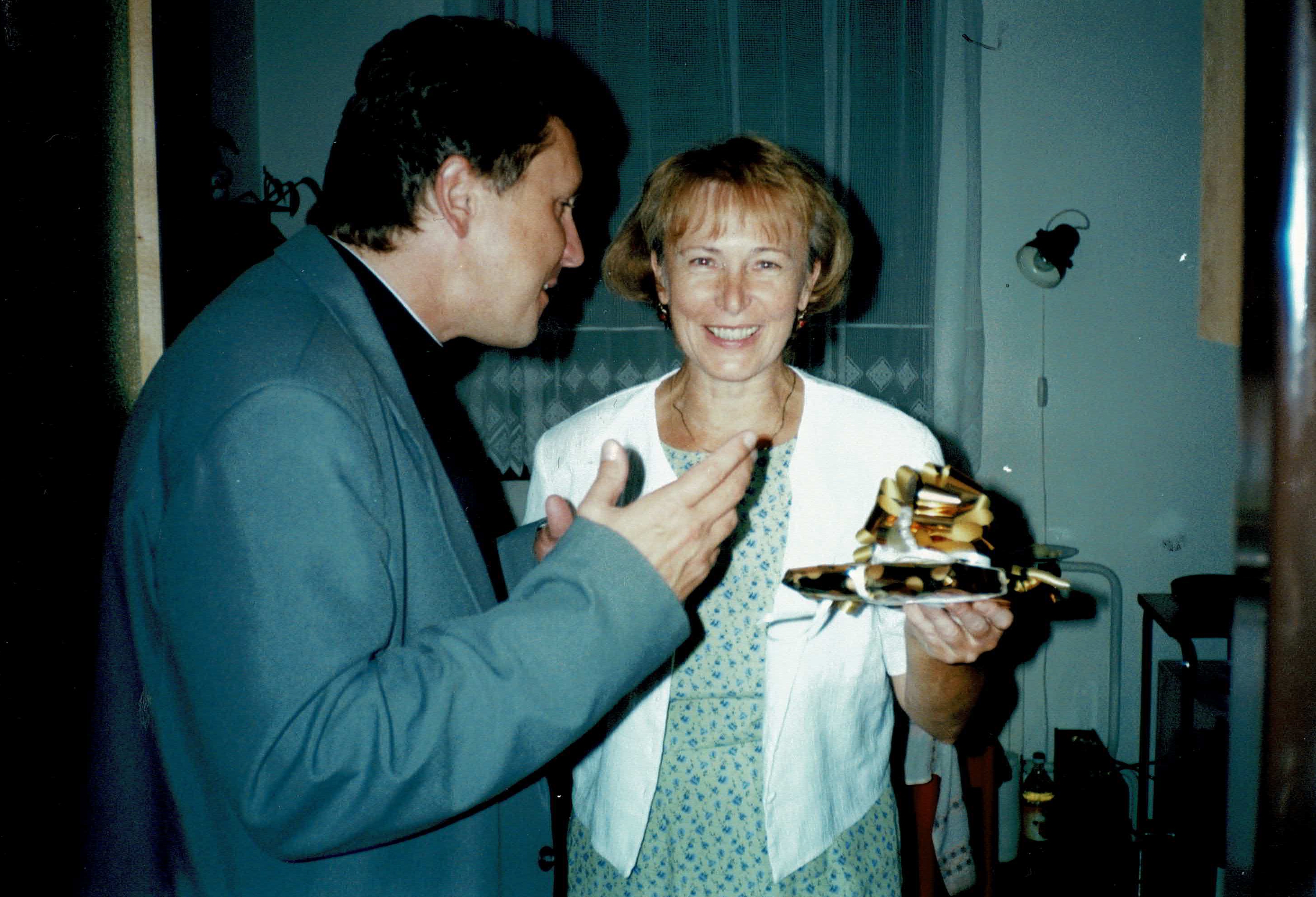
  • "A neighbour, a friend of mine, wanted to go to Medjugorje [Bosnia and Herzegovina] because it was becoming popular and I was babysitting her children. She and her husband had gone on some sort of tour, and when they arrived, they were spontaneously telling me what was there, and I just absolutely longed to be there at that moment. It was such a longing! I had a phone at home, a handset one, of course. It was already connecting everything here. I don't know if I subscribed, but they subscribed to the Catholic Weekly. I borrowed it to read. It said, 'Vérité is doing a trip to Medjugorje.' I saw it there, read it in the advertisement, called the number immediately and said could I go on the trip. They said, 'You know what? There's nobody in the office right now, and it says there's only one spot open,' and I said, 'Oh, okay.' They said, 'We'll reconnect tomorrow and I'll tell you what to do,' and that one spot was waiting for me."

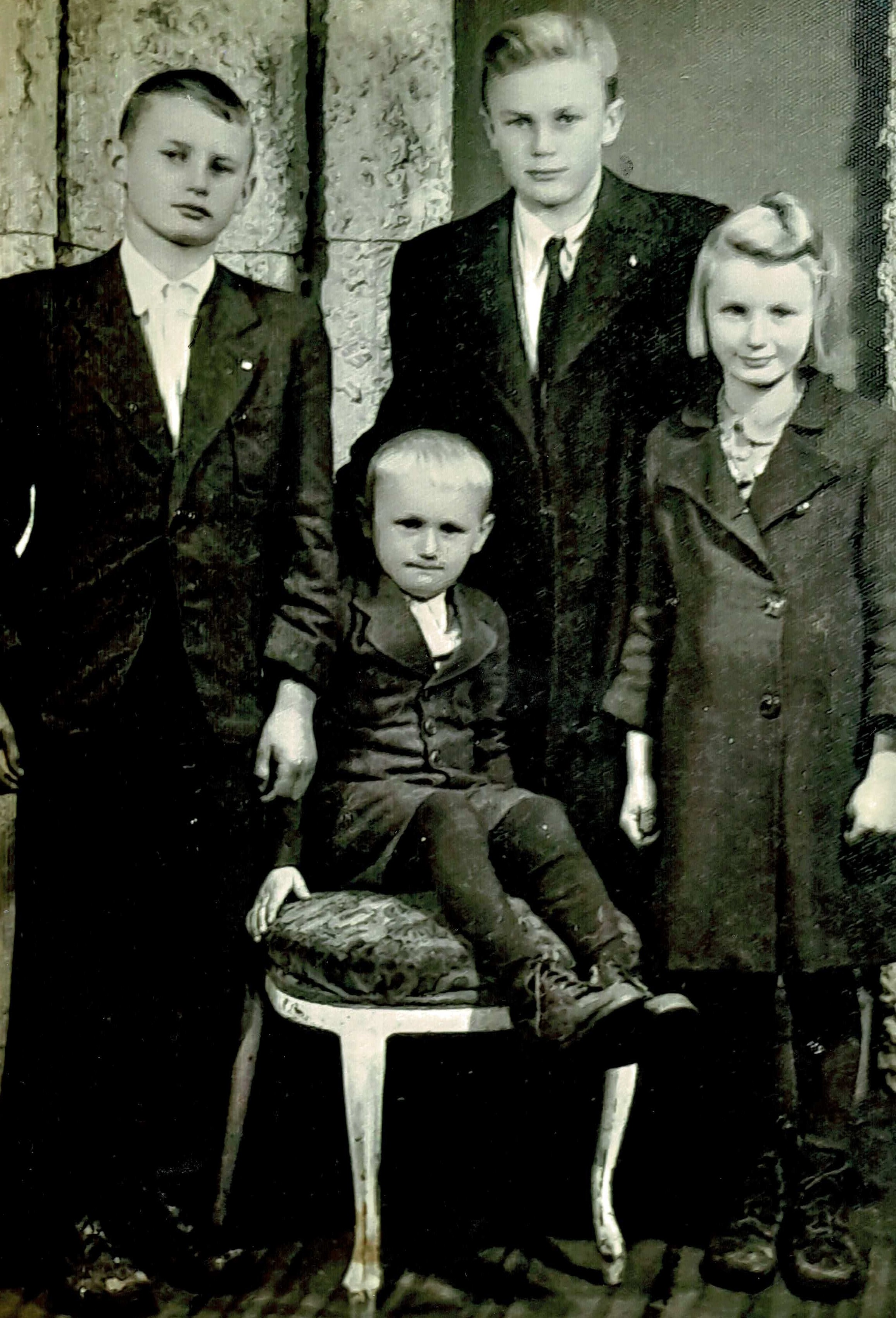
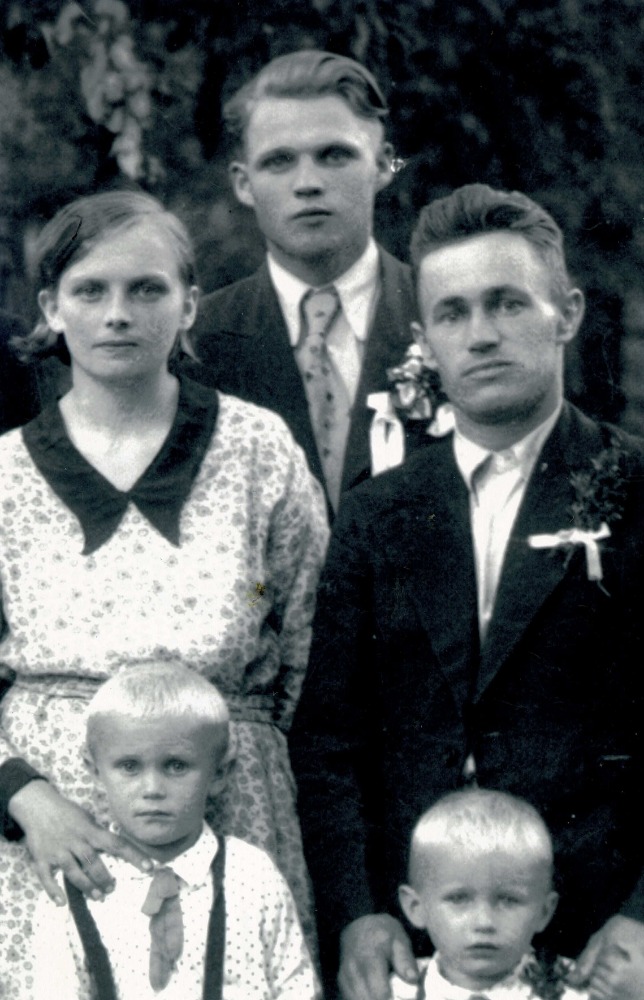
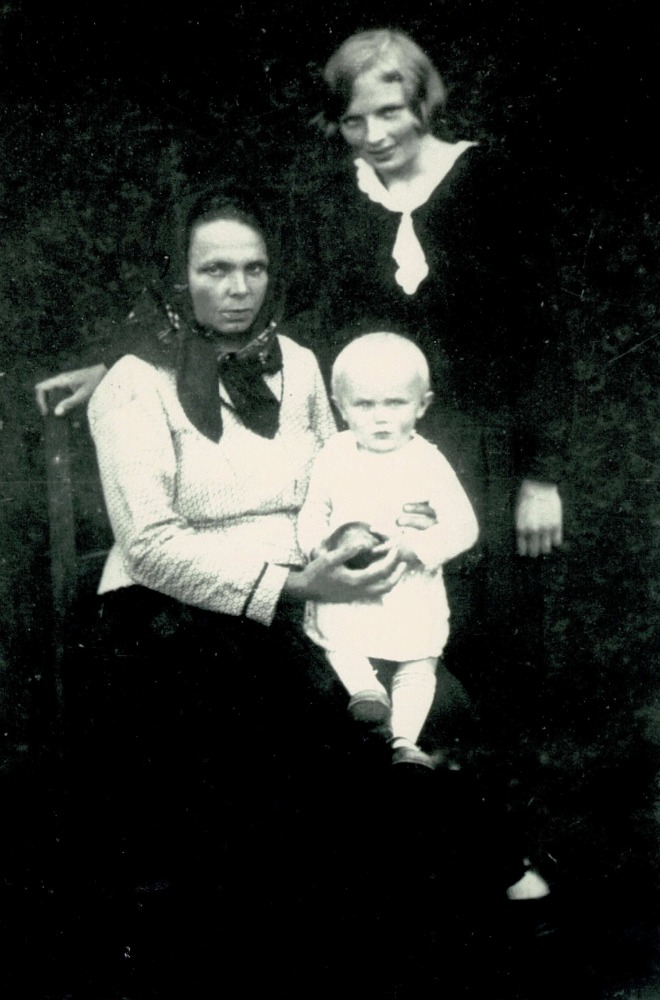
  • "Great-great-grandfather Jan Valčík was not only a blacksmith, because that would not have supported them, so he helped out. He was a village servant, he was also a coachman, he kept watch at night - he was a night watchman, he worked wherever he could, and it is at this point that I always wonder how they managed to raise eight children. When I look at the pictures, how sturdy and round they all were... They weren't exactly poor. It was also because they were used to working. They barely got out of school, even as children, they worked, Dad recalled. Then great-great-grandmother had a small field, a small garden, and she also helped out with the work of various neighbours who were a bit more affluent and had more cows and horses. They all had to be handy. The girls, for instance. Because afterwards, from Terezín, they sent their children - it's now in the Terezín museum - various embroidered handkerchiefs, to Miládka. Or a textile sewn doll that had hair from her grandmother, my great-great-grandmother, and then they sent shoes made out of bread crusts. We also saw that when my parents gave it to Terezín."

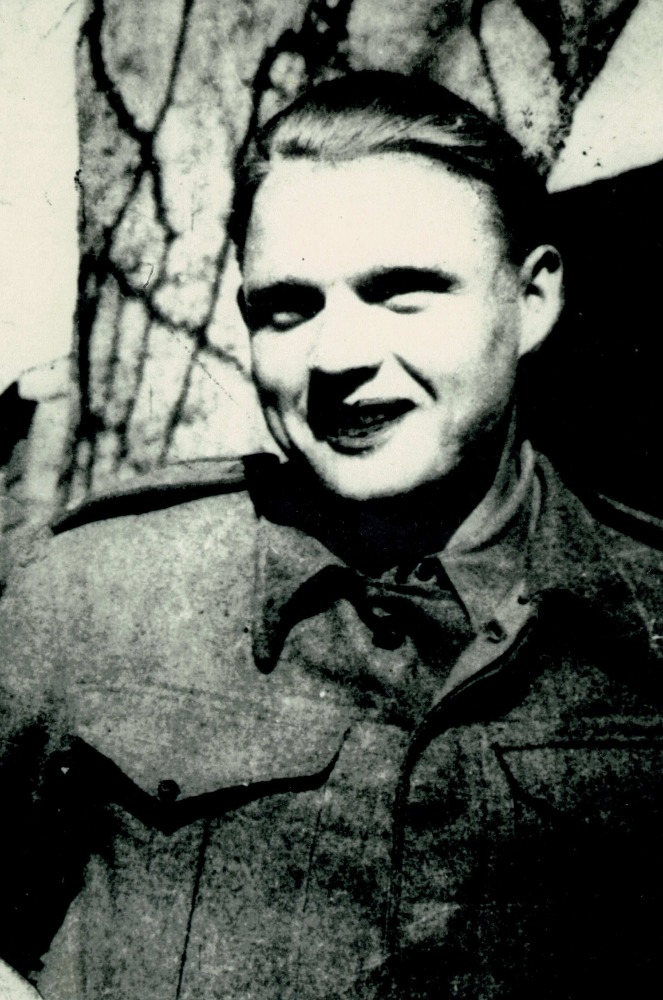
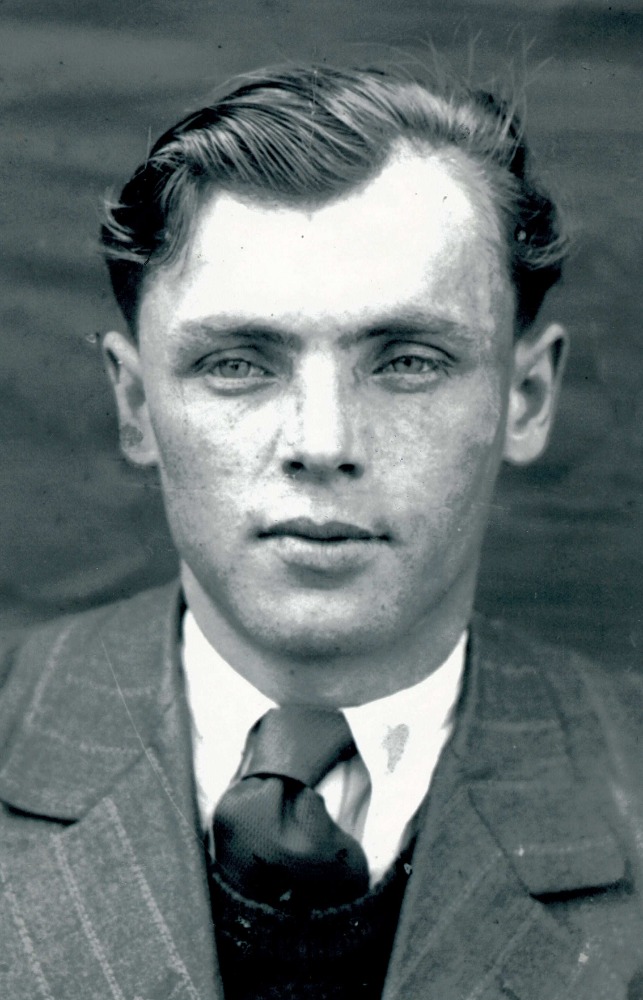
  • "He then apprenticed in Klobouky with Mr Matyáš as a tanner, but I think he was there only five years. He worked there. They always had this principle of going to work right away. Schools were not on the agenda somehow. Some people from Smolina commuted to Zlín and to the Baťa works in Otrokovice, and he got there too. Jan Beňo, my grandfather, worked there too. That Valčík, he was also very active. Our daddy said that he always... There was a stream near us and he used to bathe there, even in winter, at Christmas he used to take a bath. He had the first motorbike in Smolina, and he used it to commute home from Zlín once a week. Then he joined the army, then he was sent back, and then there's a lot of things where he crossed - which states, how he got to England... It's all described here in the book, it's too much for me. Daddy remembers that he was eight years old and that he was friends with him. He used to play with him a lot when he came over. That's why Daddy remembered Josef, Jožka, so much."

  • Celé nahrávky
  • 1

    V Újezdě u Valašských Klobouk, 04.04.2025

    (audio)
    délka: 02:36:01
    nahrávka pořízena v rámci projektu Stories of 20th Century
Celé nahrávky jsou k dispozici pouze pro přihlášené uživatele.

I feel God‘s help

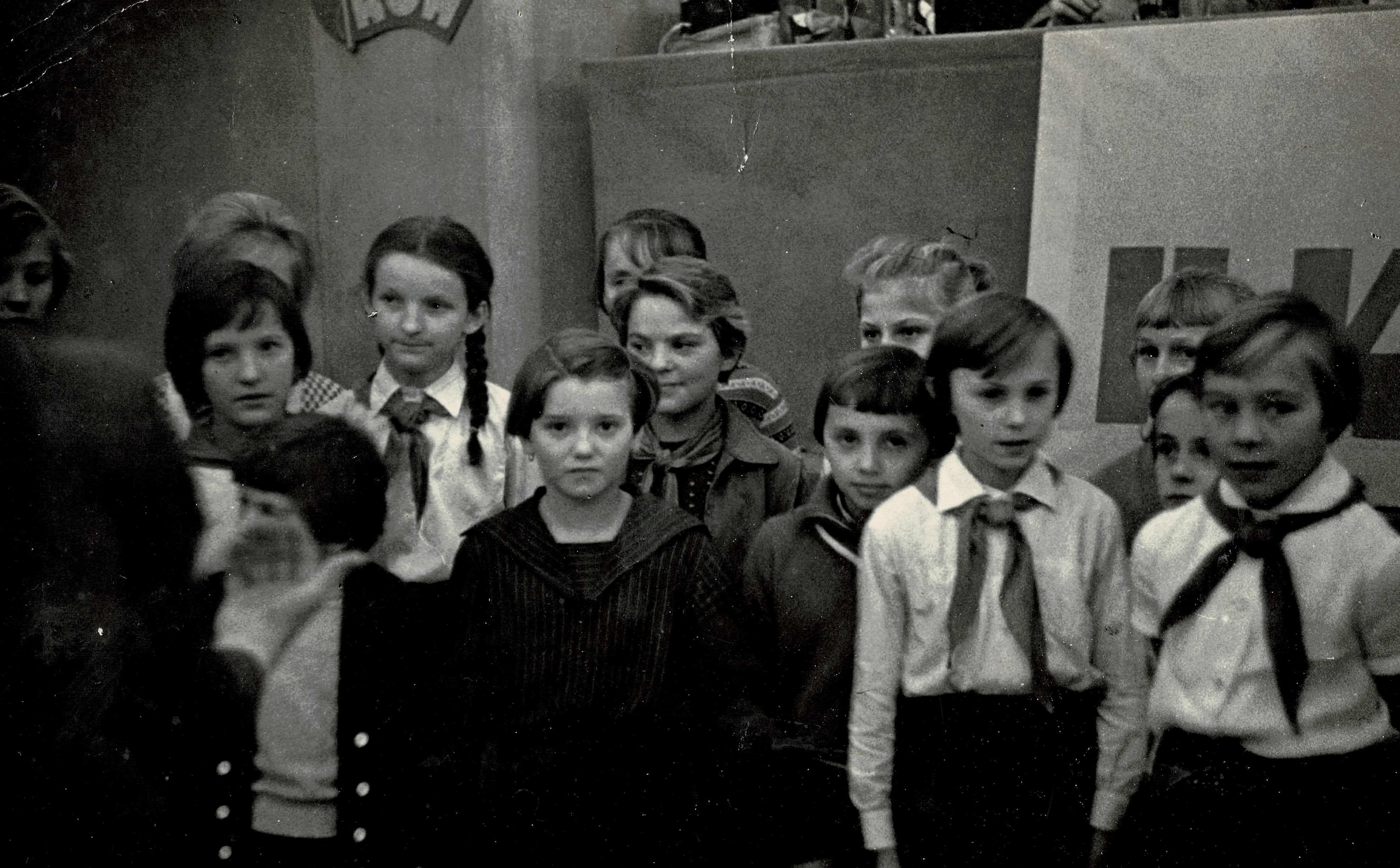
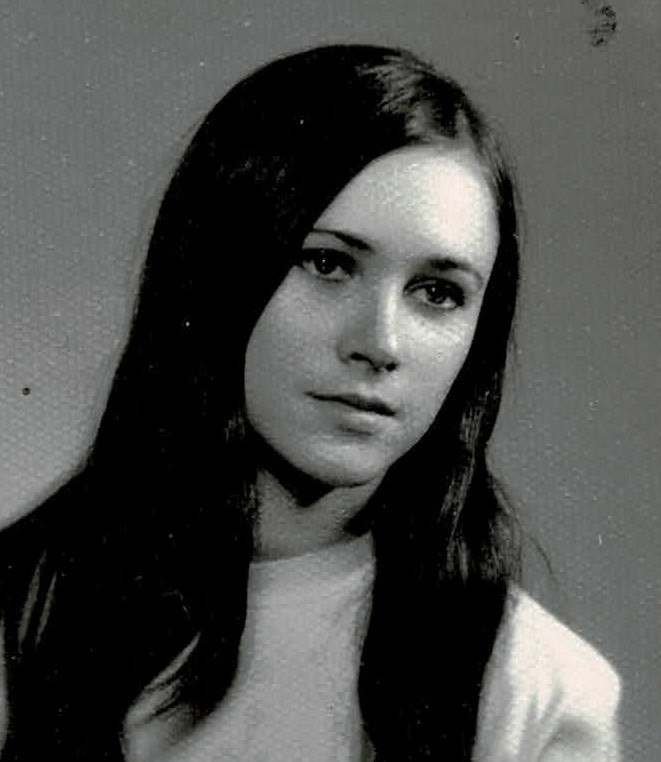
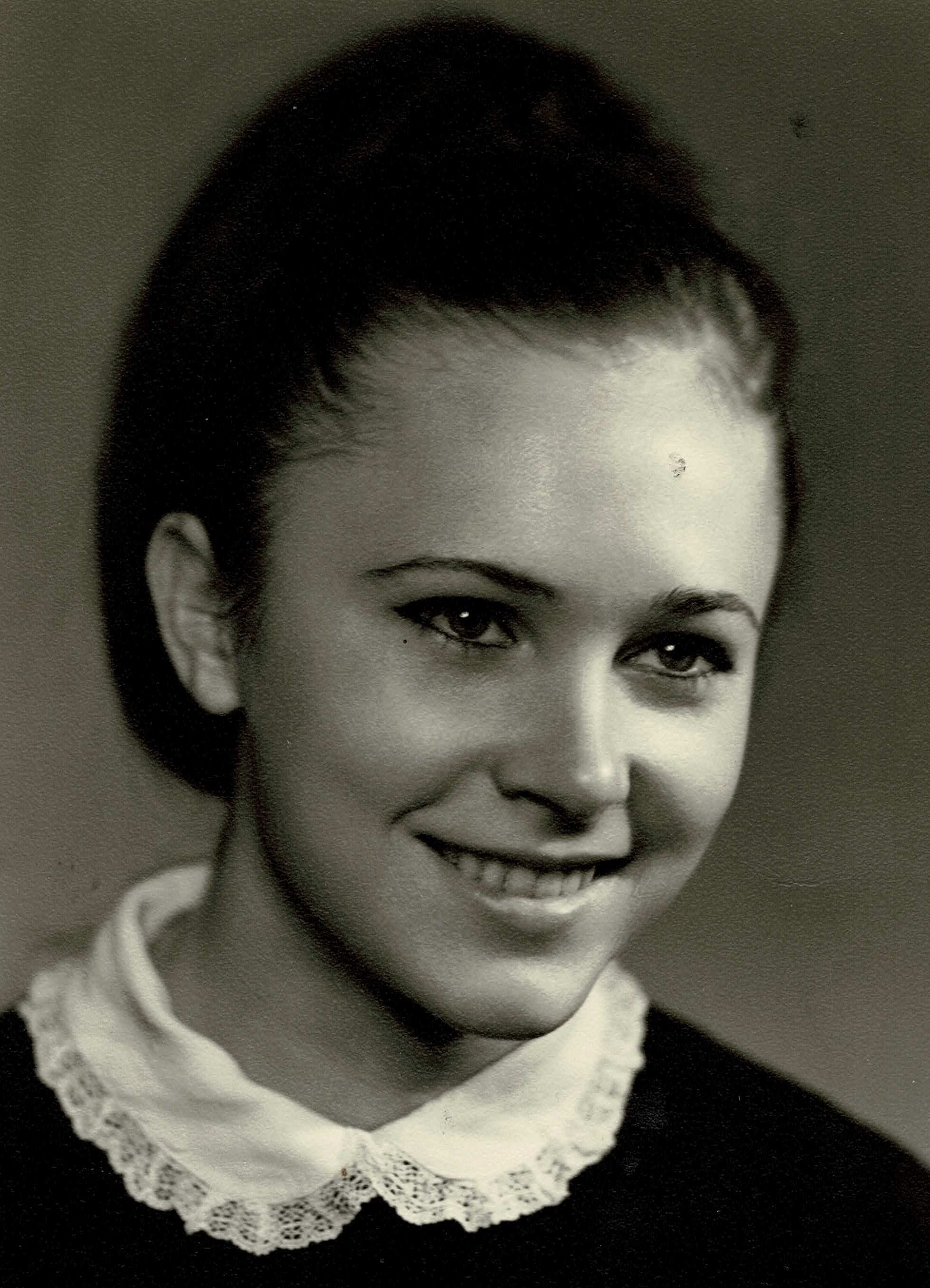
Marie Ambrůzová, graduation photo from 1969
zdroj: witness´s archive

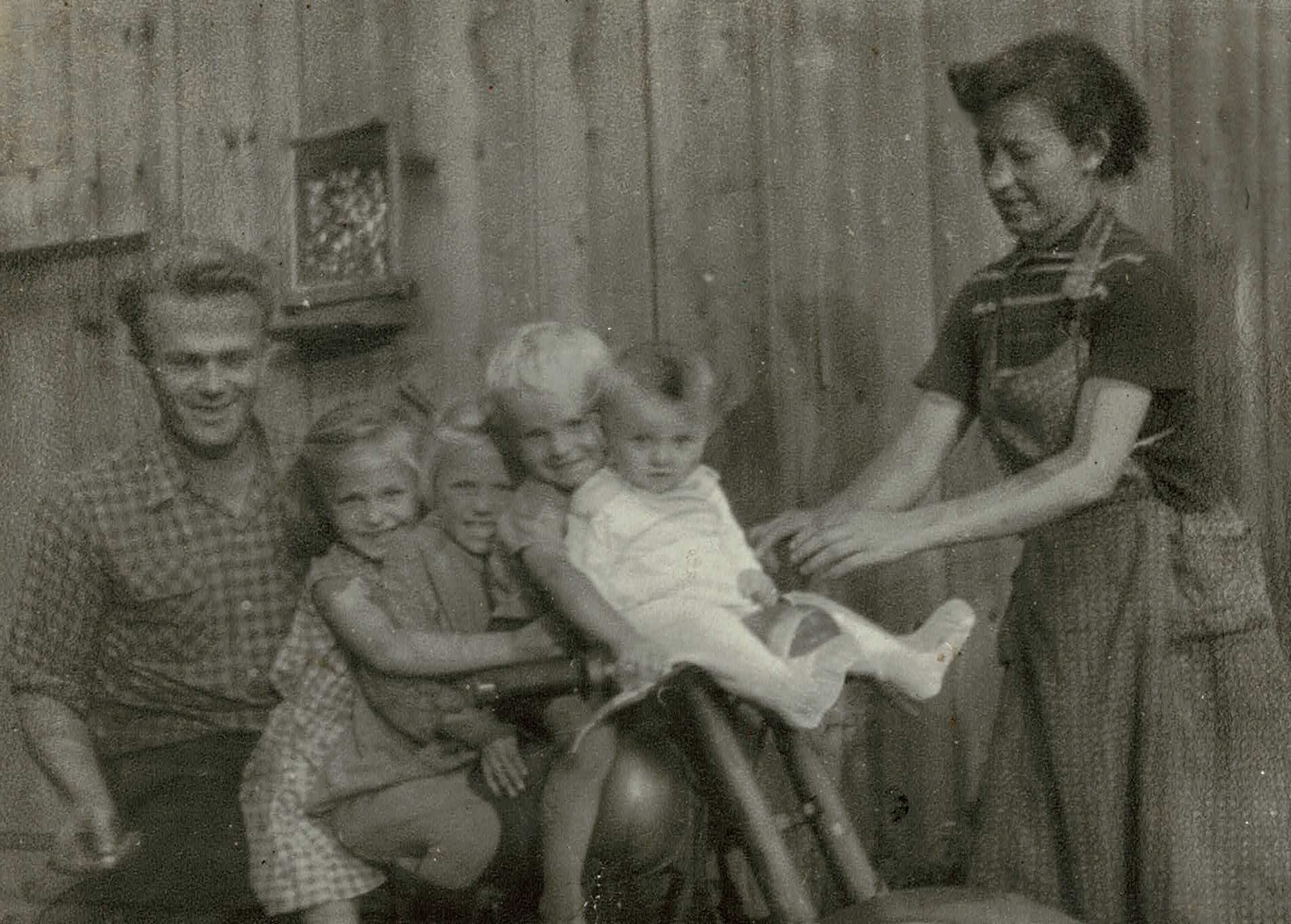
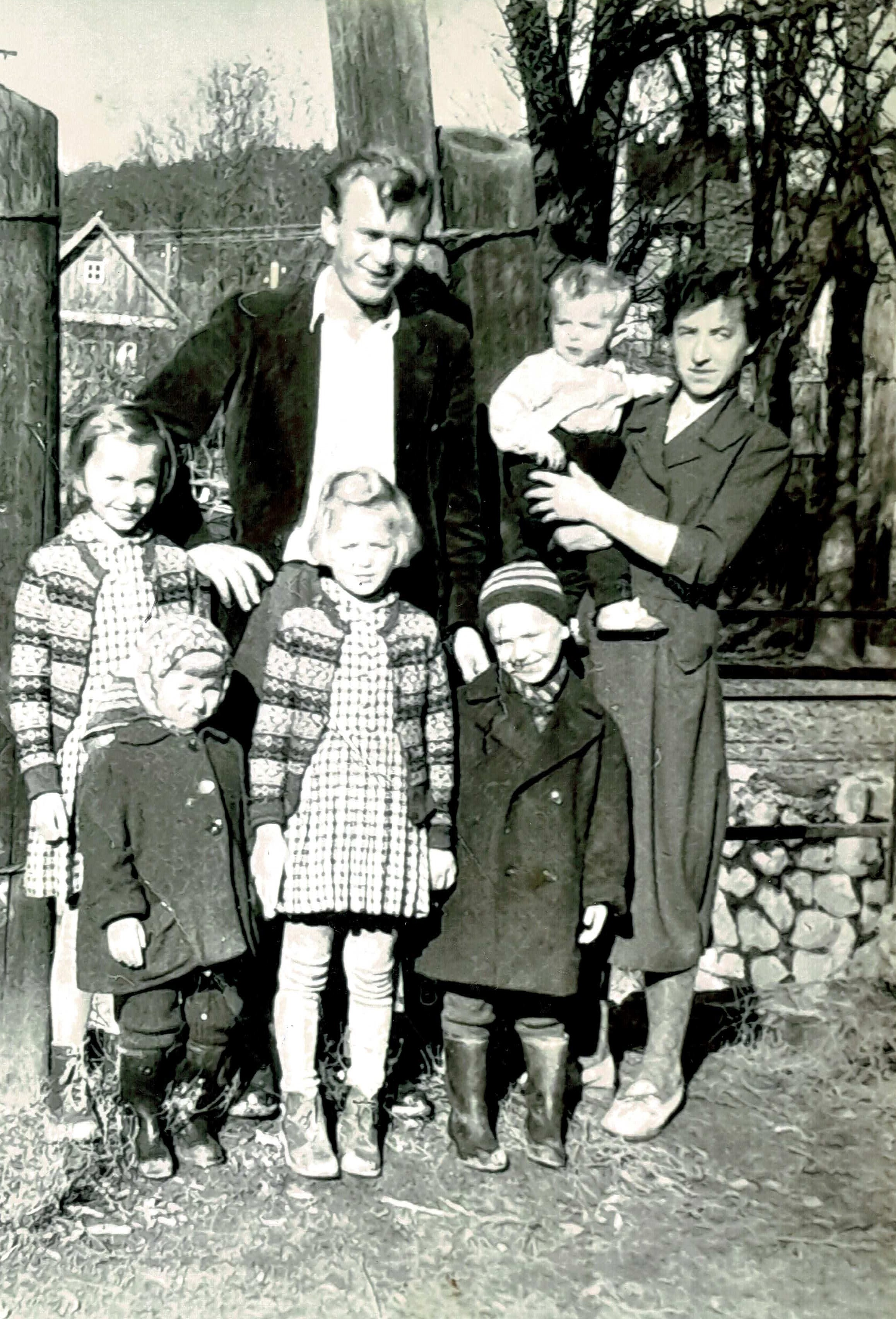
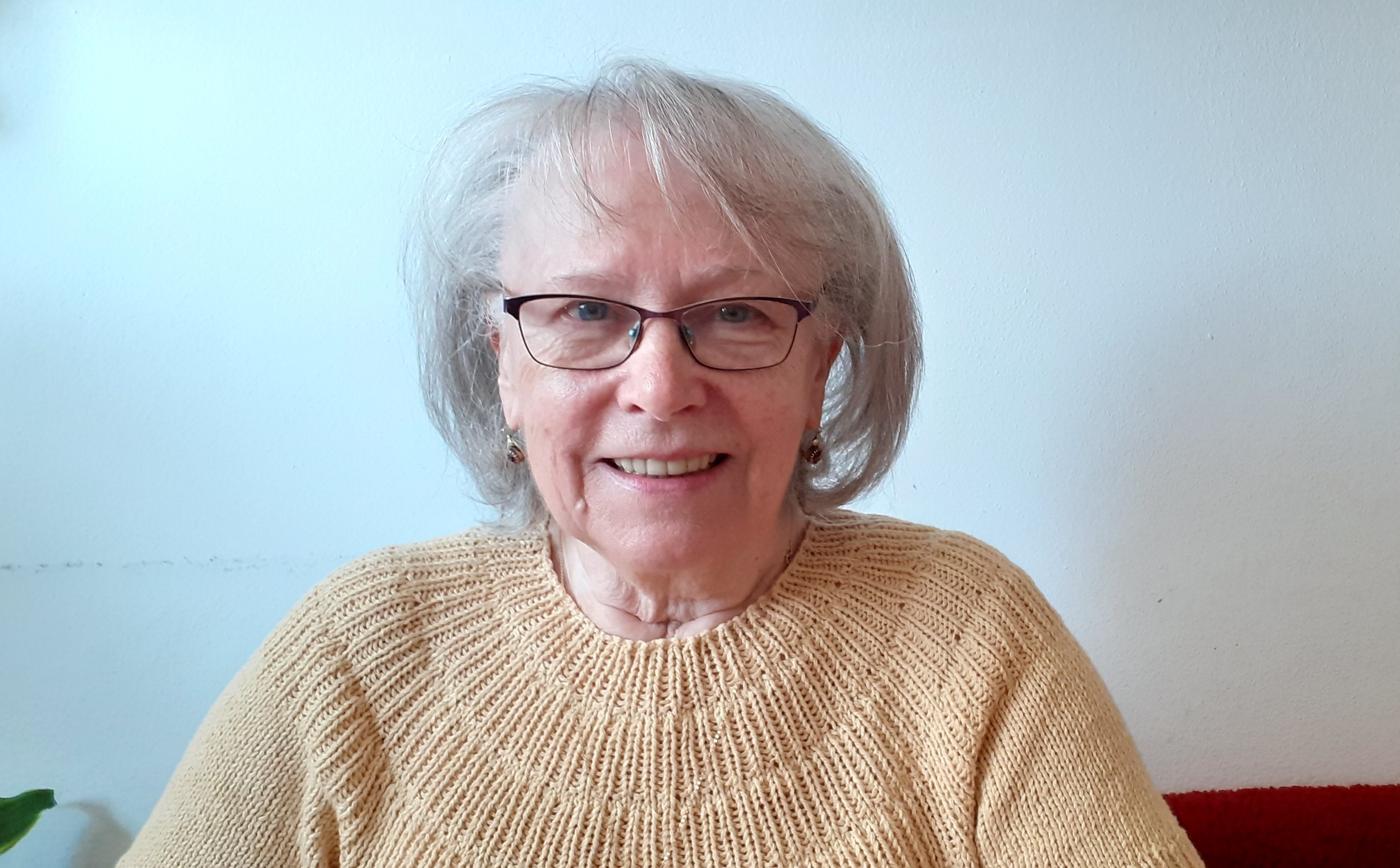
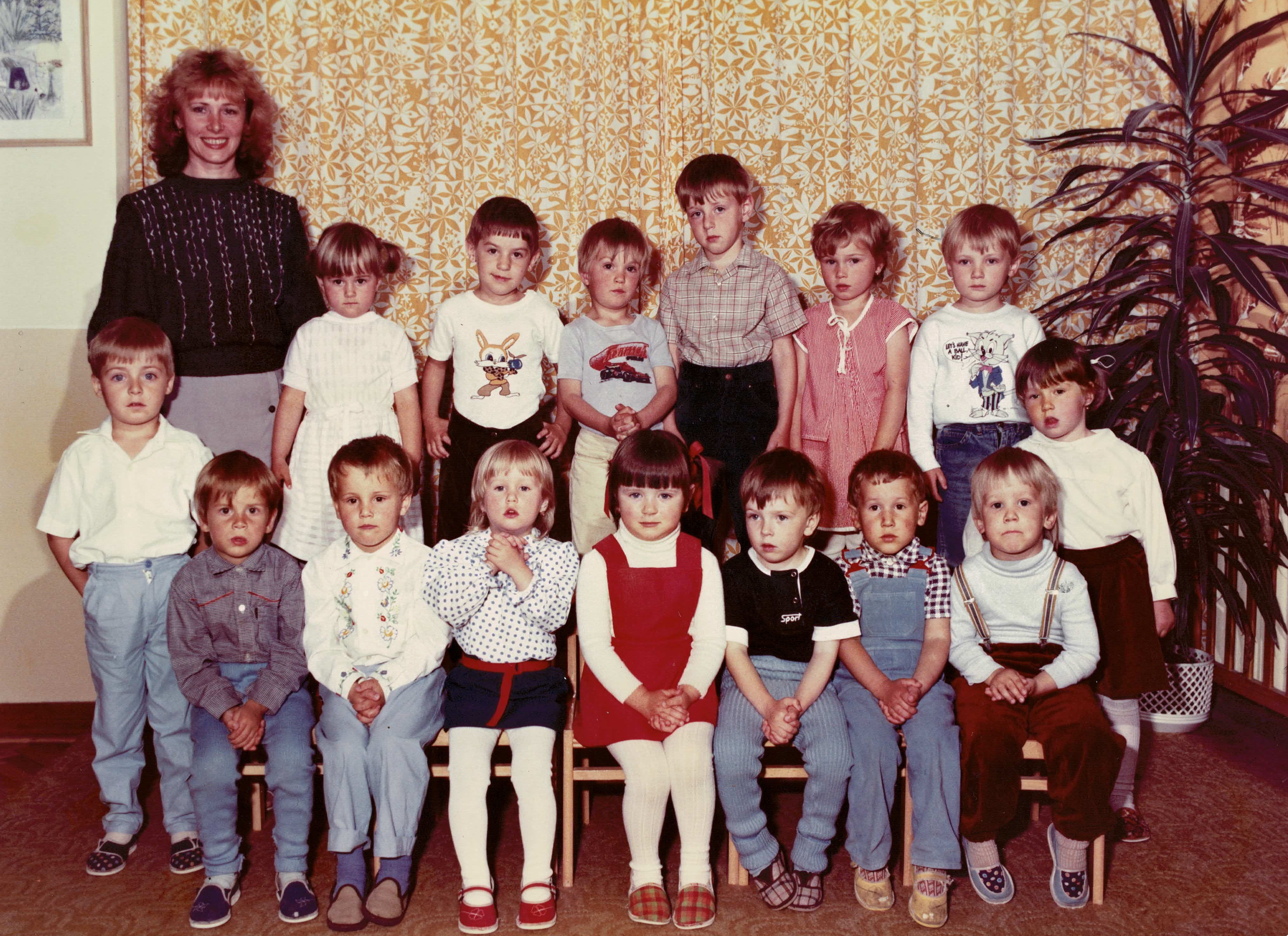
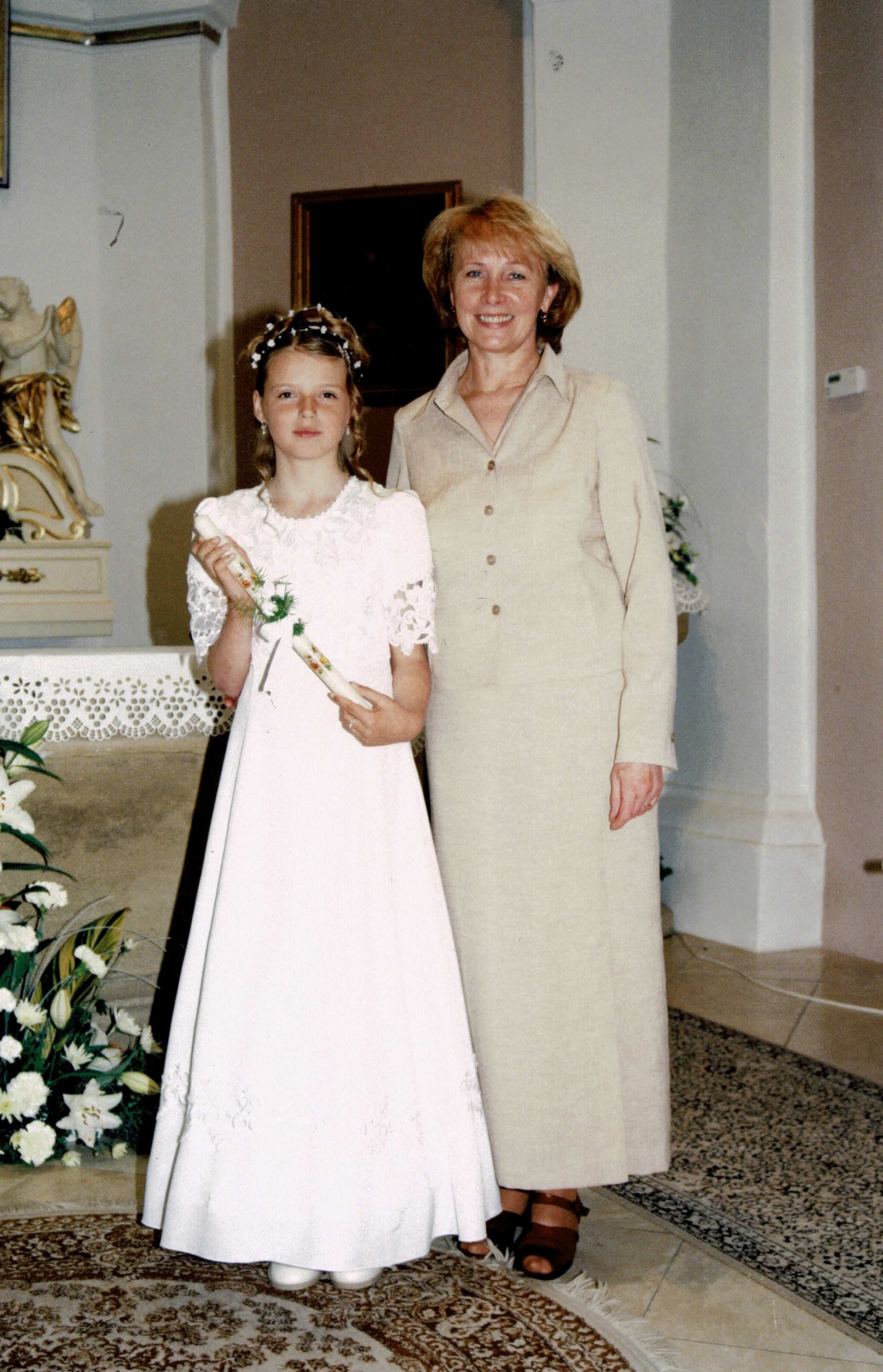
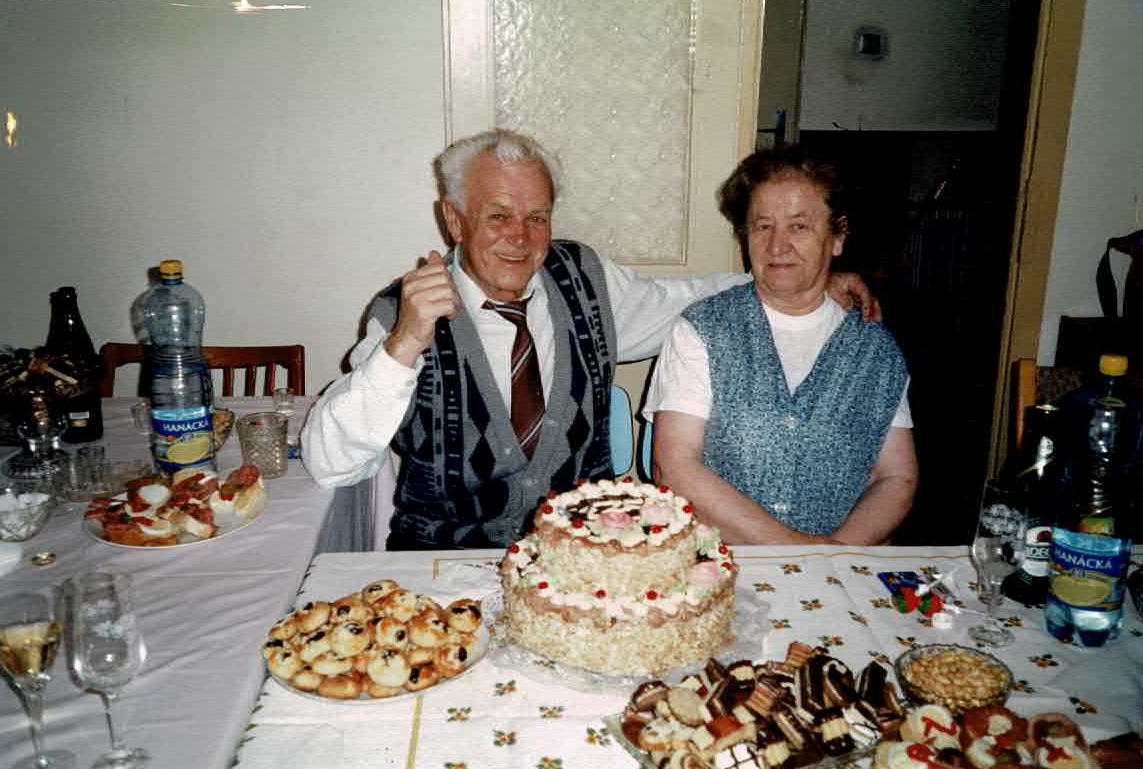
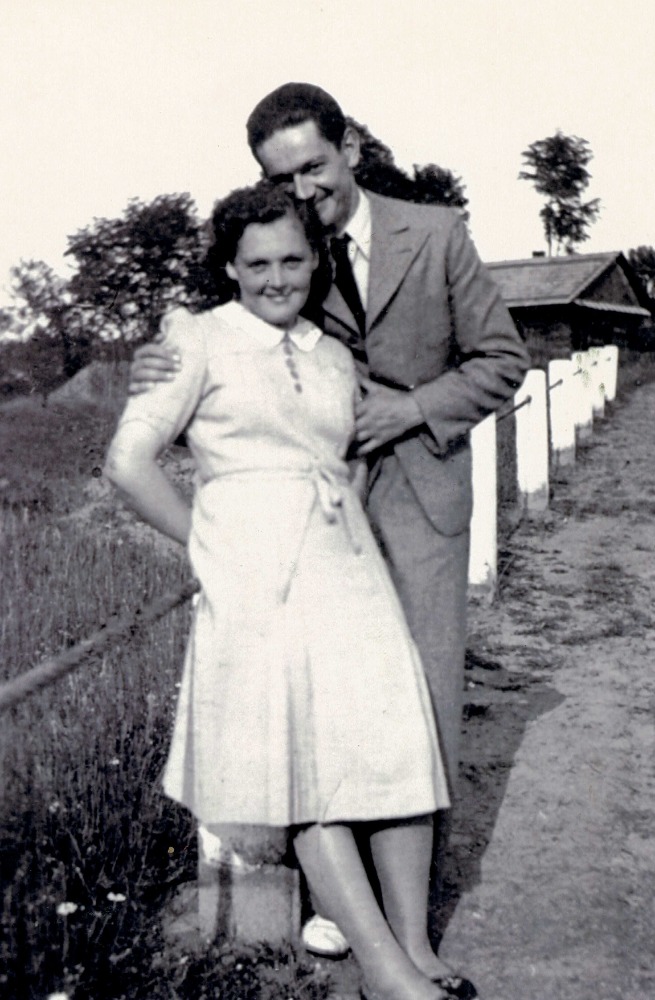
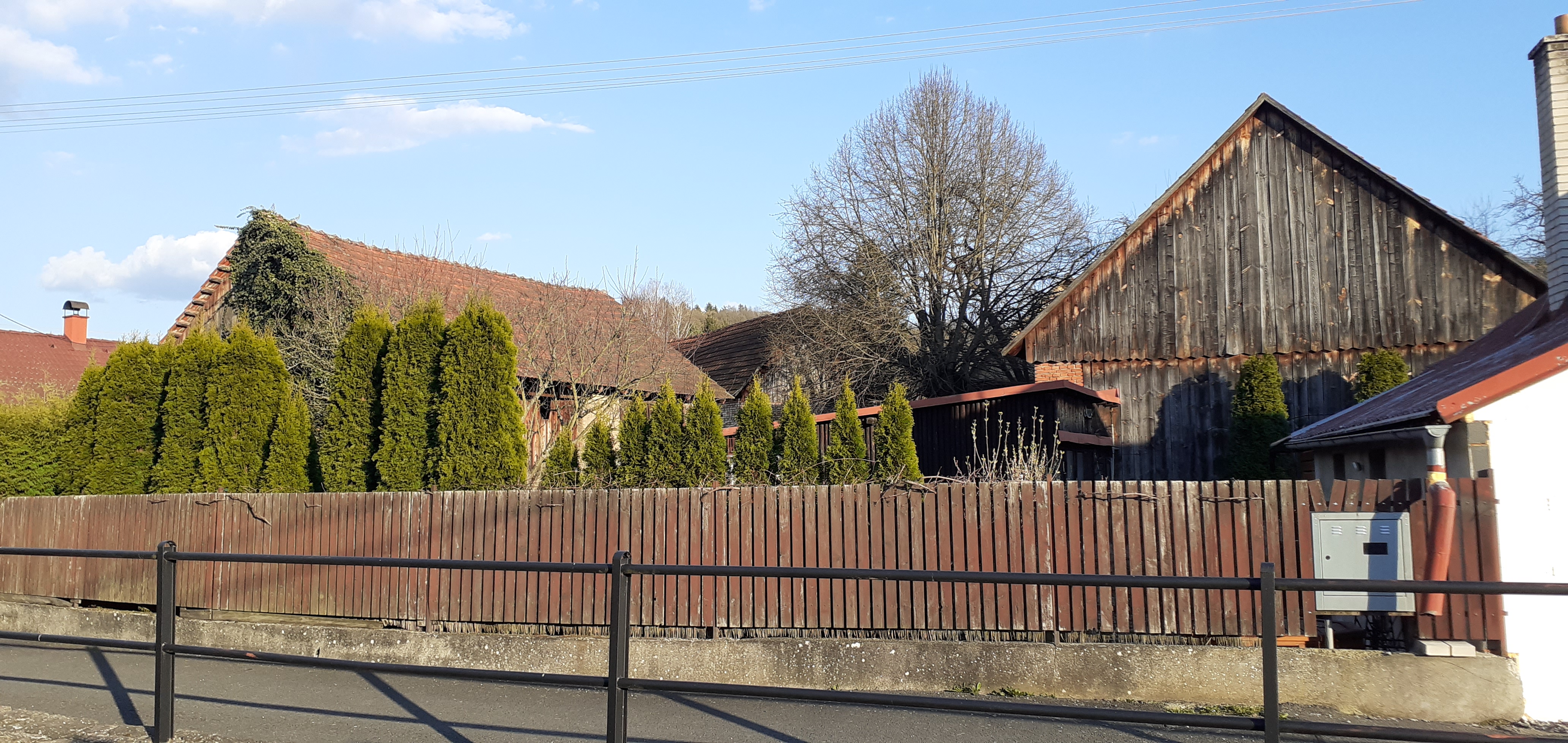
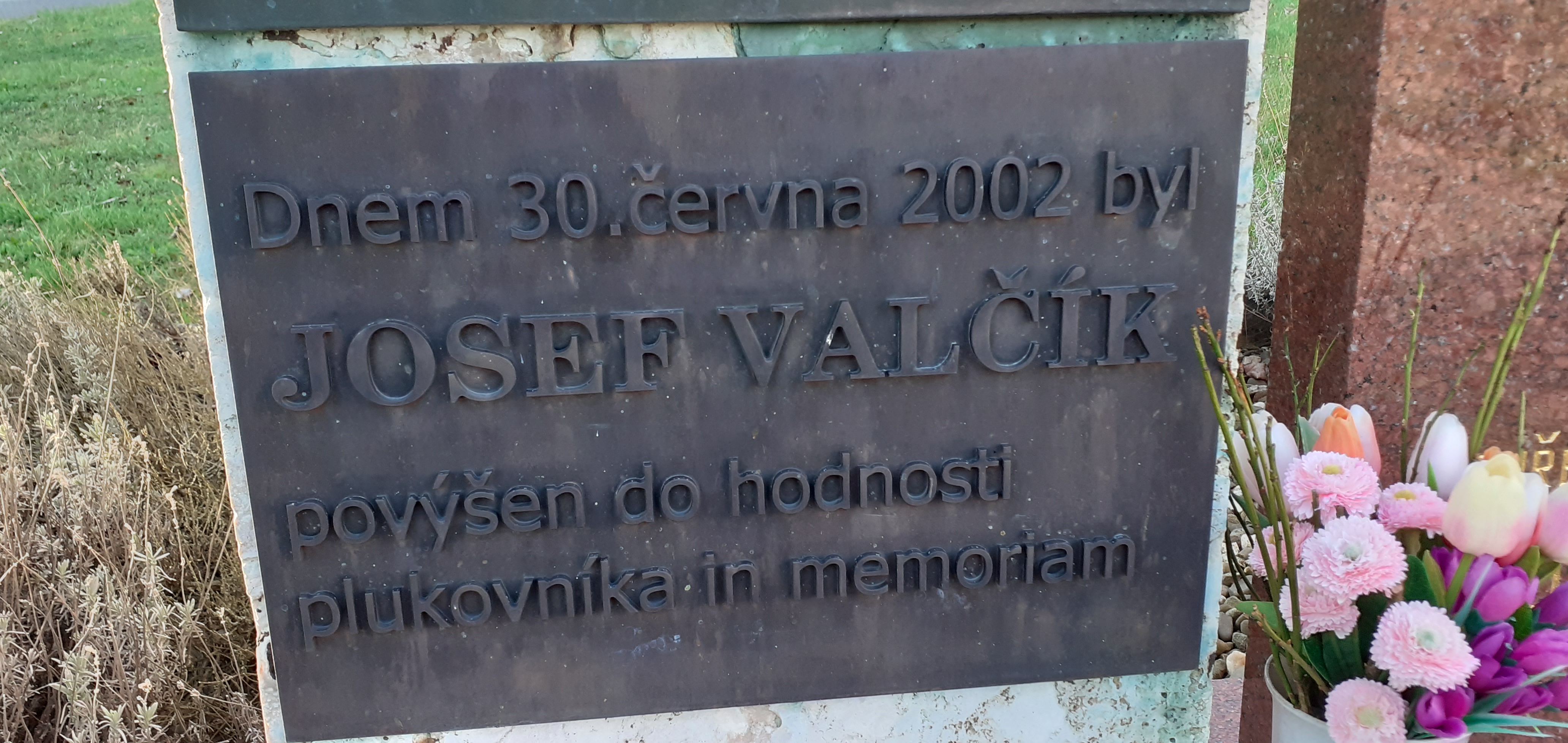
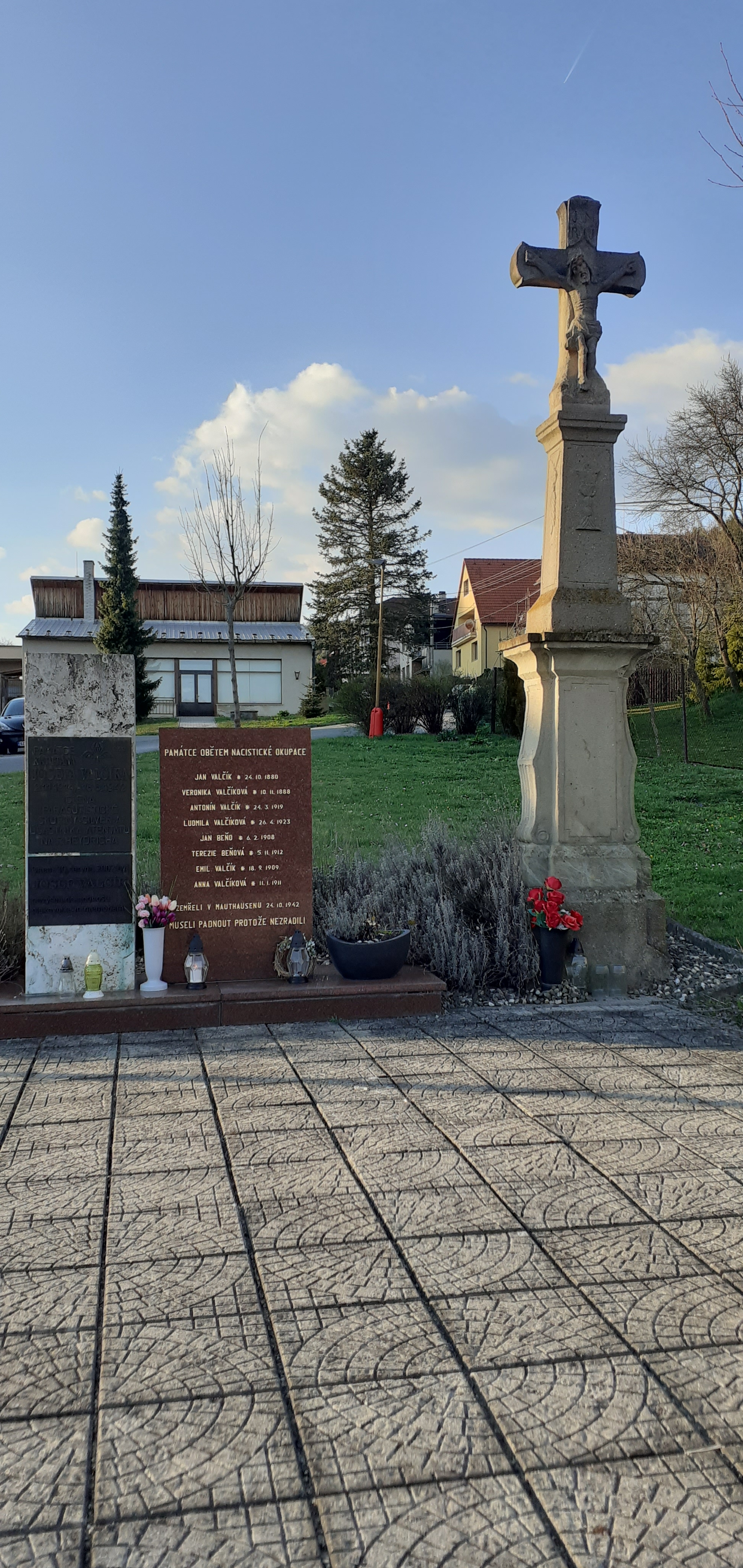
Marie Ambrůzová, née Beňová, was born on 6 September 1950 in Vsetín into a family in which all the adults (14 relatives in total) were executed by the Nazis at Mauthausen after the assassination of Heydrich. Josef Valčík, the brother of Marie‘s grandmother, was one of the seven brave paratroopers who fought the Germans to the end in the Church of St. Cyril and Methodius in Prague‘s Resslova Street. The fifteen children who remained alive were divided among relatives, neighbours and casual acquaintances. Maria‘s father was 11 years old at the time of the executions. Marie grew up in very modest circumstances as the eldest of five children. She lived with her parents and siblings in Smolina, a small village near Valašské Klobouky, as did most of the Valčíks in her family. After graduating from secondary school, she got a job as a kindergarten teacher, first in Uble near Vizovice, and a year later in nearby Újezd, where she remained throughout her professional life. After the first of many subsequent trips to Medjugorje in Bosnia and Herzegovina in 1997, she found a strong faith in God, which subsequently determined her personal and professional career. She has also made many other pilgrimages, including to Rome, Padua and Israel. Due to health problems, she was on early disability retirement, but thanks to her faith she started a new life. She took several courses that qualified her to become a catechist. She is still, even in 2025, working in several primary schools in the Wallachia region. She teaches catechism and also prepares children for First Holy Communion. Today, a monument commemorating Josef Valčík and his family stands on the square in Smolina.