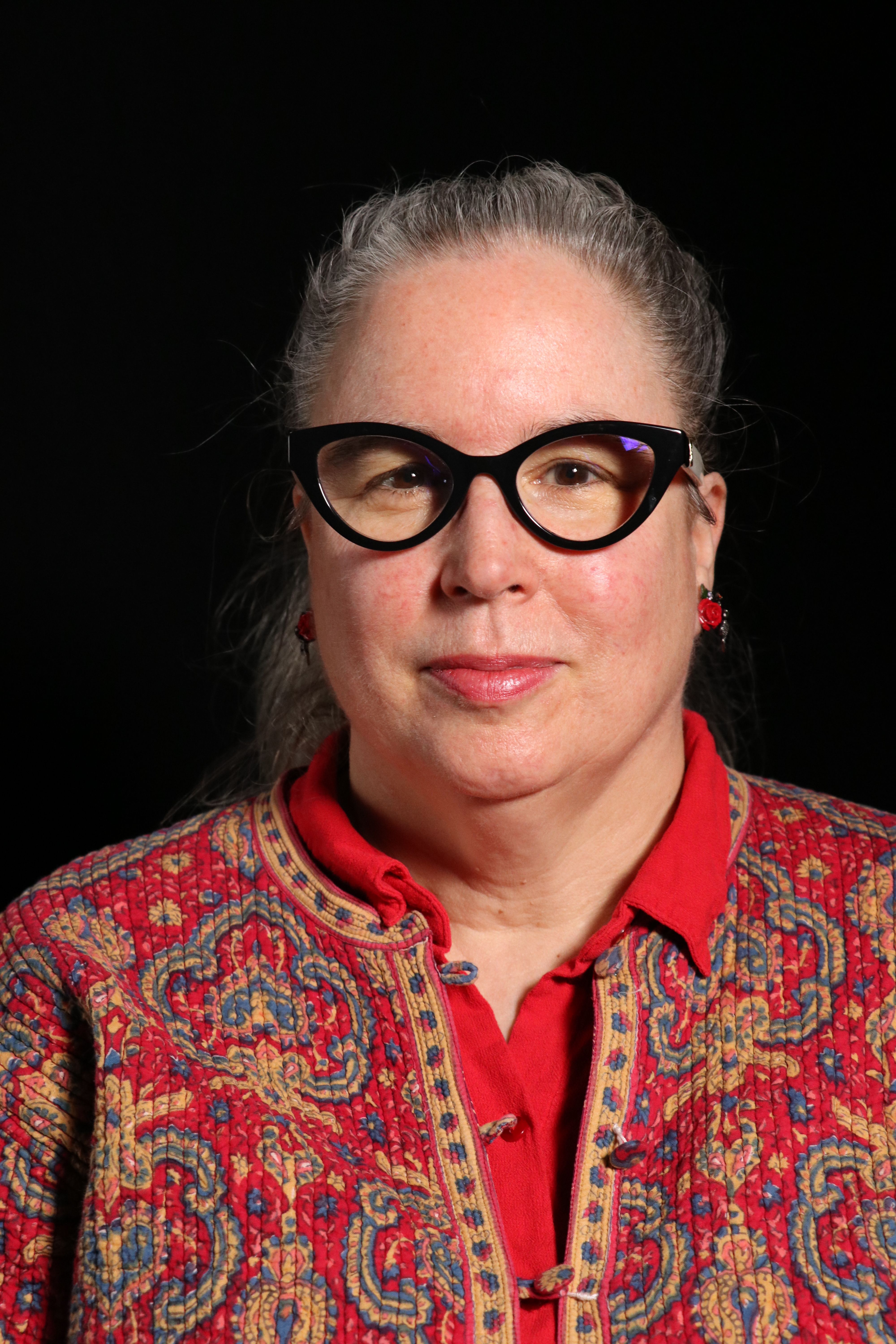
Gwendolyn Albert

* 1967

  • "I found that very frightening because it was done by people you would expect to have more respect for the personalities of these women. It was done in such a way that the women were either enticed in some way, offered more money than they could ever see, or on the contrary they were threatened, told that if they didn't undergo the operation they would have their children taken away from them if they gave birth again. The manipulation was just terrible, and I still cannot understand the people who carried out this policy. I don't understand it. Then there were also women who happened - and this was the case with Elena - to go to hospital for some other procedure. They were pregnant, giving birth or wanting an abortion or something else - and the doctors did it without asking for their consent, without explaining to them beforehand that their fertility would be irreversibly and forever damaged. You don't do that kind of thing to a human being, you do it to a dog. This kind of thing didn't just happen here, it happened all over the world. I would say it's a big problem for the gynecological profession that it's being used by governments to pursue policies against marginalized people. So I was just outraged. And I was particularly outraged because the perpetrators in this case are elites. These are the people who should know better. I naively assume that if you have enough intelligence to become a surgeon, you should know something about human rights too. That's just my naive expectation. And patients' rights are very important. Any of us can find ourselves in a situation where we are literally at the mercy of the people who have the power over our life and death at that moment. We should be able to trust them."

  • "It's like a group of people who have gotten together before. It was disturbing in a way. And I remember when we were leaving, there was a weird moment. They had a sound system - a microphone, speakers - and when it was over, whoever was operating the sound system suddenly turned on the radio. So all of a sudden this modern music - I think it was Phil Collins, some horrible pop music - came through the space. And it was weird. We all understood that we were expected to leave now. So why disturb all the words and all the seriousness like that? It was very rude. And I just became all the more interested in who the Roma people actually are."

  • "When I first came here, there were no ads in the first place. Which is almost unbelievable for a person from a consumer society. And secondly, if anything was already hanging in the public space, it was communist material - with a red star... pinned on a cork board behind glass, in a locked display case. So when people said, 'Okay, now we're going to be free, we're going to say what we want,' and they started writing all these posters, it was like a bomb went off. Every available public space was covered with these great posters, happy, happy things. I remember down in the subway, somebody installed a roll of toilet paper and wrote the names of all the Communist officials on each scrap. This explosion of creativity, that was another thing that made it so captivating. There was no uniformity: now we're all lining up behind one slogan... Individual people were handwriting their individual messages on paper and hanging it everywhere. Because they finally could, and because they realized that if we all did it - we wouldn't all get arrested."

  • "They were just days unlike anything I've ever experienced. The feeling of solidarity in the crowd and among the people! The way things were brilliantly organised - the fact that ambulances could drive through the crowd to someone who had perhaps fainted. There was just an incredible sense of solidarity... That you were in the middle of a huge crowd where people were very careful not to step on anyone's foot. Everybody was very considerate of each other. It wasn't really a crowd. It was a real gathering of thousands of people, hundreds of thousands of people. So it was just an experience I'll probably never have again. It really changed my life."

  • "There was one moment I will never forget. We were on a tram, a twenty-two, it was summer, very hot - and for some reason the tram just stopped in the middle of its usual uphill journey. And absolutely nobody said anything! No announcement: 'Sorry, we had to stop for some reason...' Nobody said anything, nobody looked at anybody, nobody asked any questions, nobody was impatient. Everybody just stood and waited for the tram to start again. At first, when it took only a few minutes, I thought, 'These people are really patient. It's amazing to see such patient people!' Because where I'm from, people would immediately start complaining. Then, when it had gone on for ten minutes - ten minutes is a long time when you don't know what's going on - after those ten minutes, when everybody was just standing there in silence, I started to realize that there was a kind of unspoken prohibition against asking why we had stopped. Which I didn't feel, but everyone around me did. And it was clear that this was not something to be broken. And I would say there was an anxiety that was growing in that crowd. But everybody held it in. That was the first moment that I started to understand that it's expected... that people are taught that they have to control themselves in that society."

  • Celé nahrávky
  • 1

    Praha, 24.03.2025

    (audio)
    délka: 02:32:28
    nahrávka pořízena v rámci projektu Digital audio collection - Museum of Romani Culture
Celé nahrávky jsou k dispozici pouze pro přihlášené uživatele.

The Velvet Revolution was like nothing else. I saw the best of the Czechs
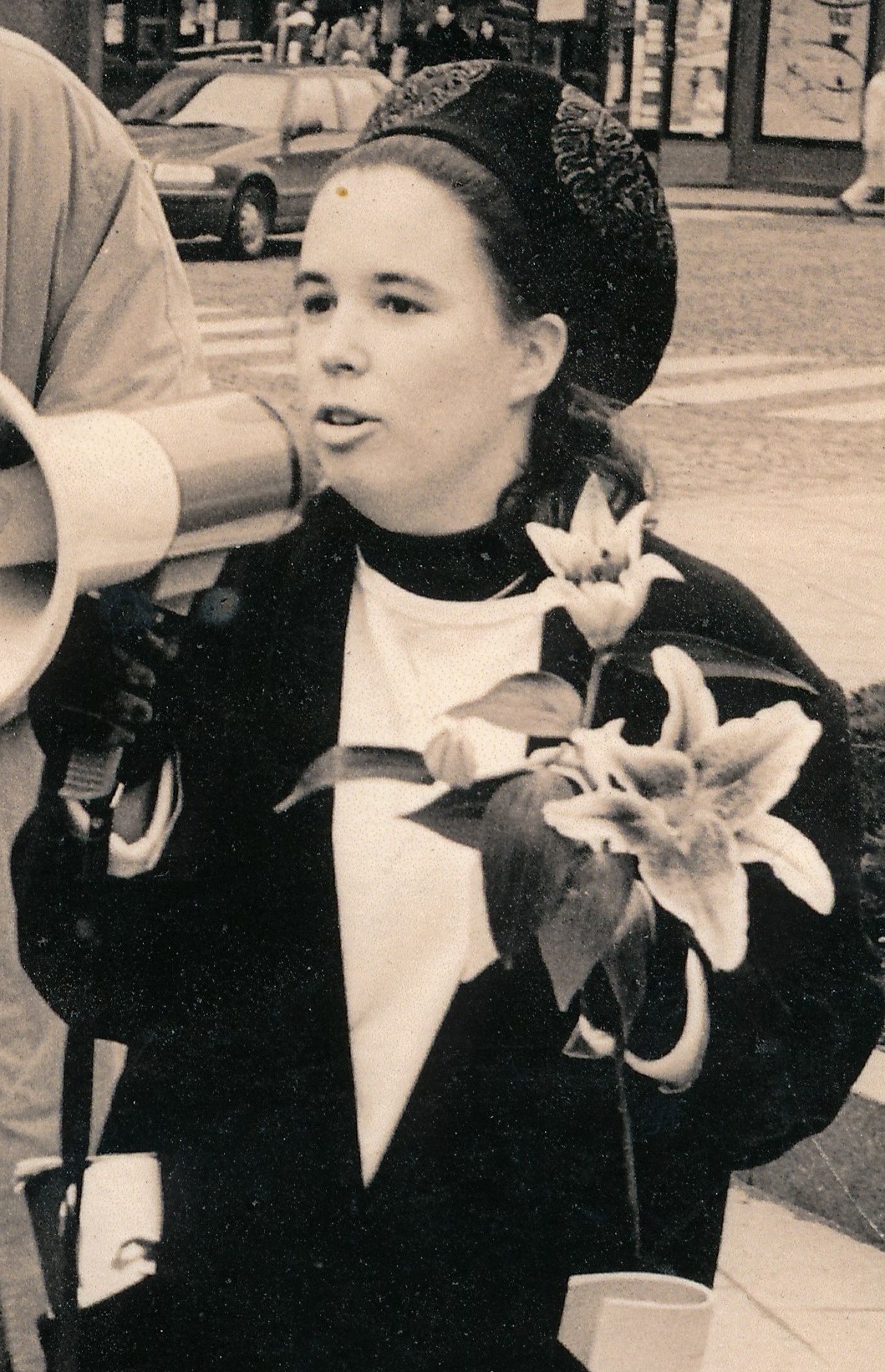
Gwendolyn Albert during a demonstration against the invasion of Iraq in 2003
zdroj: Witness´s archive

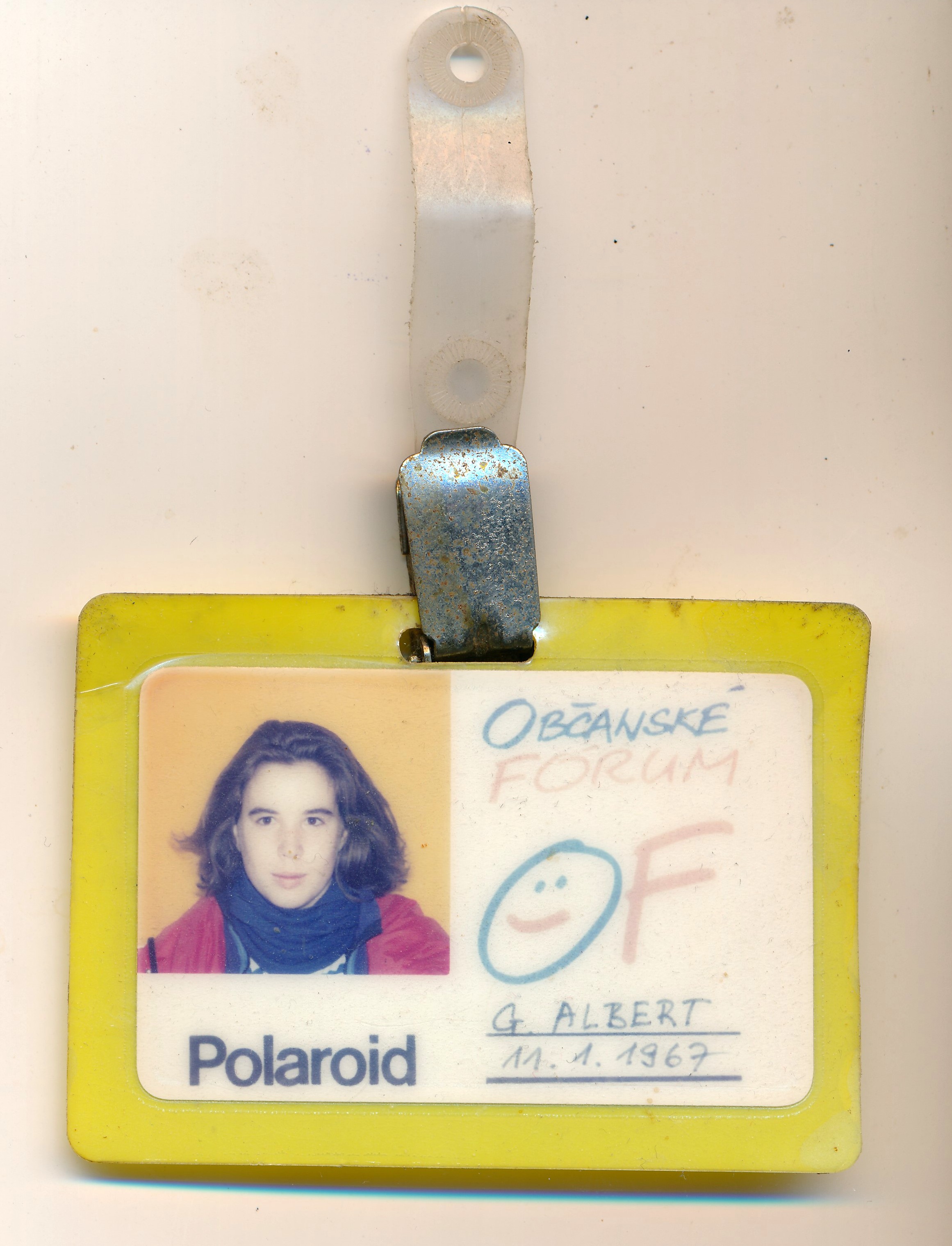
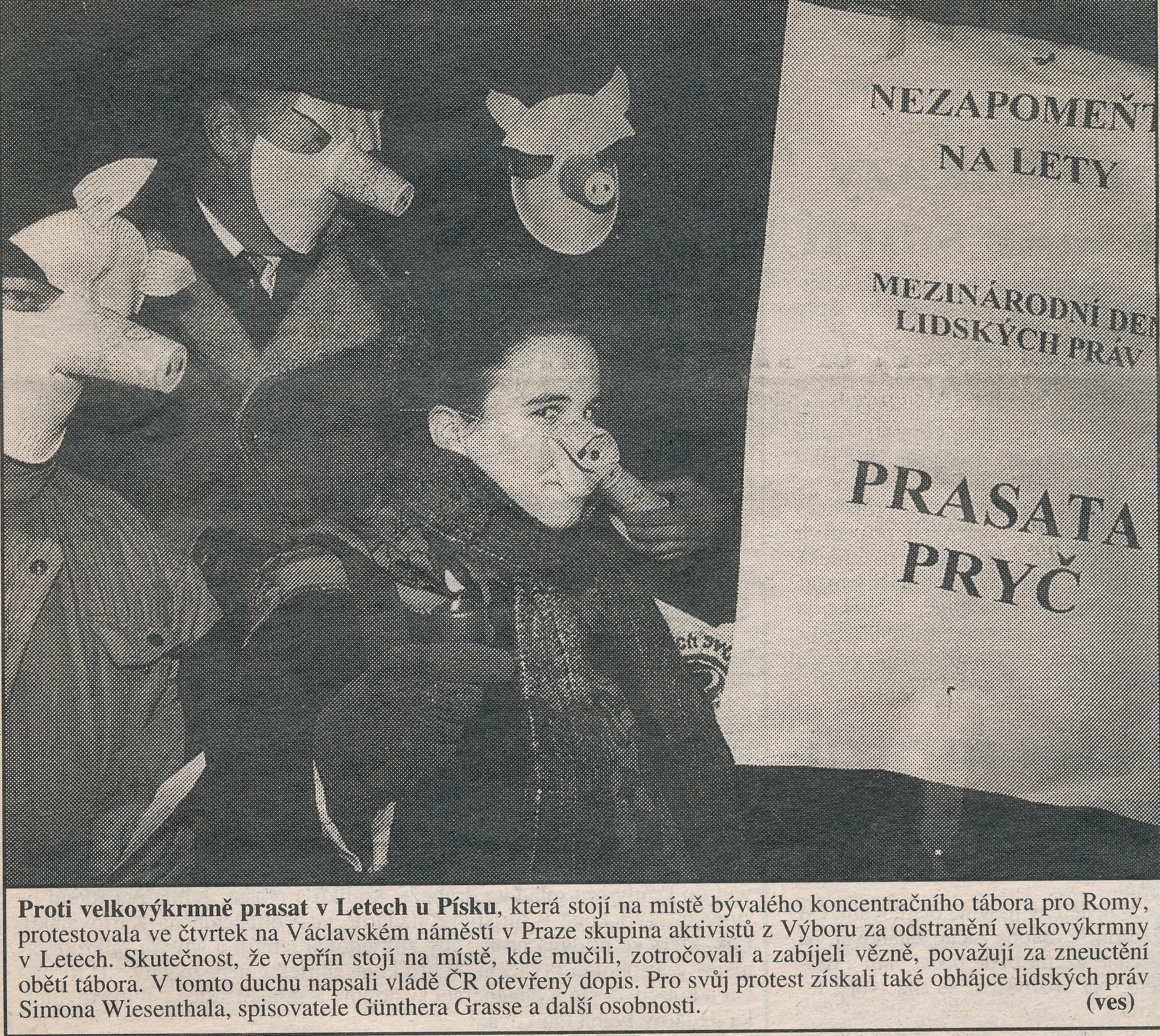
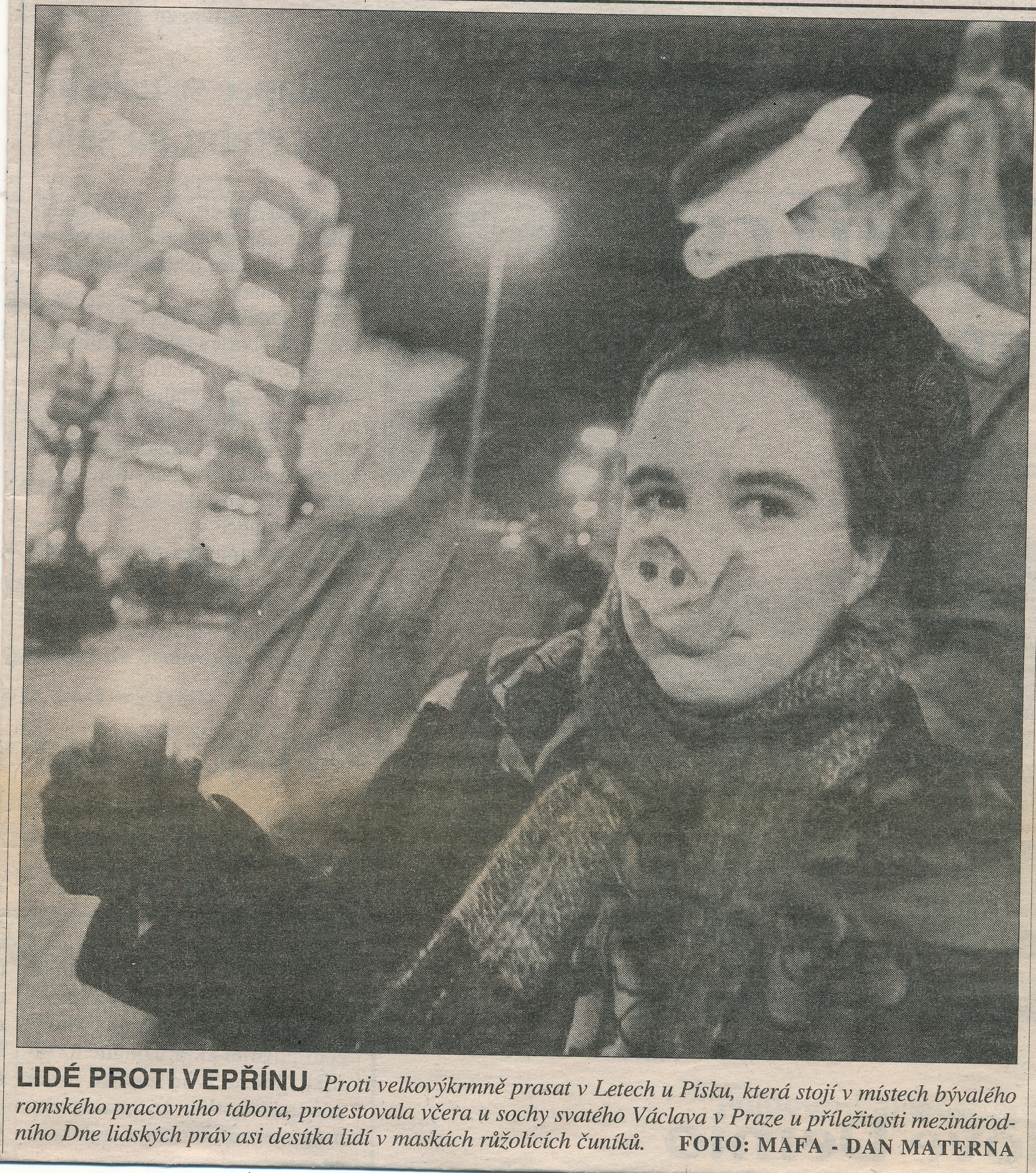
Journalist, translator and human rights activist Gwendolyn Albert was born on 11 January 1967 in Oakland, California. One of her ancestors was Czech, so she chose to major in Czech language and literature while studying linguistics at the University of California, Berkeley. She first visited Czechoslovakia in the summer of 1988. Her second visit was as a Fulbright scholar in September 1989. The Velvet Revolution, which she then lived through with the Czechoslovaks, forever influenced her and directed her towards journalism and activism. She became involved in the Civic Forum, translating Václav Havel‘s speeches and other materials into English. After returning to the U.S., she met her future husband and in 1994 they both permanently relocated to the Czech Republic. She began to address the topic of the Roma Holocaust and to draw attention to the undignified situation of the memorial in Lety u Písku, where a large-scale pig farm stood on the site of a former concentration camp for Czech Roma and Sinti. She worked on its removal - which was only successful in 2018 - in particular with Čeněk Růžička and his Committee for the Reparation of the Roma Holocaust. After 2003, she also dealt with cases of involuntary sterilization of Romani women. In 2006, she appeared before the UN Committee in New York together with Elena Gorol, a Roma woman from Ostrava. She has fought for many years for the right to compensation for affected women - the necessary legislation was passed in 2021 thanks to her. For her work, she received the Humanity Award from the Committee for Roma Holocaust Compensation and the Alice Garrigue Masaryk Award from the US Embassy. She lives in Prague.