Paměť národa

Menu
  • Abecedný index
  • Epochy
  • Témy
  • Spolupracujeme
  • Archive Memory of Nations
  • e-bádateľňa
    Zapomenuté heslo?
  • Construction of fortifications before the beginning of the  World War II
    Construction of fortifications before the beginning of the World War II
    Construction of fortifications before the beginning of the World War II
    Karel Škarka (* 1946)
    zdroj: Archive of Karel Škarka
    Stáhnout obrázek
  • Stavba opevnění před začátkem druhé světové války
    Stavba opevnění před začátkem druhé světové války
    Stavba opevnění před začátkem druhé světové války
    Karel Škarka (* 1946)
    zdroj: Archiv Karla Škarky
    Stáhnout obrázek
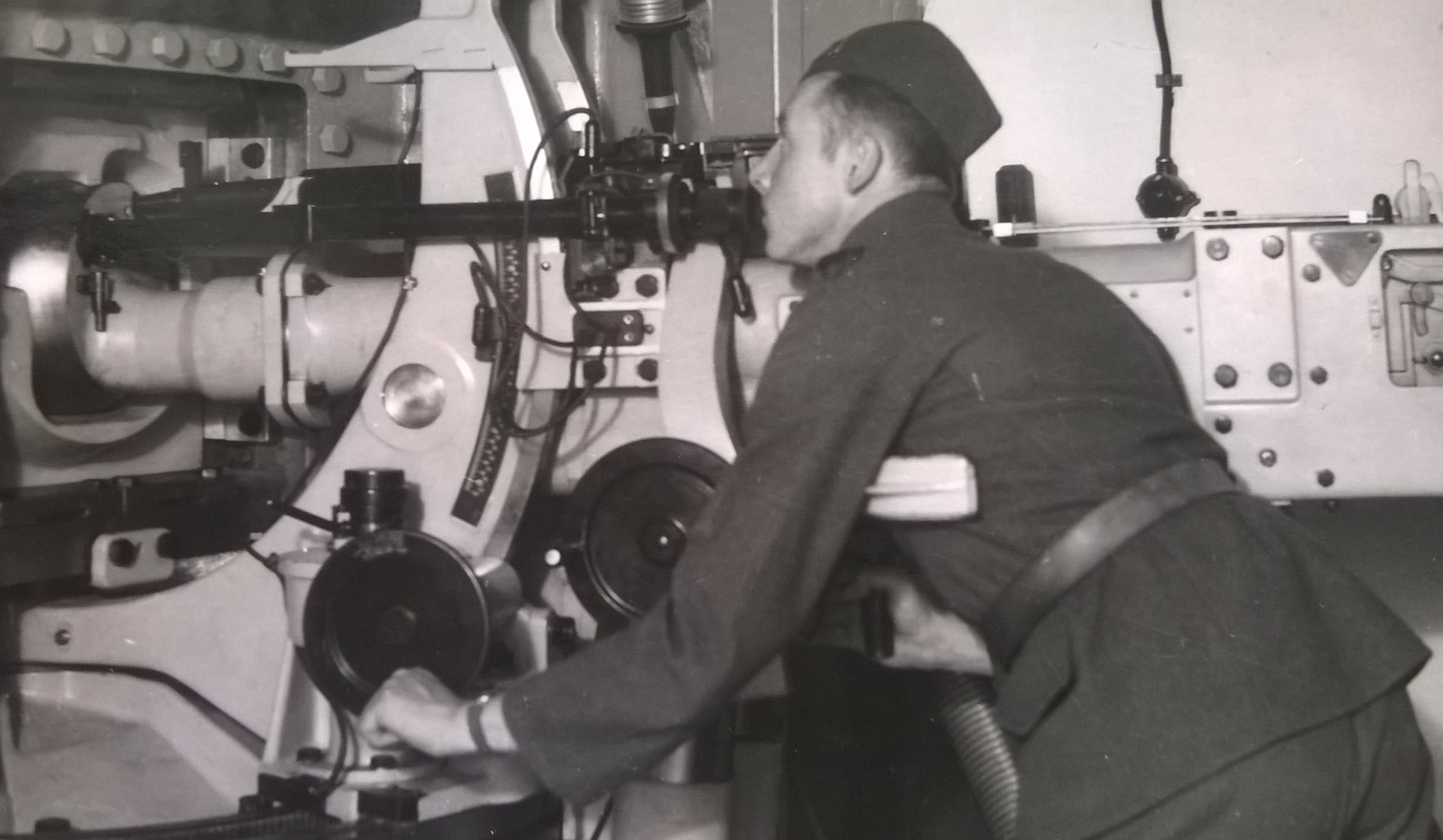
  • View of the technical equipment of some bunkers from the inside. Karel Škarka photographed his military colleague at work
    View of the technical equipment of some bunkers from the inside. Karel Škarka photographed his military colleague at work
    View of the technical equipment of some bunkers from the inside. Karel Škarka photographed his military colleague at work
    Karel Škarka (* 1946)
    zdroj: Archive of Karel Škarka
    Stáhnout obrázek
  • Pohled na technické vybavení některých bunkrů zevnitř. Karel Škarka vyfotil svého vojenského kolegu při práci
    Pohled na technické vybavení některých bunkrů zevnitř. Karel Škarka vyfotil svého vojenského kolegu při práci
    Pohled na technické vybavení některých bunkrů zevnitř. Karel Škarka vyfotil svého vojenského kolegu při práci
    Karel Škarka (* 1946)
    zdroj: Archiv Karla Škarky
    Stáhnout obrázek
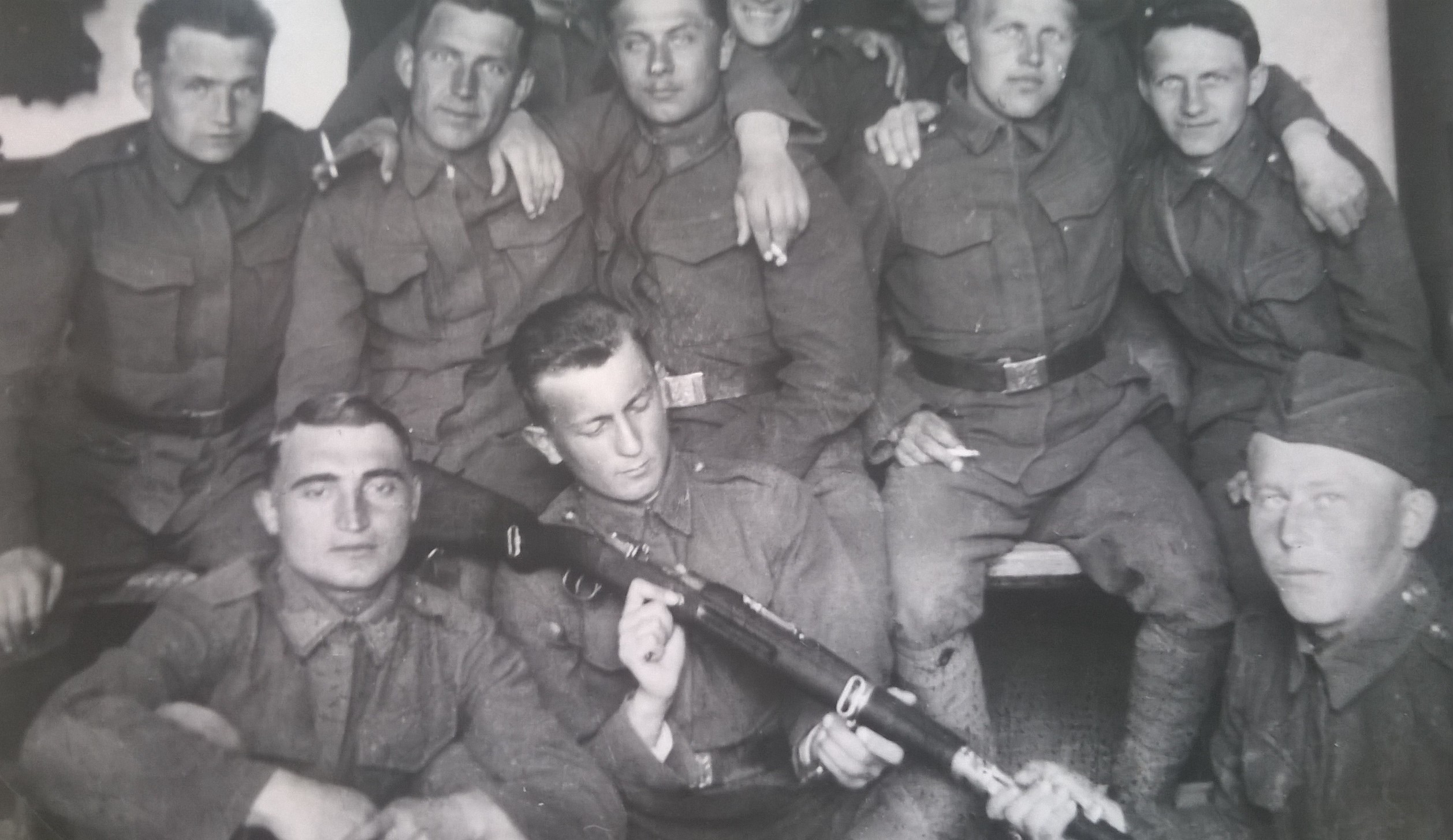
  • Karel Škarka Sr. (holding a gun) assigned to the machine gun unit in Rychnov nad Kněžnou. Since 1938 he has been training with fortress weapons
    Karel Škarka Sr. (holding a gun) assigned to the machine gun unit in Rychnov nad Kněžnou. Since 1938 he has been training with fortress weapons
    Karel Škarka Sr. (holding a gun) assigned to the machine gun unit in Rychnov nad Kněžnou. Since 1938 he has been training with fortress weapons
    Karel Škarka (* 1946)
    zdroj: Archive of Karel Škarka
    Stáhnout obrázek
  • Karel Škarka starší (držící zbraň) přiřazen ke kulometné jednotce v Rychnově nad Kněžnou. Od roku 1938 absolvoval výcvik s pevnostními zbraněmi
    Karel Škarka starší (držící zbraň) přiřazen ke kulometné jednotce v Rychnově nad Kněžnou. Od roku 1938 absolvoval výcvik s pevnostními zbraněmi
    Karel Škarka starší (držící zbraň) přiřazen ke kulometné jednotce v Rychnově nad Kněžnou. Od roku 1938 absolvoval výcvik s pevnostními zbraněmi
    Karel Škarka (* 1946)
    zdroj: Archiv Karla Škarky
    Stáhnout obrázek
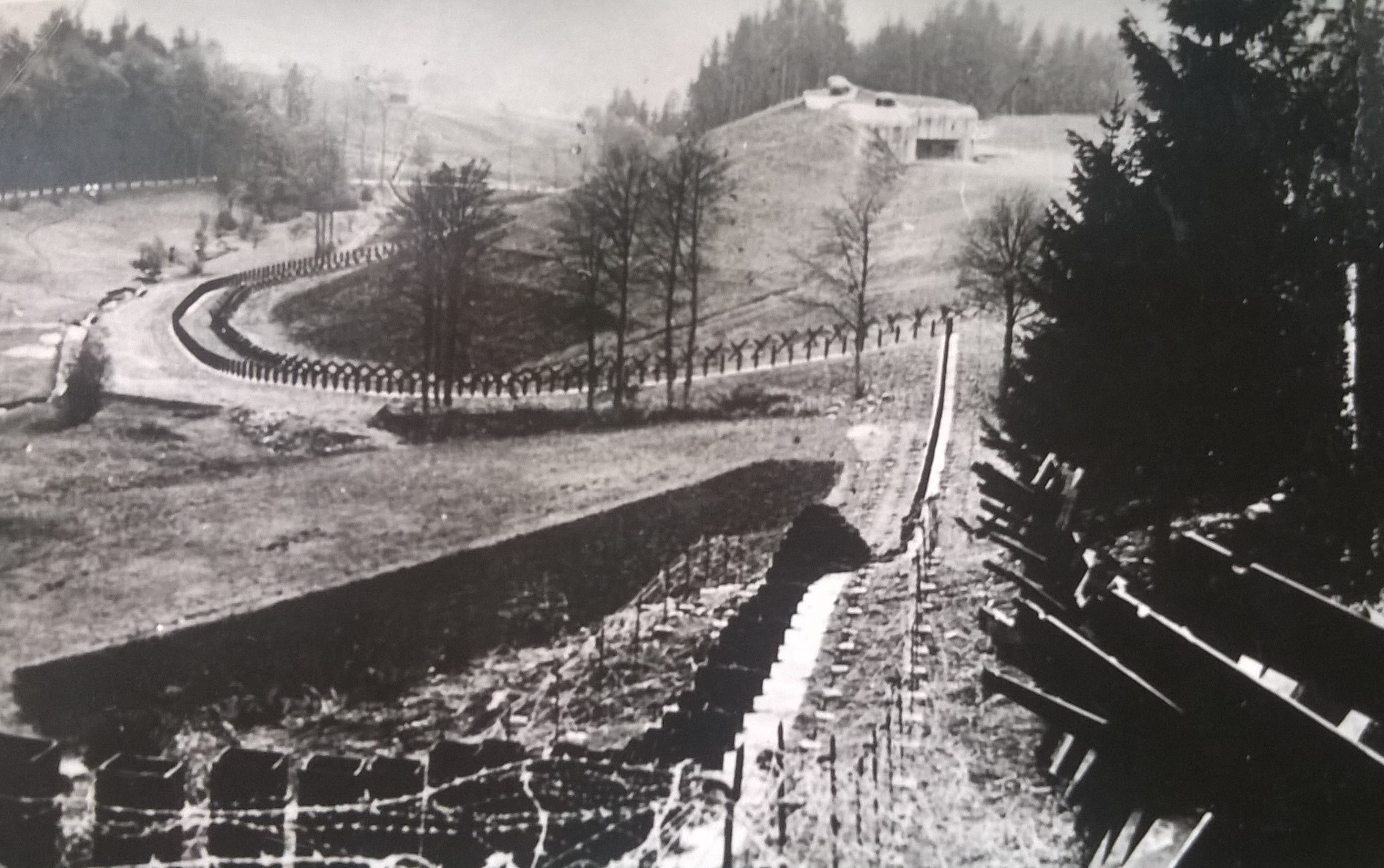
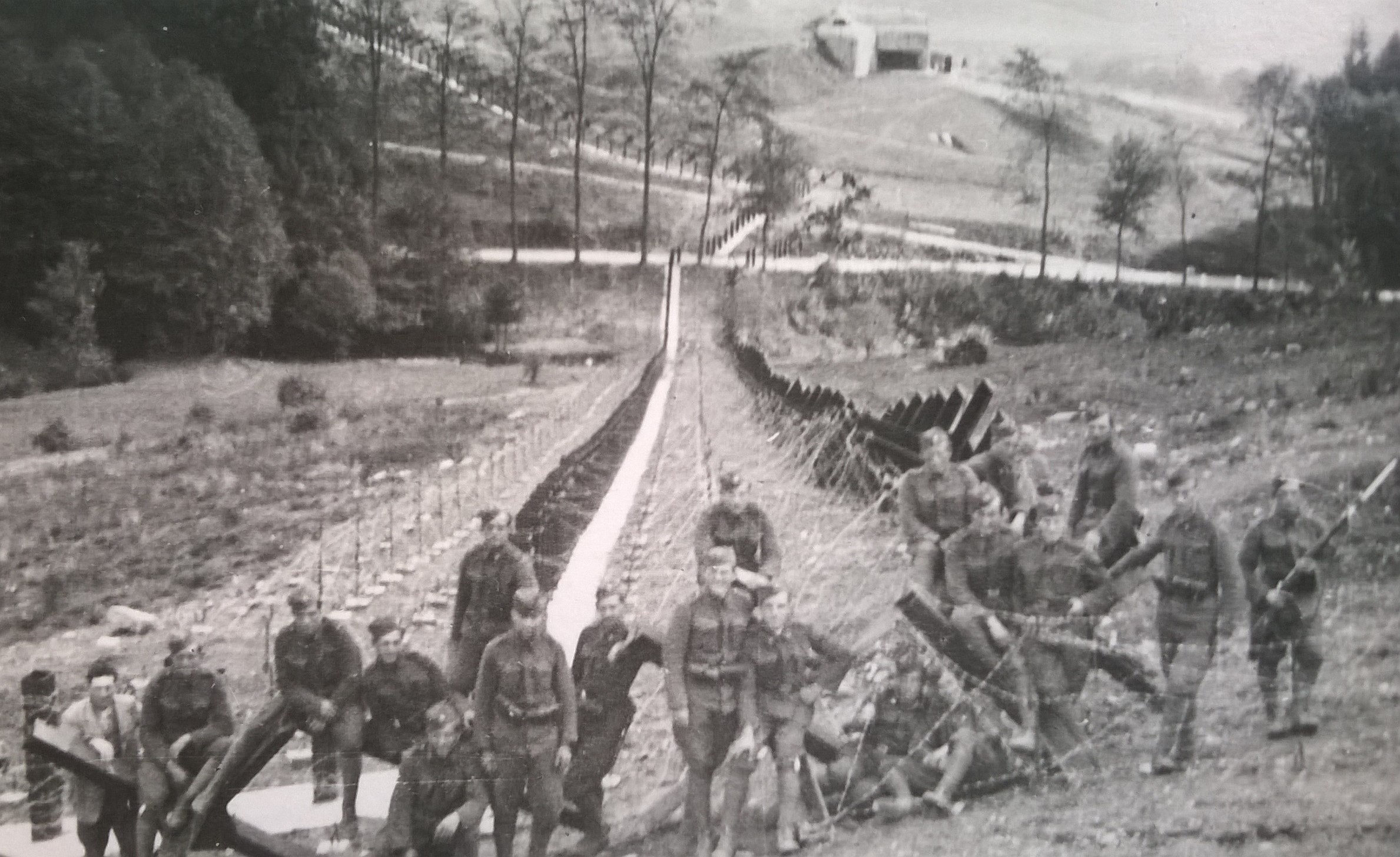
  • Karel Škarka, the father of the witness, photographed the construction of the Czechoslovak border fortifications in 1938. There were vistas between the sites - today the landscape is completely wooded
    Karel Škarka, the father of the witness, photographed the construction of the Czechoslovak border fortifications in 1938. There were vistas between the sites - today the landscape is completely wooded
    Karel Škarka, the father of the witness, photographed the construction of the Czechoslovak border fortifications in 1938. There were vistas between the sites - today the landscape is completely wooded
    Karel Škarka (* 1946)
    zdroj: Archive of Karel Škarka
    Stáhnout obrázek
  • Otec pamětníka Karel Škarka vyfotil průběh stavby opevnění československého pohraničí v roce 1938. Mezi jednotlivými stanovišti byly průhledy - dnes je krajina zcela zalesněná
    Otec pamětníka Karel Škarka vyfotil průběh stavby opevnění československého pohraničí v roce 1938. Mezi jednotlivými stanovišti byly průhledy - dnes je krajina zcela zalesněná
    Otec pamětníka Karel Škarka vyfotil průběh stavby opevnění československého pohraničí v roce 1938. Mezi jednotlivými stanovišti byly průhledy - dnes je krajina zcela zalesněná
    Karel Škarka (* 1946)
    zdroj: Archiv Karla Škarky
    Stáhnout obrázek
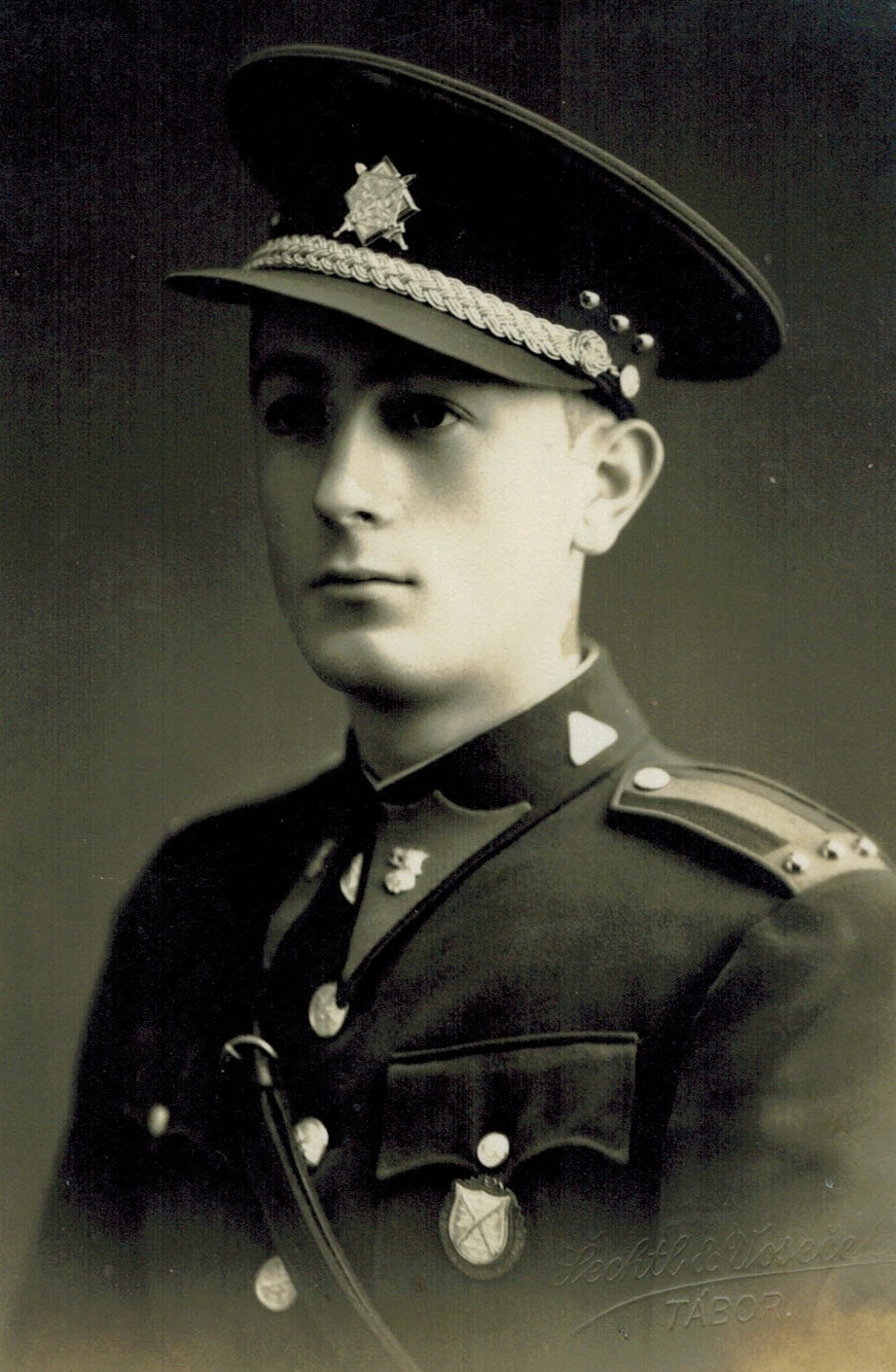
  • Sergeant Karel Škarka assigned to the Border Guard Regiment in Žamberk in 1938
    Sergeant Karel Škarka assigned to the Border Guard Regiment in Žamberk in 1938
    Sergeant Karel Škarka assigned to the Border Guard Regiment in Žamberk in 1938
    Karel Škarka (* 1946)
    zdroj: Archive of Karel Škarka
    Stáhnout obrázek
  • Četař Karel Škarka přiřazen k hraničnímu pluku v Žamberku v roce 1938
    Četař Karel Škarka přiřazen k hraničnímu pluku v Žamberku v roce 1938
    Četař Karel Škarka přiřazen k hraničnímu pluku v Žamberku v roce 1938
    Karel Škarka (* 1946)
    zdroj: Archiv Karla Škarky
    Stáhnout obrázek
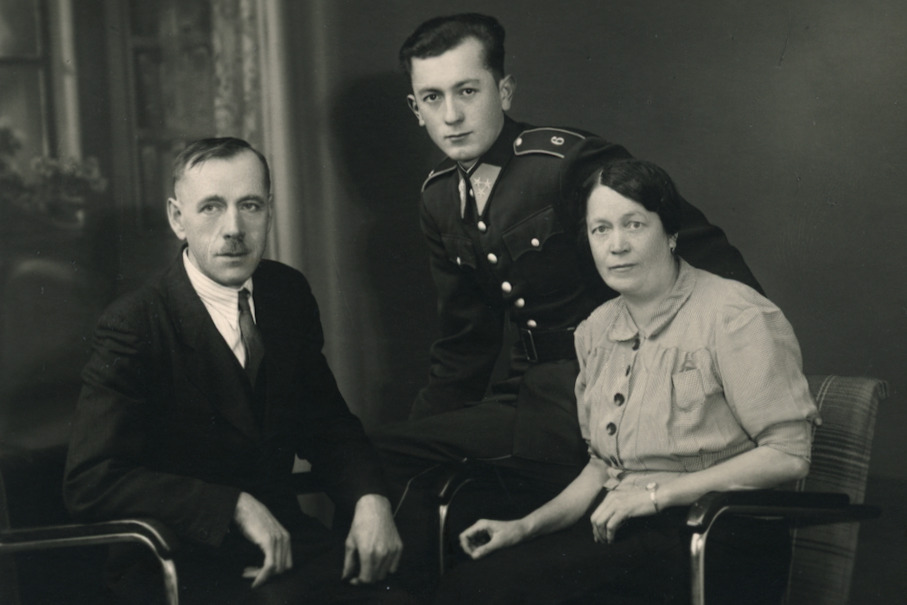
  • Karel Škarka Sr. with his parents - Karel and Žofie - during a temporary leave in 1940, when he was already a member of the government army. Karel Škarka appealed twice against his assignment to the government army, but to no avail
    Karel Škarka Sr. with his parents - Karel and Žofie - during a temporary leave in 1940, when he was already a member of the government army. Karel Škarka appealed twice against his assignment to the government army, but to no avail
    Karel Škarka Sr. with his parents - Karel and Žofie - during a temporary leave in 1940, when he was already a member of the government army. Karel Škarka appealed twice against his assignment to the government army, but to no avail
    Karel Škarka (* 1946)
    zdroj: Archive of Karel Škarka
    Stáhnout obrázek
  • Karel Škarka starší se svými rodiči - Karlem a Žofií - během dočasné dovolené v roce 1940, kdy byl již členem vládního vojska. Karel Škarka se proti přidělení k vládnímu vojsku dvakrát odvolal, leč bezúspěšně
    Karel Škarka starší se svými rodiči - Karlem a Žofií - během dočasné dovolené v roce 1940, kdy byl již členem vládního vojska. Karel Škarka se proti přidělení k vládnímu vojsku dvakrát odvolal, leč bezúspěšně
    Karel Škarka starší se svými rodiči - Karlem a Žofií - během dočasné dovolené v roce 1940, kdy byl již členem vládního vojska. Karel Škarka se proti přidělení k vládnímu vojsku dvakrát odvolal, leč bezúspěšně
    Karel Škarka (* 1946)
    zdroj: Archiv Karla Škarky
    Stáhnout obrázek
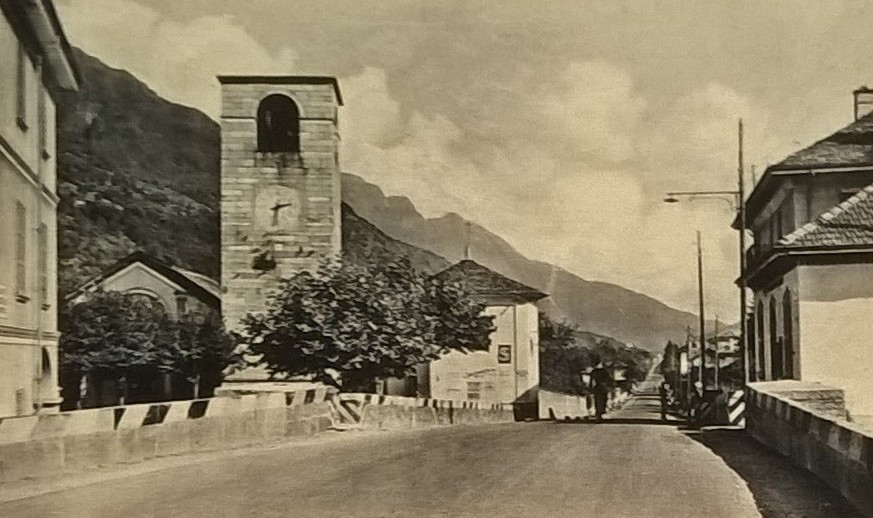
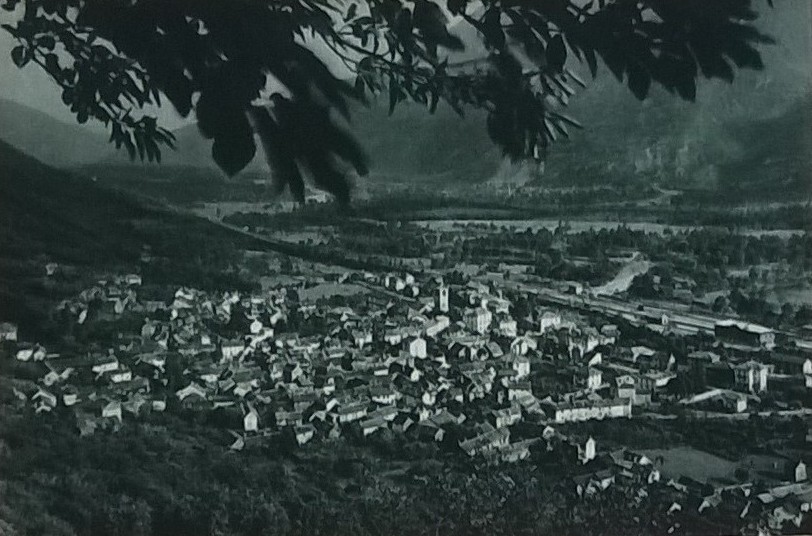
  • The northern Italian municipality of Premosello. Above the village, two thousand metres above sea level, rises the Monte Massone mountain massif, in the saddle of which sits the partisan camp
    The northern Italian municipality of Premosello. Above the village, two thousand metres above sea level, rises the Monte Massone mountain massif, in the saddle of which sits the partisan camp
    The northern Italian municipality of Premosello. Above the village, two thousand metres above sea level, rises the Monte Massone mountain massif, in the saddle of which sits the partisan camp
    Karel Škarka (* 1946)
    zdroj: Archive of Karel Škarka
    Stáhnout obrázek
  • Severoitalská obec Premosello. Nad vesnicí se tyčí ve výšce dva tisíce metrů nad mořem horský masiv Monte Massone, v jehož sedle sídlí partyzánský tábor
    Severoitalská obec Premosello. Nad vesnicí se tyčí ve výšce dva tisíce metrů nad mořem horský masiv Monte Massone, v jehož sedle sídlí partyzánský tábor
    Severoitalská obec Premosello. Nad vesnicí se tyčí ve výšce dva tisíce metrů nad mořem horský masiv Monte Massone, v jehož sedle sídlí partyzánský tábor
    Karel Škarka (* 1946)
    zdroj: Archiv Karla Škarky
    Stáhnout obrázek
  • The mountain village of Premosello. The government troops are stationed in the local school from 12 June to 9 July 1944, before joining the partisans under the leadership of Vladimir Panoš
    The mountain village of Premosello. The government troops are stationed in the local school from 12 June to 9 July 1944, before joining the partisans under the leadership of Vladimir Panoš
    The mountain village of Premosello. The government troops are stationed in the local school from 12 June to 9 July 1944, before joining the partisans under the leadership of Vladimir Panoš
    Karel Škarka (* 1946)
    zdroj: Archive of Karel Škarka
    Stáhnout obrázek
  • Horská obec Premosello. Vládní vojsko je ubytované ve zdejší škole od 12. června do 9. července 1944, než se pod vedením Vladimíra Panoše přidá k partyzánům
    Horská obec Premosello. Vládní vojsko je ubytované ve zdejší škole od 12. června do 9. července 1944, než se pod vedením Vladimíra Panoše přidá k partyzánům
    Horská obec Premosello. Vládní vojsko je ubytované ve zdejší škole od 12. června do 9. července 1944, než se pod vedením Vladimíra Panoše přidá k partyzánům
    Karel Škarka (* 1946)
    zdroj: Archiv Karla Škarky
    Stáhnout obrázek
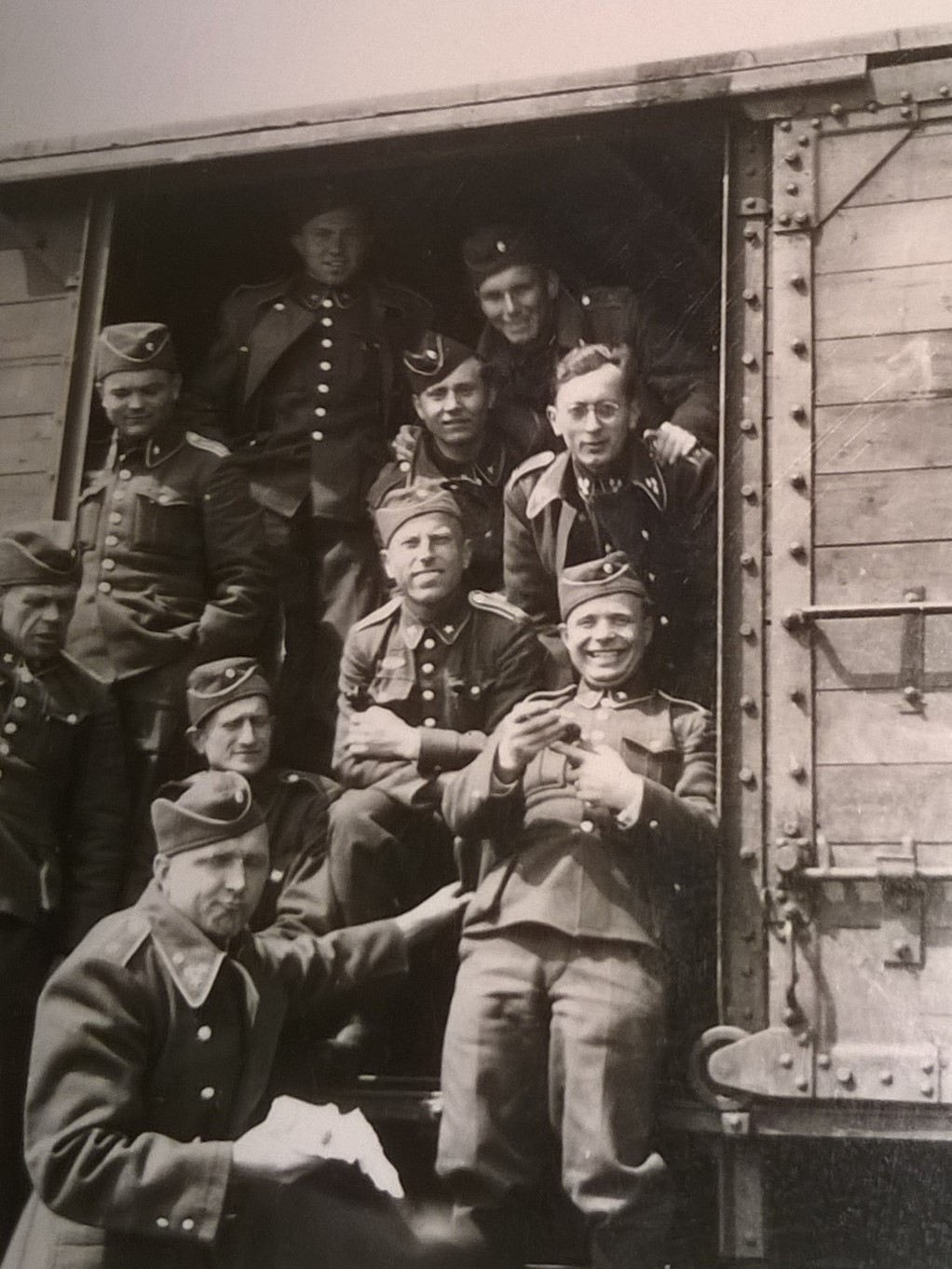
  • The father of the witness leaves by train for northern Italy in May 1944 under the command of the commander of the government troops, General Jaroslav Eminger
    The father of the witness leaves by train for northern Italy in May 1944 under the command of the commander of the government troops, General Jaroslav Eminger
    The father of the witness leaves by train for northern Italy in May 1944 under the command of the commander of the government troops, General Jaroslav Eminger
    Karel Škarka (* 1946)
    zdroj: Archive of Karel Škarka
    Stáhnout obrázek
  • Otec pamětníka odjíždí vlakem do severní Itálie v květnu 1944 pod vedením velitele vládního vojska, generála Jaroslava Emingera
    Otec pamětníka odjíždí vlakem do severní Itálie v květnu 1944 pod vedením velitele vládního vojska, generála Jaroslava Emingera
    Otec pamětníka odjíždí vlakem do severní Itálie v květnu 1944 pod vedením velitele vládního vojska, generála Jaroslava Emingera
    Karel Škarka (* 1946)
    zdroj: Archiv Karla Škarky
    Stáhnout obrázek
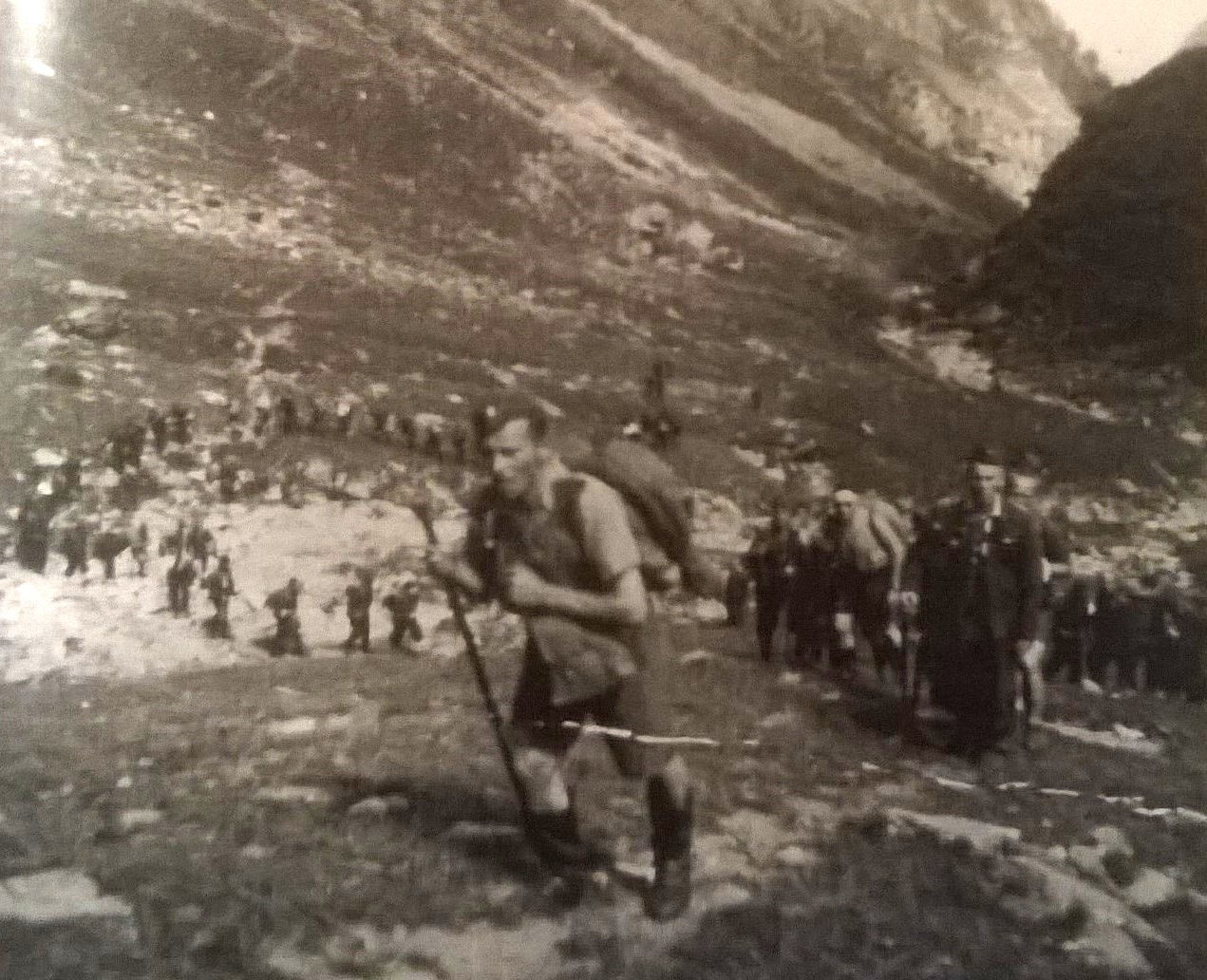
  • On July 9, 1944, at 2:30 in the morning, there was a fake ambush of a government unit in a local school by partisans. A unit of forty-six men led by Vladimir Panoš went over to Garibaldi's unit. From the partisan camp they soon set off through difficult mountain terrain on a seven-day journey on foot to neutral Switzerland, pursued by fascists and Georgian SS troops
    On July 9, 1944, at 2:30 in the morning, there was a fake ambush of a government unit in a local school by partisans. A unit of forty-six men led by Vladimir Panoš went over to Garibaldi's unit. From the partisan camp they soon set off through difficult mountain terrain on a seven-day journey on foot to neutral Switzerland, pursued by fascists and Georgian SS troops
    On July 9, 1944, at 2:30 in the morning, there was a fake ambush of a government unit in a local school by partisans. A unit of forty-six men led by Vladimir Panoš went over to Garibaldi's unit. From the partisan camp they soon set off through difficult mountain terrain on a seven-day journey on foot to neutral Switzerland, pursued by fascists and Georgian SS troops
    Karel Škarka (* 1946)
    zdroj: Archive of Karel Škarka
    Stáhnout obrázek
  • 9. července 1944 o půl třetí ráno došlo k fingovanému přepadení vládní jednotky v místní škole partyzány. Jednotka čtyřiceti šesti mužů pod vedením Vladimíra Panoše přešla ke Garibaldiho jednotce. Z partyzánského tábora se záhy vydali náročným horským terénem na sedmidenní pěší cestu do neutrálního Švýcarska pronásledováni fašisty a gruzínskými jednotkami SS
    9. července 1944 o půl třetí ráno došlo k fingovanému přepadení vládní jednotky v místní škole partyzány. Jednotka čtyřiceti šesti mužů pod vedením Vladimíra Panoše přešla ke Garibaldiho jednotce. Z partyzánského tábora se záhy vydali náročným horským terénem na sedmidenní pěší cestu do neutrálního Švýcarska pronásledováni fašisty a gruzínskými jednotkami SS
    9. července 1944 o půl třetí ráno došlo k fingovanému přepadení vládní jednotky v místní škole partyzány. Jednotka čtyřiceti šesti mužů pod vedením Vladimíra Panoše přešla ke Garibaldiho jednotce. Z partyzánského tábora se záhy vydali náročným horským terénem na sedmidenní pěší cestu do neutrálního Švýcarska pronásledováni fašisty a gruzínskými jednotkami SS
    Karel Škarka (* 1946)
    zdroj: Archiv Karla Škarky
    Stáhnout obrázek
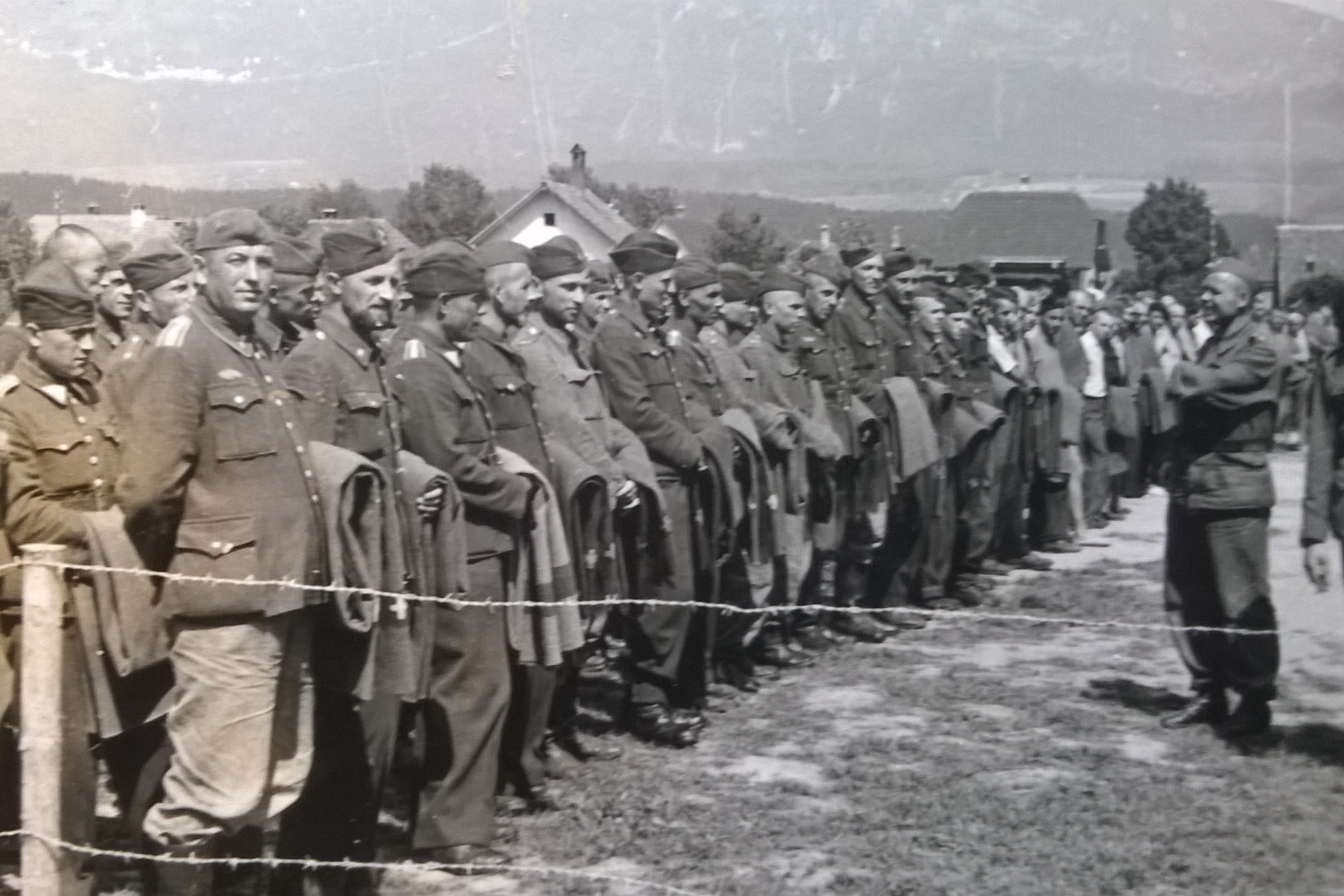
  • An internment camp in Switzerland. The soldiers had to earn money for their first dinner in a local factory. Some of the soldiers stayed in Switzerland and some of them went to England
    An internment camp in Switzerland. The soldiers had to earn money for their first dinner in a local factory. Some of the soldiers stayed in Switzerland and some of them went to England
    An internment camp in Switzerland. The soldiers had to earn money for their first dinner in a local factory. Some of the soldiers stayed in Switzerland and some of them went to England
    Karel Škarka (* 1946)
    zdroj: Archive of Karel Škarka
    Stáhnout obrázek
  • Internační tábor ve Švýcarsku. Na první večeři si museli vojáci vydělat peníze v místní továrně. Část vojáků ve Švýcarsku zůstala a část se vydala na cestu do Anglie
    Internační tábor ve Švýcarsku. Na první večeři si museli vojáci vydělat peníze v místní továrně. Část vojáků ve Švýcarsku zůstala a část se vydala na cestu do Anglie
    Internační tábor ve Švýcarsku. Na první večeři si museli vojáci vydělat peníze v místní továrně. Část vojáků ve Švýcarsku zůstala a část se vydala na cestu do Anglie
    Karel Škarka (* 1946)
    zdroj: Archiv Karla Škarky
    Stáhnout obrázek
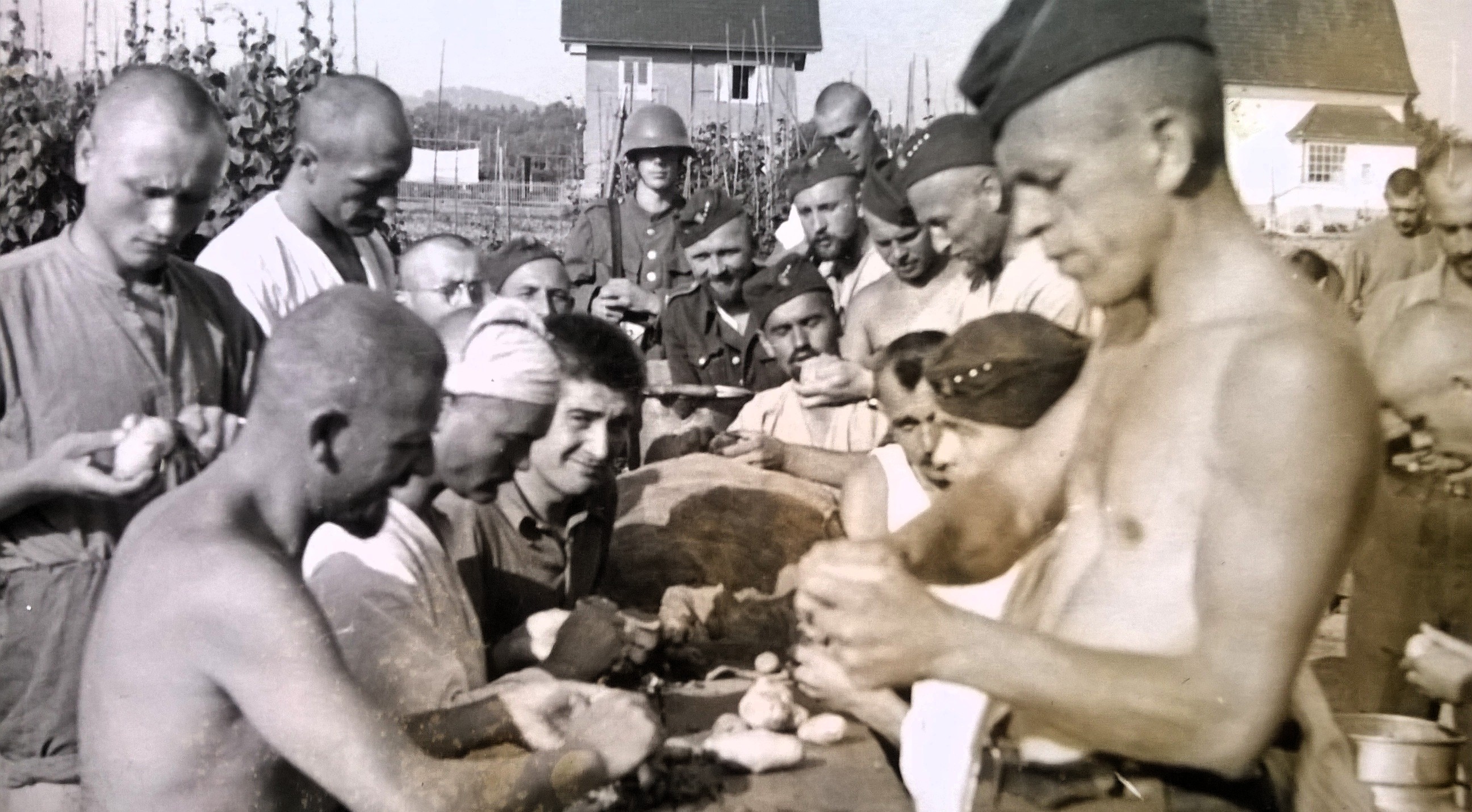
  • On the instructions of General Josef Svatoň, Czechoslovak soldiers knelt in prayer after crossing the border between Italy and Switzerland. In the photo, during the preparation of a meal in the internment camp
    On the instructions of General Josef Svatoň, Czechoslovak soldiers knelt in prayer after crossing the border between Italy and Switzerland. In the photo, during the preparation of a meal in the internment camp
    On the instructions of General Josef Svatoň, Czechoslovak soldiers knelt in prayer after crossing the border between Italy and Switzerland. In the photo, during the preparation of a meal in the internment camp
    Karel Škarka (* 1946)
    zdroj: Archive of Karel Škarka
    Stáhnout obrázek
  • Na pokyn generála Josefa Svatoně českoslovenští vojáci po přechodu hranice mezi Itálií a Švýcarskem poklekli k modlitbě. Na fotografii při přípravě jídla v internačním táboře
    Na pokyn generála Josefa Svatoně českoslovenští vojáci po přechodu hranice mezi Itálií a Švýcarskem poklekli k modlitbě. Na fotografii při přípravě jídla v internačním táboře
    Na pokyn generála Josefa Svatoně českoslovenští vojáci po přechodu hranice mezi Itálií a Švýcarskem poklekli k modlitbě. Na fotografii při přípravě jídla v internačním táboře
    Karel Škarka (* 1946)
    zdroj: Archiv Karla Škarky
    Stáhnout obrázek
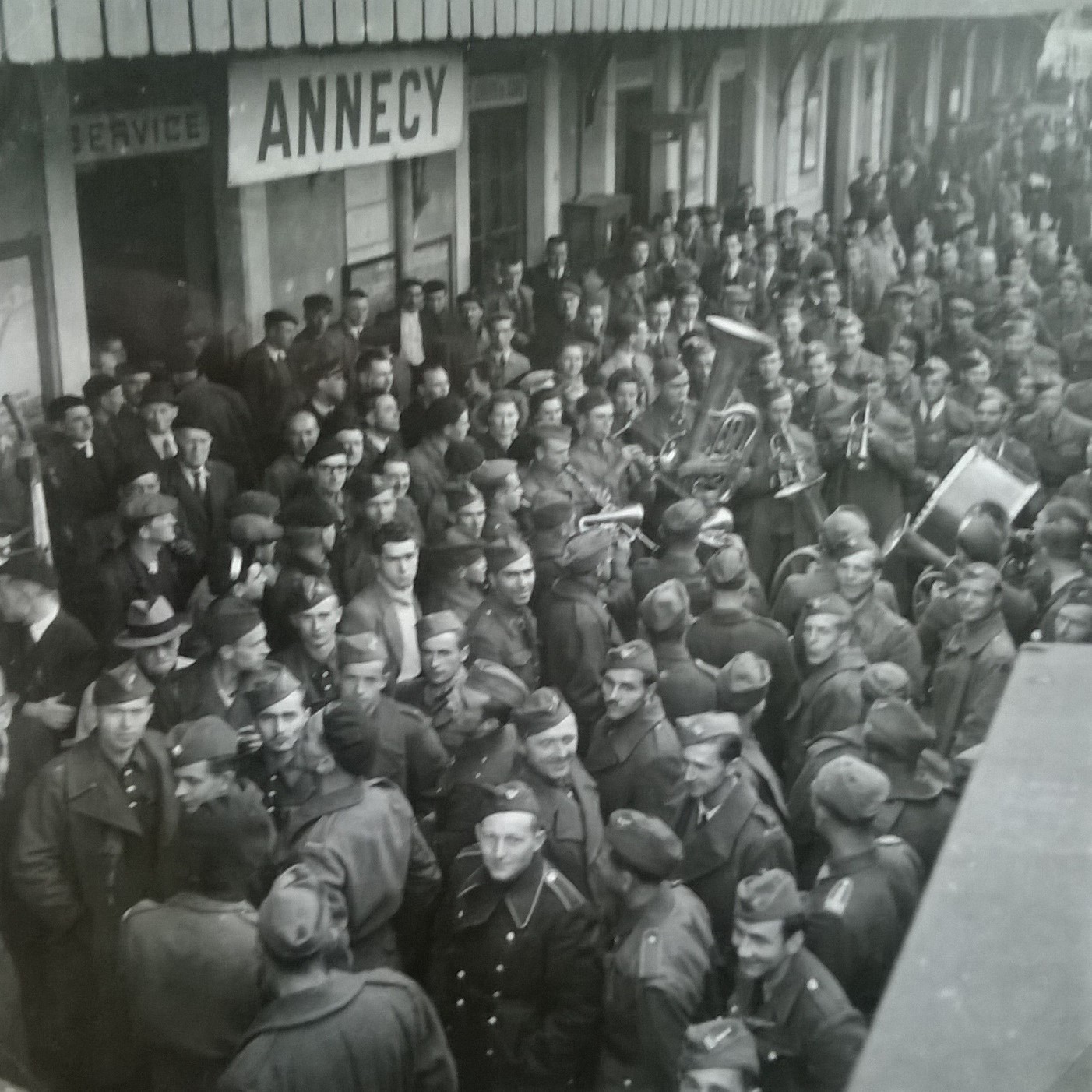
  • Karel Škarka, the father of the witness, underwent compulsory quarantine in Switzerland. He then went to the French port of Marseille to embark. Photo taken by the father of the witness in Annecy
    Karel Škarka, the father of the witness, underwent compulsory quarantine in Switzerland. He then went to the French port of Marseille to embark. Photo taken by the father of the witness in Annecy
    Karel Škarka, the father of the witness, underwent compulsory quarantine in Switzerland. He then went to the French port of Marseille to embark. Photo taken by the father of the witness in Annecy
    Karel Škarka (* 1946)
    zdroj: Archive of Karel Škarka
    Stáhnout obrázek
  • Předchozí stránka ‹ Předchozí
  • First page 1
  • …
  • Stránka 12090
  • Stránka 12091
  • Stránka 12092
  • Aktuální stránka 12093
  • Stránka 12094
  • Stránka 12095
  • Stránka 12096
  • …
  • Poslední stránka 12109
  • Následující stránka Další ›

Stránka Post Bellum SK

Eshop Post Bellum

Puzzle pamäti

tip na pamětníka
Registrace
Tichá hrdinství

Zdroje vyhledávání

  • All

    (440898)
  • Institucí

    (168)
  • Pamětníci

    (22853)
  • Fotografie

    (302703)
  • Klipy

    (87157)
  • Odkazy

    (28017)
  • Články

Sledujte nás
Facebook
Twitter
Youtube
Instagram
Paměť národa
USTR

© 2008-2026 Paměť národa

Správu a provoz webu zajišťuje společnost Macron Software.