Being a journalist in Kádár‘s dictatorship
Stáhnout obrázek
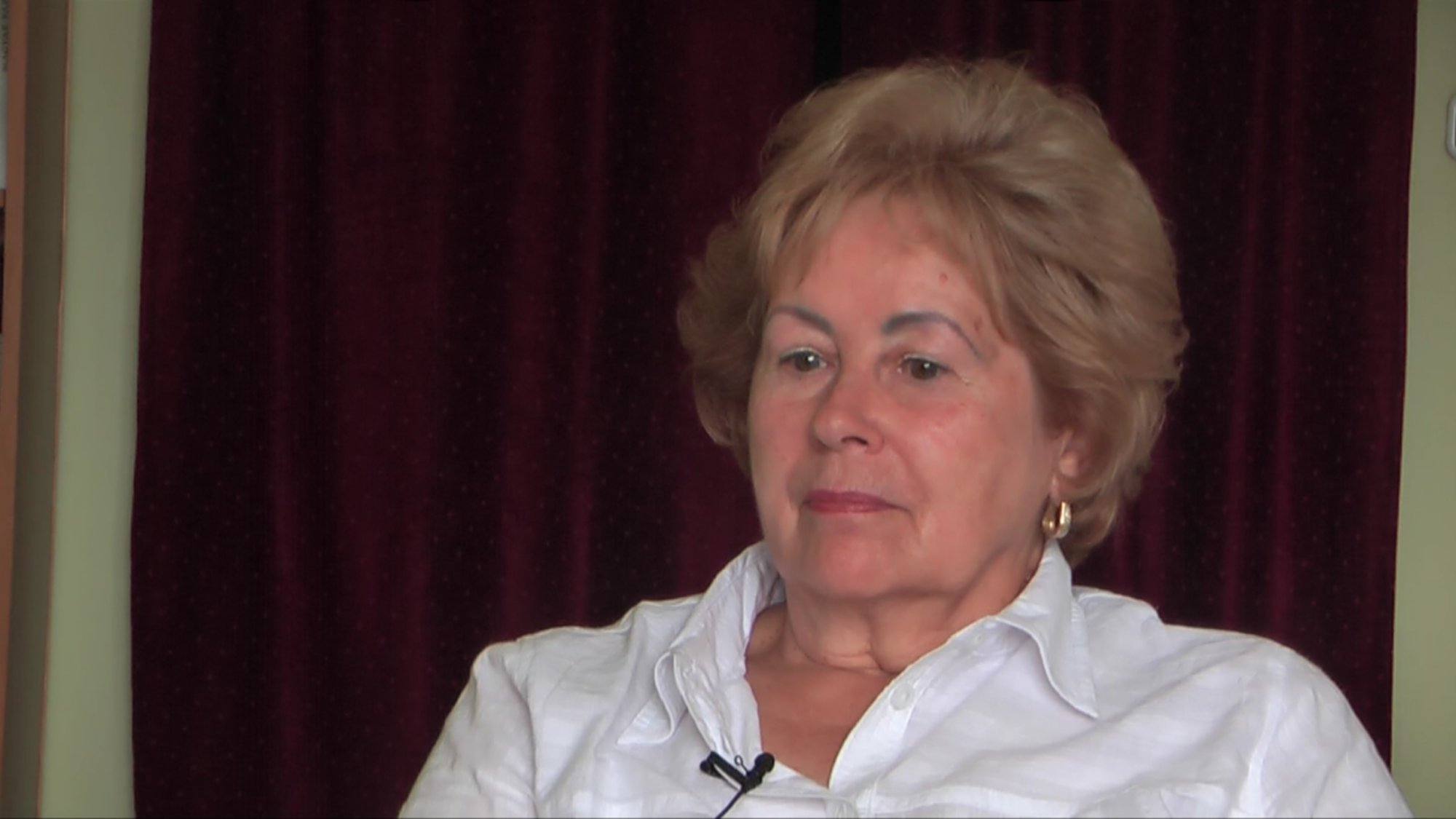
Madácsy Lászlóné (Szőke Mária), Budapest 1940. She grew up in Mór, where his father was a veterinary. The town used to have a number of Swabian origin Hugarians inhabitants who were deported to Germany after WWII. Into their houses were moved the (also) deported Hungarians from Czechoslovakia - this caused a numerous conflicts. Local priests and pastors tried to relieve the tension between those Swabians who somehow managed to stay and the newcomer Hungarians. During the years of the Rákosi-dictatorship everyone was aware of the infamous central building of the State Defense Authority (ÁVH), the address which symbolized terror: 60. Andrássy street, Budapest. In the autumn of 1956 the growing tension in the Hungarian society was almost touchable. His brother who did pentathlon also realized this tensity. On the day of the reburial of László Rajk (6 of October, 1956.) the sportguns were taken away from him and from other fellow sportman of his. Therefore he attended in the burial and later told to his family that the attending huge, but otherwise silent crowd seemed very powerful and frightening. On the day of the revolt in 1956 she was there in the march as well as at all major locations of that day. Only late in the evening she went home when the shootings began at the Hungarian Radio. During the short ceasefire she has been there in the cue waiting for bred when Soviets or state defens soldiers shot into the crowd killing at least a dozen a people in Fillér street, Buda side. She graduated in ELTE University as a Hungarian literature and history teacher. Then she became a journalist in town of Veszprém at the county newspaper (Veszprémi Napló). Years after the revolution she got known of the tragic fate of a local teacher Árpád Brusznyai. He was a leading figure in Veszprém during the revolution of 1956. In the retaliation period which was carried out by Kadar‘s communist, Brusznyai‘s sentance for life in prison has been changed to death following the personal intervention of János Pap, first secretary of the communist party (MSZMP) in Veszprém county. As a journalist who worked for the county paper she knew Pap personally who she describes as a brutal and fearful person. She recalls that everyone had to attend in the marches official arranged by the party every year on the 1st of May. Even colleagues in good relation observed each other at these occasions. In the 80s‘ Germans from the GDR and DDR often met in Hungary, by the lake Balaton. Her parents also rented rooms for German tourists.