"But of course there are also people who say that I should leave Van Lang. They say that, with the same job in civil society, I am more active in Toi va Su Quan and I find it more effective. But when working with security, they are not interested in Toi va Su Quan, they are only interested in my Van Lang. They are afraid because we speak up when Vietnam has violations. When Mr. Nguyen Xuan Phuc visited Prague, I do not remember the year. In a conversation with Vietnamese people at the Sapa shopping center, Mr. Phuc said that (we have saved that video), the Vietnamese Association, a very large association with more than 80 branches depending on them, must use measures to monitor other associations. So, that statement is a violation of Czech law. An association like the Vietnamese Association, is equal to other associations, and no one has the right to monitor other associations because only Czech authorities can have the right to monitor and manage like that. But an association like the Vietnamese Association, or any other association, has no right. We object to that and think that Mr. Phuc is interfering in the affairs of the Czech authorities. The security forces think that our objections are not good for the country and tarnish the image of the leader. But we do not tarnish the image of the country, the one who tarnishes the image of the country is Mr. Nguyen Xuan Phuc when he said such things in front of everyone. Not us. If we reflect on things like that, other Vietnamese leaders when they come here must be careful in their speech, and they do not violate the laws of the Czech Republic. Then we are doing good for the country, doing good for the Vietnamese leaders. Not us doing bad for the country. When Vietnam has violations, we send them to the Czech Parliament, the Czech Foreign Ministry or the EU. All of these actions are for the good of a more civilized, more developed, and more integrated Vietnamese society with the world. We are not making Vietnam worse."
"After I received the invitation from Poland, the night before the demonstration, I went to Poland. They welcomed us very enthusiastically. All the brothers and sisters who participated in the demonstration that day said they would rent a hotel for us to stay in. However, I chose to stay at a house of a sister I had known before. The next morning, we went to the Vietnamese markets, but the atmosphere was not very welcoming. First, the organizers rented a large bus with about 60 or 70 people to go to the Vietnamese shopping centers to go to the embassy in Poland to protest. I was also on that bus. There were only about 10 to 12 people on the bus. After picking us up, we said that it might not be as expected. That day, the plan was to rent two buses. After that, the bus from the other side picked us up at another market, and they also said that there were very few people here, not many. But when we arrived in front of the Vietnamese embassy, the truth is, as sad as I was in the car, I was happy when I arrived in front of the Vietnamese embassy. Because there were so many Vietnamese people. That day, about 300 Vietnamese people came to attend that protest. The Vietnamese people in Poland are wonderful, very peaceful. Even those who registered with the Polish government only registered 100 people, not thinking that there would be that many people. Then there were people who brought coffee, water, sticky rice, sweet soup, and all kinds of things to invite the protesters. That day's protest was a successful protest."
"At first, they talked freely, saying that they were discussing things and issues. The day I sent the invitation, I also asked, "Is this an invitation or an arrest?". They said, "No, this is just an invitation, just to talk and discuss." I also agreed because everything I did was transparent and clear. So I didn't have any problems. That day, three security officers came, and in the morning, three security officers came. And they talked to me. When they talked to me, they argued and talked normally in the morning, there were no problems. For example, they said, "You are there, you operate, whatever you do, you still have to comply with Vietnamese law, you cannot go against Vietnam's policies." I argued: “No, what you said is not correct. I live in a country, I have to obey the laws of that country. It is not correct to say that I live in the Czech Republic but I am forced to obey Vietnam's laws. For example, if I go to countries with left-hand drive, and I obey Vietnamese laws, driving with the right-hand drive, I will obviously be crushed to death.”"
"Maybe seven years ago. Seven years ago because at that time the Vietnamese National Assembly approved the land lease to China and foreign countries for 99 years to build special economic zones. When we heard the news, we prepared to organize a protest. At that time, protests were also starting to take place in the country and Vietnamese civil society was operating very well, better than now. Before that, we had organized protests. However, the protests we organized only had about 15-20 people come to the front door of the Vietnamese embassy in Prague to protest. However, the 99-year protest against the special economic zone bill was very crowded. About seventy or eighty people came to attend and until today, that was the largest protest in front of the Vietnamese embassy in the Czech Republic to protest. After that, as everyone knows, the Special Economic Zone Bill was stopped and not passed. I also feel that the demonstration and the opposition of the majority of people to stop that law is a small success of each of us contributing to it."
"Before the conference, I contacted the Vietnamese Association and then, at that time, I went to some places, at that time many Czech Republic schools still kept communist world maps. Communist world maps. I don't know exactly whether they were printed by Czechia or China, but most of them said Hoang Sa - Truong Sa belonged to China. I went to meet some primary and secondary schools. I wrote a letter of protest to the school that the map was not true to reality. Hoang Sa - Truong Sa islands are disputed islands, not belonging to China as shown on the map. The schools responded but did not change them immediately. After the new map was available, they changed and updated it. At that time, I had some articles on the Vietnamese community page and asked parents and students to go to school and if they found such a map, they would inform me so I could reflect. At first, it was purely an issue of sovereignty over the islands. After Dr. Nguyen Nha came to this side to hold a conference, Van Lang organized and invited the Czech television station to come and film. The Czech television station was the first to accept. They said that in order to have a balanced and honest conference, they sent an invitation to the Chinese embassy to send experts to debate. But the Chinese embassy responded by phone that they would not attend the conference because the Hoang Sa - Truong Sa issue belonged to China, there was nothing to debate or argue about that issue. And they said that if the French colonialists had not occupied Vietnam, Vietnam would still be a vassal state of China. If all of Vietnam was already a vassal state of China, then Hoang Sa - Truong Sa belonged to China, there was no need to debate anymore, so they did not come. Later, the Czech television station saw that if only Dr. Nguyen Nha spoke, there was no need to attend. That day, only Vietnamese people came, that day was quite crowded, about 70-100 people attended. After the conference, some community newspapers wrote about that conference. That conference was the first official Vietnamese conference on the issue of sea and islands, Hoang Sa - Truong Sa in the Czech Republic that gathered such a large number of Vietnamese people."
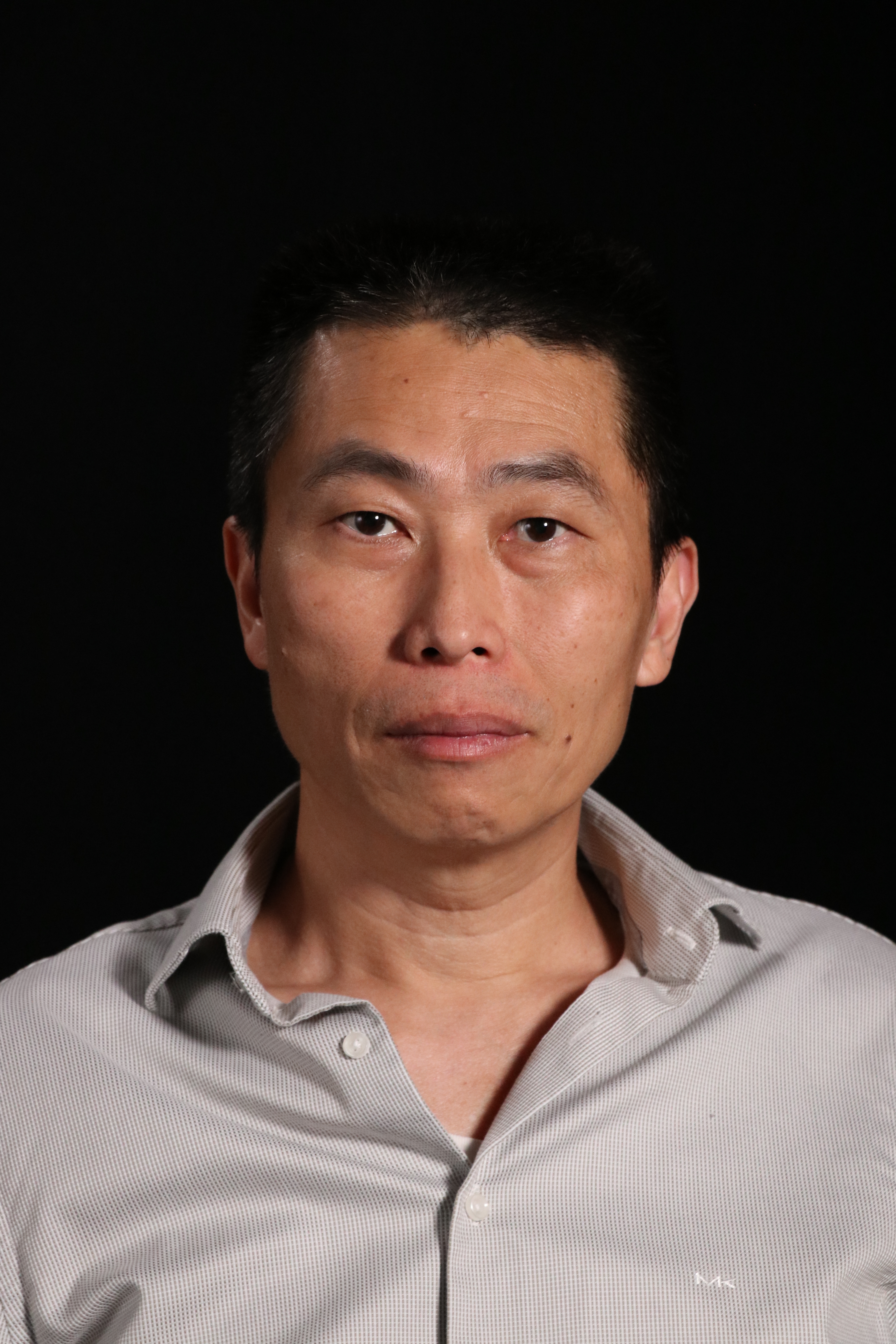
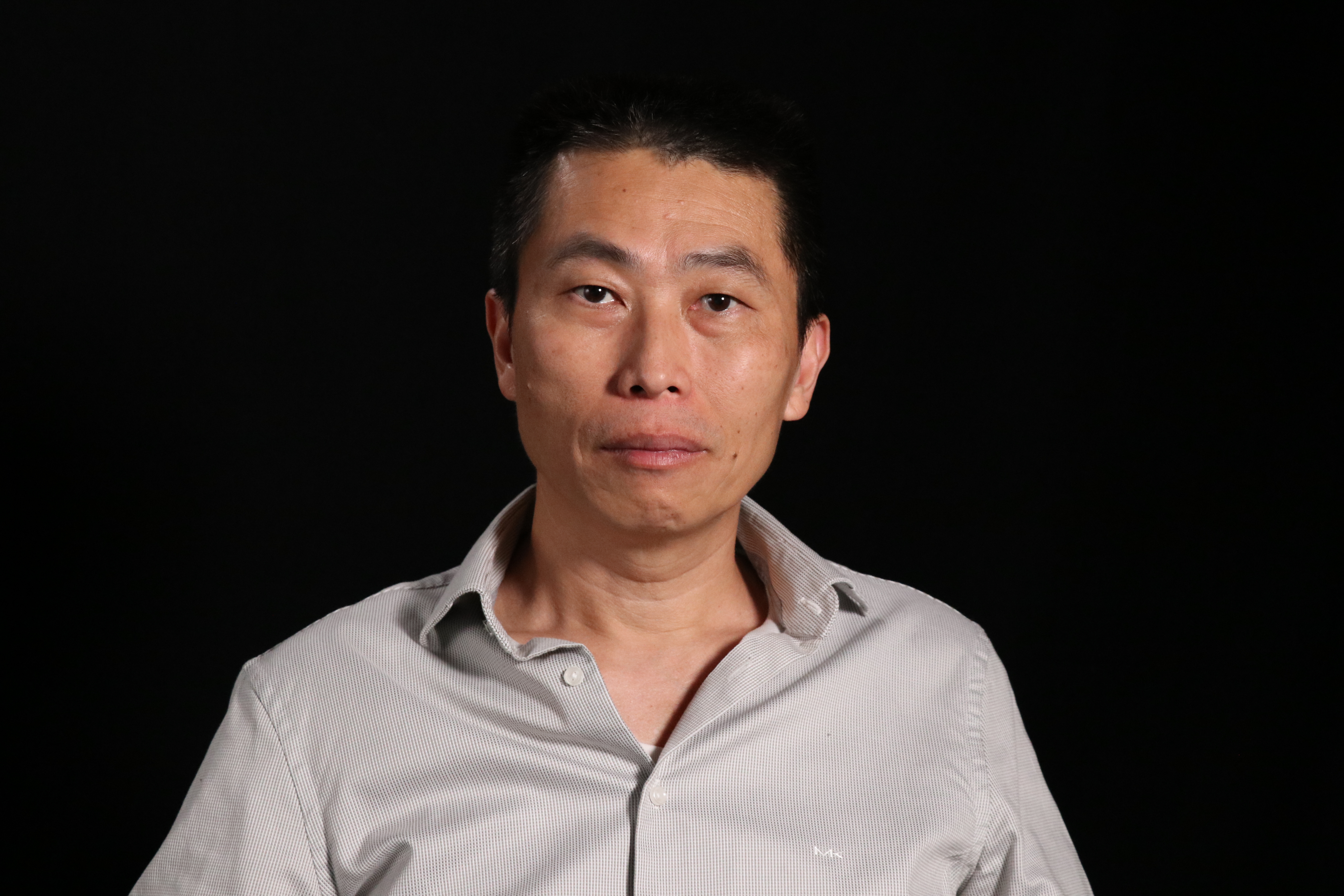
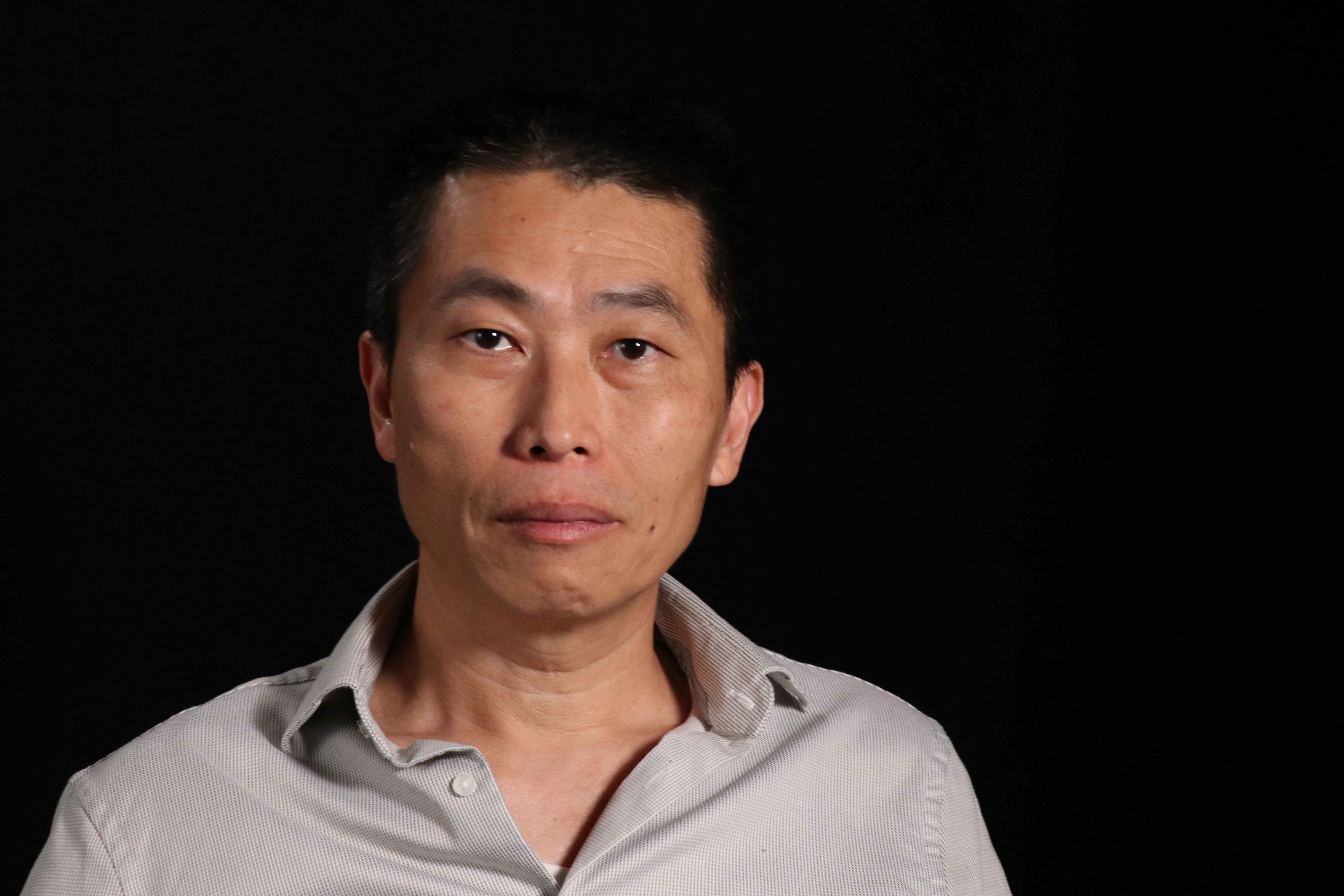
Hoàng Quốc Hùng, thường được biết đến là Hoàng Hùng, sinh năm 1971 tại Hà Nội, trong một gia đình cách mạng, bố mẹ anh đều là đảng viên từ những năm 1950. Tuổi thơ của anh gắn liền với những năm tháng đói nghèo sau thời kỳ cấm vận hậu độc lập. Năm 1997, anh sang Cộng hòa Séc lập nghiệp, ban đầu buôn bán ở chợ biên giới như nhiều người Việt khác. Dần dần, anh tiếp xúc với internet và các diễn đàn như X-Cà phê, Hoangsa.org, nơi khơi dậy trong anh tinh thần phản biện và ý thức về chủ quyền đất nước. Năm 2013, anh cùng tiến sĩ Nguyễn Nhã tổ chức hội thảo về Hoàng Sa - Trường Sa tại Praha, là sự kiện đầu tiên của người Việt ở Séc về chủ quyền biển đảo, thu hút đông đảo kiều bào tham dự. Sau hội thảo, anh chính thức gia nhập nhóm Văn Lang, một tổ chức xã hội dân sự hoạt động công khai và minh bạch tại Cộng hòa Séc. Năm 2014, anh tham gia làm admin nhóm “Tôi và Sứ Quán”, một cộng đồng hơn 60.000 thành viên trên toàn thế giới, đấu tranh chống lạm thu, hách dịch của các cơ quan đại diện Việt Nam ở nước ngoài. Hoàng Quốc Hùng từng tham gia nhiều cuộc biểu tình ôn hòa tại châu Âu, trong đó có cuộc biểu tình phản đối Luật Đặc khu năm 2018 và hỗ trợ biểu tình chống sự hạch sách của đại sứ quán Việt Nam ở Ba Lan năm 2023. Lần cuối cùng anh trở về Việt Nam là năm 2016, sau đó phải tạm không quay trở lại do lo ngại bị sách nhiễu. Dù gặp nhiều khó khăn, anh vẫn kiên định với con đường hoạt động dân sự, hướng tới một Việt Nam dân chủ, đa nguyên, nơi người dân được tôn trọng, có quyền phản biện và xã hội dân sự được công nhận như một phần tất yếu của một quốc gia văn minh.